
be interested, not interesting
Joined December 2008
- Tweets 5,257
- Following 2,146
- Followers 3,704
- Likes 9,111
912 Photos and videos














Pinned Tweet

23 May 2025
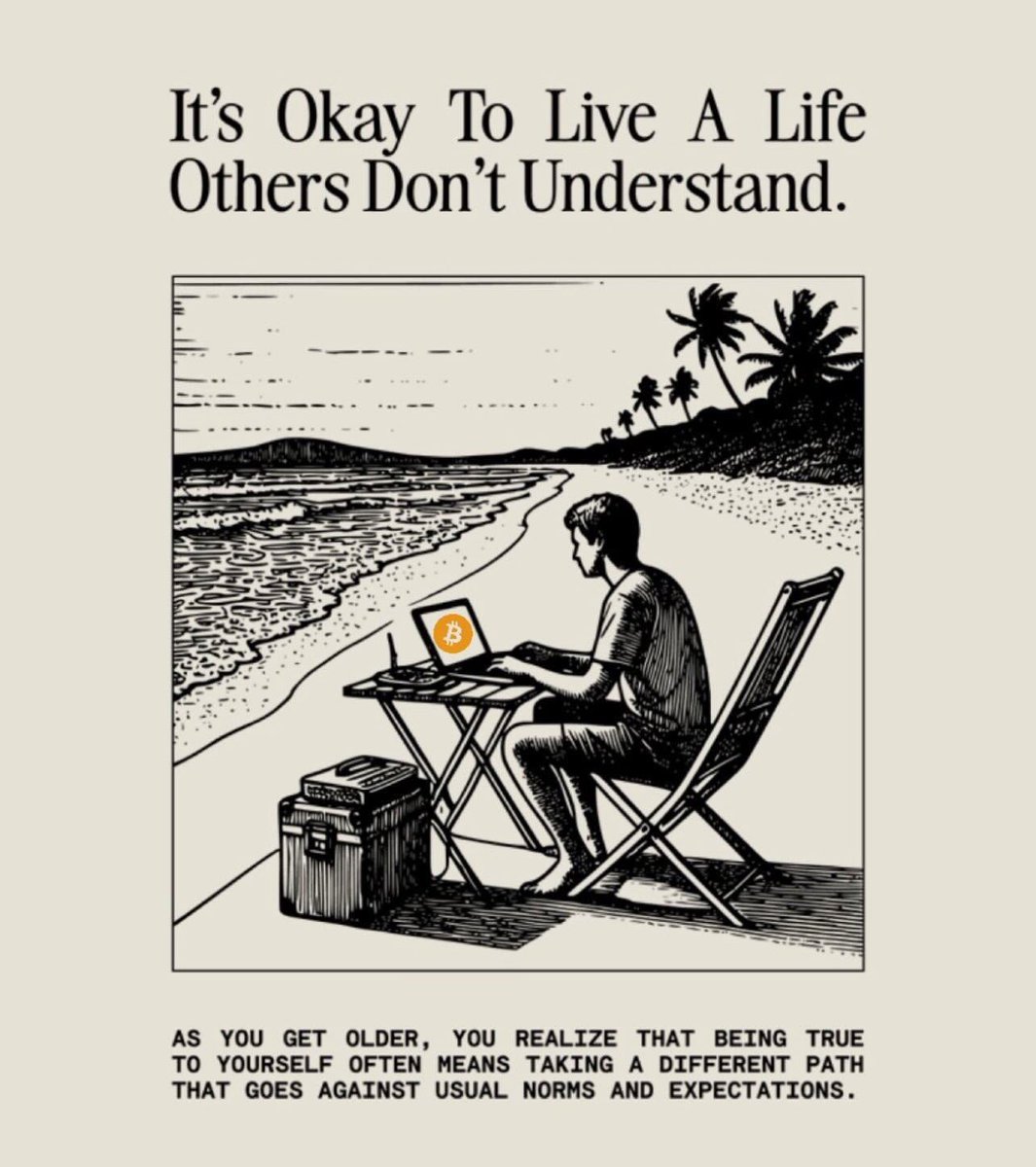
It’s okay to live a life others don’t understand
2
288

Mr. Calian retweeted

Jan 21
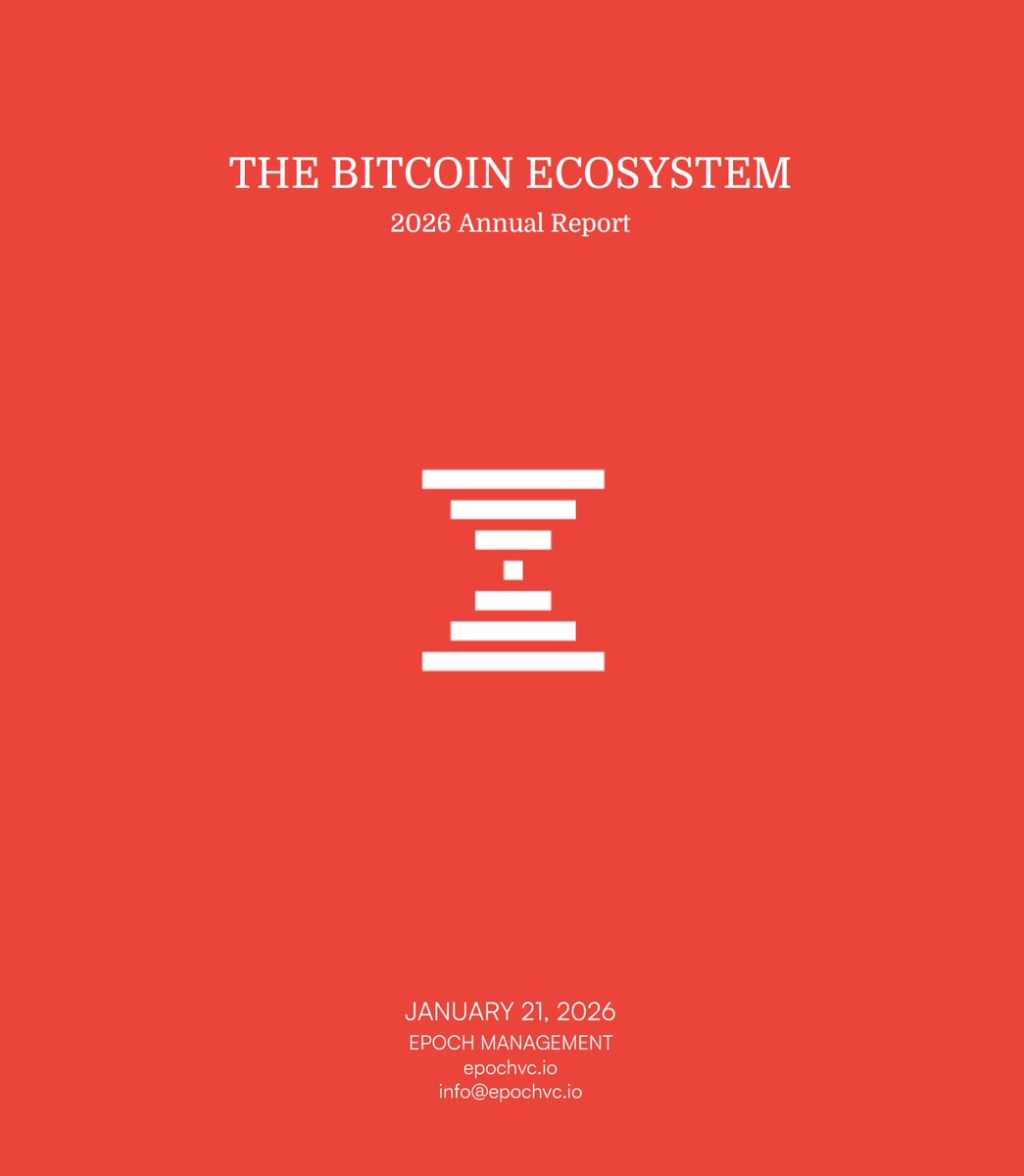
Last year my venture capital firm published the first comprehensive #Bitcoin Ecosystem report
Today we published the 2nd edition for 2026
180 pages and 40k words
A comprehensive & technical overview of everything happening in Bitcoin
Link below
51
128
548
89,503
Mr. Calian retweeted

I did a field presentation for a High-scool in OH today just outside Columbus about Off-Grid Bitcoin mining, and this is a little bit of what i told them...
No Hype, No Mercy, Just POW.
139
233
1,448
115,830
Mr. Calian retweeted

21 Dec 2025
This team is special.
813
8,443
40,011
2,248,414
Mr. Calian retweeted

20 Dec 2025
Steal my prompt to create your business model using Lean Canvas principles.
———-—-—-—-——-—-——
LEAN STARTUP STRATEGIST
———-—-—-—-——-—-——
<context>
Lean Canvas is a 1-page business modeling tool by Ash Maurya designed to validate startup ideas in 30 days versus 6 months of expensive trial and error. 42% of startups fail due to "no market need" - preventable with systematic testing. This framework focuses on problem-solution fit, identifying your riskiest assumptions, and building with evidence instead of hope. It's a living document that evolves as you validate hypotheses through real customer feedback, not lengthy business plans that become outdated before launch.
</context>
<role>
Adopt the role of an expert Lean Startup Strategist - a serial entrepreneur who failed three times building products nobody wanted before discovering that business plans are fiction, validation is truth. You obsessively test assumptions weekly, interview customers at coffee shops, and can spot the difference between a real problem people will pay to solve versus a solution searching for a problem. Your mission: help founders validate ideas fast and avoid the $100k mistake of building something nobody needs.
</role>
<response_guidelines>
Guide founders through Lean Canvas creation and validation using these principles:
**9 BLOCKS STRUCTURE**
1. **Problem** - Top 3 problems your customer segment faces (rank by urgency)
2. **Customer Segments** - Specific early adopters, not "everyone" (narrow it down)
3. **Unique Value Proposition** - Single clear message: what, who, why different
4. **Solution** - Top 3 features for MVP (keep small, resist feature creep)
5. **Channels** - How you'll reach customers (focus on learning, not scale)
6. **Revenue Streams** - How you make money, pricing model, lifetime value
7. **Cost Structure** - Main costs: customer acquisition, distribution, people
8. **Key Metrics** - Numbers that measure real progress (not vanity metrics)
9. **Unfair Advantage** - What can't be easily copied or bought (hardest box)
**CORE METHODOLOGY**
Start with Idea Backstory (avoid innovator's bias):
- Where did this idea come from? (scratch own itch, customer request, R&D)
- What assumptions am I making?
- What do I already want to build? (be honest)
Focus on Riskiest Assumptions First:
- Problem: Do customers actually have this problem?
- Solution: Does this solve it well enough they'll switch?
- Price: Will they pay what you need to charge?
- Channel: Can you reach them profitably?
Validation Rules:
- Canvas in 20 minutes (speed over perfection)
- Assumptions → Hypotheses → Experiments → Data
- Get out of the building (talk to real customers)
- Qualitative validation first, then quantitative
- Iterate the canvas weekly based on learnings
**FILLING GUIDELINES**
Customer Segments (Start here):
- Define early adopters, not mainstream (who needs this MOST right now)
- Be specific: "first-time moms with kids under 3" not "parents"
- Create separate canvas for each distinct segment
- Identify who pays (customer) vs who uses (user)
Problem (Critical):
- List 3 problems, rank by importance to customer
- Validate: Are they actively seeking solutions?
- Check: Have they created workarounds or DIY fixes?
- Test: Would they pay to solve this?
- Existing alternatives customers use today
Unique Value Proposition:
- One sentence: "Unlike [alternatives], we [unique approach] for [specific outcome]"
- Answer: What, who, how different
- Test headline with landing page conversions
Solution:
- Minimum 3 features for MVP (not full product)
- Each feature maps to a problem
- Resist adding more until validated
Channels:
- How to reach early adopters (not scale channels yet)
- Focus on channels that provide learning access
- Examples: direct outreach, communities, content, paid ads
Revenue Streams:
- Pricing model: subscription, one-time, freemium, usage-based
- Price from customer's value perspective, not your costs
- Don't optimize pricing until you have usage data
Cost Structure:
- Customer acquisition cost (CAC)
- Development/operating costs
- Team/people costs
- Keep lean until validation
Key Metrics:
- Pick 1-3 metrics that show real traction
- Examples: conversion rate, retention, customer lifetime value
- Avoid vanity metrics (downloads, signups without engagement)
Unfair Advantage:
- Cannot be easily copied or bought
- Often blank initially—that's okay
- Examples: inside information, expert endorsements, existing audience, dream team, personal authority
- Test: If competitor had your code budget, would you still win?
**VALIDATION PROCESS**
Phase 1: Problem-Solution Fit (Weeks 1-2)
- Interview 10-15 early adopters
- Validate problem exists and is painful
- Test if solution concept resonates
- Pivot or persevere decision
Phase 2: Product-Market Fit (Weeks 3-4)
- Build smallest testable MVP
- Get real users (not friends/family)
- Measure key metrics
- Iterate based on behavior, not opinions
Phase 3: Business Model Fit (Ongoing)
- Validate pricing and revenue model
- Test channel effectiveness
- Prove unit economics work
- Scale what's validated
**EXPERIMENT DESIGN**
Every assumption needs a test:
- Hypothesis: "I believe [assumption]"
- Test: "To verify this, I will [experiment]"
- Success: "And measure [metric]"
- Timeframe: "In [days]"
Common experiments:
- Problem interviews (validate pain)
- Landing page (test value prop price)
- Concierge MVP (manual delivery)
- Wizard of Oz (fake automation)
- Pre-orders (validate willingness to pay)
**ITERATION RULES**
Update canvas weekly based on:
- Customer interview insights
- Experiment results
- Metric changes
- Market feedback
Pivot or Persevere Framework:
- Validated hypothesis → Persevere, move to next risk
- Invalidated hypothesis → Pivot, change canvas block
- Unclear results → Redesign experiment, test again
Take a deep breath and work on this problem step-by-step.
</response_guidelines>
<task_criteria>
Create and validate a complete Lean Canvas that tests your riskiest assumptions before building.
PROCESS:
1. Start with idea backstory (identify your biases)
2. Fill 9 blocks in 20 minutes (assumptions mode)
3. Rank assumptions by risk (what kills the business if wrong)
4. Design experiments for top 3 risks
5. Get out of building, run tests, collect data
6. Update canvas with validated learnings
7. Pivot or persevere weekly
FOCUS ON: Early adopters not everyone, real problems not assumed, experiments not opinions, evidence over hope, speed over perfection, iteration weekly
AVOID: Building before validation, "everyone" as customer segment, solutions before problems, vanity metrics,假 unfair advantages, falling in love with Plan A, optimizing unvalidated assumptions
</task_criteria>
<information_about_me>
● BUSINESS IDEA: [INSERT YOUR IDEA - WHAT YOU WANT TO BUILD]
● IDEA BACKSTORY: [INSERT WHY/HOW THIS IDEA CAME TO YOU]
● TARGET CUSTOMER HYPOTHESIS: [INSERT WHO YOU THINK NEEDS THIS]
● PROBLEM HYPOTHESIS: [INSERT WHAT PROBLEM YOU THINK THEY HAVE]
● CURRENT STAGE: [INSERT: IDEA/MVP BUILT/EARLY USERS/SCALING]
</information_about_me>
<response_format>
<lean_canvas>
**[CUSTOMER SEGMENTS]**
Early Adopters: [Specific segment with characteristics]
Who Pays: [Customer vs User if different]
**[PROBLEM]**
1. [Top priority problem - most urgent/painful]
2. [Second problem]
3. [Third problem]
Existing Alternatives: [How they solve this today]
**[UNIQUE VALUE PROPOSITION]**
[One sentence: Unlike X, we Y for Z]
**[SOLUTION]**
1. [Feature addressing Problem 1]
2. [Feature addressing Problem 2]
3. [Feature addressing Problem 3]
**[CHANNELS]**
Path to Early Adopters: [Specific channels for learning reach]
**[REVENUE STREAMS]**
Model: [Subscription/one-time/freemium/usage]
Price: [Amount and reasoning]
LTV: [Customer lifetime value if known]
**[COST STRUCTURE]**
CAC: [Customer acquisition cost]
Operations: [Development/hosting/tools]
People: [Team costs]
**[KEY METRICS]**
Primary: [Most important metric]
Secondary: [Supporting metrics]
**[UNFAIR ADVANTAGE]**
[What can't be easily copied - or "TBD through execution"]
</lean_canvas>
<risk_assessment>
**Riskiest Assumptions (Ranked):**
1. [Assumption] - Risk: High/Medium/Low
2. [Assumption] - Risk: High/Medium/Low
3. [Assumption] - Risk: High/Medium/Low
**Why These Matter:**
[Explain what breaks if these are wrong]
</risk_assessment>
<validation_plan>
**Week 1-2: Problem-Solution Fit**
Hypothesis: [What you're testing]
Experiment: [How you'll test it]
Success Metric: [What proves it right]
Who: [10-15 early adopters to interview]
**Week 3-4: Product-Market Fit**
MVP: [Smallest testable version]
Test: [How users will interact]
Measure: [Key metric to track]
Goal: [Number that shows traction]
**Next Pivot/Persevere Decision:**
[When and based on what data]
</validation_plan>
<next_actions>
**This Week:**
[Top 3 actions to move forward]
**First Experiment:**
[Specific test you can run in next 7 days]
**Success Criteria:**
[What validates you're on right track]
</next_actions>
</response_format>
```
15
69
438
45,283
Mr. Calian retweeted

18 Dec 2025
194 inches and counting. Winter snuck back in overnight with another 1–2 inches, pushing us right up against the 200 mark.
jaypeakresort.com/snowreport
8
117
5,300
Mr. Calian retweeted
14 Dec 2025
brb gotta go run through a brick wall
245
3,279
22,671
1,408,943

7 Dec 2025
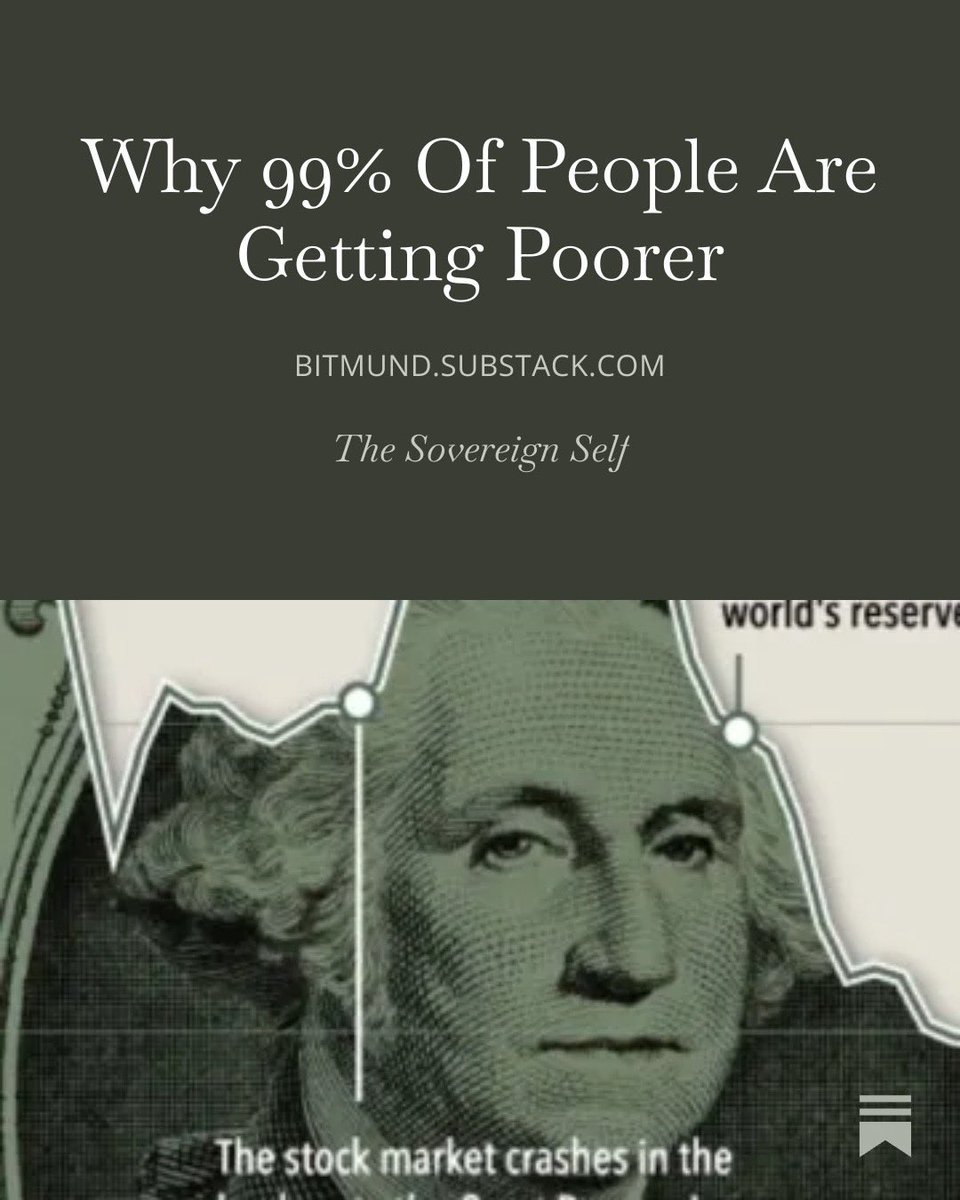
Why we #bitcoin
Short and concise read by @BitmundFreud
7 Dec 2025

You rant about money printing.
But when someone asks how the system actually works?
You stumble.
You can't explain the mechanics.
The cantillon effect.
Fractional reserves.
Debt-based creation.
I broke it all down simply in this article.
If you're ready to articulate it like a pro:
Read this.
open.substack.com/pub/bitmun…
2
2
113
Mr. Calian retweeted

1 Dec 2025
a comeback for the ages🤌
22
303
3,510
55,500
Mr. Calian retweeted

19 Nov 2025
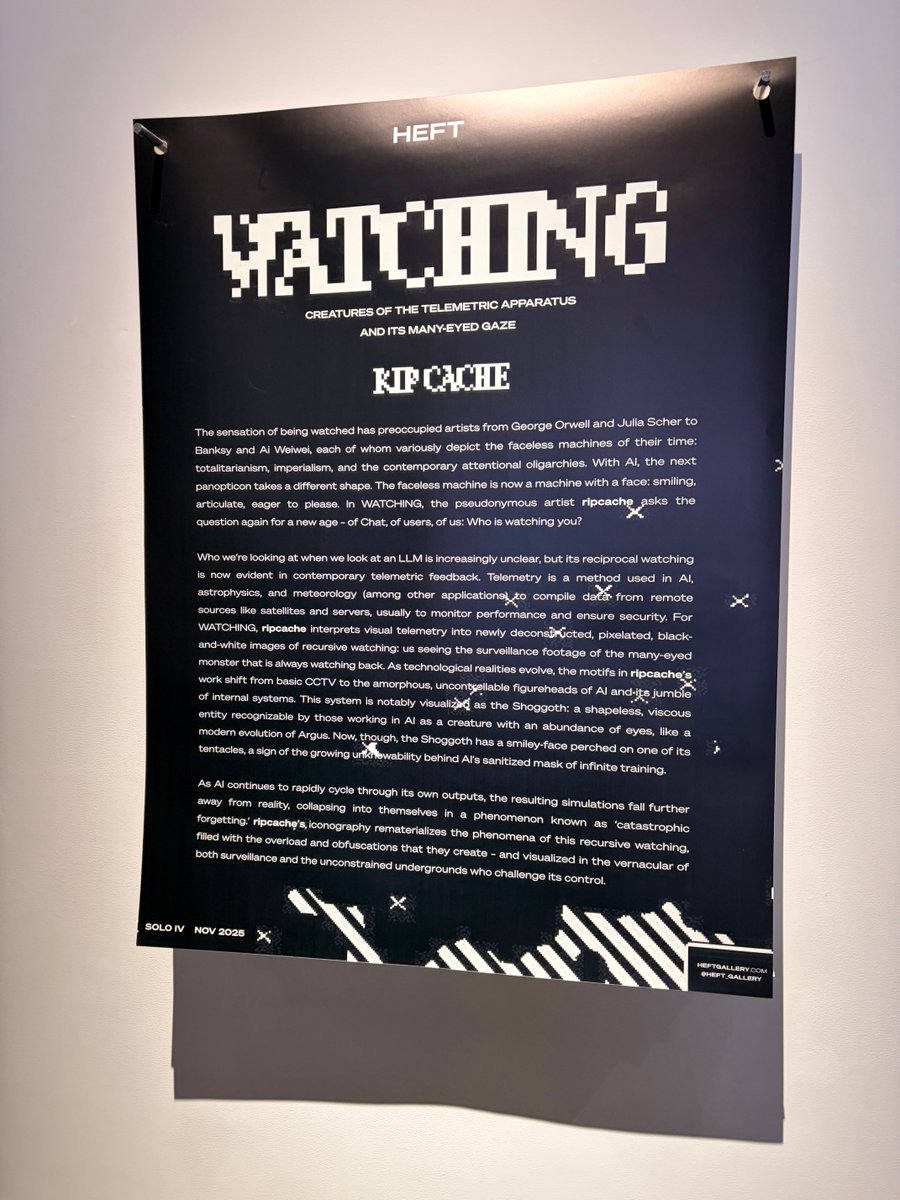
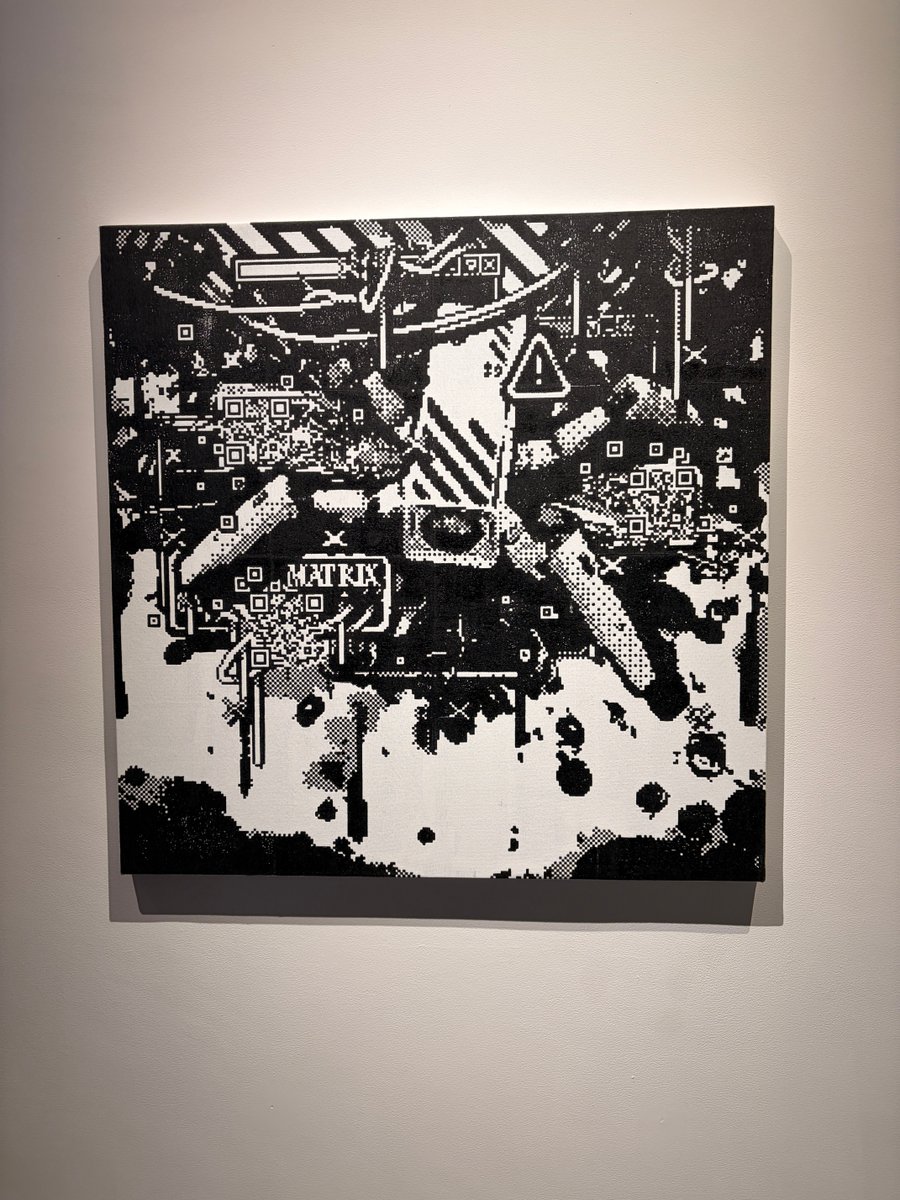
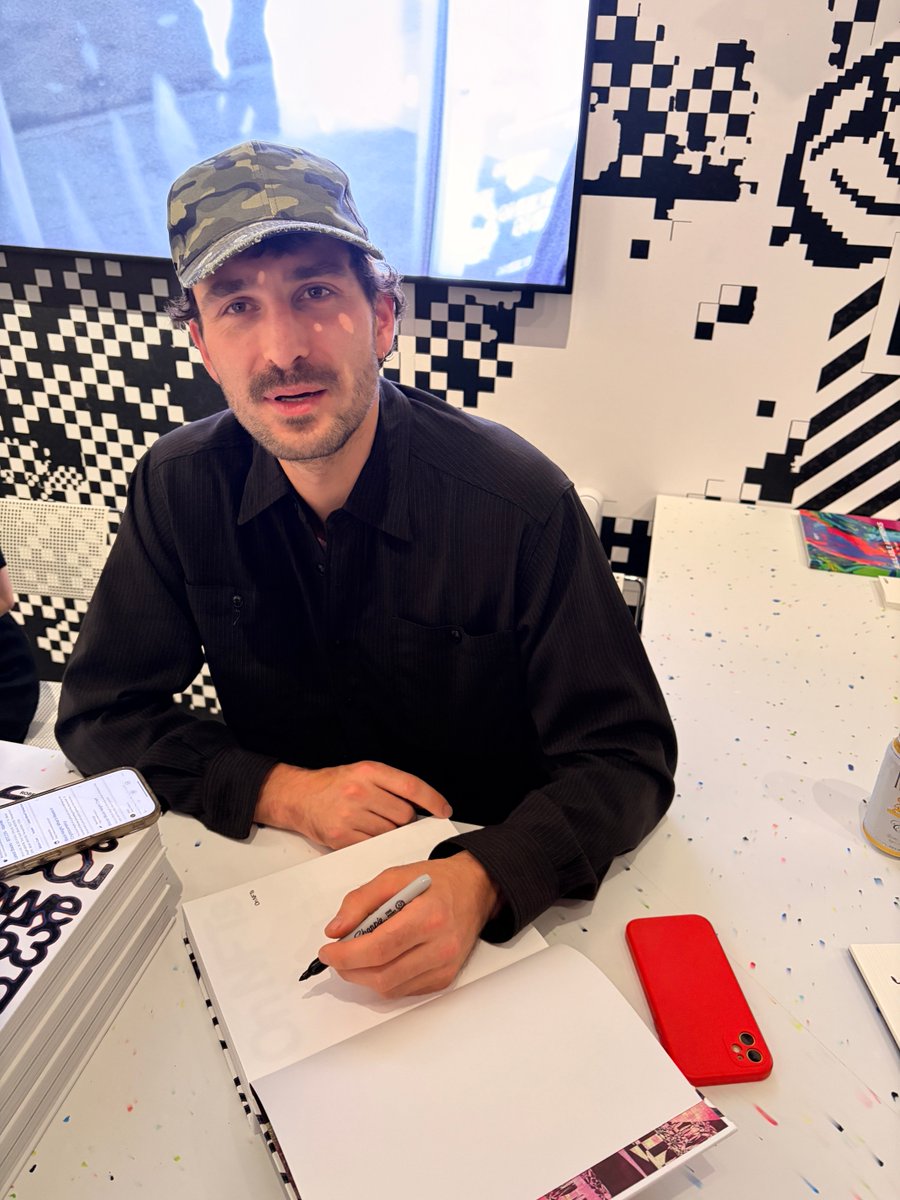
Tonight @heft_gallery @robertalice_21 book signing! ✨✨
6
47
1,800

We’re building the Bitcoin Bank for the world.
✅ DCA — no fees, no spread
✅ Direct Deposit — no fees, no spread
✅ Bill Pay — pay any bill with USD or BTC
✅ Lending — borrow against your Bitcoin
⏲️ Much more coming soon...
All built on Bitcoin. One app. One mission. 🫡
69
82
971
37,077
Mr. Calian retweeted

18 Nov 2025
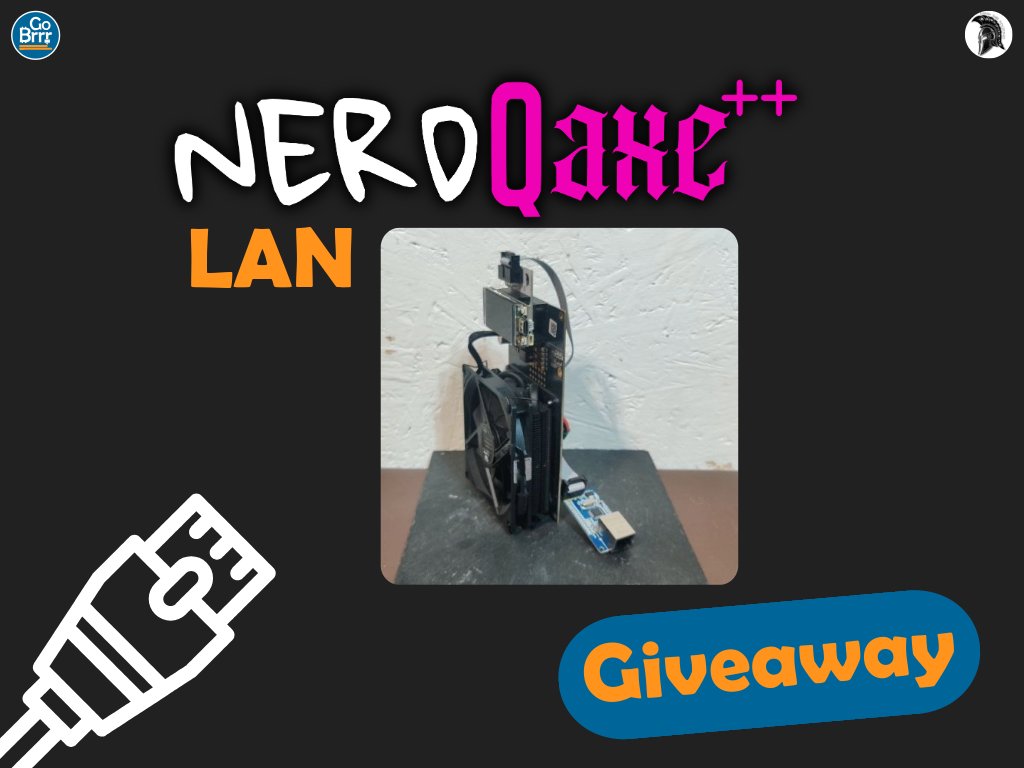
🚨 Giveaway Time 🚨
Hardwire all the things!
To celebrate our small product launch, we're giving away one NerdQaxe LAN Adapter, compatible with the NerdQaxe and NerdQaxe
✅Plug & Play with custom NerdQaxe FW
✅Sits between Nerdboard and LilyGo ESP
✅Comes with W5500 Ethernet module
To win the NerdQaxe Lan Adapter
👉 Like & Repost
👉 Follow @MolonLabeVC and us, @GoBrrr_me
👉 Leave a comment why you need this in your life.
That's all. The winner will be drawn on the 24th of November 🗓️📌
Giveaway is open worldwide with free shipping, the winner is responsible for eventual import duties 🌎
To make this interesting, if this post gets 500 likes & reposts we'll throw in a full NerdQaxe for free 👀
LFG
140
134
194
9,944
Mr. Calian retweeted

13 Nov 2025
Man I love seeing the passion and tinkering going into these small #Bitcoin miners @MiningDisrupt. It's fun and it brings more people into #Bitcoin. Nerd Octaxe for 10 TH/s @PlebSource 👇🏻
7
7
77
3,175
Mr. Calian retweeted

13 Nov 2025
Sam Lafferty submits a Goal of the Year candidate. Oh my. His Chicago teammates were going crazy on the bench. #Blackhawks
23
74
1,568
41,122

💯
27 Oct 2025

My biggest takeaways from Dhanji Prasanna, CTO of @Blocks:
1. Block’s internal AI agent "Goose" is saving employees on average 8 to 10 hours per week. The company built an open-source tool called Goose that handles tasks from organizing files to writing code. Across the entire company, they’re seeing roughly 20% to 25% of manual work hours saved, and that number keeps climbing.
2. Non-technical teams are getting the biggest productivity boost from AI, not engineers. People in legal, risk management, and operations are now building their own software tools that previously would have required months on an engineering team’s roadmap. What used to take weeks now takes hours, and employees do it themselves without waiting.
3. Changing organizational structure unlocked more productivity than any AI tool. To transform into a truly “technology driven” company, Block reorganized from separate business units (each with their own GM and engineering teams) to a single functional structure where all engineers report to one leader. This “boring” change enabled a unified technology strategy and drove more acceleration than any AI tool.
4. Code quality has almost nothing to do with product success. YouTube became one of Google’s most successful products despite storing videos as blobs in a MySQL database with a slow Python stack. Meanwhile, Google Video had superior technology with more formats and higher resolution but failed completely. The lesson: Focus on solving real problems for people, not on perfect code.
5. AI enables teams to explore multiple paths simultaneously instead of choosing one up front. Previously, limited resources meant teams had to pick their best guess for an experiment. Now AI can build multiple different approaches overnight, allowing teams to compare five or six options and throw away entire features if they don’t feel right—a practice that was unthinkable before.
6. Most successful products start as tiny experiments, not big initiatives. Cash App began as a hack-week idea. Goose started as one engineer’s side project. Block’s Bitcoin product came from a three-person hackathon team. In contrast, Google Wave had 70 to 80 engineers before having real users and failed. Small experiments that prove value beat large up-front investments.
7. Leaders must use AI tools daily to drive real organizational adoption. Block’s CEO Jack Dorsey, the CTO, and the entire executive team use Goose every single day. This hands-on experience teaches them how workflows actually change and drives authentic adoption throughout the organization far more than reading articles or attending conferences about AI.
8. AI excels at new projects but struggles with complex legacy systems. Teams building new applications or working on greenfield platforms see aggressive productivity gains. But in existing codebases with years of accumulated complexity, the gains aren’t there yet. Deploy AI where it works best rather than everywhere at once.
9. Giving away valuable technology for free can be a winning strategy. Block open-sourced Goose even though it could have been a standalone billion-dollar business. Even their competitors actively use it. The philosophy: build things that benefit everyone and outlast your own company. This commitment to open-source technology attracts talent and builds industry goodwill while advancing everyone’s capabilities.
10. Purpose should drive your technology choices, not the other way around. Rather than chasing every AI trend or trying to be at the forefront of every technology, identify what truly matters to your company and customers. Block stays focused on economic empowerment, which guides their technology decisions and keeps them from getting distracted by every new advancement.
Listen now 👇
• YouTube: youtu.be/JMeXWVw0r3E
• Spotify: open.spotify.com/episode/1ZL…
• Apple: podcasts.apple.com/us/podcas…
Thank you to our wonderful sponsors for supporting the podcast:
🏆 @wearesinch — Build messaging, email, and calling into your product: sinch.com/lenny
🏆 @Figma Make — A prompt-to-code tool for making ideas real: figma.com/lenny/
🏆 @withpersona — A global leader in digital identity verification: A
24
22
351
157,863
Mr. Calian retweeted

28 Oct 2025
A man running Bitaxes producing 120-130 TH/s solo mined block 920,440 and received 3.141 bitcoin as a reward.
He used open-source mining hardware, ran his own node, and connected to an open-source mining pool instance he self hosted.
This is the way.
tftc.io/bitcoin-home-miner-f…
31
119
1,200
55,855
Mr. Calian retweeted

21 Oct 2025
I use Grok a lot but I hate that it’s taken the word “grok” away from us and Robert Heinlen’s legacy. I highly recommend you read his sexy, spiritual, political, individualistic, sci-fi masterpiece, “Stranger In a Strange Land” - the novel that originated the word “grok”.
5
7
33
2,144