Joined June 2022
- Tweets 18,809
- Following 2,376
- Followers 2,291
- Likes 28,041
1,843 Photos and videos







Pinned Tweet
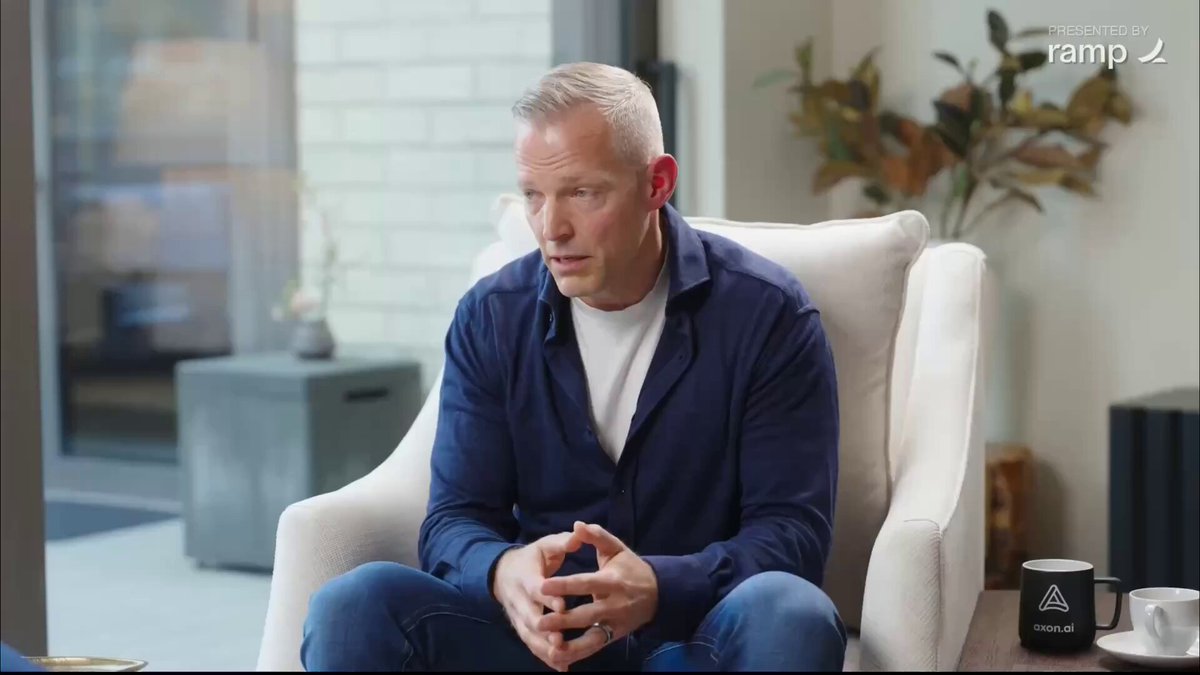
According to Spotify Co-CEO Gustav Söderström, the AI giant that dominates the next decade might not be OpenAI, Anthropic, or any company we're watching today.
The real winner could be a startup that hasn't even been built yet.
15
2
56
244
RT @SignComedian: According to Spotify Co-CEO Gustav Söderström, the AI giant that dominates the next decade might not be OpenAI, Anthropic…
2
According to Spotify Co-CEO Gustav Söderström, the AI giant that dominates the next decade might not be OpenAI, Anthropic, or any company we're watching today.
The real winner could be a startup that hasn't even been built yet.
15
2
56
244
🌱Observer retweeted

Jun 11
Most people won't realize how important the first sprint was until they're chasing points in a month.
Jun 11

THE WORLD CUP™ ‘26 SPRINT IS LIVE.
Claim your Predictstreet Card to enter now: sprint.adipredictstreet.com
Open daily packs, build streaks, & climb the leaderboard to win FIFA World Cup 2026™ tickets.
Finals. Semi-finals. And more.
Here’s how the Sprint works ↓
37
4
103
533
Jun 13
That moment you find out people have been stacking points for days and you're just getting started 😤📈👇
1
2
31
119
Jun 13
Just claimed my free Predictstreet Card for FIFA World Cup 2026™!
Open packs, earn points & climb the leaderboard ⚽
Get your Card & start here: sprint.adipredictstreet.com/…
@Predictstreet
35
Jun 13
You don't need a multi-million-dollar sponsorship deal to benefit from the World Cup.
Creators, communities, and smart distribution can put smaller brands in the same conversation as industry giants. The opportunity is much bigger than sponsorship.

22
2
42
176
Jun 12
Everyone is trying to find the next AI winner.
Meanwhile, the winner might still be figuring out its company name.
Jun 10

Spotify Co-CEO Gustav Söderström says the biggest AI company of the next decade may not even exist yet 👀
"Maybe it's OpenAI and Anthropic... maybe not. Maybe it hasn't even happened yet."
25
37
53
969
Jun 12
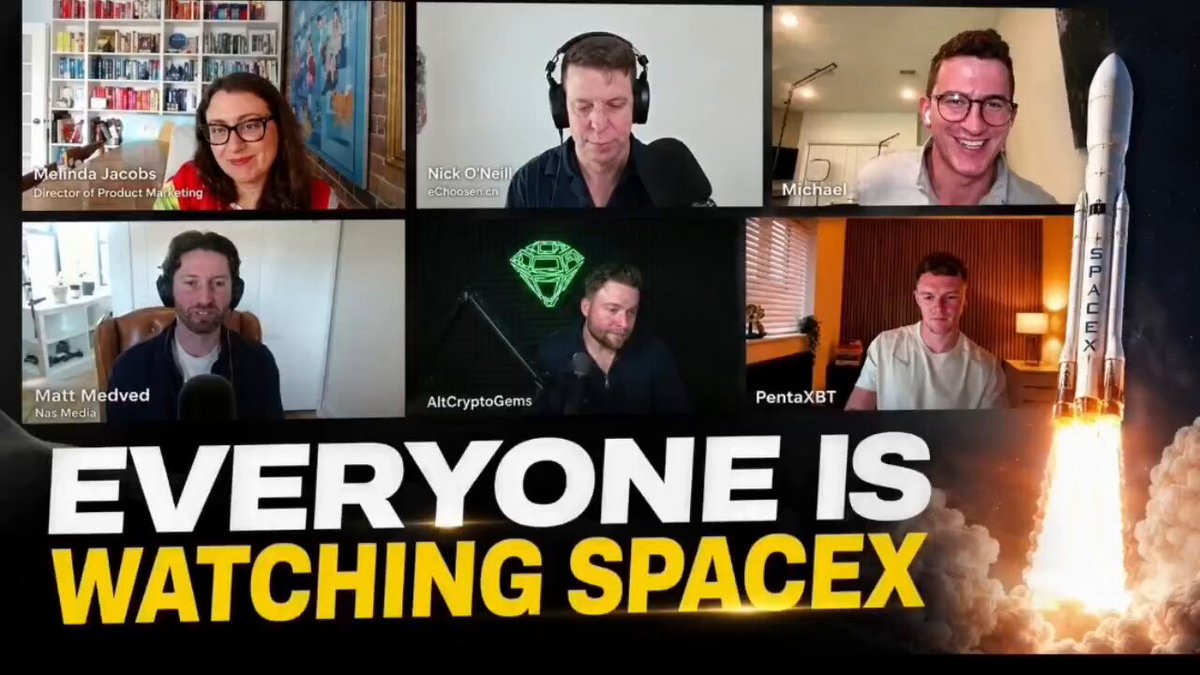
Everyone is watching SpaceX.
Not just because of the IPO, but because it could signal a new era where private market narratives become accessible long before public listings.
This is bigger than most people realize.

SpaceX IPO Pre-Party x.com/i/broadcasts/1qJDzzDXb…
27
3
77
333
Jun 12
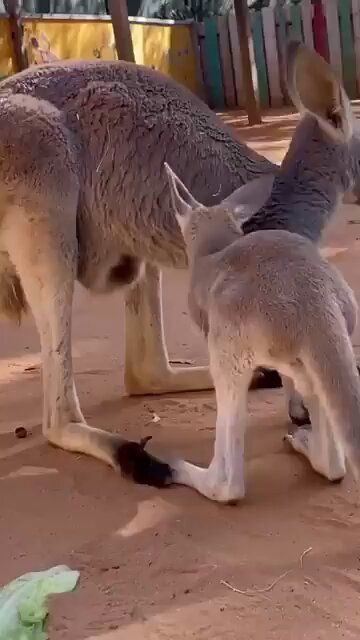
Me trying to secure my free card before CT finds out 🦘⚽
Jun 11
THE WORLD CUP™ ‘26 SPRINT IS LIVE.
Claim your Predictstreet Card to enter now: sprint.adipredictstreet.com
Open daily packs, build streaks, & climb the leaderboard to win FIFA World Cup 2026™ tickets.
Finals. Semi-finals. And more.
Here’s how the Sprint works ↓
28
2
75
329
Jun 12
Just claimed my free Predictstreet Card for FIFA World Cup 2026™!
Open packs, earn points & climb the leaderboard ⚽
Get your Card & start here: sprint.adipredictstreet.com/…
@Predictstreet
1
76
Jun 11
Most people won't realize how important the first sprint was until they're chasing points in a month.
Jun 11
THE WORLD CUP™ ‘26 SPRINT IS LIVE.
Claim your Predictstreet Card to enter now: sprint.adipredictstreet.com
Open daily packs, build streaks, & climb the leaderboard to win FIFA World Cup 2026™ tickets.
Finals. Semi-finals. And more.
Here’s how the Sprint works ↓
37
4
103
533
Jun 12
Just claimed my free Predictstreet Card for FIFA World Cup 2026™!
Open packs, earn points & climb the leaderboard ⚽
Get your Card & start here: sprint.adipredictstreet.com/…
@Predictstreet
1
76
🌱Observer retweeted
Jun 11
Realizing the company didn't need more people...
It needed new systems.
Jun 10

You are not the same company you were 12 months ago, and pretending otherwise is a terminal operational mistake.
When a scaling business goes through an aggressive growth phase, founders often try to preserve their original culture by locking early processes in stone. This creates an existential structural drag. True organizational durability requires understanding that as your headcount and product footprint scale, your corporate identity must undergo complete cellular replacement.
Spotify’s Co-President, Gustav Söderström, breaks down this exact organizational paradox with David Senra on the Founders Podcast. He uses a deep scientific analogy to explain why clinging to a fixed corporate past will eventually paralyze a business.
He maps this out through the Corporate Metabolism Framework:
The Ship of Theseus Trap: Every cell in the human body is replaced over a seven-year cycle, meaning you are materially a completely different object over time. A company functions identically; as you hire new personnel and retire old systems, the original physical structure disappears entirely.
Information Over Matter: Your business is not defined by its physical office, its original codebase, or its founding team members. It is defined strictly by the pattern of information the core principles, strategic alignment, and cultural software that outlasts individual components.
If you try to keep your operational mechanics identical while your organization multiplies in complexity, the system will break under the weight of its own legacy. You must allow the physical components to iterate while keeping the informational core completely uncompromised.
What is the single hardest process or cultural norm you had to completely kill and replace as your company scaled past its initial product-market fit stage?
28
13
132
474
Jun 11
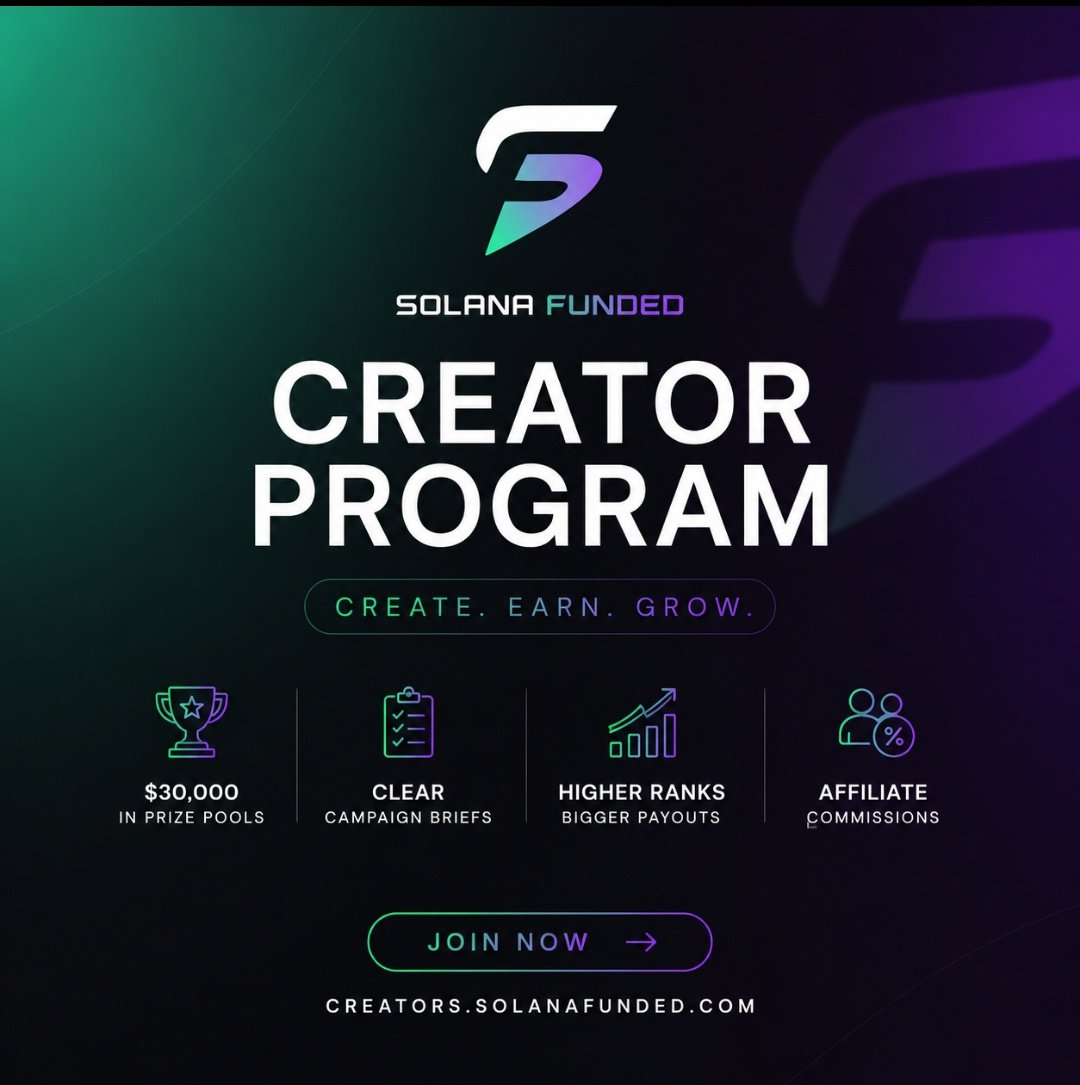
The @solanafunded Creator Program is an interesting example of how creator incentives in Web3 are evolving.
Instead of vague promises of future rewards, the program offers a structured system with defined campaign briefs, ranking tiers, affiliate commissions, and over $30,000 in prize pools.
The ranking model is particularly noteworthy. As creators consistently deliver quality content and move up the leaderboard, they unlock access to higher earning opportunities. This creates a transparent pathway where rewards are tied directly to contribution and performance.
For creators looking to monetize their audience, build their personal brand, and participate more deeply in the Solana ecosystem, programs like this demonstrate how blockchain communities are experimenting with sustainable creator economies.
Join now → creators.solanafunded.com
Jun 10

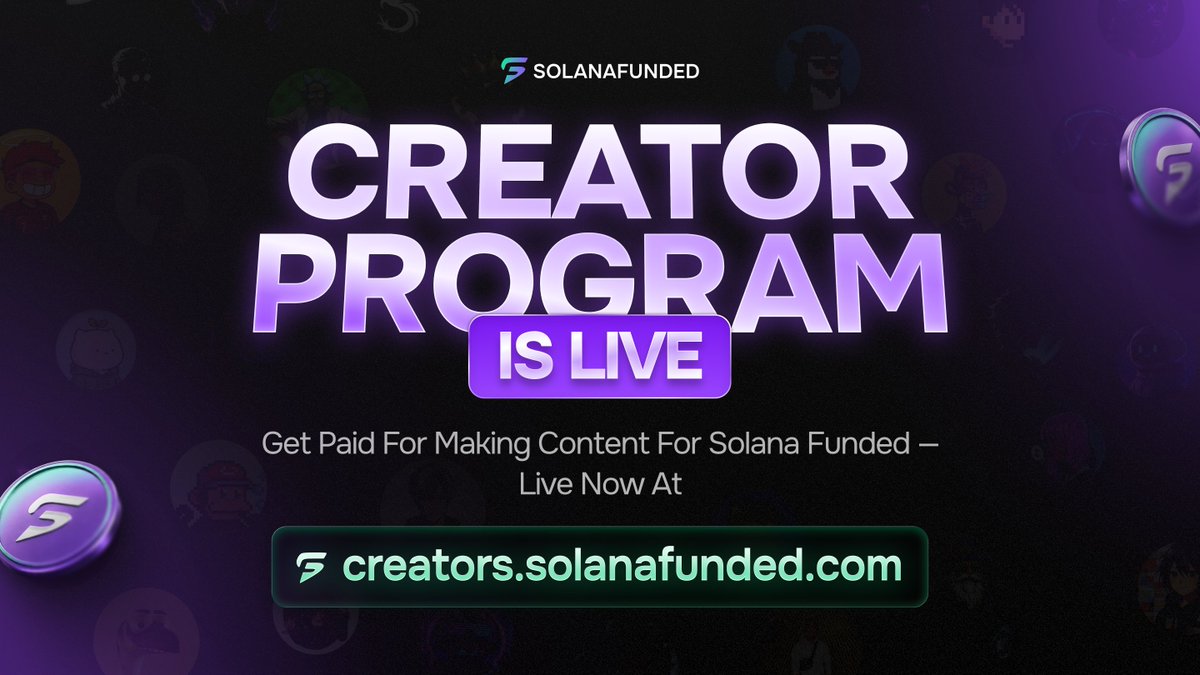
The Solana Funded Creator Program is live!
Get paid to post. Climb ranks. Unlock more rewards.
What's in it for you:
→ $30,000 in prize pools
→ Clear campaign briefs
→ Higher ranks unlock bigger payouts
→ Affiliate commissions
Join now → creators.solanafunded.com
8
47
102
2,052
Jun 11
Spotify: AI could be dangerously addictive.
Me looking at my daily screen time: 😮💨
Spotify CEO is warning everyone about the dangers of AI-based algorithms
It has the potential to be the most addictive technology humans have ever experienced
Most people don’t realize Spotify has been one of the earliest innovators of AI since 2021
Very interesting podcast
38
2
118
582
Jun 11
Just build a better recommendation algorithm.
Spotify:
10 billion playlists entered the chat
Jun 11

Spotify did not guess how to build the perfect music app
They used 10 billion playlists made by real people to teach their computer how to match songs perfectly
What is the number one song on your Spotify playlist right now?
9
87
52
500
Jun 10
Me after realizing my entire feed isn't showing me what I like...
It's just rage bait, clickbait, politics, and random drama I never asked for. 🚬
Jun 10

The Co-CEO of Spotify believes most people are consuming content they never actually wanted to see 🤯
"Filter for rage bait. Filter for clickbait. Filter for politics."
41
3
76
1,469
🌱Observer retweeted
Jun 9
Me and my guys dancing after making some cool cash from picks 😁
Jun 8

the real money era starts now.
claim up to $1,000 bonus.
prove you know ball before the world cup begins.
deposit, play and get your 10x rewards.
set your lineups: go.getpicks.app
🧵
19
39
224
1,980