
We have moved on from X. Find us @cerebellumcenter.bsky.social
Joined August 2019
- Tweets 424
- Following 881
- Followers 798
- Likes 811
24 Photos and videos

Pinned Tweet

Mar 24
What happens when a neuroscientist sits down with a standup comedian?
Dr. Sillitoe joins Tosh Show with @danieltosh for a conversation that’s equal parts sharp, surprising, and genuinely funny. #cerebellum
tinyurl.com/Sillitoe
5
303
Apr 18
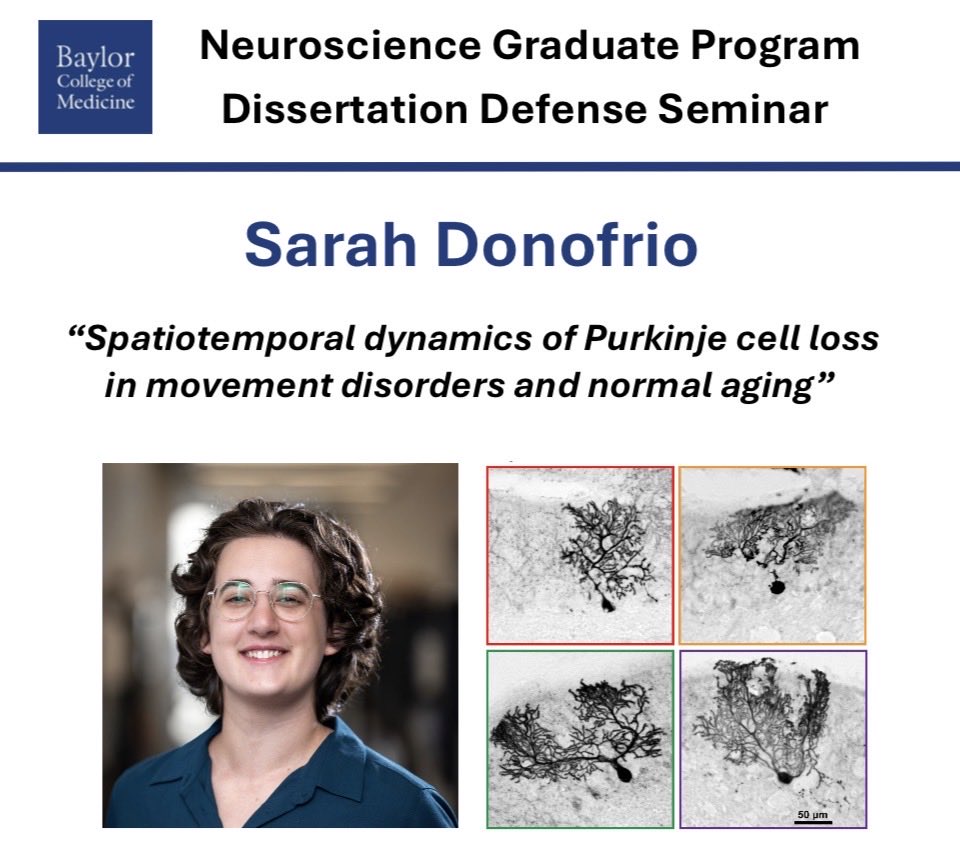
Huge congratulations to Sarah on successfully defending her dissertation today! Years of hard work, curiosity, and persistence have led to this moment, and we’re incredibly proud of our newly minted Dr. Donofrio! @donofrio_sarah
3
189
Feb 18
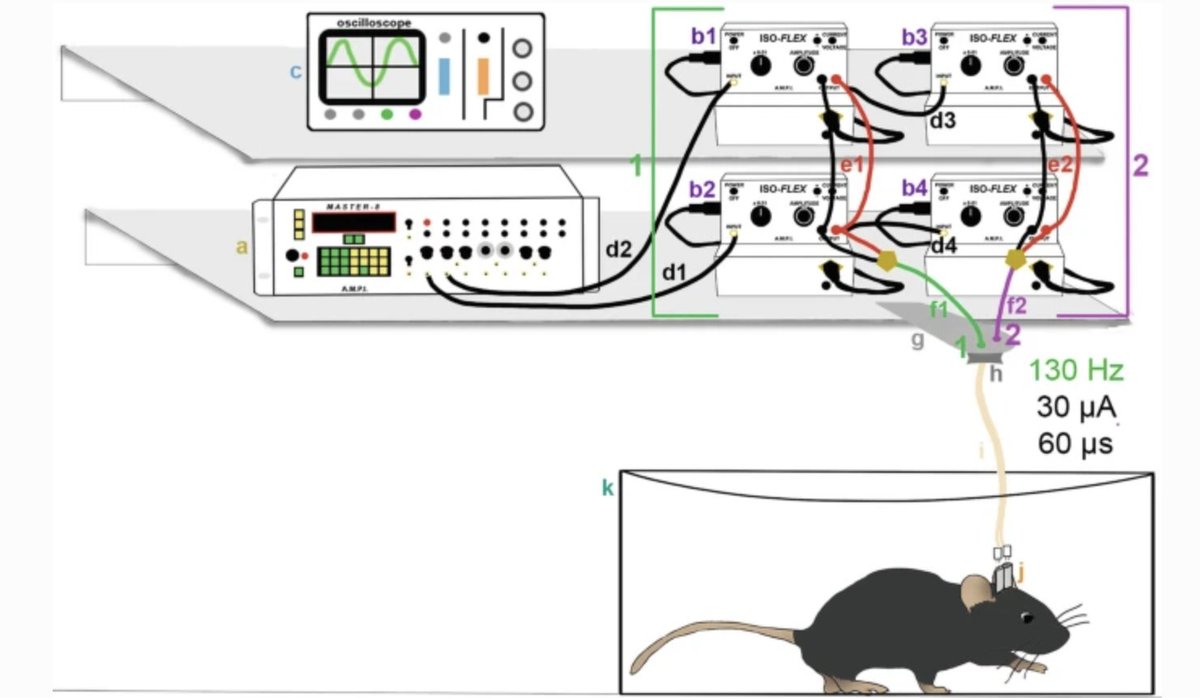
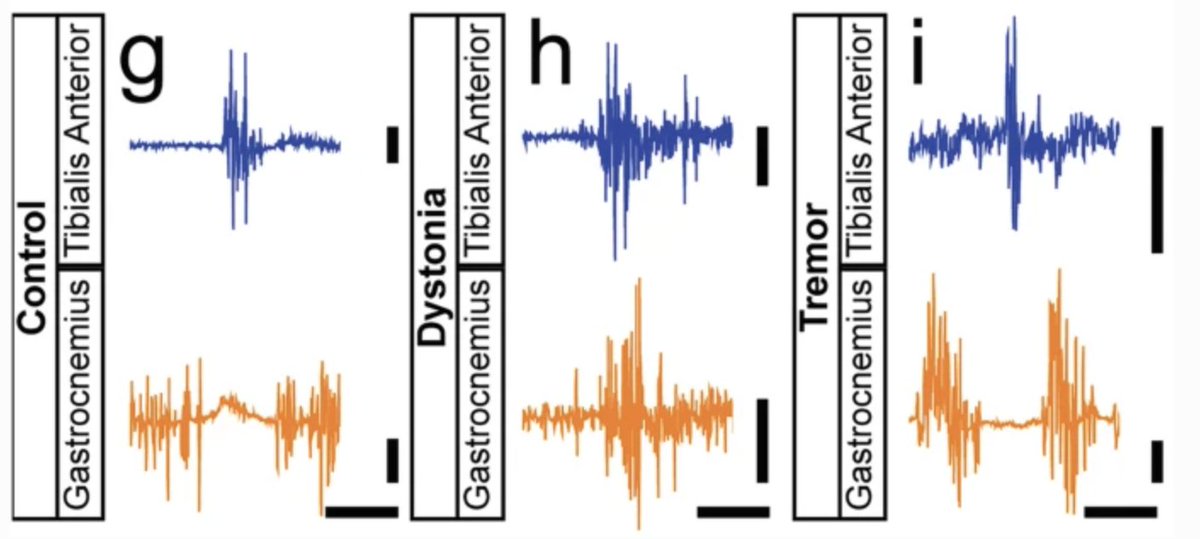
Our group has spent the last 15 years developing a surgical therapeutic approach called Cerebellar Deep Brain Stimulation. Here, we showed that the approach may restore brain circuit function and movement by modulating the sub-cellular structure of organelles.
2
10
552
Sillitoe Lab retweeted

9 Jul 2025
Discover how @nyugrossman’s Dr. Michael E. Pacold turned a basic question about oxygen into a potential cure for a rare pediatric disease. #BehindTheBreakthrough
Watch the latest episode: bit.ly/45UNk6e
Head to nature for the full study: go.nature.com/45W5W5R
3
16
1,628
Sillitoe Lab retweeted

9 Jul 2025
Just published:
nature.com/articles/s41586-0…
Coenzyme Q10 (CoQ10) is critical for mitochondrial function and for controlling reactive oxygen species damage to biological membranes. Because CoQ10 is poorly bioavailable, new approaches are needed to promote CoQ10 synthesis.
In our latest paper @Nature, we use CoQ10 headgroup intermediates to restore CoQ10 synthesis in mouse models of HPDL encephalopathy, a rare pediatric neurodevelopmental disease driven by loss of CoQ10 headgroup synthesis. We also use CoQ10 headgroup intermediates to modify the course of this same disease in a patient.
Primary CoQ10 deficiencies are rare mitochondrial disorders caused by loss of function of the enzymes that make CoQ10. The neurological symptoms of these diseases respond poorly to CoQ10, likely due to poor bioavailability of this molecule.
The newest primary CoQ10 deficiency is HPDL encephalopathy, which is due to loss-of-function variants in the enzyme 4-hydroxyphenylpyruvate dioxygenase-like (HPDL).
A few years ago, we discovered that HPDL carries out the first committed step of the mammalian CoQ10 headgroup synthesis pathway, in a study led by Robert Banh @BanhLab:
nature.com/articles/s41586-0…
We found that the enzyme HPDL makes 4-hydroxymandelate (4-HMA), the first committed precursor of 4-hydroxybenzoate (4-HB), which generates the CoQ10 headgroup.
Patients with HPDL encephalopathy develop spastic paresis, and in severe cases, seizures, neurodevelopmental delay, and death. Mice lacking Hpdl recapitulate these symptoms and die by 15 days after birth. We find that treatment of Hpdl-/- mice with 4-HMA or 4-HB significantly improves the survival of mice from days to years.
We treated a single patient with loss-of-function HPDL variants with 4-HB, with dramatic improvement in his symptoms.
Thanks to co-authors including Robert Banh @BanhLab and Sota Kuno @kuno_sota, editors George Caputa @curiousdrgeorge and Victoria Aranda @mvicaracal, and reviewers including @RutterLab and everyone at @NYULangone @nyugrossman who made this work possible! Many thanks to our collaborators, Roy Sillitoe @BCMHouston / @TexasChildrens and Alex Joyner @MSKCancerCenter. Grateful for funding from @DamonRunyon @PershingSqFdn @psscra @MindPrize @AmericanCancer @HarringtonDI_UH @OHRareDisease @NIH.
19
32
133
16,358
1 Apr 2025
RT @ImagingNeurosci: New paper in Imaging Neuroscience by Leana King, Kevin S. Weiner, et al:
Transcriptomic gradients of the human cerebe…
22
Sillitoe Lab retweeted

24 Mar 2025
The midbrain, brainstem, and cerebellum from Self Reflected. These are the reflective animations in the microetched print of this artwork, more info thorugh the link.
shorturl.at/jLjYp
#sciart #brain #neurology #motorcortex #neuron #neurosurgery
1
42
156
8,346
Sillitoe Lab retweeted

1 Apr 2025
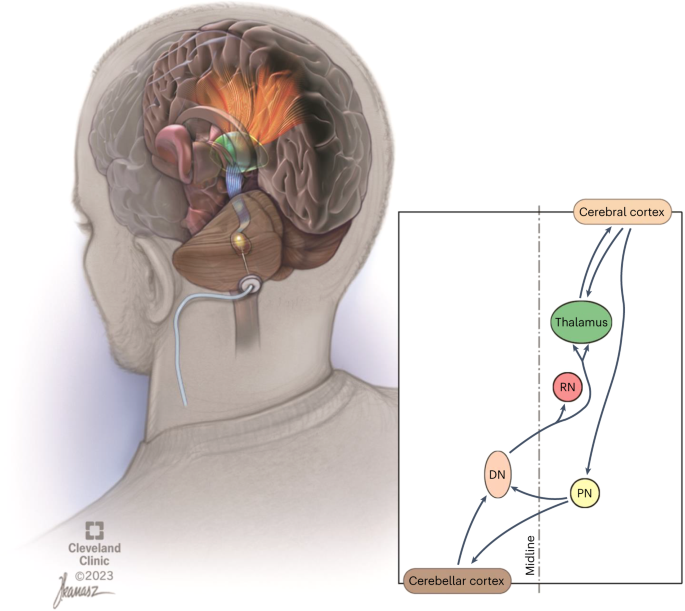
The cerebellum, often underestimated in its role, is crucial for driving neuroplasticity. Groundbreaking @NatureMedicine study showed that deep brain stimulation targeting the cerebellum dramatically improved motor functions in stroke patients, even three years post-stroke.
7
202
862
45,065
27 Jan 2025
New from the lab @donofrio_sarah: Aging leads to patterned Purkinje cell loss in the cerebellum, seen in both mice and humans. More insights into how aging shapes neuronal vulnerability here: biorxiv.org/content/10.1101/…
1
10
457
Sillitoe Lab retweeted

What steps does the #brain take to satisfy #hunger? @DrYongXu1 et al uncovered new circuits and messengers involved in the process. #Metabolism @bcmhouston #GABA #dopamine blogs.bcm.edu/2025/01/23/fro…
1
2
3
656
Sillitoe Lab retweeted

23 Jan 2025
More than 40 percent of #postdocs leave academia. Those who landed a coveted faculty position were more likely to have had a highly cited paper, changed their research topic between their #PhD and postdoc, or moved abroad after receiving their doctorate. pnas.org/doi/10.1073/pnas.24… @PNASNews -> nature.com/articles/d41586-0… #ScienceCareer
15
518
1,702
303,855
Sillitoe Lab retweeted

23 Jan 2025
UCSF’s @KriegsteinLab @LiWang_neuro took a closer look at gene expression in the growing human brain and found sets of genes that could help explain autism and even adult brain cancer – revealing new possibilities for future therapies. tiny.ucsf.edu/8EHYHf
1
3
12
1,475
Sillitoe Lab retweeted

9 Jan 2025
Brain cancer leverages the same tools as the developing brain 🧠! In our new study, published today in @Nature, we mapped neocortical development to explore brain cancer and neuropsychiatric risks. #stemcells #brainresearch
nature.com/articles/s41586-0…
12
35
154
13,908

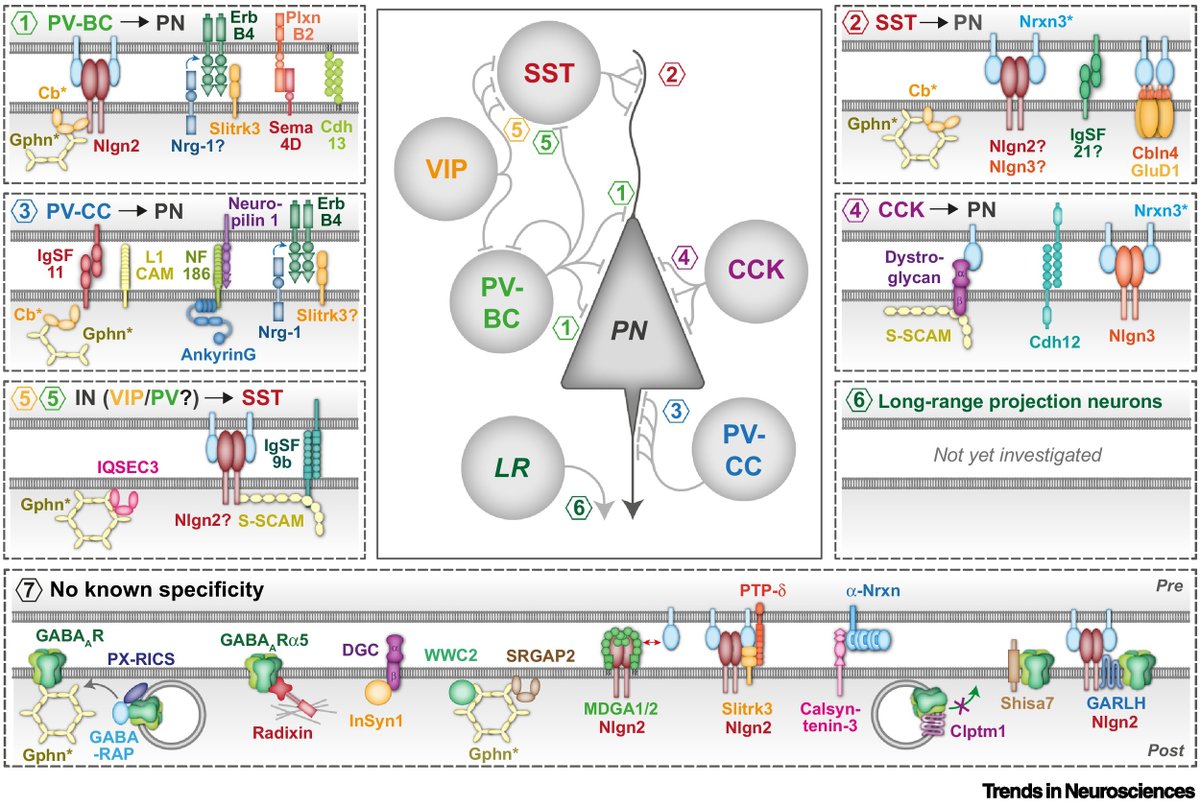
Understanding GABAergic synapse diversity and its implications for GABAergic pharmacotherapy: doi.org/10.1016/j.tins.2024.…
Review on the diversity of GABAergic synapse organizer proteins
48
174
13,342
14 Jan 2025
Huge congrats to our @bcm_neurosci @sarahdonofrio.bsky.social for her beautiful science communication piece, highlighted in Nature Features and Opinion! Dive into the fascinating story of how a neuroscientist unraveled his own long COVID mystery. youcanknowthings.com/how-one….
2
1
7
325
10 Dec 2024
Don’t wait too long to apply! Limited spots.
10 Dec 2024

We will start accepting applications for GRS Cerebellum from Dec 19 until all 70 spots fill up—so don’t wait too long! Who else is planning to join? Let’s dive into cerebellar science together! Apply here: grc.org/cerebellum-grs-confe… #CerebellumGRS
@carobellum
379
Sillitoe Lab retweeted

4 Dec 2024
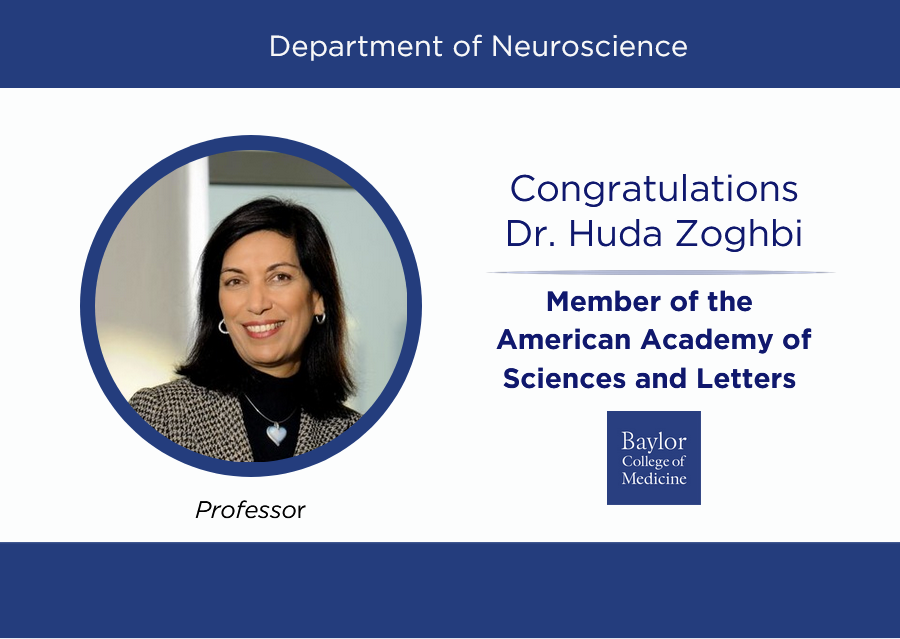
Congratulations to Dr. Huda Zoghbi on being invested as a member of the American Academy of Sciences and Letters. The Academy promotes learning and honors outstanding scholarly excellence and intellectual courage in the humanities, social sciences, and natural sciences.
7
43
2,387
Sillitoe Lab retweeted

2 Dec 2024
Our paper is out in time for #EM_Monday! It is about a specialized neuron-specific ER, the spine apparatus, that is close to synapses and has a peculiar shape. If you think neurons are special, the spine apparatus is their🦄horn! But how does it form?!(1/9)doi.org/10.1016/j.cub.2024.1…
9
33
148
14,633