Joined May 2012
- Tweets 46,868
- Following 5,662
- Followers 1,157
- Likes 76,276
Photos and videos

Randy Silverman retweeted

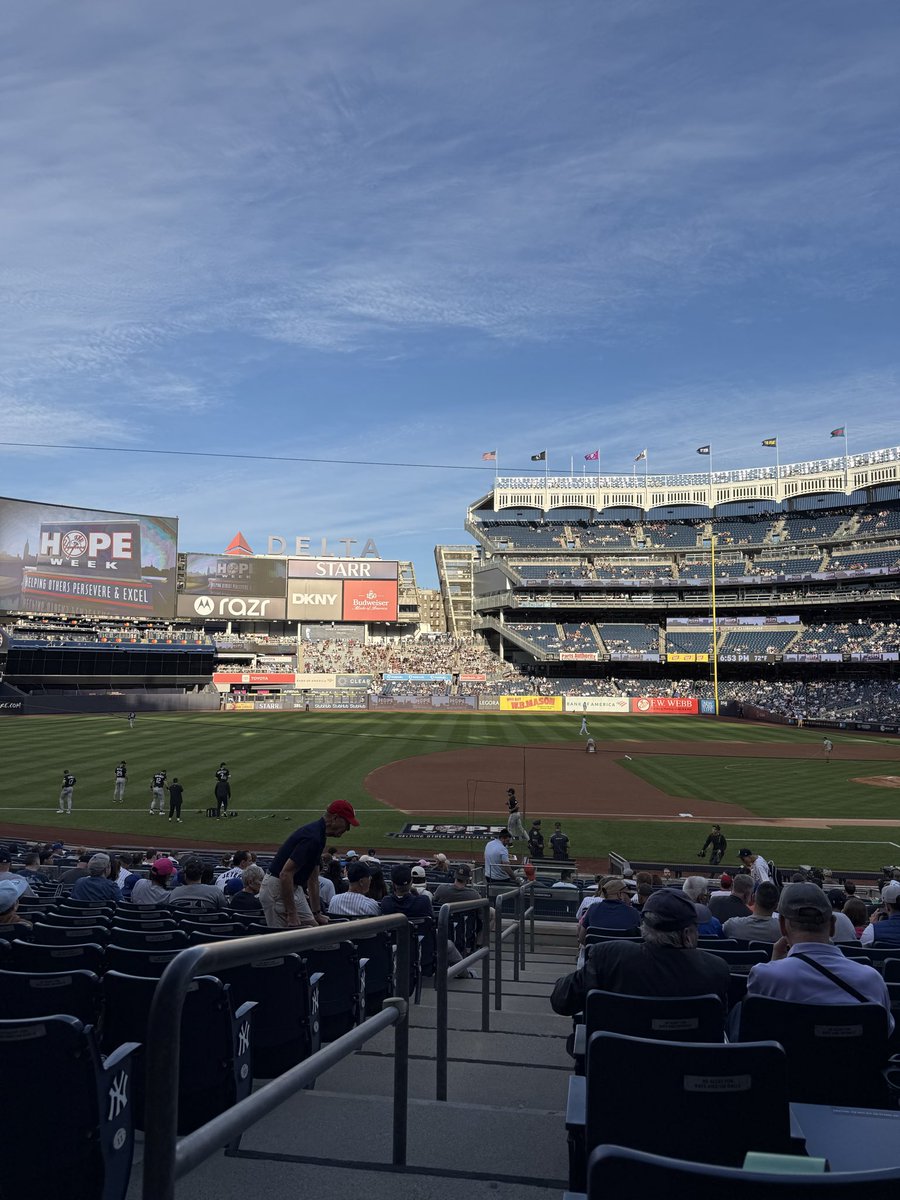
First time back in Yankee Stadium as a champion 🏀😂
7
9
328
3,578
Randy Silverman retweeted

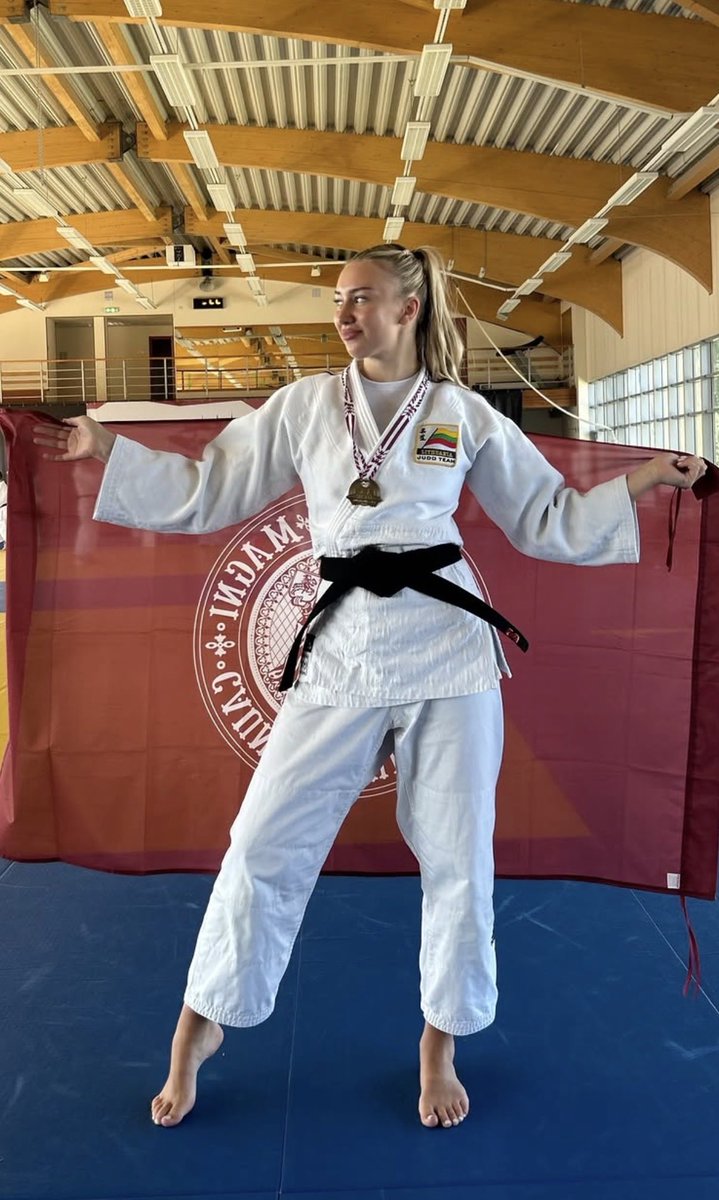
Marta Navickaite - Lithuania 🇱🇹 Judo

2
11
231
4,032
Randy Silverman retweeted

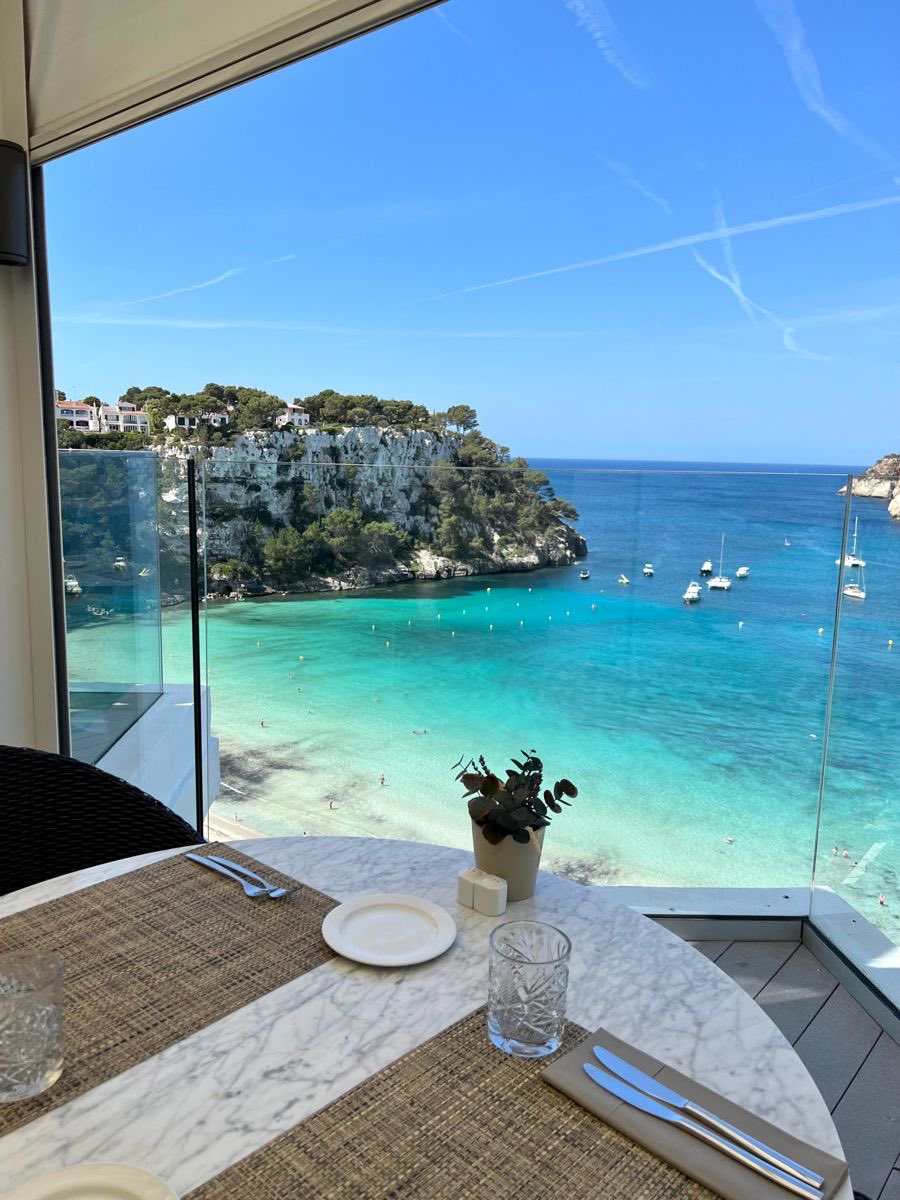
Only future millionaires can like this post.
17
72
2,198
26,009
Randy Silverman retweeted

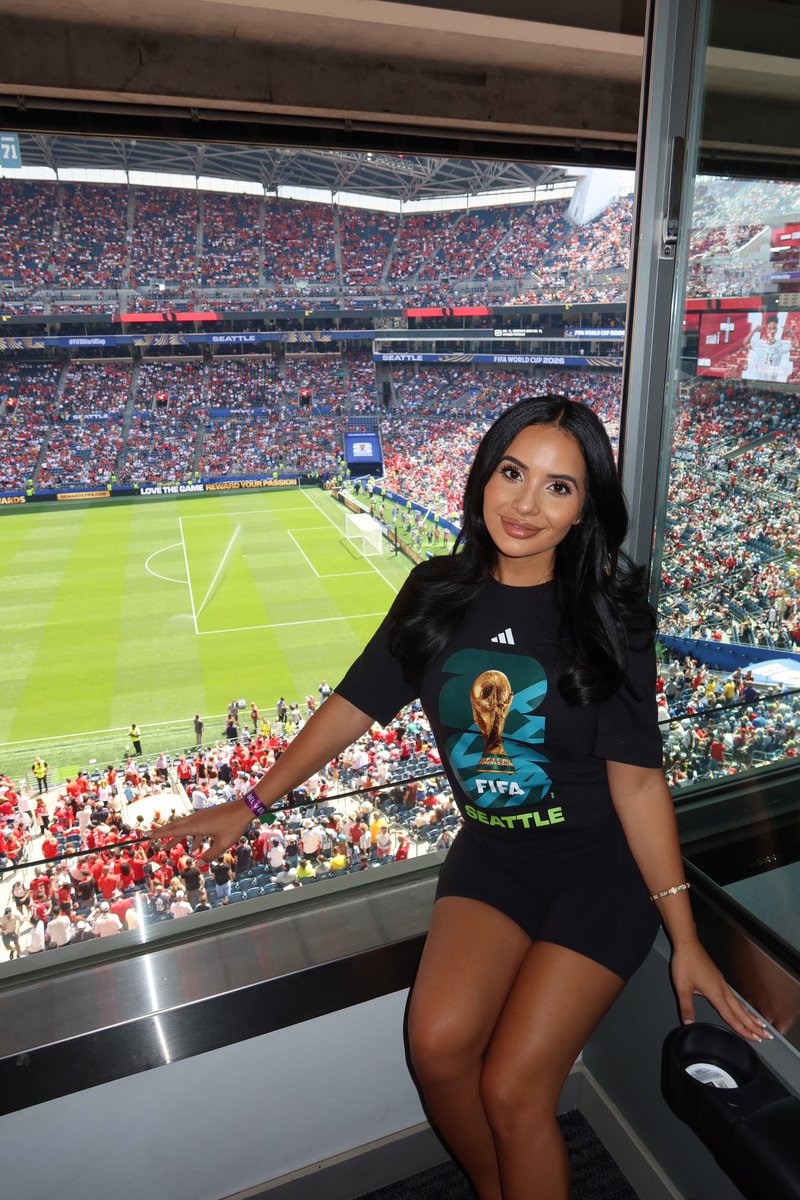
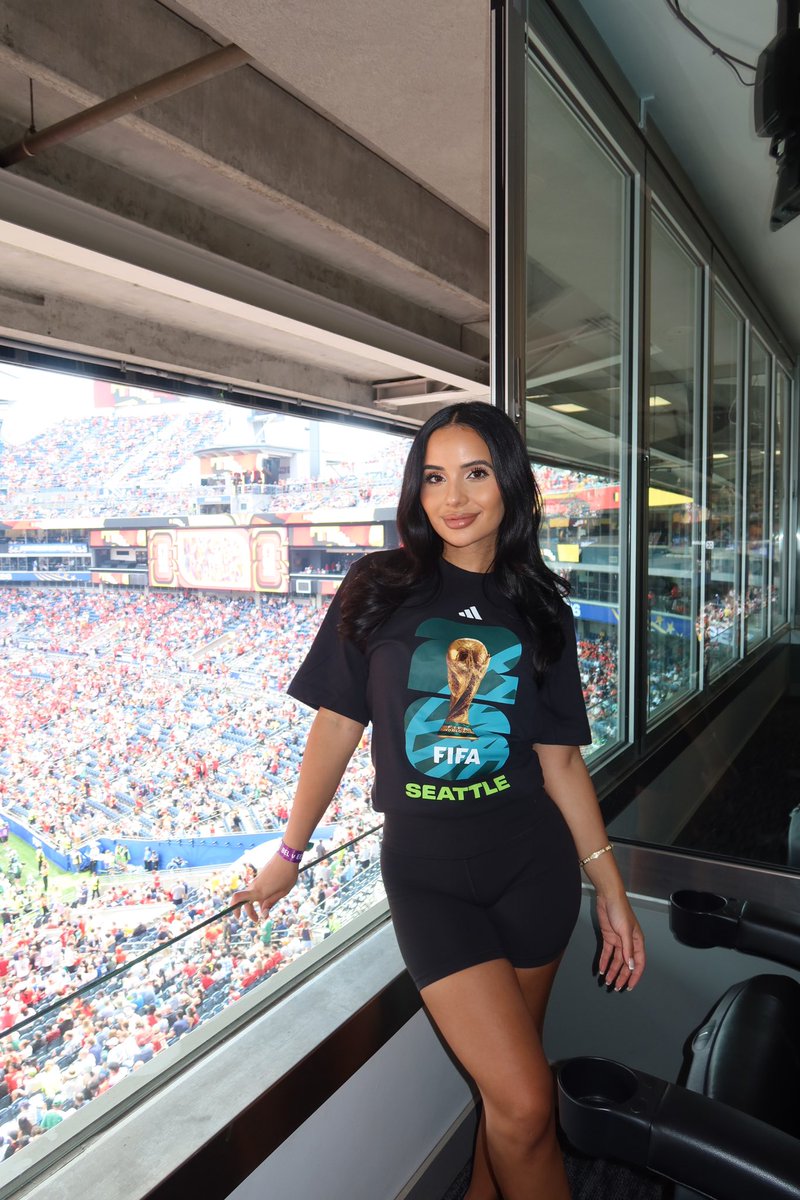
FIFA World Cup 2026 Seattle ⚽️🏆 Egypt vs. Belgium
6
14
934
34,782
Randy Silverman retweeted

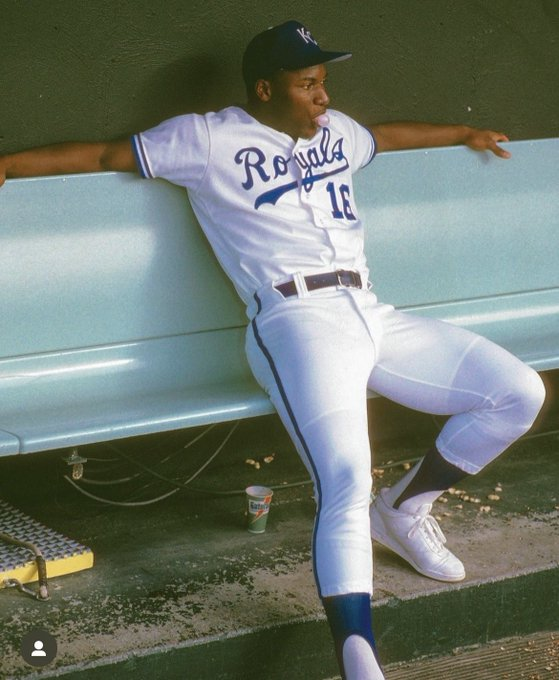
Bo Jackson is the only professional athlete to be selected to play in both the MLB All-Star Game and the NFL Pro Bowl.
22
88
874
15,508


Randy Silverman retweeted

Donald Trump will lift the Fifa World Cup trophy with the winning team, per TSN
337
130
4,180
509,036
Randy Silverman retweeted

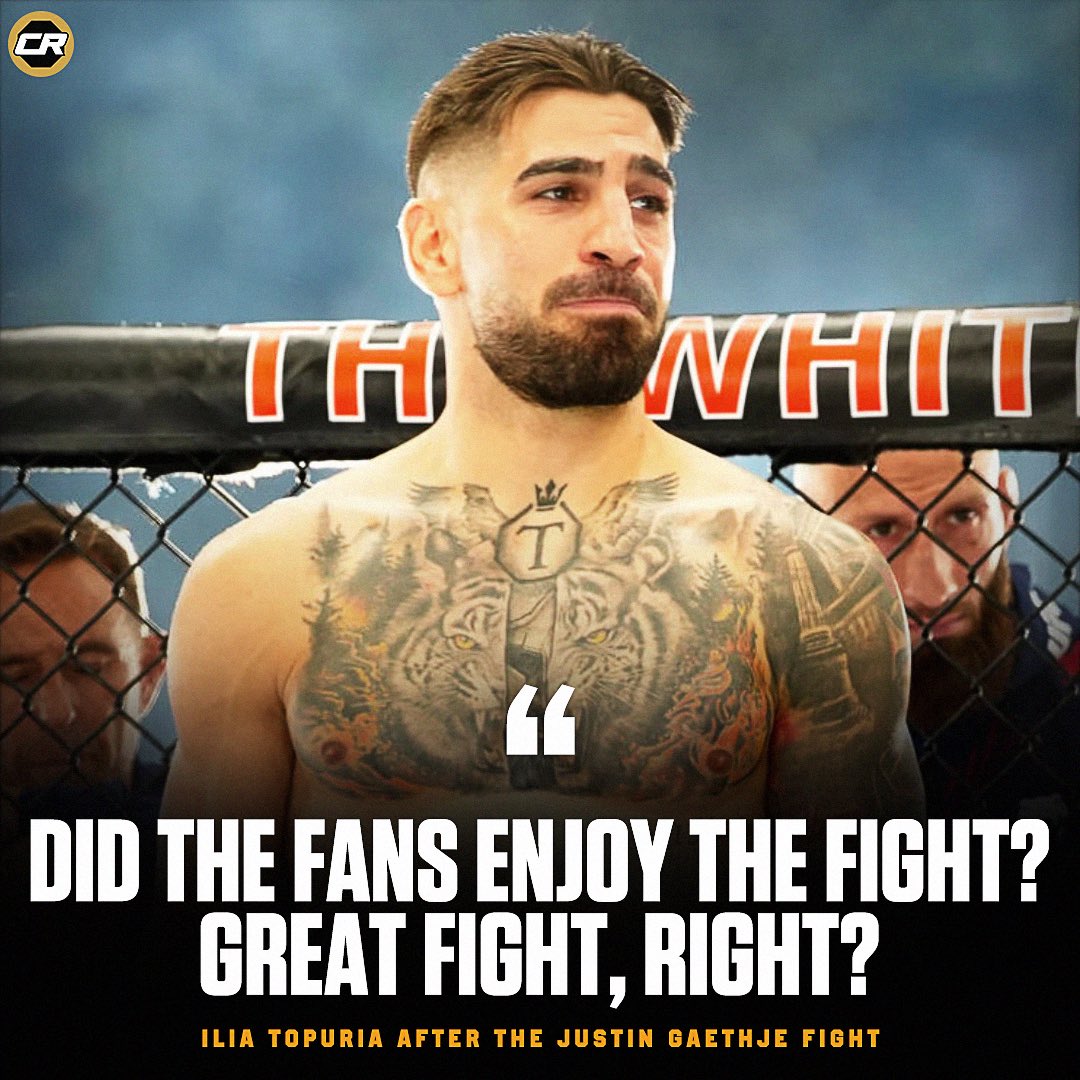
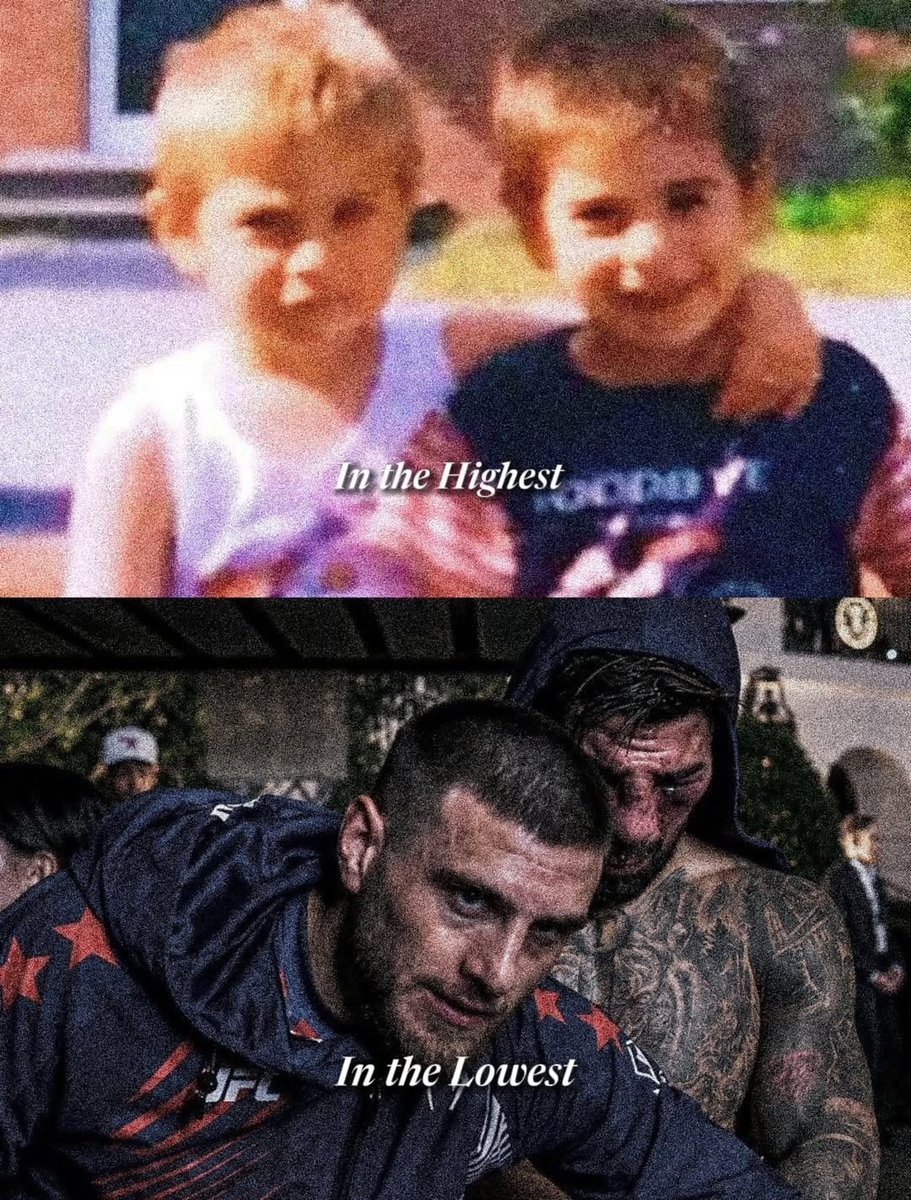
Ilia Topuria’s agent reveals the first thing Ilia said to him after the loss to Justin Gaethje:
“Did the fans enjoy the fight? Great fight, right?”
(via josemdiazf/IG)
187
375
16,777
547,759


Randy Silverman retweeted
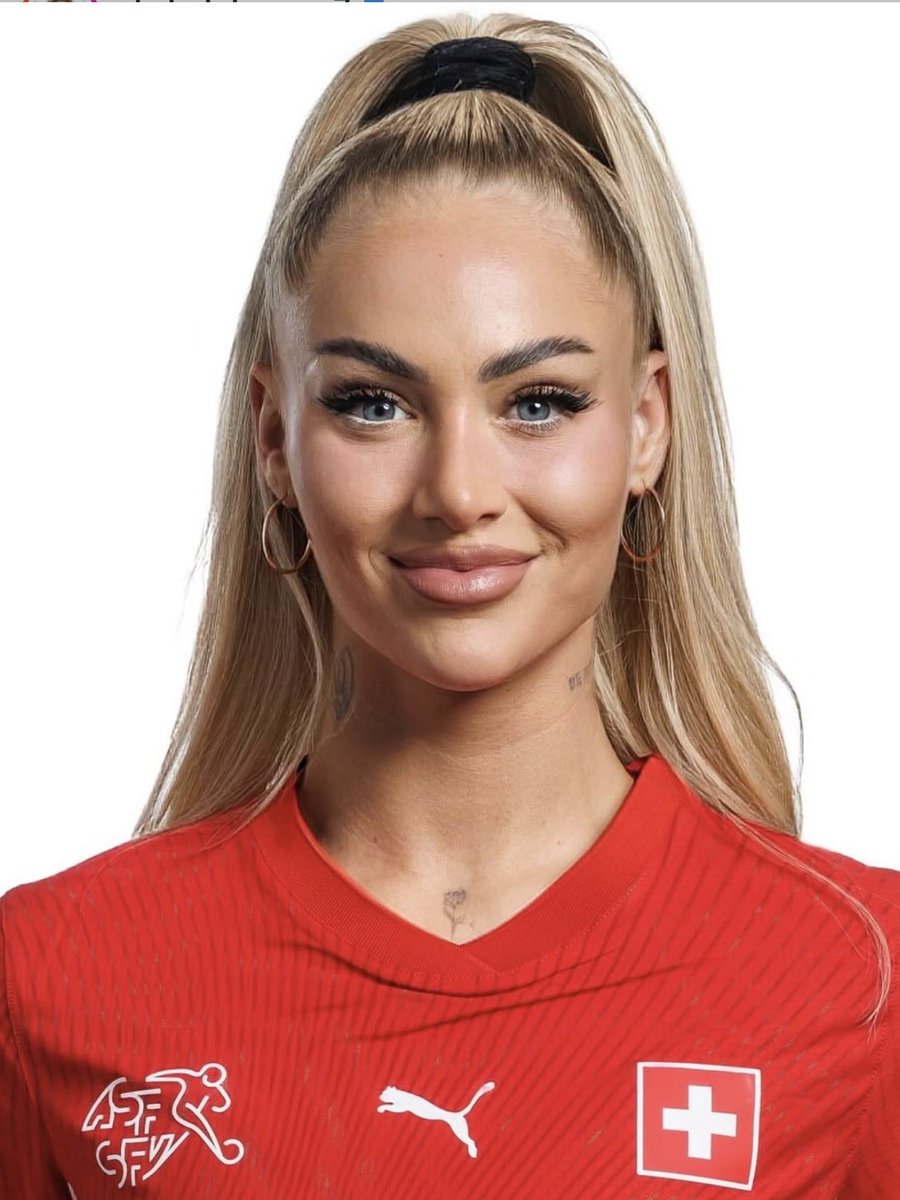
Alisha Lehman - Switzerland 🇨🇭 Pro footballer

4
37
2,474
89,786



Randy Silverman retweeted
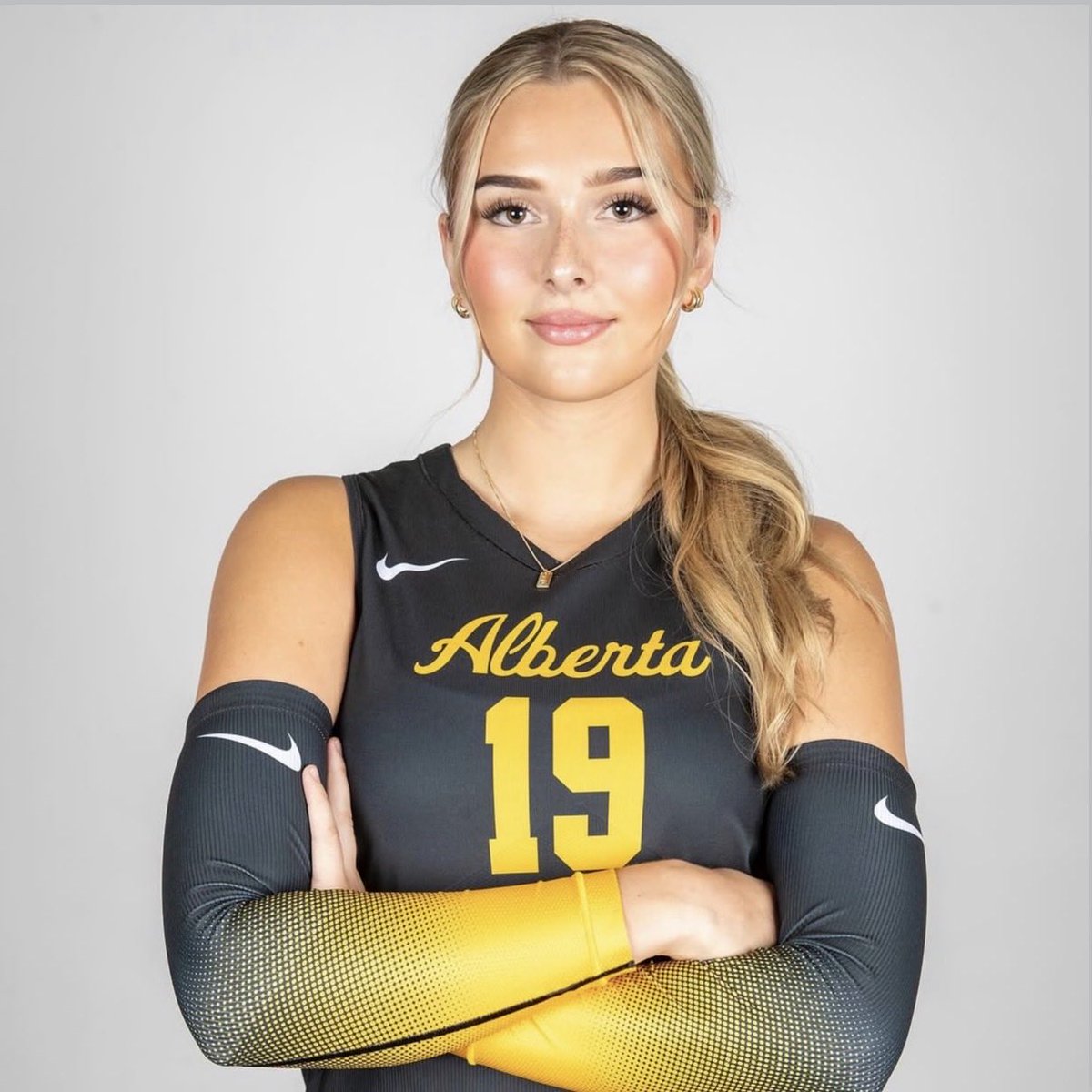
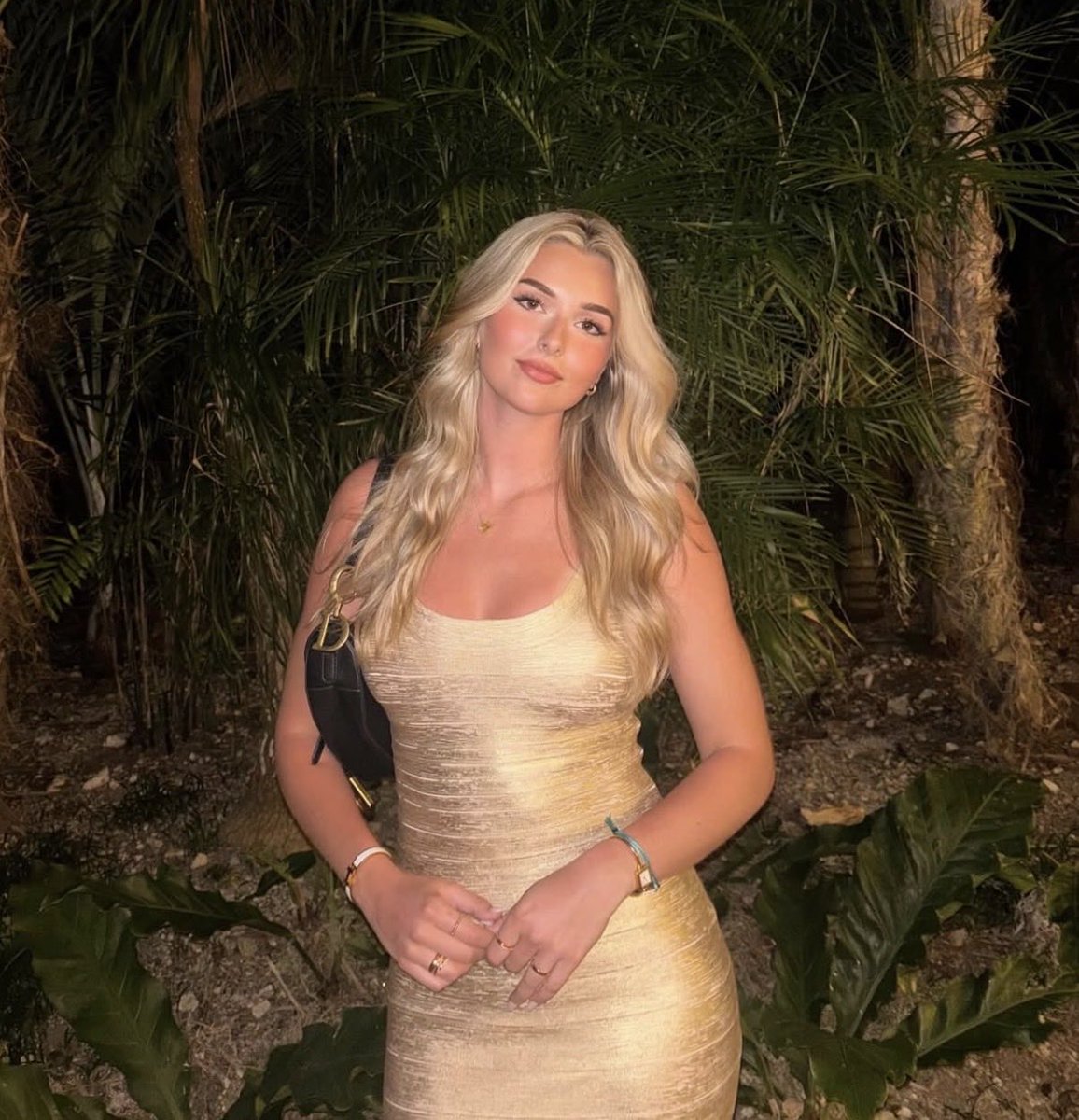
Veronica Dickson - Alberta
18
944
19,956
Randy Silverman retweeted

When two become one (and your portfolio thanks you for it). Click to learn more.
51
68
965
11,357,195

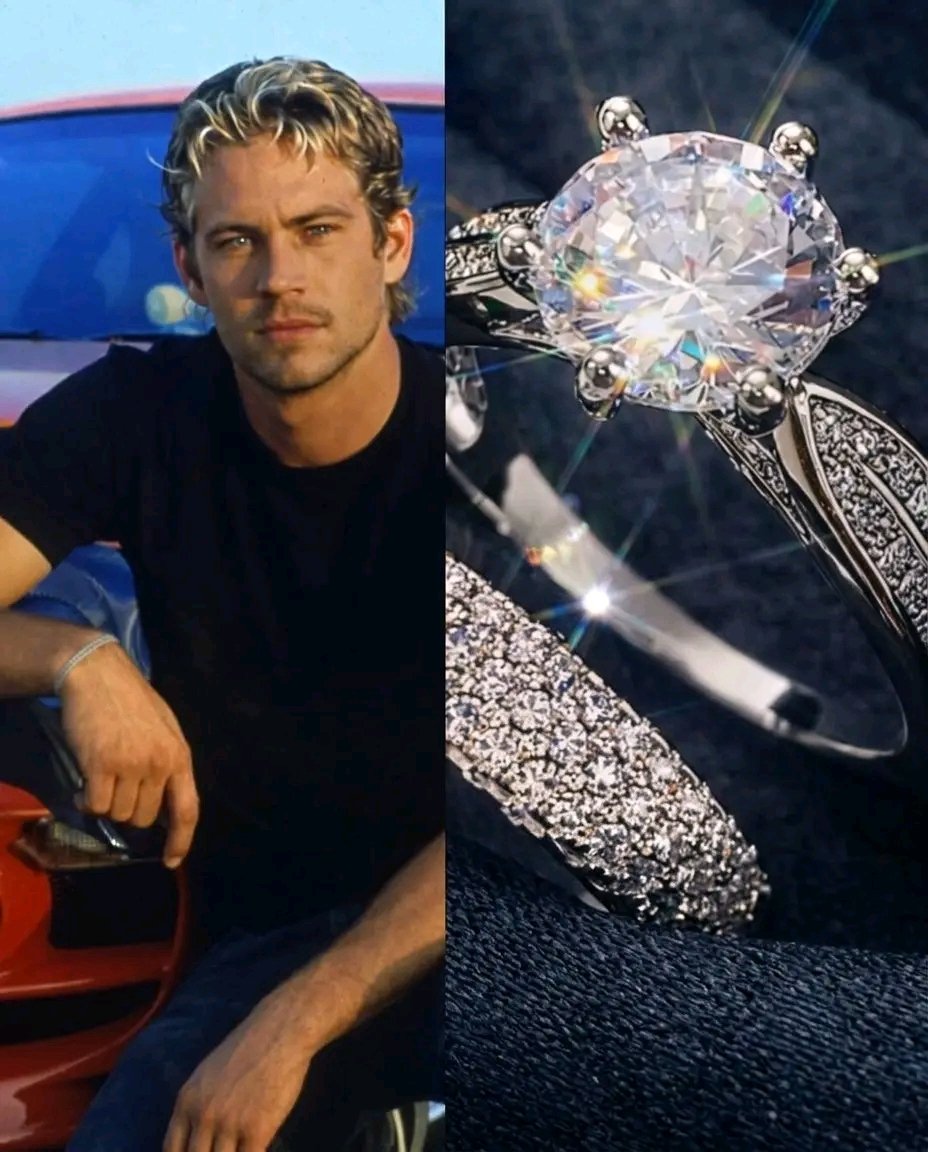
In 2004, Paul Walker walked into a jewelry store in Santa Barbara like anyone else.
No spotlight. No cameras. No reason for anyone to look twice.
But near the display case, he overheard something that stopped him cold.
A young couple was asking about a ring, quietly, carefully, the way people do when they already know the answer might break their heart. The man was a U.S. veteran, just home from deployment. He'd saved what he could. It wasn't enough. Not for this ring. Not for the woman standing beside him, the one he'd been holding onto through everything.
They thanked the jeweler. Turned to leave.
Paul Walker watched them go.
Then he walked to the counter.
"I'd like to pay for their ring."
Ten thousand dollars. In cash. With one condition: they were never to know his name.
He was gone before the couple made it back to their car.
For years, the veteran and his wife wore that ring with no idea who had given it to them. They built a marriage on it. A life. It took nearly a decade before the truth found its way to them, a quiet thread that finally led back to a man who, by then, the whole world was mourning.
When people later asked Paul Walker about moments like this, he never took the credit willingly. "The point," he once said, "is that it's not about you."
He was right. It never was.
The most powerful things we do are the ones we walk away from without looking back, the ones that quietly change someone's entire world while we go on living our own ordinary day.
There's a couple out there who doesn't know the half of what their life owes to a stranger who just happened to be listening.
Share this if you believe real kindness doesn't wait to be seen. 🤍
"The point is that it's not about you."
Paul Walker · 1973 – 2013
28
236
948
13,456
Randy Silverman retweeted

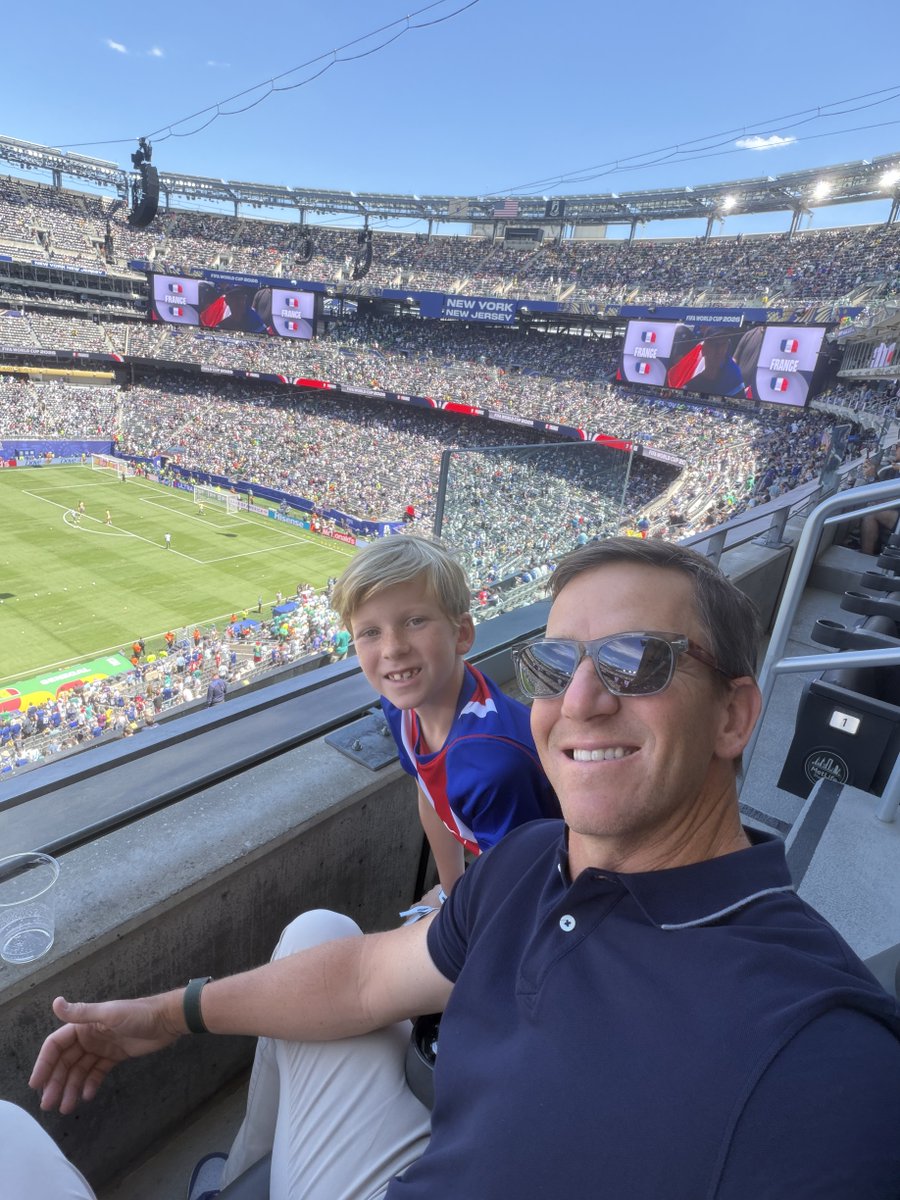
Charlie told me there was a football game today, so we had to show up.
173
564
26,198
693,353