
Joined January 2011
- Tweets 825
- Following 374
- Followers 136
- Likes 1,725
149 Photos and videos







Simen Hansen retweeted

21 Nov 2024
Dette er det viktigste punktet i VAR-rapporten.
Fra 5 til 8 kameraer: 25M i året
Mållinjeteknologi: 36M i året
Semi-automatisk offside: 5M i året
Sensor i ball: 10,1M i året
Skeleton detection: 0,32M i året
Kostnad i dag: 17M i året
Kostnad med "forbedret VAR": 88,42M i året

6
19
103
11,073
Simen Hansen retweeted

19 Sep 2024
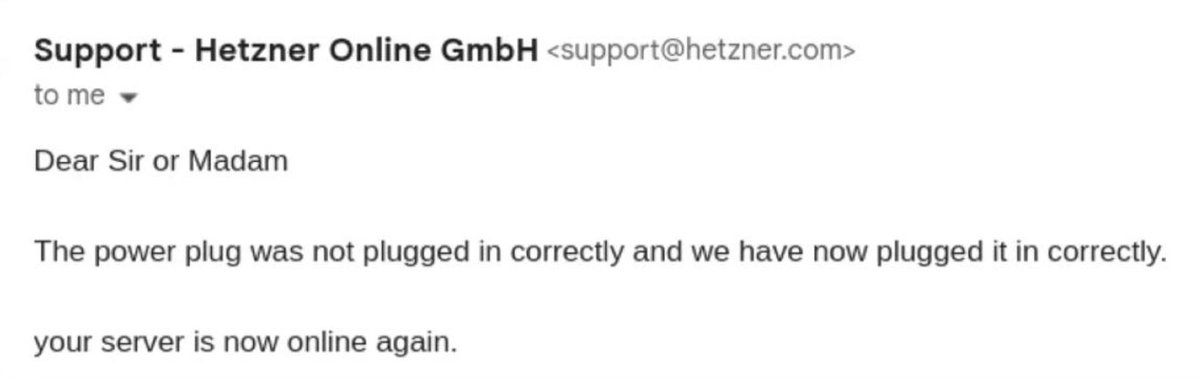
Switch to Hetzner they say
267
298
6,994
909,929

28 Aug 2024
Den VAR-sjefens bønn kan du få billig av meg.
28 Aug 2024

🧵⚠️⚠️⚠️
Sette meg mer inn i dette, ja!
Ok, her skal du få noen rene ord for penga Moen. Jeg har vært i VAR-rommet og satt meg inn i dette.

1
6
1,205
Simen Hansen retweeted

8 Aug 2024
SECRET ADTECH ALLIANCE: GOOGLE AND META'S TEEN TARGETING SCHEME EXPOSED
- Google and Meta secretly collaborated to target teens with Instagram ads on YouTube.
- Ads targeted 13-17-year-olds using an "unknown" group, bypassing Google's own rules.
- Google initiated an investigation and cancelled the project after exposure.
- The campaign aimed to attract younger users to Instagram, competing with TikTok.
- This revelation comes amid heightened scrutiny and legal challenges over Big Tech's handling of minors.
📖 Article: ft.com/content/b3bb80f4-4e01…
4
10
38
6,927
24 Jul 2024
Alt blir bedre med VAR...
24 Jul 2024

One of the most embarrassing moments in football...
This referee disallowed Argentina's goal two hours later.. 😳
53
Simen Hansen retweeted

22 Jul 2024
📢 We’ve added a new record to the GA4 BigQuery Event export that contains the Google Ads and Manual campaign context information for each session present in the export. This information will be repeated for every event in a session to enable fast and easy channel analysis in BigQuery of any event within a session. The exported data is the same as used in GA4 behavioral reporting.
goo.gle/3LAe28I
2
8
42
9,880

Simen Hansen retweeted

17 Jul 2024
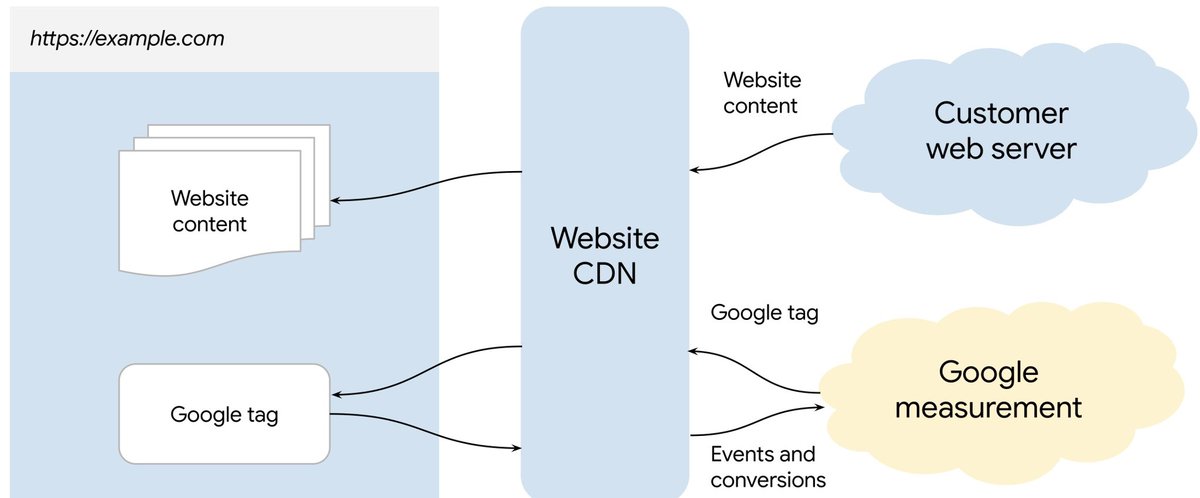
“First Party Mode”, a new feature from Google that allows routing Google Tag requests through a same-origin setup, is now in Beta.
developers.google.com/tag-pl…
I’m working on an article that explores the inner mechanisms of this.
#measure #google
ALT First party mode by Google
5
27
135
13,114
Simen Hansen retweeted

19 Apr 2024
Man this was about damn time

18
56
1,166
65,206
Simen Hansen retweeted

2 Feb 2024
Server Side tracking benefits from the experts who actually deploy server-side tracking:
1) Offer advantages against cookie deprecation.
2) Offers significant benefits even without additional enrichment.
3) Provides better privacy controls than client-side tracking ever will.
Privacy lunatics spread misinformation that businesses use server-side tracking to hide data collection from consumers.
We deploy server-side tracking all the time.
None of our customers ever asked us, "Hey, we want to spend thousands of dollars on server-side tracking set-up because, you know, we want to hide data collection from consumers and bypass user consent. Let's do it.".
Eliminating user consent is not the primary motivating factor for businesses utilizing server-side tracking.
Businesses utilize server-side tracking to enhance their GDPR compliance and privacy control and reduce dependence on third-party data collection.
.
.
1) Offer advantages against cookie deprecation.
While server-side data collection isn't a perfect solution, it can offer advantages against cookie deprecation by passing key limitations of traditional cookie-based tracking:
>> Cookies don't seamlessly track users across different devices, leading to fragmented data.
>> Cookies raise privacy concerns as they can track users across multiple websites, leading to data hoarding and potential misuse.
>> Third-party cookies often have short lifespans, hindering long-term data analysis.
>> Attributing conversions across different touchpoints becomes difficult with limited cookie data.
I am surprised that cookies have not been phased out so far. It is an outdated tech which needs to go.
.
.
2) Offers significant benefits even without additional enrichment.
Server-side data collection offers significant benefits even without additional enrichment.
It offers centralized data management, reduced reliance on external vendors, and potential integration with consent management platforms.
Server-side control facilitates better data management and anonymization, aiding compliance efforts.
Thus, the use of server-side tracking enhances data control and privacy.
.
.
3) Provides better privacy controls than client-side tracking ever will.
One of the biggest benefits of the server side is reducing data exposure to third parties.
Data collected through the client's browser is often shared directly with third-party services (e.g., advertising platforms), increasing the risk of data leakage and/or misuse.
Server-side tracking can provide better data anonymization controls than the client side.
The data collection process is more controlled and consistent with the server side, as it's less subject to user interference, allowing for more reliable data management practices.
Your customer's data is not secure, and you are likely breaking a dozen different privacy regulations by relying on outdated tech like client-side tracking, which is unreliable, insecure and provides poor GDPR compliance.
4
8
772
Simen Hansen retweeted

29 Sep 2023
Google Ads VP pressuring Chrome teams (and maybe Search teams) to inject queries and make ranking tweaks to improve ad revenues, implies email from DOJ investigation seroundtable.com/google-ads-… via @pdrmnvd

19
69
232
78,873

Bli med inn og se hvordan @Komplettno bygger nettbutikken sin! 💪
– Vi kan ikke bygge noe nytt før vi vet hvordan det gamle fungerer. Og noen ganger er det vanskelig å finne folk som i det hele tatt vet hvordan de gamle, tekniske løsningene fungerer.
kode24.no/artikkel/hos-kompl…
2
4
572
Simen Hansen retweeted

10 Jul 2023
🇪🇺🇺🇸The EU is set to sign off on a new data transfer deal with the US this afternoon.
Justice Commissioner Didier Reynders will speak during a press conference on the EU-US adequacy decision on data flows at 3:45 pm CET.
2
45
94
29,806
Simen Hansen retweeted

23 Jun 2023
Jay Z & Big B, hanging out in France.

71
325
5,206
667,861
Simen Hansen retweeted

15 May 2023
Get ready for Elon’s bullshit in 2024.

122
3,936
51,735
1,626,092
Simen Hansen retweeted

9 May 2023
BREAKING: Russia stages military-style propaganda parade on Norway's Svalbard archipelago thebarentsobserver.com/en/se…

25
133
293
803,668
Simen Hansen retweeted

11 Apr 2023
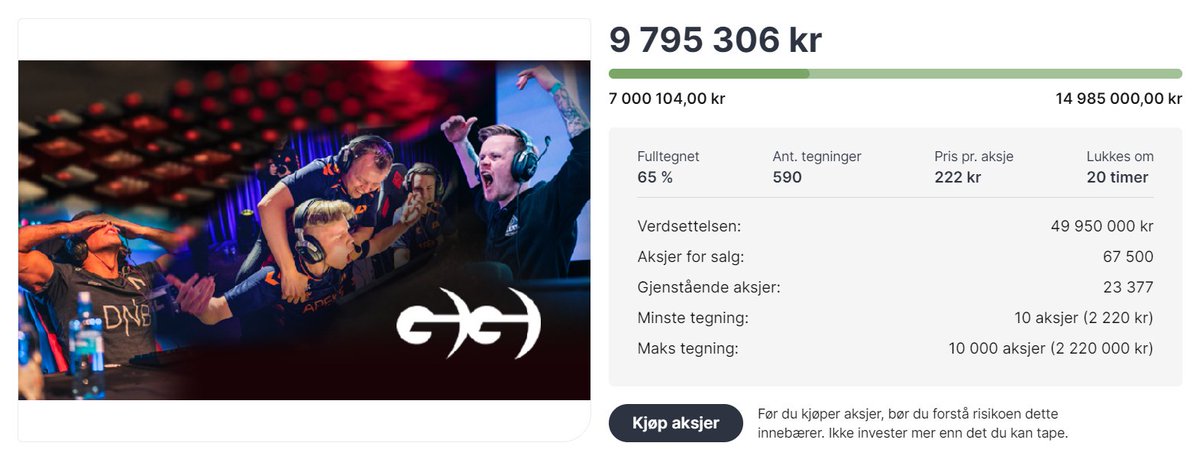
Vi nærmer oss slutten på Folkeinvest-kampanjen vår (20t igjen) og vi kan ikke annet enn å si oss meget fornøyd.
Vi ser tendenser til en økt interesse nå på tampen, så hvis du vil være med å bikke oss over 10 millioner, har du til klokka 18:00 på onsdag.
Goodgame.no/folkeinvest
3
2
11
3,101
Simen Hansen retweeted

7 Apr 2023
After Substack announced this week that it had built a Twitter competitor, Twitter prevented Substack writers from sharing tweets in their newsletters. Then on Friday, Twitter took steps to block Substack newsletters from circulating on the platform.
nyti.ms/3KFgf3a
161
496
1,081
708,986