Frontend & Creative Web, passionate about graphics and 3D, with 4 years of professional experience and a degree in Computer Science from the University of Pisa.
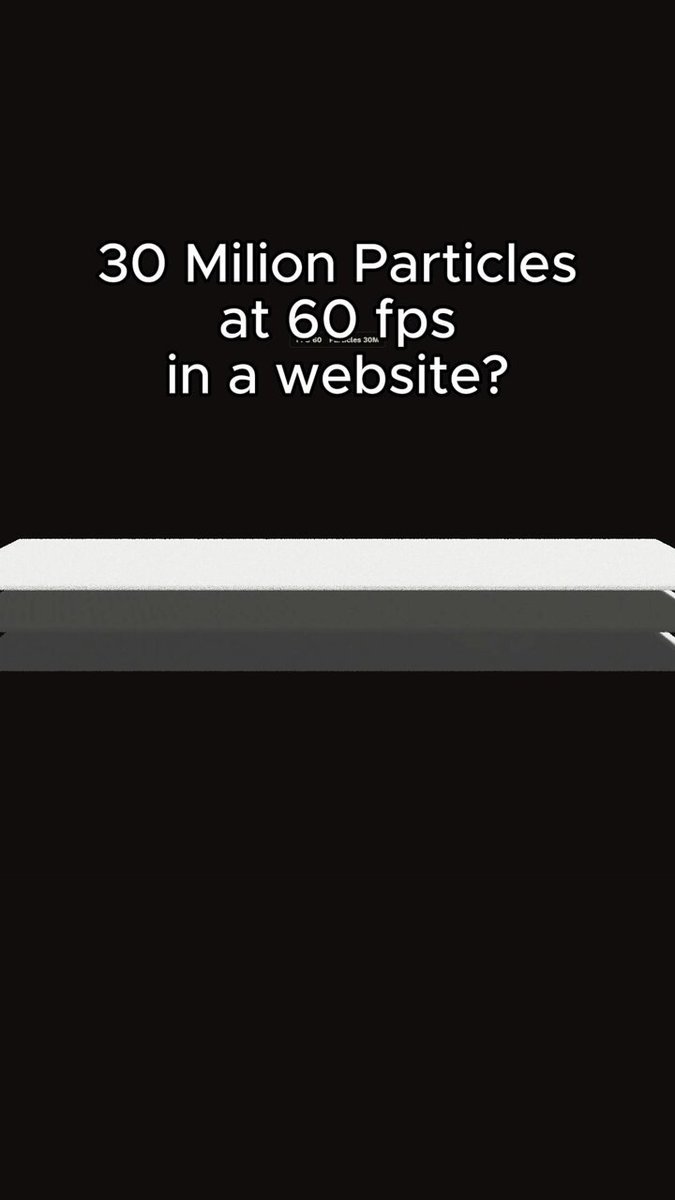
Scaled my web physics engine to 30M shaded particles at 60 FPS (40M at 30 FPS). Compute shaders handle the entire state to eliminate CPU bottlenecks. What is your preferred method for handling parallel work in the browser? #WebGPU#ThreeJS
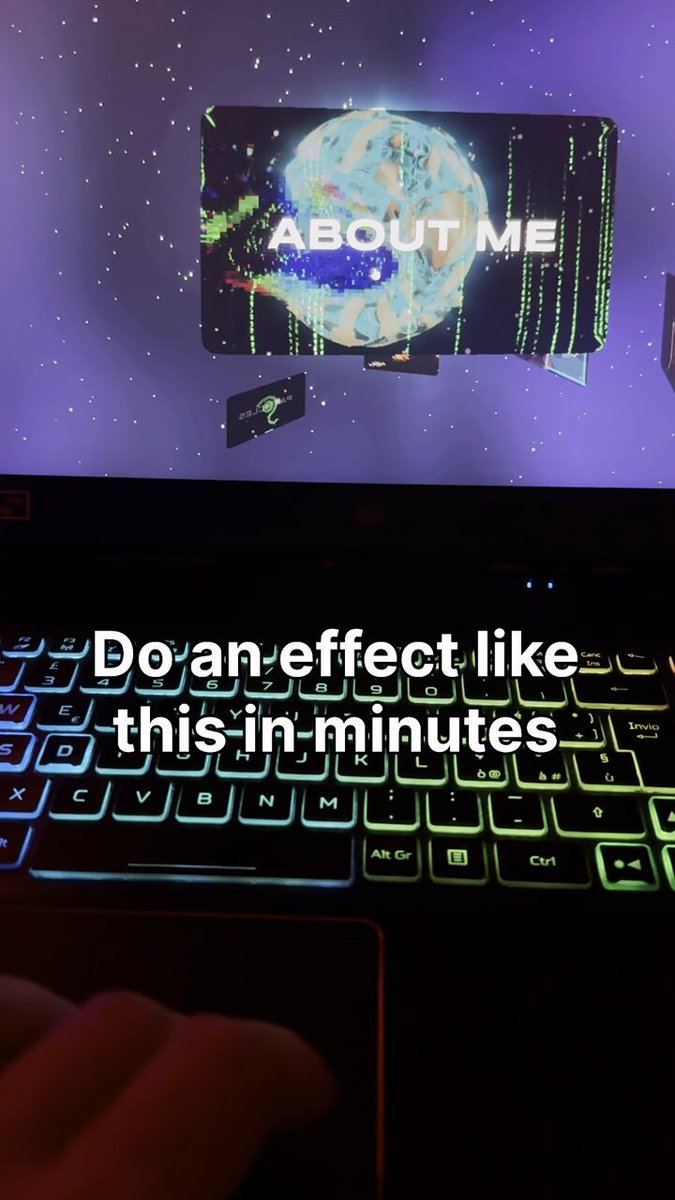
How do you build a pixelated holographic wave effect in Three.js? Apply standard wave displacement to a low-polygon plane, then use a semi-transparent material with strong color dispersion. What is your go-to technique for web-based glitch art? #ThreeJS#webdev
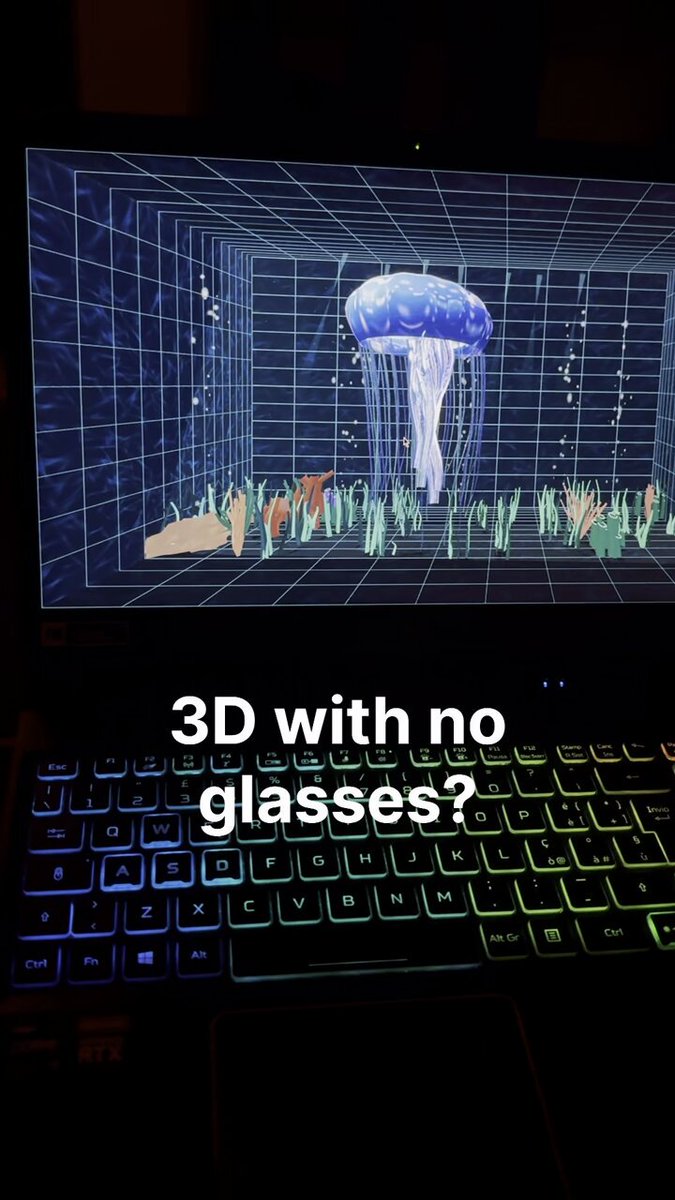
Built a glasses-free 3D parallax showcase in the browser using MediaPipe for head tracking. The crazy part? Zero 3D assets. Every shape is Three.js code generated by ChatGPT 5.5. What is the most complex WebGL scene you have fully coded with AI? #ThreeJS#MediaPipe
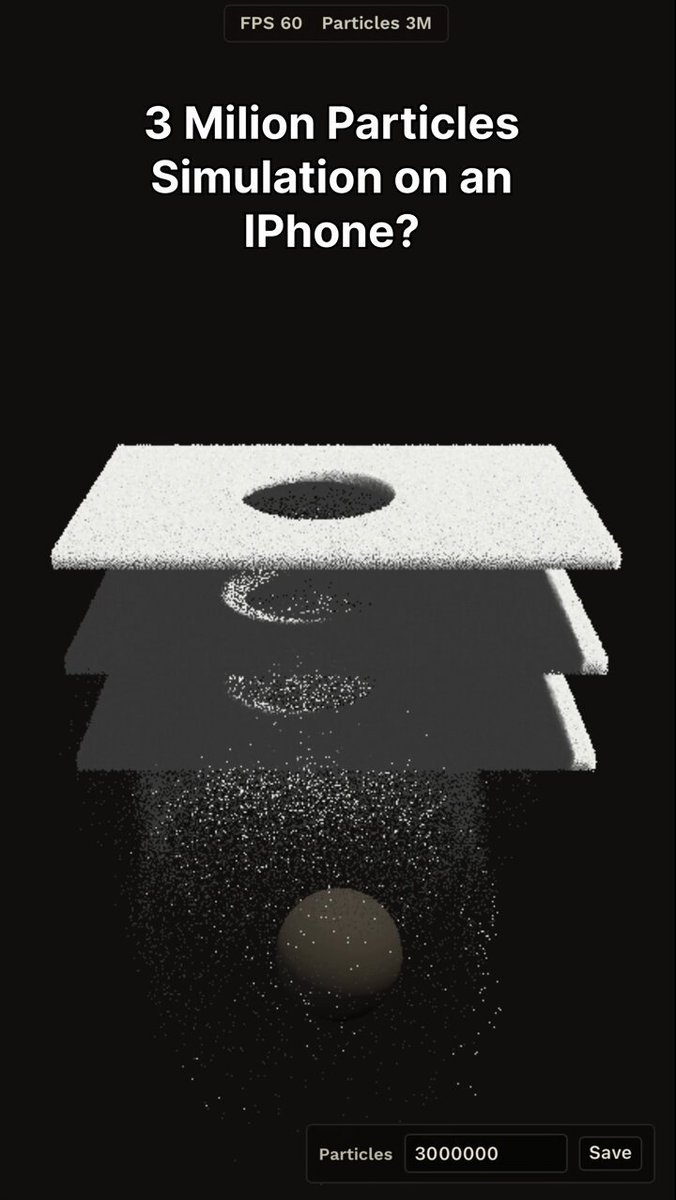
3 million shaded particles running natively on an iPhone Safari browser at ~60 FPS.
To avoid bottlenecks I implemented a spatial grid to only calculate collision distances for particles in nearby cells.
What is your go-to optimization for mobile web graphics? #WebGPU#ThreeJS
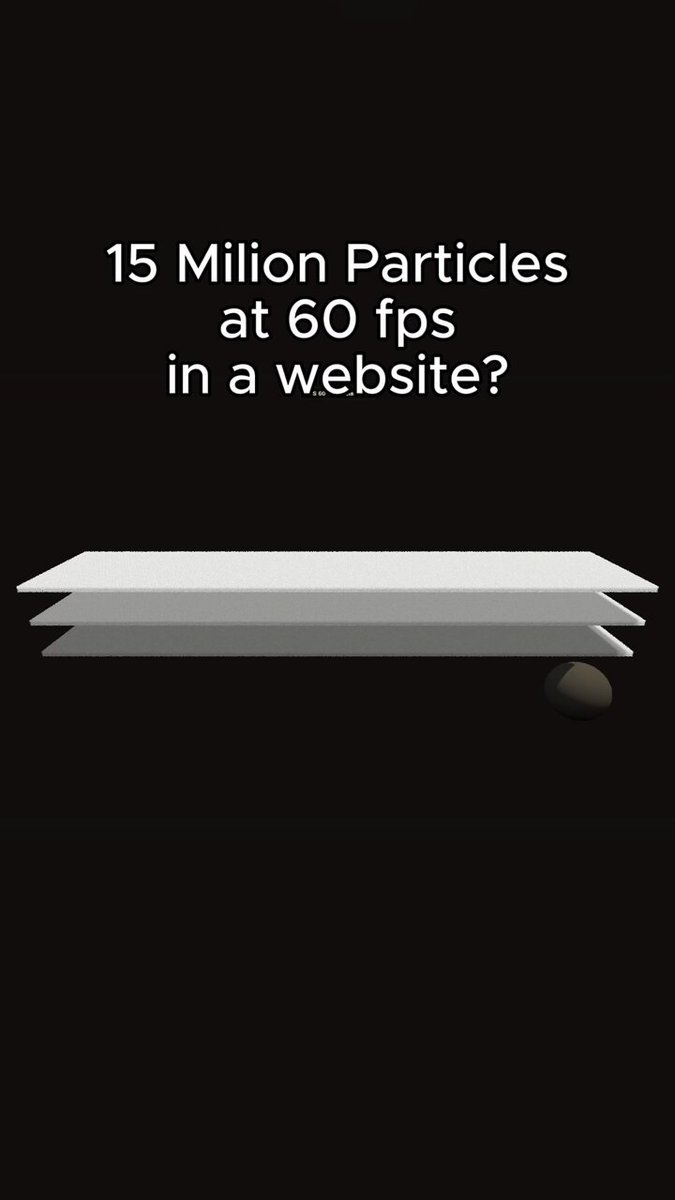
Scaled my web physics engine from 1.5M to 15M shaded particles at 60 FPS.
Shaders handle the entire state to eliminate CPU bottlenecks, utilizing atomic writes for spatial grid density.
What is your preferred method for handling parallel cell counts in browser? #WebGPU#ThreeJS
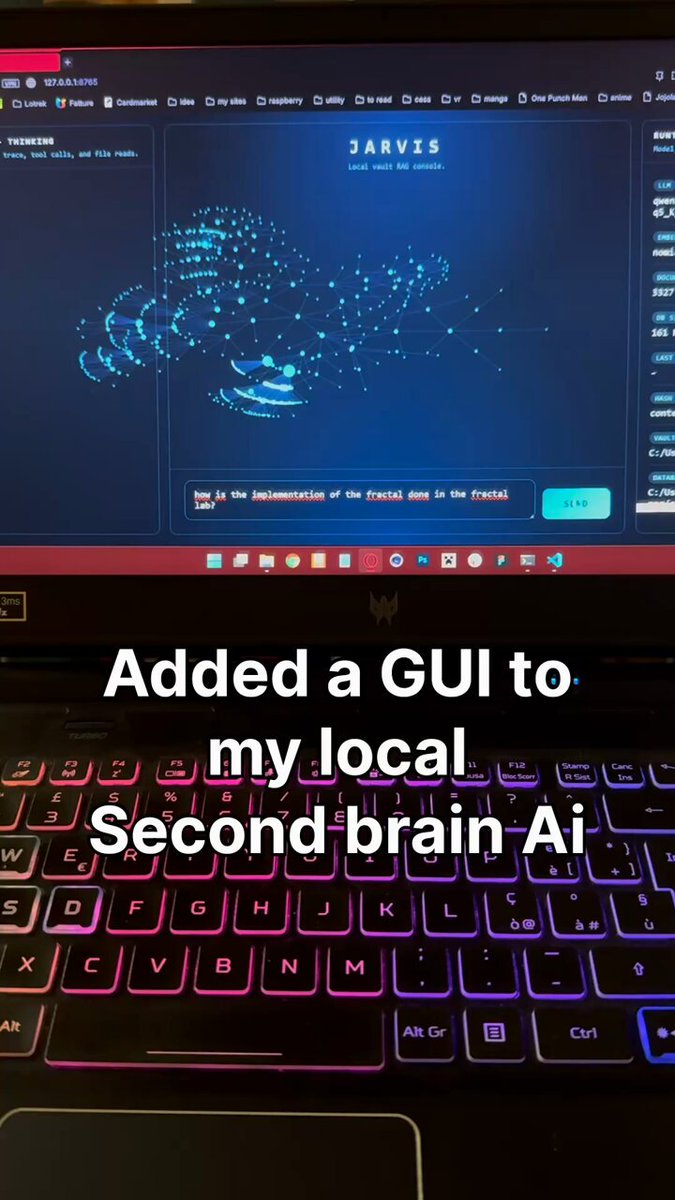
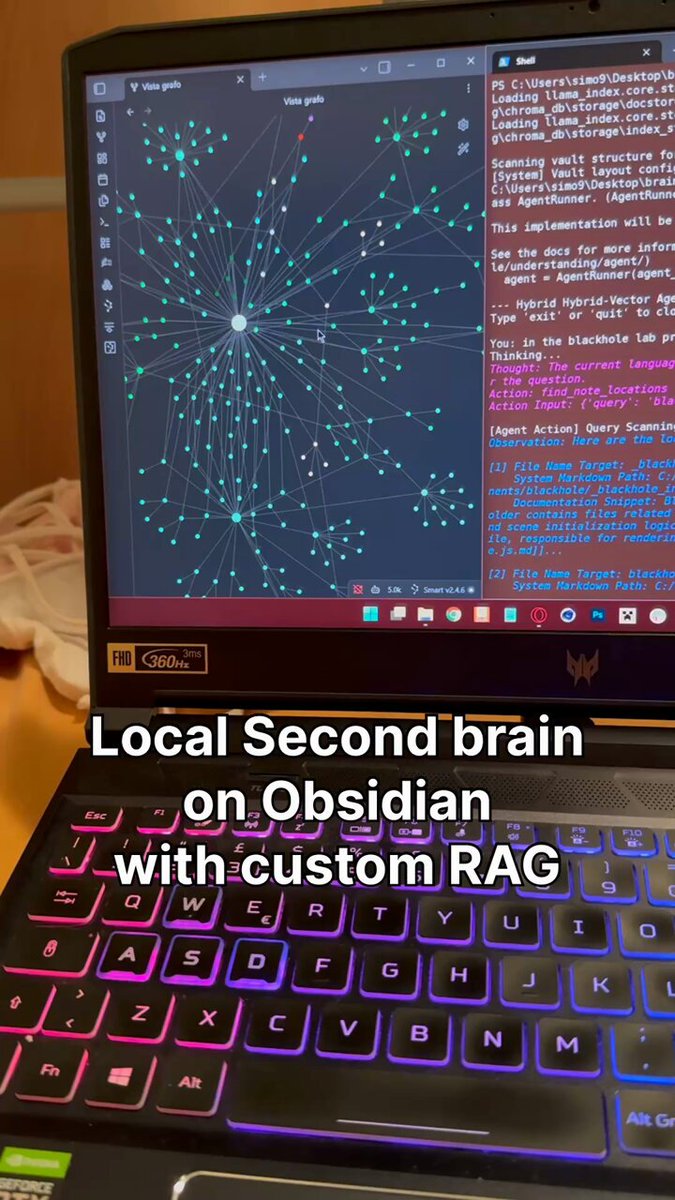
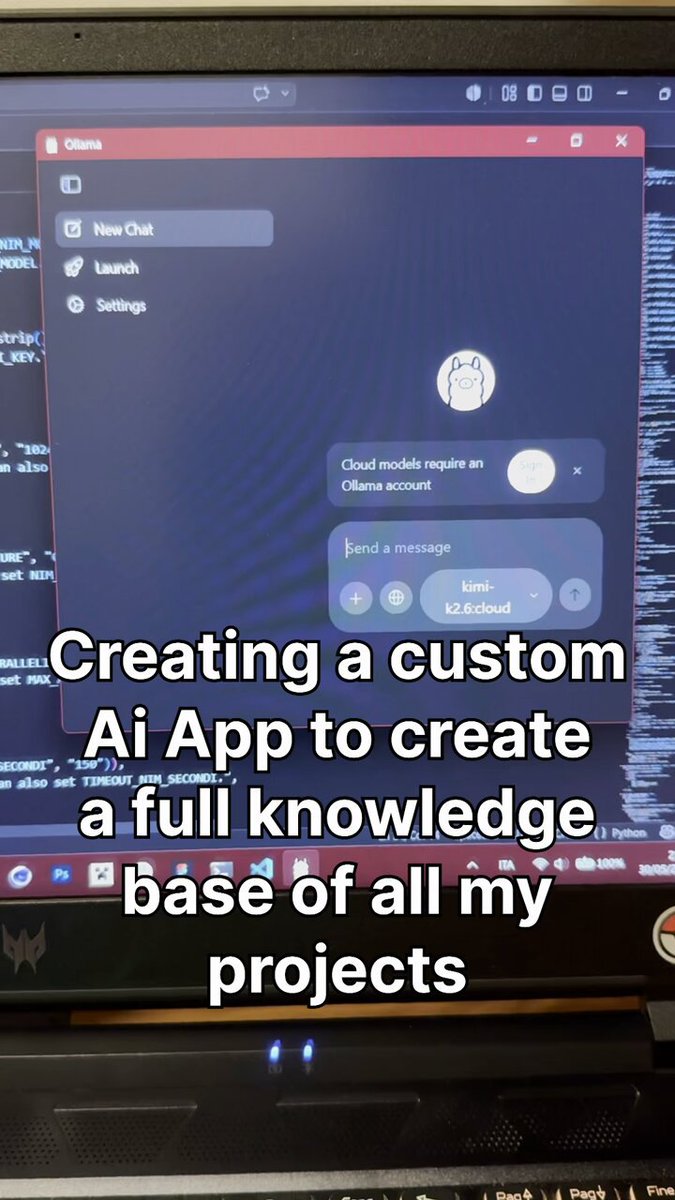
Added a custom GUI to my local Obsidian second brain using Ollama. When I query the knowledge base, the specific files being read are highlighted directly in the document graph. Are you running your LLMs locally or relying on cloud APIs for your personal notes? #LLM#Obsidian#ai
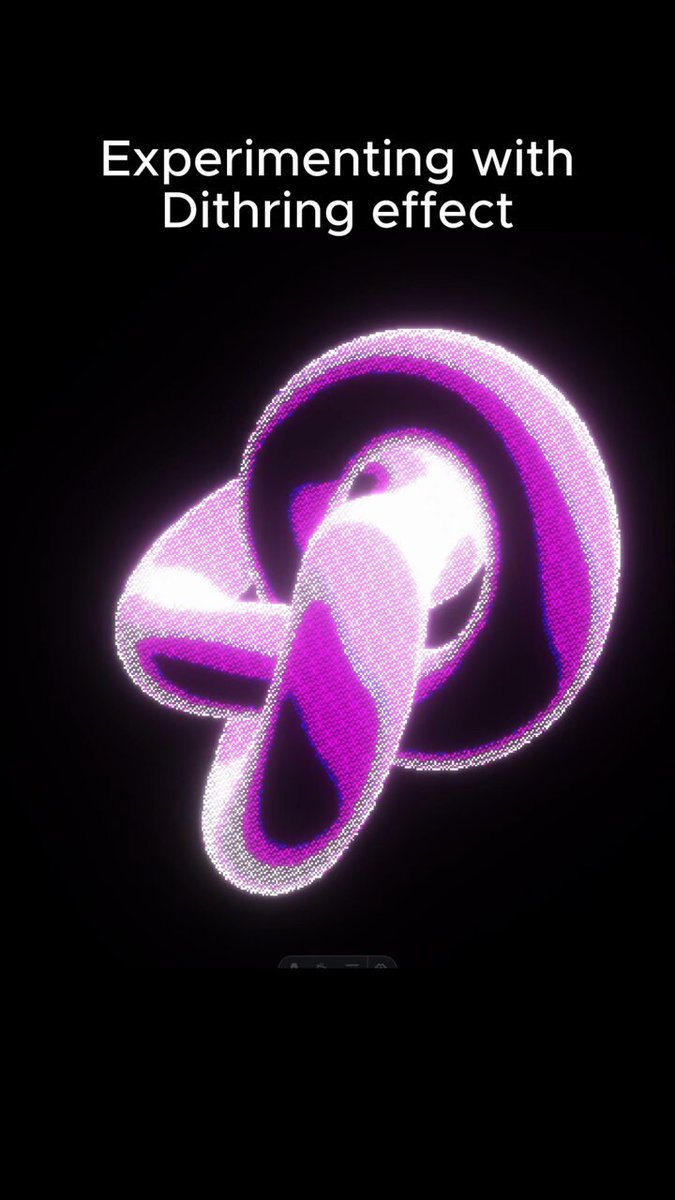
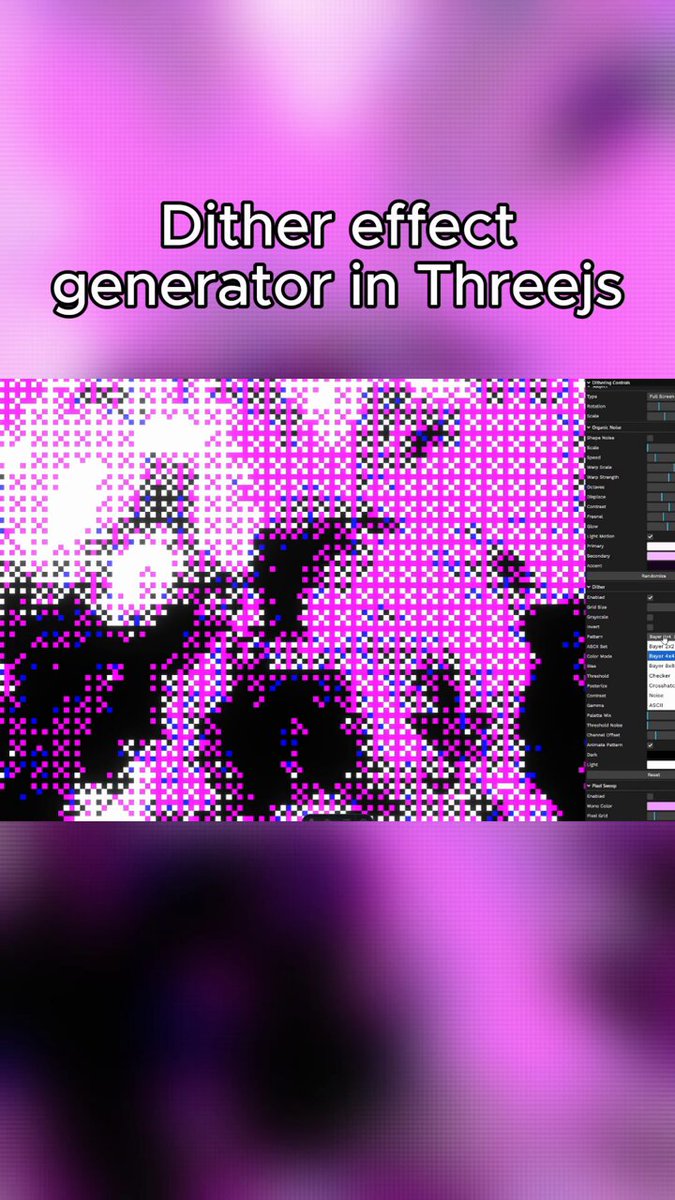
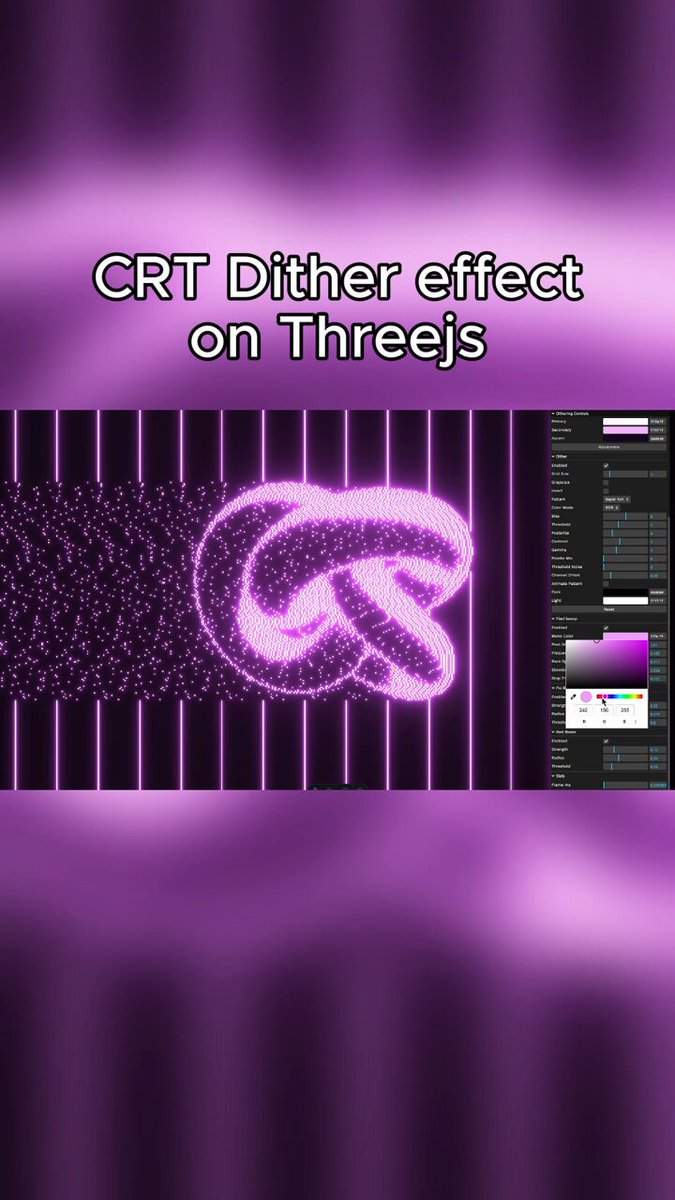
Experimenting with custom GLSL fragment shaders to build a real-time dither effect in #ThreeJS. It is fully editable via a browser GUI and works across any WebGL canvas.
What is your preferred method for optimizing post-processing performance on web builds? 👇 #CreativeCoding
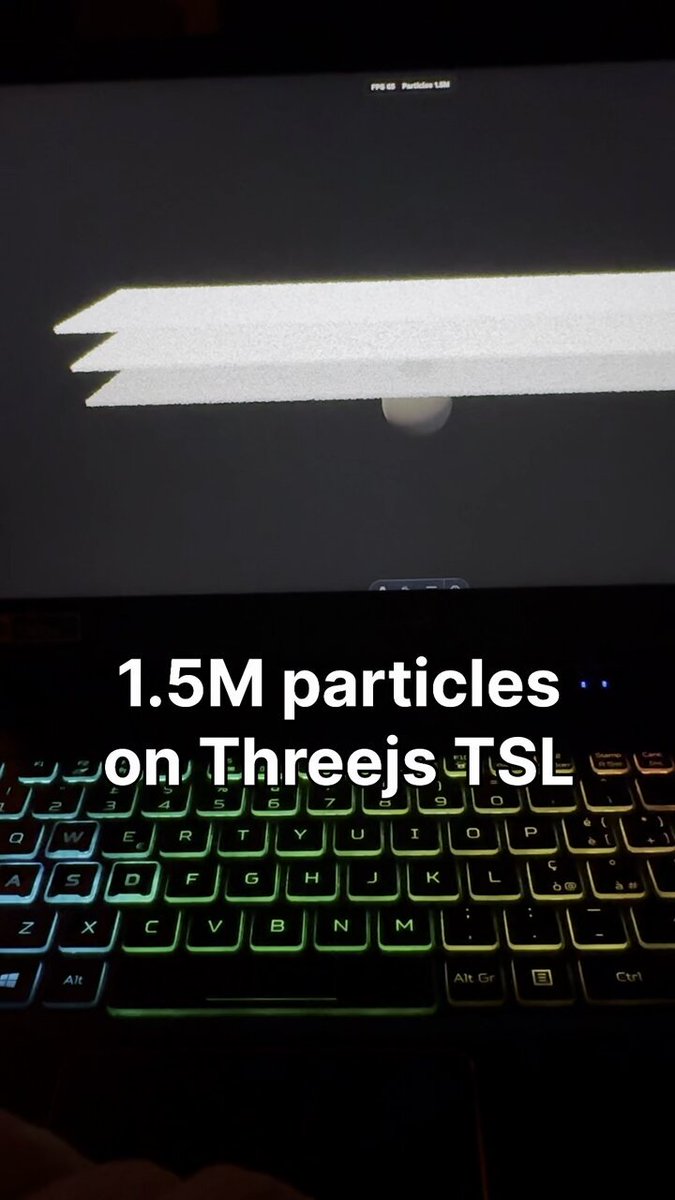
Pushing 1.5 million particles at ~70 FPS on a laptop using Three.js TSL to keep the compute entirely on the GPU. The particle fields react and collide with the mouse-bound sphere in real-time.
#ThreeJS#WebGPU
Built a fully customizable dither effect generator using GLSL fragment shaders. It overlays seamlessly onto any 2D or 3D #Threejs scene. What is your go-to approach for adding retro aesthetics to modern web graphics? #CreativeCoding
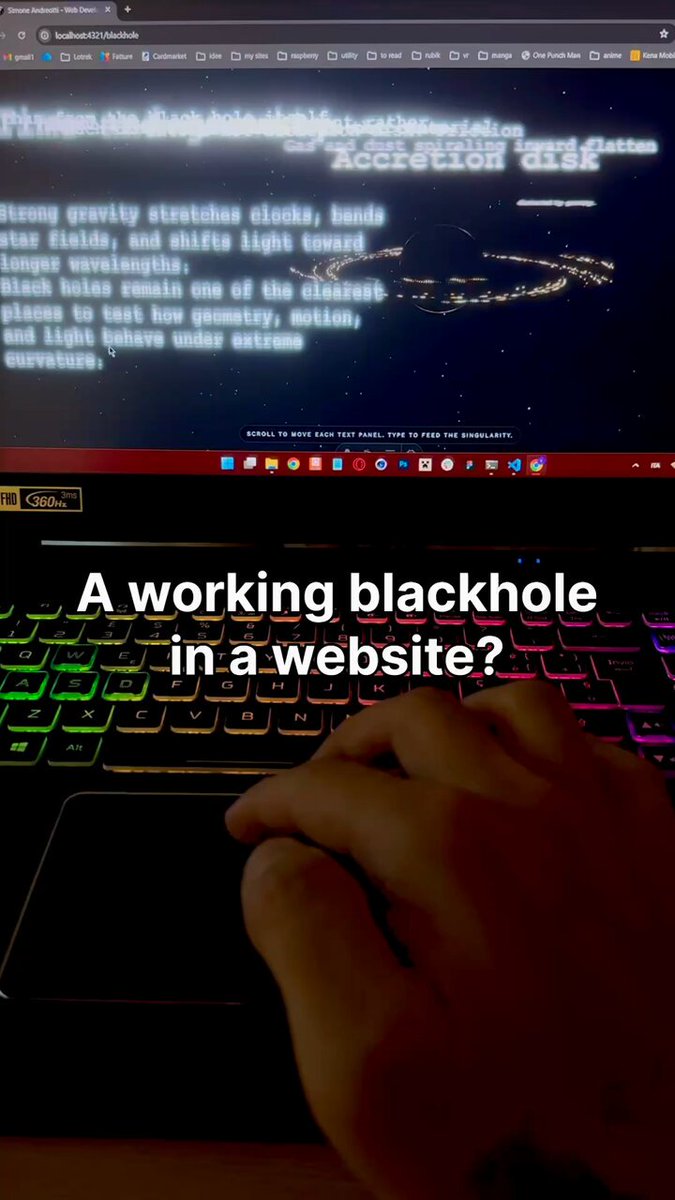
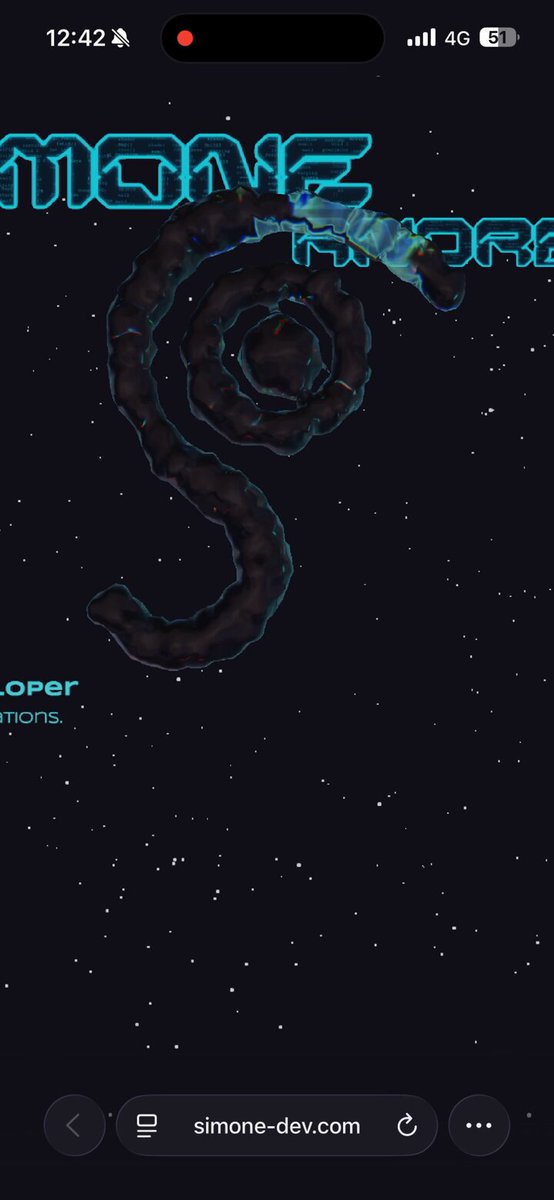
Showcasing a dynamic black hole effect built with Three.js. The page content isn't static—it imports via JSON, renders directly onto the canvas, and fall into the singularity on scroll. How are you handling dynamic typography in WebGL? #ThreeJS#WebGL
The offline second brain now has a conversational interface. Built a custom RAG pipeline using Python and a local Ollama model to navigate my @obsdmd folder tree and query my files directly. What is your go-to model for local semantic search? #LocalLLM#CreativeDev
I got tired of losing context across old projects, so I built an offline knowledge base parsing every file on my PC into an obsidian graph. Powered by Python and a local Ollama model. Working on the RAG pipeline next. #LocalLLM#PythonCoding
Showcasing the hero section from my portfolio. Built using Three.js and custom GLSL shaders, the interactive metaball effect refracts scene lighting and reacts to cursor inputs natively. What 3D rendering techniques are you experimenting with lately? #ThreeJS#GLSL
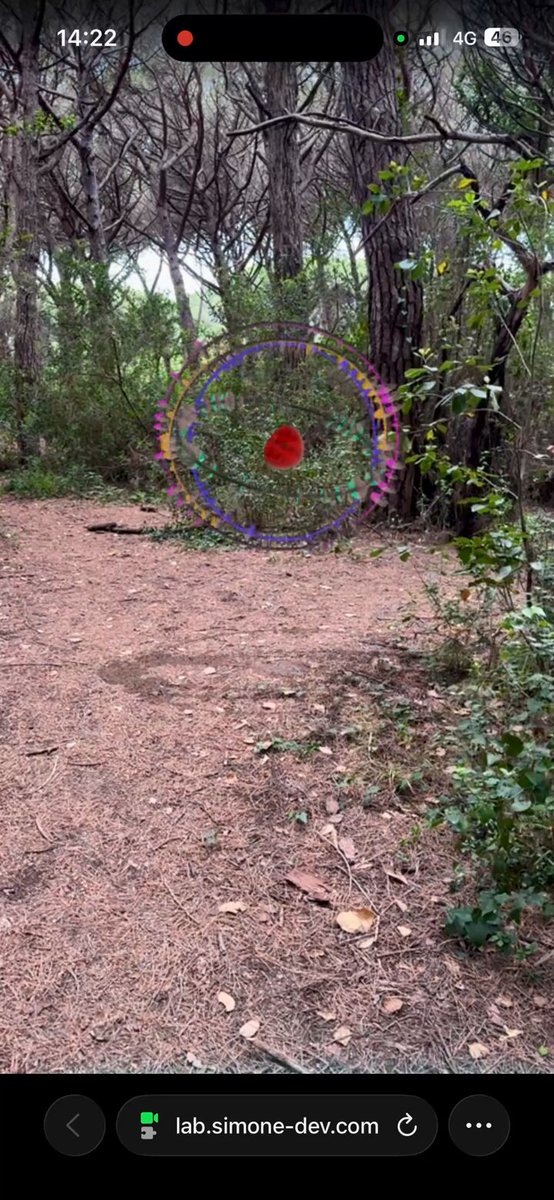
How do you perfectly blend generative geometry into physical space?
I built this audio-reactive WebAR scene using Three.js and 8th Wall. The material maps the live camera feed for real-time reflections and physical soft shadows. What is your stack for spatial dev? #ThreeJS#WebAR
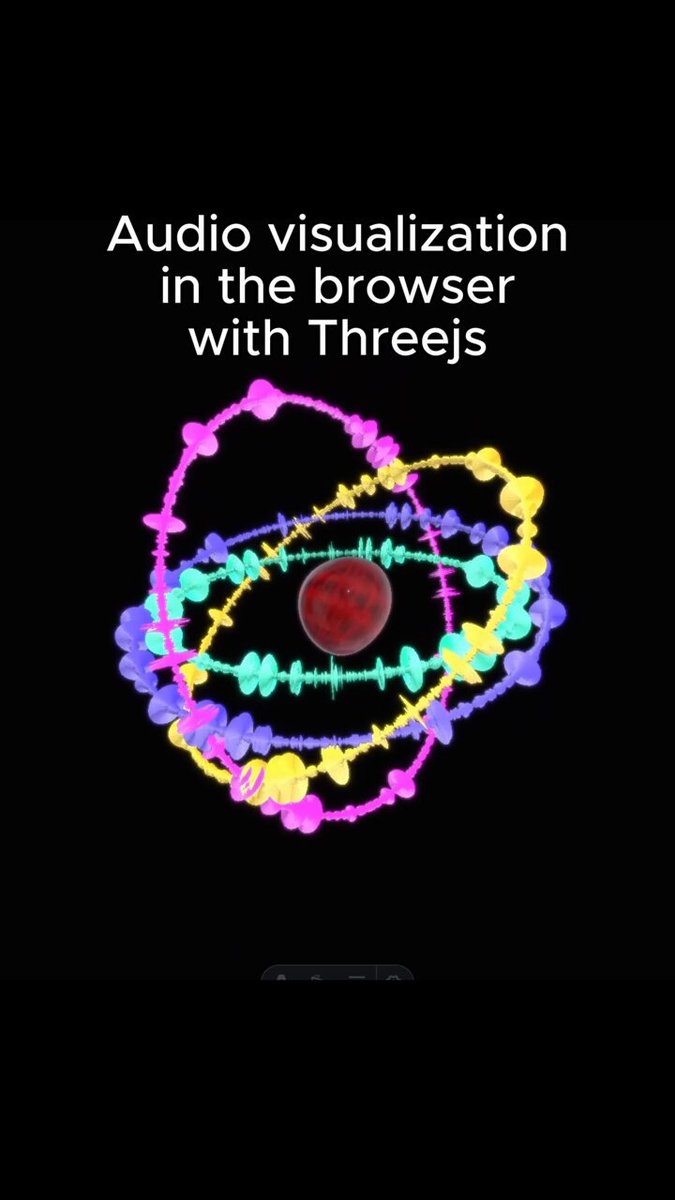
Generating a 3D audio visualizer strictly with code. The rings react to sound waves, and the center sphere maps a live spectrogram. How are you handling real-time audio data in your rendering pipelines? #ThreeJS#CreativeCoding
(Better with audio on)
Recreated the NES Zapper using only a webcam and browser inference. MediaPipe tracks the hand, and a thumb-drop triggers the Three.js raycaster. Zero latency, 100% client-side. How are you handling input mapping for your WebGL projects? #ThreeJS#Game
A closer look at the multi-state explosion mechanic in Three.js. Rendering fragment repulsion, attraction, and a combined blast state with random rotation holds up even when zoomed in, paired with a library-based fullscreen glitch effect. #ThreeJS#GLSL
Built a small Three.js experiment mapping DOM text inputs directly to 3D meshes. Applied a custom gravity vector toward a central mass so the black hole pulls in and destroys the typed characters.
#ThreeJS#WebGL
Pushing point cloud performance in Three.js. I used a custom GLSL shader to render 200,000 particles as 3D spheres instead of flat points, keeping touch-scatter interactions lag-free up to 500k particles. #ThreeJS#GLSL