Guiding, Coaching, Mentoring - Coach Education, Leadership Training - Tripping & River Canoes - Photography, Video, Website Development - Experiential Learning
- Tweets 3,618
- Following 1,203
- Followers 905
- Likes 36,707

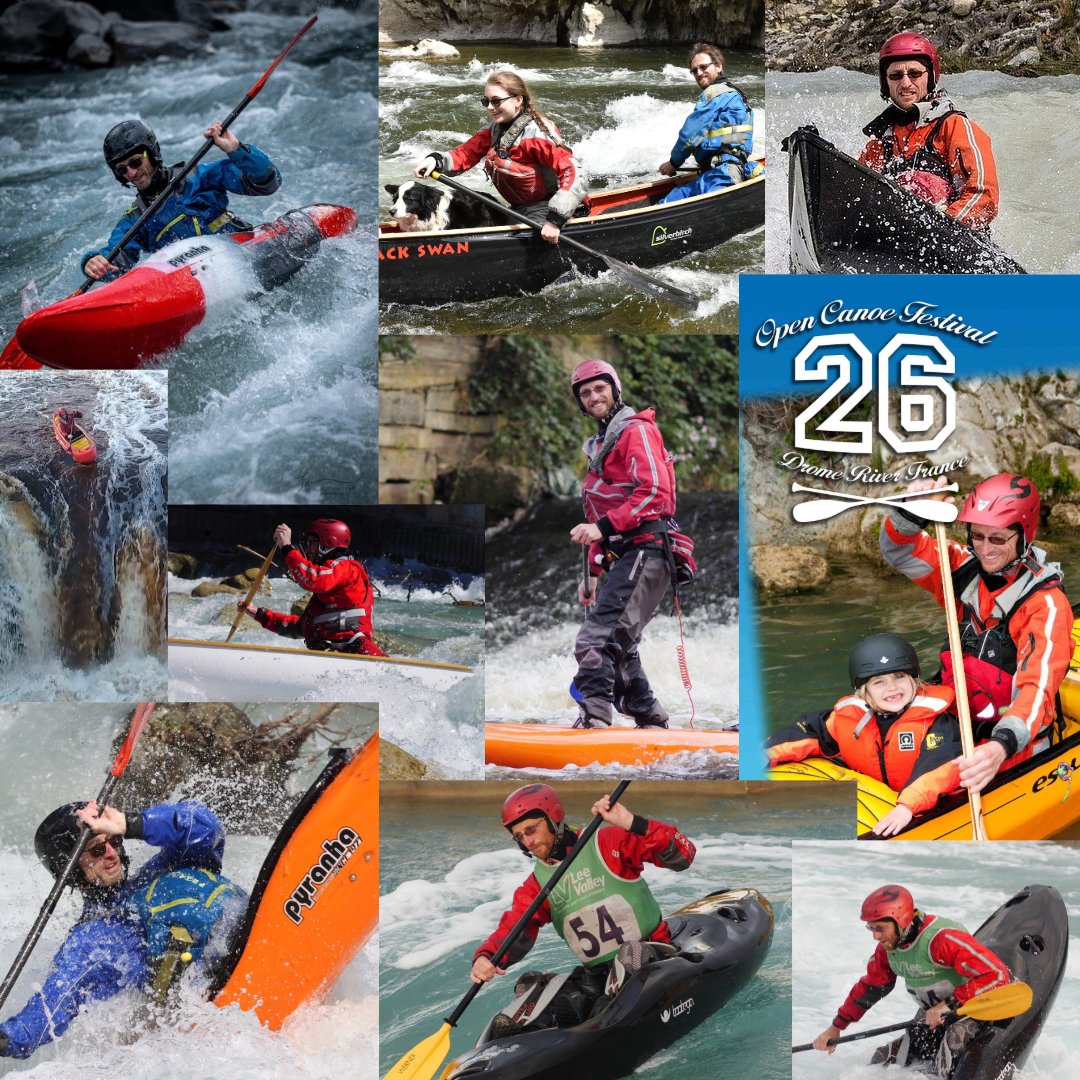

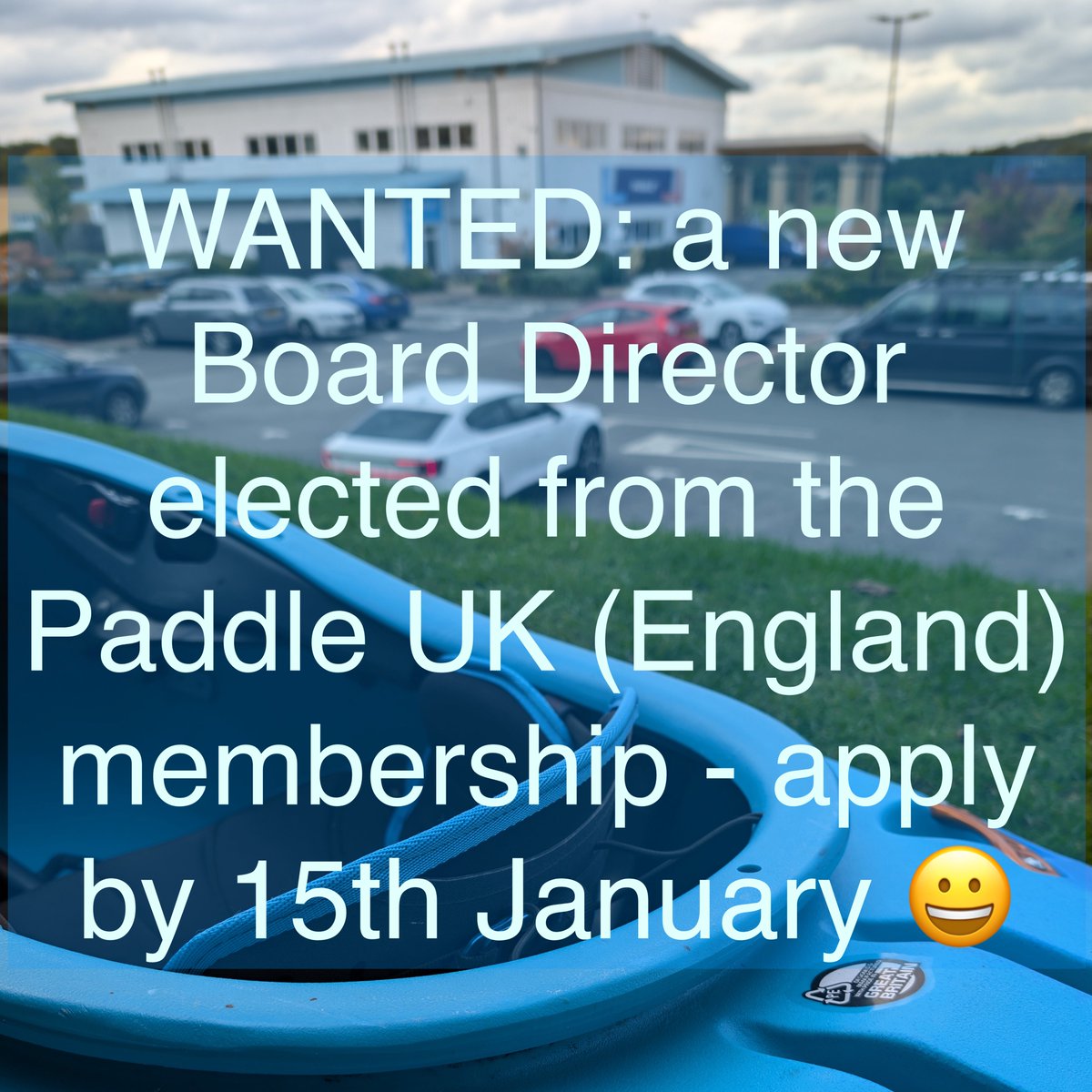



ALT Foreground: Pyranha Ripper 1 whitewater kayak Background: Headquarters of Paddle UK (Nottingham) Image on the text says: Wanted: a new Board Director elected from the Paddle UK (England) membership - apply by 15th January :)

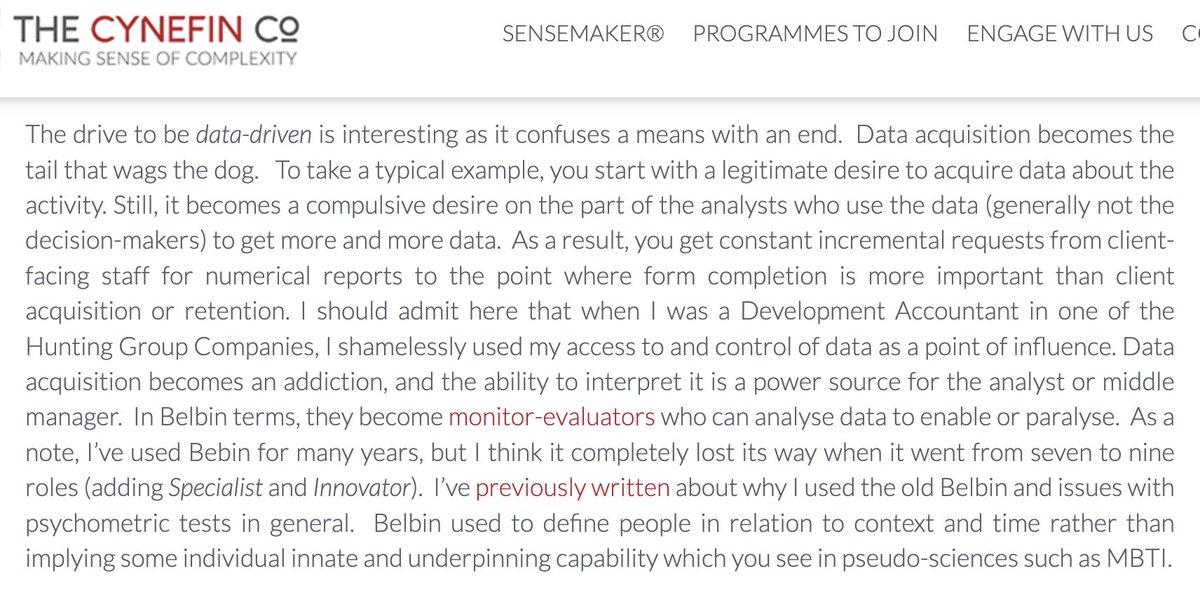
ALT The drive to be data-driven is interesting as it confuses a means with an end. Data acquisition becomes the tail that wags the dog. To take a typical example, you start with a legitimate desire to acquire data about the activity. Still, it becomes a compulsive desire on the part of the analysts who use the data (generally not the decision-makers) to get more and more data. As a result, you get constant incremental requests from client-facing staff for numerical reports to the point where form completion is more important than client acquisition or retention [Cont]… https://thecynefin.co/twelfetide-2403-a-need-for-context/
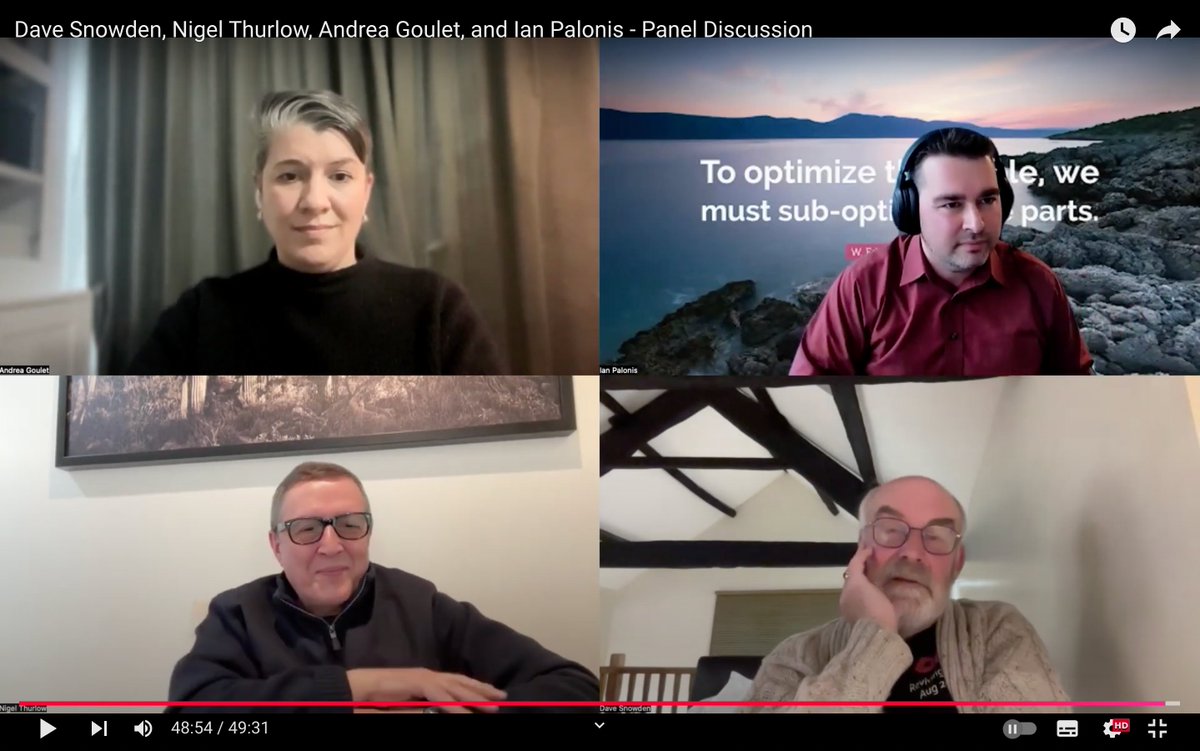
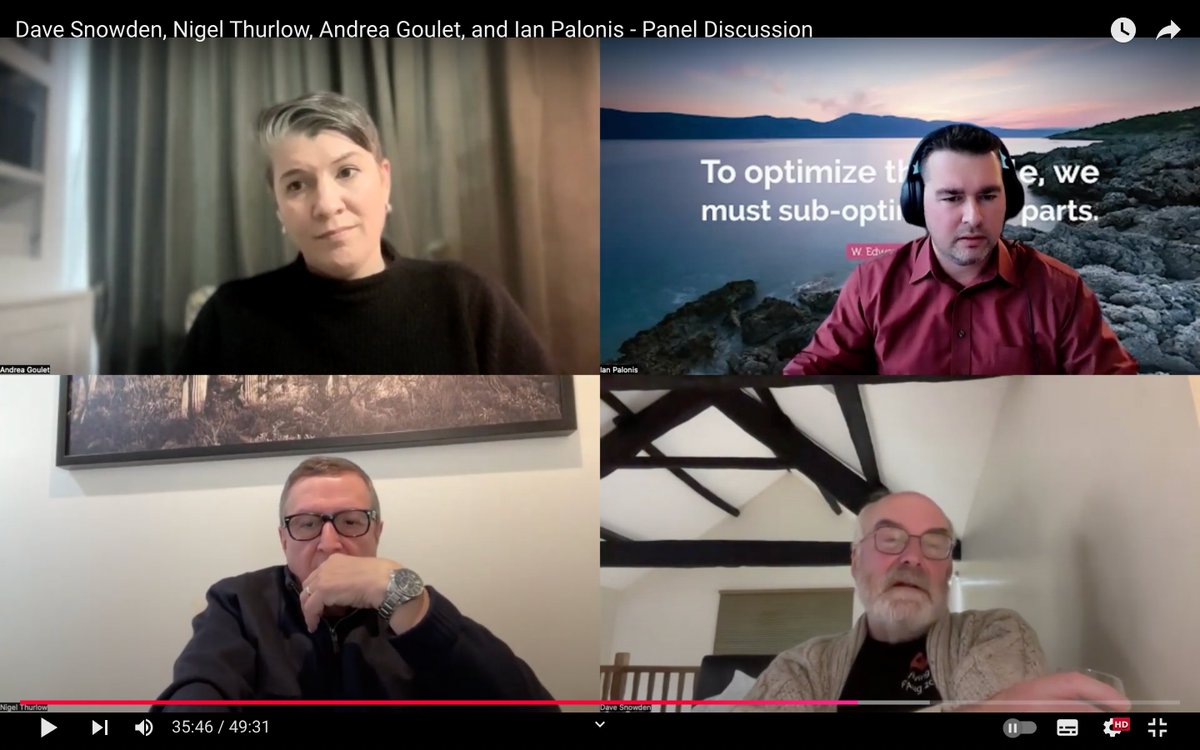
ALT Screenshot of Video with Dave Snowden, Nigel Thurlow, Andrea Goulet and Ian Palonis. See earlier in thread for link.
ALT Screenshot of the video linked in the thread
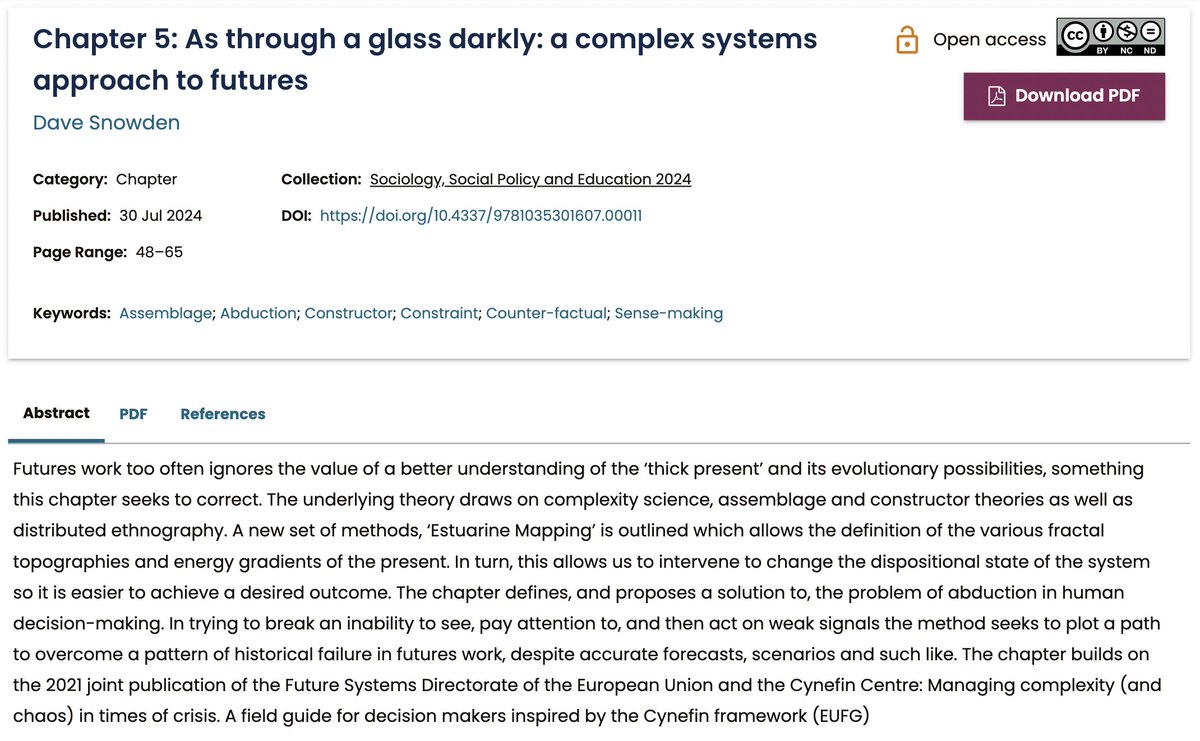
ALT Futures work too often ignores the value of a better understanding of the ‘thick present’ & its evolutionary possibilities, something this chapter seeks to correct. The underlying theory draws on complexity science, assemblage & constructor theories as well as distributed ethnography. A new set of methods, ‘Estuarine Mapping’ is outlined which allows the definition of the various fractal topographies & energy gradients of the present. In turn, this allows us to intervene to change the dispositional state of the system so it is easier to achieve a desired outcome. The chapter defines, & proposes a solution to, the problem of abduction in human decision-making. In trying to break an inability to see, pay attention to, & then act on weak signals the method seeks to plot a path to overcome a pattern of historical failure in futures work, despite accurate forecasts, scenarios and such like. The chapter builds on the 2021 joint publication… Managing complexity (and chaos) in times of crisis.
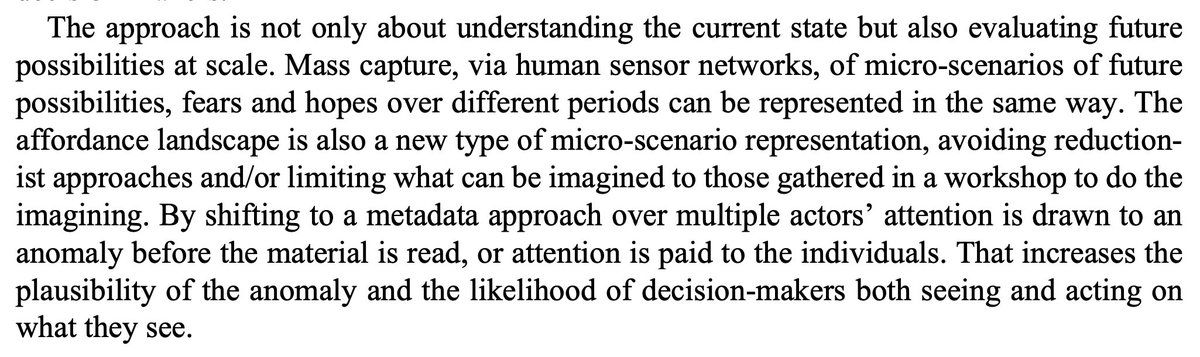
ALT Text: "The approach is not only about understanding the current state but also evaluating future possibilities at scale. Mass capture, via human sensor networks, of micro-scenarios of future possibilities, fears and hopes over different periods can be represented in the same way. The affordance landscape is also a new type of micro-scenario representation, avoiding reductionist approaches and/or limiting what can be imagined to those gathered in a workshop to do the imagining. By shifting to a metadata approach over multiple actors’ attention is drawn to an anomaly before the material is read, or attention is paid to the individuals. That increases the plausibility of the anomaly and the likelihood of decision-makers both seeing and acting on what they see. Source: https://www.elgaronline.com/edcollchap-oa/book/9781035301607/book-part-9781035301607-11.xml?utm_content=305886256

ALT Screenshot showing the front cover of "On a Corresponsive Sports Science: https://link.springer.com/article/10.1007/s40279-023-01981-3
![5.3 Research as a Practice of Participant Observation
In speaking of his journey into phenomenology, anthropologist Tim Ingold [63] reminds us that when studying people whose background and experiences are different from our own:
“…the task is not to interrogate them with pre-prepared questions, answering to our personal agendas, but rather to observe what they do and listen to what they say, and to learn – as far as practically possible – to perceive things in ways that correspond with theirs” (p. 719, emphasis added).](https://venexa.site/media/GCYZvhdWYAAQeHX.jpg)
ALT 5.3 Research as a Practice of Participant Observation In speaking of his journey into phenomenology, anthropologist Tim Ingold [63] reminds us that when studying people whose background and experiences are different from our own: “…the task is not to interrogate them with pre-prepared questions, answering to our personal agendas, but rather to observe what they do and listen to what they say, and to learn – as far as practically possible – to perceive things in ways that correspond with theirs” (p. 719, emphasis added).