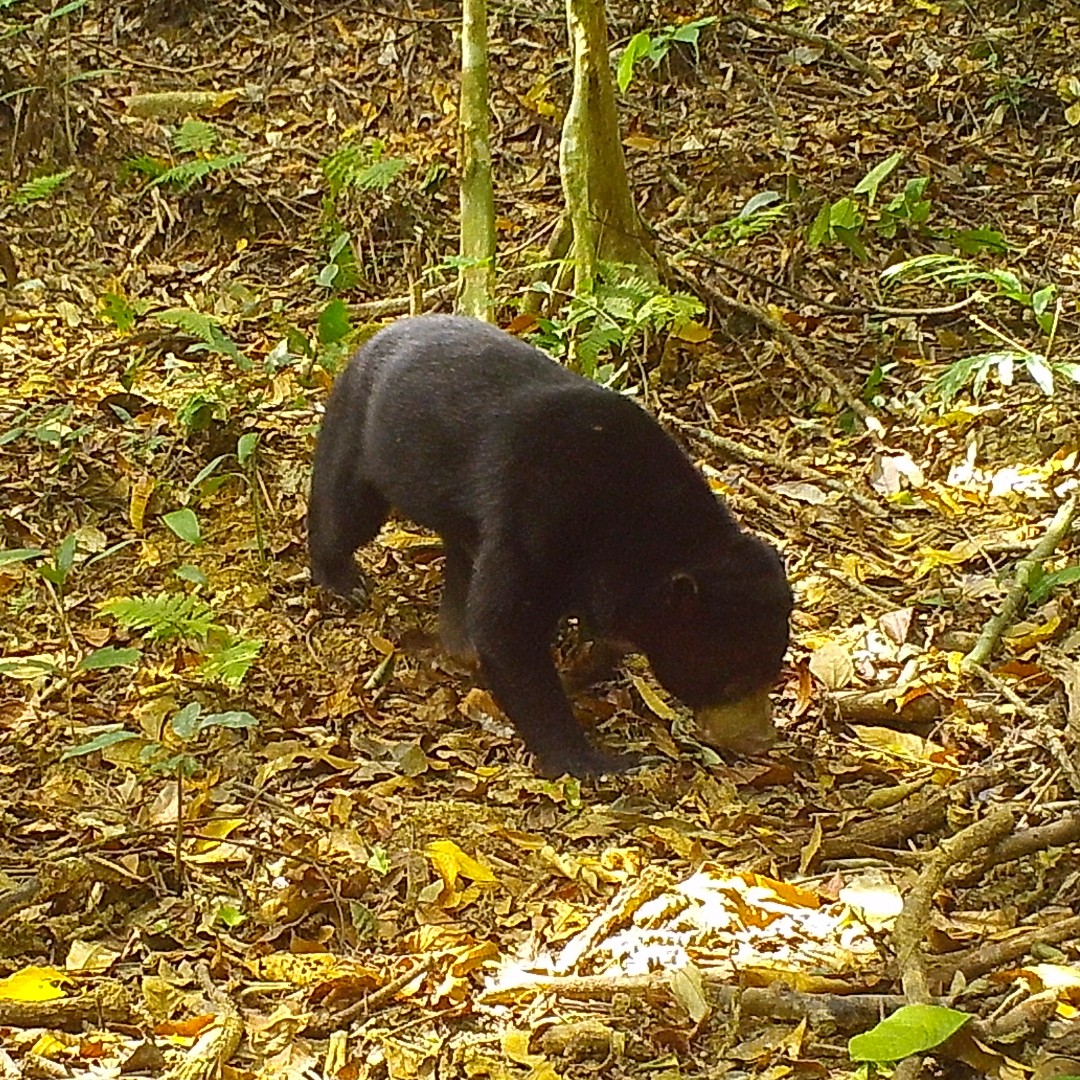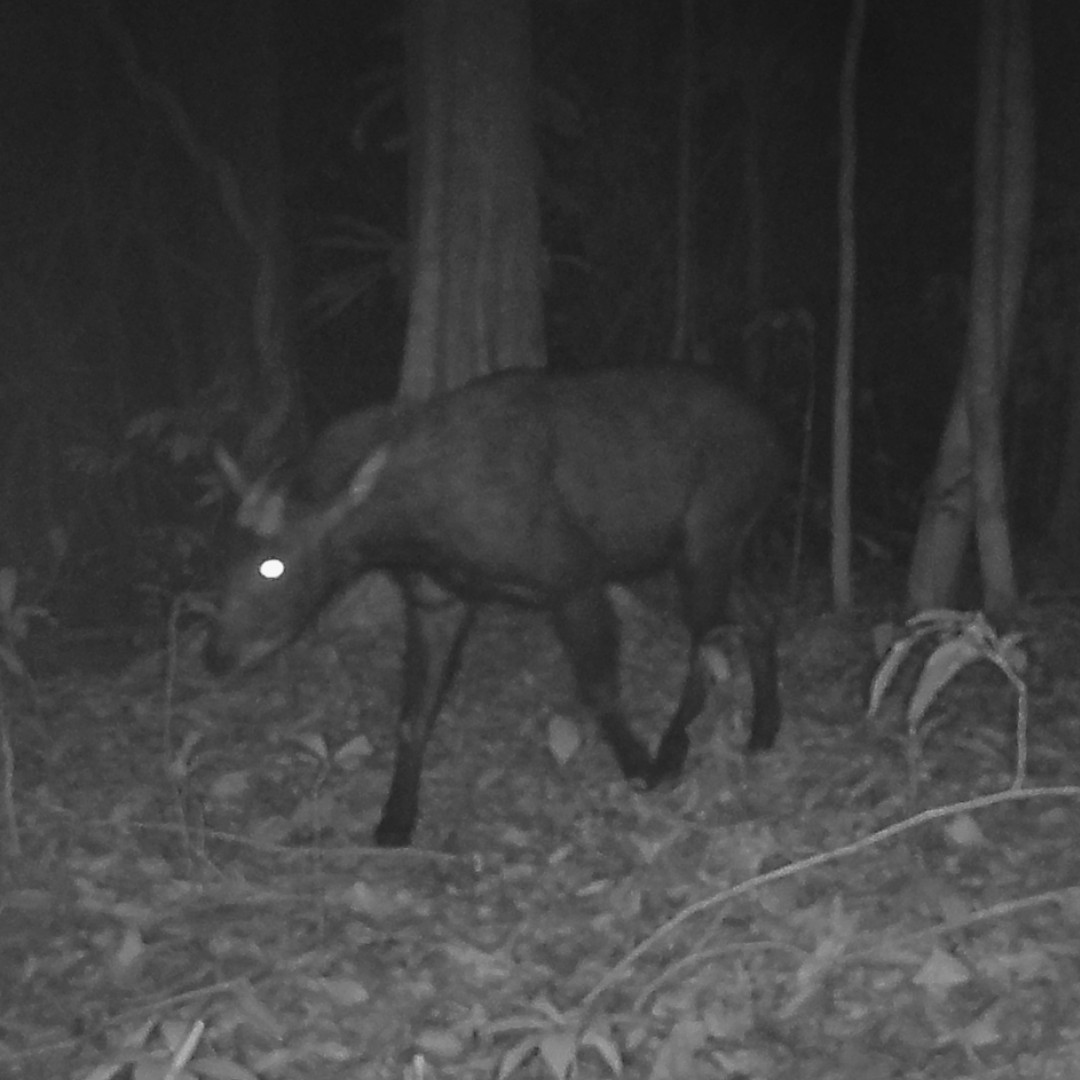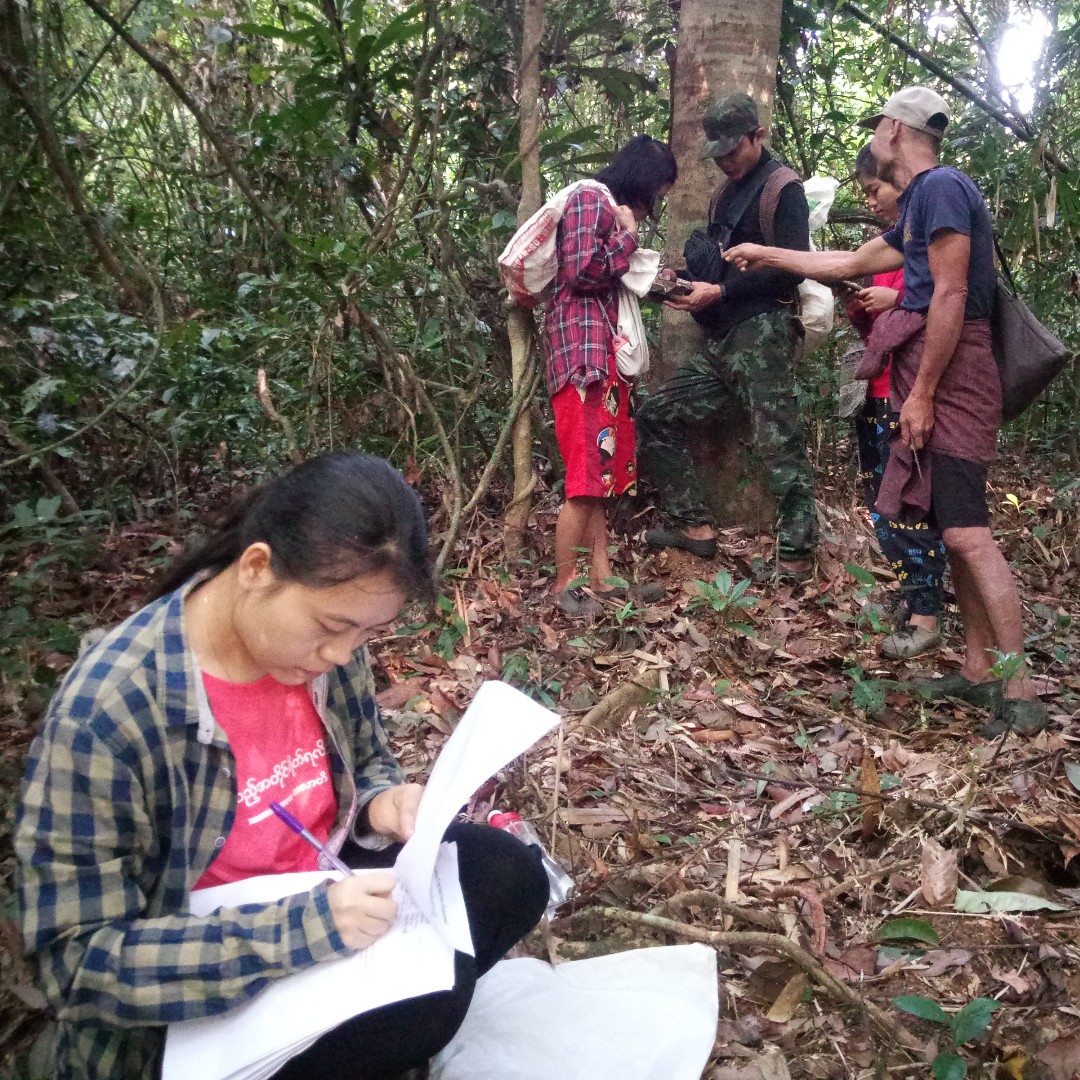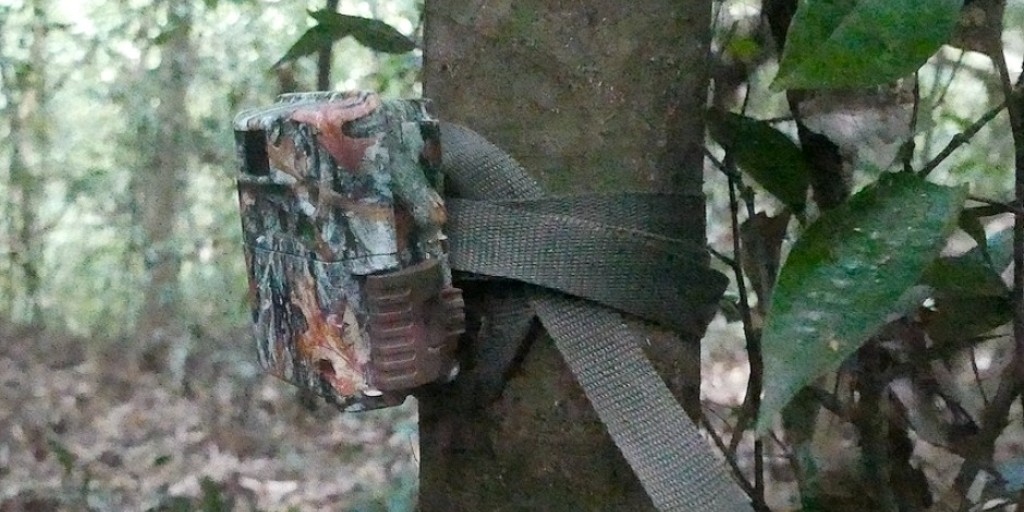
It’s a bird! It’s a plane! It’s #VWL on National Geographic’s #ExtraordinaryBirder with Christian Cooper! Join Christian & our scientists as they track grassland birds on Saturday, July 15 at 10/9c on @natgeowild. Now streaming on @DisneyPlus and @Hulu. s.si.edu/3JCnjwn
#Seagrass ecosystems often go unnoticed, yet they are just as important to protect as #reefs and #mangroves. These ecosystems store large amounts of carbon and are protective against storms.
bit.ly/3ptsb0g
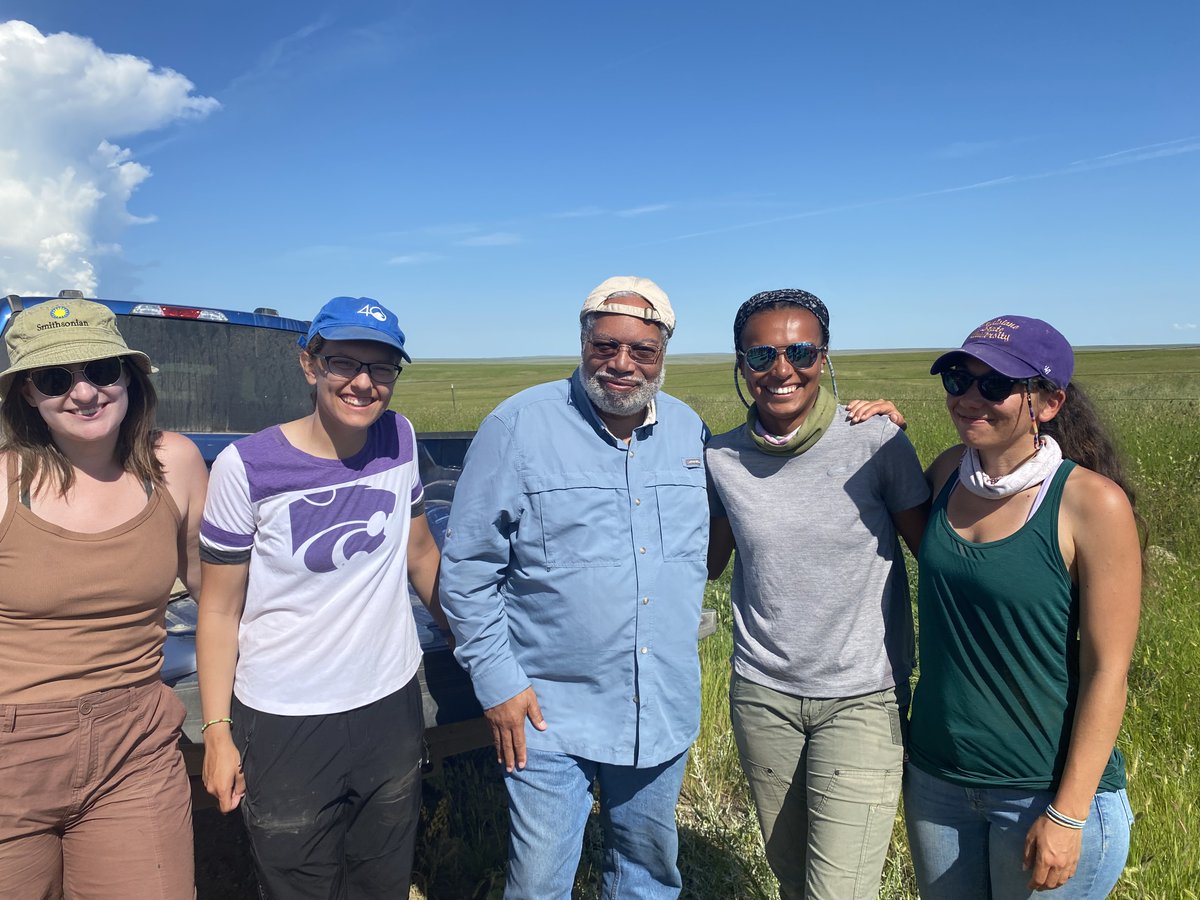
Our Great Plains Science team is in Montana working with partners to help understand, restore and preserve this wild landscape. Thanks for visiting @smithsoniansec!
If we’re going to help threatened bird populations, we have to understand their migrations and movements. I got a firsthand look here in Montana at how @NationalZoo experts and our partners use tools such as the Motus Wildlife Tracking System to study prairie songbirds.
ALT Five adults pose for a photo in a lush field-like area with a big blue sky above and a vehicle or structure slightly obscured in the background on left. In center is Lonnie Bunch III, the Secretary of the Smithsonian, in denim with cap.
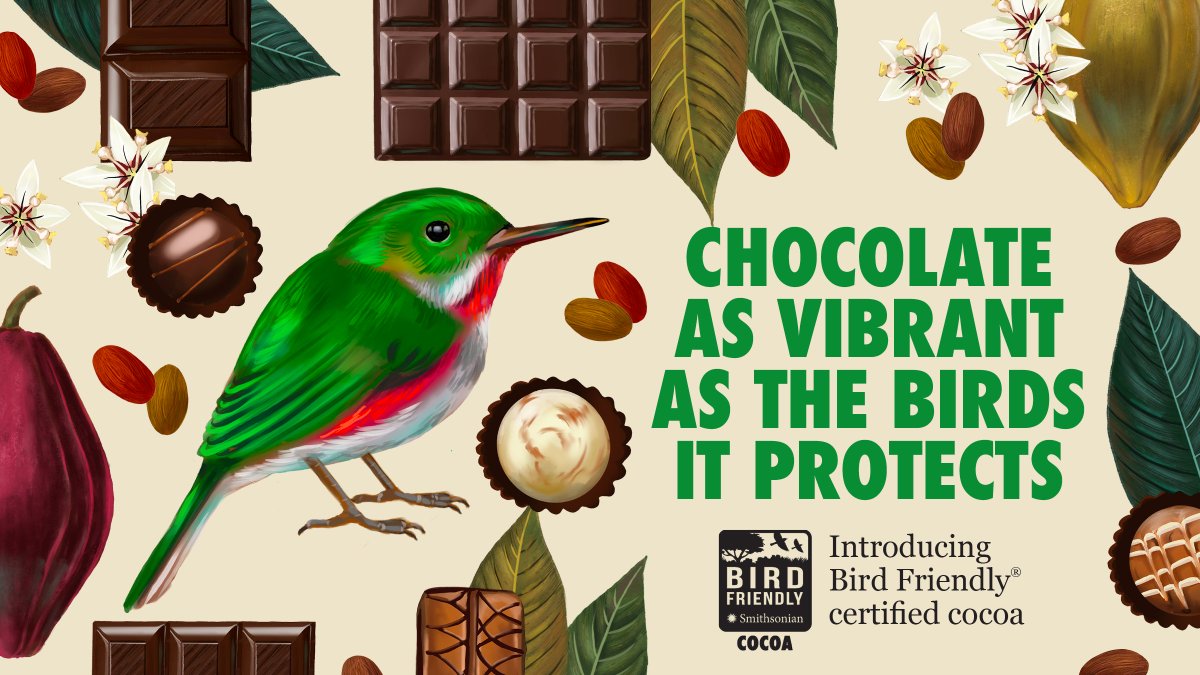
Did you know cocoa has joined the Bird Friendly flock? With each delicious bite of Bird Friendly® certified chocolate, you can rest assured it came from a farm providing vital habitat for birds and other wildlife! Learn more: nationalzoo.si.edu/migratory…
ALT An illustration of a Broad-billed Tody surrounded by chocolate products and cocoa flowers and leaves with text that reads "Introducing Bird Friendly® certified cocoa" and "Chocolate as vibrant as the birds it protects"
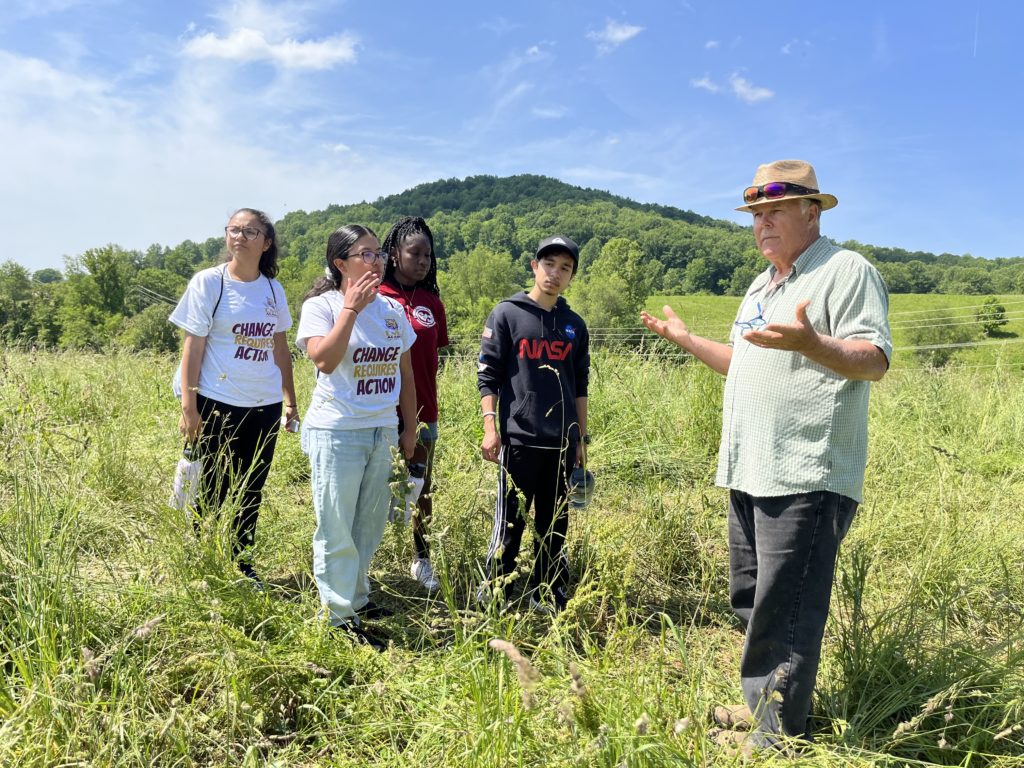
How can we involve youth in conservation and imbue them with a greater sense of land stewardship? Find out in this new article by our friends @Smithsonian Virginia Working Landscapes: s.si.edu/3pn4vKR. #EarthOptimism@EarthOptimism
ALT Mike Sands, a local farmer, talks to a group of high school students at Eldon Farms, VA, about the ways that agriculture and conservation can work in synergy by planting native plants for grazing cattle; photo by Jennifer Brundage, Smithsonian Affiliations.
You may know that probiotics are good for your gut, but #DYK that they're good for corals too?
@NMNH scientists found a probiotic treatment that may help corals afflicted with a deadly disease spreading across the Caribbean. Learn more for #OceanMonth: s.si.edu/43F439M
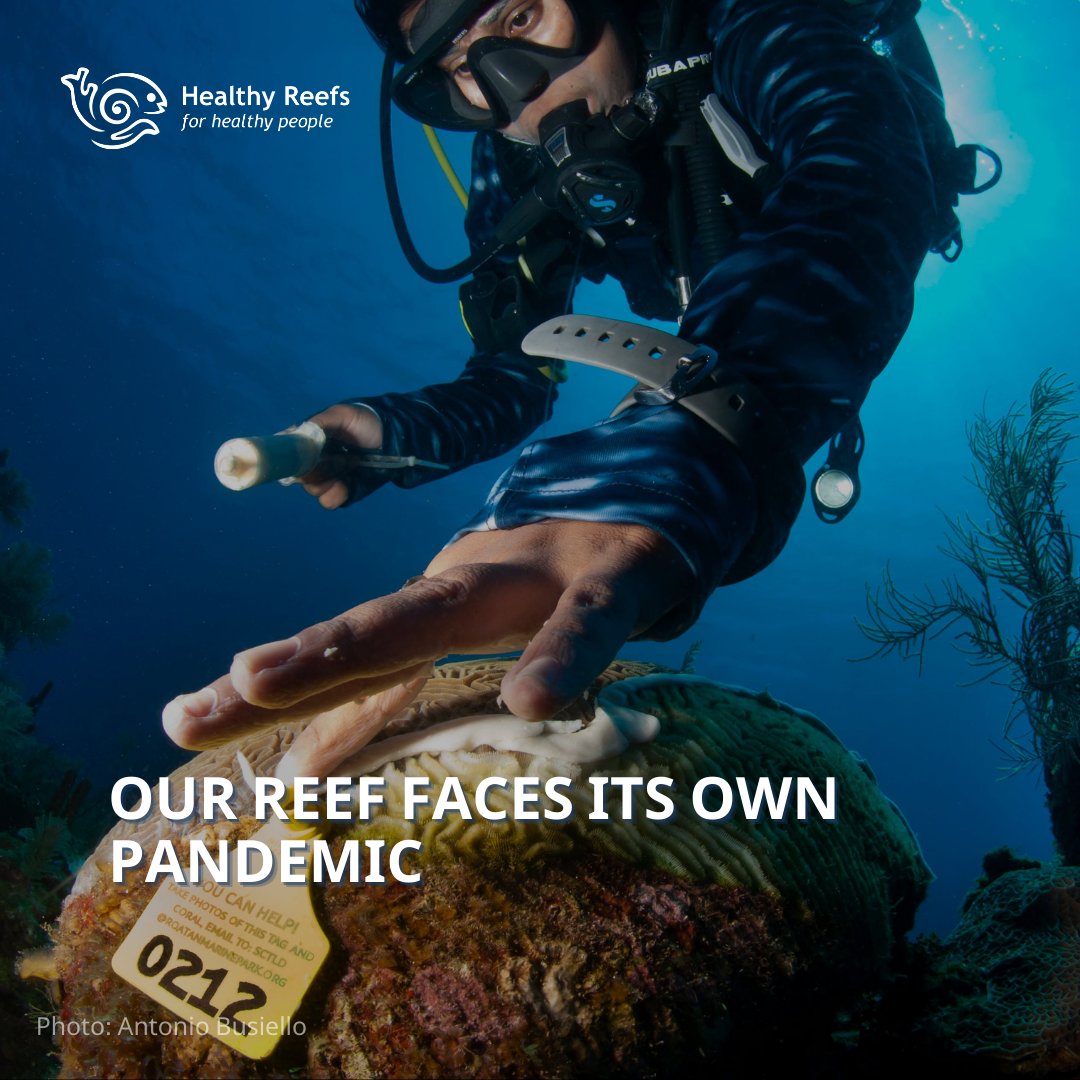
@smithsonian, HRI, @TheWCS, Belize Fisheries Department and The University of Belize Environmental Research Institute are collaboratively responding to SCTLD in Glover’s Reef Atoll. Together, we have tagged over 200 coral colonies and will track their health over the next year
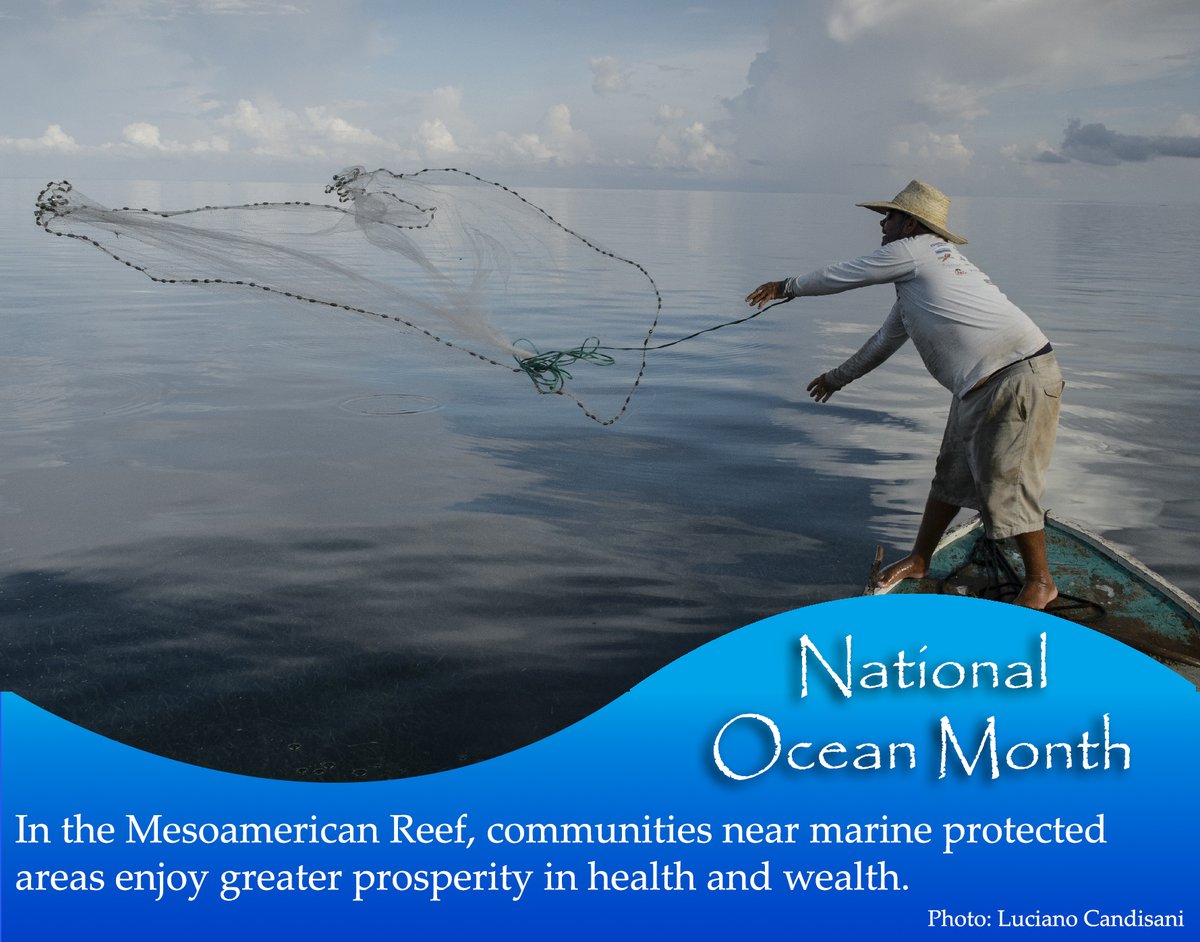
"MPAs in the Mesoamerican Reef region have the potential to benefit both people and nature at the same time,” says Dr. Justin Nowakowski, the study's lead author, @SmithsonianEnv scientist & @ConservationOrg fellow.
ALT Man on boat wearing straw hat throws a fishing net into the water. An illustration of a blue wave covers the bottom of the photo, with the text "National Ocean Month"
Livestock pastures are often food deserts for pollinators, but scientists believe livestock pastures can double as pollinator meadows, while remaining safe and productive for cattle and farmers. Learn more at s.si.edu/43KZ0nZ#PollinatorWeek#BeeFriendlyBeef
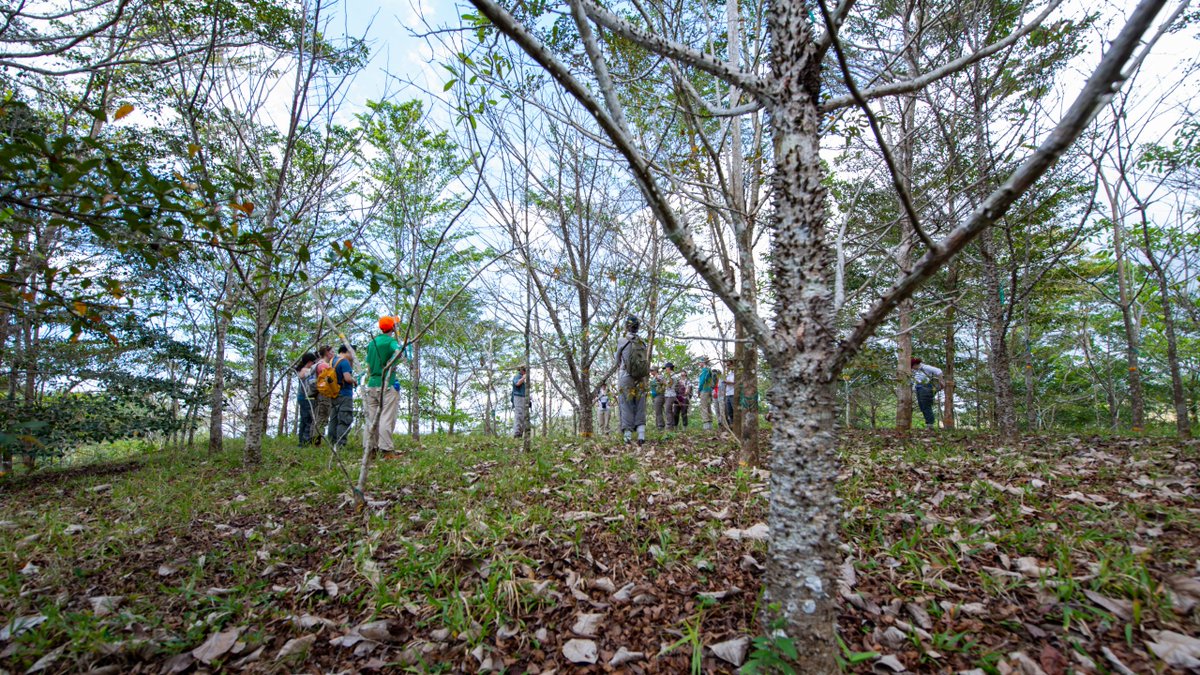
We love seeing pristine tropical ecosystems for #WorldRainforestDay, but we also know that many landscapes around the equator are now home to secondary forests, which were either replanted or allowed to naturally regrow after experiencing deforestation or degradation.
ALT A group of people stand among an array of young trees, including one covered in spikes in the foreground.
The @stri_panama Agua Salud project focuses on these reforested habitats to better understand how we can more effectively restore ecosystems to provide benefits for both people and planet: s.si.edu/3qzfX6l
Happy #PollinatorWeek! Celebrate and support the birds, bats, bees, butterflies, and other insects that contribute to pollination and consider adding native plants to your yard or planters. Find out which plants are native to your region at audubon.org/native-plants
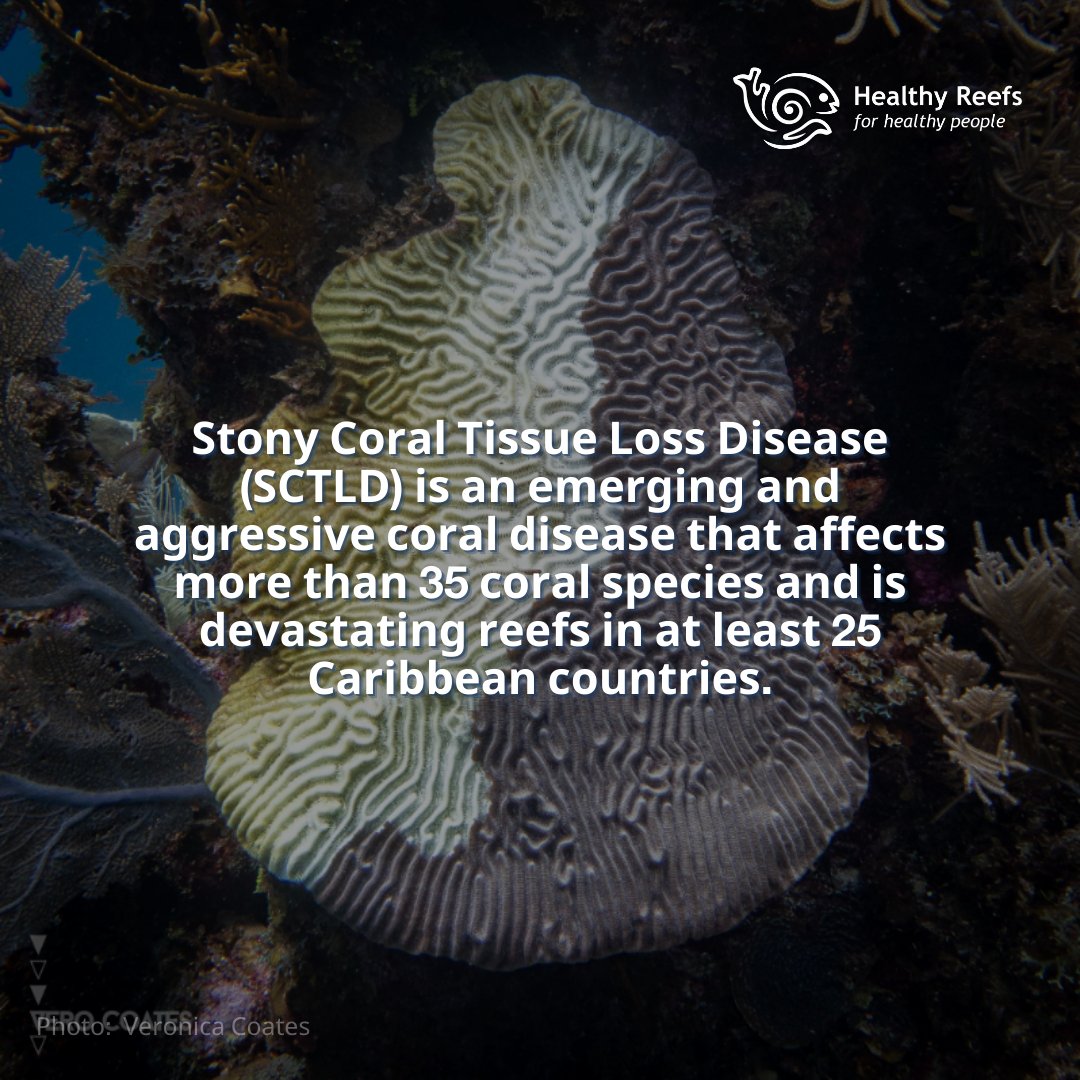
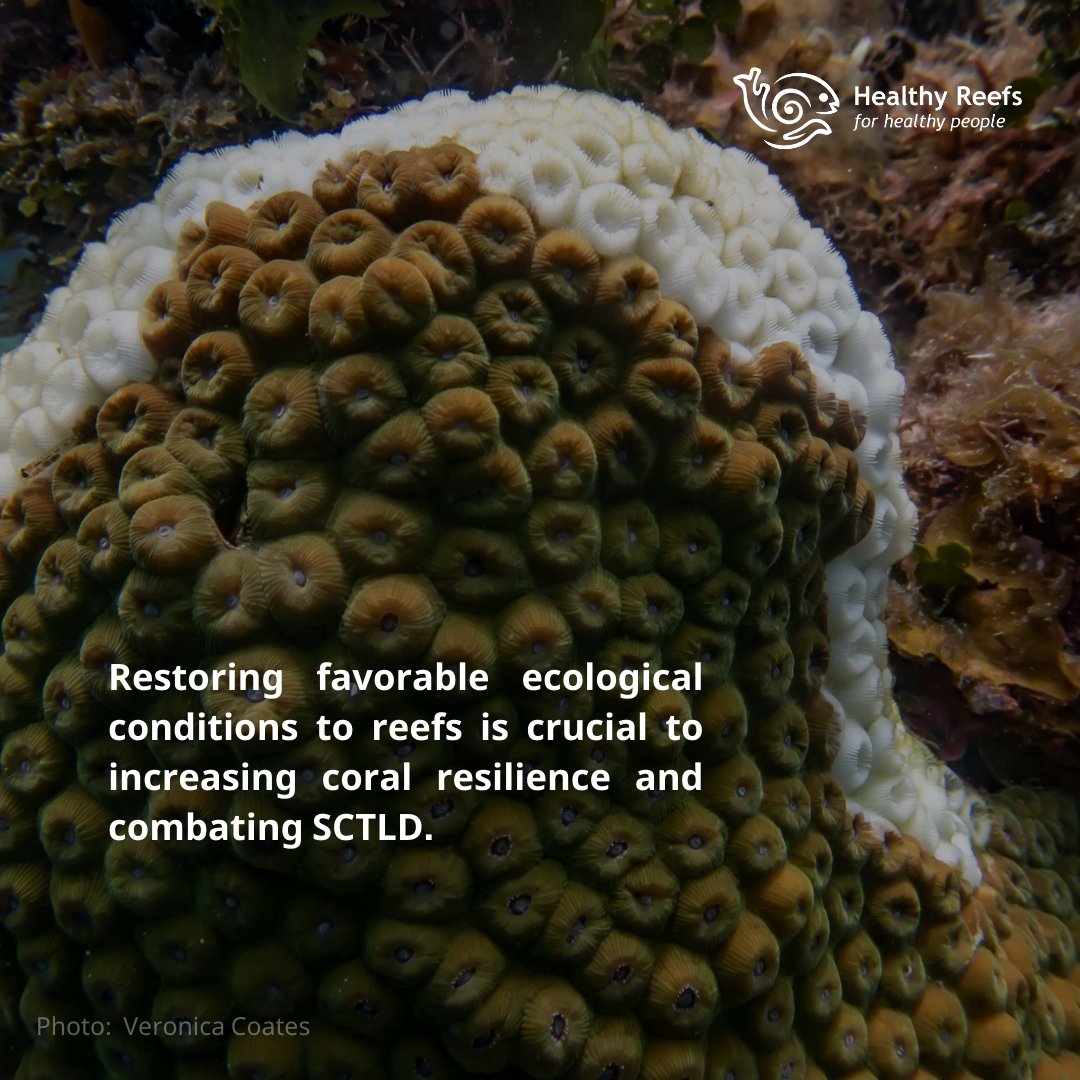
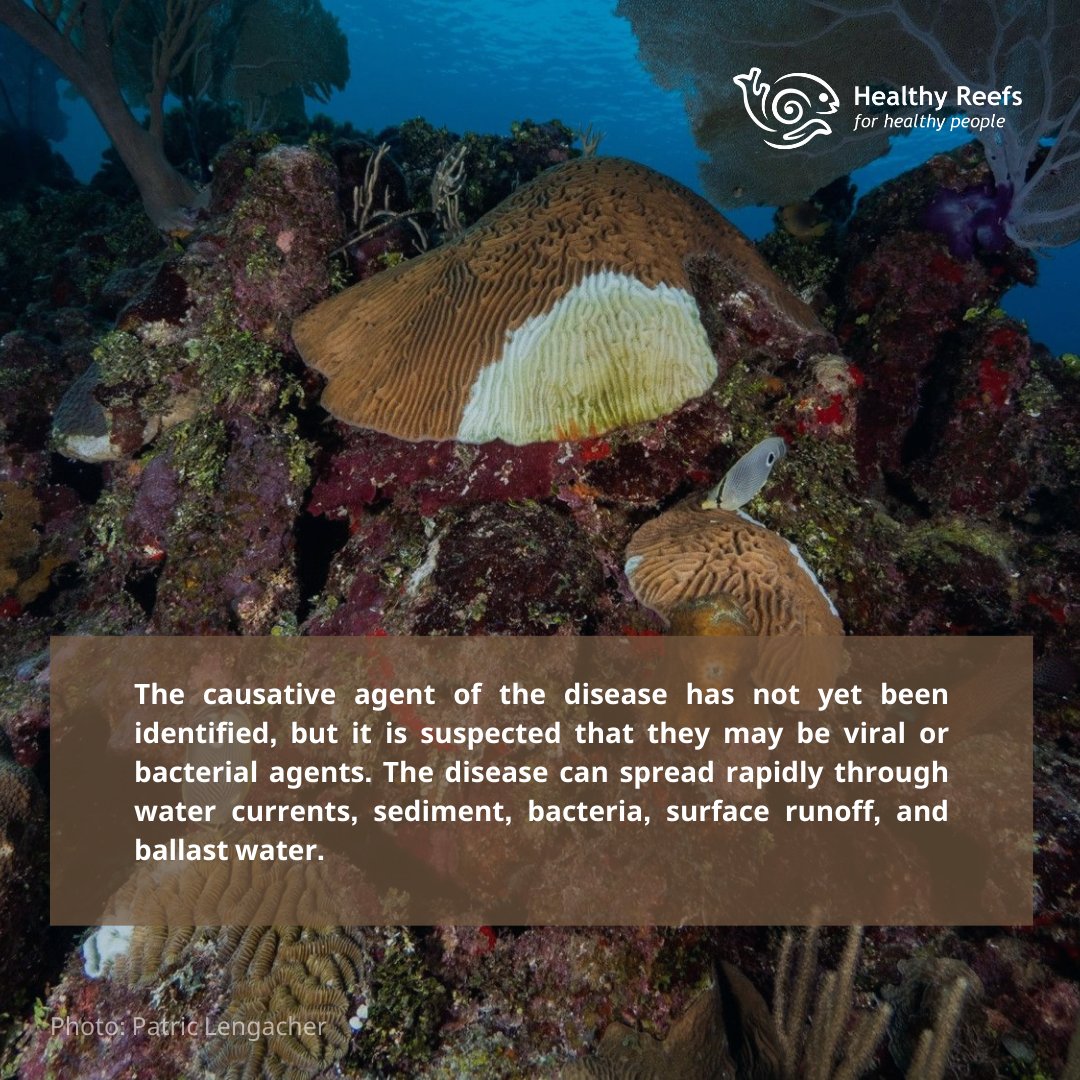
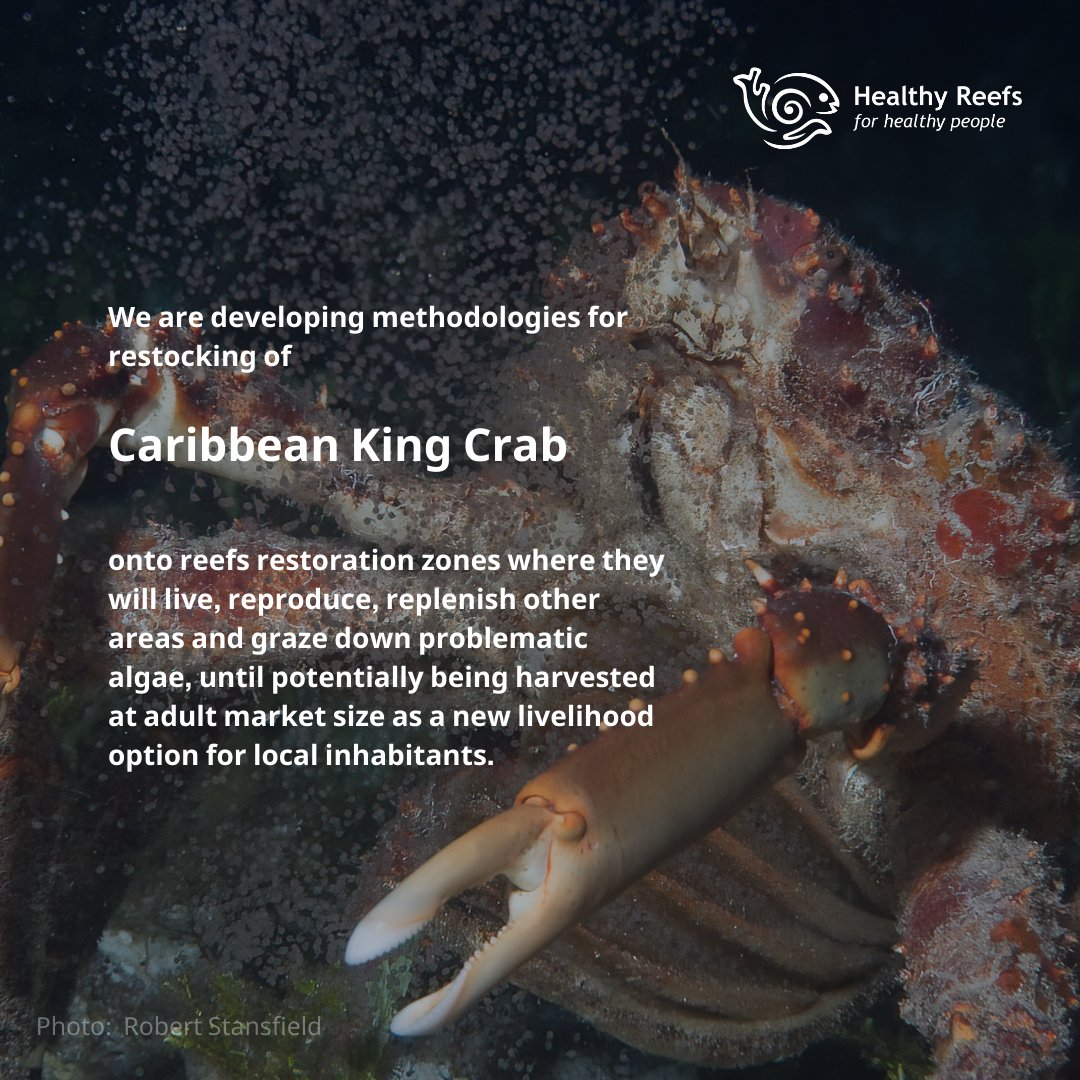
Do you know the stony coral tissue loss disease (SCTLD)? Here we explain a little about it and what is being done based on the data we published in our latest 2022 Report Card on the Health of the Mesoamerican Reef, available on our website: healthyreefs.org.
#DesertificationAndDroughtDay reminds us that global landscapes are increasingly at risk – even in the tropics. Researchers like the @stri_panama Agua Salud team can help us prepare for climate challenges by studying how forests react to droughts now: s.si.edu/3WY1UTZ
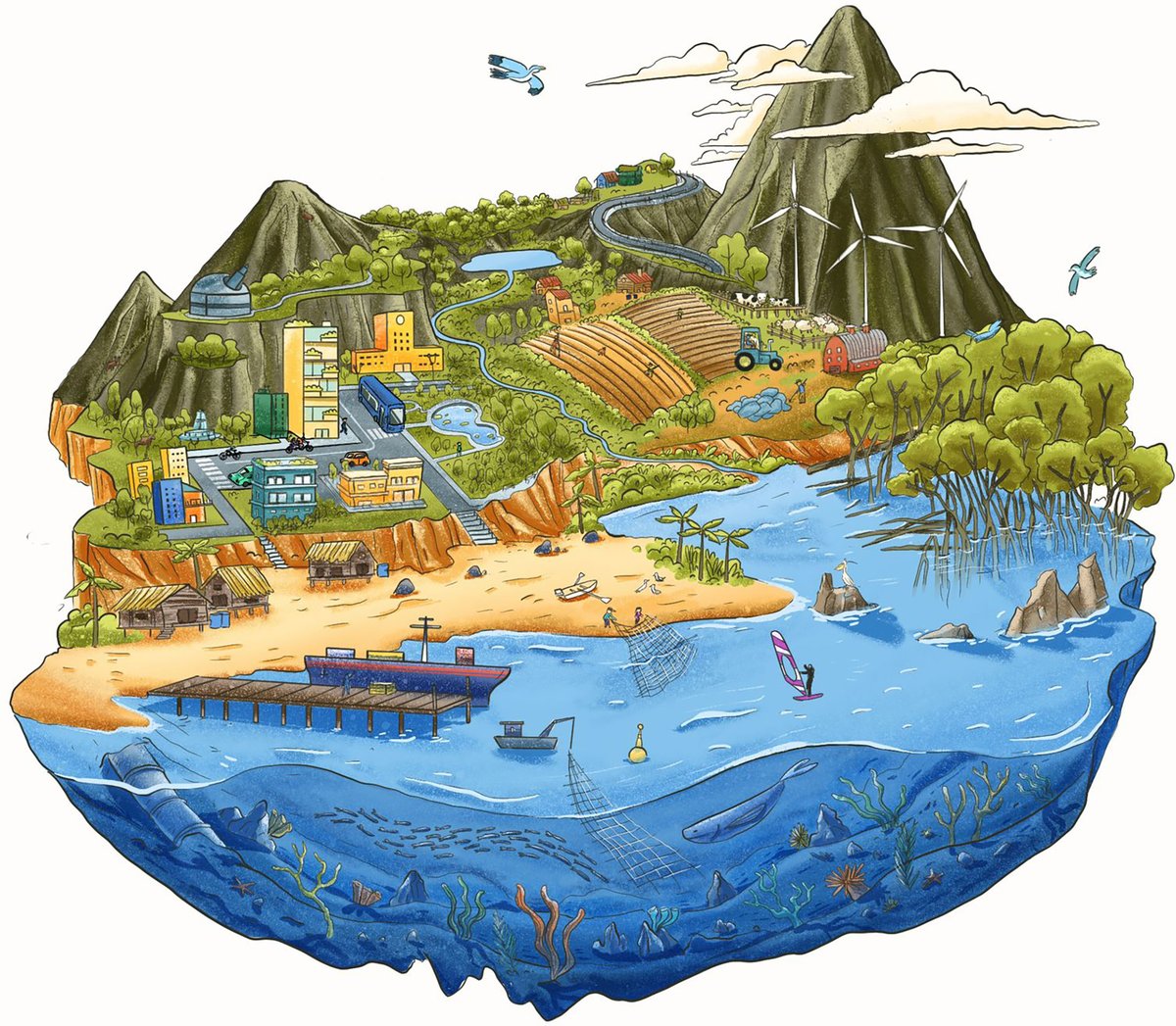
Part of Peru's Pacific coastline is shaped by actions in the mountainous Sierra, thanks to the Cañete River that connects them. For #OceanMonth, learn how scientists and communities are coming together to better understand the health of the watershed: arcg.is/fCSKf1
Happy #WorldOceanDay! Even in places far from the sea, what we do on land matters for the rest of our blue world.
We can see these connections in Alaska, where communities depend on the annual salmon migration from the coast to headwater streams: s.si.edu/3IT3Eb7
#WorldEnvironmentDay is celebrated to encourage the protection and health of the environment, which is directly related to the well-being of people and economic development around the world.