
Open3DLab.com, SmutBa.se and SFMLab.com are the top resources for free 3D models and assets for Source Filmmaker and Blender.
Joined November 2019
- Tweets 2,317
- Following 609
- Followers 12,290
- Likes 1,215
Photos and videos
Open3DLab / SmutBase retweeted

Jun 8
Our statement on the UK government’s demand that all content on all devices sold or used in the country be scanned, on the presumption of nudity, using a dystopian combination of age verification and content scanning. This proposal will not safeguard children. It endangers us all.
signal.org/blog/pdfs/2026-06…
739
8,546
41,326
2,725,731

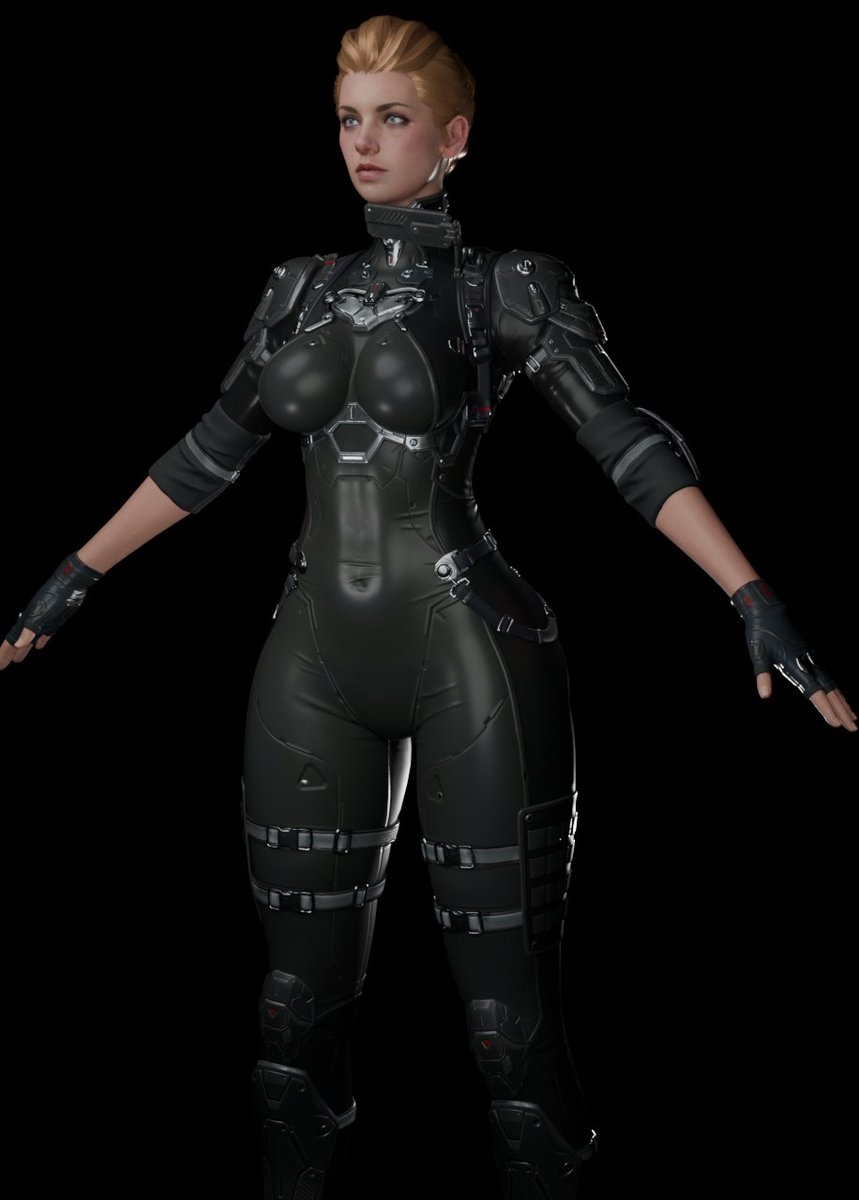
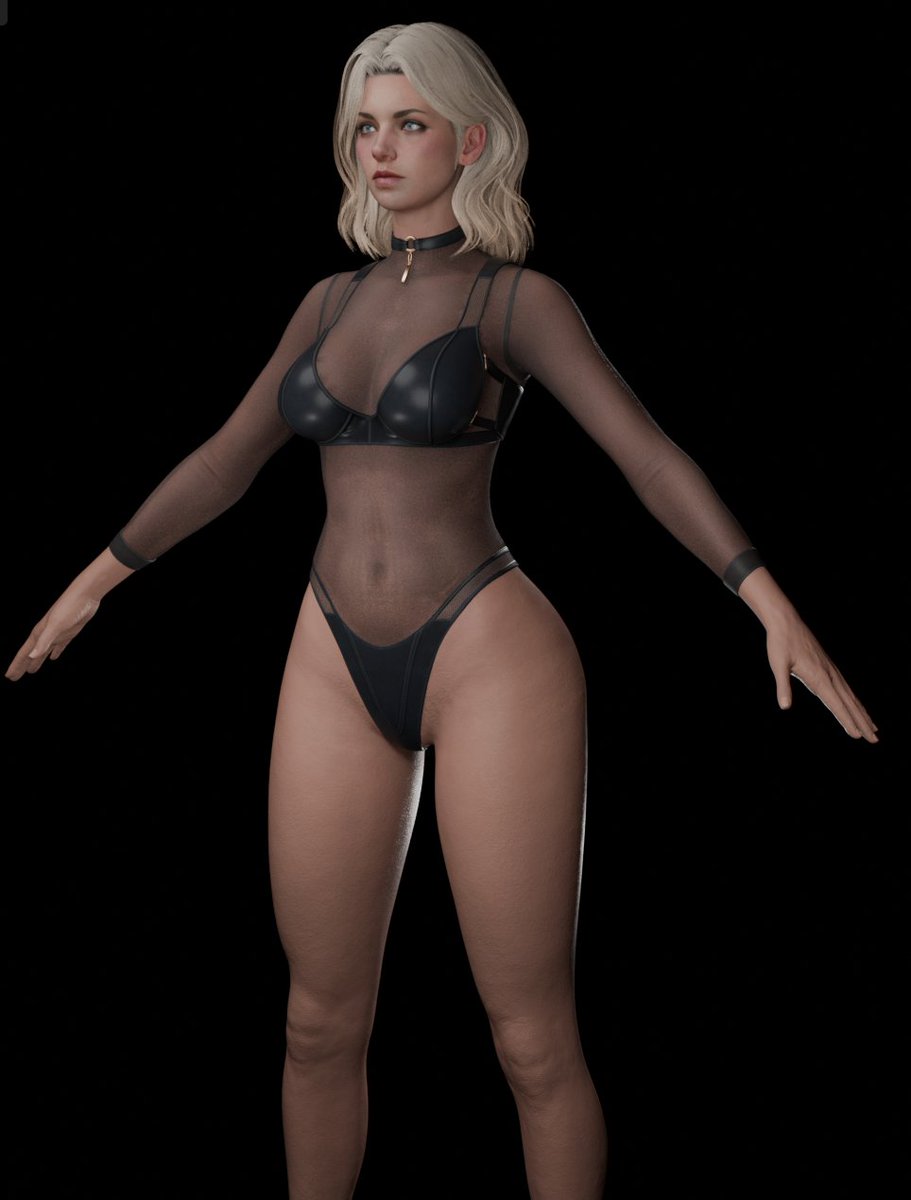
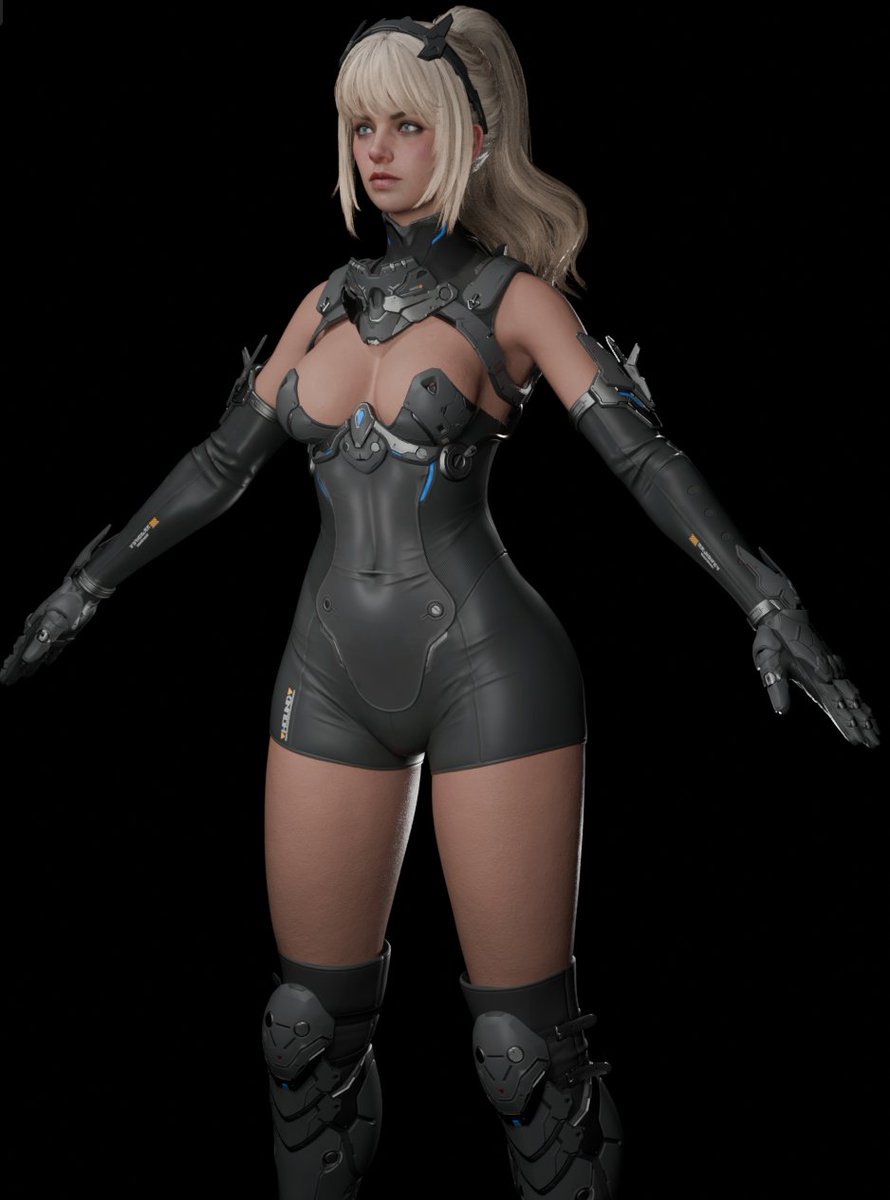

>hooters rebranding to family friendly
>paypal blocking payments for lewd art
>kickstarter banning 18 campaigns
>social media AI flagging everything as adult
>government requiring ID to look at porn
can't wait for the pendulum to swing back so we can have orgies in the streets
223
5,508
50,091
1,131,978
Open3DLab / SmutBase retweeted

May 22
Let's end the month May with some good vibes. 25% discount on monthly or annual subscriptions through our Patreon. Use code MAYMAY2026 until June 1st.
7
29
54,823
May 21
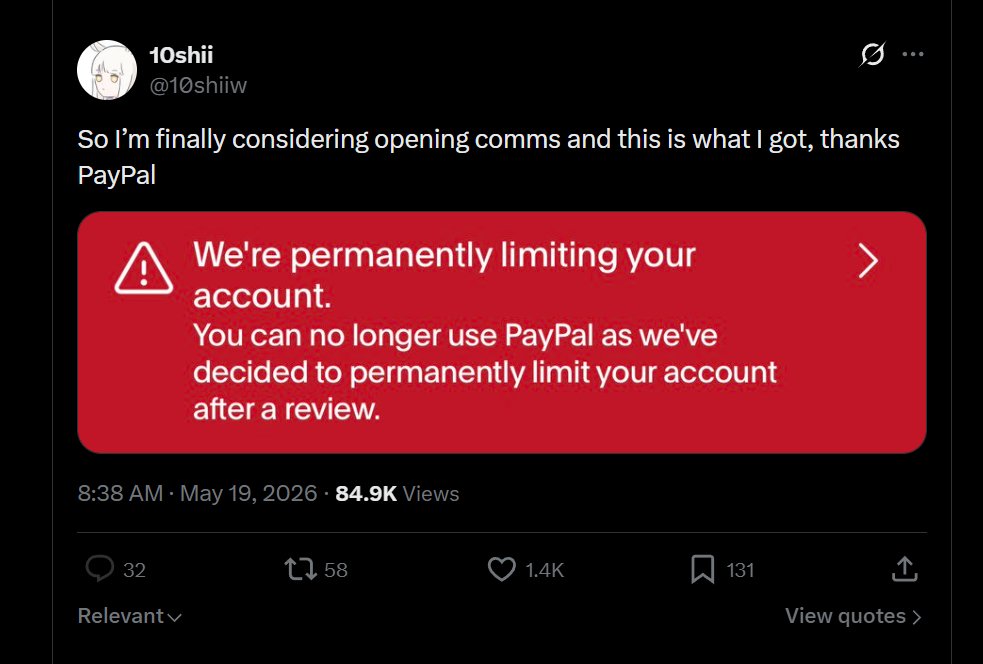
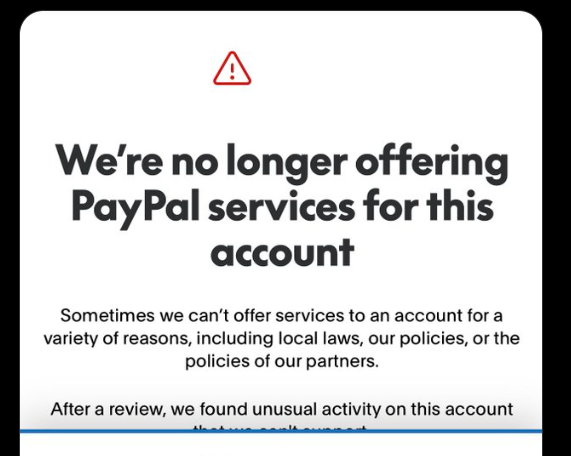
If PayPal gets an inkling of you using their platform for 18 work, they will shut you down, and you lose access to any funds left in your account.
This has happened since forever, and is not a new policy change. Enforcement always comes in waves.

Paypal is SHUTTING DOWN COMISSIONS.
No more lewd commissions. Multiple reports of artists getting notices like these.
This follows on the heel of Kickstarter saying Stripe is shutting down lewd kickstarters too.
It's out of their control.
2
4
24
3,569
May 16
Hate it when they use the packing peanuts.
4
1,636
I am not required to identify myself when I move freely through public spaces, and when a bouncer asks for my ID, he doesn't keep a copy for his records. Journalists are not required to reveal their sources.
Anonymity is a keystone in a free society. If you think online ID verification is justified, you need to think very carefully about your next steps. If you think your online purchase of pornography, or a sex worker's services is private; think again. Your vices may become public record.
You may feel that your morals are justified because you do not indulge in those vices. But when a tirant rises, an opinion you thought was mainstream, may fall out of favor. And then the only way to speak truth to power without risking your own life, may be through anonimity.
Don't call it age verification. Call it mandatory ID.
May 7

Stop Killing Games has joined a big coalition pushing back against new age verification laws that claim to be for our safety.
Big companies can afford the costly ID checks and rules, while small teams, fan fixes for private game servers, and community projects usually cannot.
These are exactly what keep old games alive after the makers stop supporting them. One example is the free browser game Urban Dead, which ran for nearly 20 years until its solo developer shut it down in 2025 because UK rules made it too hard to continue.
Stop Killing Games signed an open letter with groups like Mozilla and the Electronic Frontier Foundation.
The letter says that while protecting kids online matters, these wide age checks create new gatekeepers, collect private data, and shrink the open web.
Some of that the rules could make private servers and even some Linux systems illegal in places like California.
Games we own should stay playable


1
3
21
3,093
Apr 29
I wish I could afford enough hard drives to mirror Anna's Archive.
Instead I'm resigned to only affording enough hard drives to store 1% of the JAV releases I would like to watch in my lifetime. And an entire 3D model asset site I guess.
2
13
2,797
Apr 29
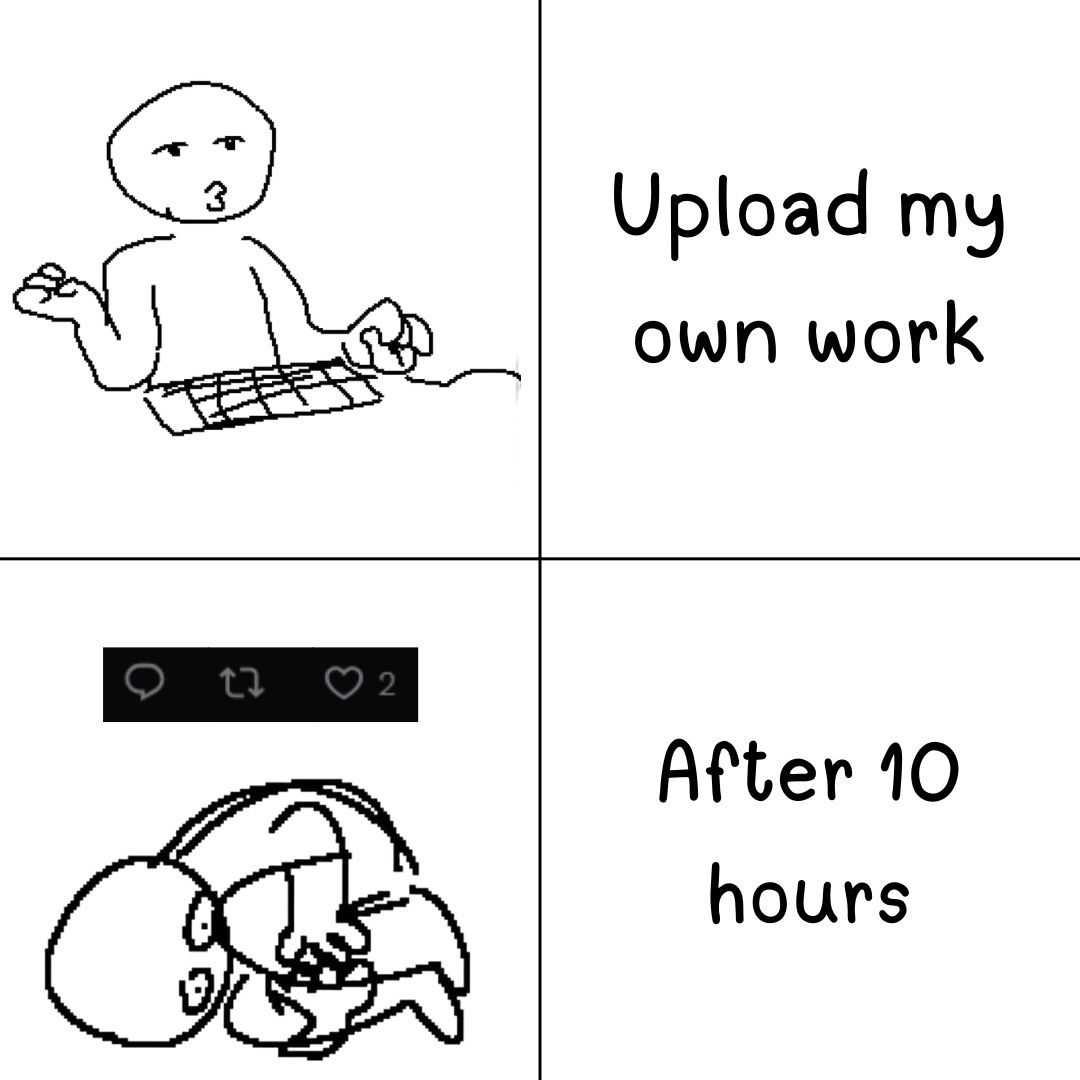
Persistence and dedication to your craft is more important than chasing metrics. If you dedicate yourself to a concept or idea, and execute consistently, the right people will find you. It just takes time.

5
10
90
22,100
Apr 29
99% of this artist's recent output has been memes about how their art isn't hitting the algo. How about actually doing some work?
5
1,655
Open3DLab / SmutBase retweeted

Apr 29
My wife is engaging in piracy at like tech illiterate 13 year old levels. She googled “Steven king It pdf” and I think just clicked on the first one
300
1,405
116,470
7,161,486
Apr 29
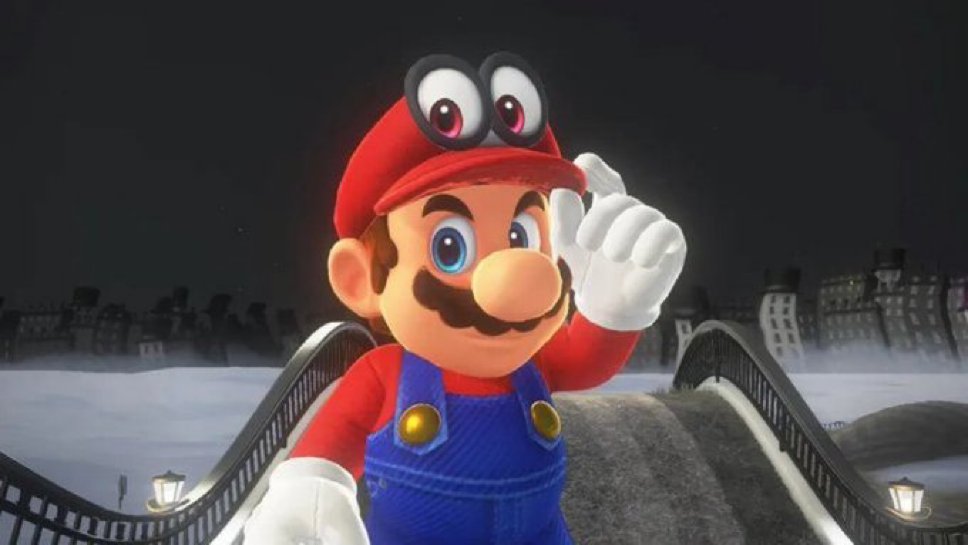
"Nintendo's not evil - they're just protecting IP" reads as "not making excuses, this was justfied"
IN MY OPINION - If you think Nintendo is in the right here, you should ceremonially disembowel yourself in front of the United States Patent and Trademark Office to prove your dedication to the cause of tyranny.
Apr 29
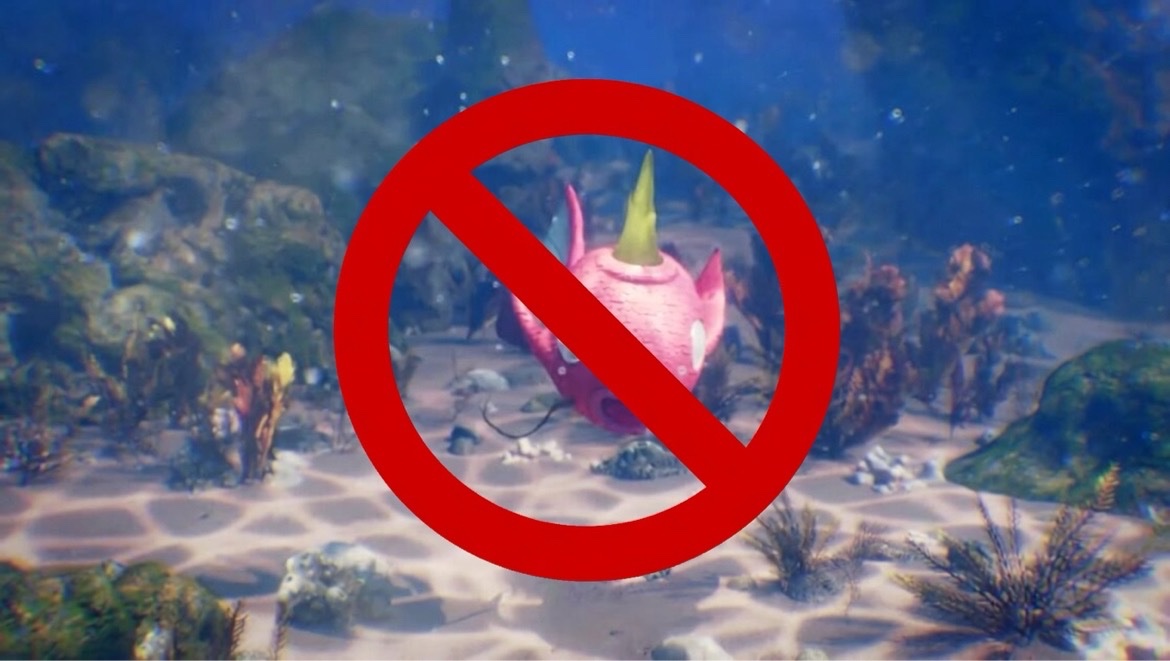
The YouTube channel PokéNational Geographic has been terminated after Nintendo issued multiple copyright strikes.
Animator Elios created a fan series that presented Pokémon in the style of realistic National Geographic nature documentaries, using fully original hand-drawn imagery paired with official game sound effects.
Despite the creator offering to remove all videos, the strikes exceeded YouTube’s limit and forced the channel offline.
The series had built a dedicated following for its unique, documentary-style take on the Pokémon universe.
Nintendo really is evil, they could actually offer him sponsorship and create something unique
2
12
2,304
Open3DLab / SmutBase retweeted

Apr 16
You want to buy a videogame with your own money?
Not so fast, champ! Think about the children

312
1,251
15,648
709,873


Apr 15
When's the last time you saw a good Marvel or Disney movie?
Apr 14

Disney has laid off nearly the entire visual development team at Marvel Studios.
Only a skeleton crew remains in place to coordinate hiring on a per-project basis.
(Source: forbes.com/sites/robsalkowit…)

1
3
2,908
Apr 14


Have you, or someone you know, personally experienced the IRS actually showing up at your door?
1
2,757
Apr 14
Still open to sponsorships. Full site banner takeover for whatever doll company sends me a lifesize Tifa doll.
4
1,796
Apr 13
This is why American businesses can't win against China. Despite a big domestic market demanding this kind of product, US businesses are unwilling to serve it over moral concerns.
They're specifically making these Zootopia dolls to sell in the US, and Disney/Pixar just foregoes all that potential licensing revenue. It's very funny.
4
5
283
10,282