
49ers Faithful #FTTB probably dehydrated 🥵 sometimes 😈 sometimes 👿 room for improvement 🤙 real and spectacular 🤭 F fascism and F Trump🖕🏻
Joined May 2013
- Tweets 55,798
- Following 2,181
- Followers 1,352
- Likes 106,196
2,345 Photos and videos












Pinned Tweet

19 Mar 2025
Just for the record, I am real and I am spectacular.
8
1
14
4,829
If we’re going to evolve as a species, the ego has got to go. We are literally our own worst enemy.
2
Stormy x ⛈☔️ retweeted

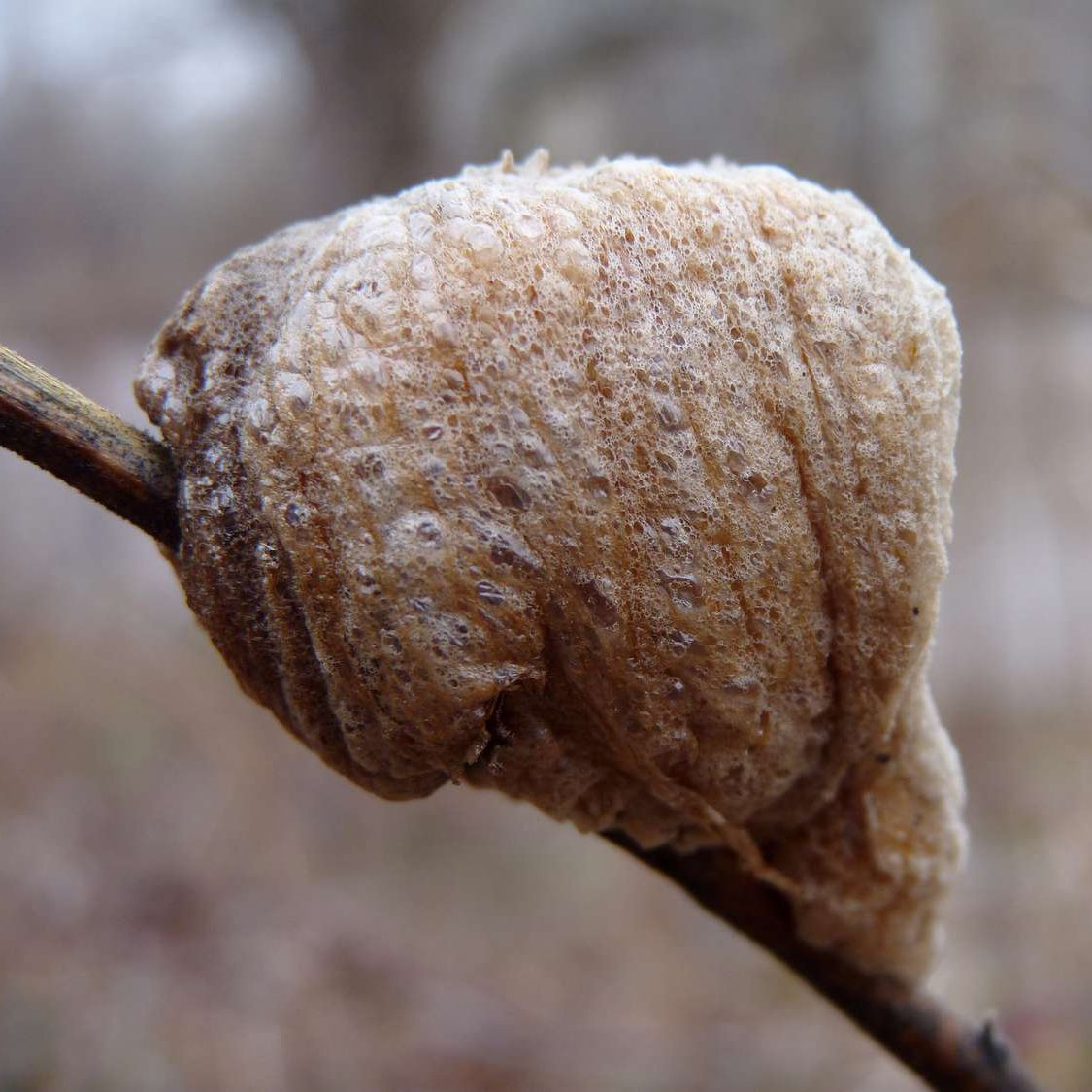
You can walk into a garden center, buy a praying mantis egg case off the shelf, and set a hummingbird trap in your own backyard without ever knowing it.
The egg cases sold as natural pest control are almost always Chinese mantis, sometimes European mantis. Both were brought to the US over a century ago, the Chinese one by accident on a shipment of plants in 1896, and both have spread everywhere since. They get marketed as an organic way to handle pests. The pitch hides a few ugly details.
A Chinese mantis grows to four or five inches, more than twice the size of our native Carolina mantis. It's an ambush predator that sits on a flower and grabs whatever lands, which means it eats the exact things you planted the flower to attract. Bumblebees. Butterflies, monarchs included. At one wildlife garden in Brooklyn, staff kept finding little piles of discarded monarch wings under the mantises' favorite perches.
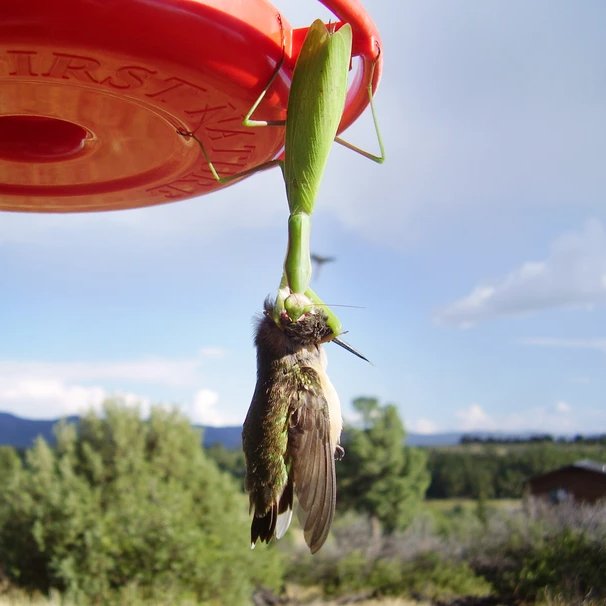
It gets worse. These things are big enough to take a hummingbird. Scientists have documented well over a hundred cases of mantises catching and killing small birds, most of them hummingbirds, snatched right at flowers and feeders. The big imported mantis will also hunt down and eat the smaller native Carolina mantis, so buying one actively shoves out the local species.
So if you want the pest control, plant for it instead. A yard full of native flowers pulls in the wasps, birds, and native mantis that handle pests without ambushing your hummingbirds.
And if you find a fat, beige, ping-pong-ball-sized egg case on a twig this winter, that's the imported one. You're allowed to clip it.
13
247
1,087
44,078
Stormy x ⛈☔️ retweeted

Jun 15
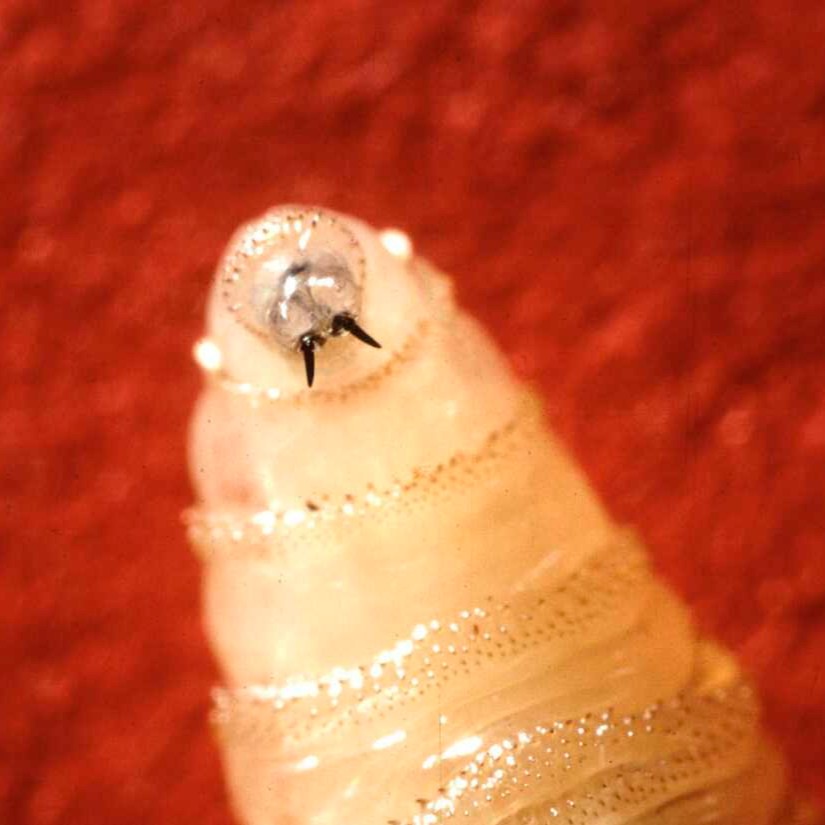
> save $15M a year by cutting a screwworm monitoring program
> screwworm outbreak almost immediately
> $1B to combat it
Government efficiency
Jun 15

The Trump administration has announced they'll need to spend an estimated $1 billion to combat the New World Screwworm.

650
24,706
224,870
5,188,345
Stormy x ⛈☔️ retweeted

Jun 12
USA. A Mexican restaurant. We had not yet ordered anything, and the food was already arriving.
Chips. Salsa. Unrequested. Free.
I stopped the waiter. "We have not earned these."
"They just come with the table, man."
They come with the TABLE. In my land, hospitality is a debt. Every gift creates an obligation, weighed carefully, returned in the proper season with interest of feeling. Here, the gift arrives before you have even proven you can pay for dinner.
This is not an appetizer. This is a declaration: we trust you. Eat.
I ate with the gravity the moment deserved. And then — I must report this calmly — the basket emptied, and a new one appeared.
"Did we…?"
"Refill," the waiter said. "It's bottomless."
Bottomless. They have wells of salsa. The supply lines of this nation are beyond anything my ancestors imagined.
My friend warned me. "Don't fill up on chips, dude."
Too late. I had accepted three baskets. Honor demanded each one be finished — an unfinished gift is an insult. By the time my actual food arrived, I was a ruined man.
I was not hungry. I was not comfortable. I had been defeated by a courtesy.
Generosity that arrives before the request cannot be repaid. It can only be survived.
I know the rule now. I have made my peace with the basket. One basket. Two at the most.
Who am I deceiving. There is no number of baskets I would refuse. The trust of a nation is in that salsa, and I intend to honor all of it.

1,945
16,554
149,267
16,530,582
Jun 12
Damn, who starts a new job and takes vacation within the first three weeks? 🤦♀️🤦♀️🤦♀️
3
Jun 12
I refuse to watch dog movies anymore. They always make me cry, even though most of them have a happy ending. It’s just too much and it’s not my idea of a fun time.
4
Stormy x ⛈☔️ retweeted

Jun 11
Therapist; “There is a tiger in you”
The tiger in me:
123
1,672
16,410
340,541
Jun 12
Thinking back on a paper I wrote in college where I compared Microsoft to the Galactic Empire.
Got an A, of course.
Professor even wanted to cite it for a book, but I forgot to sign the release. 🤷♀️
1
5
Jun 12
🤞🤞

Thunderstorms are currently forecasted for Trump’s birthday in Washington, DC this Sunday when the UFC fight is set to take place on the White House lawn.


2
Jun 11
Imagine tweeting stupid shit before a game is even over. 🤣🤣👍👍👍
Jun 11

Imagine paying $100k to sit courtside to see the Knicks losing by 30
14
Stormy x ⛈☔️ retweeted

Jun 10
Every fact is “fake news”
Every protest is “paid agitators”
Everything they don’t like is a “hoax”
Every election they lose is “rigged”
Imagine being so fucking weak and pathetic that you have to invent an alternate reality because you’re incapable of dealing with the truth.
389
3,958
16,333
181,465
Jun 10
Here to remind you again that you probably don’t need drugs to lose weight and you could at least just try Weight Watchers, first. 🤷♀️
14
Jun 10
Hotter take: both. 🤷♀️
Jun 9

hot take but multimillionaires should be funding scholarships not taking them
76
Stormy x ⛈☔️ retweeted

Jun 9
Brandon Aiyuk is mad af and I love it 💀

160
41
1,178
92,737