
SolarEnergyStudy for Renewable Passive Clean Energy Future. #TakeHeatFromPower Take heat from power. #MoveAwayFromFossil Move away from fossil.
Joined February 2024
- Tweets 2,334
- Following 1,238
- Followers 99
- Likes 1,145
181 Photos and videos
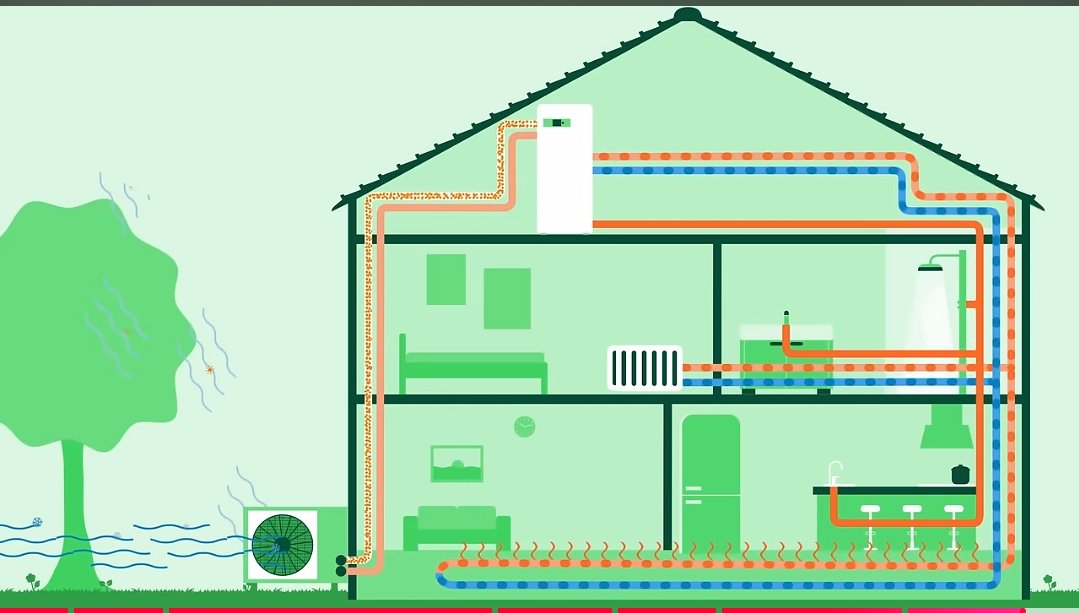
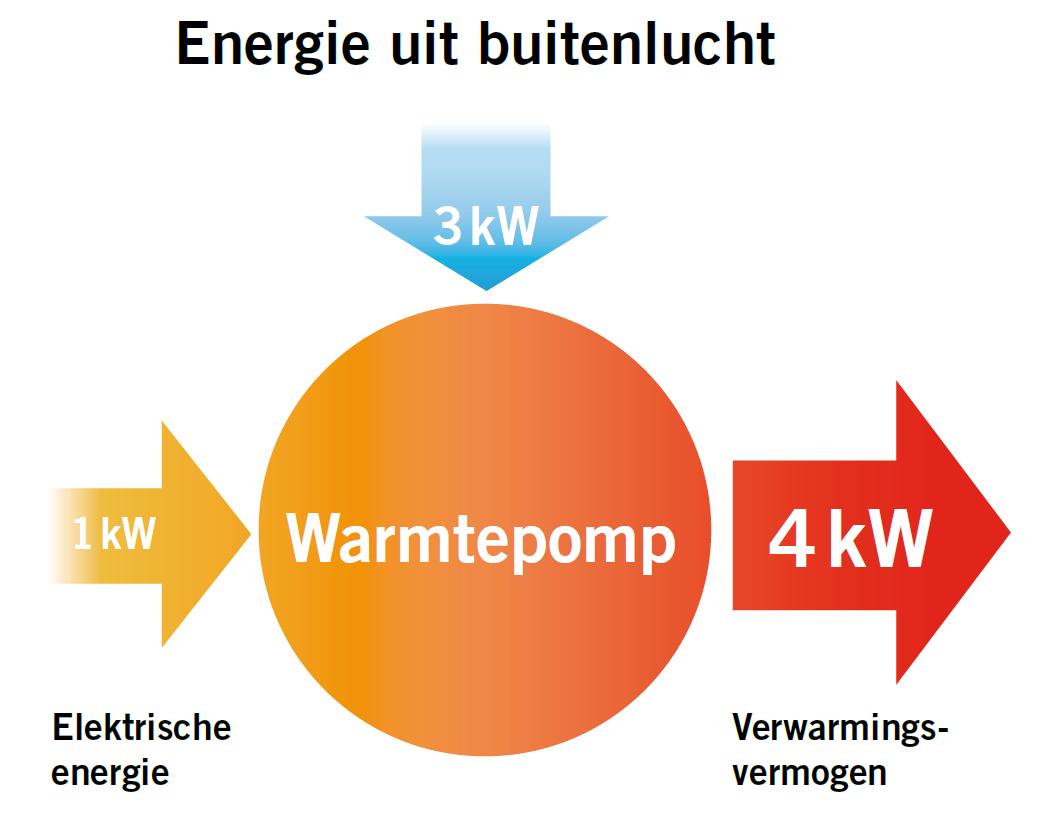
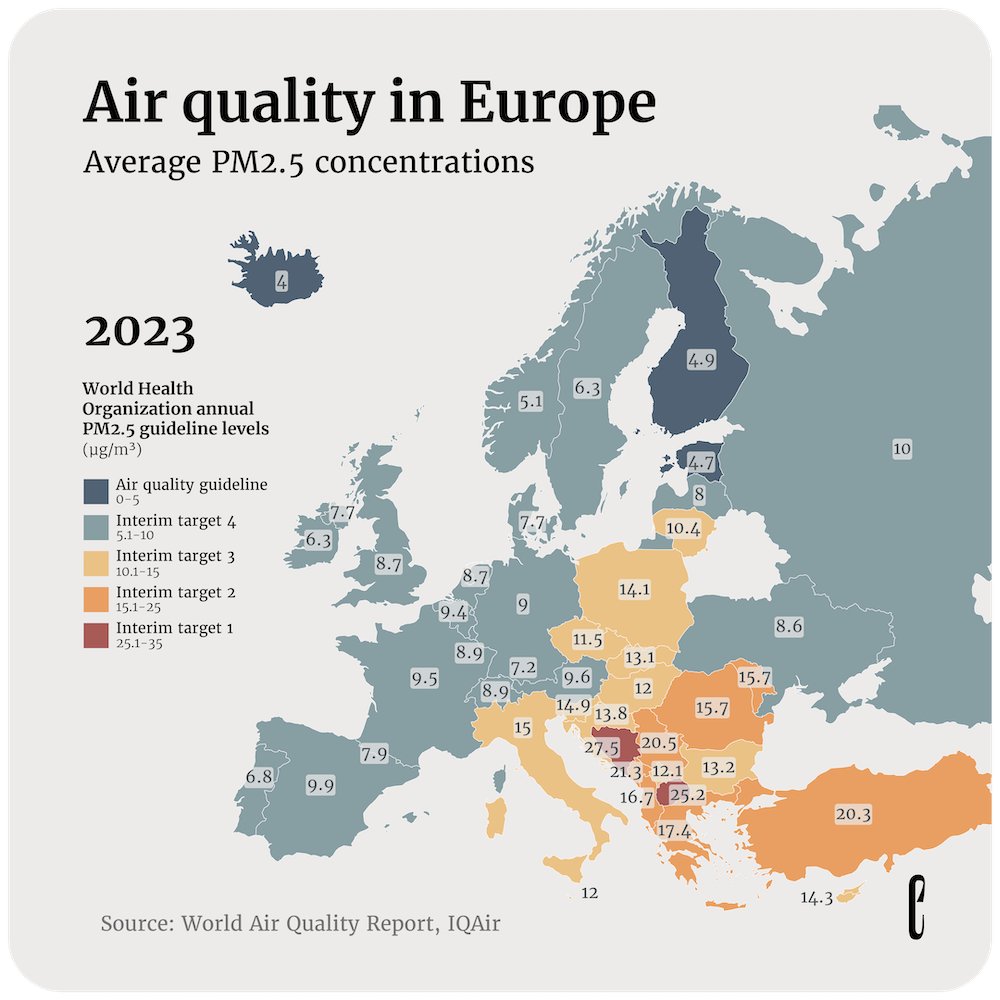
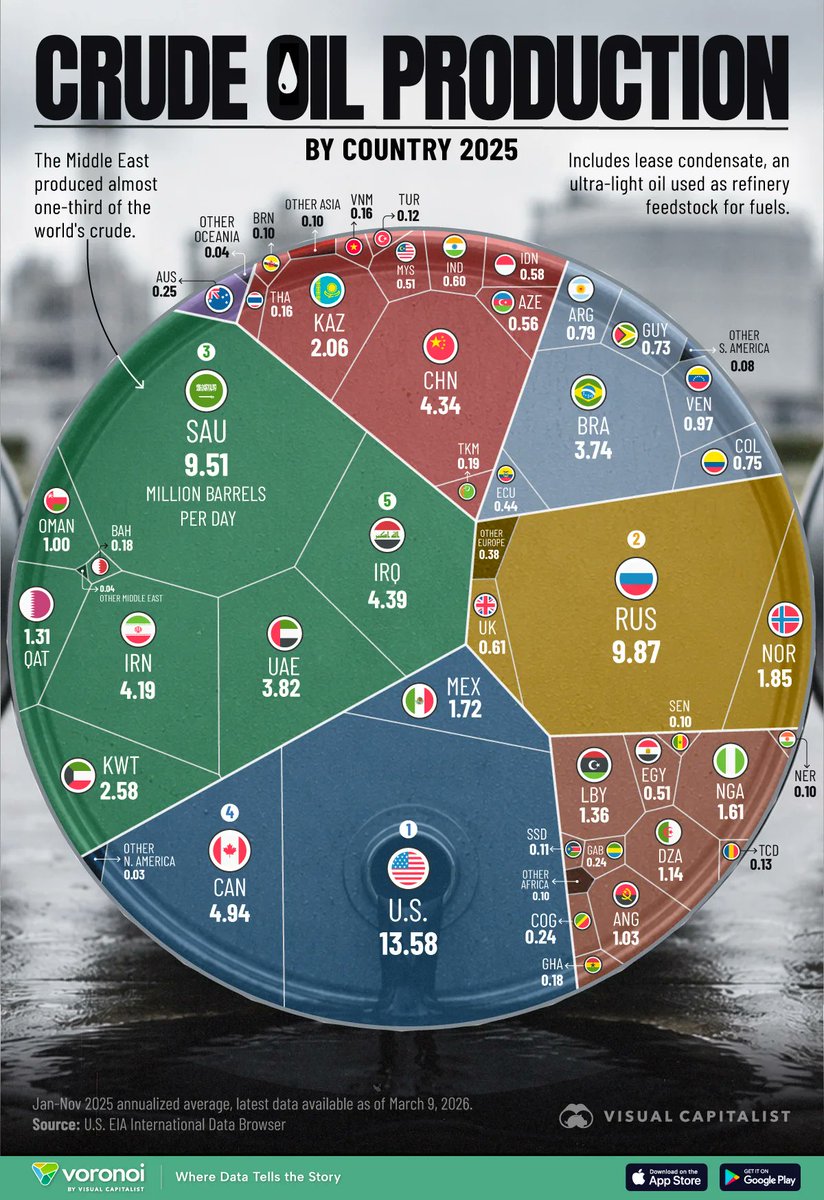

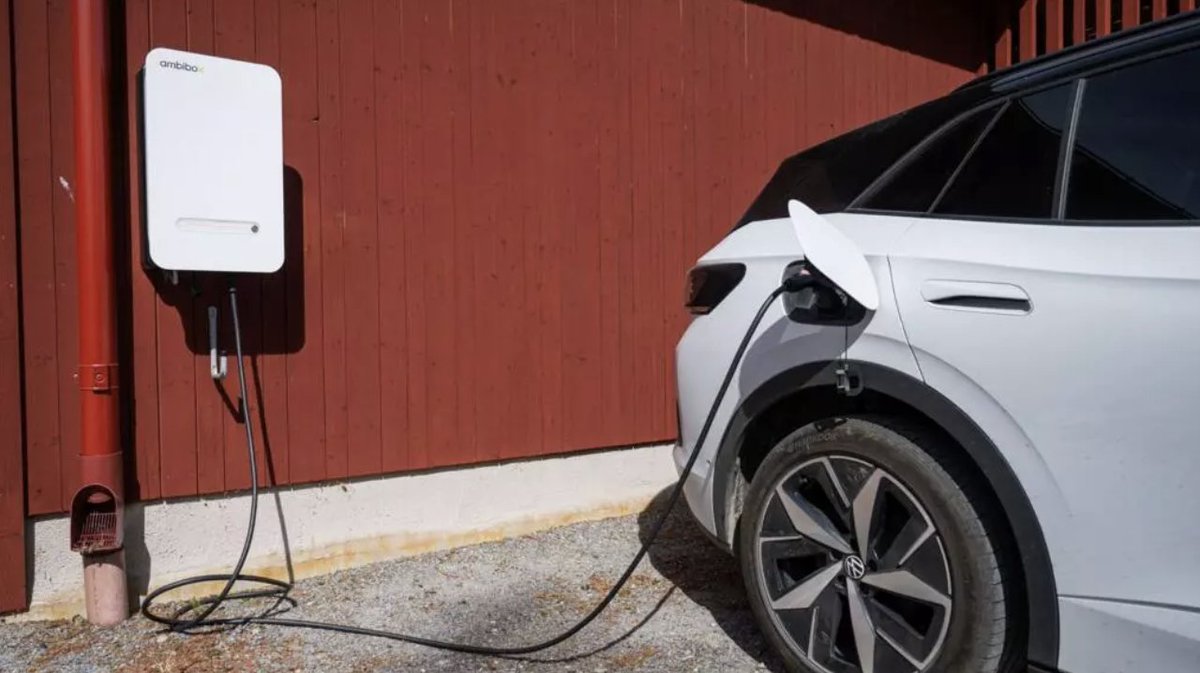
Battery on wheels Sweden powers homes with EVs
In Sweden, electric vehicles are being used to power homes, showing new ways to use batteries for energy storage.
france24.com/en/live-news/20…
1
5
10
239

Reuters: EU-verbod op Chinese omvormers raakt vijfde van zonne-energieprojecten solarmagazine.nl/nieuws-zonn…
Onderzoekers meten warmterecord op Antarctica: tot 20 graden warmer dan normaal
ad.nl/buitenland/onderzoeker…
5
#SolarEnergyStudy retweeted

Jun 7
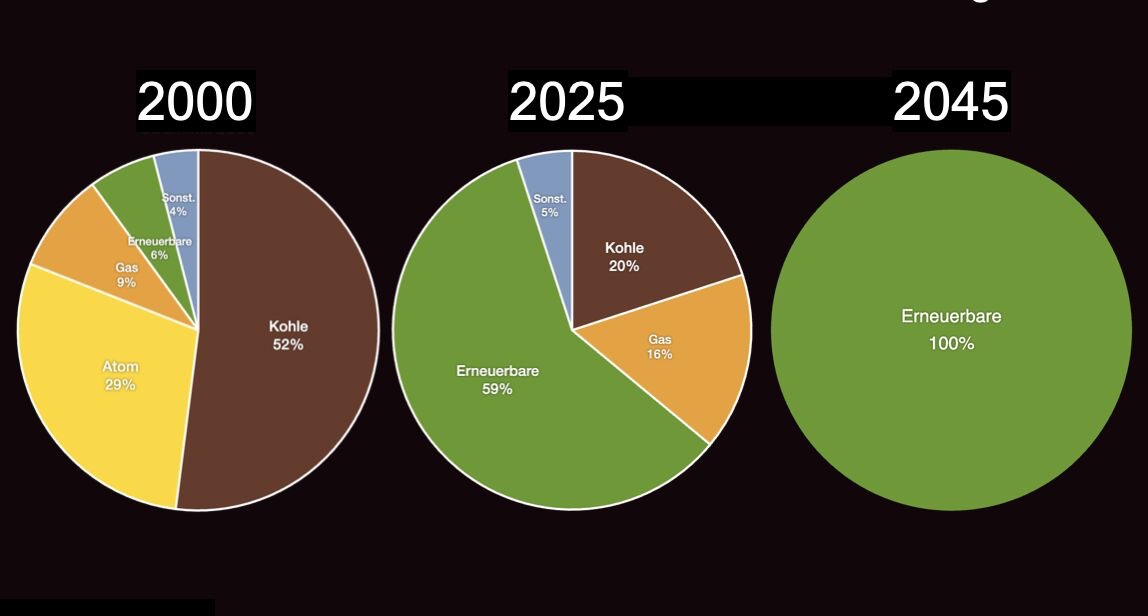
🇩🇪 Germany is on the path to 100% renewable energy supply and consumption and will continue to have one of the most reliable electricity grids in the world.
With a higher share of renewable energy, costs drop significantly and geopolitical risks are reduced.
I wish it were happening faster, but our current government under Chancellor Merz is doing everything it can to delay it.
The Greens were absolutely right with all their proposals and initiatives, and this is becoming clearer by the day.
404
172
729
32,768
#SolarEnergyStudy retweeted

Jun 8
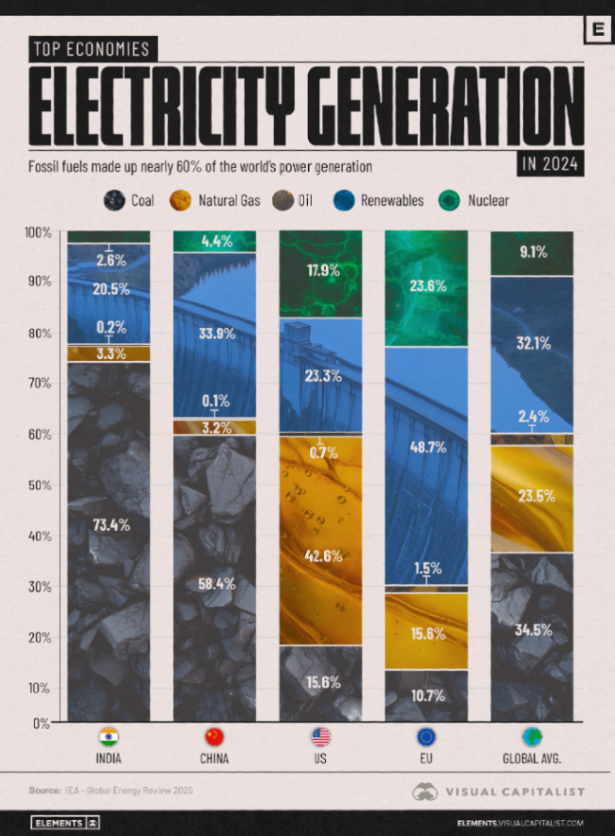
Charted: Coal Still Dominates Global Electricity Generation ⚡
elements.visualcapitalist.co…
1
11
24
1,349
#SolarEnergyStudy retweeted

Jun 8
Every data center executive I talk to is asking the same question: how do I get more power, faster?
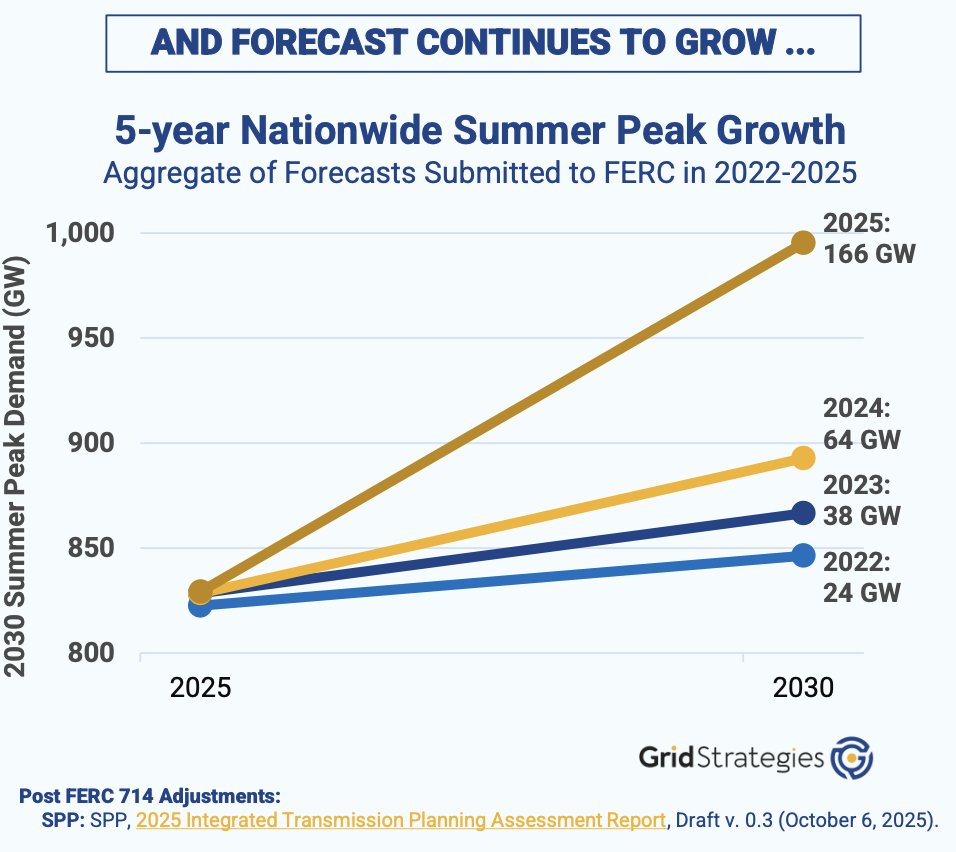
Look at this chart. US load growth forecasts have been revised up 6x in three years. 166 GW of new demand by 2030 — equivalent to 15x the peak load of New York City.
The grid isn't going to solve this on their timeline. Interconnection queues are 5 years. 80% of projects drop out before they ever get built.
So the smartest operators are flipping the question. Instead of "when will the grid give me more power?" they're asking "how do I get more out of the power I already have?"
Battery-backed power smoothing lets you pull 15-40% more usable capacity from the same grid connection. No new utility buildout. No 5-year wait. Available now.
The companies that figure out facility-level power optimization first won't just survive the grid bottleneck — they'll have a structural advantage over everyone still waiting in line.
1
7
17
1,680
#SolarEnergyStudy retweeted

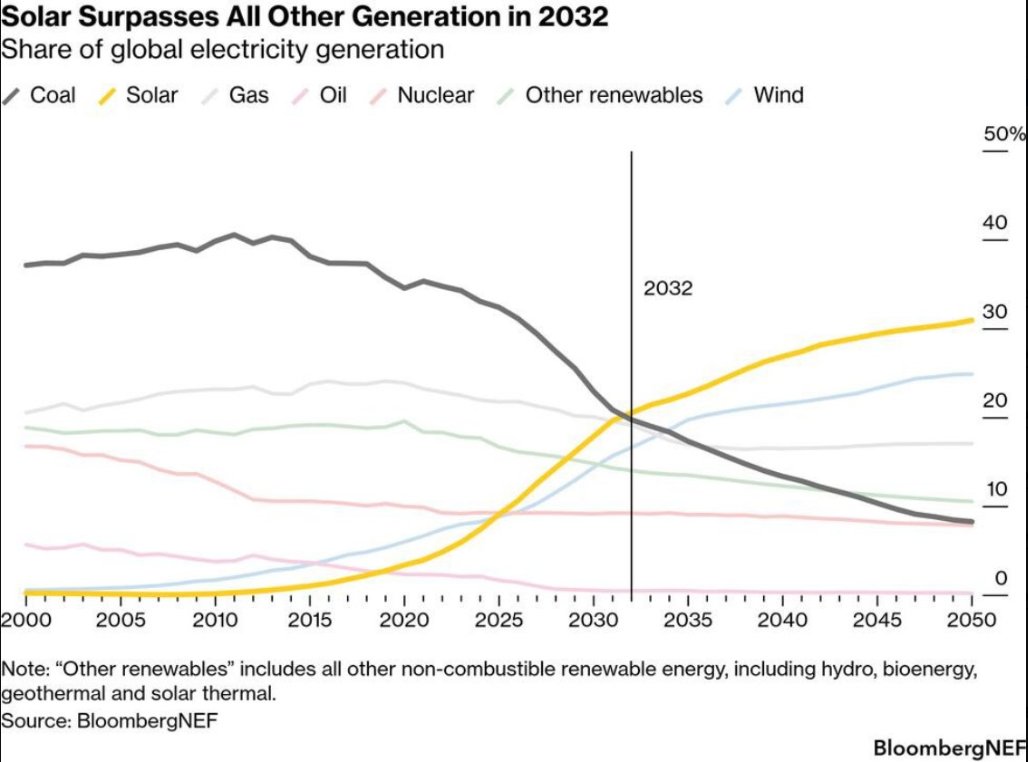
Solar is the centre of the global electricity system.
Solar is projected by BloombergNEF to become the largest source of global electricity generation by 2032.
Energy sovereignty will decide Europe’s industrial future.
1
2
12
302
#SolarEnergyStudy retweeted

"The real surprise from the OECD’s subsidy numbers is that it cost China less than $18bn in sectoral support over 15 years to build an industry that can now provide more clean power than the world can readily absorb."
And now the batteries are coming.
ft.com/content/b6cac184-75a4…
1
4
12
557
#SolarEnergyStudy retweeted

Jun 8
The European Commission has approved Italy’s estimated EUR 23bn two-way contracts for difference (CFD) scheme for building renewable electricity generation, saying it will reduce power prices and dependency on fossil fuel imports. montelnews.com/news/9e2dfcbc…
3
5
347
#SolarEnergyStudy retweeted
Jun 8
Finland supports Sweden in its dispute with the European Commission over unused congestion rents, Finnish energy minister told Montel, despite Stockholm’s threats to cut connections to its neighbours. montelnews.com/news/869d3d2b…
6
15
9,013
#SolarEnergyStudy retweeted

Jun 3
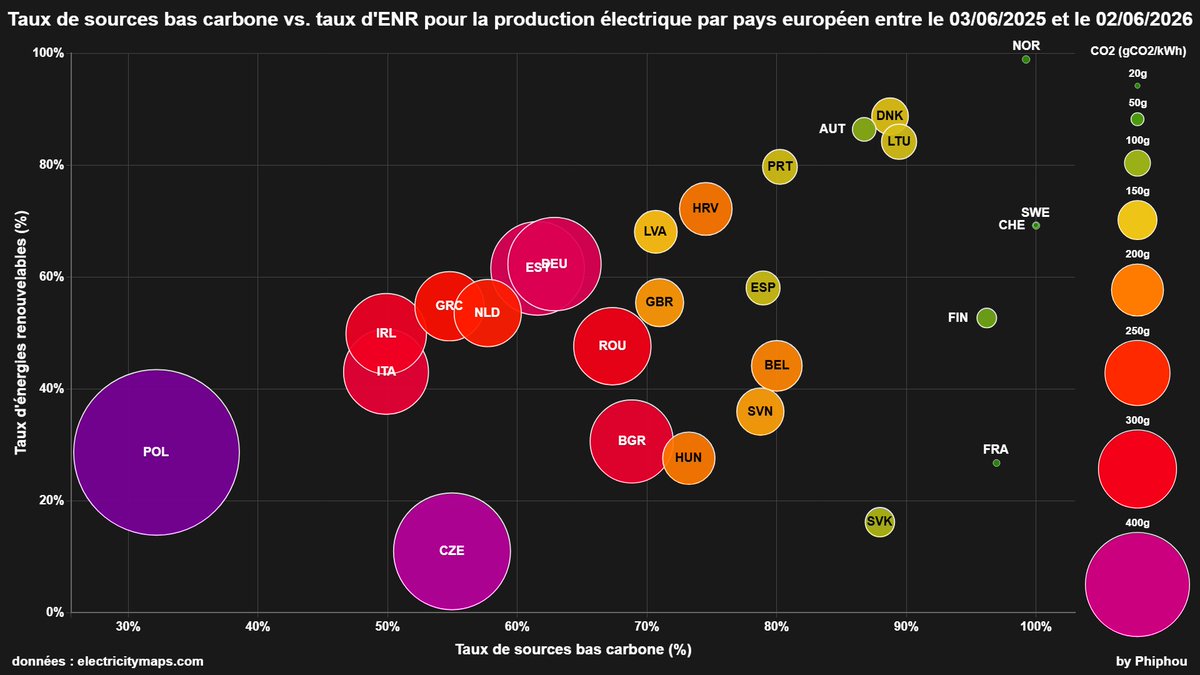
Comparaison du taux de 🏭CO2 en g/kWh pour la production ⚡️électrique en 🇪🇺Europe durant les 12 derniers mois (du 03/06/25 au 02/06/26) en fonction du taux de sources 🌻bas carbone et du taux d'☀️ENR.
Données @ElectricityMaps
#stats
3
1
251
#SolarEnergyStudy retweeted

Jun 3
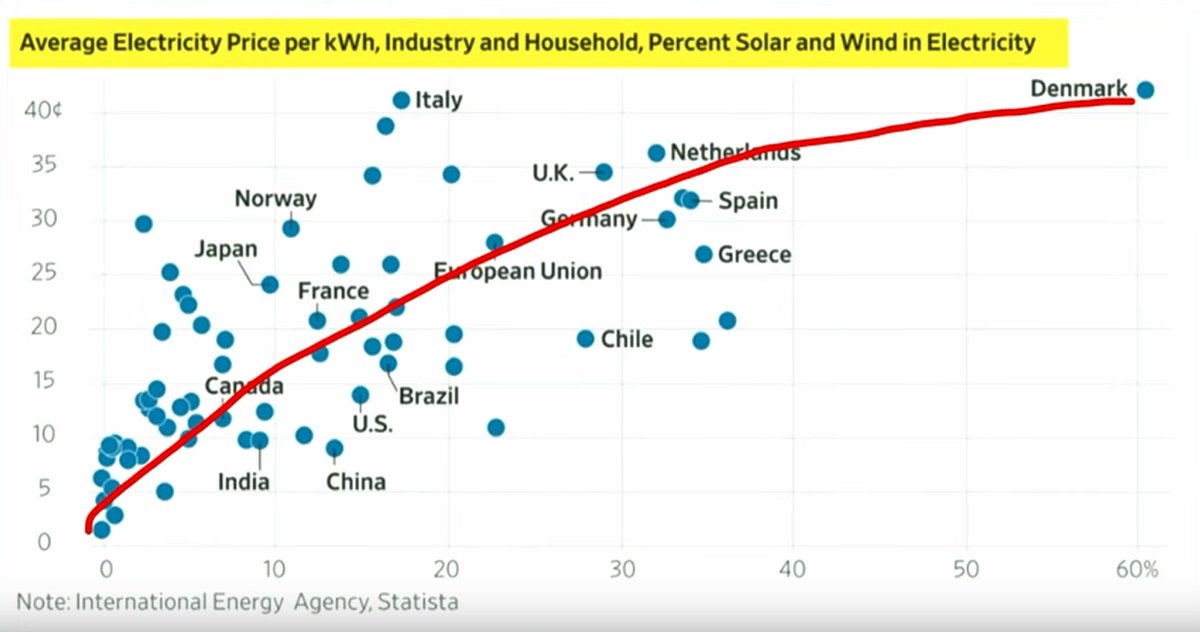
So the data are in. Higher % of renewable generation = higher electricity prices.
Not counting the cost of having blackouts from Portugal to France, or the cost of disposing of all of those non-recyclable turbine blades. Etc. etc. etc. etc.
4
3
7
91
#SolarEnergyStudy retweeted

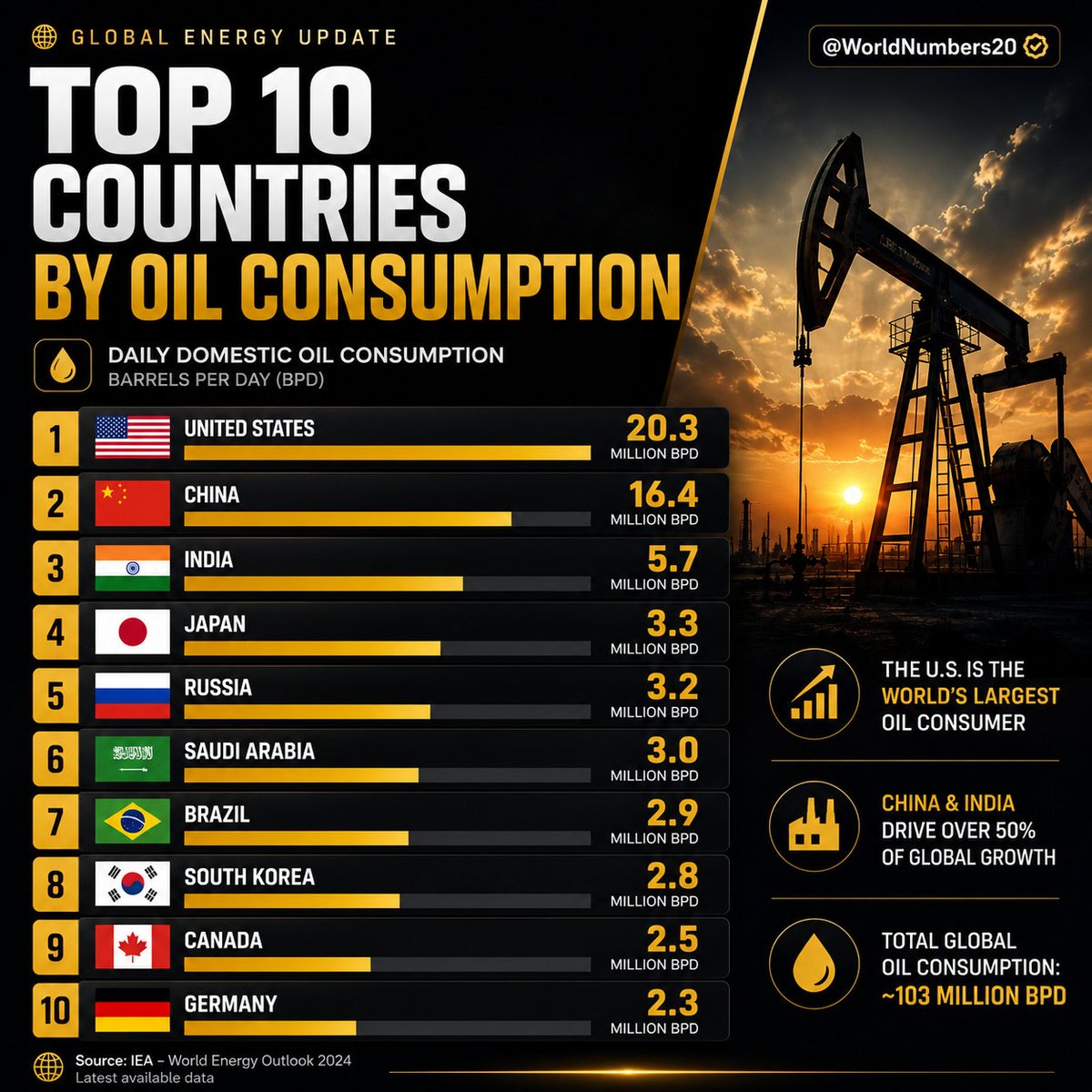
The world burns through over 100 MILLION barrels of oil every single day. 🛢️🌍
🇺🇸 The U.S. alone consumes more oil than the next 3 countries combined.
🇨🇳 China continues rapid industrial growth.
🇮🇳 India is rising fast as energy demand surges.
Top 10 oil-consuming nations ranked 👇
1
11
31
982
#SolarEnergyStudy retweeted

BY IPCC AR6, RECENT GLOBAL WARMING ON WORST SSP5-8.5
Recent accelerated global warming temperature increases (2023-3025) are on the worst-case scenatio SSP5-8.5,
by IPCC AR6, WG1, SPM.
ipcc.ch/report/ar6/wg1/figur…
#globalwarming #climatechange

2
41
63
2,902
#SolarEnergyStudy retweeted

Jun 2
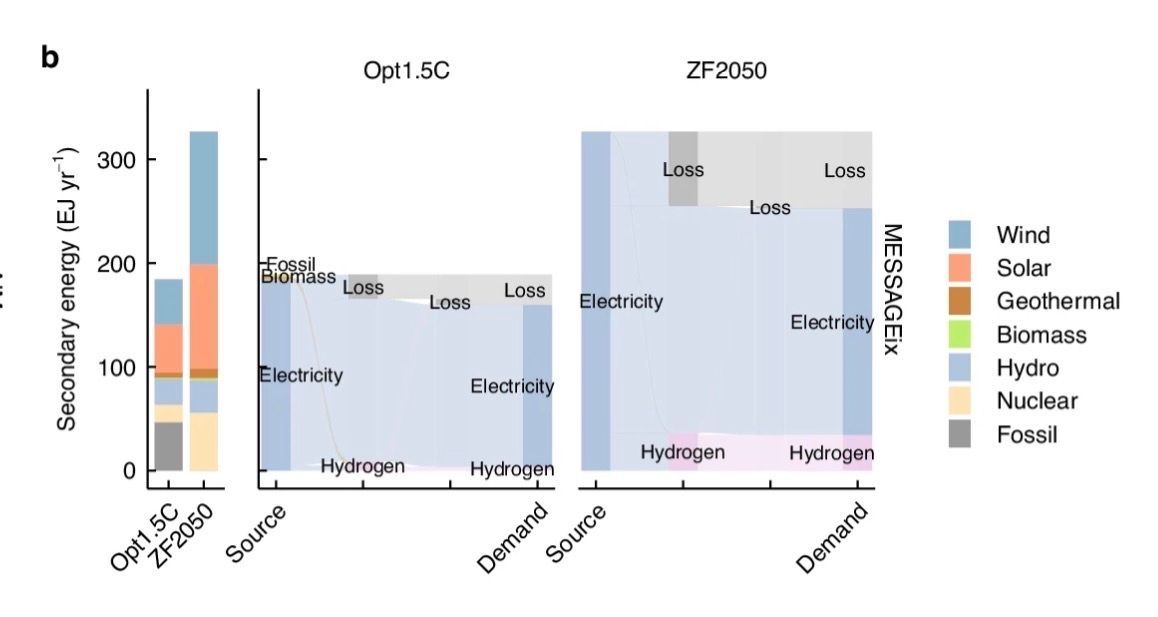
Fully phasing out fossil fuels by 2050 requires 1.6-1.8x more power generation than a standard 1.5°C pathway. And it’s not just more solar and wind: it means a much bigger role for nuclear and green hydrogen, too. Defossilization is a different beast than decarbonization.
4
6
20
973

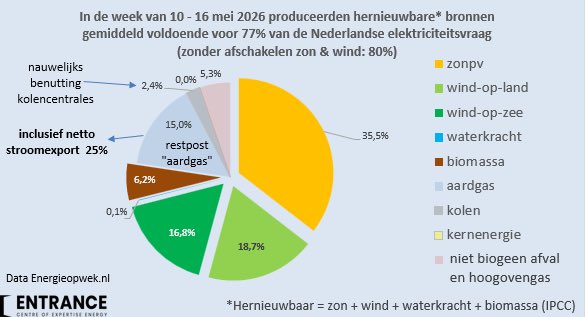
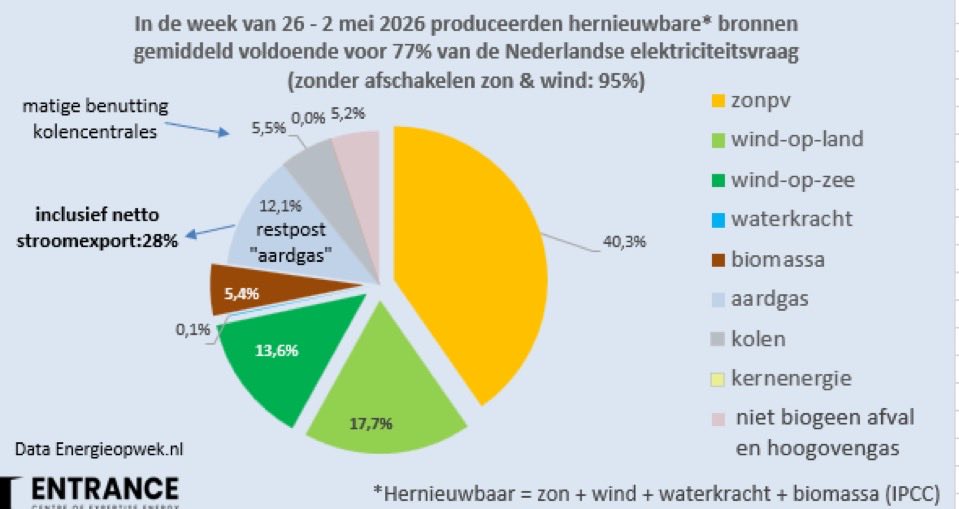
Pays-Bas : en mai 2026 (5 semaines), les renouvelables ont couvert ... 65% des besoins électriques (dont deux semaines à 77%) : 👏
🔸photovoltaïque : 36,0%
🔸éolien terrestre : 12,1%
🔸éolien en mer : 11,1%
🔸biomasse : 6,0%
(en 2025, la part des EnR a été de ~60%)
7
9
301
#SolarEnergyStudy retweeted

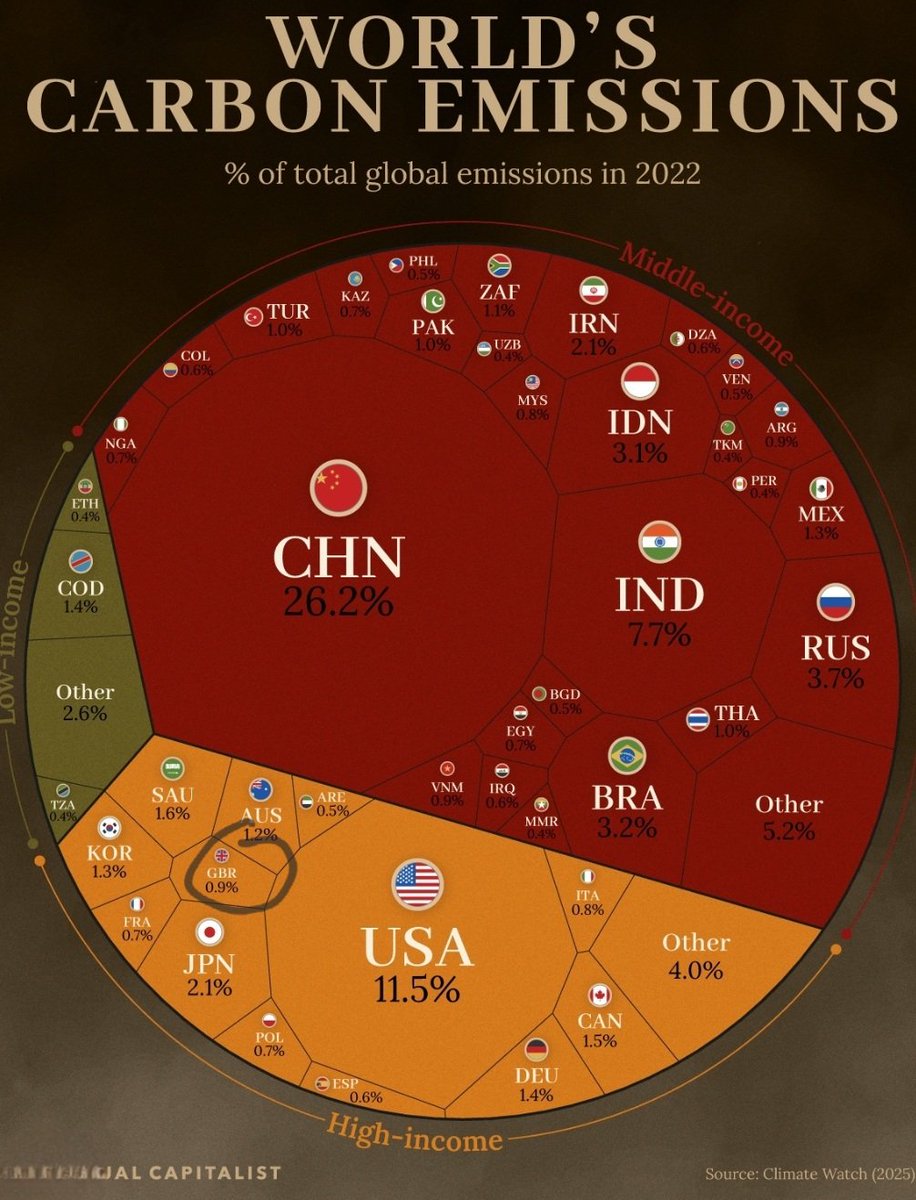
If we eat less meat, where will we get the energy to cycle more?
P.S. Net Zero is unattainable and irrelevant in a nation producing >1% of global CO₂ emissions.
2
11
87
1,320
Energiebesparingsplicht niet versoepeld, regels zonnepanelen verduidelijkt solarmagazine.nl/nieuws-zonn…
1
Germany is a leader in renewables, so why does it have one of the highest EU electricity prices? euronews.com/2026/06/01/germ…
4