
Nephrologist at Vajira Hospital @VJRnephro , Research Fellow Mayo Clinic @MayoClinicNeph , MTG player @wizards_magic , Owner of Penguin's cardgame
Joined May 2023
- Tweets 359
- Following 155
- Followers 95
- Likes 663
35 Photos and videos



Solos Jaturapisanukul retweeted

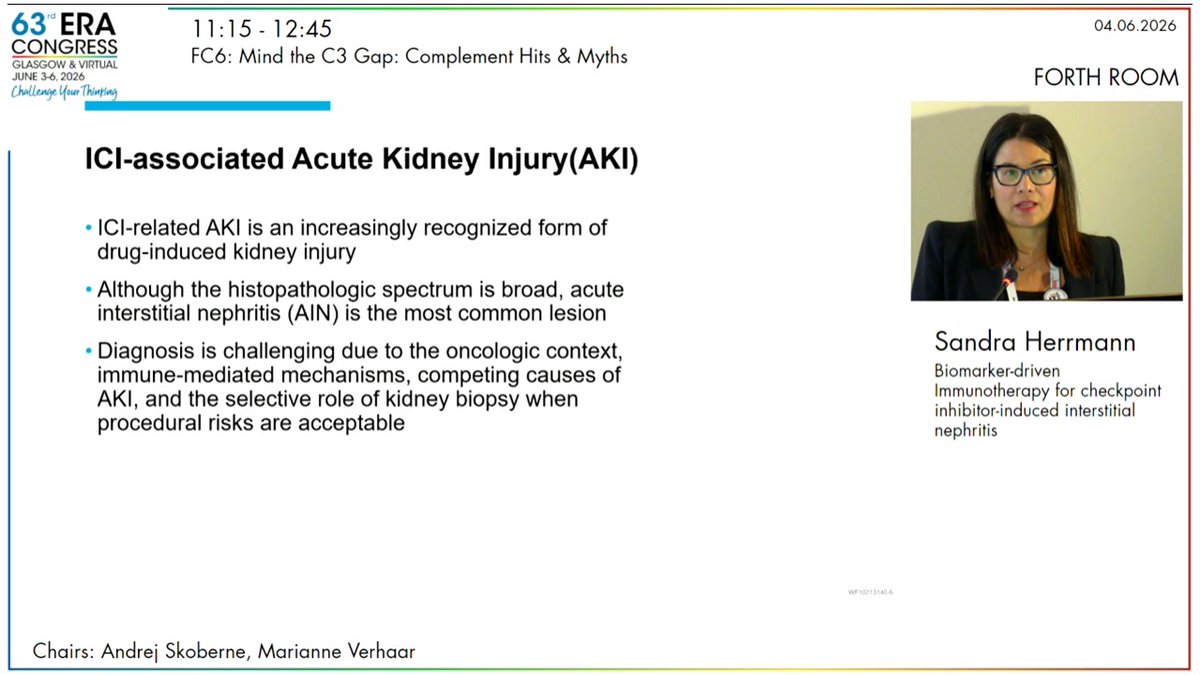
Biomarker-driven Immunotherapy for Checkpoint Inhibitor-induced Interstitial Nephritis
🎙️Speaker: @HerrmannMd
🟠Acute Kidney Injury related to Immune Checkpoint Inhibitors remains a significant diagnostic challenge.
🟠Kidney biopsy is the gold standard to confirm the diagnosis, but its use in oncological patients requires a meticulous risk-benefit analysis. ⚖️
#ERA26
1
14
41
1,505

Congrats! @GianMarcoB65728

Congratulations to Gian Marco Berti on this outstanding achievement at European Renal Association #ERA2026 #ERA26 🏆👏 @GianMarcoB65728 @ERAkidney
His abstract, “Five-year prognostic performance of the Mayo Clinic Chronicity Score in Kidney Transplant Biopsies,” was selected among the 100 Best Abstracts presented by young authors at the 63rd ERA Congress in Glasgow.
This recognition highlights the importance of advancing prognostic tools in kidney transplantation and reflects a strong commitment to high-quality research that can improve patient care and long-term transplant outcomes.
Congratulations on this well-deserved honor and on representing the next generation of excellence in nephrology research. Wishing you continued success and many more achievements ahead!
#ERA2026 #ERAGlasgow #Nephrology #KidneyTransplantation #TransplantResearch #KidneyResearch #YoungInvestigators #FutureOfNephrology #ERACongress #MayoClinic 🏆🎉👏

3
91
Solos Jaturapisanukul retweeted

Jun 1
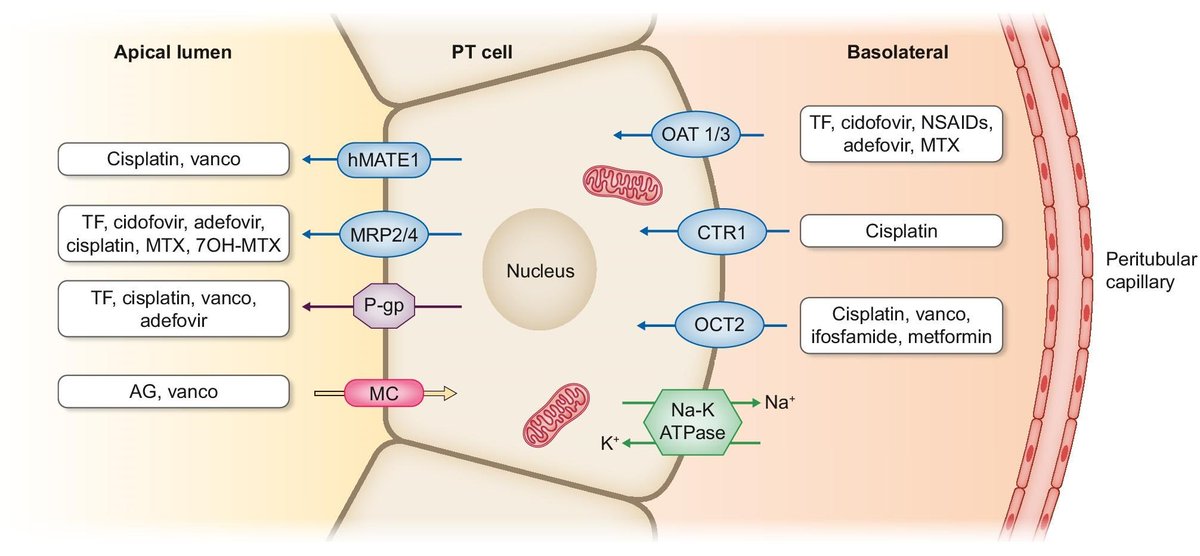
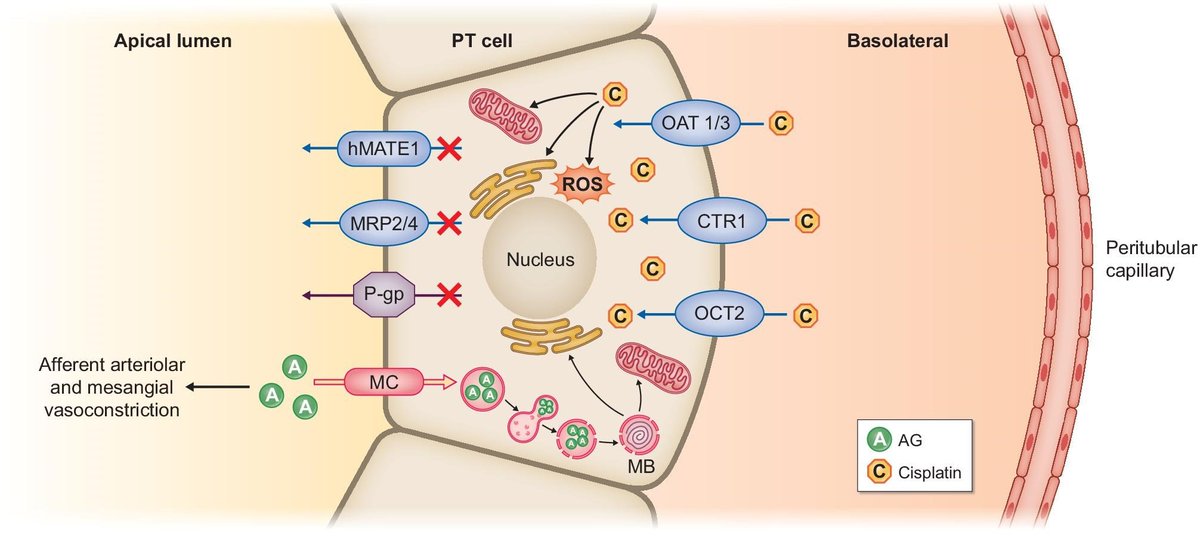
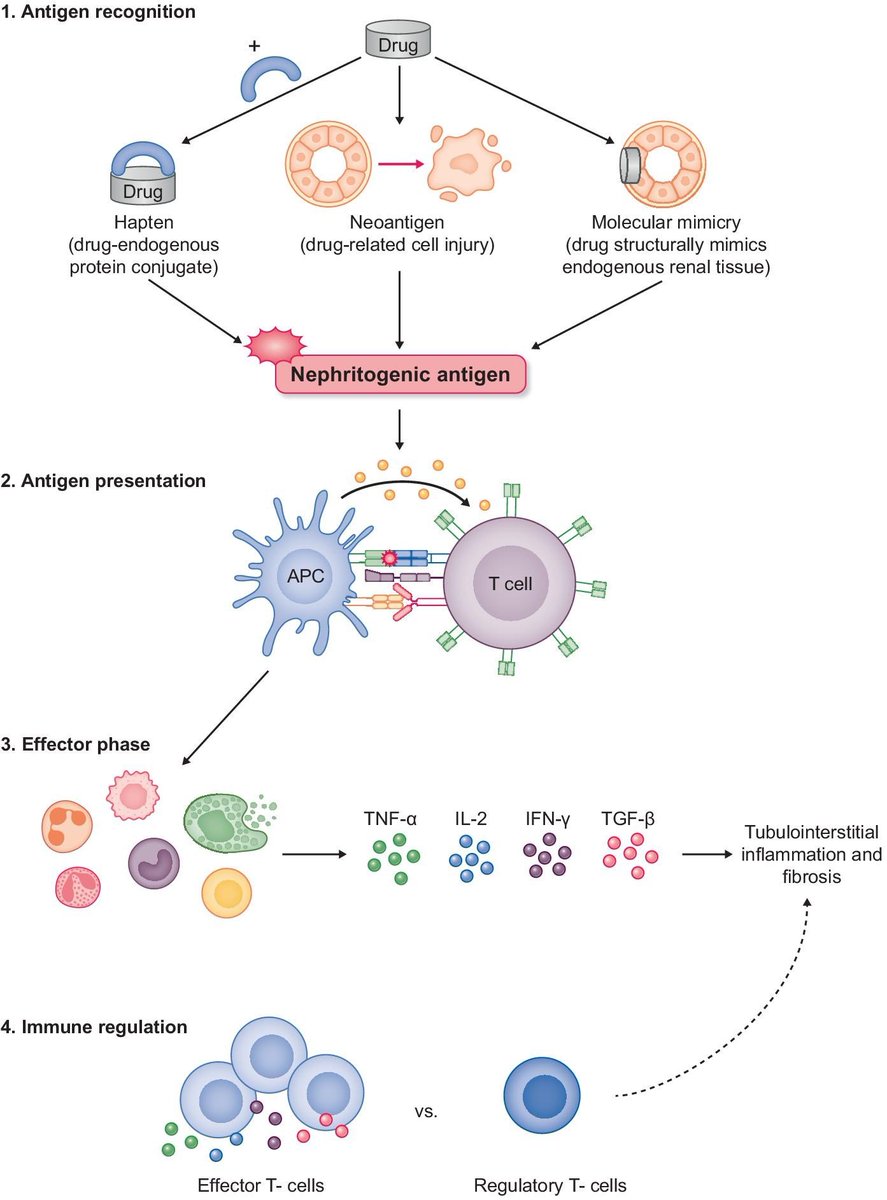
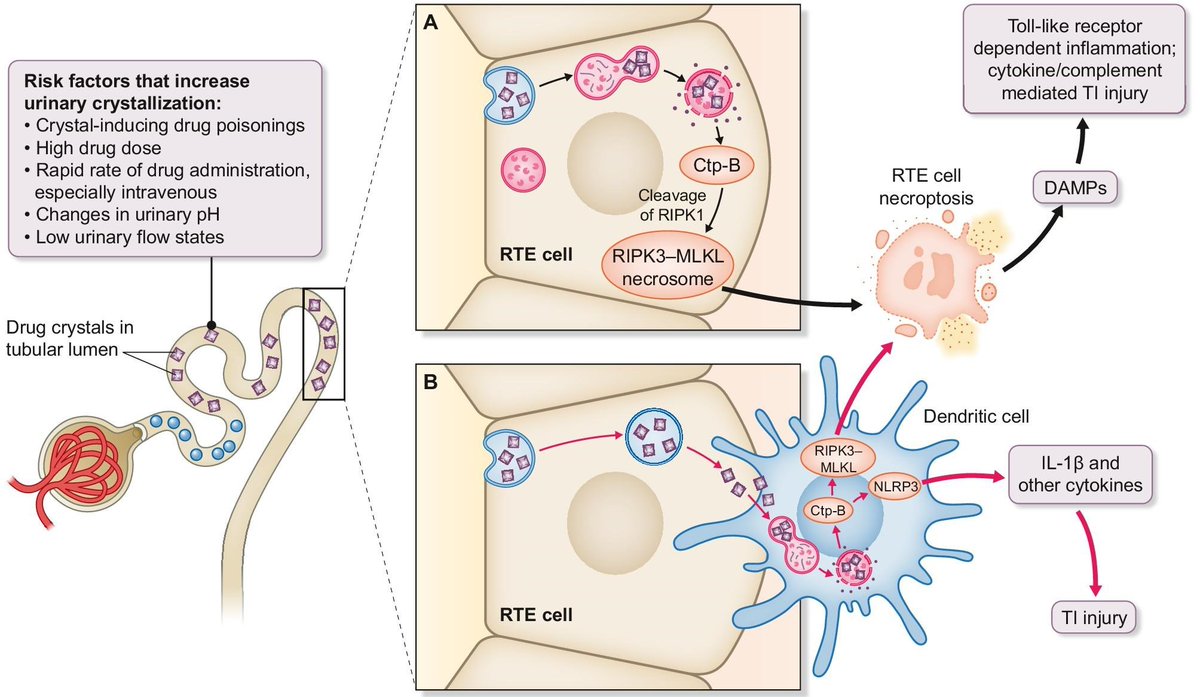
🧐Editor's choice from June issue NDT:
Biology of drug-induced acute nephrotoxicity: focus on the tubulointerstitium
🆓doi.org/10.1093/ndt/gfaf266
36
80
3,020

Presented at #ASCO26:
Among patients with previously treated metastatic pancreatic ductal adenocarcinoma, the RAS(ON) inhibitor daraxonrasib led to significantly longer overall survival and progression-free survival than chemotherapy. Full phase 3 RASolute 302 trial results: nej.md/4nWaxvM
@ASCO
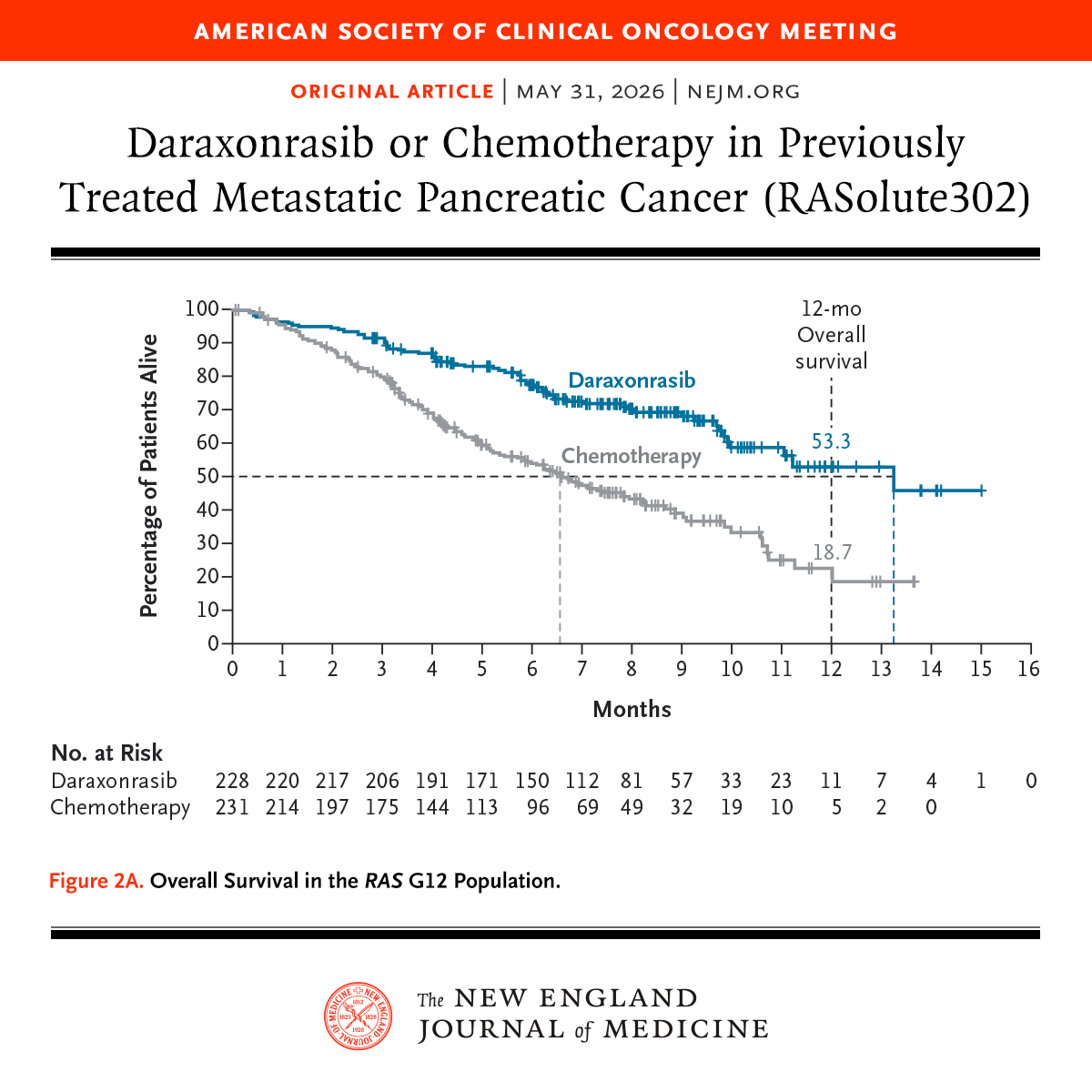
ALT Graph from a study published in the New England Journal of Medicine on daraxonrasib versus chemotherapy for metastatic pancreatic cancer. The x-axis represents months, and the y-axis shows the percentage of patients alive. Two lines indicate survival rates: daraxonrasib (blue) and chemotherapy (gray). The bottom section lists patients at risk over time. Title and journal logo are included.
52
2,054
5,576
2,467,871
Solos Jaturapisanukul retweeted

May 27
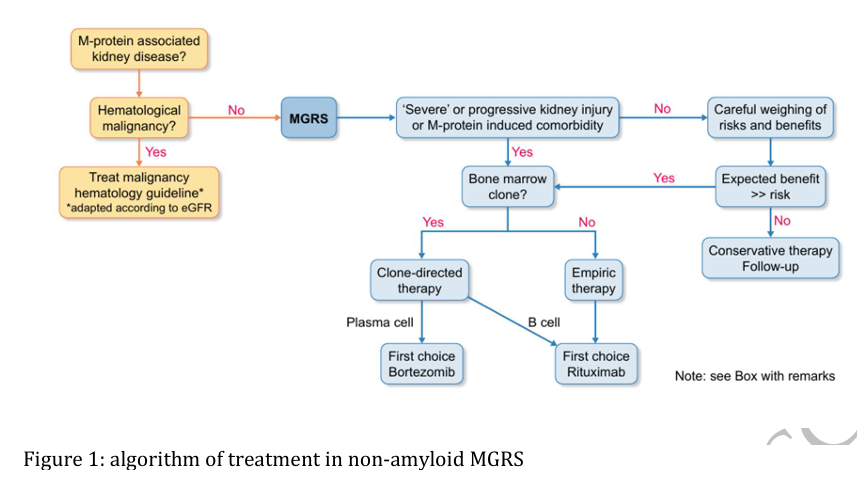
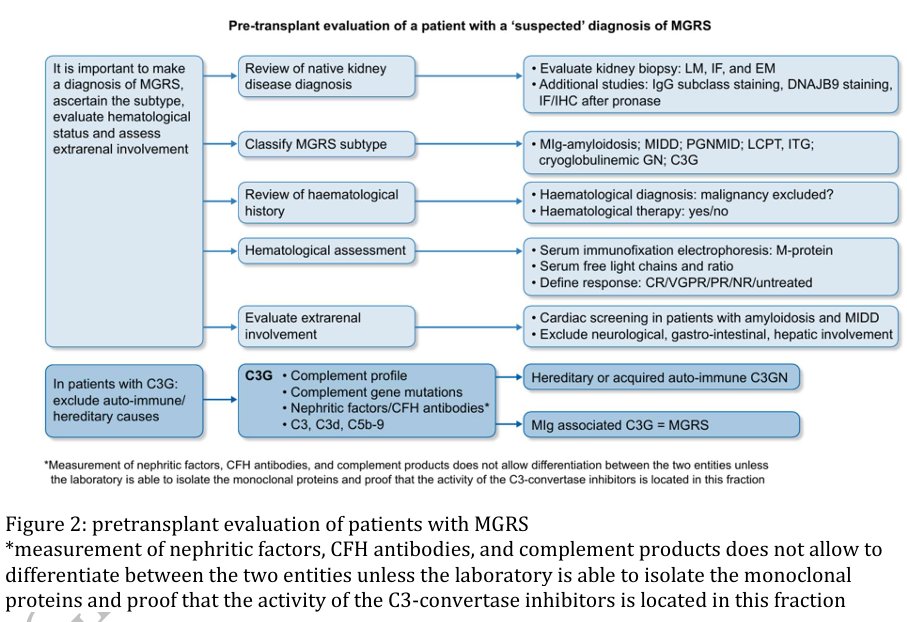
Executive summary of the European consensus report on the diagnosis and treatment of monoclonal gammopathy of renal significance
doi.org/10.1093/ckj/sfag163
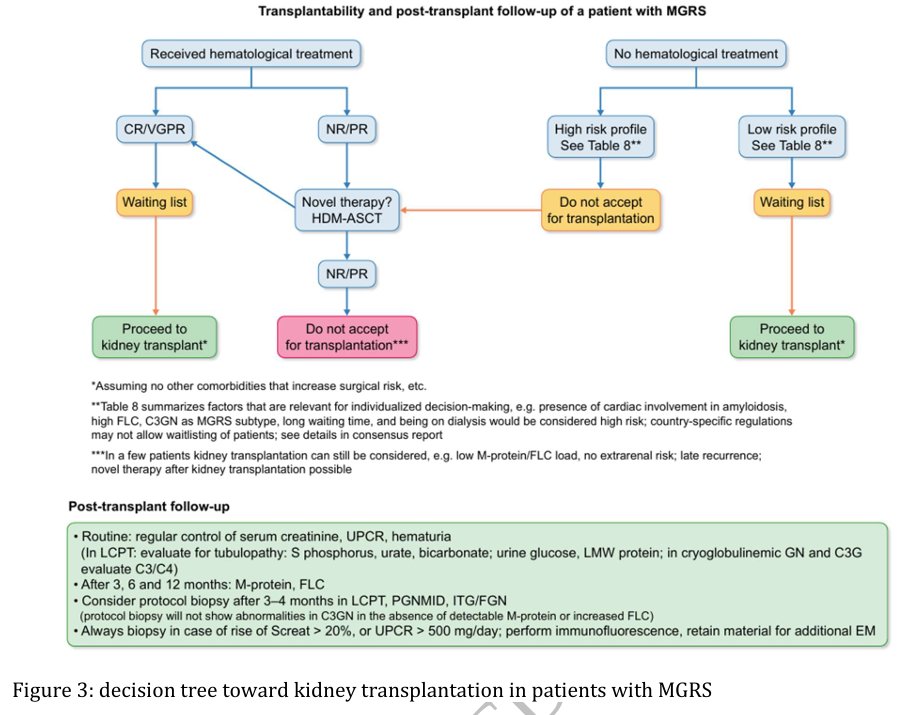
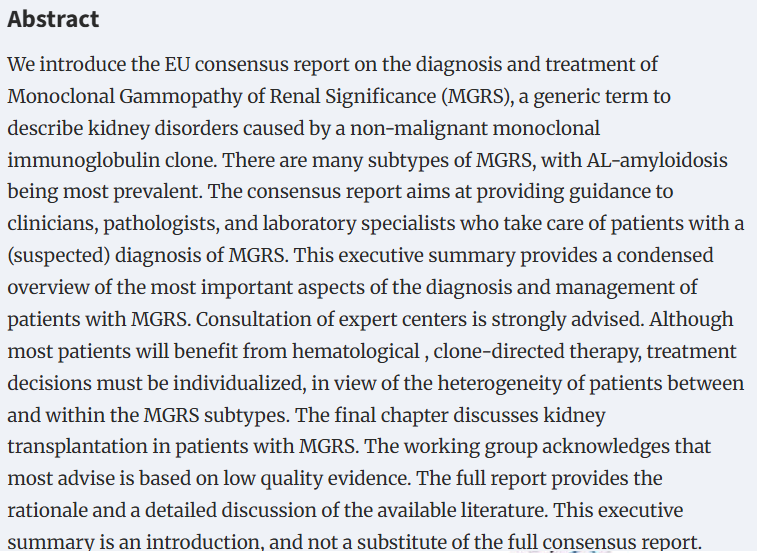
46
107
4,453
Solos Jaturapisanukul retweeted

😃Honored to share our new collaborative study published in the Journal of Nephrology! 🎓💻
“Comparison of human vs AI-generated feedback: results from an online survey study in the GlomCon glomerular disease fellowship program.”
🔗 Read the full article here: academic.oup.com/joneph/adva…
What happens when we directly compare AI-generated educational feedback to human-generated feedback in advanced medical training? In this study, we explored how learners perceived both approaches across several critical domains.
💡 Key Findings:
We discovered that AI-generated feedback performed comparably to human-generated feedback across multiple learner-centered outcomes, including:
🔹 Fairness
🔹 Constructiveness
🔹 Supportiveness
🔹 Utility for Improvement
The Big Picture: As generative AI continues to rapidly evolve within nephrology and academic medicine, its role is not to replace human mentorship, but to augment it. Thoughtful evaluation of how AI can enhance education and deliver structured, timely feedback will become increasingly vital in fellowship training.
😃 I am incredibly grateful to collaborate with such an outstanding team at the intersection of nephrology, education, and responsible AI implementation: Niloufar Ebrahimi , Zohreh Gholizadeh Ghozloujeh, Lawrence K. Loo, Pravir Baxi, Zhabiz Solhjou, Arun Rajasekaran, Zainab Obaidi, Arvind Singh, Rica Mae Pitogo, and Sayna Norouzi MD . 🤝✨@n0r0zha @SaynaNorouzi @MayoClinicNeph
🔗 Read the full article here: academic.oup.com/joneph/adva…
Wisit Cheungpasitporn, MD, FACP, FASN, FAST
Professor of Medicine & Clinician-Scientist, Mayo Clinic
Leading AI Innovation in Kidney Care & Medical Education
#AIinMedicine #MedicalEducation #Nephrology #ArtificialIntelligence #GenerativeAI #GlomCon #DigitalHealth #KidneyEducation #MedEd #KidneyCare #FutureOfMedicine
2
10
21
1,338
Which one is more likely to represent MGRS pspectrum ?
1. Monotypic DNAJB9 positive Fibrillary GN
2. Membranous-like glomerulopathy with Masked IgGK deposits
3. PGNMID IgG3 variants
4. Light chain cast nephropathy
5. Non-hepatitis Seronegative Type 2 Cryoglobulinemic GN
1
3
194
Solos Jaturapisanukul retweeted
😊🙏🏻Excited to share our new publication in American Journal of Kidney Diseases:
@AJKDonline
“Deceased Donor Kidney Transplantation Versus Continued Dialysis Among Patients Aged 75 Years or Older: A Target Trial Emulation.”
ajkd.org/article/S0272-6386(…
This study addresses a clinically important and increasingly common question in nephrology and transplant medicine:
Should carefully selected adults ≥75 years old remain on dialysis or pursue deceased donor kidney transplantation?
Using a target trial emulation framework with sequential trials methodology, we analyzed outcomes among transplant-eligible older adults listed in the OPTN registry from 2015–2023.
Key findings:
* Kidney transplantation in adults ≥75 years was associated with an early postoperative mortality risk during the first 90 days.
* Survival benefit emerged gradually over time, with a break-even point around 3 years.
* By 5 years, deceased donor kidney transplantation conferred an approximately 111-day survival advantage compared with remaining on dialysis.
* Findings support individualized decision-making rather than a one-size-fits-all approach for older transplant candidates.
Importantly, the study highlights that dialysis may remain a reasonable alternative for some older adults, particularly when considering frailty, symptom burden, quality of life, and competing risks.
Congratulations to all co-authors and collaborators on this important work in advancing evidence-based care for older adults with kidney failure.
Authors: Napat Leeaphorn, Rose Mary Attieh, Katherine M. Oshel, Oscar A. Garcia Valencia, Wisit Cheungpasitporn, Tambi Jarmi, and colleagues.
@napatlee1 @OscarGarciaMD @MayoClinicNeph
📍
National Kidney Foundation @nkf
#Nephrology #KidneyTransplant #Transplantation #Dialysis #KidneyDisease #AJKD #TargetTrialEmulation #ClinicalResearch #ESKD #KidneyCare
1
17
37
2,194
Solos Jaturapisanukul retweeted

May 21
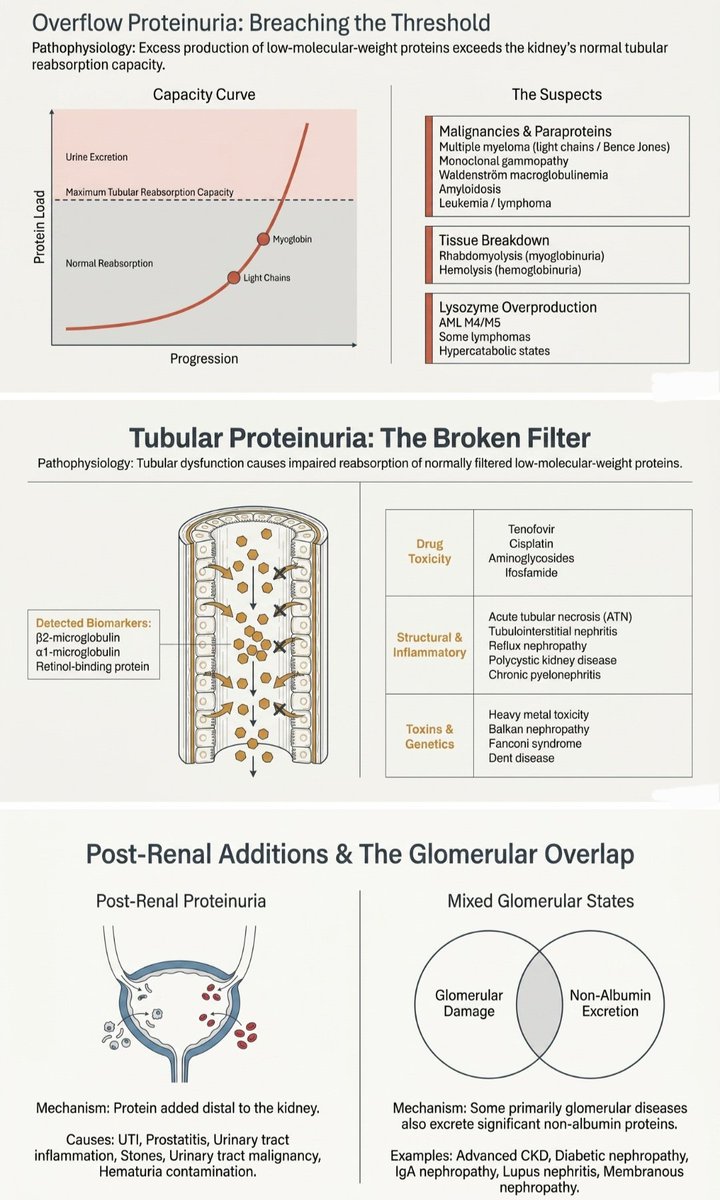
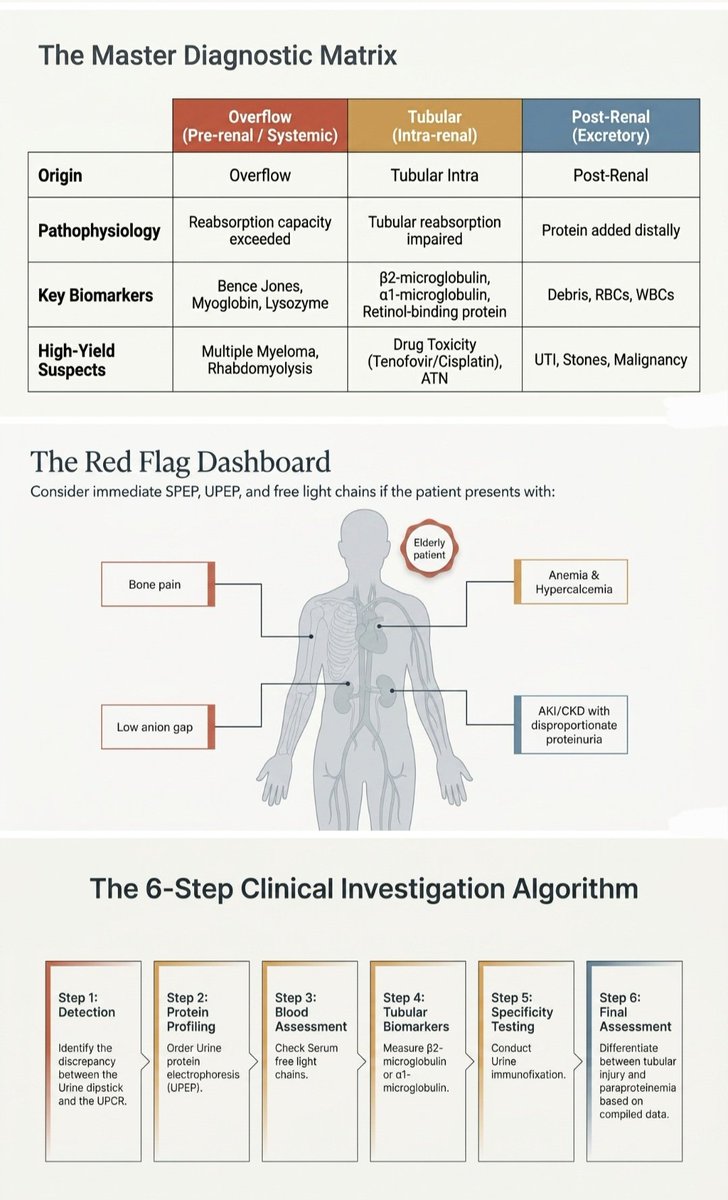
Approach to Non-Albumin predominant proteinuria .
Suspect when
- There is discrepancy between dipstick and 24hr proteinuria or
- UACR not making predominant part of UPCR .
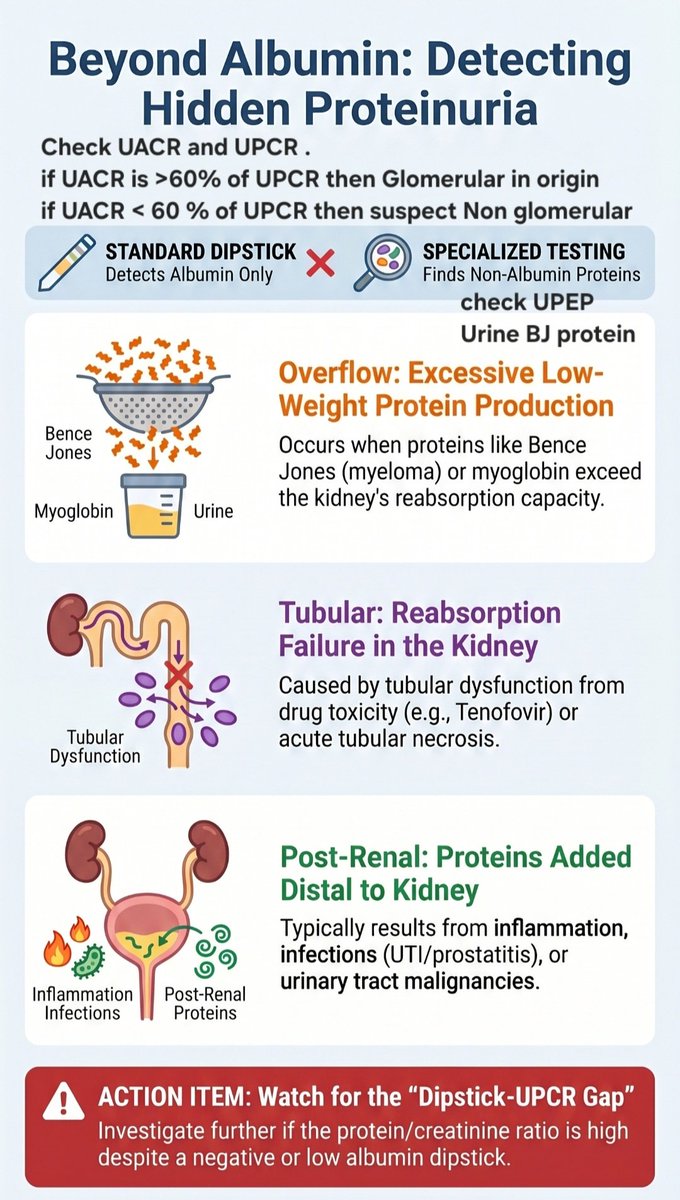
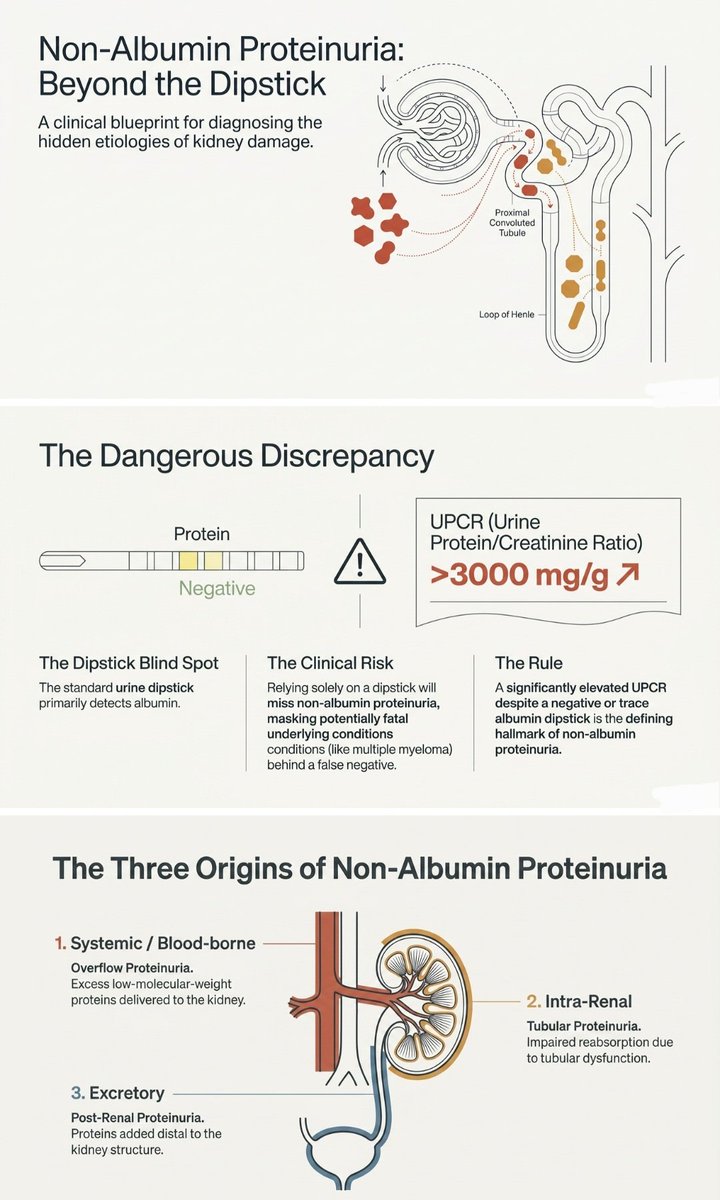
3
47
141
4,656
Solos Jaturapisanukul retweeted

Gene–disease relationships for glomerular phenotypes: expert recommendations from ClinGen dlvr.it/TSfng1
40
66
5,042
Solos Jaturapisanukul retweeted

Don’t miss the upcoming @onconephsociety educational seminar on MGRS and PGNMID.
Friday, May 22, 12 PM EDT 2026.

3
5
1,185
Solos Jaturapisanukul retweeted

Renal Manifestations in VEXAS Syndrome: A Systematic Review of Clinical Features, Pathology, and Outcomes
pubmed.ncbi.nlm.nih.gov/4210…
3
11
360
Solos Jaturapisanukul retweeted

May 7
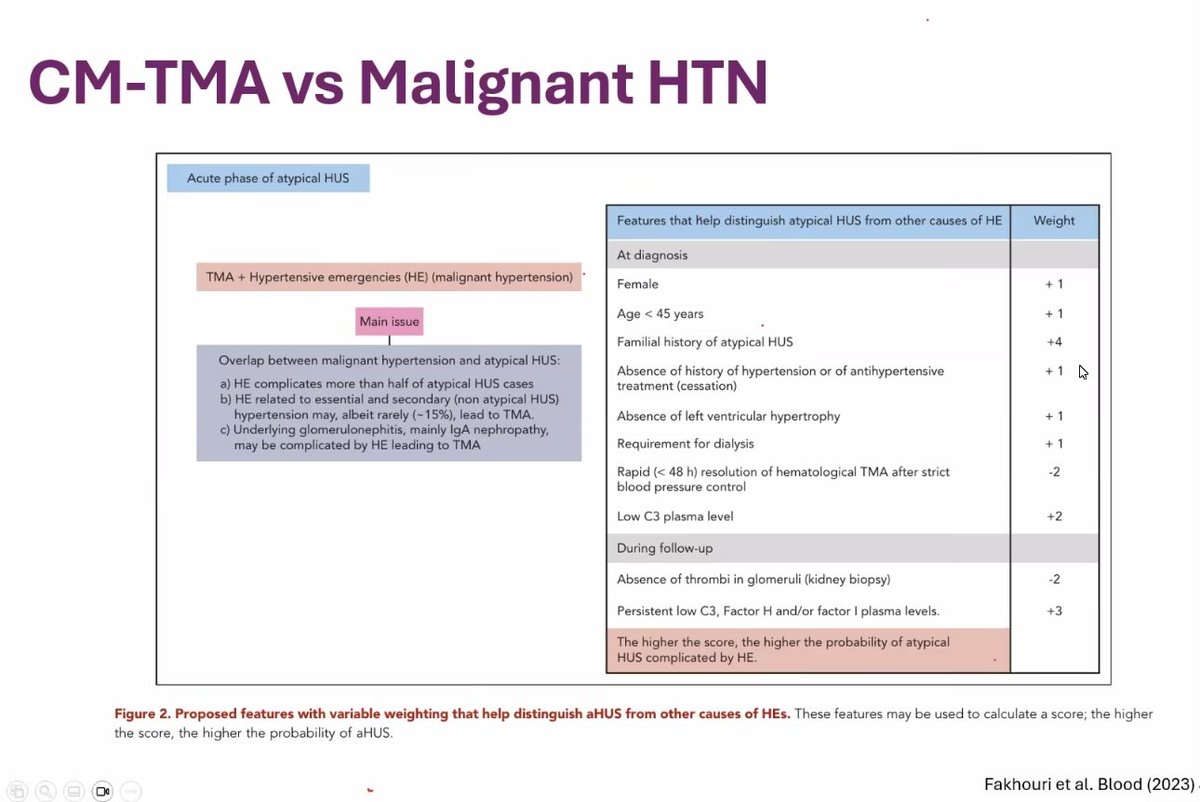
The forever dilemma - CM -tma versus malignant HTN
@GlomCon by Dr sharon Ford
2
17
44
2,470
Solos Jaturapisanukul retweeted

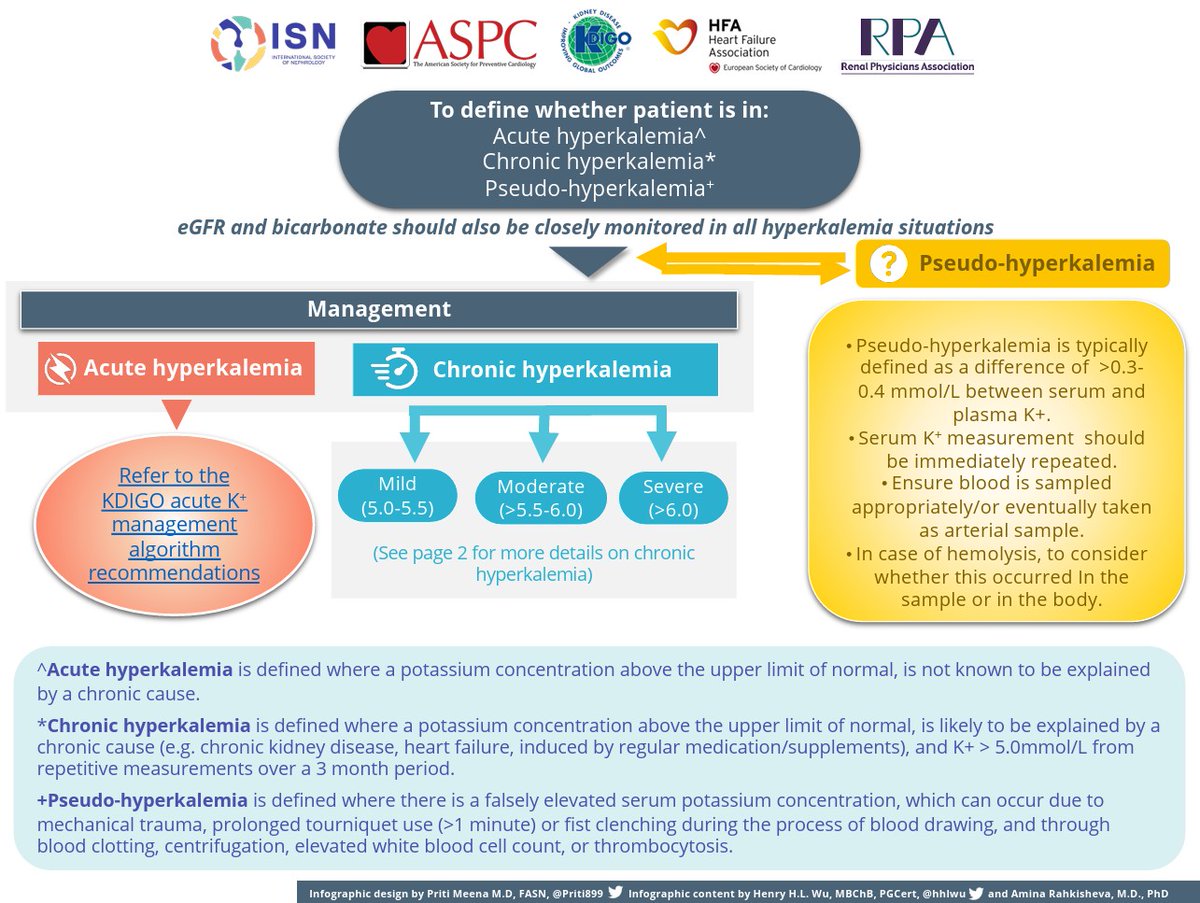
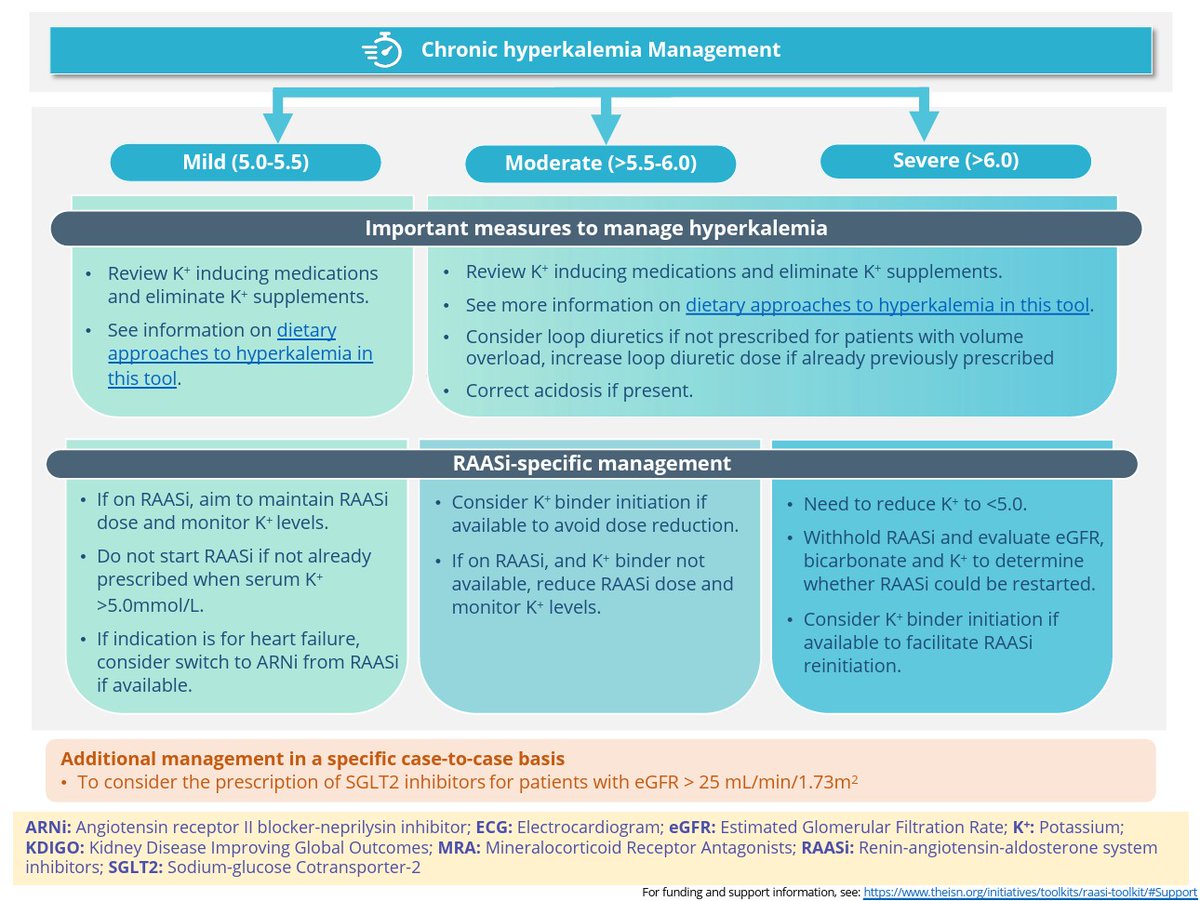
Consensus Recommendation: Real World Insights on Attitudes and Treatment of Hyperkalemia ca. 2026 from @MayoProceedings @RPANephrology @GarySingerMD
#Nephpearls
👉 pubmed.ncbi.nlm.nih.gov/4206…
👉 theisn.org/initiatives/toolk…
52
142
6,370
Solos Jaturapisanukul retweeted

Thailand's dialysis policy evolution and the "success paradox" of modality choice reforms. 🇹🇭
journals.sagepub.com/doi/10.…
1
4
8
524
Solos Jaturapisanukul retweeted
Apr 29
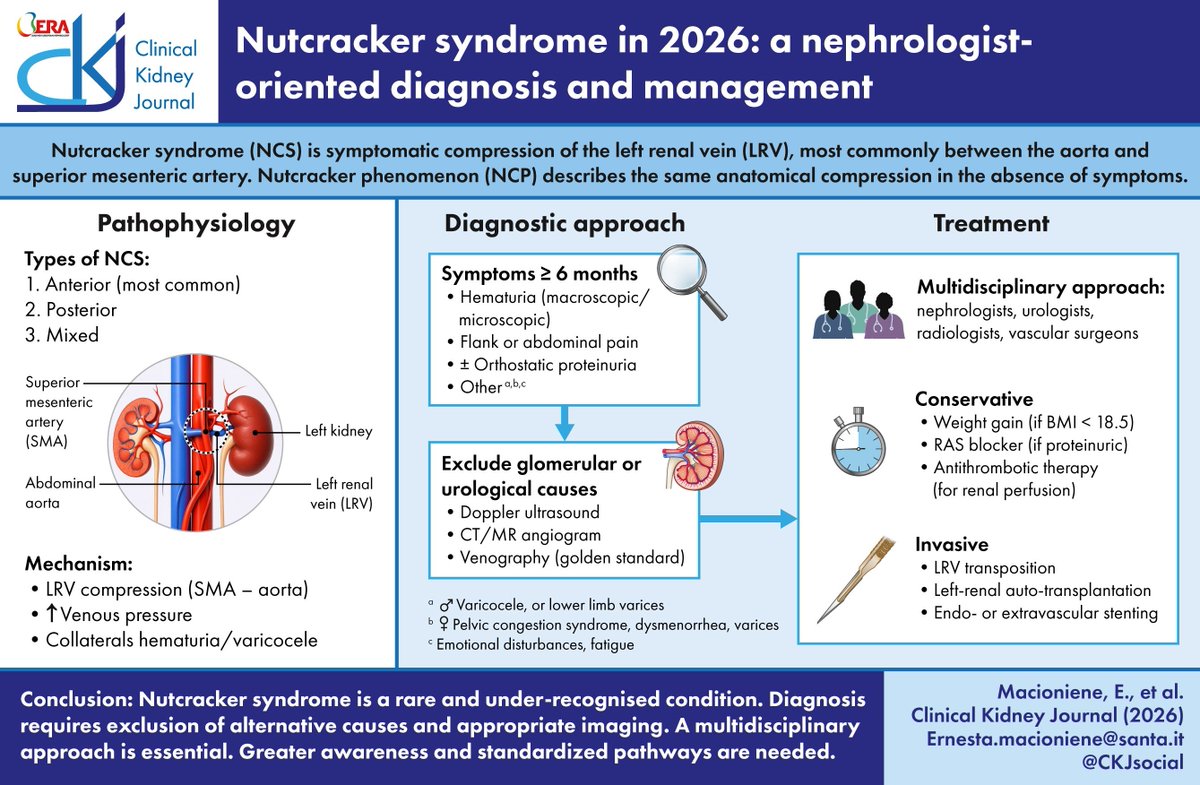
Nutcracker syndrome in 2026:
a nephrologist-oriented diagnosis and management
doi.org/10.1093/ckj/sfag124
53
125
5,140
Solos Jaturapisanukul retweeted

Apr 23
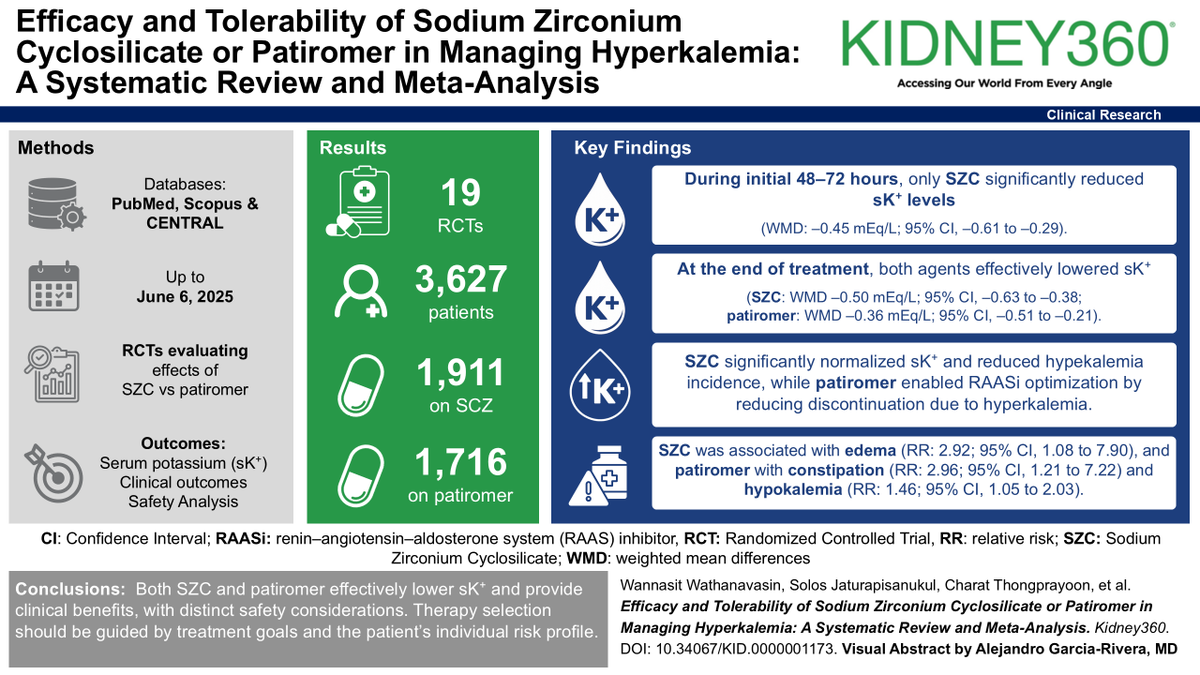
Which is a better treatment for people with hyperkalemia: sodium zirconium cyclosilicate (SZC) or patiromer? That depends. Find out why in the #ASNKidney360 study. kidney.pub/KID1173
21
53
3,219
Solos Jaturapisanukul retweeted

Apr 22
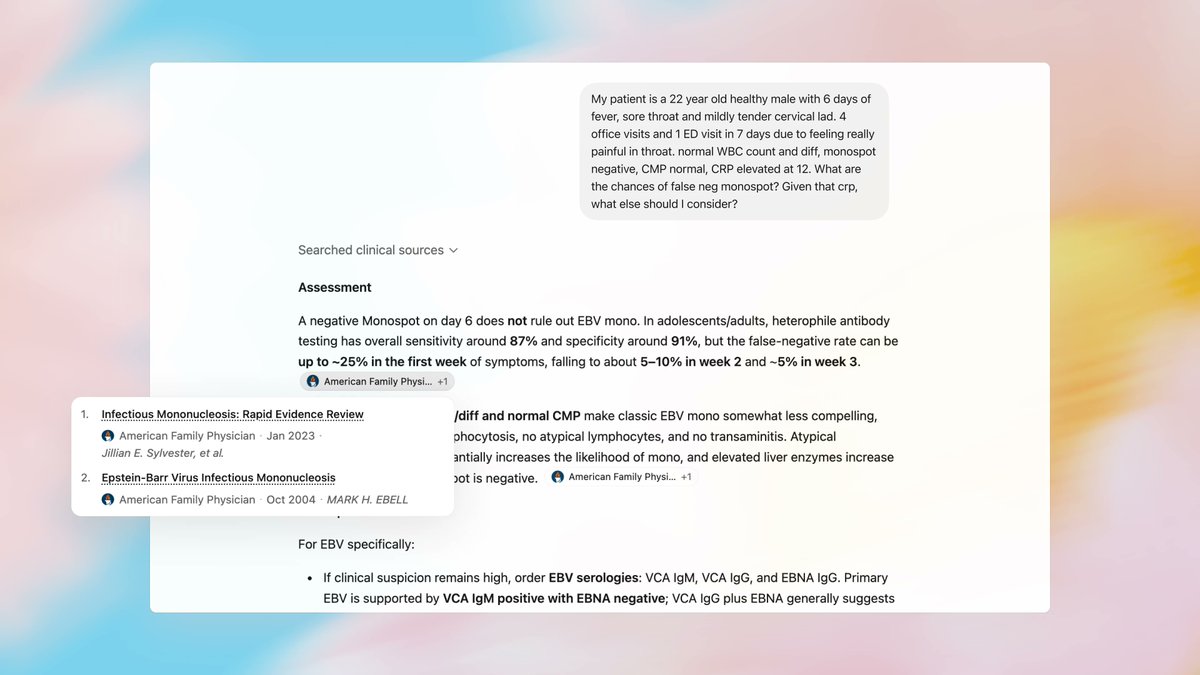
Today we’re introducing two big steps for health at OpenAI:
- ChatGPT for Clinicians, a free version of ChatGPT designed for clinical work
- HealthBench Professional, a new benchmark to evaluate real clinician chat tasks
We’re excited about what this can unlock for care. ❤️
263
557
4,832
1,637,278
Solos Jaturapisanukul retweeted

Apr 21
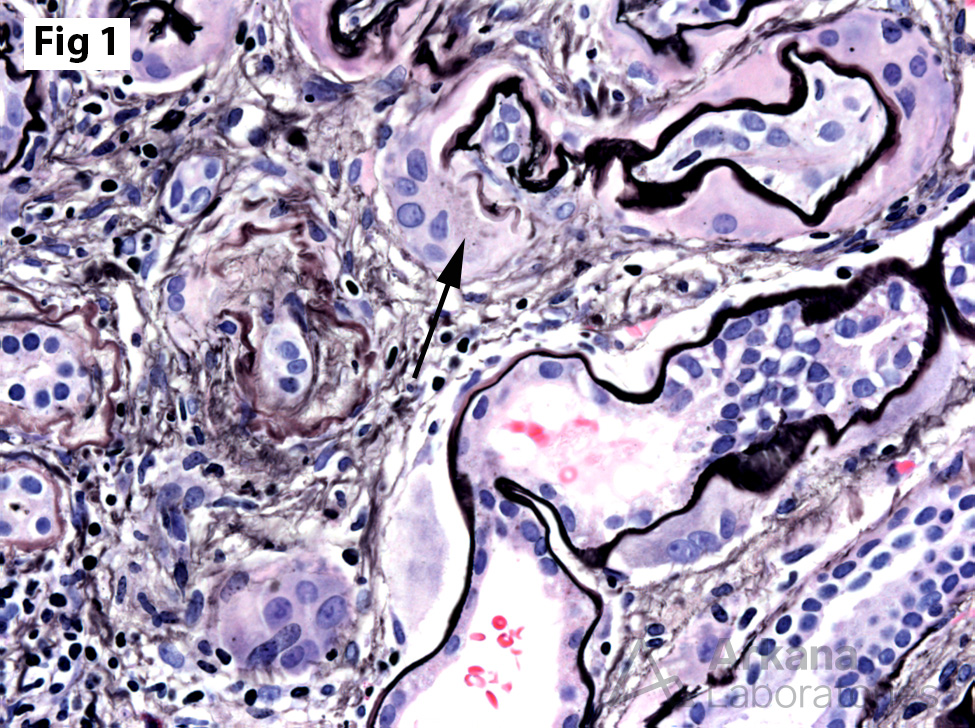
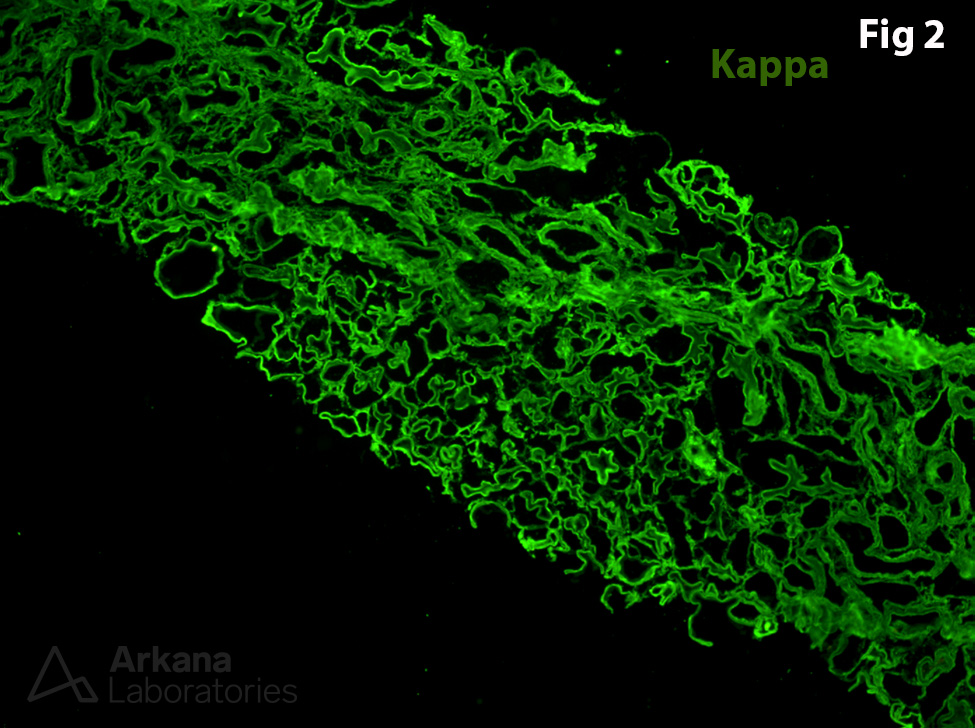
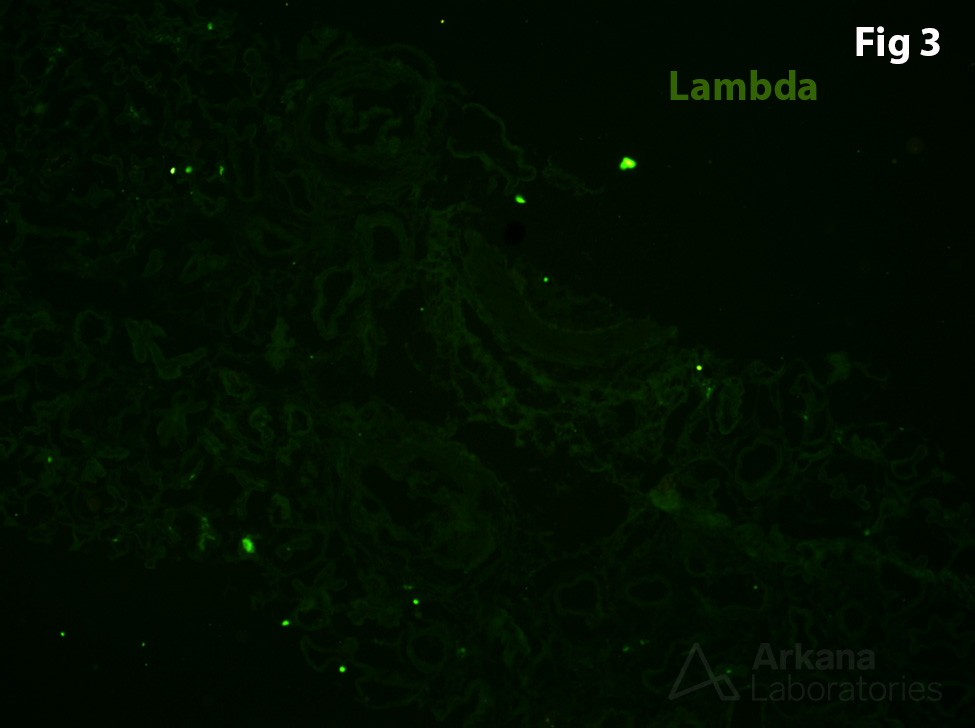
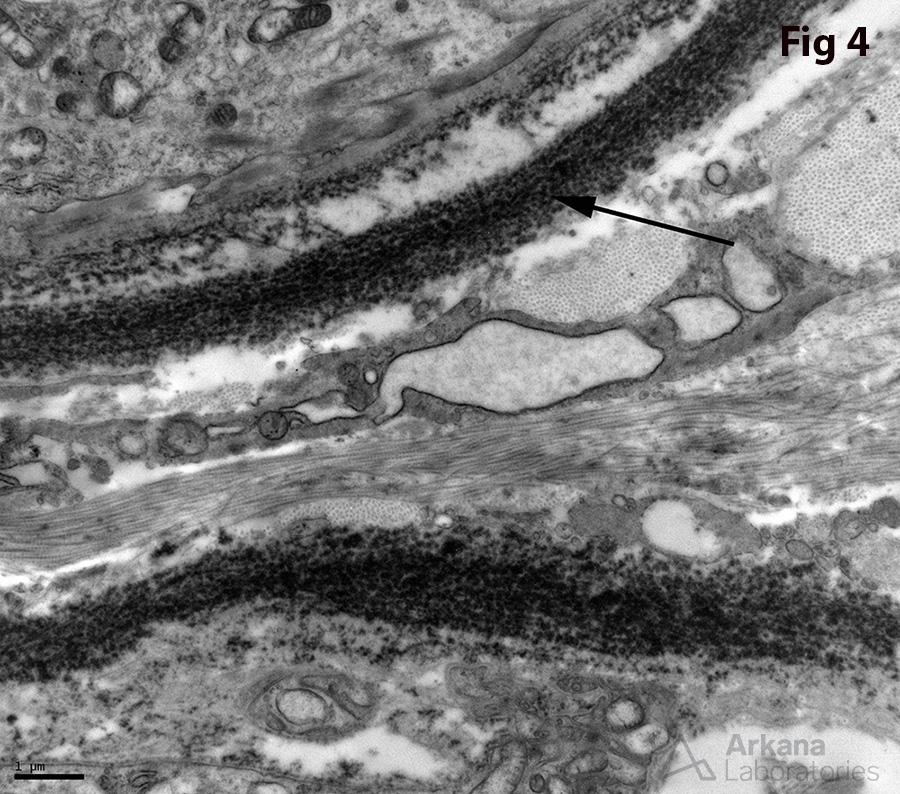
This renal biopsy was taken from a young woman with an elevated serum creatinine (4.3 mg/dL), hematuria, and proteinuria. By light microscopy, there is a prominent giant cell reaction surrounding many of the tubules (Fig 1), the differential diagnosis of which includes so-called giant cell tubulitis (a form of tubulointerstitial nephritis associated with tubular basement membrane immune complex deposits), lupus tubulointerstitial nephritis, and monoclonal immunoglobulin deposition disease. By immunofluorescence, there is intense positivity of the tubular and glomerular basement membranes for kappa light chain (3 ) with no corresponding staining for lambda light chain (Fig 2-3). The electron microscopic image shows fine granular deposits along the tubular basement membranes (Fig 4). These findings support the diagnosis of kappa light chain deposition disease with associated peritubular giant cells.
Yamashita F, et al. Light chain nephropathy with remarkable accumulation of multinucleated giant cells in the kidney. Nihon Jinzo Gakkai Shi. 1994 Nov;36(11):1276-81. PMID: 7853760.
#TeachingPoints #kidneypath #renal #pathology
14
34
1,814