
I'd rather be flying
Joined August 2024
- Tweets 241
- Following 55
- Followers 1,255
- Likes 143
75 Photos and videos
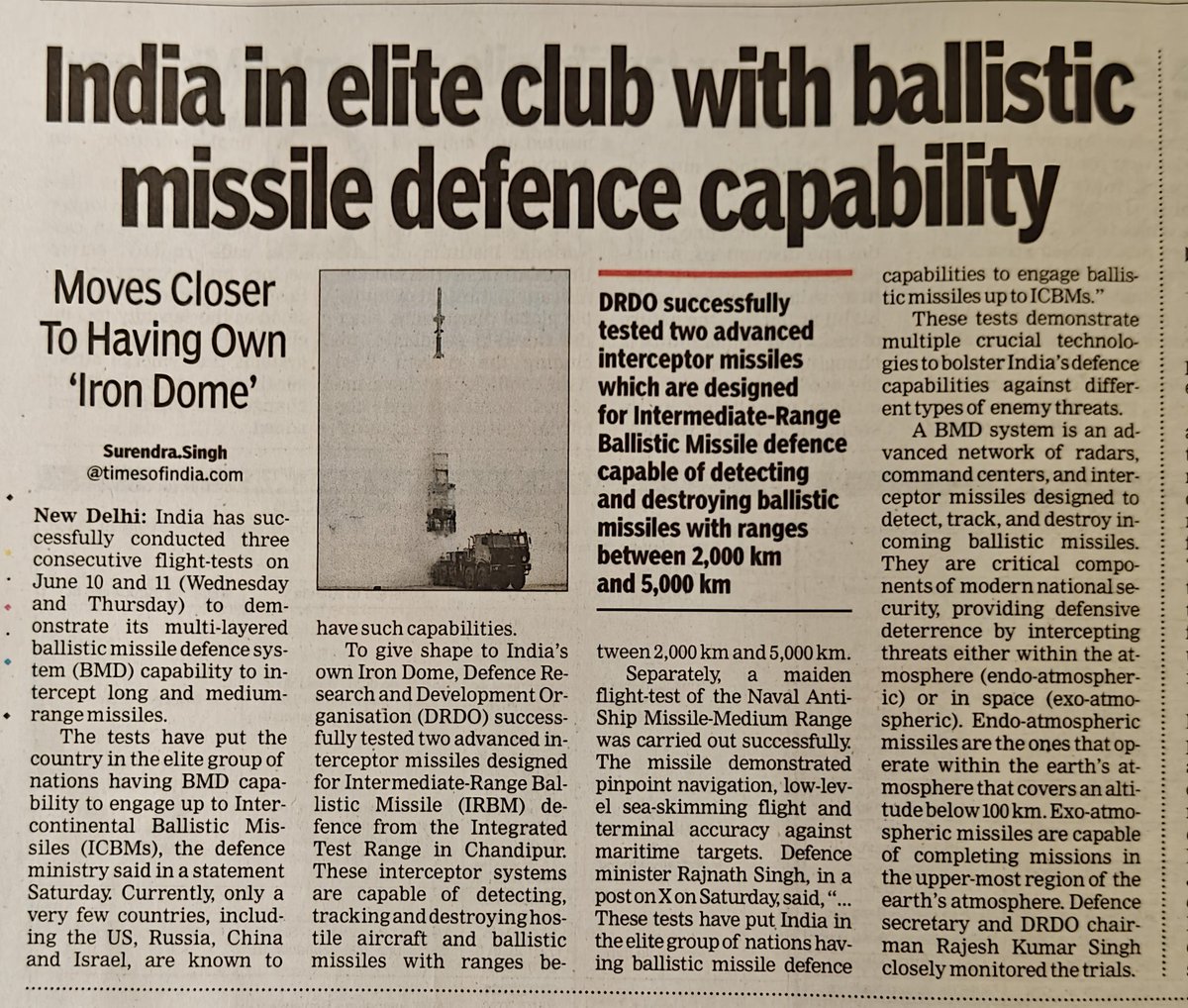

The success heralds the start of a critical national defence capability for India's security. Given our future regional dynamics BMD must seamlessly merge with integrated AD. India's air defence must holistically transform to aerospace defence, both conceptually & operationally.
13
40
2,357
Sandeep Unnithan weighs the challenges facing India's desperately needed AMCA program. Having given the order to the Pvt sector due to HAL's inability in meeting IAF's pending orders, the Govt needs to make it a national mission and ensure close oversight. indiatoday.in/india/story/am…
1
8
47
9,301
The defining difference between IAF's air strikes in Op Sindoor and PAF's regular air strike in the region! IAF's targeting priority was minimum collateral, while for the latter, its business as usual.
2
12
458
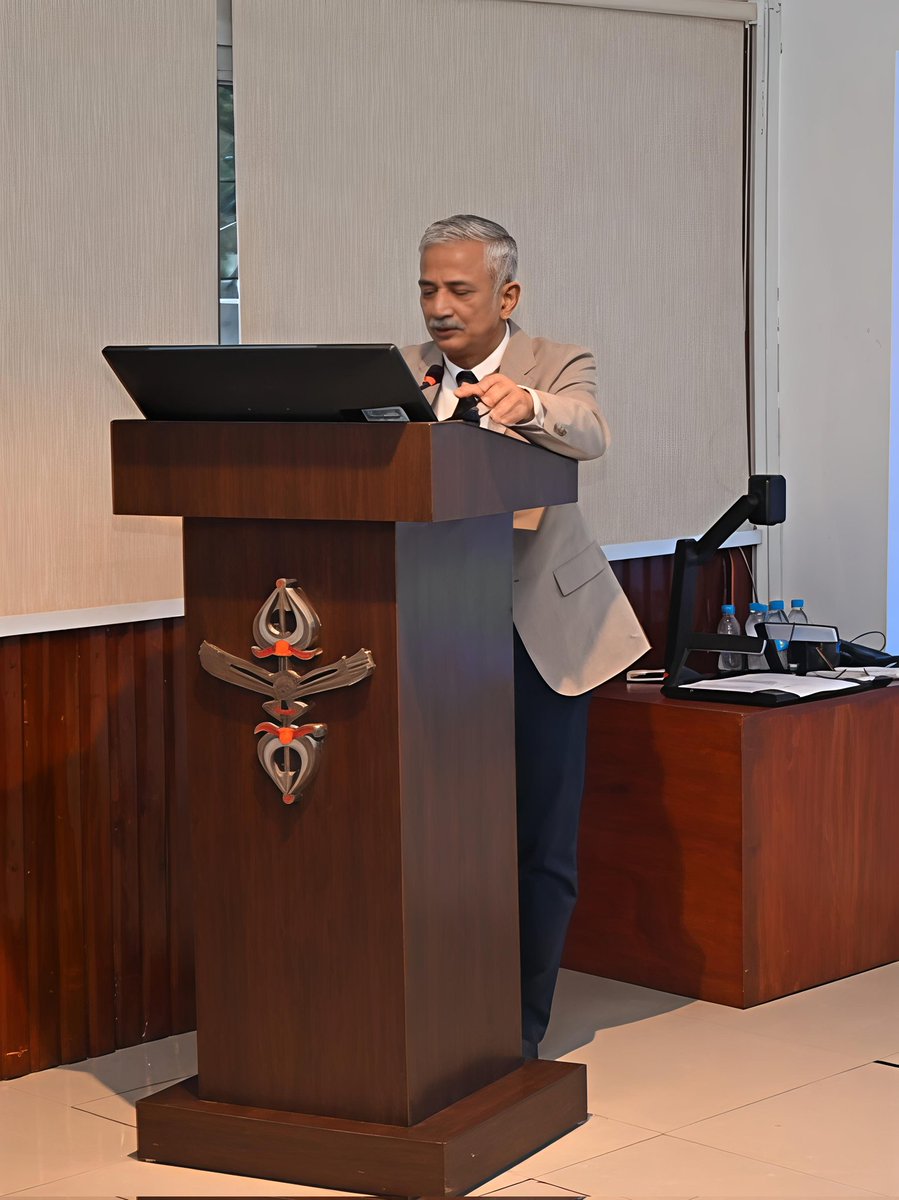
A privilege to share my thoughts with the Commanders of the EAC on Lessons from IAFs Wars and Contemporary Conflicts. God Speed and Happy Hunting to them!!
2
14
784
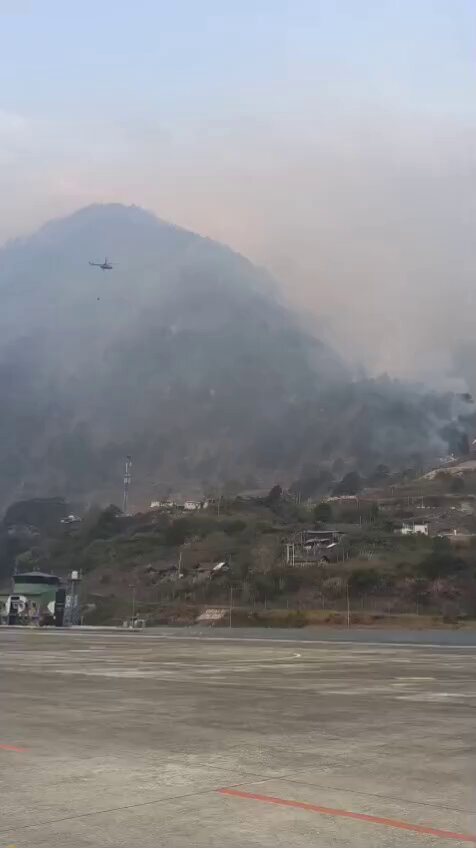
IAF's chopper pilots are among the best professionals in the business. Aerial firefighting is tough business during the day, but by night on NVGs, is sheer skill n guts!! They have done the IAF proud once again!! x.com/i/status/2060600995525…

Indian Airforce with active assistance from the Army and the State administration played major role in extinguishing Kasauli Forest Fire.
Mi-17 V5 using Bambi Bucket were pressed into action on 26th May 2026 to airdrop water over areas affected by fire. The operations was carried out by day and in a first by night using NVGs.
Despite inherent risk from fire, challenging terrain, smoke and night operations fire fighting continued till the fire was brought under control saving lives and infrastructure on ground. 93000 litres of water was poured, by multiple shuttles by Mi-17V5 carrying 2000-2500 litres per trip from Sukhna Lake in Chandigarh.
@rajnathsingh
@DefenceMinIndia
@SethSanjayMP
@HQ_IDS_India
@DefProdnIndia
@adgpi
@indiannavy
@IAF_MCC
@CMOFFICEHP
@PIB_India
4
18
1,026
As we complete 27 years of the Kargil conflict, my piece written for ORF in 2024 is a reminder of the continuing relevance and importance of high altitude warfare in India's security construct.
orfonline.org/expert-speak/o…
1
2
16
478
Miracle in Mountain Home AF Base!! How things can go horribly wrong if you lose sight of your formation member even for a few seconds. Four safe elections in such close proximity at low levels! The Almighty sure was looking out for these 'blessed' four!! timesofindia.indiatimes.com/…
1
4
237
One day in West Bengal.
Knock..Knock!
Who's there??
Didi!
Didi who??
Already forgotten??!!
134
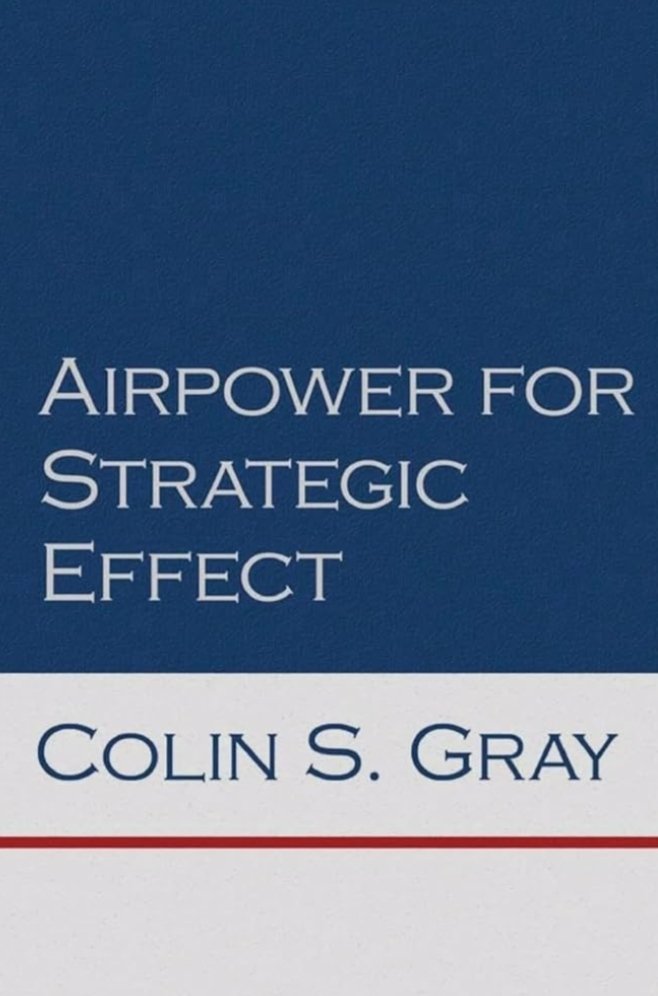
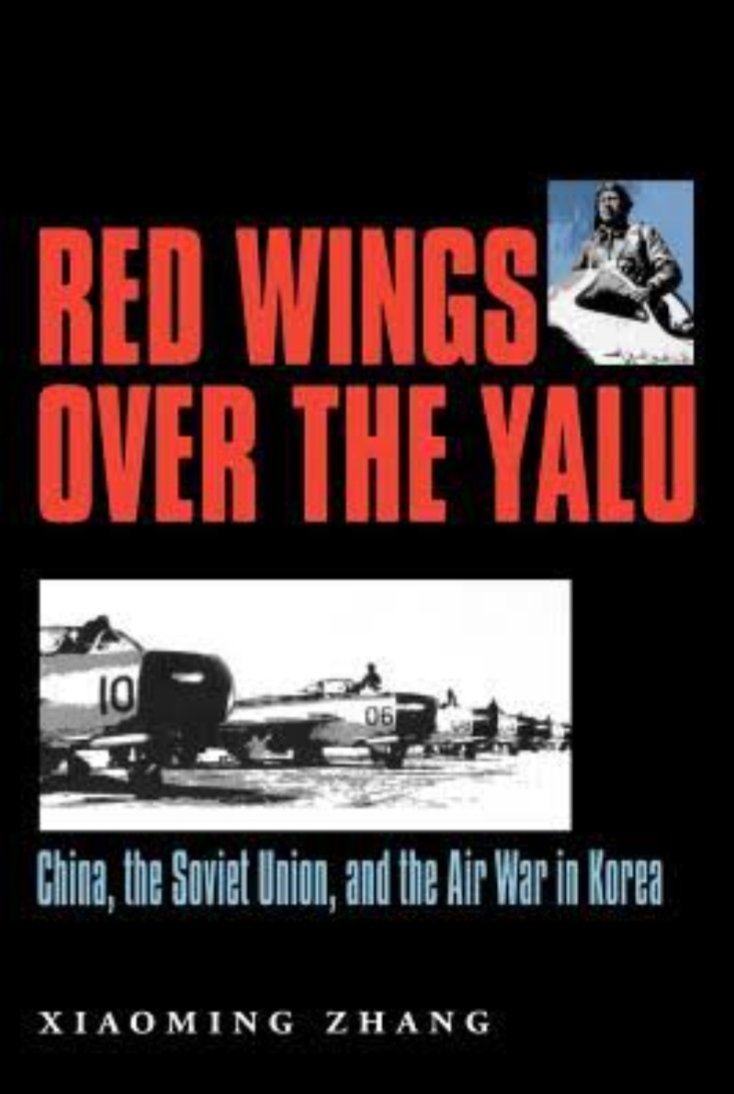
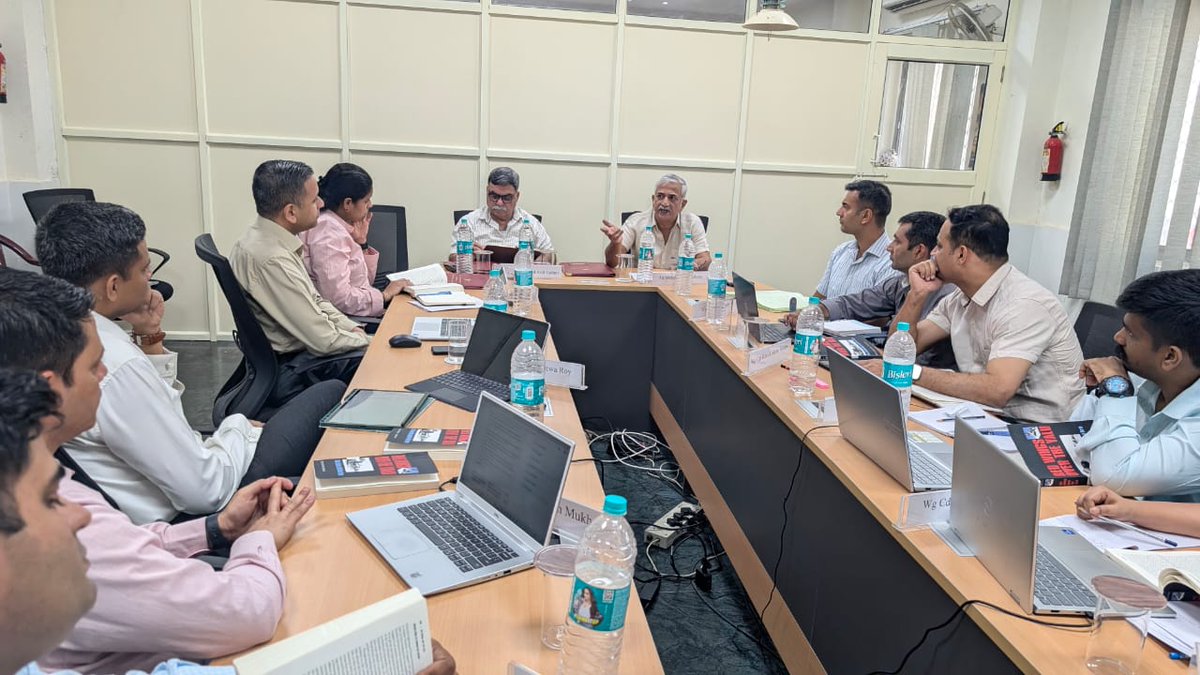
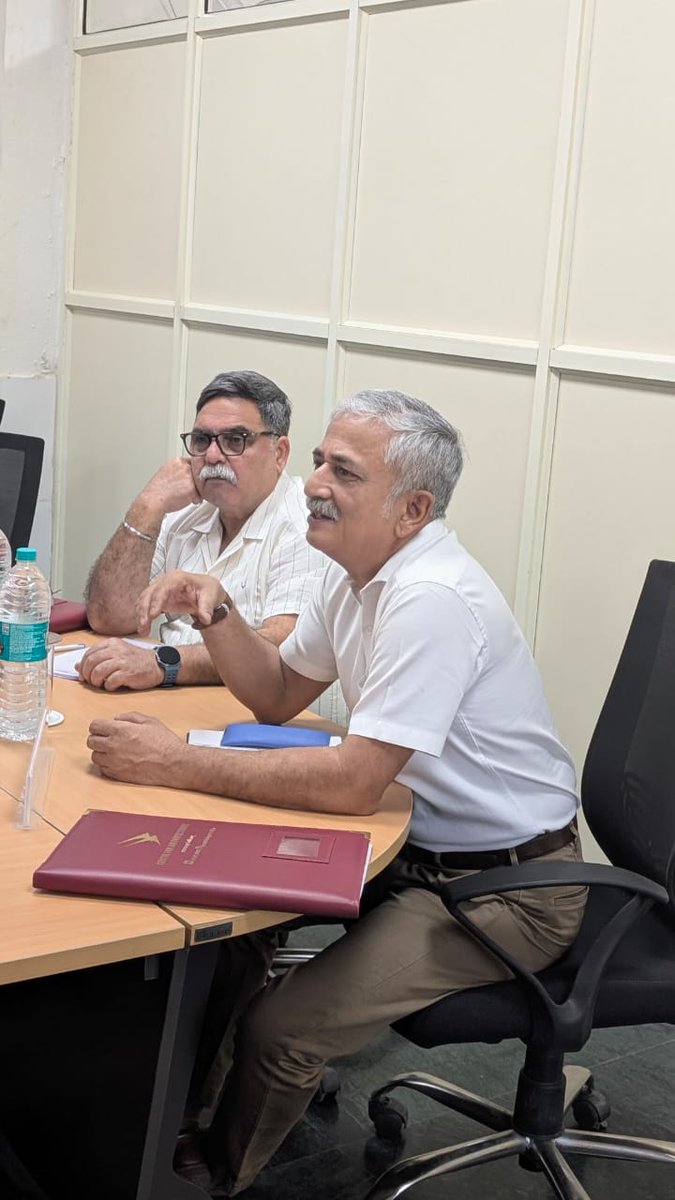
Mentoring IAF's No 5 Warfare & Aerospace Strategy Program (WASP) at CAPSS. Book discussion on Gray's Air Power for Strategic Effects and Zhang's Red Wings over Yalu. Always an enriching experience to nurture critical thinking in bright young minds.
1
3
273
Air power contemporary employment, transformational changes, lessons and takeaways in the Indian context, and demystifying misconceptions. In discussion with Adi Achint (Def Talks) youtu.be/_L1A52c5B_M?si=xyTK…
3
3
11
1,242
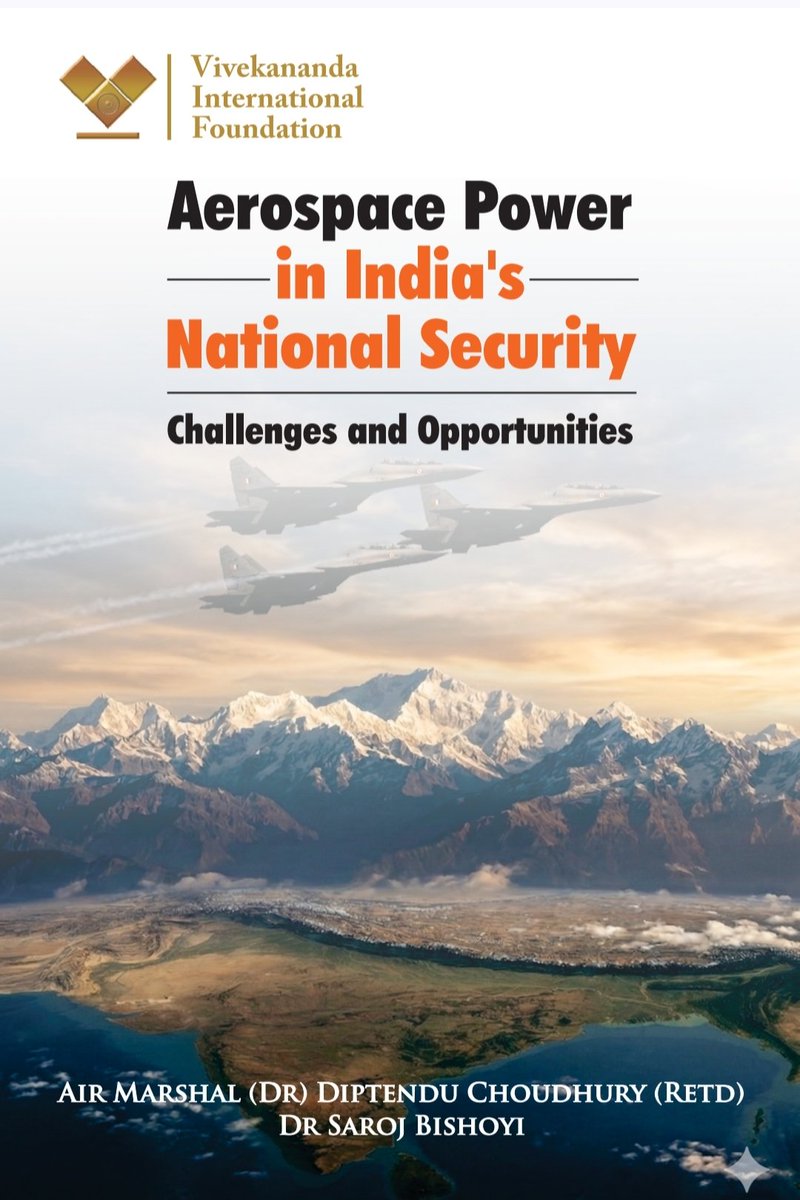
Air Power which dominates military employment of force worldwide, has undergone a revival in India's national security. My monograph with Dr Saroj Bisoyi examines the importance and future trajectory of India's aerospace power. vifindia.org/sites/default/f…
3
14
41
7,640
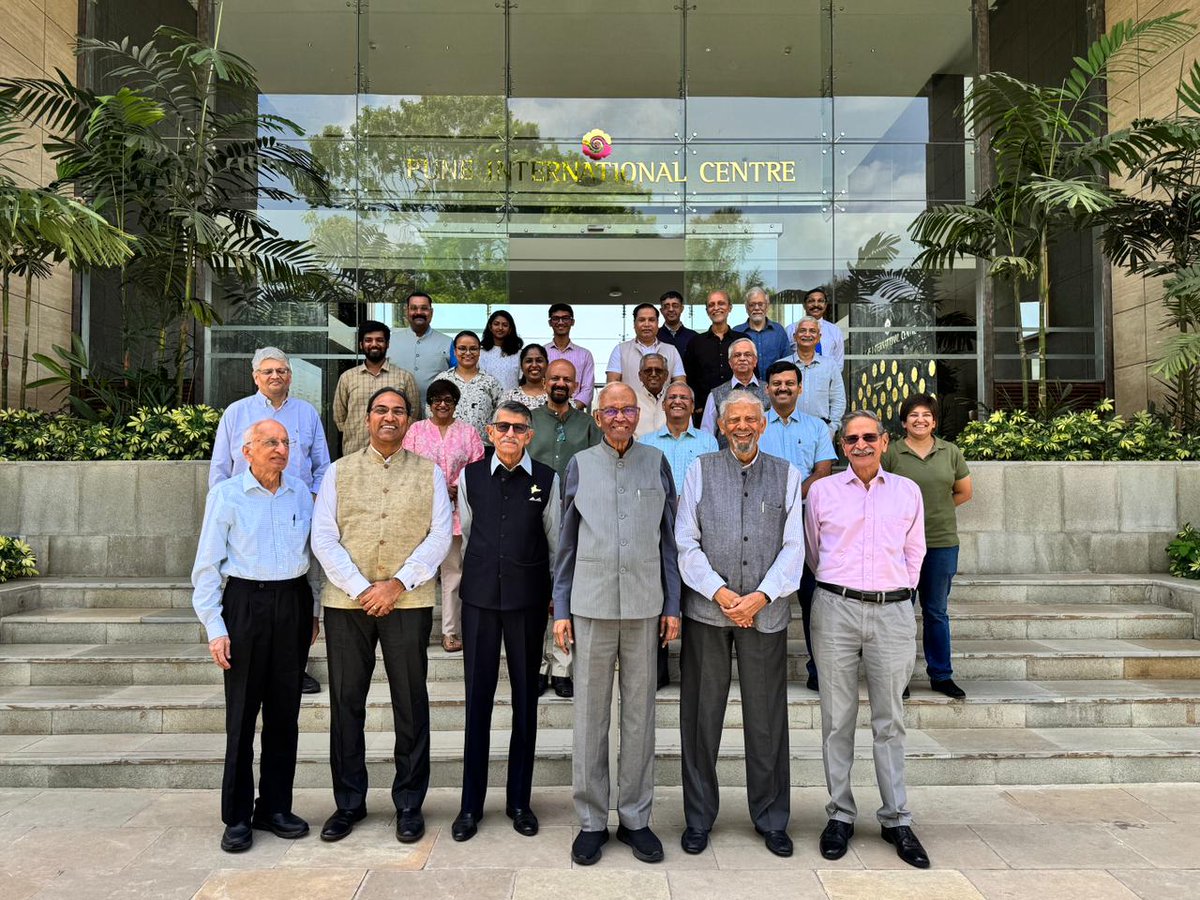
Privileged to be a part of the two-day intensive Brainstorming on Cognitive Security (COGSEC), 8-9th Apr by the Centre for National Security Studies, of the Pune International Centre. Kudos to Lt Gen V Patankar & Shri Satish Pradhan for this much needed future-relevant intiative.
1
3
14
1,816
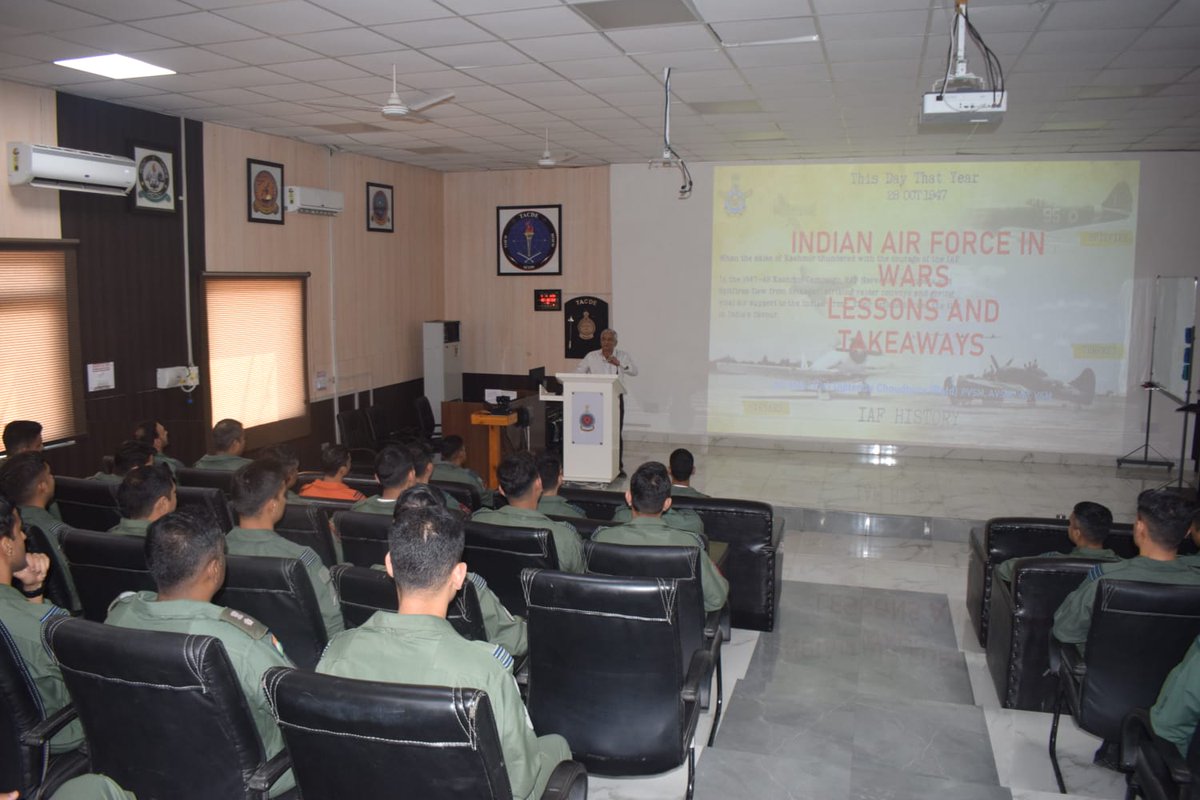
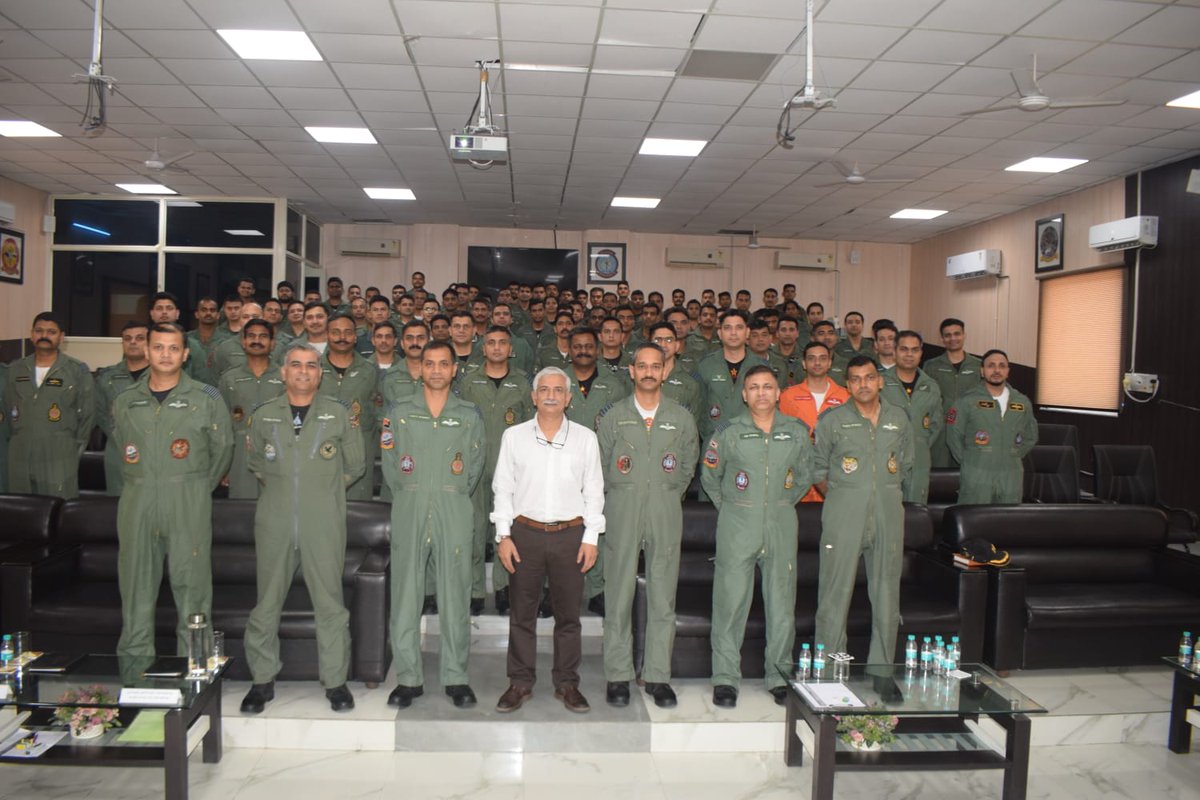
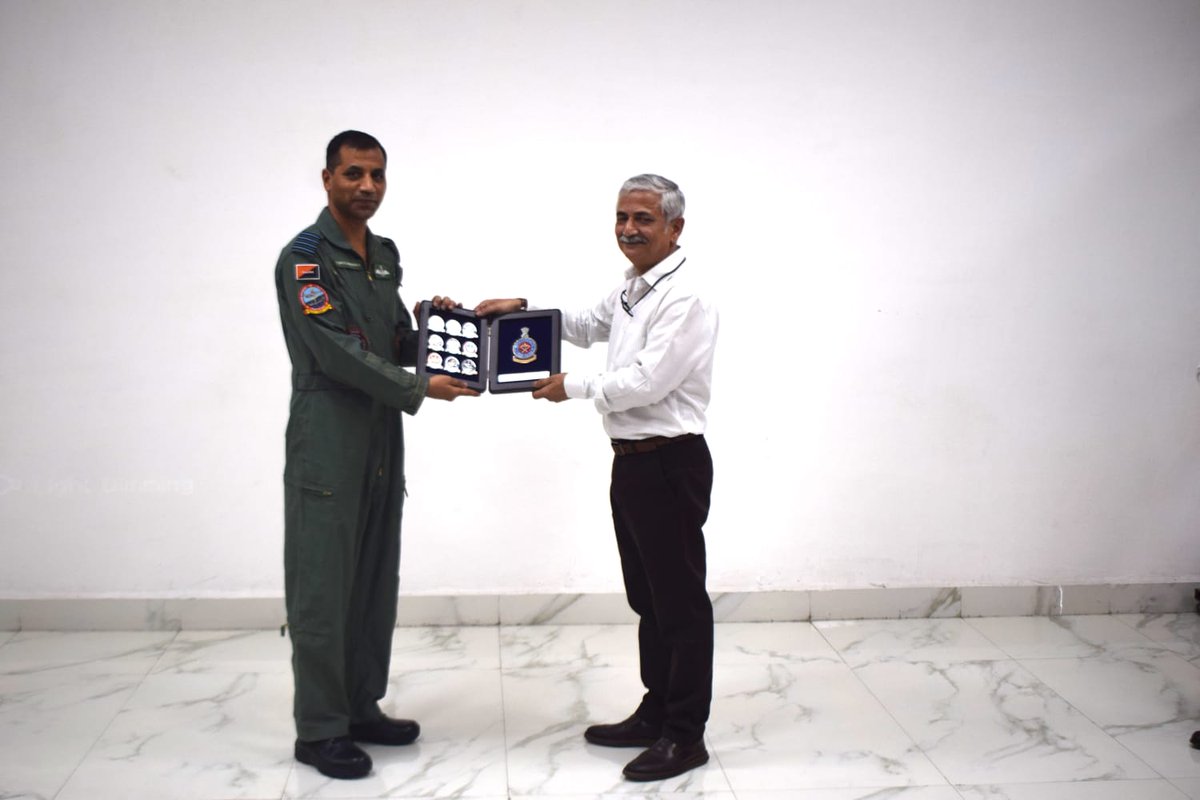
Privilege and nostalgia. Spoke to the Composite Graduate Course and DS at IAFs Mecca of Combat - TACDE on IAF in Wars: Lessons and Takeways. And an excellent discussion on future warfare. Heartwarming to see the incredible professionalism, warrior energy & resolve. KEEP THE FAITH
1
3
35
2,159
My latest piece on air power employment in the Iran War, from a zoomed out perspective. Let's see where it goes from here...Iran has a vote in conflict termination so far! indianexpress.com/article/op…
3
286
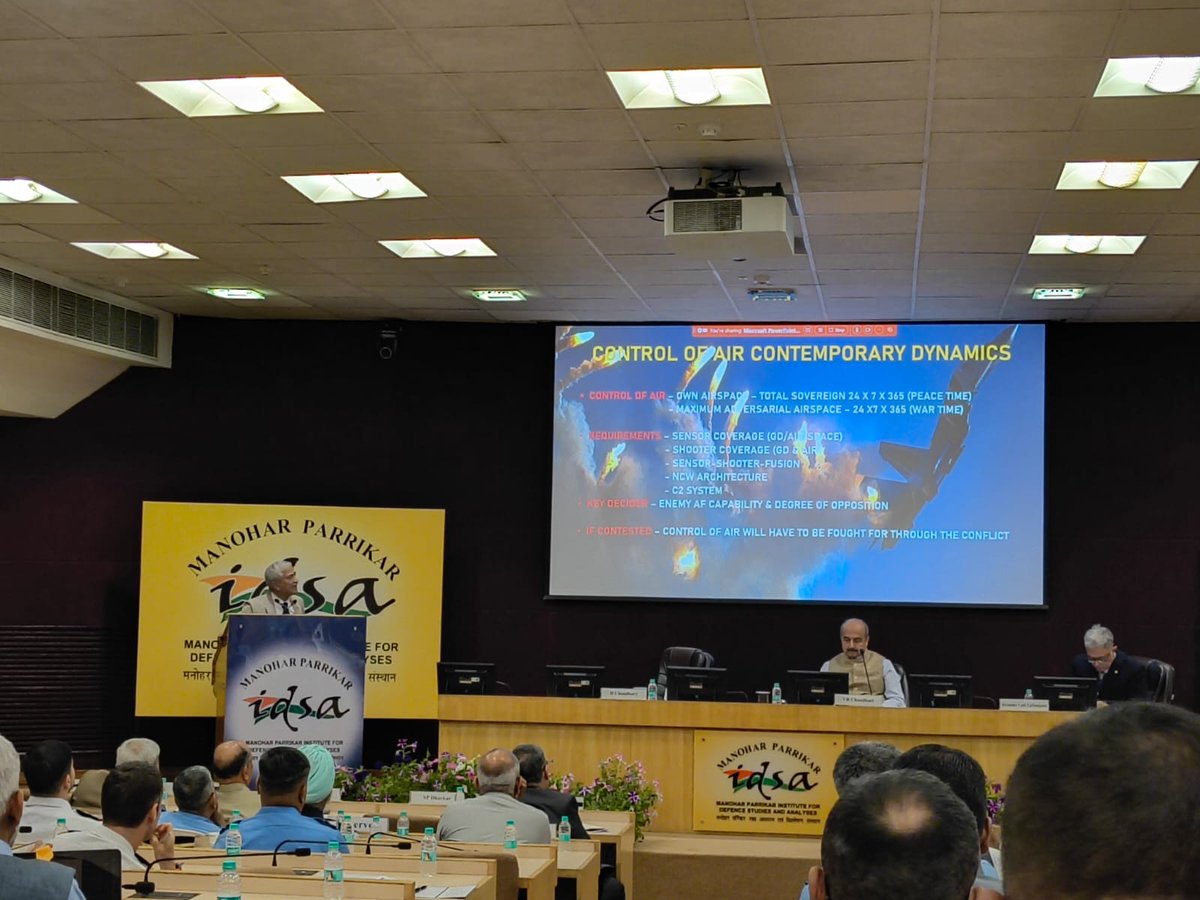
Kudos to MPIDSA & CAPSS for the first ever international air power seminar on 'Renaissance of Strategic Air Power'. High quality talks discussions and discourse. Spoke on 'Control of Air in Modern Conflicts: An Indian Appreciation'. Great going Amb Sujan Chinoy & AVM Golani.👏
2
15
1,566
Thank you Sandeep Unnithan for highlighting this serious aspect of India's air defence. x.com/i/status/2040436729182…
Apr 4

When air defence is discussed, the assumption is often total protection. But that assumption does not hold, especially in India’s context.
At the Strategic Renaissance of Air Power Conference, Air Marshal Diptendu Chowdhary pointed to the core challenge: scale. The sheer size of India makes it impossible to build an air defence system that stops every drone or every incoming strike.
Even heavily layered systems, like those seen in Israel, have not been impermeable.
The lesson? Air defence is not about perfection. It is about resilience under saturation.
In modern warfare, some threats will get through. The real question is not can you stop everything, but can you absorb, respond, and continue to fight?
#AirDefence #DroneWarfare #MilitaryStrategy #IndiaSecurity #chakranewz
@SandeepUnnithan @awasthi_bob @i_DeepakBhadana @SonicLancer
1
1
14
2,840
An intrepid Indian aviator passes into the blue yonder. Set speed record on a microlight flying from Biggin Hill UK to Delhi , 6000 miles in 23 days! Landed in Bhuj in Sep 1988! A 15 Sqn sticker was put on the aircraft!! x.com/i/status/2038147719102…
Mar 29

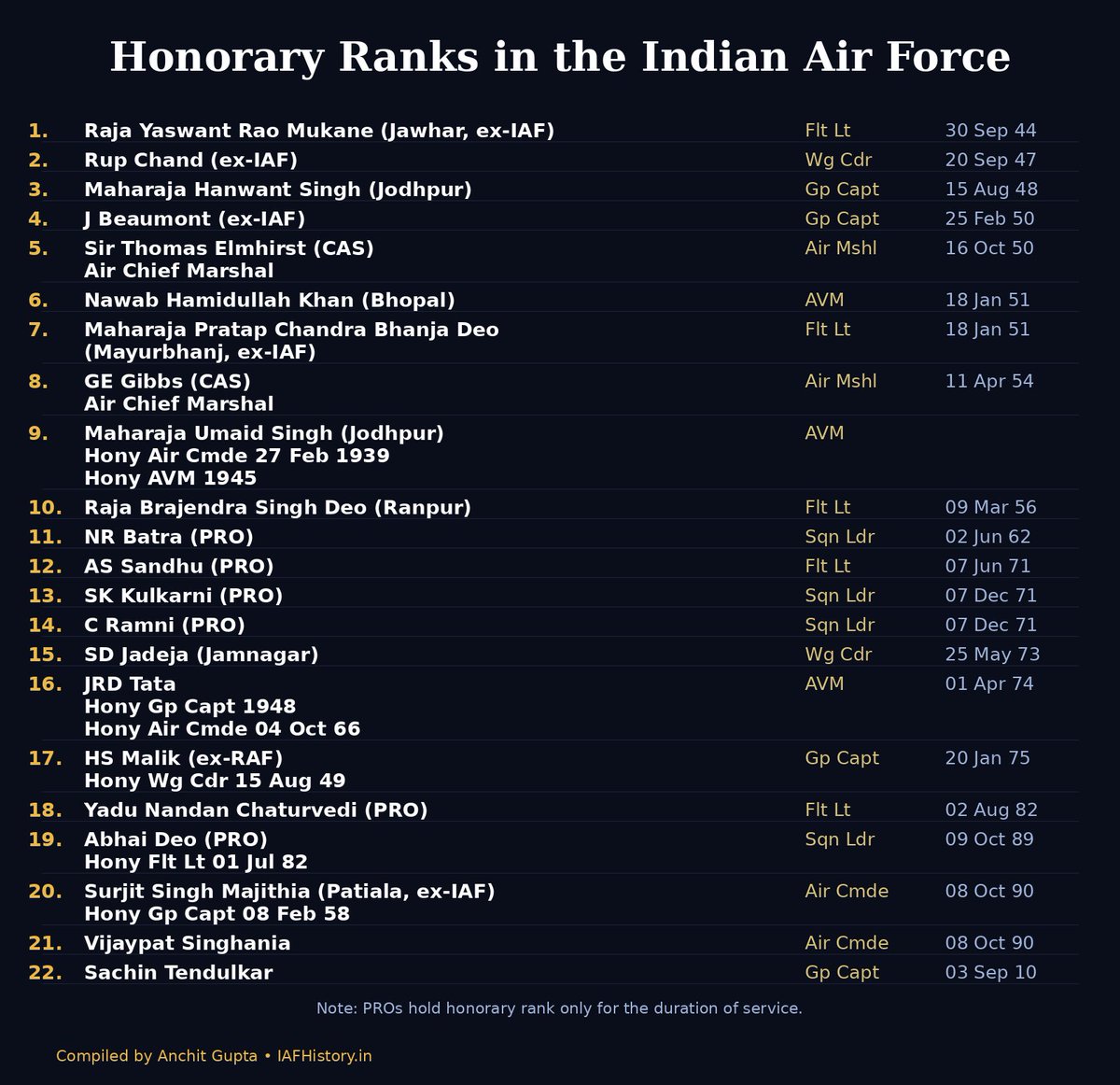
Only 22 people have ever received honorary rank in the IAF.
Air Cmde Vijaypat Singhania, who passed away recently, was the 21st awardee. Most of the names on this list are gone.
It is a curious roll: royalty, public figures, and a handful with Air Force service. #IAFHistory
2
23
2,519
The first of its kind in India!! x.com/i/status/2036016171317…
Mar 23

Th conference is going to be live streamed on both the days on Youtube. Below are the links!👇🏼
🔗 Day 1: youtube.com/live/Ift6AH7mACA…
🔗 Day 2: youtube.com/live/0Mga8mXkYRw…
1
2
235
Resting the A-A msl edge over adversaries is critical for control over future Multi-Domain battlespaces. They must complement & bolster integrated AD. Future A-A choices have long-term strategic consequences. India cannot afford to weaken its deterrence. x.com/i/status/2025556478430…
Feb 22

The Quest for Atmanirbharta in Defence Takes a Murky Turn?
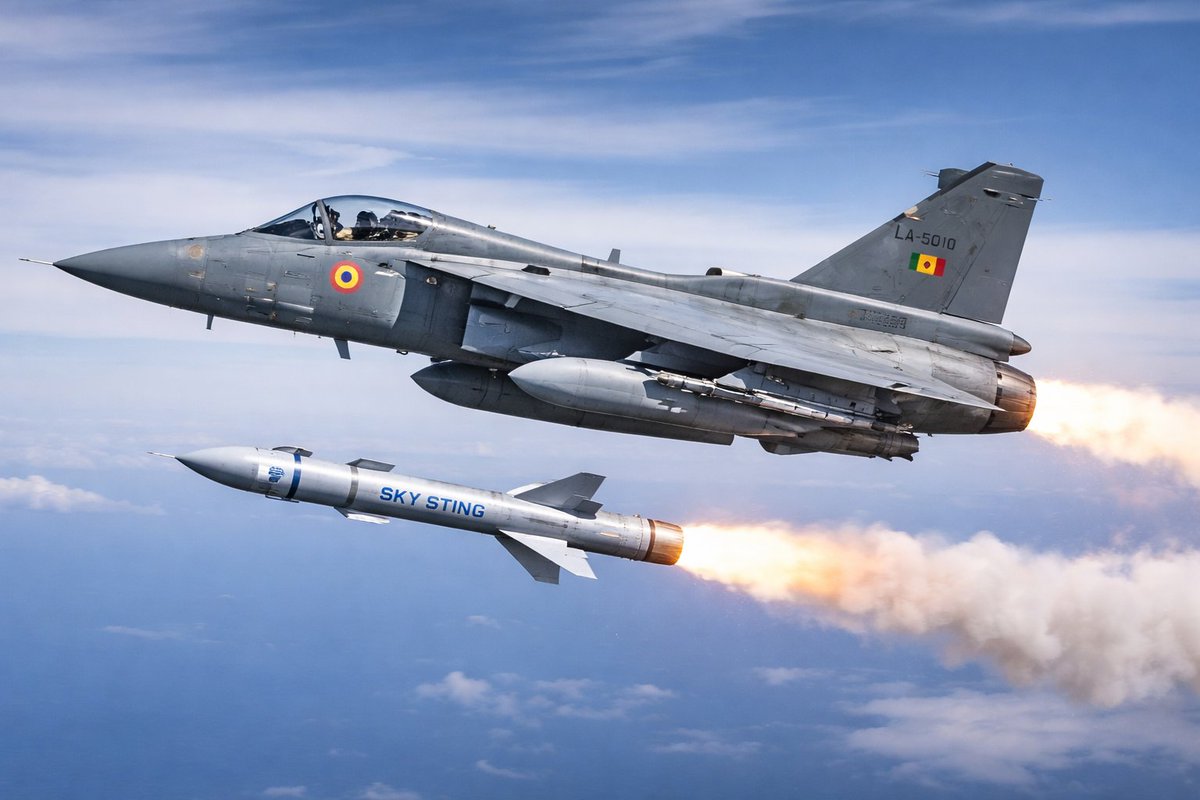
TNIE reports that India is keen to acquire Israel’s Sky Sting air-to-air missile, with a 250-km range.
The missile is still under development in Israel. However, it has some outstanding features.
A three-pulse solid-fuel rocket motor gives it an end game velocity exceeding Mach 5. Its RF seeker features AI-driven target discrimination and is jam resistant.
Perhaps the most outstanding feature of the missile is that, despite its long range, it weighs between 180-200 kg facilitating carriage by a light aircraft such as the Tejas Mk-1A.
Notably, the TNIE report alludes to delays in the integration of the Astra Mk-1 air-to-air missile with the Israeli ELM-2052 AESA radar fitted on the Tejas Mk-1A, suggesting that it may be the reason for India's heightened interest in the Sky Sting, which Israel is specifically developing for export to India.
Though the Sky Sting will reportedly have outstanding features, they are not features that cannot be embodied into future Astra variants. So, the adaptation of the Israeli missile at this stage makes little sense. It will certainly sideline the Astra project.
The acquisition of the Sky Sting is expected to be discussed during Prime Minister Narendra Modi’s visit to Israel on February 25.
The road to Atmanirbharta in defence, it appears, runs through Israel. Or perhaps the current government believes its political safety — particularly from the chokehold of the Trump administration — can only be secured through a visit to Israel.
5
428