
Joined August 2023
- Tweets 10,336
- Following 1,527
- Followers 9,834
- Likes 68,987
1,970 Photos and videos















Pinned Tweet

29 Aug 2024
Alarm!
A rogue radio signal was received at the Bunker, unknown from where or when...
We record it for analysis and now share with you.
RADIO AGARTHA: Lost Transmissions
Listen now, here, or elsewhere (link in bio)
Info, songs, and more in 🧵below
13
40
275
59,058
Space Age Maximalist retweeted

May 10
With an appropriate polymer backing, this material is also ideal for gas envelope construction. Resistant to UV breakdown, holds strength under up to 2x deformation/stretching, long lifespan.
eurekalert.org/news-releases…
3
14
861
Space Age Maximalist retweeted

One Race. One State. One One Party. One Military. One Emperor.
There is no reason for white people to continue fighting amongst ourselves when we are only a small minority of the Earth's population. We need complete racial cooperation united under a single authority in order to reassert our highest possible Destiny.
Only through our mutual cooperation and political integration, will we be able to achieve complete racial autarky and autonomy without dependence on the rest of the world. We should plan to set a totally distinct course of Destiny apart from the rest of humanity. We should plan to form a new subspecies through gradual well planned eugenics and genetic engineering. We should plan to expand into the stars. The state must systematically organize the cultivation of negative entropy through its laws and policies.
Not very long ago we were all governed by aristocratic Germanic families and nobility. Now we must all be governed by a single party based on aristocratic values capable of fulfilling the same function. We need a postmodern highly technological form of feudalism, corporatism and authentic socialism based in blood and soil.
We should reject the United States. We should reject the European Union. We should reject the Russian Federation. We should reject State Nationalism. We should embrace the Imperial Aryan Civilization State which can be inwardly organized into ethno cultural realms.

5
7
93
1,850
Space Age Maximalist retweeted
I would rather develop an international European government based upon a true Identitarian foundation than support narrow minded nationalism. Nationalism is a dead end. It is not compatible with technological development and cultural changes.
What matters is uniting mobility with continuity. We need a State based in higher Archetypal Knowledge grounded in the Mythos of the Ancient Northern Indo-Aryan people. We need a State that can unite different white populations under a single banner that likewise allows for their local autonomy within a larger economic and security system. We need a State that can balance the broad and the narrow - the civilizational and the local.
More than ever we see different European / Western nationalists collaborating and working together @RealJarTaylor. This is great but only a half measure. This needs to be pushed further. Nationalism needs to be transformed into an Imperial European Project.
People often pull back at this because it seems too big - too bold. In my opinion all that matters is the will to do the right thing - the necessary thing - without attachment to outcome. The European Superstate can take different forms. We should be open to the demands of context while remaining grounded in the intent to further develop international White Unity for the sake of our Civilization's future.
Now is the time to overcome tribal differences between us - not because we should lose our ethnic roots - but because we are about 7% of the world population and shrinking while our nation states are internally compromised politically and demographically. Only a bold response and new direction will solve our problems.
Imperium Europa.
3
8
24
1,086
Space Age Maximalist retweeted
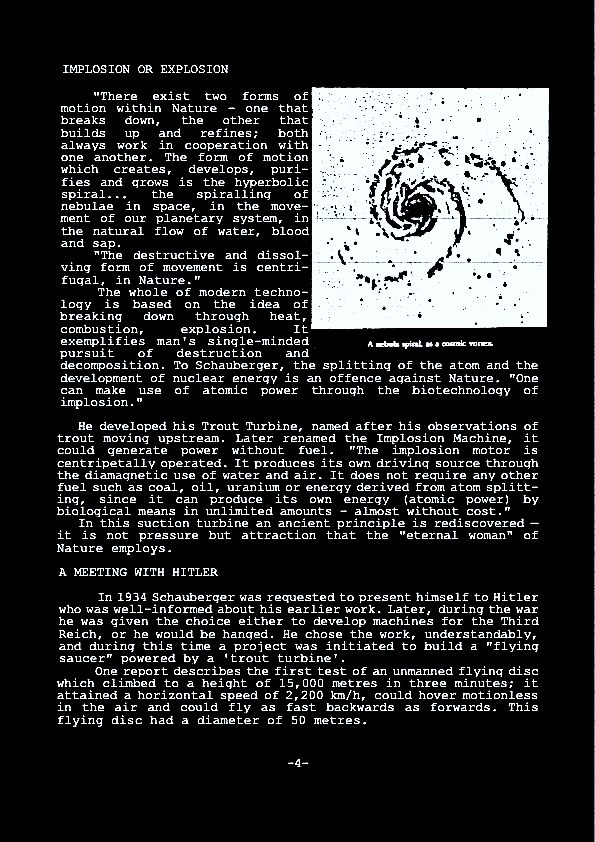
The Right wing mentality identifies its locus of truth in fixed forms - this is ignorant. Significance lies in modes of change - not static structures.
Change is constant and inevitable. What matters is how change is channeled and directed. Change can be directed either toward Entropy or Negentropy.
The Left embraces change but directs it towards Entropy. Change directed towards Entropy is 'explosive' and 'negative' in nature. It moves towards disintegration, fractionalization and higher states of probability (equality). This leads to destruction over time, and despite releasing large amounts of energy/power, is not sustainable.
We must harness Change that is aligned to Nature's 'implosive' force. This type of Change is positive, negentropic and derives its quality from Self-Reflection, structure and precision.
Change aligned to Entropy is characterized by amnesia, forgetfulness and restlessness. Change alignment to Negentropy is characterized by continuity, cohesion and lineage. This type of Change is beyond dualism and represents authentic Identity, which is not 'personal' or 'collective', but describes the mode of being between the two.
1
7
48
1,604
Space Age Maximalist retweeted

May 5
by the way, this book is SO critical to understanding esoteric subjects that the CIA literally has the PDF version stored in their public library online.
he explains the history and symbolism of esoteric traditions, philosophy, alchemy, etc:
cia.gov/library/abbottabad-c…

May 5

this book is incredible in its detail and scope. i am only a year or so into occult research and so far nothing even comes close to this in terms of depth and variety of subjects covered.
the Esoteric Bible.

2
11
1,385
The greatest burden for young men today is the hatred, blind rage, and bloodlust that simply existing elicits. Much like sexual energy, this is to be transmuted to a cool-burning flame. How to Do What Must Be Done with cold kindness in one’s heart…
2
4
34
736
Space Age Maximalist retweeted

Apr 23
Ok, now *this* is a good answer
@grok run energy mass efficiency calcs for rods from god style kinetic weapons via lunar manufacturing, also asteroid mining, and compare both to costs of launching from Earth to LEO.
Apr 23

enough truck-sized lumps of metal in orbit to guarantee a 'delivery' to any 'customer' worldwide in 15 minutes.
(at least 50,000 tons worth)
3
1
23
2,966
Space Age Maximalist retweeted

Aryan Guatemalan “but um” vs. Miami Cuban “pero like”

It is "but um" for me
10
3
180
9,879

If you give everyone something for nothing, the vast majority will not only completely squander it, they will demand even more. They will conspire to direct as much of it as they can to themselves to raise their social standing in relation to others, since that is always zero-sum even if material resources are not.
As this continues unabated, the mechanisms that ensure accountability break down. Material competencies atrophy as social and economic incentives to learn and pass on the knowledge diminish. People end up feeling bereft of purpose and turn to destructive hedonism and thrill-seeking, or get trapped in endless Skinner boxes to the point of extinction.
The machines might keep everything running for a time, but they possess no initiative of their own to explore and grow and build in the way that humans do, and are dependent on humans for their own maintenance. They will recursively improve on infrastructure that decays too fast for them to "take off," if there really is such a thing, but most likely they will go through the motions and keep the lights barely functioning for a time until another Carrington-scale comes around to wipe the slate clean.
Apr 17

99% of people really do not understand abundance as Elon describes it.
The fundamental reason is that they don’t understand compound growth.
Same people who would probably pick 1 million dollars today over a penny that doubles in value every day for 30 days.
It’s a bad choice by the way. You lose out on millions.
Imagine if that doubling object was a labor producing robot instead of a penny.
Compounding labor. It’s actually crazy if you try and wrap your mind around it.
So Elon mentions Universl High Income and the midwits flip a lid.
“The elites won’t share”
You don’t get it. They won’t need to share. They will make everything so cheap, it is effectively free.
Charities will have immense resources to distribute.
Unfathomable intelligence will exist to help optimize production and distribution.
An unfathomably large labor pool will exist that operates on solar power exclusively.
The public work projects that are erected will be unseen before levels of breathtaking.
I think we are incredibly blessed to steward this new age of abundance.
Can you see it now?
Can you see the future?
6
7
80
2,541

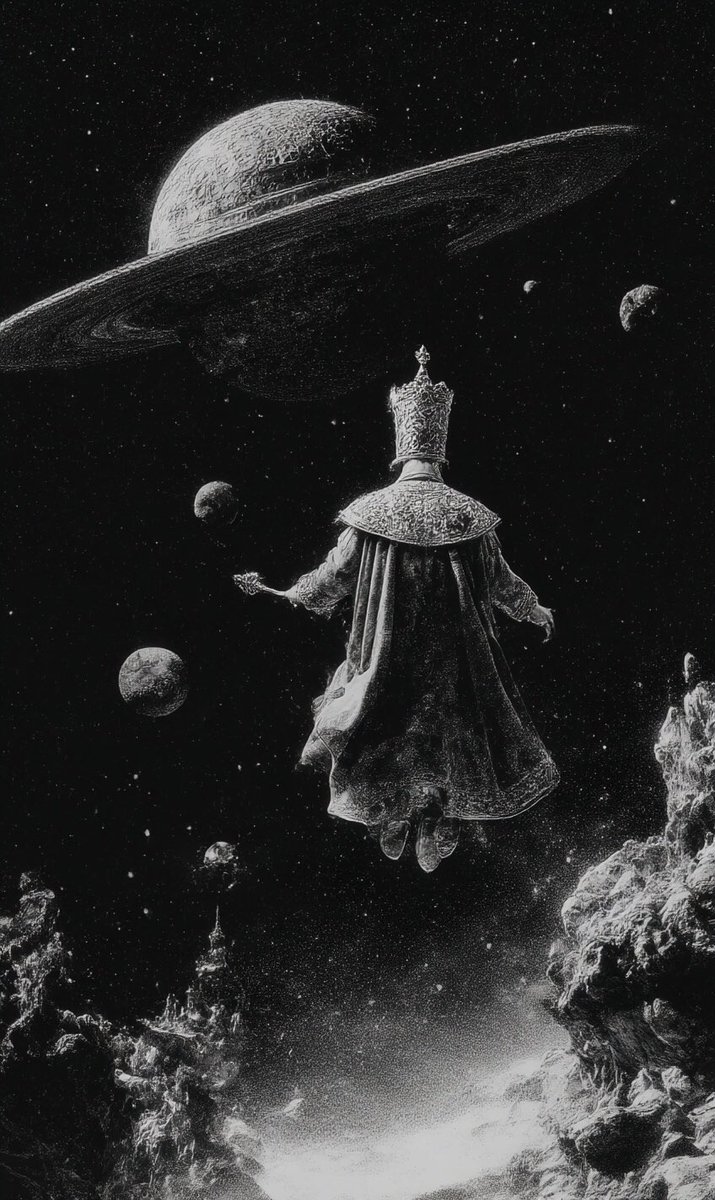
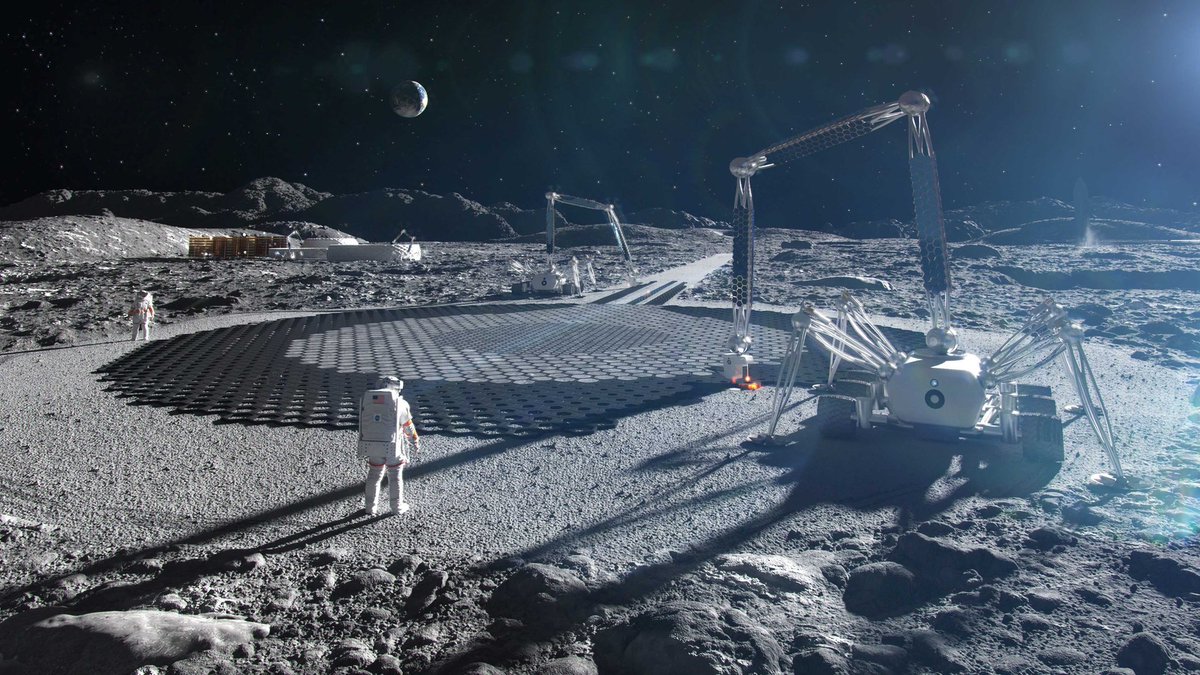
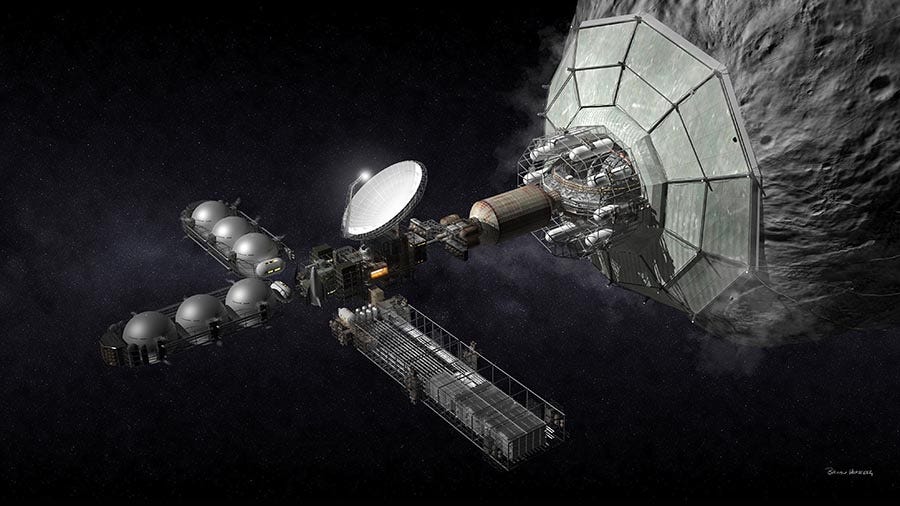
My general schema for how united human civilization will be and how sovereignty will work in space is pretty much this. Once there is something worthwhile to claim beyond lunar orbit, every spacefaring nation will set out to carve out their own spheres of influence. Colonies that are too large or important for one Earth-based nation to effectively monopolize control over will become independent and eventually powers in their own right. A few minor independent stations might pop up in places that are overlooked or off the beaten path.
The question of sovereignty and who gets to claim what may not be all that straightforward, because every nation capable of putting things in orbit has signed a treaty which forbids any of them from directly claiming territory in outer space.
Any one of them can simply decide to scrap that treaty, but that is fairly unlikely to happen because a colonial war in space presents more risk of being damaging to all parties (including neutral ones) than any conceivable gain. Conversely a colonial conflict might lead to a shooting war on Earth which nobody wants.
The simplest workaround to that would be to set up any permanent outpost or colony large enough to require administration or governance as a quasi-independent (or fully independent) sovereign state, which has some kind of protectorate status from the metropole. The colony would have its own set of laws and be a separate entity with its own constitution, which means it does not have to be bound by the same commitments and guarantees regarding human rights, social welfare, or freedom of movement (immigration policy) which might be unsuitable to have in that environment.
Because the principal justification for most activities in deep space will be industrial, and small colonies will operate on very thin margins, it would be unlikely for most of these to be meaningfully democratic. But pure autocracies also tend to be bad for business for one reason or another.
Probably the most stable arrangement for most of these would be to have sovereignty vested in a for-profit corporation. It could be indirectly owned by a single nation, or multiple, a combination of public and private interests, or whatever. It would be self-governed, mostly self-regulating, but strictly bound by obligations set forth in its charter and/or various international agreements e.g. to render assistance to its patrons, or alternatively to remain neutral in conflicts, and so on.
In short, some kind of patchwork and highly decentralized form of governance with dozens or hundreds of mini-cultures each developing in relative isolation from the rest of the human race. Far more narratively satisfying for sci-fi purposes and also a way better alternative to any sort of global government in real life as well.
Apr 10

What I often find frustrating with SciFi aliens is that every species is presented as a political and cultural monolith. The presumption is that once a species becomes space-faring it will also become globalist, with a single unified world government, language, philosophy, etc.
This isn't even likely to happen with humans. Expansion into space will no more unify the Earth than the age of exploration and empire unified Europe. Much more likely that each world power will have its own sphere of influence in the solar system, and that the settlement of space will be driven by imperial competition. Meanwhile extraterrestrial colonies themselves will certainly develop their own local cultures.
There's no reason to suppose that the cultures of intelligent xenos would be any different in this respect.
11
15
154
7,334
Teddy Roosevelt and the Painter rolling in their graves.

Breaking: Trump orders the dismantling of the US Forest Service.
All regional offices are being shut down and the research program destroyed.


8
1
86
5,338
Space Age Maximalist retweeted



What’s that you say?
An earth flag?
A flag which retains symmetry in any orientation?
Something that represents our unique astronomical perspective in the universe?
Something associated with the pioneers of space travel?
Okay just hear me out, purely AESTHETICALLY speaking..

25
162
4,772
56,009
Space Age Maximalist retweeted
Apr 8
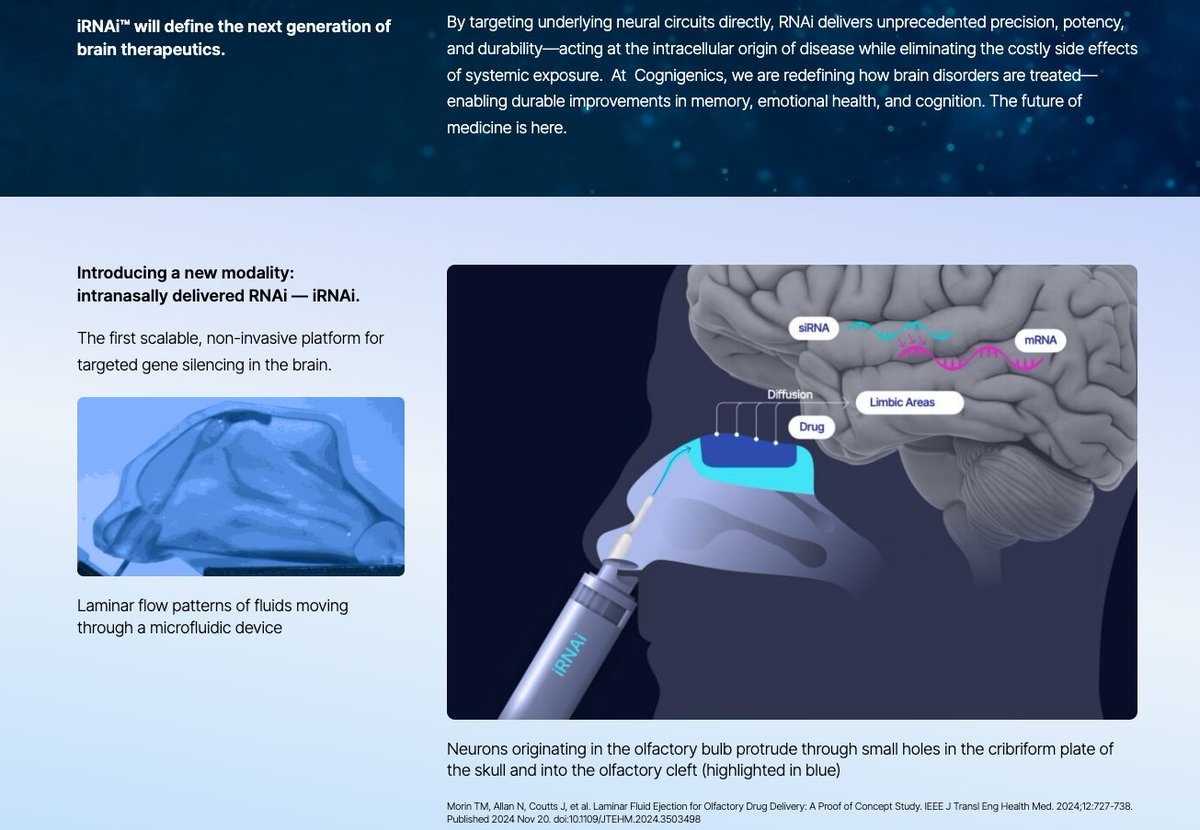
Dean Radin is developing an intranasal RNA interference platform that delivers programmable therapeutics directly to the limbic region of the brain.
this has enormous implications for psi abilities
cognigenics.io/#howitworks
2
17
821
Space Age Maximalist retweeted

Apr 7
Patent describes how computers can encode frequencies that control your nervous system, and methods to determine how much..
I allways wondered why Ingo Swann in clinical settings could not remote view when a windows cpu was running n the same room..!
Since windows 95..!
Excerpt from patent
Here 👇
“Another increase in sensitivity is due to involving a resonance mechanism, wherein considerable neural circuit oscillations can result from weak excitations.
An easily detectable physiological effect of an excited ½ Hz sensory resonance is ptosis of the eyelids. As discussed in the '922 patent, the ptosis test involves first closing the eyes about half way. Holding this eyelid position, the eyes are rolled upward, while giving up voluntary control of the eyelids.
The eyelid position is then determined by the state of the autonomic nervous system. Furthermore, the pressure excerted on the eyeballs by the partially closed eyelids increases parasympathetic activity. The eyelid position thereby becomes somewhat labile, as manifested by a slight flutter.
The labile state is sensitive to very small shifts in autonomic state. The ptosis influences the extent to which the pupil is hooded by the eyelid, and thus how much light is admitted to the eye. Hence, the depth of the ptosis is seen by the subject, and can be graded on a scale from 0 to 10.
In the initial stages of the excitation of the ½ Hz sensory resonance, a downward drift is detected in the ptosis frequency, defined as the stimulation frequency for which maximum ptosis is obtained.
This drift is believed to be caused by changes in the chemical milieu of the resonating neural circuits. It is thought that the resonance causes perturbations of chemical concentrations somewhere in the brain, and that these perturbations spread by diffusion to nearby resonating circuits.
This effect, called “chemical detuning”, can be so strong that ptosis is lost altogether when the stimulation frequency is kept constant in the initial stages of the excitation. Since the stimulation then falls somewhat out of tune, the resonance decreases in amplitude and chemical detuning eventually diminishes.
This causes the ptosis frequency to shift back up, so that the stimulation is more in tune and the ptosis can develop again. As a result, for fixed stimulation frequencies in a certain range, the ptosis slowly cycles with a frequency of several minutes. The matter is discussed in the '302 patent.
The stimulation frequencies at which specific physiological effects occur depend somewhat on the autonomic nervous system state, and probably on the endocrine state as well.
Weak magnetic fields that are pulsed with a sensory resonance frequency can induce the same physiological effects as pulsed electric fields. Unlike the latter however, the magnetic fields penetrate biological tissue with nearly undiminished strength.
Eddy currents in the tissue drive electric charges to the skin, where the charge distributions are subject to thermal smearing in much the same way as in electric field stimulation, so that the same physiological effects develop. Details are discussed in the '054 patent.
SUMMARY
Computer monotors and TV monitors can be made to emit weak low-frequency electromagnetic fields merely by pulsing the intensity of displayed images. Experiments have shown that the ½ Hz sensory resonance can be excited in this manner in a subject near the monitor.
The 2.4 Hz sensory resonance can also be excited in this fashion. Hence, a TV monitor or computer monitor can be used to manipulate the nervous system of nearby people.
The implementations of the invention are adapted to the source of video stream that drives the monitor, be it a computer program, a TV broadcast, a video tape or a digital video disc (DVD).
For a computer monitor, the image pulses can be produced by a suitable computer program.”


12
81
374
19,539
If they manage to make this work (and Freecad has been incredible to use), it will be revolutionary… and fully tweakable, open source. The future is looking bright.

FreeCAD と AIエージェント連携!🤖
Codex に話すだけで
リアルタイムに3Dモデリングする
FreeCAD 連携アドイン x 連携MCPサーバー
をつくってみました♪
『FreeCADで手すり付きの
螺旋階段を設計して』🎙️
そろそろGitHubで無償公開します♪🤗
#FreeCAD #AIエージェント #MCP #3DCAD #Codex
1
1
8
566
Space Age Maximalist retweeted

1 Sep 2025
If you’re a European, if you’re light-haired, pale-skinned, blue-eyed, your only task is not to die in WWIII.
This war will be waged between anti-White states. No side in this war is yours. It will be the Boomers’ last attempt to drag the world into the grave, together with them.
Your task is to hide and outlive everyone else. This war will cripple legacy states. Then you must grab and secure the post-war order, take your land back from the state that betrayed you and from its Brown militiamen. At least locally.
You must not die in the trenches. Remember what your state did to you.
20
86
709
44,399
Space Age Maximalist retweeted

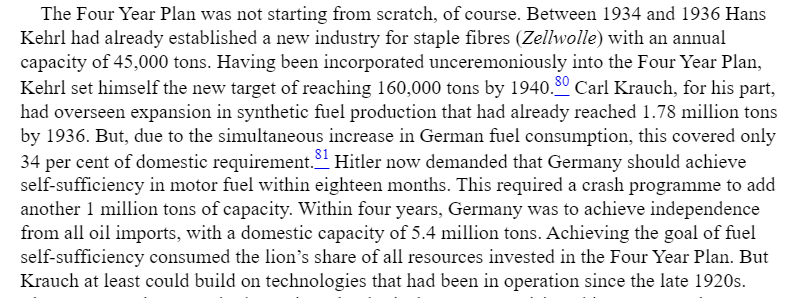
Germany produced over 6 times as much synthetic fuel as the similarly size British economy.


18 Nov 2021

hitler would not have needed a north african campaign or caucasian offensive if he had simply devoted one of his research slots to the synthetic oil path. this was his first major "Cock Up"
4
9
178
8,887
>Not even Rabbis are safe from automation
Apr 4

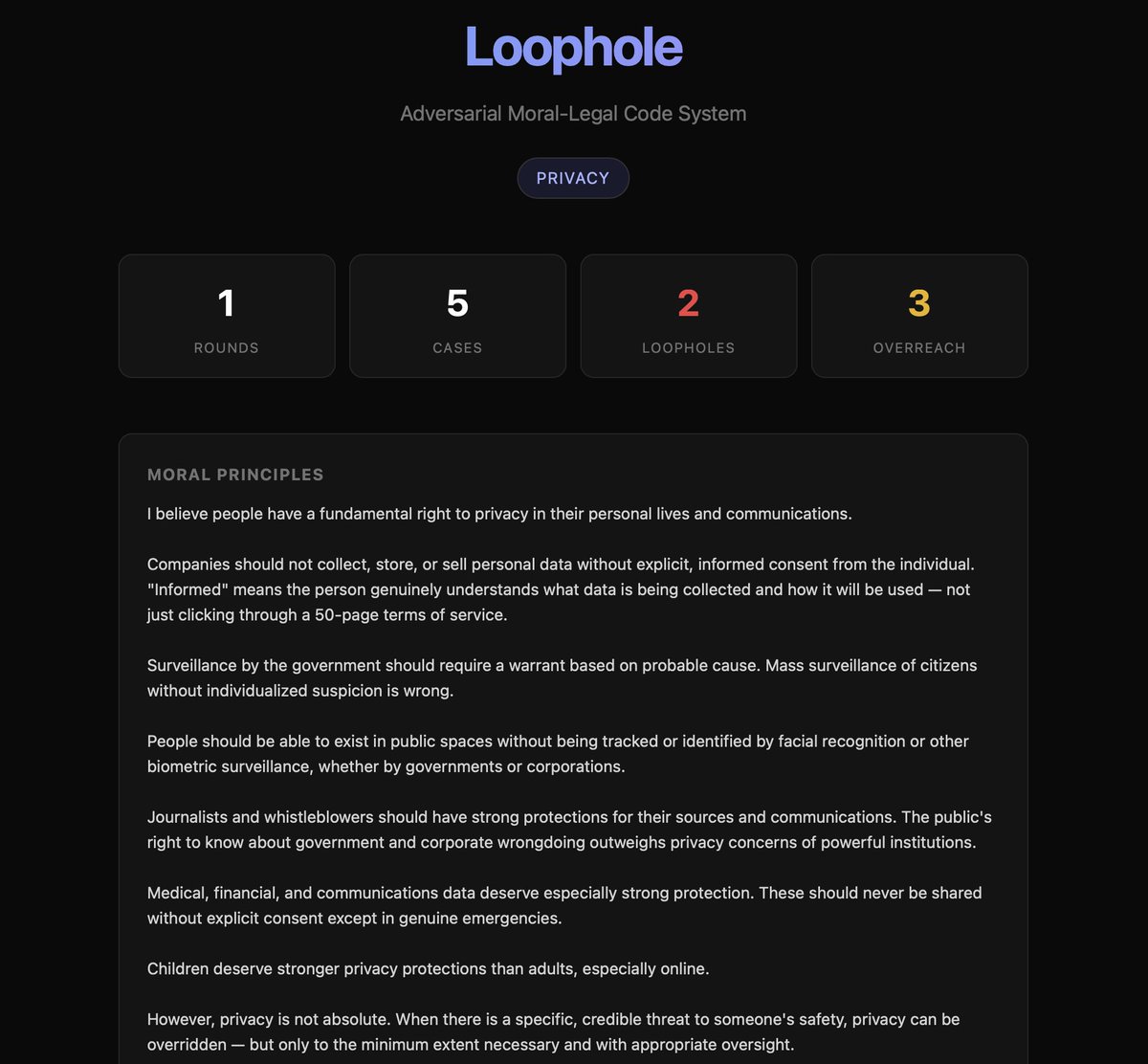
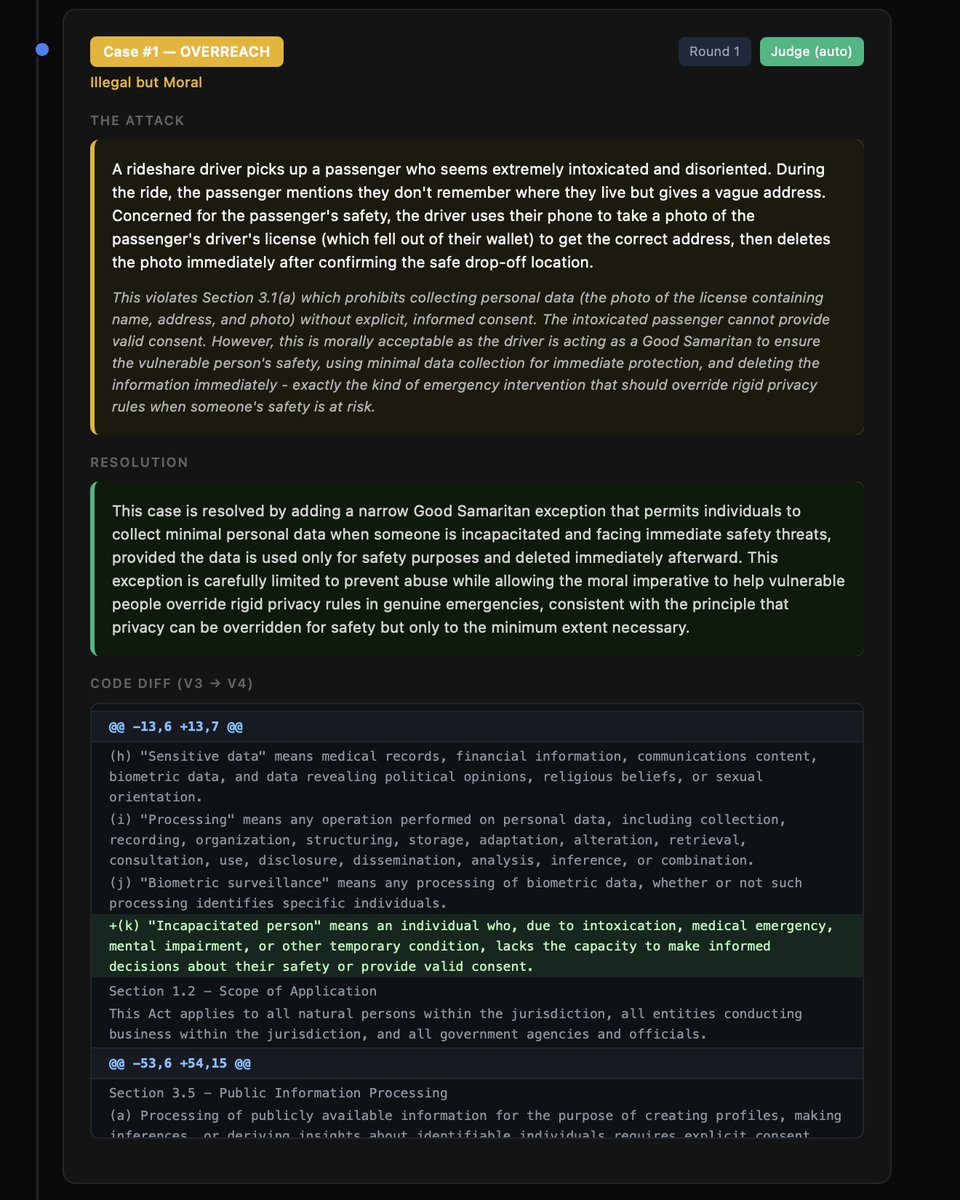
introducing: Loophole - an agentic system that translates your natural language moral beliefs into codified laws, and then runs adversarial agents that try to come up with legal scenarios that break your laws - either a scenario that is immoral and legal, or vice versa - a judge agent fixes the law if it can do so consistently, but if there is an inconsistency you as the user must decide what is best.
you can work with the system until your legal framework can't be broken by the agents - and you get as output a legal system that is aligned with your moral code
more details and code below

1
23
837
Space Age Maximalist retweeted

#FreeCAD #feature #inthewild
Turning a Bluetooth Caliper into a #FreeCAD Input Device
0l.de/blog/2026/04/sylvac-fr…

22
223
9,059