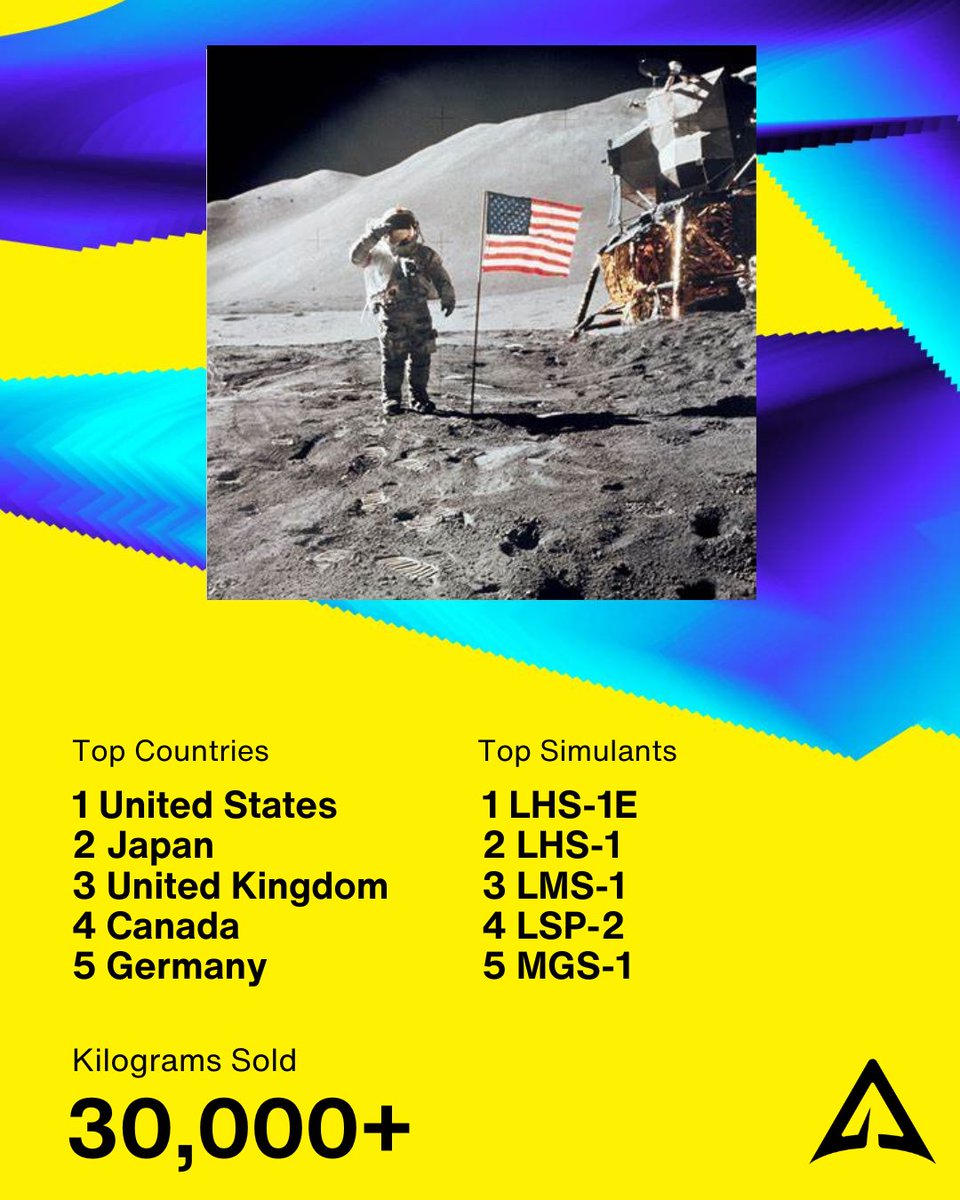
Global leader in fueling humanity’s expansion into space by developing and producing regolith simulants for the Moon, Mars, and Asteroids. Based at Exolith Lab.
Why do we create moon dust simulants? 🚀🌔 (thread)
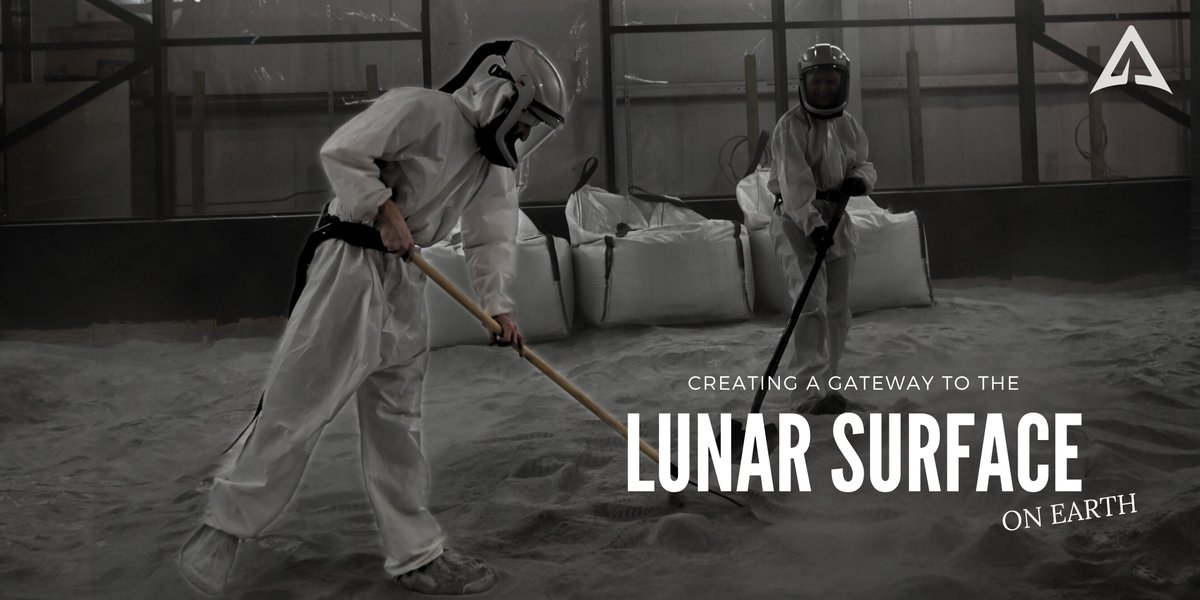
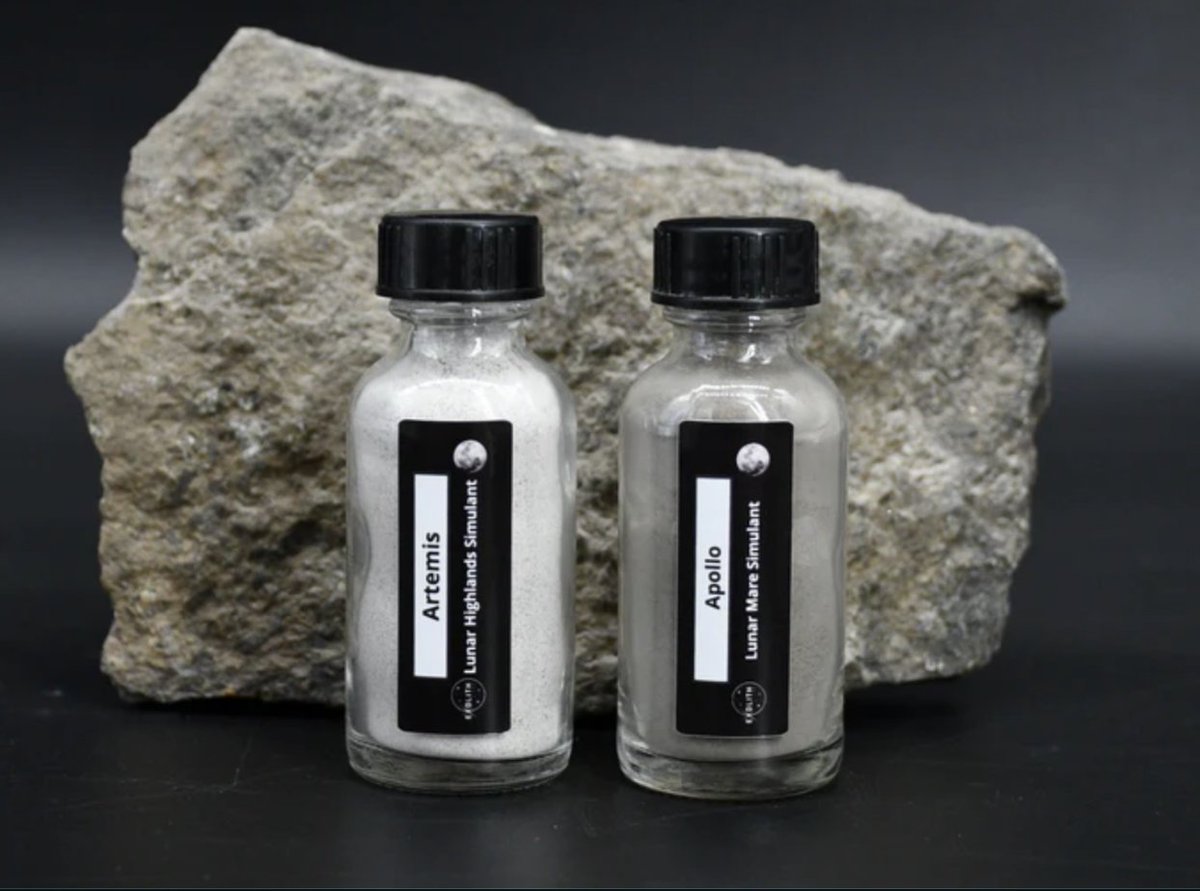
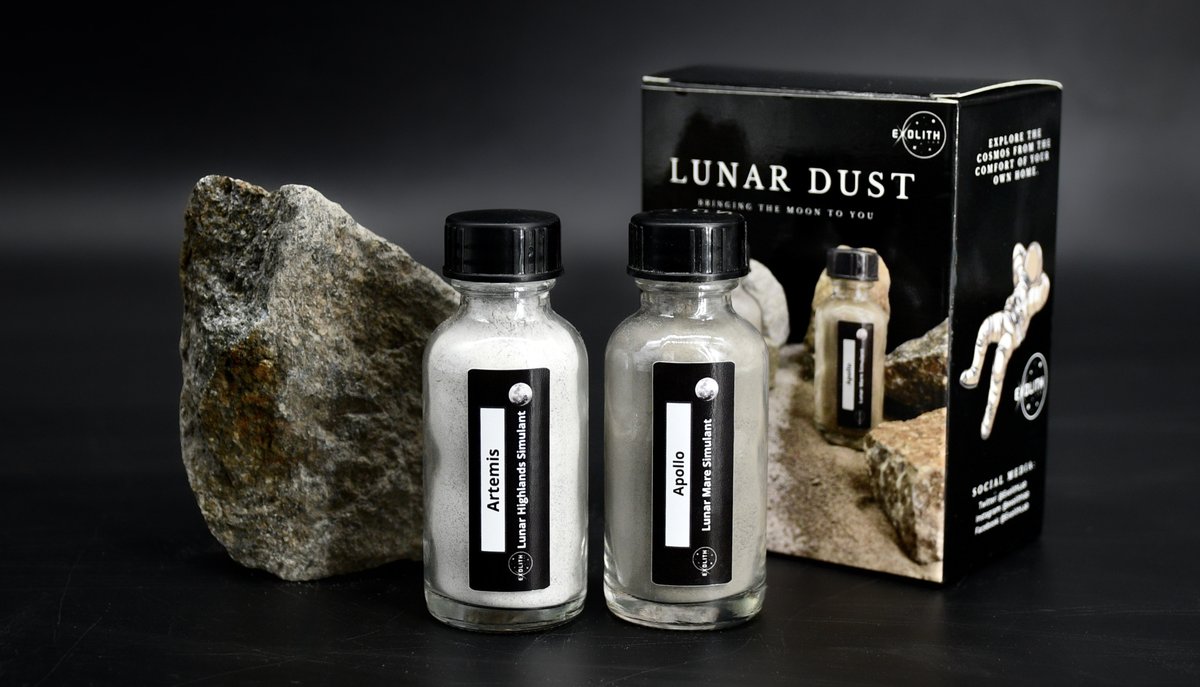
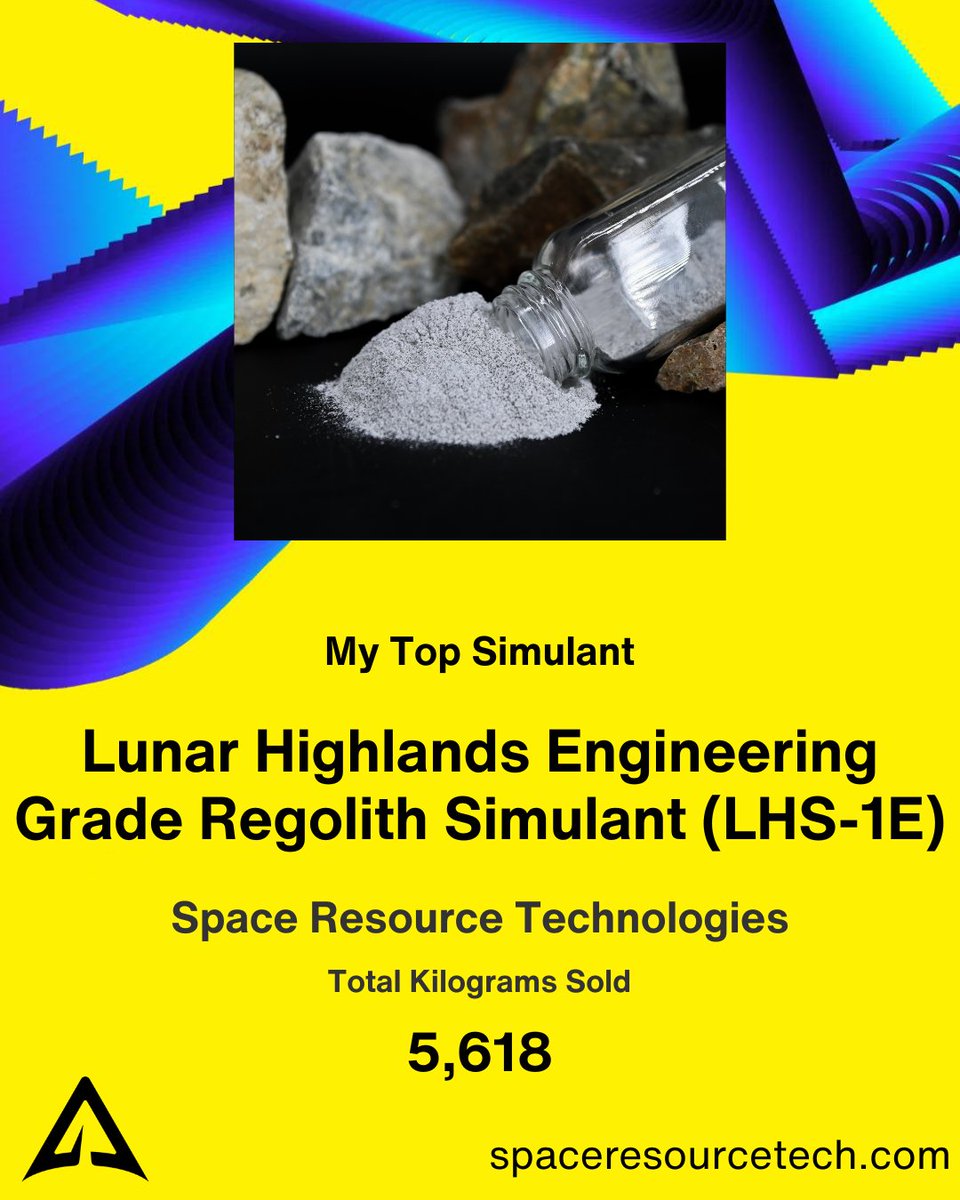
Here at Exolith, we produce Lunar Regolith Simulants AKA Moon Dust Simulants that replicate the physical, chemical, and mineral properties of Lunar Regolith.
Want to build on our work in your lab? Buy DMM directly, pre-mixed, from @SpaceResTech
DM us with your first experiment idea, we will send the first ten labs a free bottle! 💧 DMM @ SRT: spaceresourcetech.com/collec…
Thoughts? DM or email us at dmm@pioneer-labs.org
The debut of the Build the Moon Challenge is now!🌃
This @CompetitionSci student competition allows students to utilize accurate Lunar Regolith simulant to design their own Lunar habitat!
Applications for schools to participate are due Sunday, Dec. 15th: lnkd.in/gnzrWGwf
ALT Institute of Competition Sciences Build the Moon Challenge 2025. Applications for schools to participate are due December 15th.
Calling all future scientists and explorers! 🚀
Put your skills to the test in the Plant the Moon Challenge! Be a part of a global science challenge to see who can grow the best crops in lunar or Martian soil. 🌱
plantthemoon.com/getting-sta…
ALT Let's plant the moon for a stable future in space!
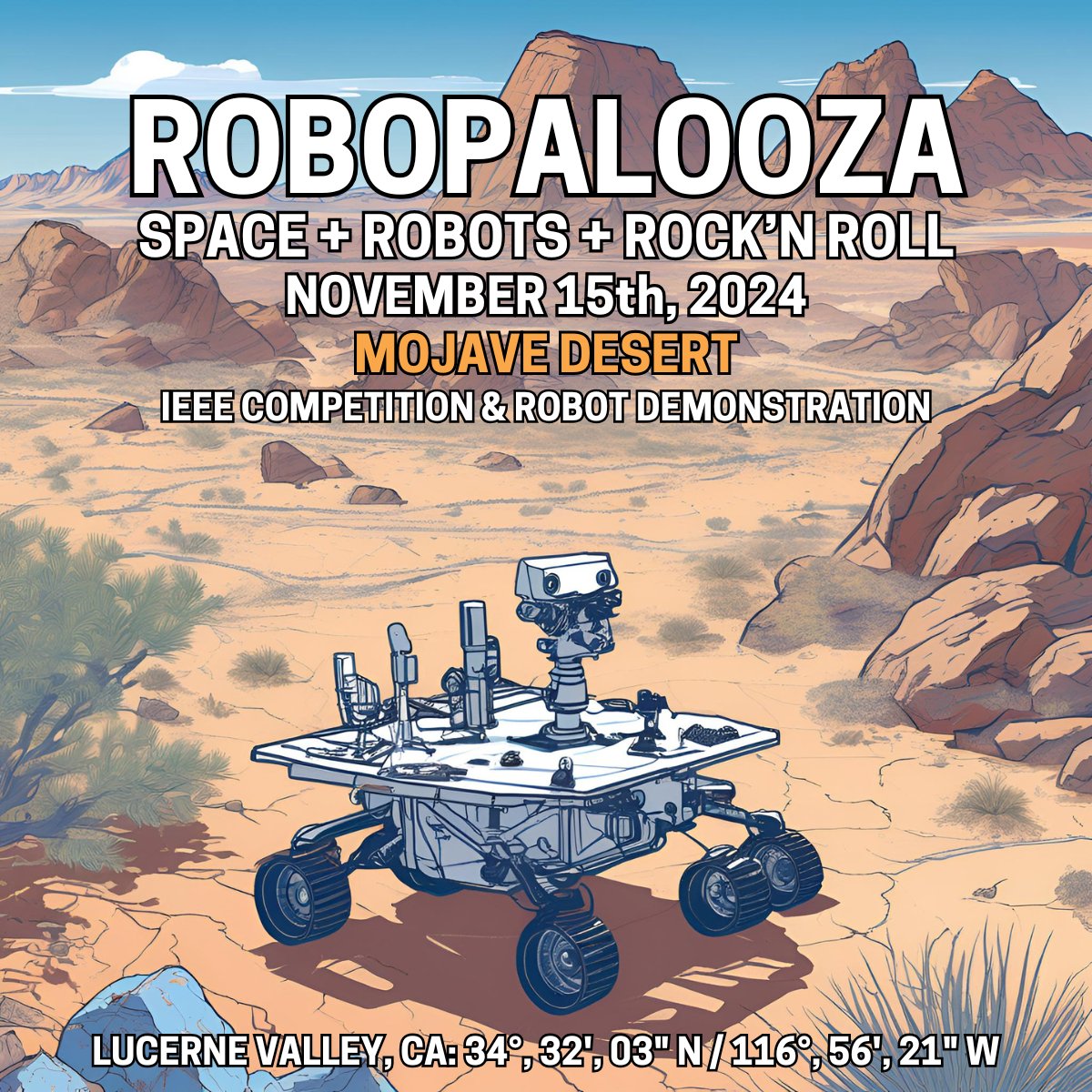
Get ready for the first-ever #RoboPalooza — a one-of-a-kind Space Robotics Festival! 🏜️
Featuring:
🏆 A thrilling rover competition with a $5,000 grand prize
🤖 Dazzling robotics demonstrations
🎸 Live Rock & Roll Music
Want more details? Visit: ROBOPALOOZA.space
Anyone want a glass of moon water? 👀
Chinese scientists have made an incredible discovery. The detection of molecular water within Lunar Regolith is crucial for future Lunar exploration and potential habitation. 🤩🌖🥤
#LunarRegolith#ChinaSpace#MoonExploration
Chinese scientists have identified a water-enriched mineral in a lunar sample retrieved by the Chang'e-5 probe in 2020. The research team states that this discovery marks the first direct detection of molecular water within the lunar regolith.#ChinaSpace
Thank you for celebrating #InternationalMoonDay with us, @UCF! 🌖💫
Check out this video sharing all about Space Resource Technologies and Exolith Lab, and our mission to further the future of space exploration with brilliant young minds!👩🚀
#SpaceU#SpaceExploration#MoonDay
Today is #InternationalMoonDay, and the 55th anniversary of the Apollo 11 moon landing 🌕
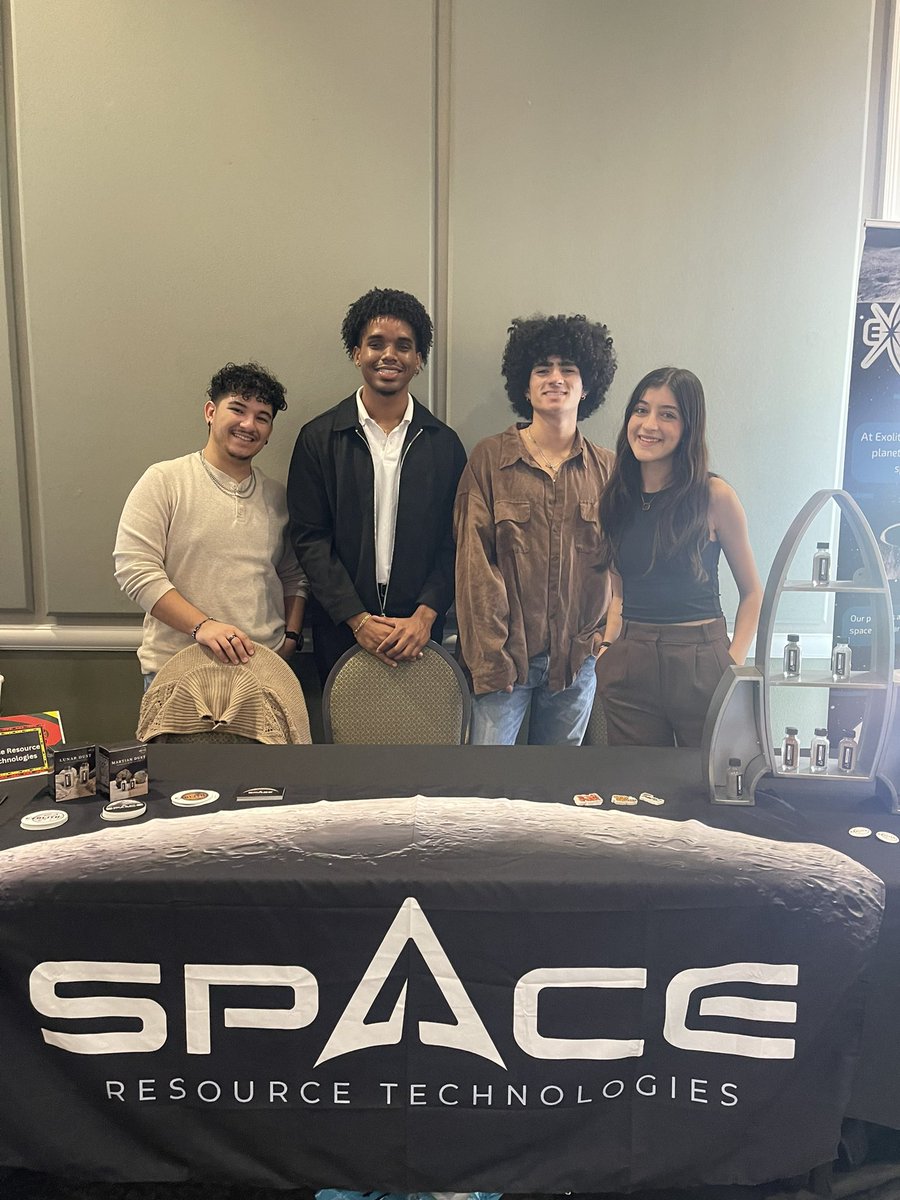
To celebrate, here's a look at UCF's Exolith Lab and @SpaceResTech, which create high-fidelity regolith simulants based on samples collected from this historic space event 🚀
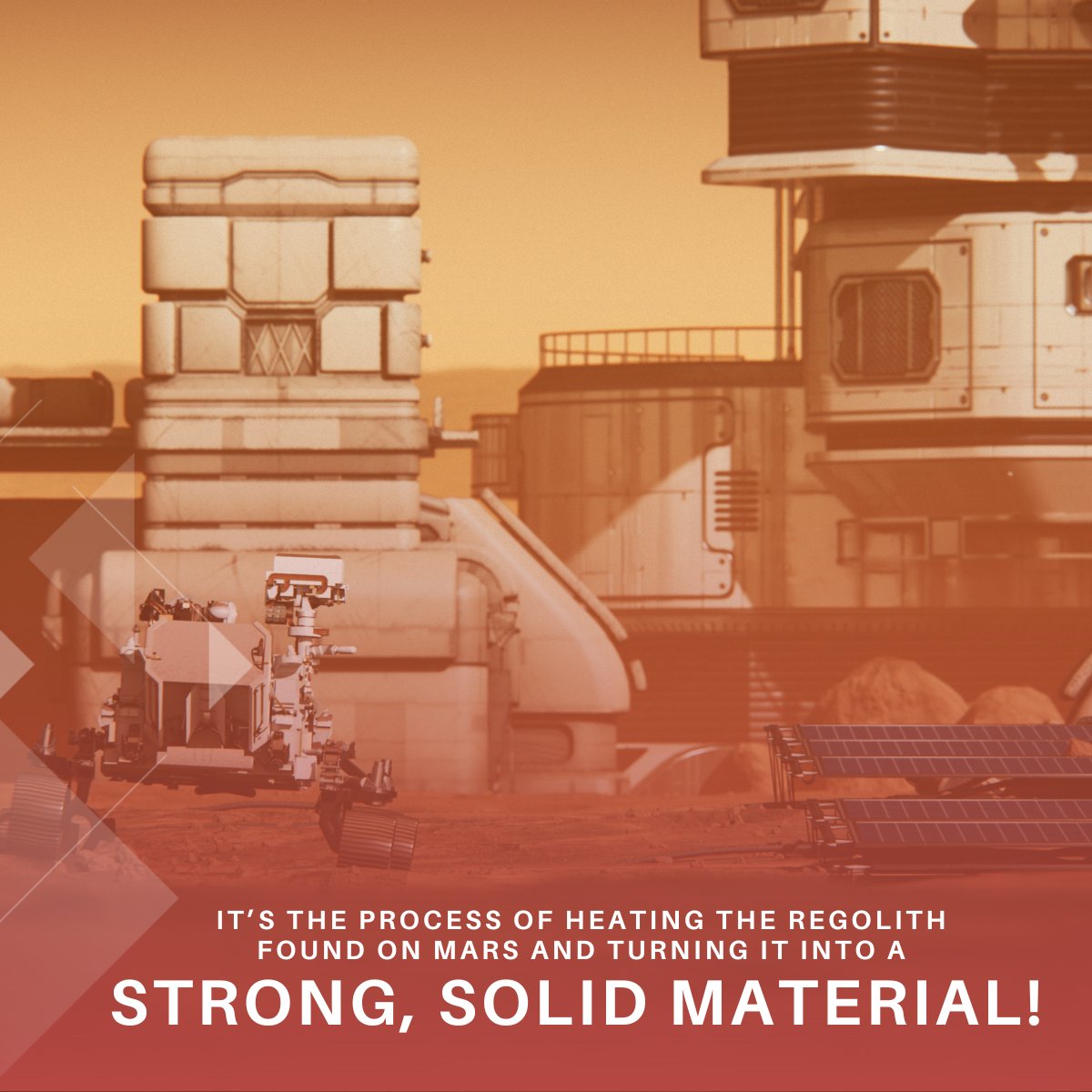
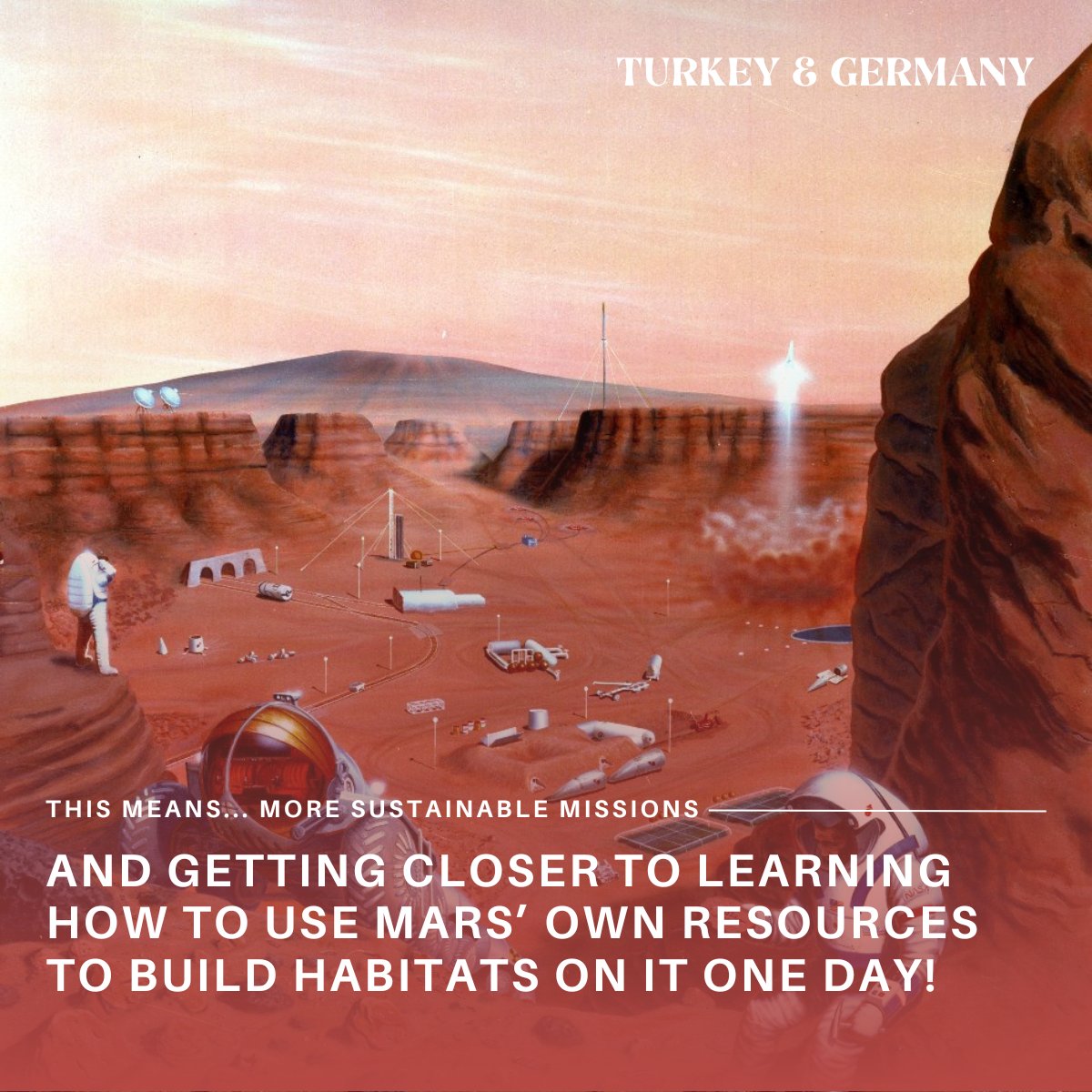
Wondering how we might build on Mars one day? 🤔
Check out how researchers in Turkey and Germany are experimenting with cold sintering and our Mars regolith simulant to answer that very question!🤩
#MarsExploration#SpaceExploration#ISRU#Simulant
We are super psyched to be partnering with you too @AstroLizsLab! We are excited for kids to be able to see what the moon feels like, and to be part of something that is inspiring future space explorers! 🌖🤩
#LunarRegolith#AstroLizsLab#Artemis
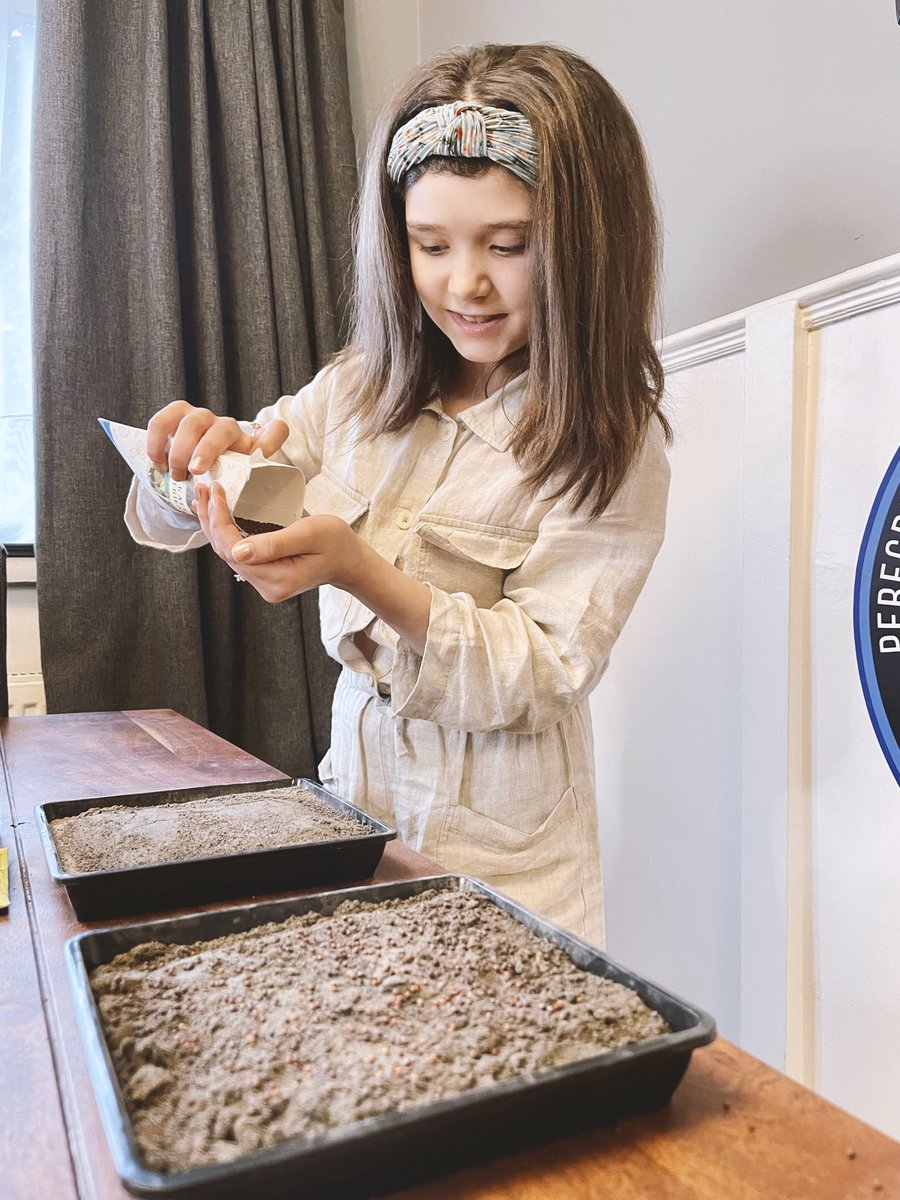
Super psyched to be partnering with @SpaceResTech this summer! Get your hands dirty with NASA grade lunar, Martian and asteroid regolith simulants! Start your own #moonfarm like mine or grab some #Artemis dust for your collection! 🚀🌑 20% off using code astroliz thru Sept!
Big news for the space industry! 🤩This groundbreaking achievement not only advances our understanding of the Moon but also paves the way for future deep-space missions. 👏
More About Space Resource Technologies Lunar Simulant: lnkd.in/eZ7SsnXC
Congratulations on another remarkable achievement in China's space exploration and humanity’s space endeavor!
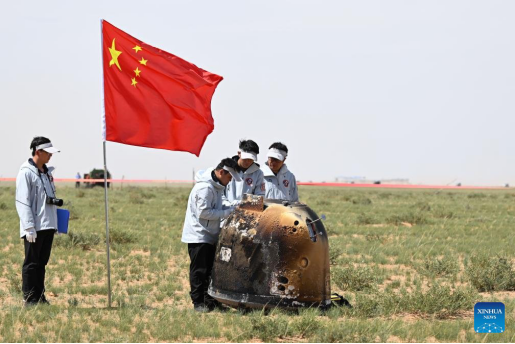
As the returner of the Chang'e-6 lunar probe touched down on Earth, the world's first samples collected from the moon's far side have been safely brought back.
Discovering the texture of moon dust is just the beginning! With each step, we're paving the way for the future of space exploration. The possibilities are limitless!🌖🤩
More About Space Resource Technologies Lunar, Martian, and Asteroid Simulants: lnkd.in/eZ7SsnXC
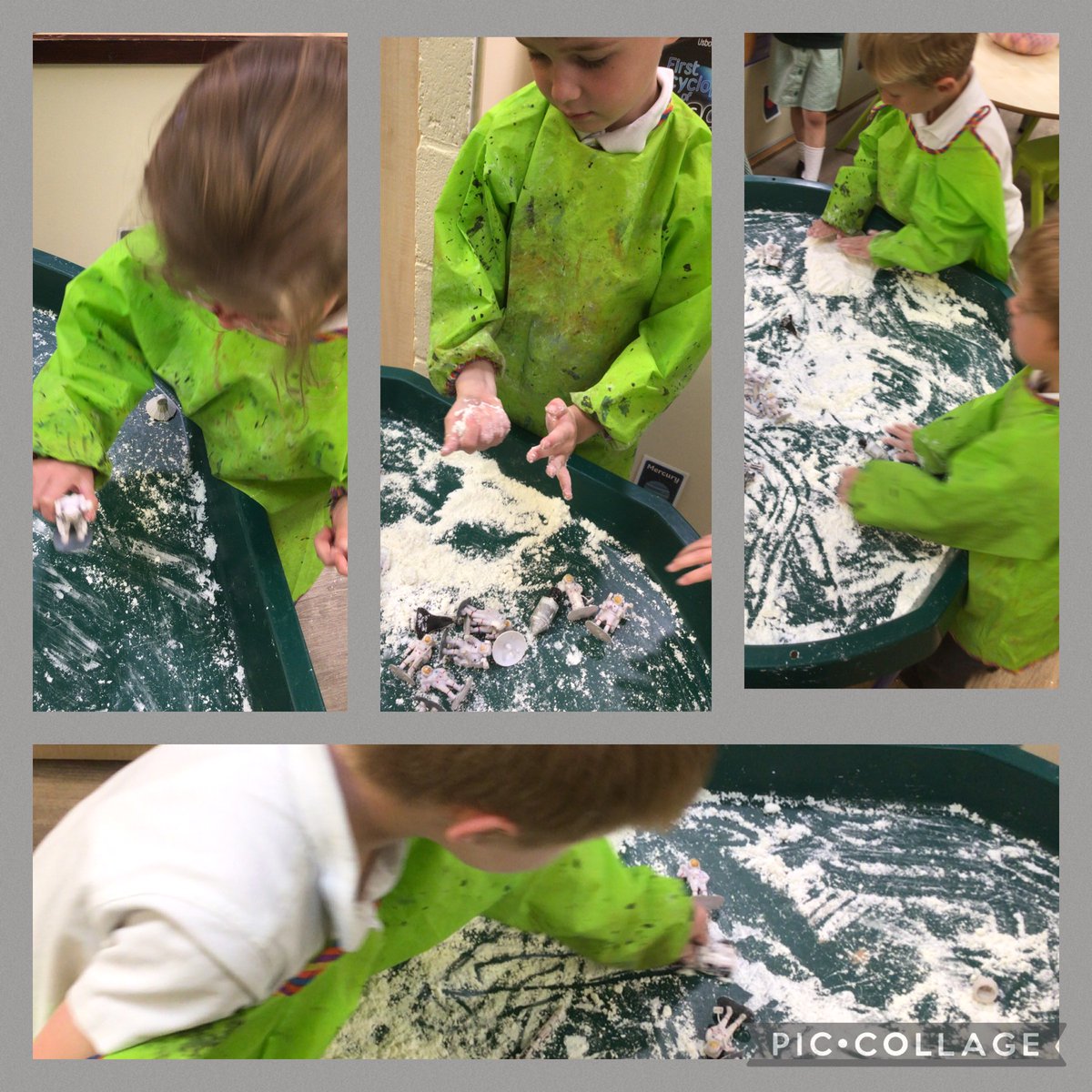
The surface of the moon is covered in lunar regolith which is like a dust. Today we have explored our own moon dust discussing the texture whilst printing and making marks in the dust. @DaneRoydSchool#daneroydscience
WOW Lunar Regolith as fuel??!🤯 Hope to see this in action someday!🌗🔥 #LunarRegolith#RocketFuel
More About Space Resource Technologies Lunar, Martian, and Asteroid Simulants: lnkd.in/eZ7SsnXC
Lunar dust 🌖 old satellites 🛰 = fuel? 🔥
Researchers from the University of Waterloo are studying how lunar regolith could be combined with aluminum from old spacecraft to create energy in space while clearing up space junk. space.com/mixing-moon-dust-s…
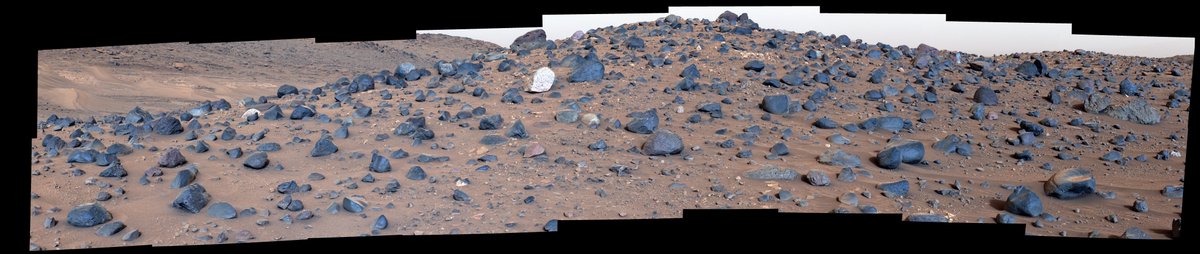
A route change on my way to Bright Angel has led me through an unexpectedly diverse geological playground, Neretva Vallis! This ancient river channel – which carried most of the water that flowed into Jezero Crater billions of years ago – is filled with intriguing boulders.
ALT This color image taken by Mastcam-Z on NASA's Perseverance Mars Rover shows a very noticeable light-toned boulder with dark speckles in a field of darker ones. Some on the science team speculate that the boulder's minerals were produced in a nearby subsurface magma sea that then bubbled to the surface where they cooled and solidified. Others consider the possibility that it could have been created far beyond the walls of Jezero and transported there by the swift Martian waters that flowed through this channel eons ago. Either way, the team believes this boulder is the first of its kind they’ve seen and won’t be the last as the rover travels further along the crater rim.
It is so interesting to see everything that goes into preparing a rover that is designed to explore the Lunar surface! 🤯✨ @Astrolab_Space#lunarrover#FLEX
More About Space Resource Technologies Lunar, Martian, and Asteroid Simulants: lnkd.in/eZ7SsnXC
There are no paved roads where we’re headed, so we’re making sure our rover is ready for a bumpy ride! FLEX has been undergoing tests everywhere from the Astrolab parking lot to the desert for years to look at suspension, sensors, and more.
That includes tests with and without humans on board. FLEX is designed to operate as an independent lunar explorer, in addition to its role transporting astronauts.