
117 Photos and videos









🦇🔊 StChristinΞ.ethᵍᵐ (3, 3) retweeted

19 Sep 2024
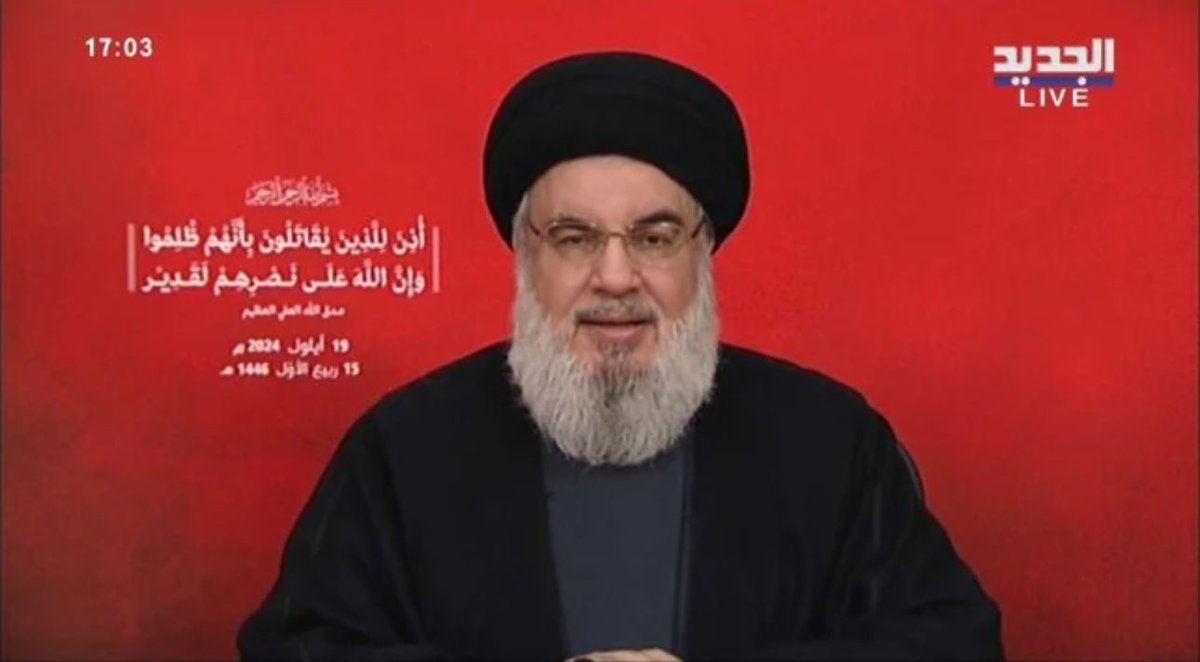
BREAKING: Hezbollah head Nasrallah said Israel crossed all the red lines and that this is a declaration of war.
If pagers are a declaration of war, what were the 8,000 lethal rockets you launched at Israeli civilians?
1,242
3,964
20,065
319,841
🦇🔊 StChristinΞ.ethᵍᵐ (3, 3) retweeted

19 Sep 2024
Hillary Clinton on Morning Joe: "I have no doubt the Harris/Walz campaign, like mine, will win the popular vote. But as we all know, that doesn't get you the election."
And on threat of Trumpism: "You may not be his favorite in a year... You think you're safe? Nobody is safe."
328
1,721
11,942
1,127,827
🦇🔊 StChristinΞ.ethᵍᵐ (3, 3) retweeted

19 Sep 2024
This is the Coliseum on Long Island, Benny. You wouldn’t know that because you live in California. It holds at max capacity 16,000 people, not your made-up figure of 20,000. The majority of New Yorkers despise #Trump.
Listen👇👇👇
#TrumpIsAGlobalLaughingStock
18 Sep 2024

New Yorkers hate Donald Trump the most because they know him best.
10
36
1,682
🦇🔊 StChristinΞ.ethᵍᵐ (3, 3) retweeted

19 Sep 2024
Cry harder.
#TrumpIsAGlobalLaughingStock
18 Sep 2024

Larry Kudlow is big mad about the Fed cutting rates before the election
1
3
11
796
🦇🔊 StChristinΞ.ethᵍᵐ (3, 3) retweeted

19 Sep 2024
I’ve been to Nassau Coliseum. Saw Billy Joel there years ago standing room only. Trump can’t fill it, folks walking out past empty seats. Trump will never win NY. They remember what a con man he is. #uspoli #TrumpRally #Trump2024 #TrumpIsAGlobalLaughingStock #TrumpIsUnfit #uspoli
19 Sep 2024

Trump’s airing of the grievances is getting beyond old. People are so tired of the whining loser that they are not even showing up so that they can leave early.
Meanwhile he’ll claim how HUGE this Long Island rally was.
1
5
11
1,104
🦇🔊 StChristinΞ.ethᵍᵐ (3, 3) retweeted

18 Sep 2024
“When you see Trump with Putin… he’s like the 12-year old boy that goes to high school and meets the captain of the football team. ‘My hero!’ It’s really creepy.”
- Malcolm Turnbull, 29th Prime Minister of Australia.
#TrumpIsAGlobalLaughingStock
161
2,169
4,784
129,719
🦇🔊 StChristinΞ.ethᵍᵐ (3, 3) retweeted

17 Sep 2024
On 10/7, hundreds of our girls and women were lying in the street with their pants covered in blood. Today, hundreds of men are lying in the streets of Beirut with their own pants covered in blood.
Don't fuck with the Jews.
468
2,632
20,333
280,033
🦇🔊 StChristinΞ.ethᵍᵐ (3, 3) retweeted

19 Sep 2024
WATCH 🚨
Israeli jets flying at low altitude over Beirut as Hezbollah leader Hassan Nasrallah is delivering his speech.
36
221
1,912
98,992
🦇🔊 StChristinΞ.ethᵍᵐ (3, 3) retweeted

18 Sep 2024
“In 1984, Hezbollah kidnapped William Francis Buckley, the CIA station chief in Beirut. For 15 months, they tortured him, before handing him over to a Palestinian group for execution. A tape of his shattered body and mind found its way to Washington.
The CIA has never forgotten that. Other intelligence agencies around the world that work against Hezbollah and against Iran have not either. As professionals, they approve of daring and well-executed attacks against that organization, and the resulting goodwill is not to be despised either.”
theatlantic.com/internationa…
372
2,889
15,886
1,169,847
🦇🔊 StChristinΞ.ethᵍᵐ (3, 3) retweeted

19 Sep 2024
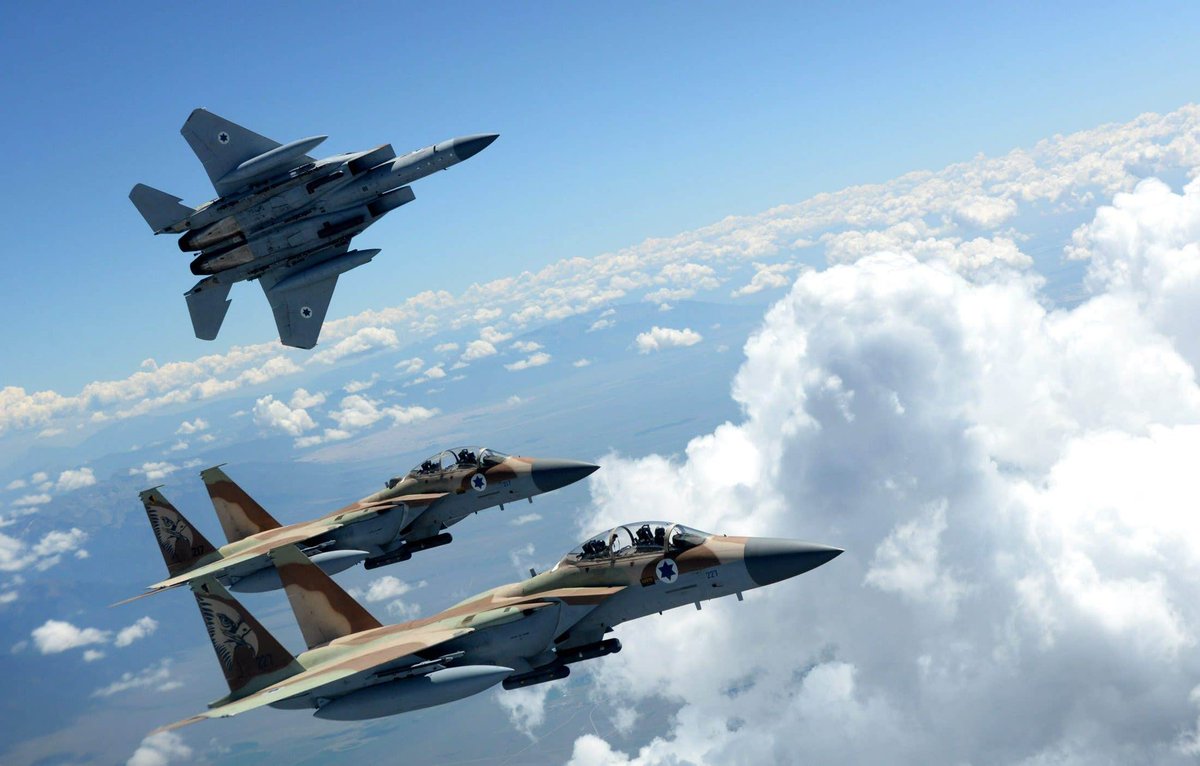
BREAKING:
Israel is sending a message by having its fighter jets flying low passes over Beirut during Hezbollah leader Hassan Nasrallah’s speech.
🇮🇱🇱🇧
208
1,277
13,763
463,132
🦇🔊 StChristinΞ.ethᵍᵐ (3, 3) retweeted

17 Sep 2024
⚡️US believes Zelensky's peace strategy 'can work,' official says.
"We have seen President Zelensky's peace plan. We think it lays out a strategy and a plan that can work," U.S. Ambassador to the U.N. Linda Thomas-Greenfield said on Sept. 17.
kyivindependent.com/us-belie…
26
137
609
61,448
🦇🔊 StChristinΞ.ethᵍᵐ (3, 3) retweeted

18 Sep 2024
Kyiv will hope this Toropets strike proves to the West that strikes deep in Russia allow Ukraine to defend itself without provoking an escalation.
With @sallynugent on @BBCNews:
71
431
2,517
68,318
🦇🔊 StChristinΞ.ethᵍᵐ (3, 3) retweeted
18 Sep 2024
⚡️ All points of Ukraine's victory plan that Kyiv aims to present to Washington have been worked out, President Volodymyr Zelensky said in his evening address on Sept. 18.
kyivindependent.com/ukraine-…
30
128
701
60,729

‼️In yet another horrific atrocity by Russians, guided bombs have targeted a nursing home in Sumy in which 221 elderly live.
Surviving residents have been moved to the surrounding area to be evacuated.
Rescue efforts ongoing.
Video: Suspilne
5
53
107
12,616
🦇🔊 StChristinΞ.ethᵍᵐ (3, 3) retweeted

19 Sep 2024
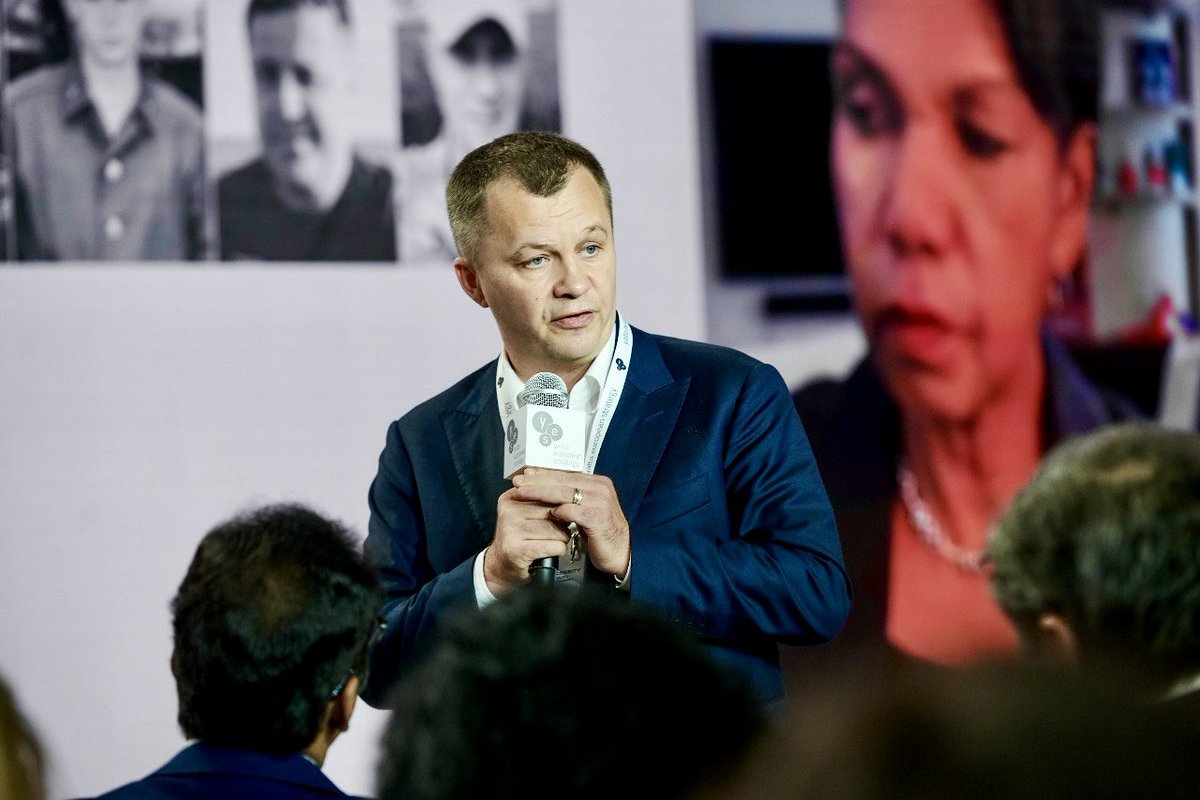
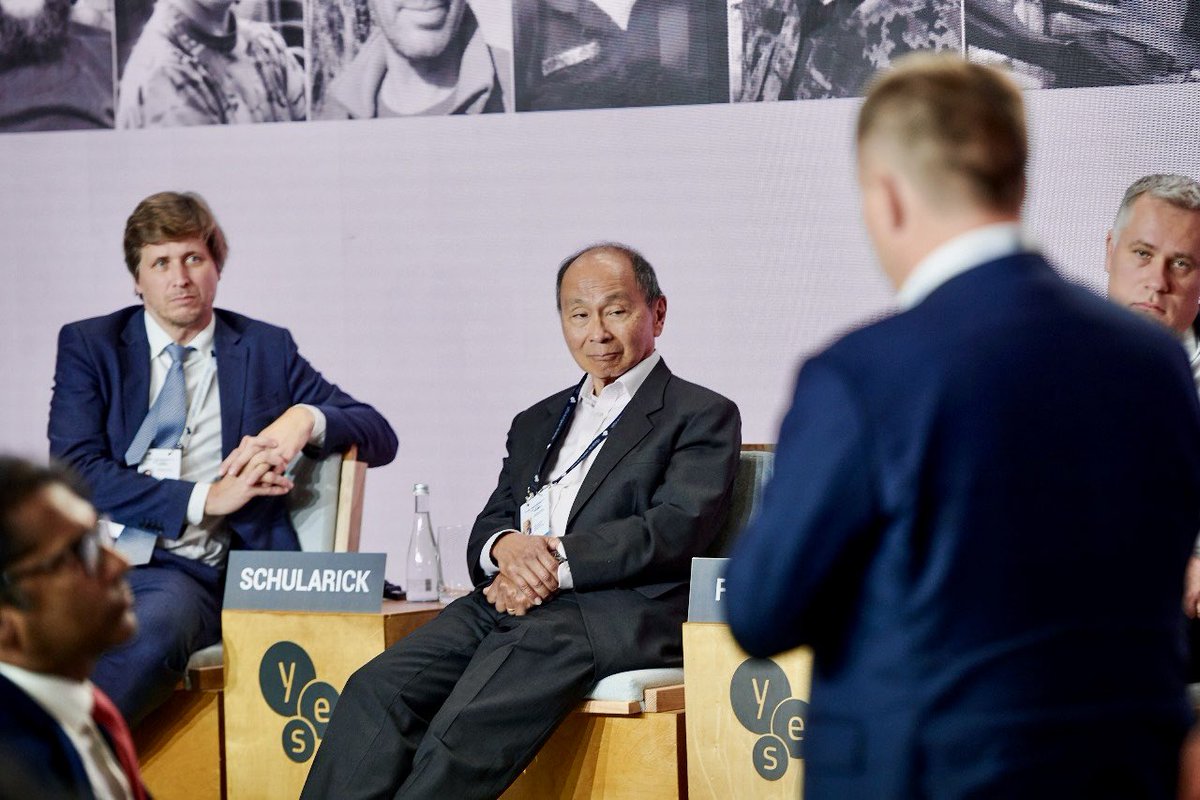
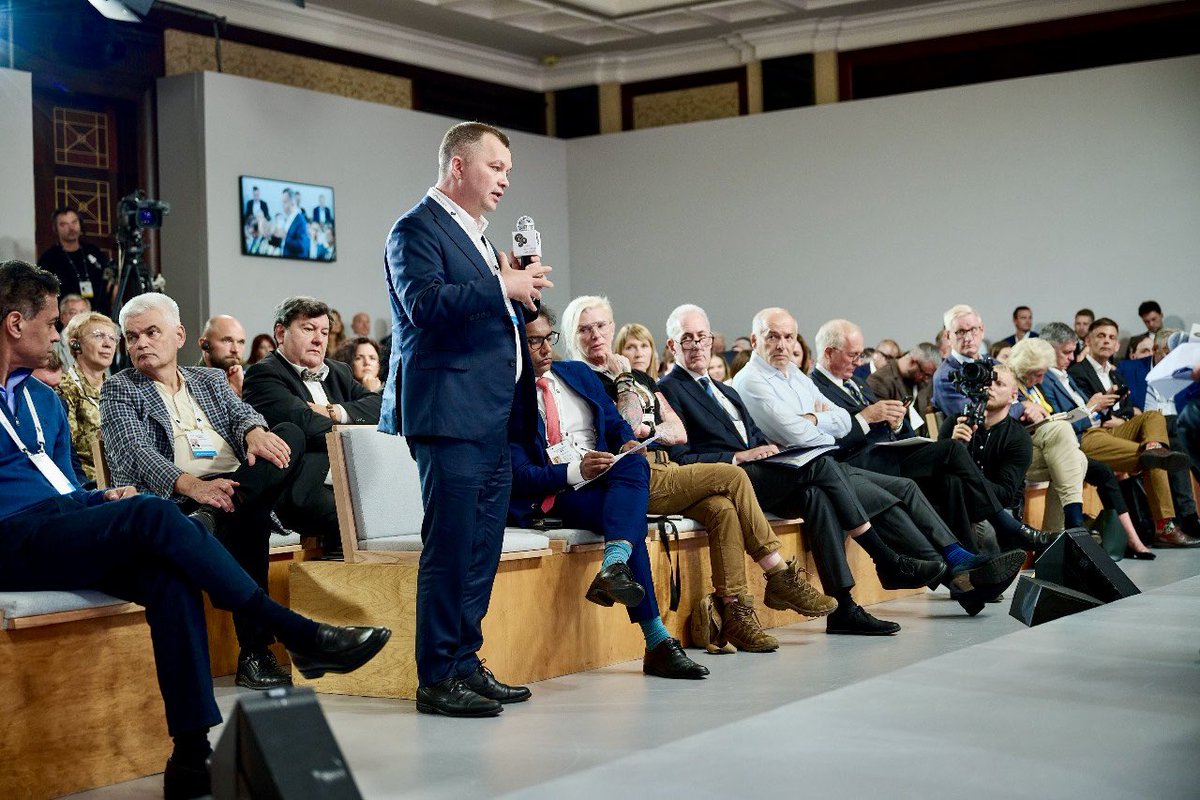
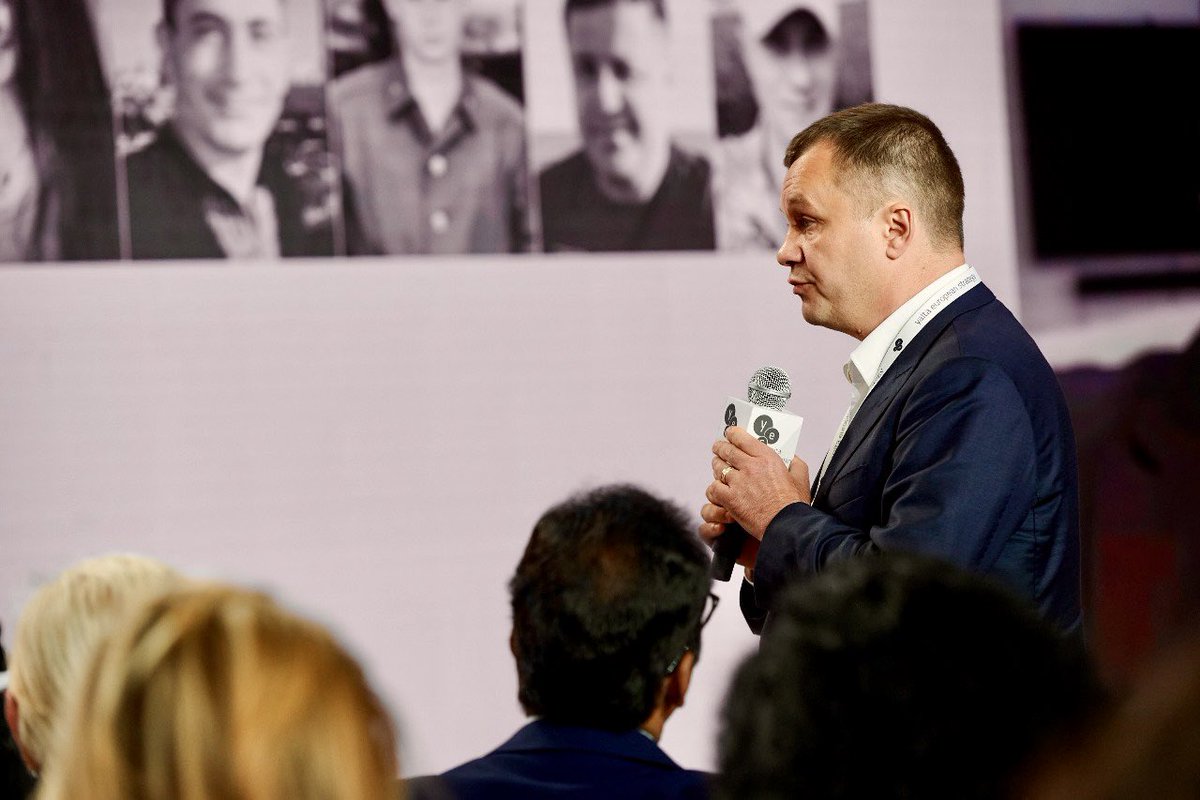
I spoke at YES in Kyiv and said that the free world must get its act together and stop Russia to restore security in Europe. This is what I said:
We're seeing a troubling normalization with Russia, a slide back to business as usual. Meanwhile, support to Ukraine is delayed and limited—always a bit too late, a bit too little. In the West, we're shackled by fear of escalation, bound by imaginary red lines drawn by Putin. But there's only one red line that should matter: Ukraine's border. Russia's nuclear blackmail must end. We must tell Putin, as John Bolton said, that using a nuclear weapon will sign his death sentence—this message must be loud and clear, both privately and publicly. If we don't, any nuclear-armed nation could dictate terms. Imagine that world. As Anne Applebaum told me, Putin is a survivor terrified of risks—just look at his extreme COVID precautions. So let's get real, stop fearing, stop denying, and do what's needed: protect Ukraine, stop Putin, and restore security in Europe.
People are tired, jaded; for many, the war feels abstract, distant from daily life. Why should they care? Why should an Uber driver in Pittsburgh, an immigrant scraping by, care about Ukraine? Because the war costs us all. In just the first year, the 2022 energy shock from the war cost the world 2% of global GDP—trillions of dollars, far more than aid to Ukraine. If we'd acted stronger, we might have avoided these losses. And it's not just about GDP.
Had Russia been checked, Europe's energy crisis might not have happened. The global food crisis—worsened by Russia's Black Sea blockade—could have been eased. This blockade disrupted food supplies, halted investment in agriculture, and deepened hunger.
But costs go beyond economics. There's a surge in killer AI technology used in warfare. Remember the "Three Laws of Robotics"? Just a comforting fantasy. Now, robots kill without human oversight, and Russia has escalated this tech race. Imagine future terrorism—Hezbollah's exploding pagers will seem quaint next to autonomous weapons in extremist hands. This is the world we're facing because we're not acting decisively.
The optimistic view? The world finally gets serious—stops the aggression, constrains Russia, and crafts a fair, sustainable peace deal. This would send a message to future aggressors: such actions won't be tolerated. But the problem is bigger than Ukraine's war. It's Russia's inherent aggression which is the EU problem. This aggression won't vanish with a peace deal. Russia's aggression is like cancer—it might be contained but remains a threat. Even if we push it into remission, we must watch vigilantly to prevent its return.
This demands collective effort—we must unite, fund, support, and decisively stop Russia. By doing so, we bring Ukraine and the world to a just peace. It will teach the world that merely delaying or managing conflict doesn't work. Justice works. Principles work.
4
71
193
6,571
🦇🔊 StChristinΞ.ethᵍᵐ (3, 3) retweeted
18 Sep 2024
⚡️ Romania urges 'robust' NATO response to airspace violations by Russia.
Romania called on Sept. 18 for a "robust and coordinated" response by NATO to Russian drones violating allied airspace during attacks against Ukraine.
kyivindependent.com/romania-…
104
824
3,512
112,464
🦇🔊 StChristinΞ.ethᵍᵐ (3, 3) retweeted
19 Sep 2024
⚡️Germany delivers over 20 Leopard 1 tanks, Gepard anti-aircraft guns, other aid to Ukraine.
kyivindependent.com/germany-…
29
300
2,226
69,453
🦇🔊 StChristinΞ.ethᵍᵐ (3, 3) retweeted
18 Sep 2024
⚡️ Ukraine's French Mirage jets will be able to hit ground targets, media reports.
French President Emmanuel Macron announced on June 6 that an unspecified number would be transferred to Ukraine, but did not provide a timeline.
kyivindependent.com/ukraines…
20
212
1,422
69,778
🦇🔊 StChristinΞ.ethᵍᵐ (3, 3) retweeted

19 Sep 2024
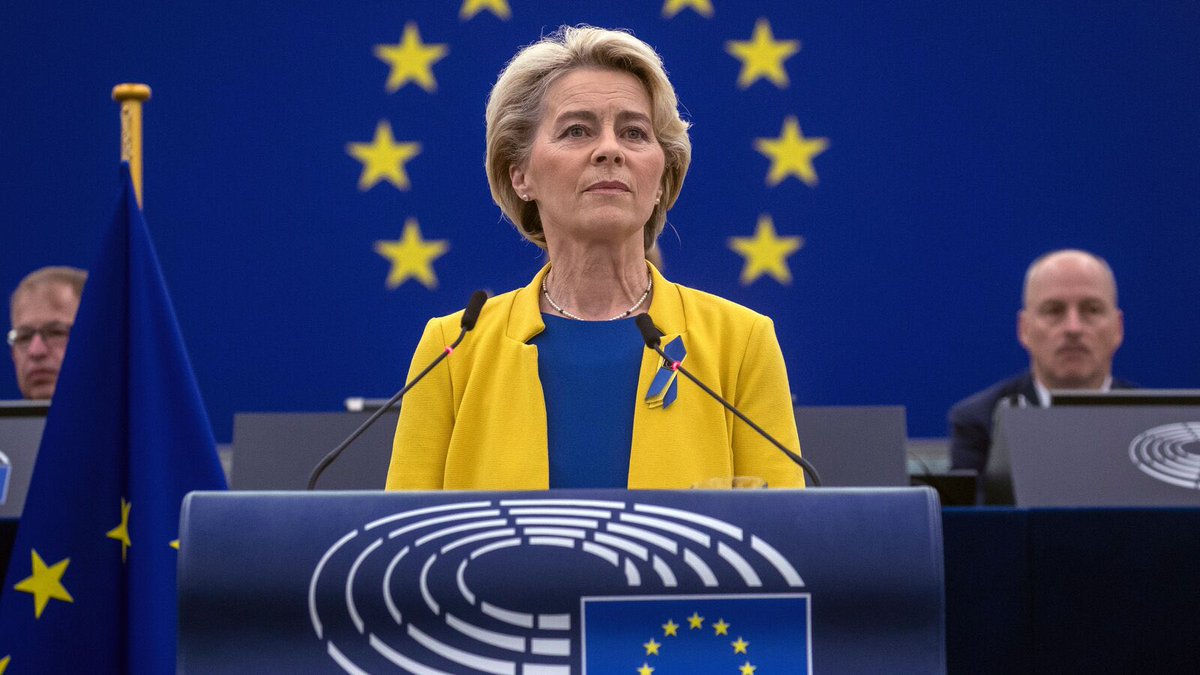
🇪🇺🇺🇦 Ursula von der Leyen will announce a €160 million aid package for energy infrastructure of Ukraine at the meeting with Zelensky tomorrow in Kyiv, €100 million comes from frozen Russian assets.
5
51
303
15,966