
7,641 Photos and videos
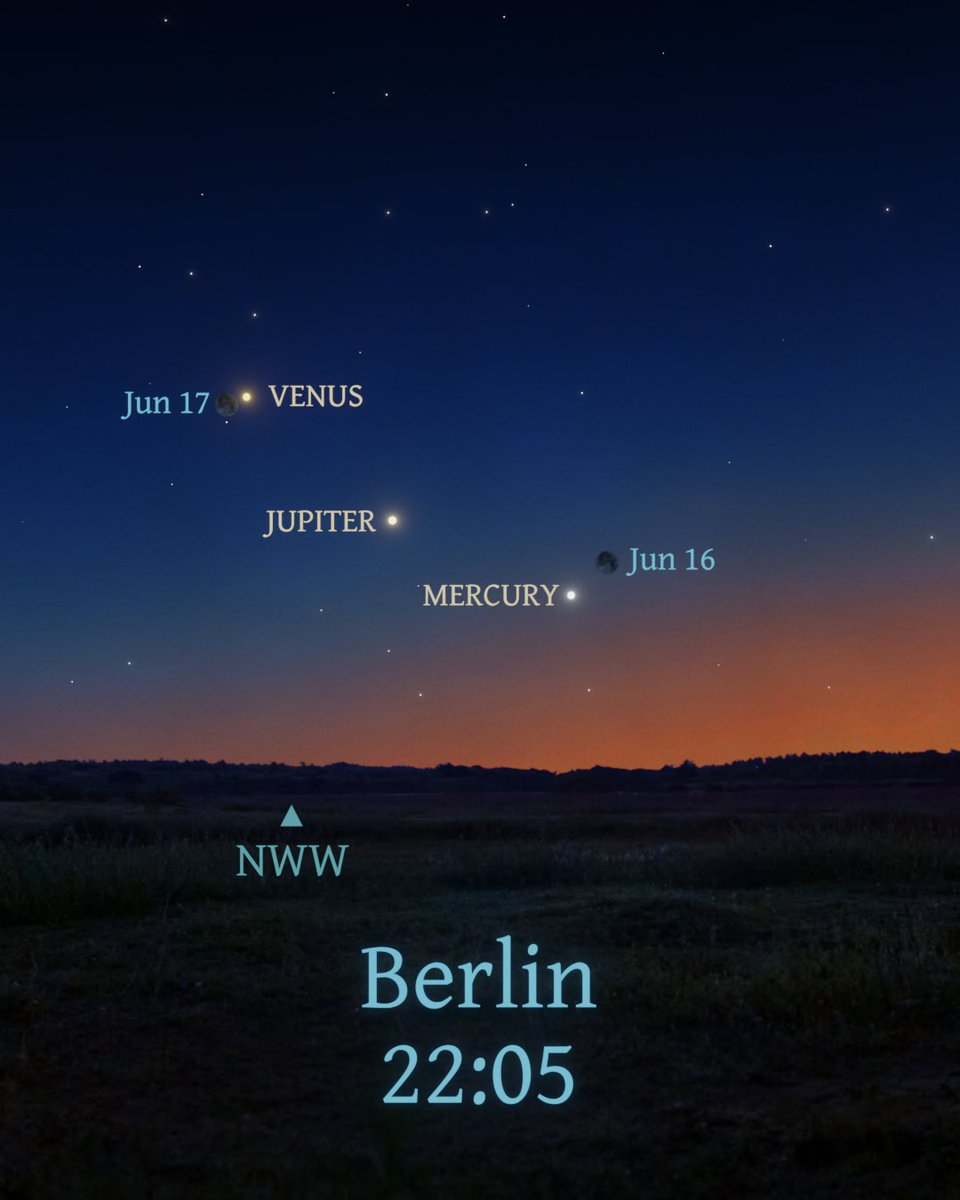
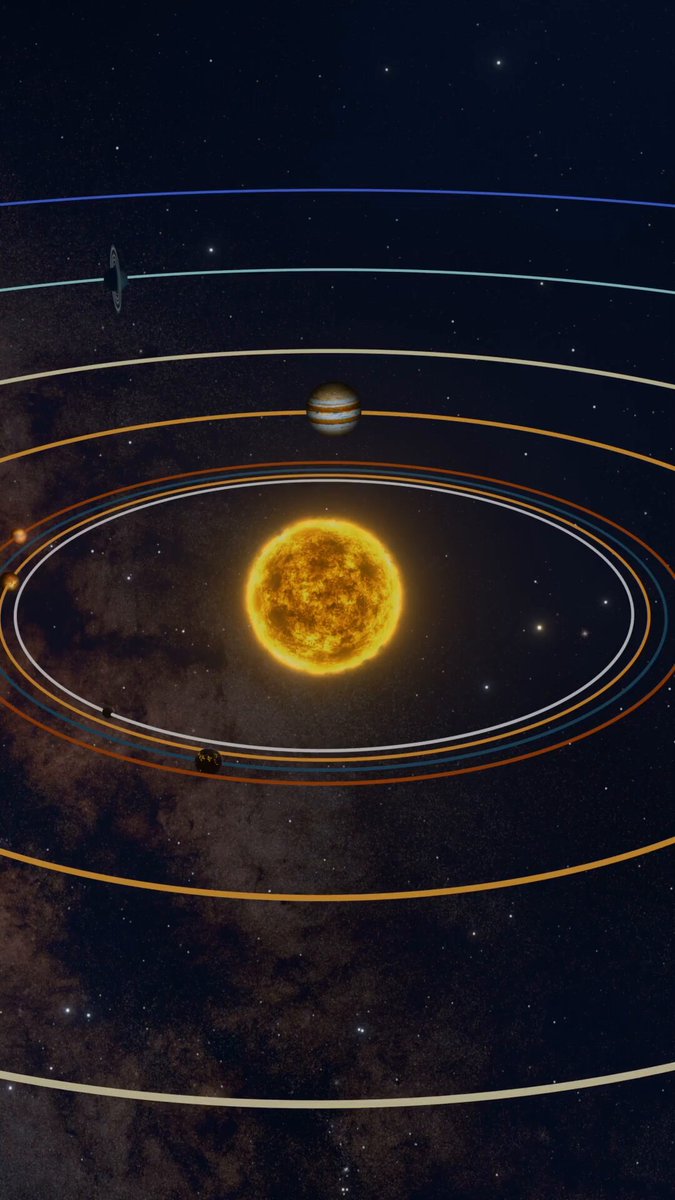

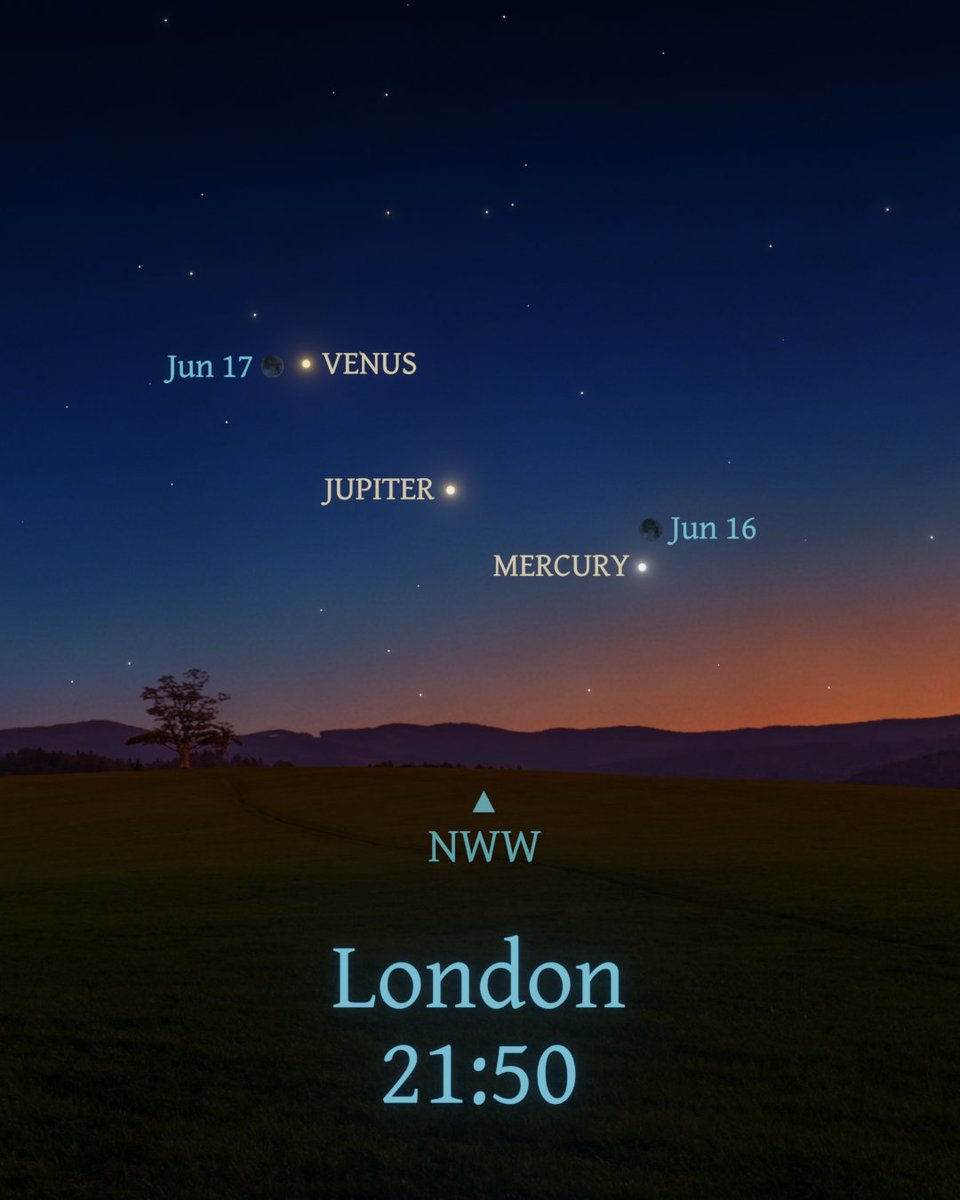
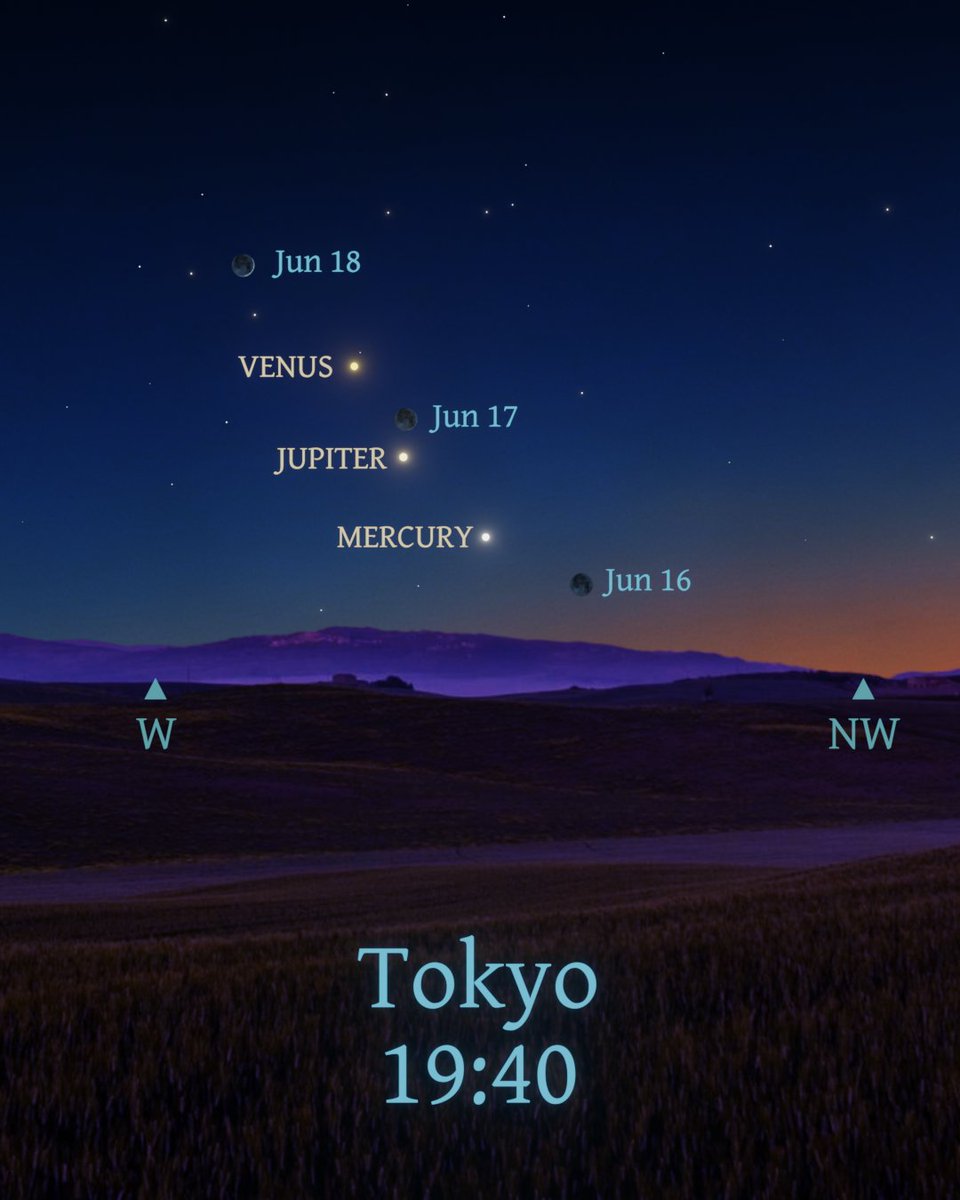
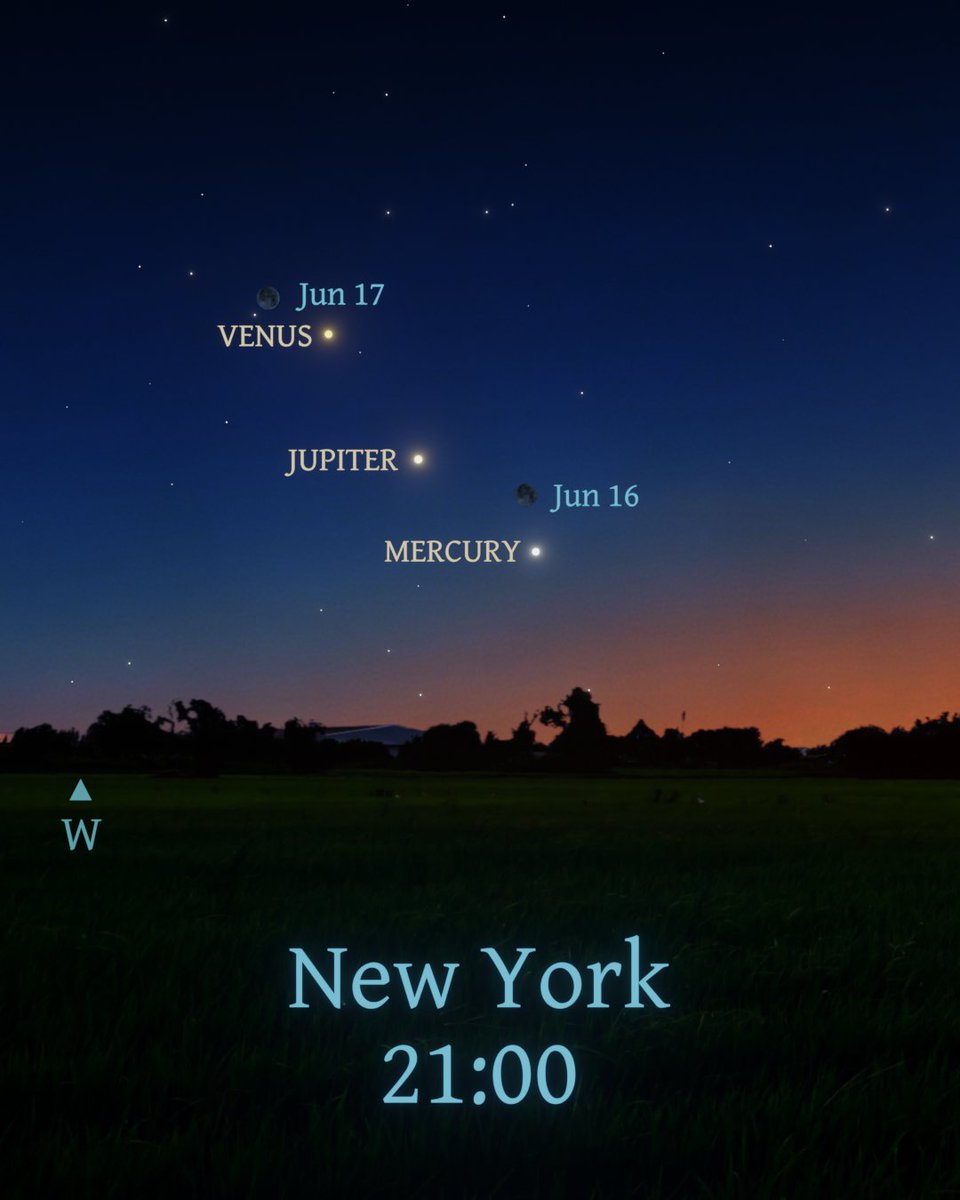
June 16–17 brings a lovely evening lineup 🌙✨
A thin waxing crescent Moon will appear near Mercury, Jupiter, and Venus low above the western horizon after sunset. On June 16, the Moon passes closest to Mercury. Early on June 17, it moves near Jupiter, and later that day, it makes an even closer approach to Venus.
Look soon after sunset — everything will be low in the twilight sky. To find the best viewing time for your location, use Star Walk 2 📲
Learn more: starwalk.space/news/moon-in-…
#Moon #Venus #Jupiter #Astronomy #StarWalk
1
20
51
1,259
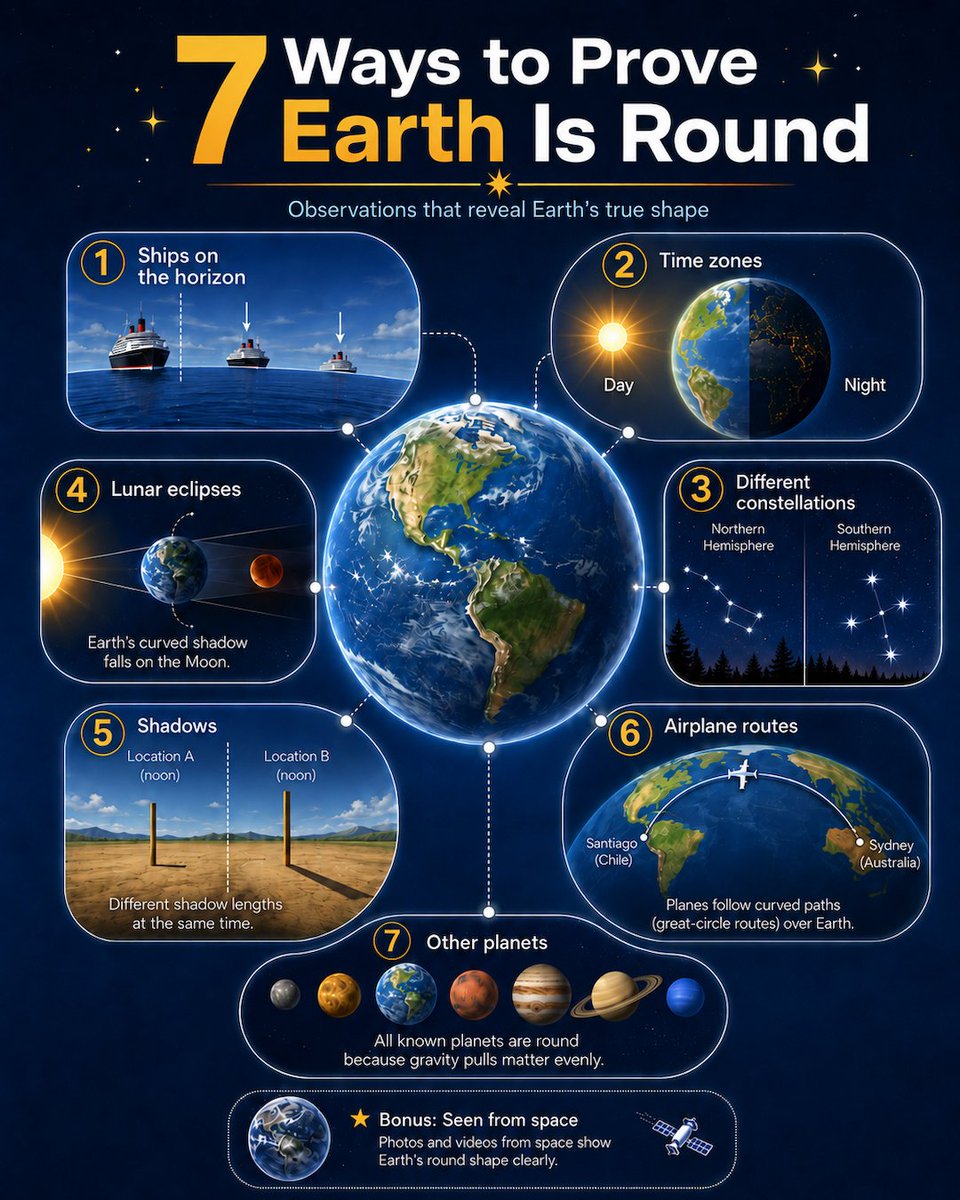
🌍 Is Earth really round? You don’t need to go to space to prove it.
We live in a world where satellites are launched almost daily — and yet some people still question whether Earth is round. 🤯
So instead of arguing, let’s observe.
Ships disappearing below the horizon, time zones, different constellations, lunar eclipses, shadow lengths, airplane routes, and other planets all point to the same conclusion: Earth is not flat.
The best part? Many of these proofs don’t require special equipment — just curiosity and a willingness to look closely.
Here are 7 observations that reveal Earth’s true shape 👇
starwalk.space/news/7-ways-t…
2
30
129
3,241
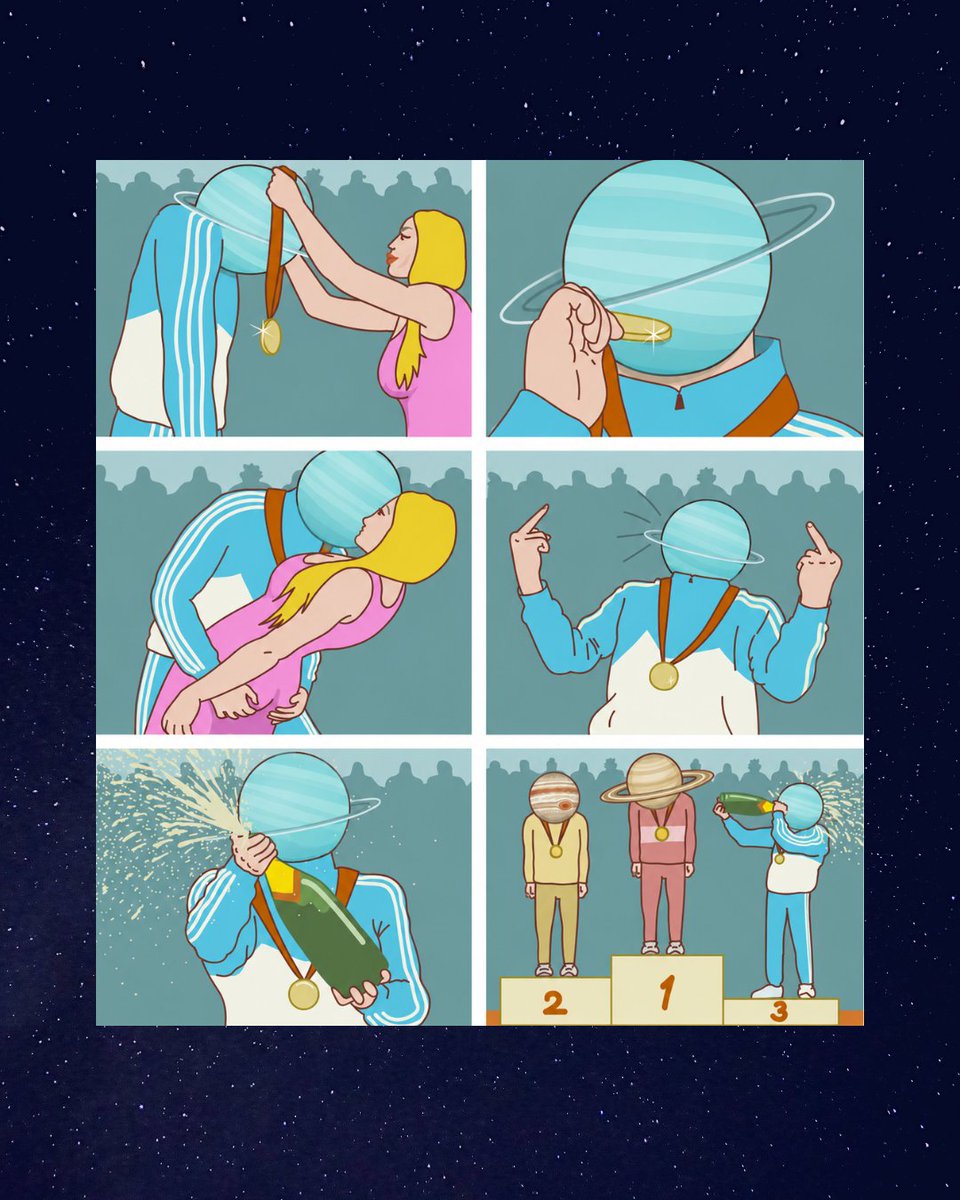
Moon count in the Solar System is basically a two-planet race. 🌙🏁
Saturn and Jupiter keep fighting for the title of “planet with the most moons,” and every time scientists find new tiny moons, the leaderboard changes again.
But have you ever looked at the gap between 2nd and 3rd place?
It's HUGE.
Here’s the ranking:
🥇 Saturn — 292 moons
🥈 Jupiter — 115 moons
🥉 Uranus — 29 moons
4. Neptune — 16 moons
5. Mars — 2 moons
6. Earth — 1 moon
7. Venus — 0 moons
8. Mercury — 0 moons
Uranus is technically on the podium…
but it’s standing very, very far away from Jupiter and Saturn.
Why?
⚖️ First, Uranus is much less massive than Jupiter and Saturn, so its gravitational “territory” is smaller. It simply can’t hold on to as many tiny captured objects flying around the outer Solar System.
🥌 Second, Uranus seems to have had a very dramatic past. The planet is famously tilted almost sideways, and one popular idea is that something huge hit it long ago. A collision like that could have reshaped its whole moon system — destroying, ejecting, or rearranging moons.
🔎 And third, Uranus is just hard to study. It’s very far away, its smaller moons are extremely faint, and we’ve only had one spacecraft fly past it: Voyager 2, back in 1986. So there may still be more tiny moons waiting to be found.
2
6
34
1,744
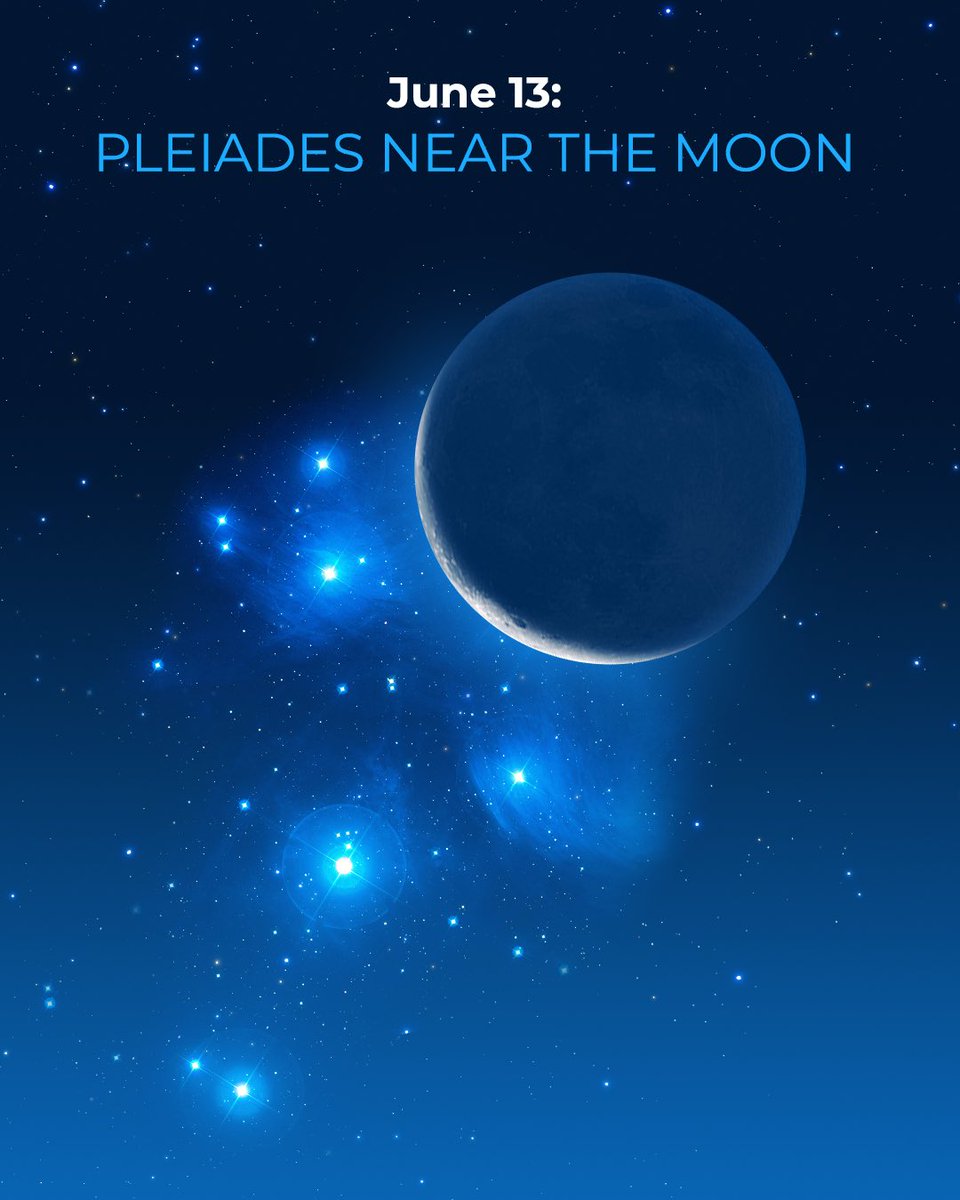
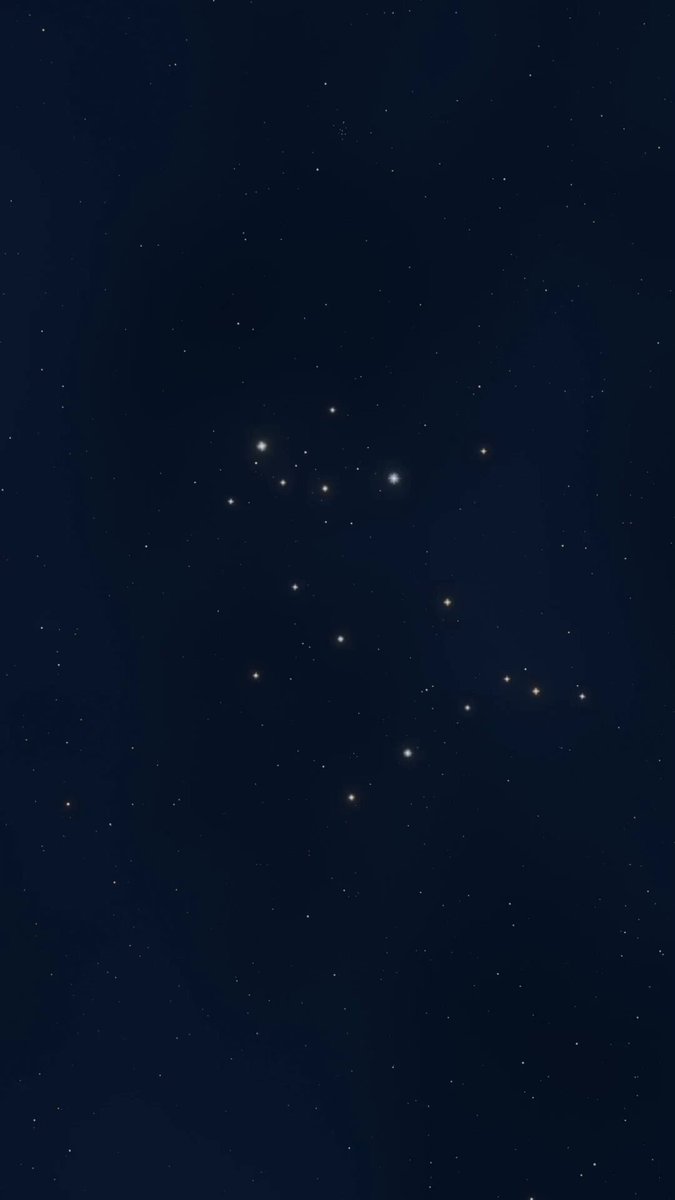
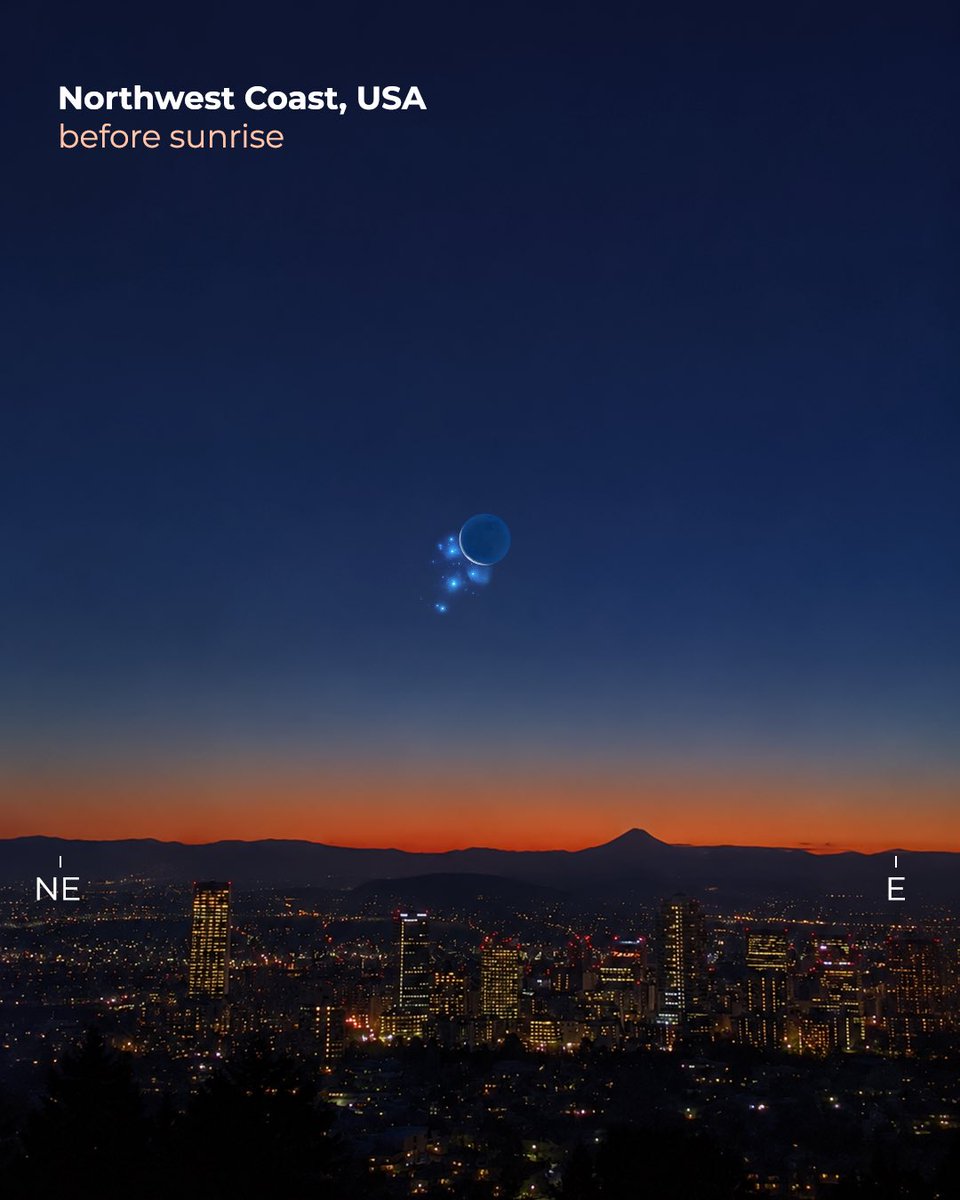
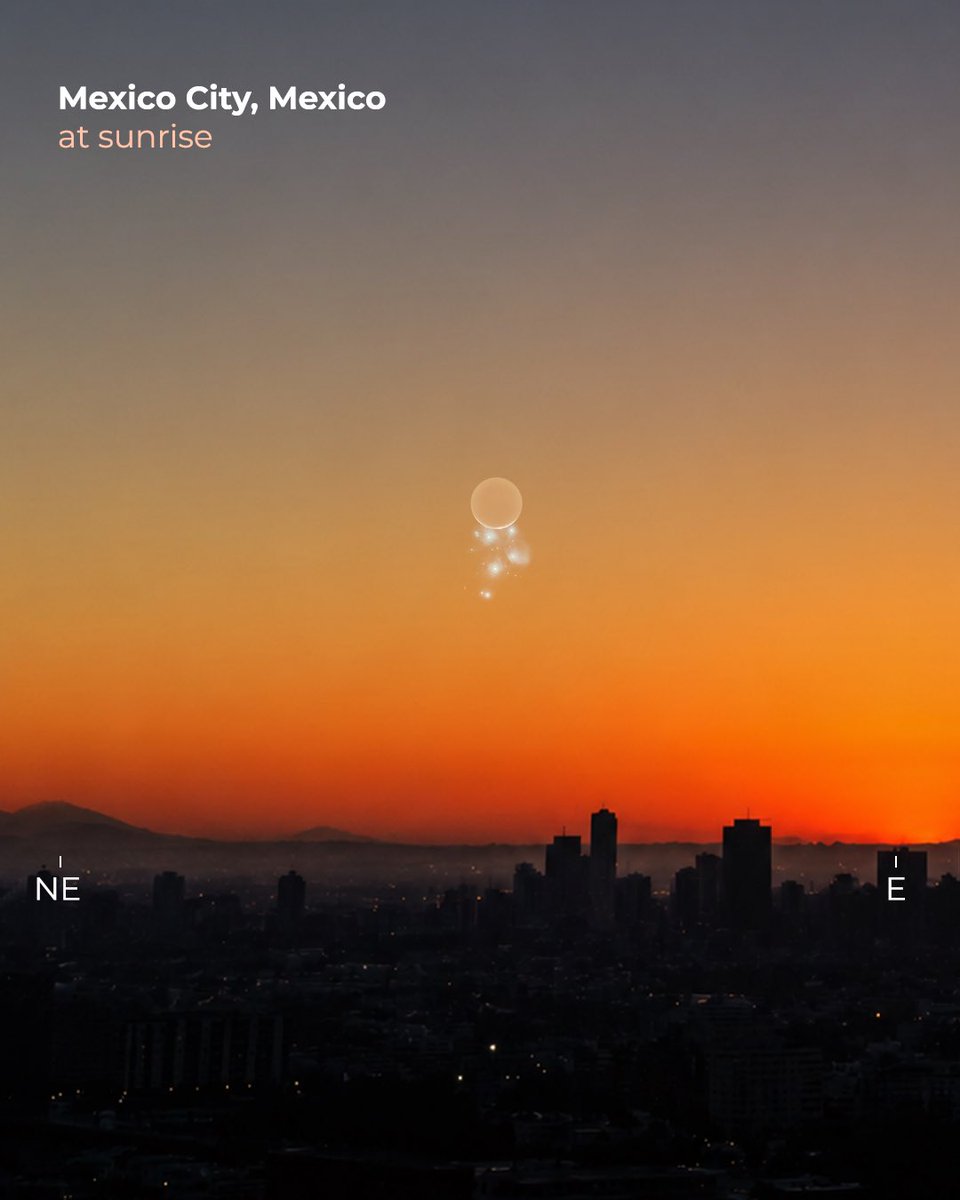
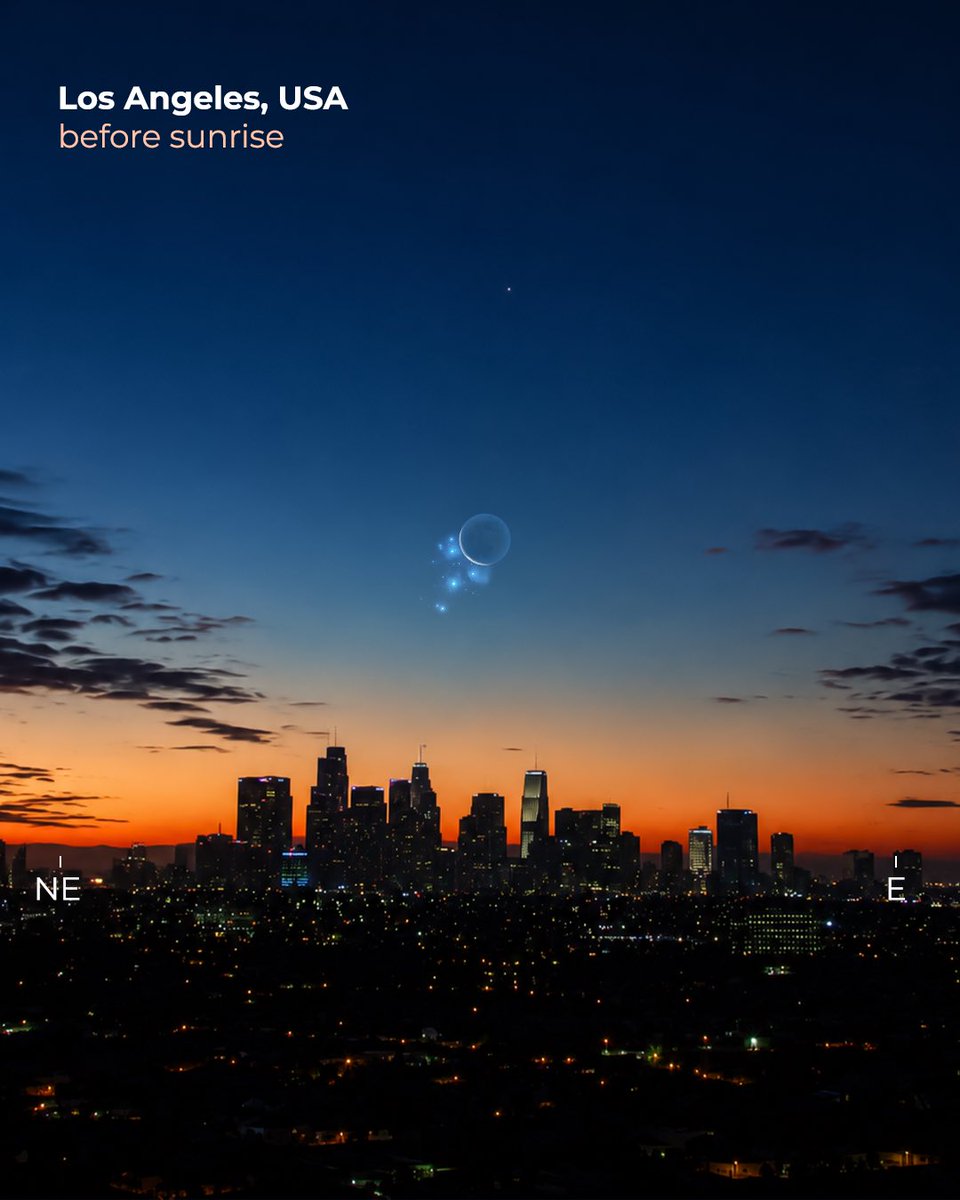
A delicate Moon and the Pleiades, together before dawn ✨🌙
On June 13, the thin waning crescent Moon will pass near the Pleiades in the early morning sky. The Moon won’t outshine the cluster, so both may be visible to the naked eye.
In some parts of the world, the Moon will even pass in front of the Pleiades. This lunar occultation will be best visible from central North America, Mexico, Central America, and western South America. And even if the occultation isn’t visible from your location, the crescent Moon shining near the Pleiades will still be worth the early wake-up. 🌌
Learn more about the event:
starwalk.space/news/m45-plei…
5
55
187
6,075
Our Solar System is shaped like a giant shrimp 🦐 (or a croissant 🥐)!
The Sun produces powerful solar winds that wrap around the planets in our Solar System like a giant bubble. This magnetic bubble (called the heliosphere) protects the planets from harmful cosmic radiation emitted by powerful cosmic events like supernovae.
Previously, scientists thought the heliosphere might be shaped like a comet, with a distinct, pointed “nose” and a long, sweeping tail. But, according to research published in Nature Astronomy in 2020, that's not the case. The truth is a bit weirder…
After conducting a series of simulations using data from various NASA missions, a team of astronomers now believes that our Solar System’s heliosphere may be shaped like a giant shrimp 🦐 or a “deflated croissant.” 🥐 Here’s an artist’s visualization that shows its possible shape✨
#solarsystem #sun #astronomy #space #starwalk
8
24
87
3,634
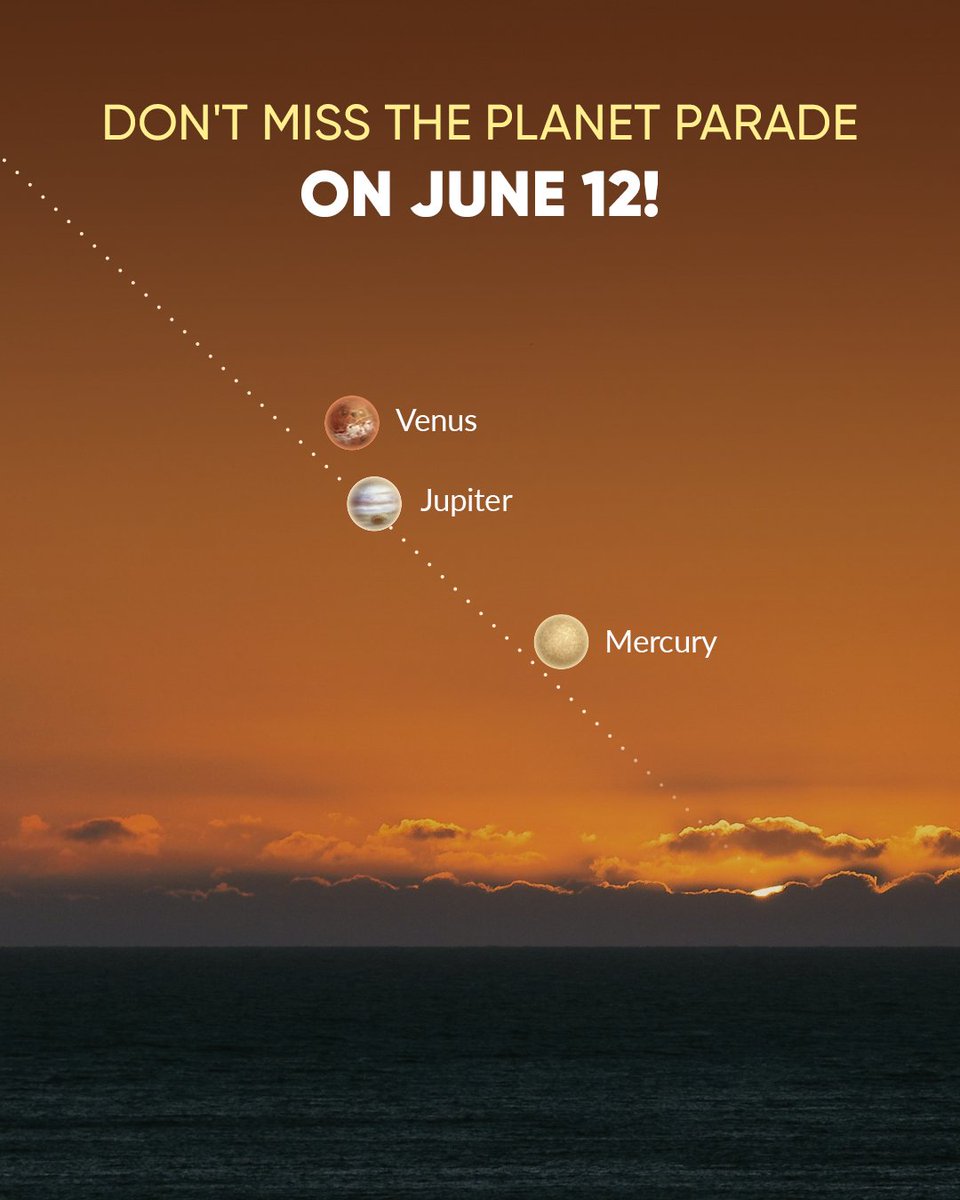
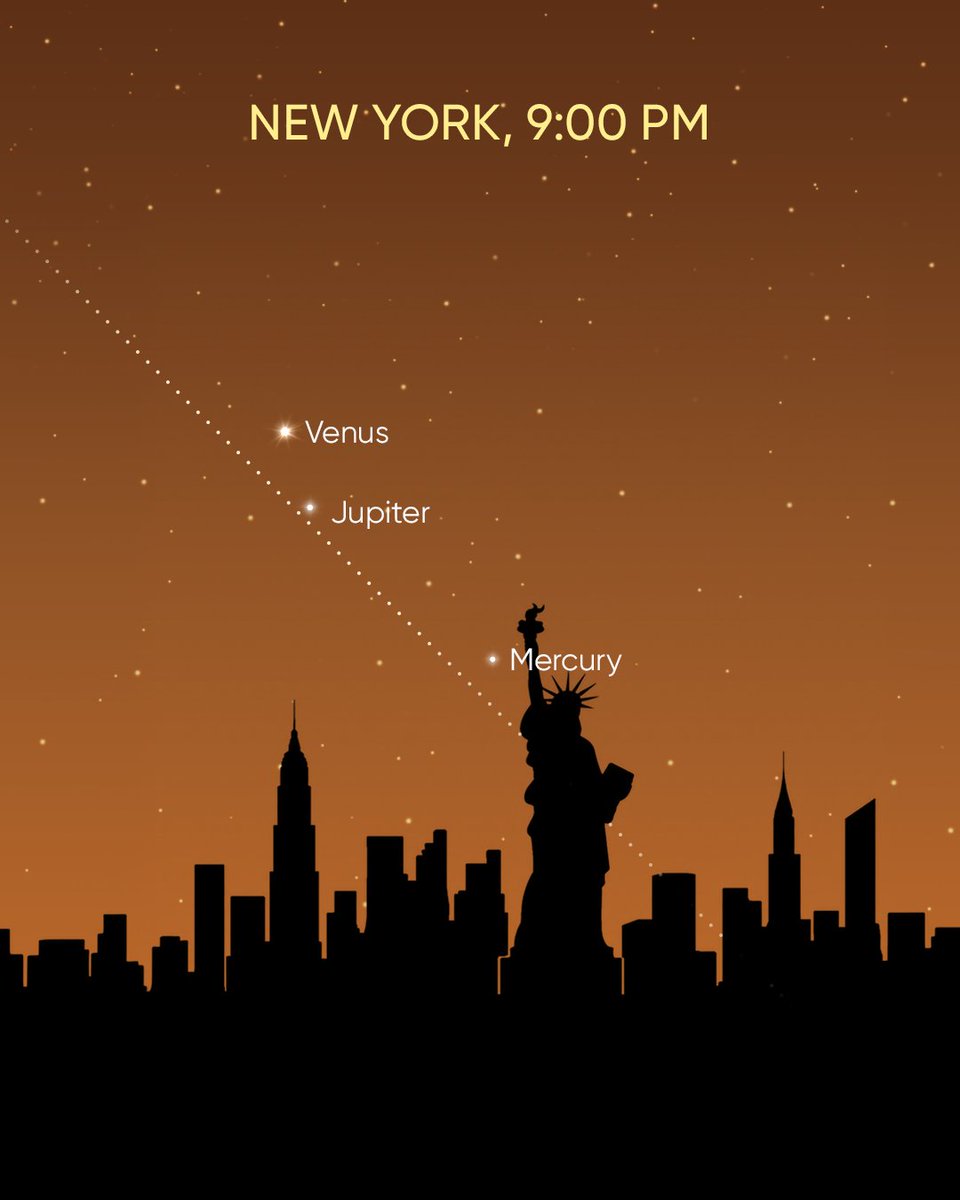
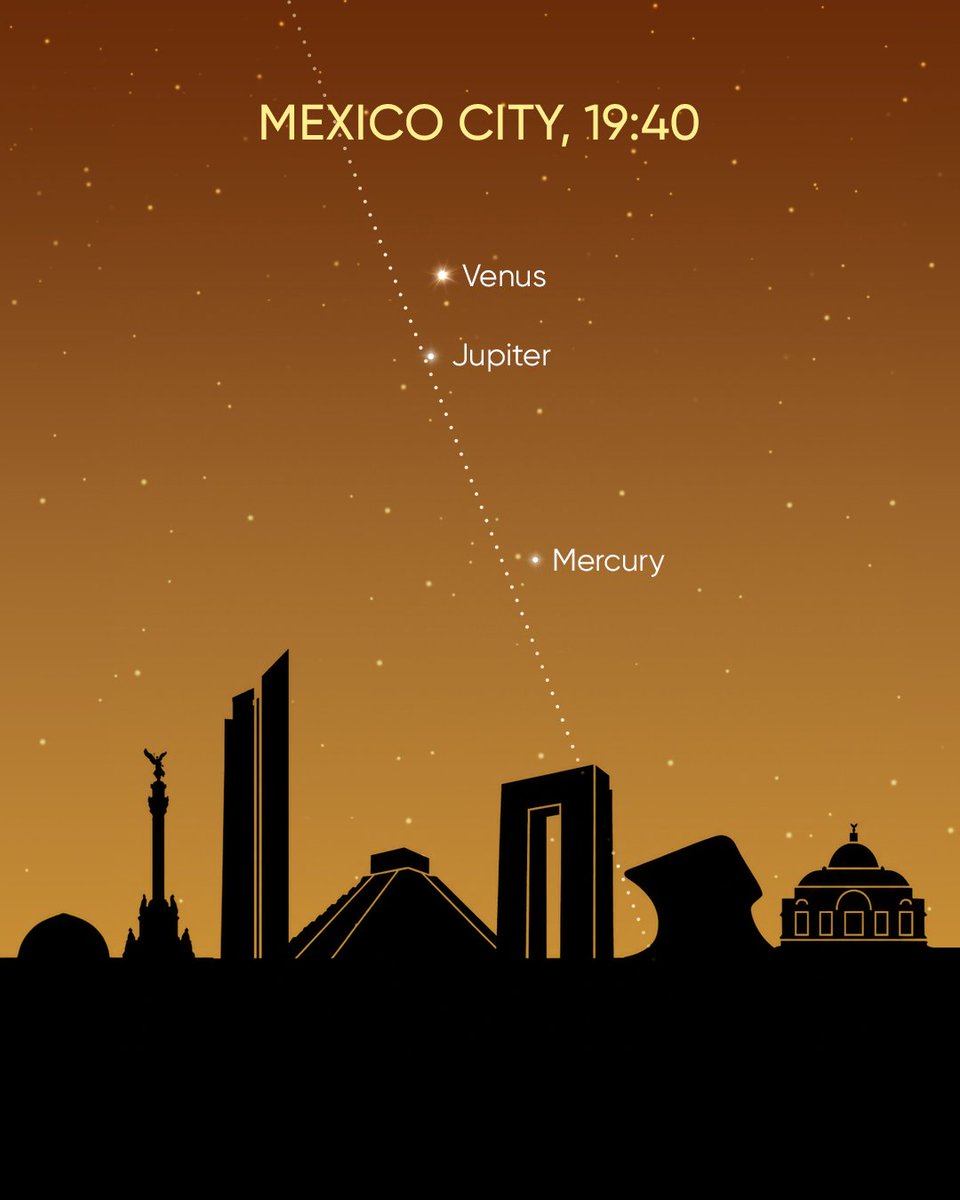
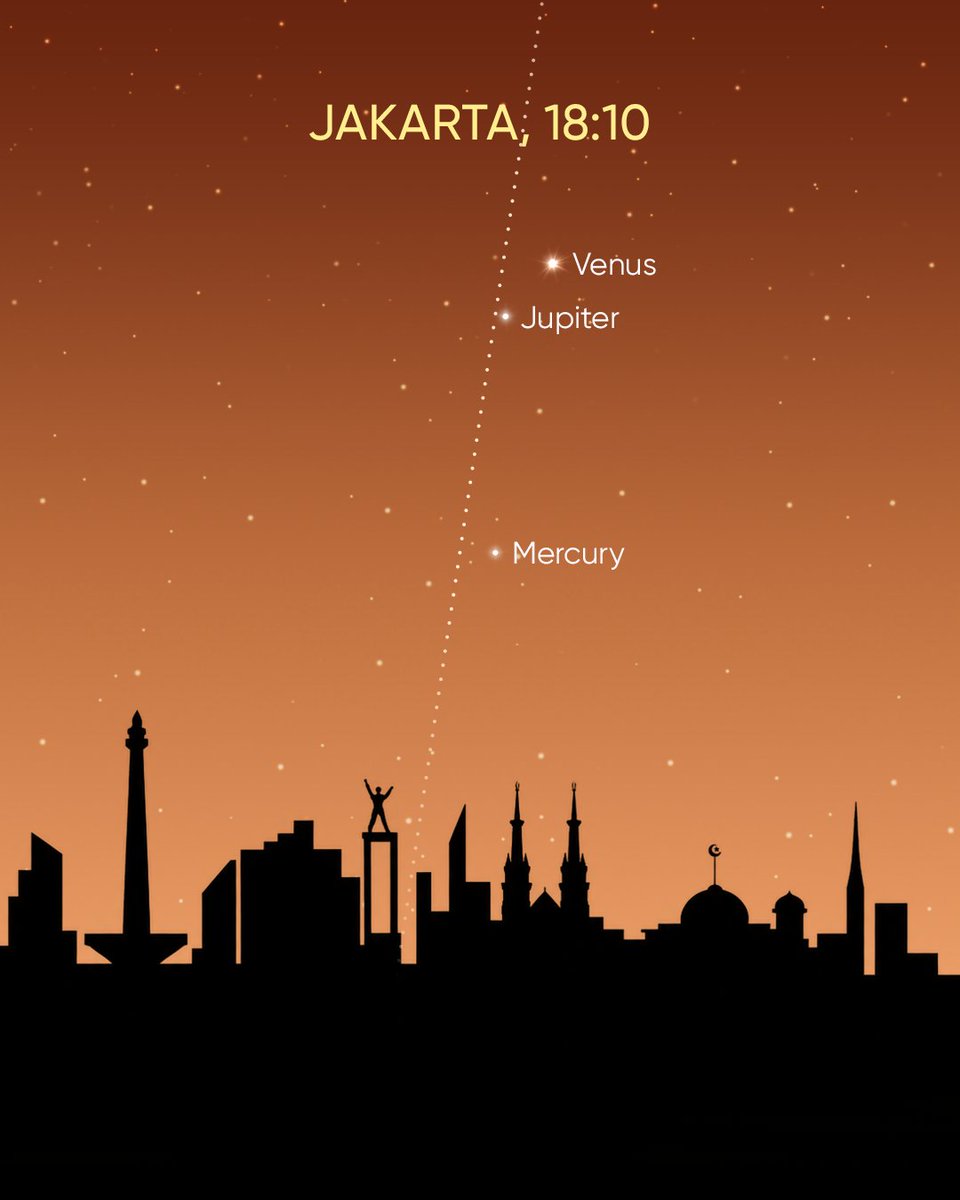
Don’t miss the planet parade on June 12! 🪐✨
Mercury, Venus, and Jupiter will gather low above the west-northwestern horizon after sunset. All 3 planets are visible to the naked eye — just find dazzling Venus first, then look nearby for Jupiter and Mercury.
Best time: about 30–60 minutes after sunset.
More details: starwalk.space/news/planetar…
6
114
357
11,006
Meet Gemini, the constellation of the Twins ✨♊
It’s one of the easiest zodiac constellations to recognize, thanks to its two brightest stars, Castor and Pollux, which mark the twins’ heads. Pollux is the brighter of the two, glowing with a warm golden light. Castor appears a bit fainter and whiter — and it’s actually a fascinating system of six stars. In mythology, Gemini represents the brothers — mortal Castor and immortal Pollux — and is often seen as a symbol of brotherhood, loyalty, and devotion.
Learn more about this famous constellation:
🌌 starwalk.space/news/gemini-c…
2
25
87
1,976
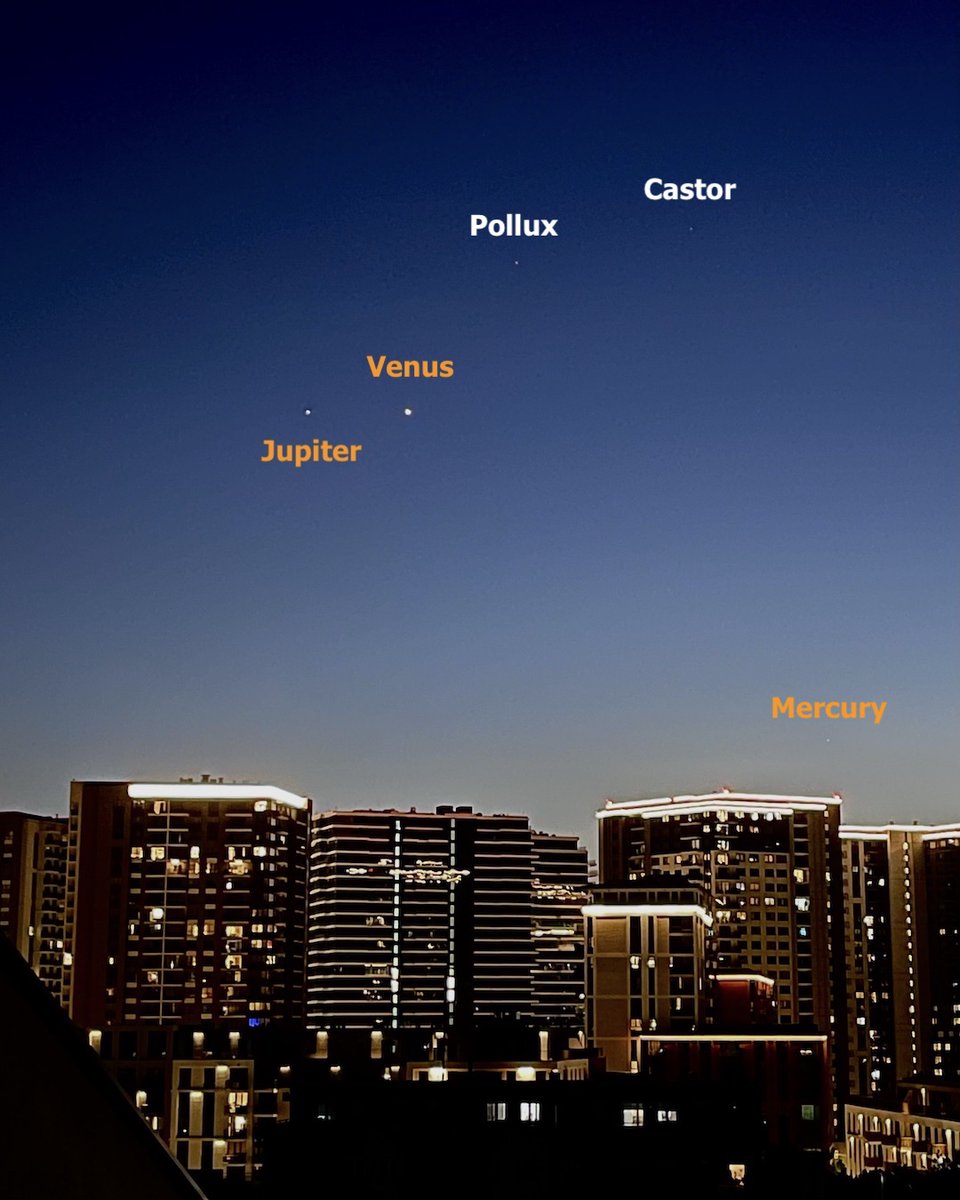
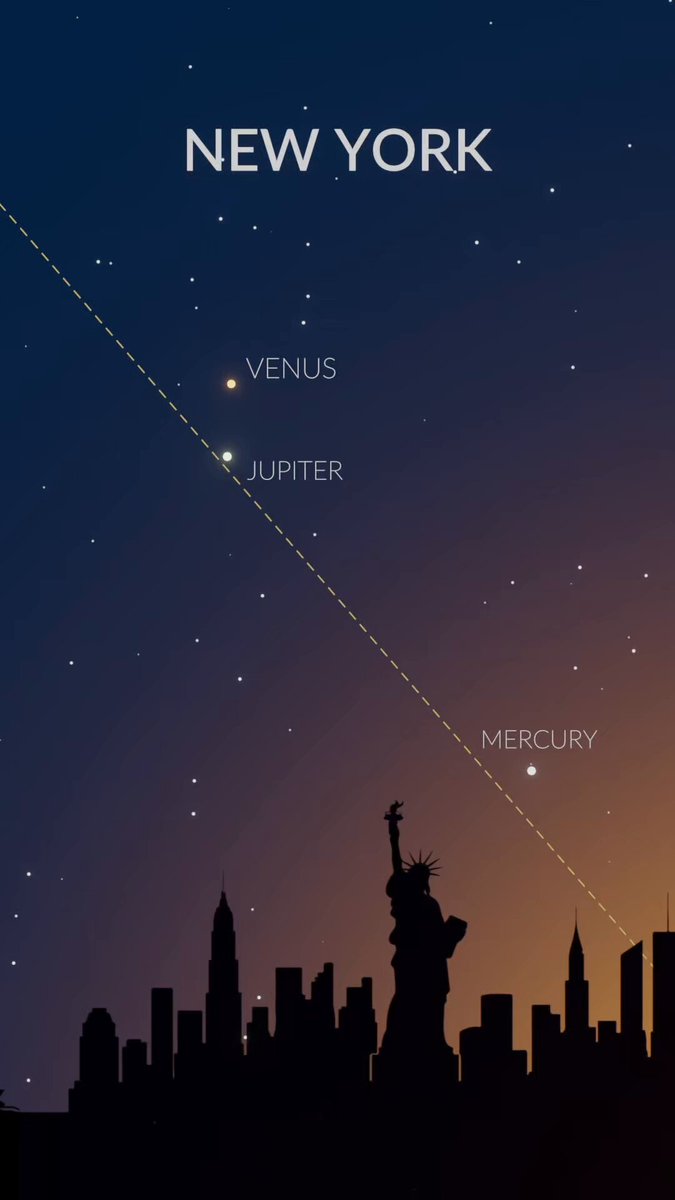
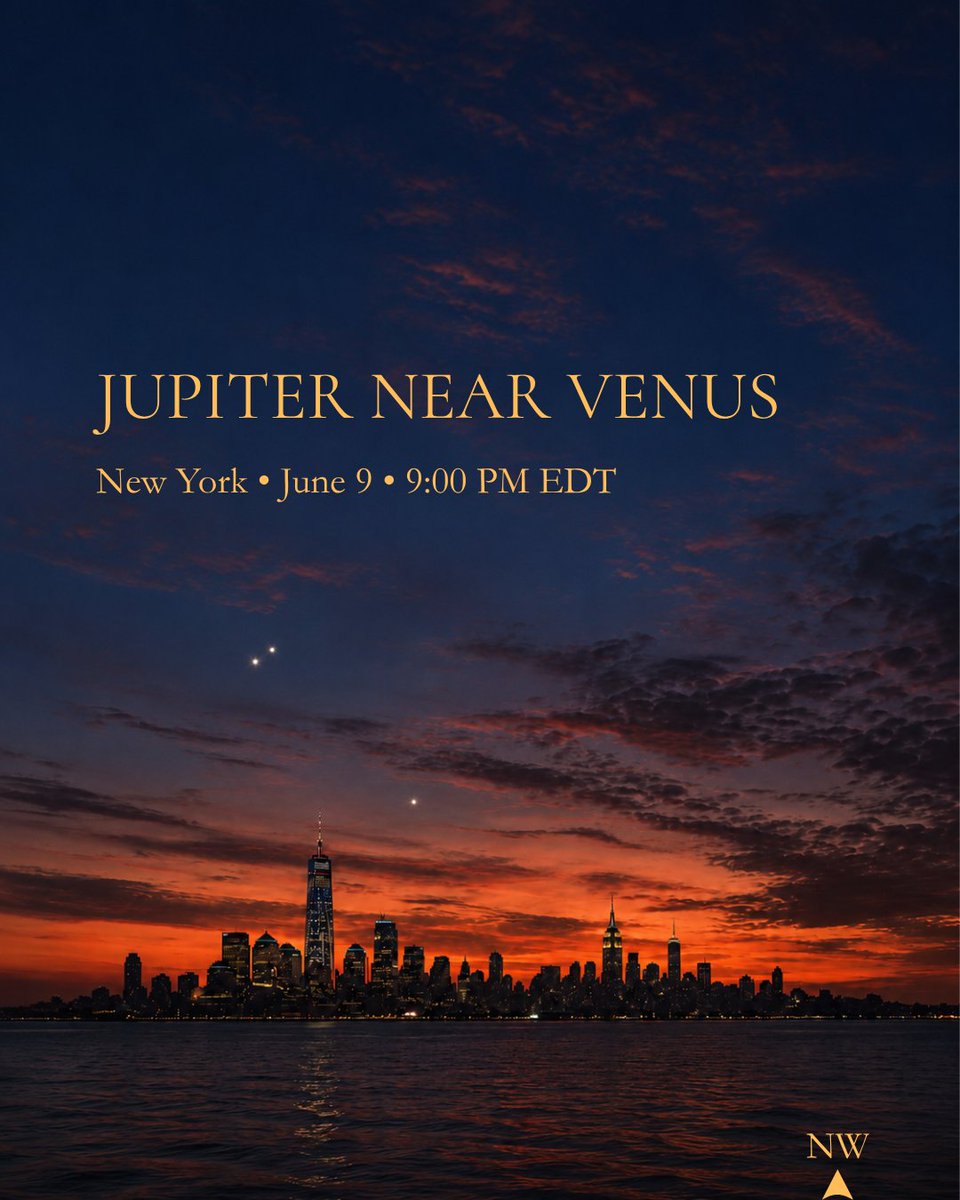
Caught Venus and Jupiter Yet? Tonight Is Your Best Chance! 📸✨
This photo was taken on June 7 — and Venus and Jupiter are getting even closer now! Look west after sunset tonight, June 9: the two bright planets appear especially close together, only about 1°40′ apart — easily visible to the naked eye. 👁️
And there’s a bonus nearby: the fainter stars Castor and Pollux, the “twins” of Gemini, shine above the planetary pair, while elusive Mercury glows down below! 🌟
Even if Mercury is too low or too faint to catch, Venus and Jupiter alone are worth stepping outside for. They’re bright, easy to spot, and perfect for a quick & beautiful phone photo. 📱
Don’t stop watching after tonight: the same Venus-Jupiter-Mercury "planet parade" may offer an even better view around June 12, especially if you’re hoping to catch elusive Mercury. 🪐
Already captured Venus and Jupiter? Or planning to photograph them tonight? Share your Venus-Jupiter photos and tag us — or tell us in the comments if you spotted them! 👇
#Venus #Jupiter #VenusJupiter #Stargazing #StarWalk
5
25
93
3,064
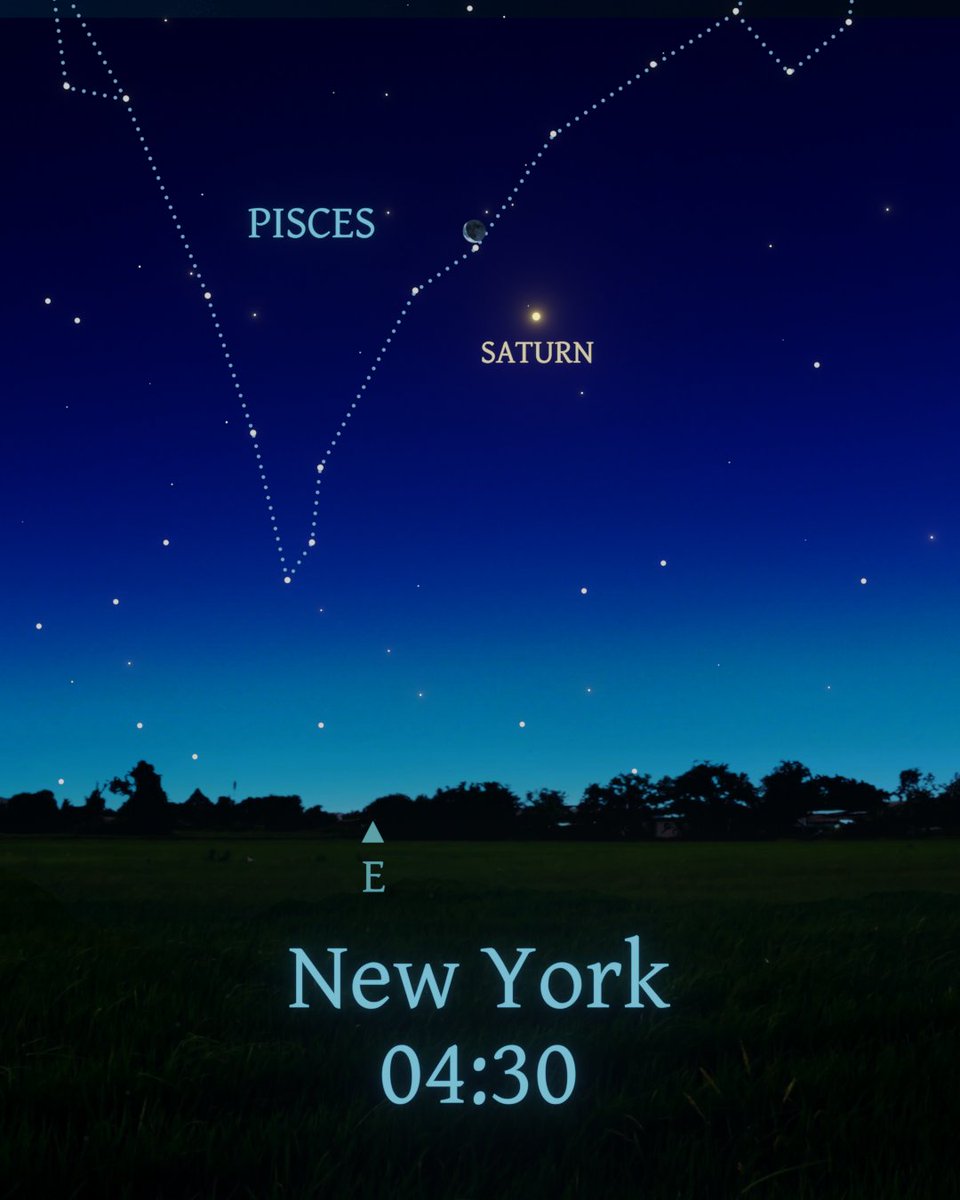
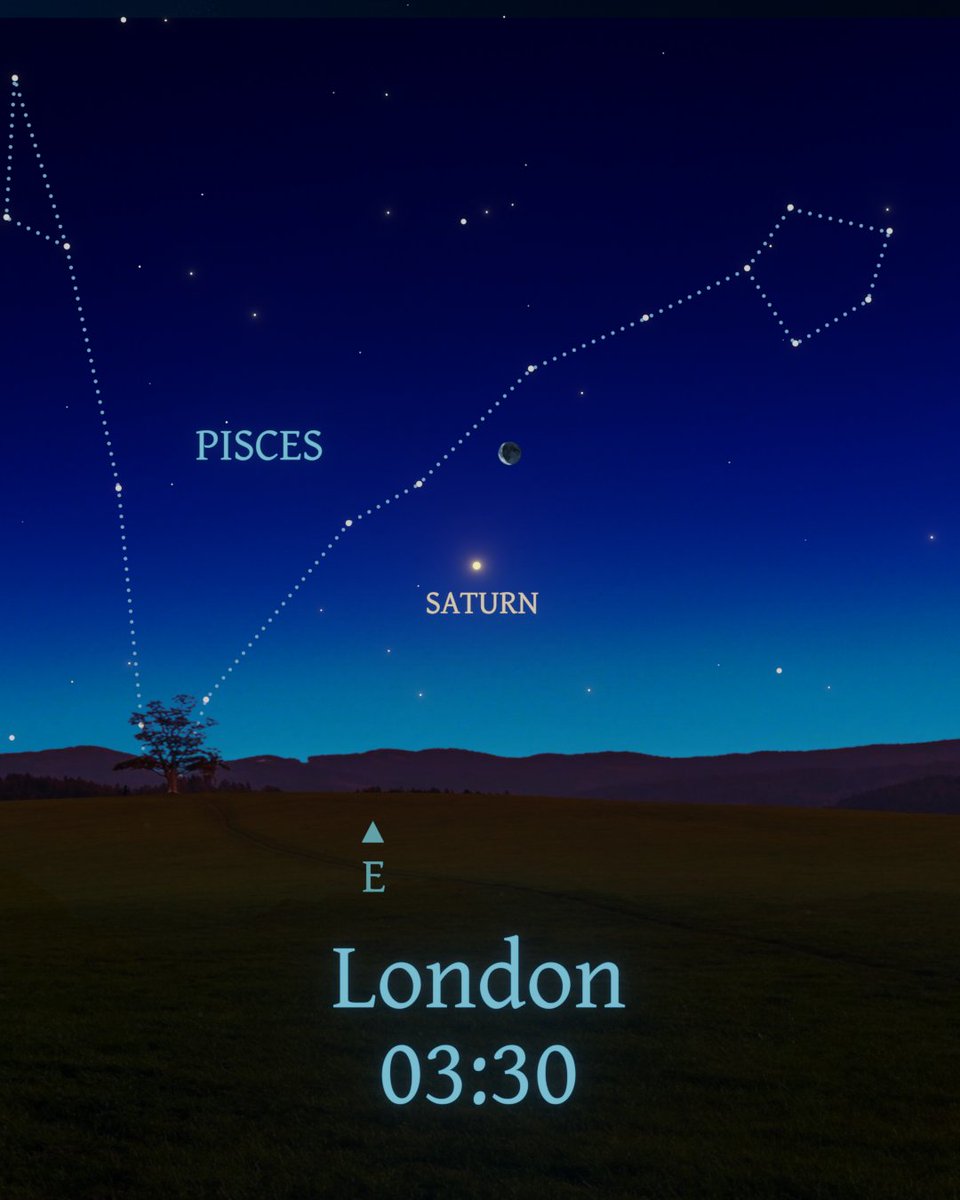
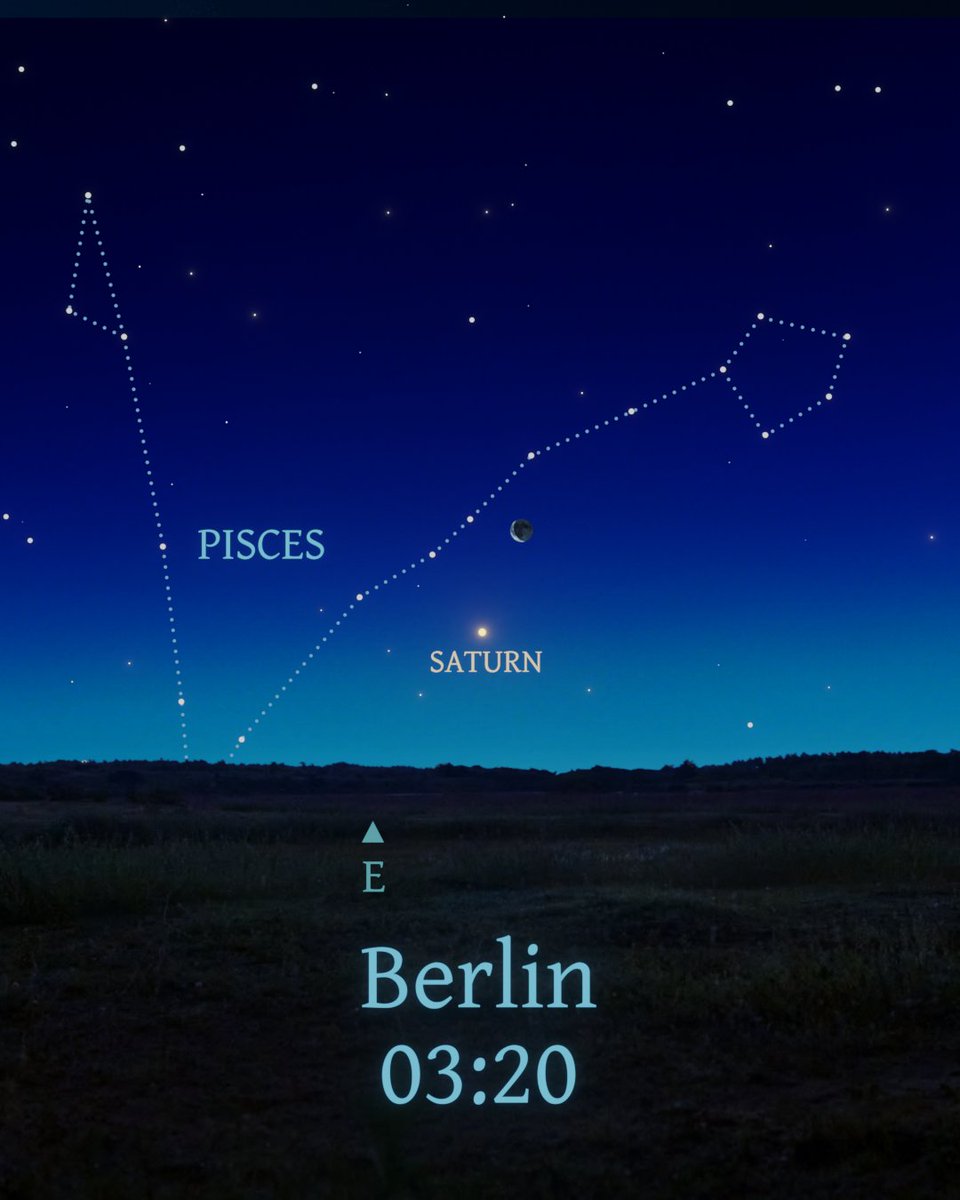
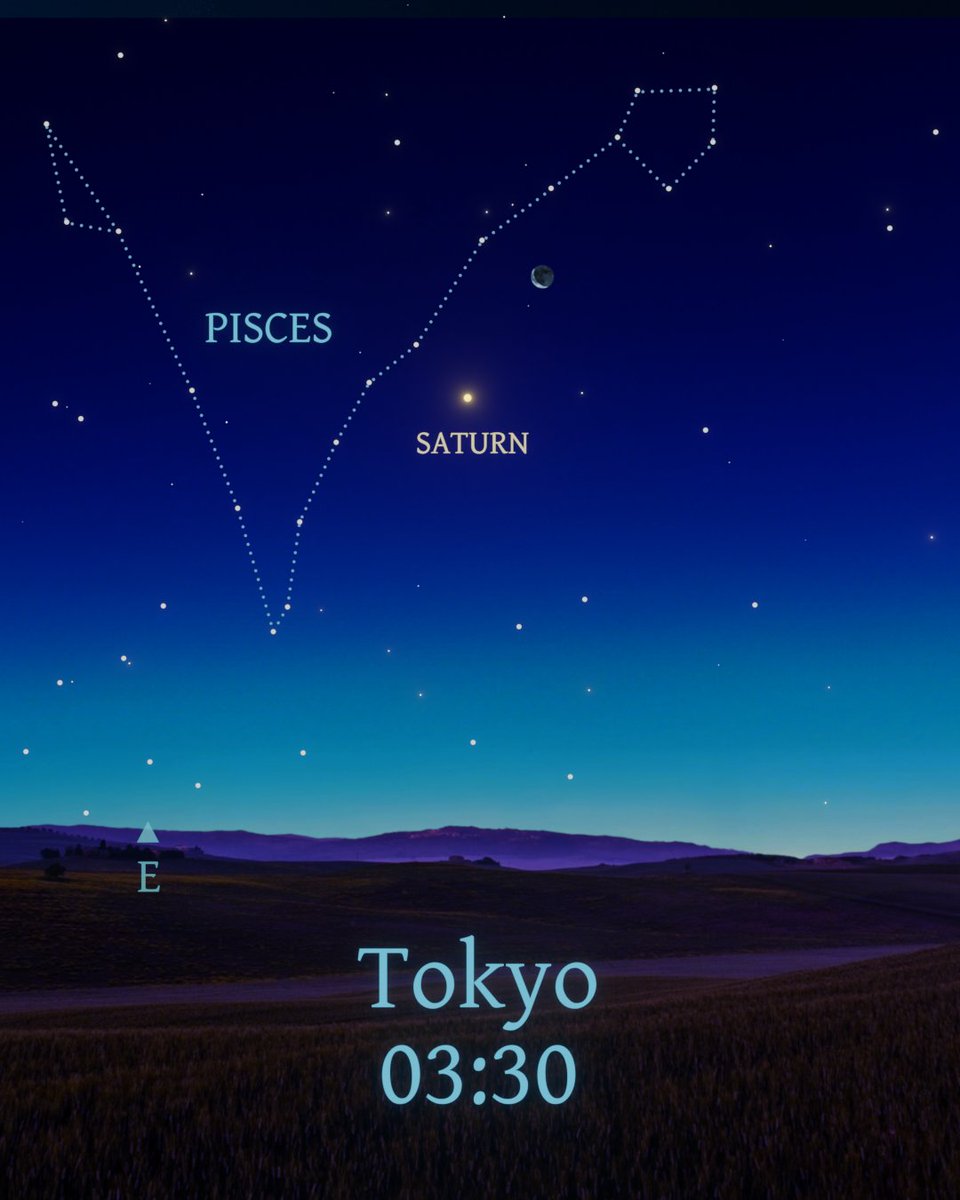
June 10: Moon near Saturn 🌙🪐
Before sunrise, look above the eastern horizon for the waning crescent Moon shining near Saturn in Pisces. Find the best time for your location in the Star Walk 2 app (link in bio).
A lovely little morning lineup for early risers ✨
#Moon #Saturn #Stargazing #Astronomy #StarWalk
1
36
127
4,723
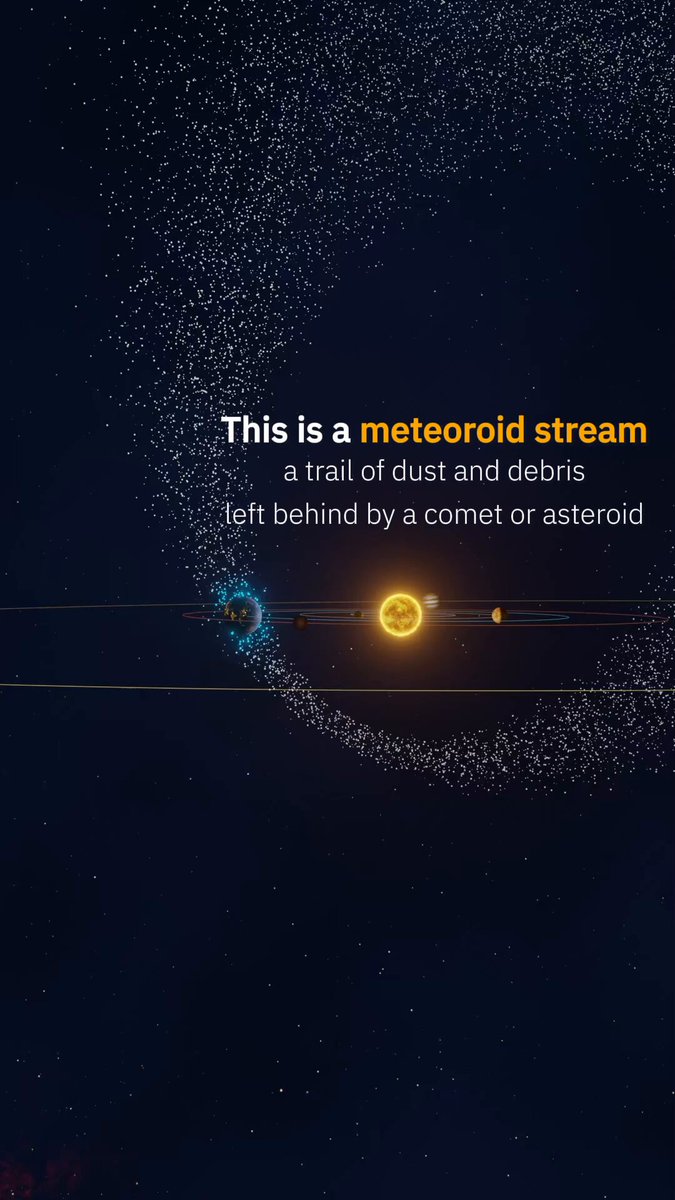
Why do meteors seem to come from one point in the sky? 🌠
During a meteor shower, Earth passes through a stream of tiny particles left behind by a comet or asteroid. These particles enter our atmosphere on nearly parallel paths.
But from our point of view on the ground, those paths appear to spread out from a single point in the sky. This point is called the radiant.
It’s the same perspective effect you see with railroad tracks: the tracks are parallel, but they seem to meet in the distance.
So meteors don’t actually fly out of one spot — they only appear that way from Earth. ✨
That’s why meteor showers are named after the constellation where their radiant appears: the Perseids from Perseus, the Geminids from Gemini, and so on.
#meteorshower #astronomy #didyouknow #meteors #starwalk
2
30
92
10,163
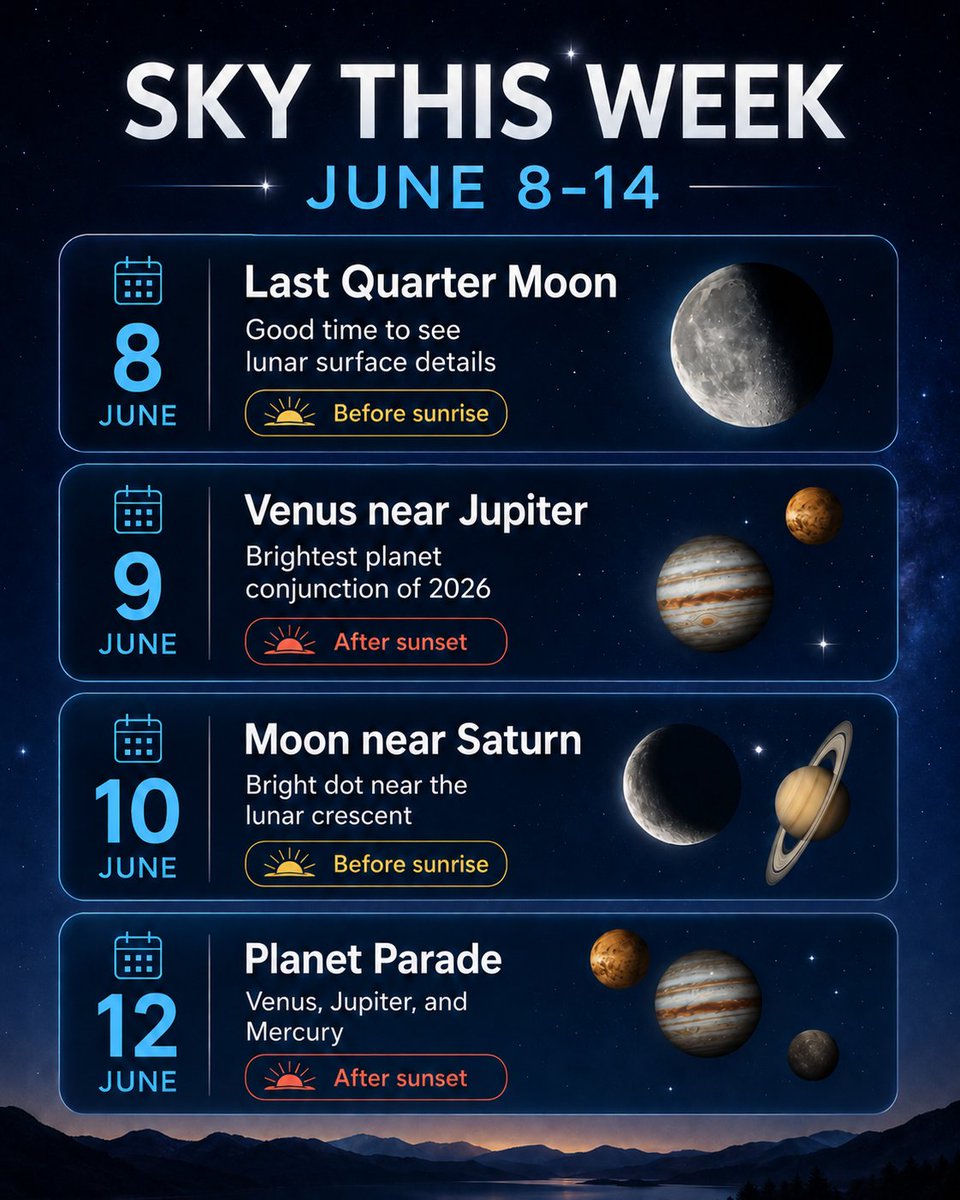
Sky highlights for June 8–14 ✨
Here’s what to look for this week:
🌗 June 8 — Last Quarter Moon
Best seen before sunrise. A great time to observe lunar surface details along the terminator.
⭐ June 9 — Venus near Jupiter
Look low above the western horizon after sunset. Venus will be the brightest point; Jupiter will shine nearby. Mercury will also be in the same part of the sky, but much lower and harder to spot.
🪐 June 10 — Moon near Saturn
Check the sky before sunrise. The Moon will help you find Saturn, which will look like a steady yellowish “star.”
✨ June 12 — Planet Parade
After sunset, look low in the west for Venus, Jupiter, and Mercury lined up in the sky. Venus and Jupiter will be easier to see; Mercury may require a clear horizon.
Save this post and don’t miss the best sky highlights of the week!
We’ve also launched a new regularly updated article with the best sky events for the week — visit our website to plan your next stargazing session.
25
59
1,771
June planet parade: 3 different views ✨
Here’s how the June 12, 2026, alignment of Mercury, Venus, and Jupiter looks from the Northern Hemisphere, the Southern Hemisphere, and from space. From Earth, the planets appear lined up after sunset because they all follow nearly the same path across our sky — but from space, you can see the bigger picture.
Look low above the west-northwestern horizon about 30 minutes to 1 hour after sunset. Venus will be the easiest to spot, Jupiter will shine nearby, and Mercury will be the low-horizon challenge.
Will you be watching the planets? 🌌
2
27
80
4,101
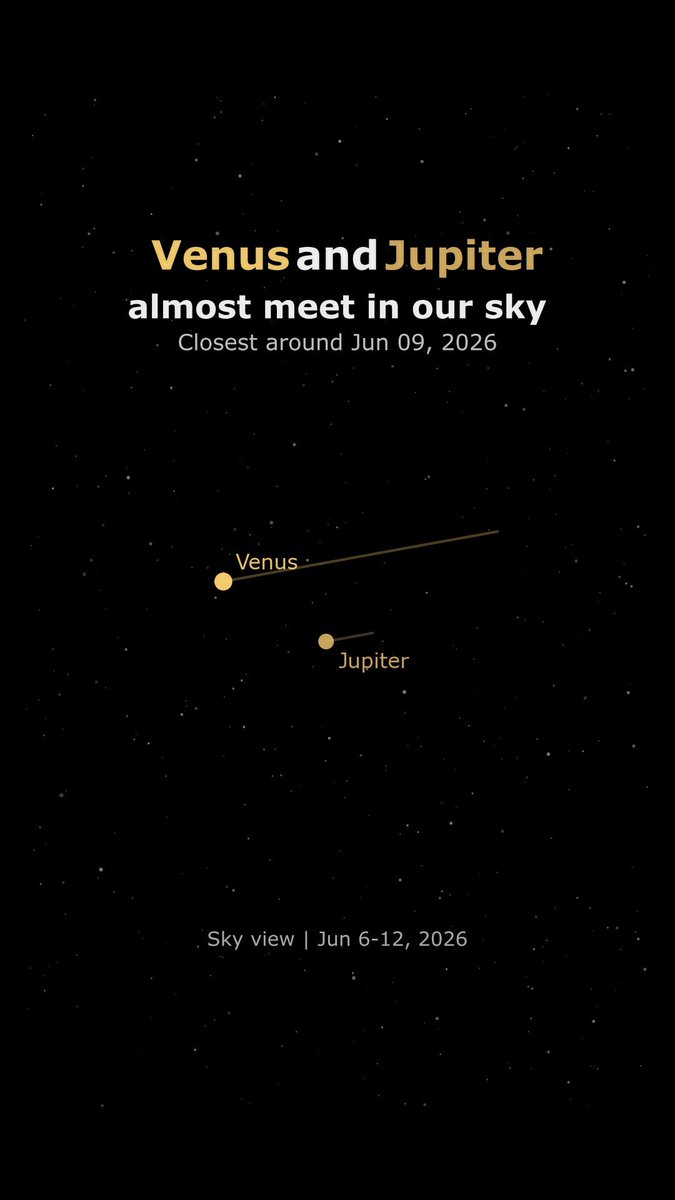
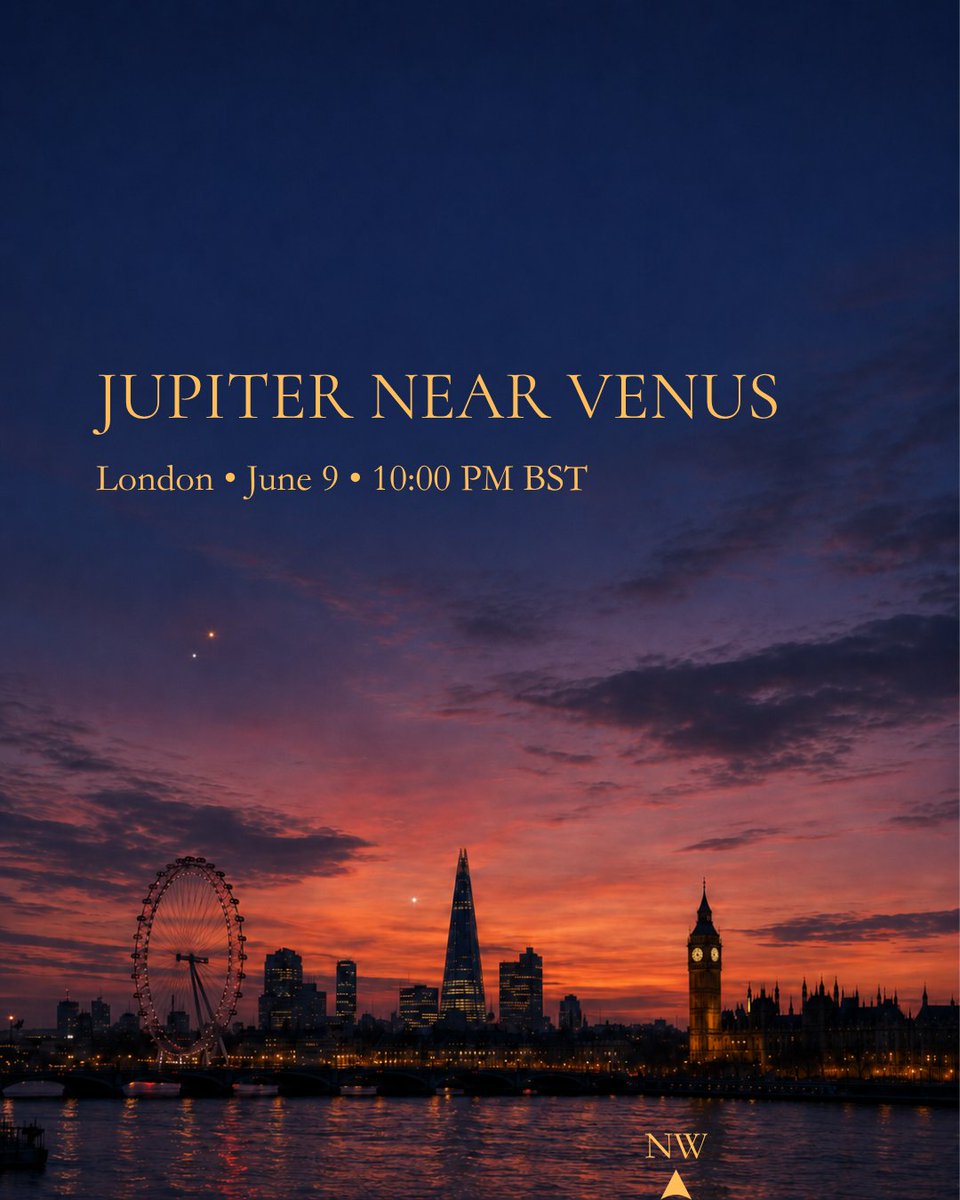
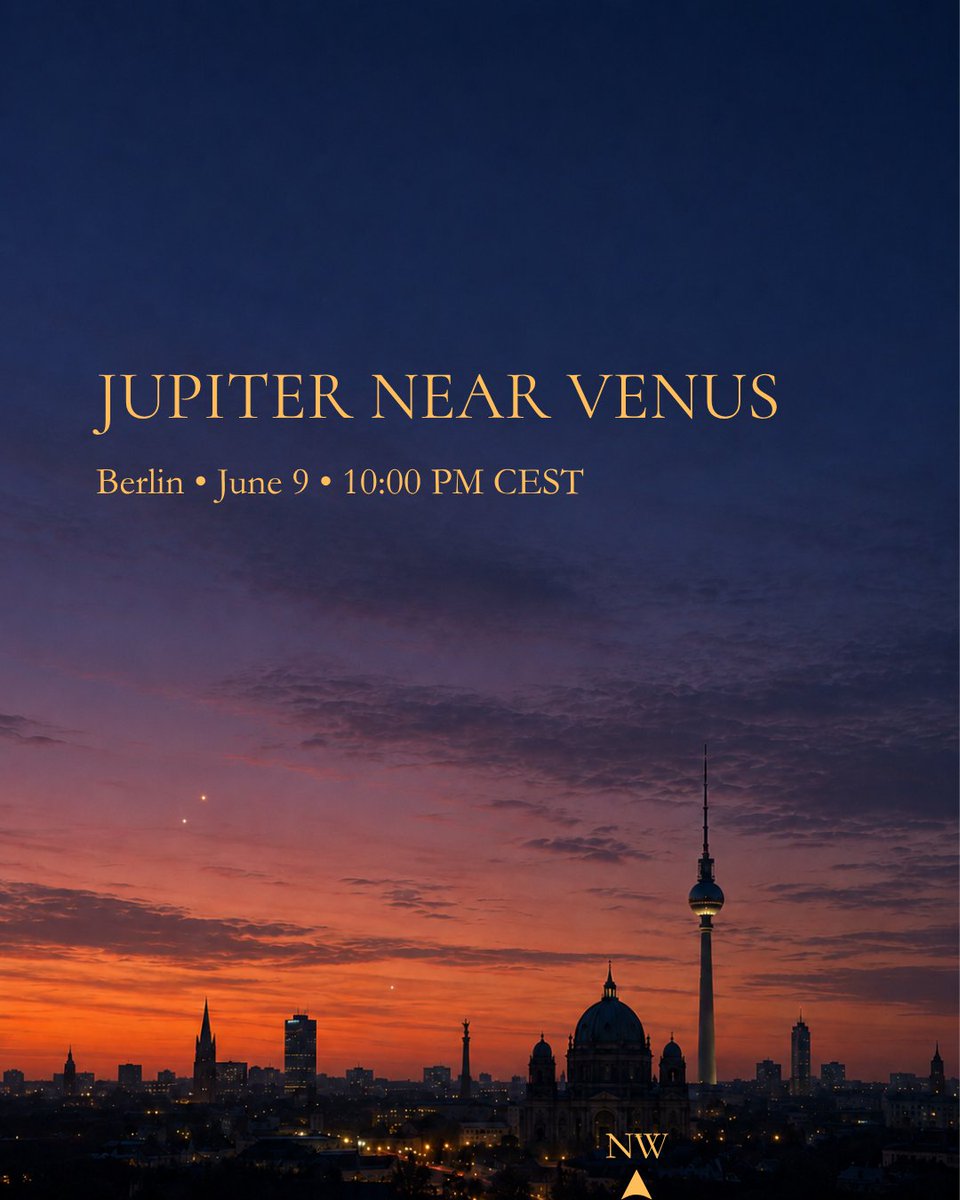
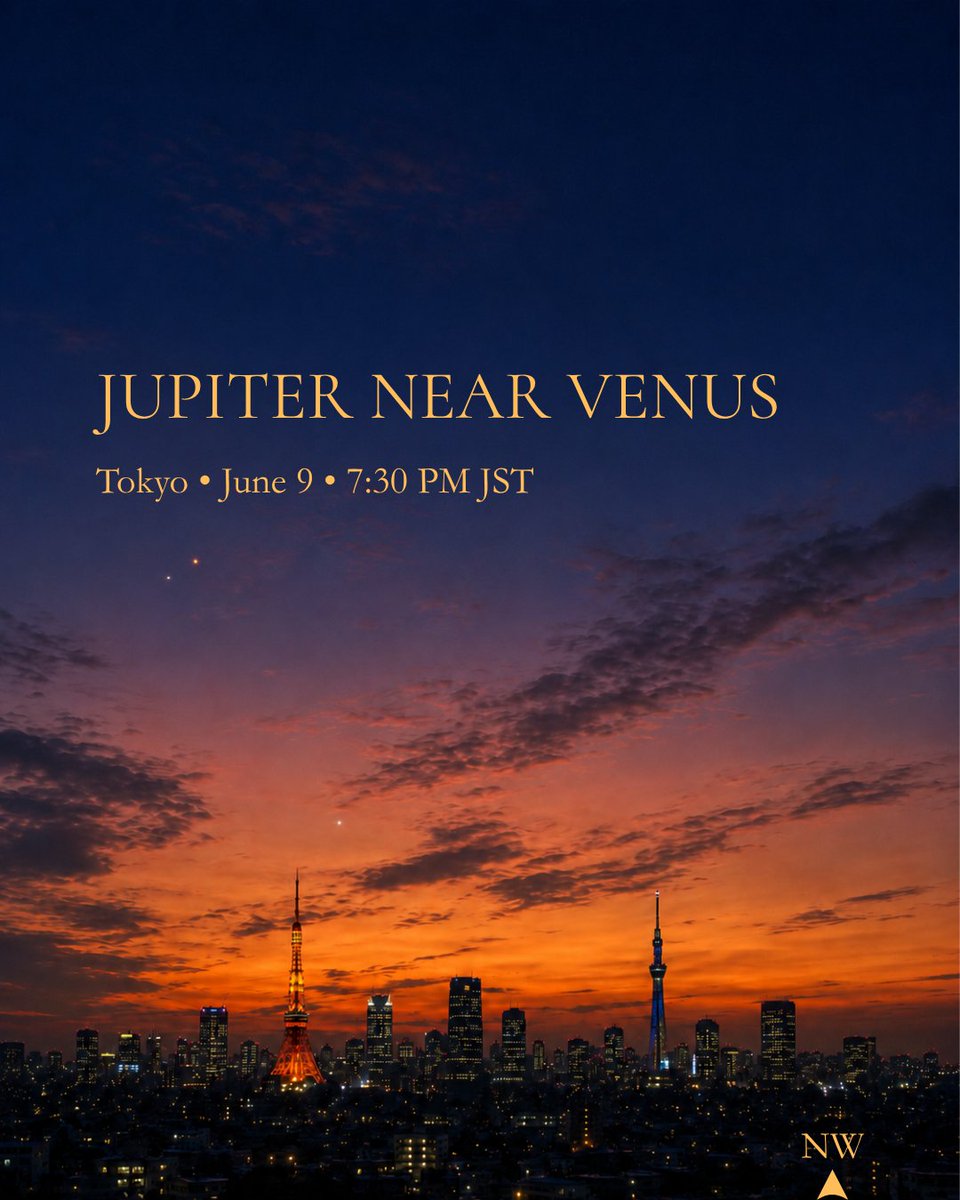
✨ Venus and Jupiter meet in the evening sky
On June 9, don’t miss one of the most eye-catching planetary events of 2026: Venus and Jupiter shining close together after sunset.
The two brightest planets will appear only about 1.5° apart — roughly the width of three Full Moons. Venus will be the brighter one, with Jupiter glowing right beside it.
And there’s more: look a little lower, closer to the horizon, and you may also spot Mercury. It will be much lower and harder to see, so you’ll need a clear view and good timing.
Find a spot with a clear, unobstructed western or northwestern horizon. Start looking about 30–45 minutes after sunset. Don’t wait too long — all three planets will be low in the sky and will set soon after the Sun.
5
41
101
4,231
The sky is being dramatic again 👀✨
Around June 7–9, Venus and Jupiter appear very close in the evening sky. From Earth, they look like they’re almost touching, but in space, they’re nowhere near each other.
That’s what a conjunction really is: not a collision, not a real meeting, but a line-of-sight effect created by our point of view.
Look low above the western horizon after sunset. Venus will be the brighter one, Jupiter will shine nearby, and if your horizon is clear, you may also spot Mercury lower in the twilight.
Space is huge.
The sky just knows how to make it look romantic.
#Venus #Jupiter #Conjunction #PlanetParade #Stargazing #StarWalk
4
45
128
6,514
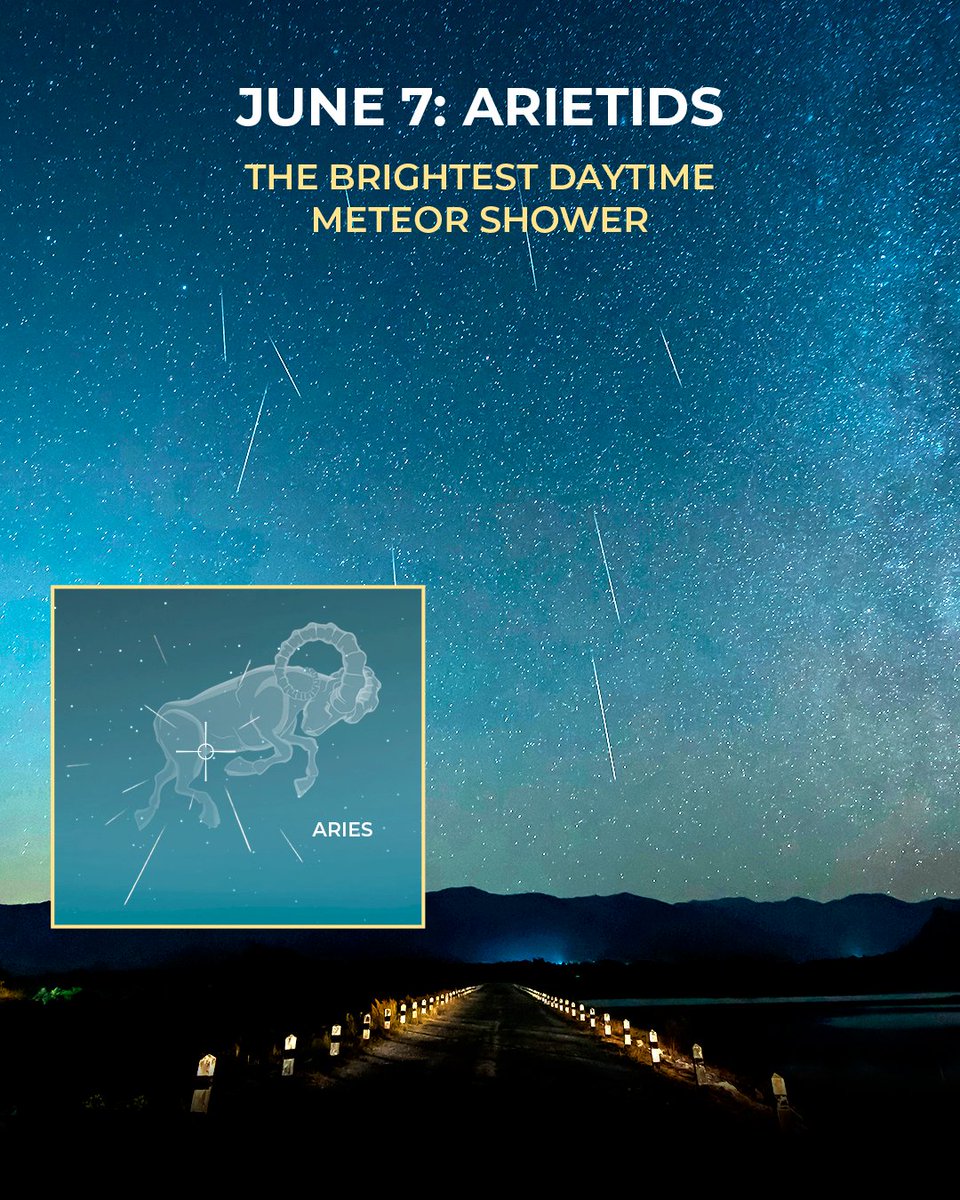
The Arietids peak around June 7 ☄️🌅
This is the strongest daytime meteor shower of the year, active from May 14 to June 24, producing up to 30 meteors/hour under ideal conditions.
Because the radiant of the shower lies only about 30° from the Sun, the best time to look is shortly before dawn, when a few meteors can still cut through the brightening sky.
Get more tips on June meteors:
starwalk.space/news/meteor-s…
1
25
53
1,548
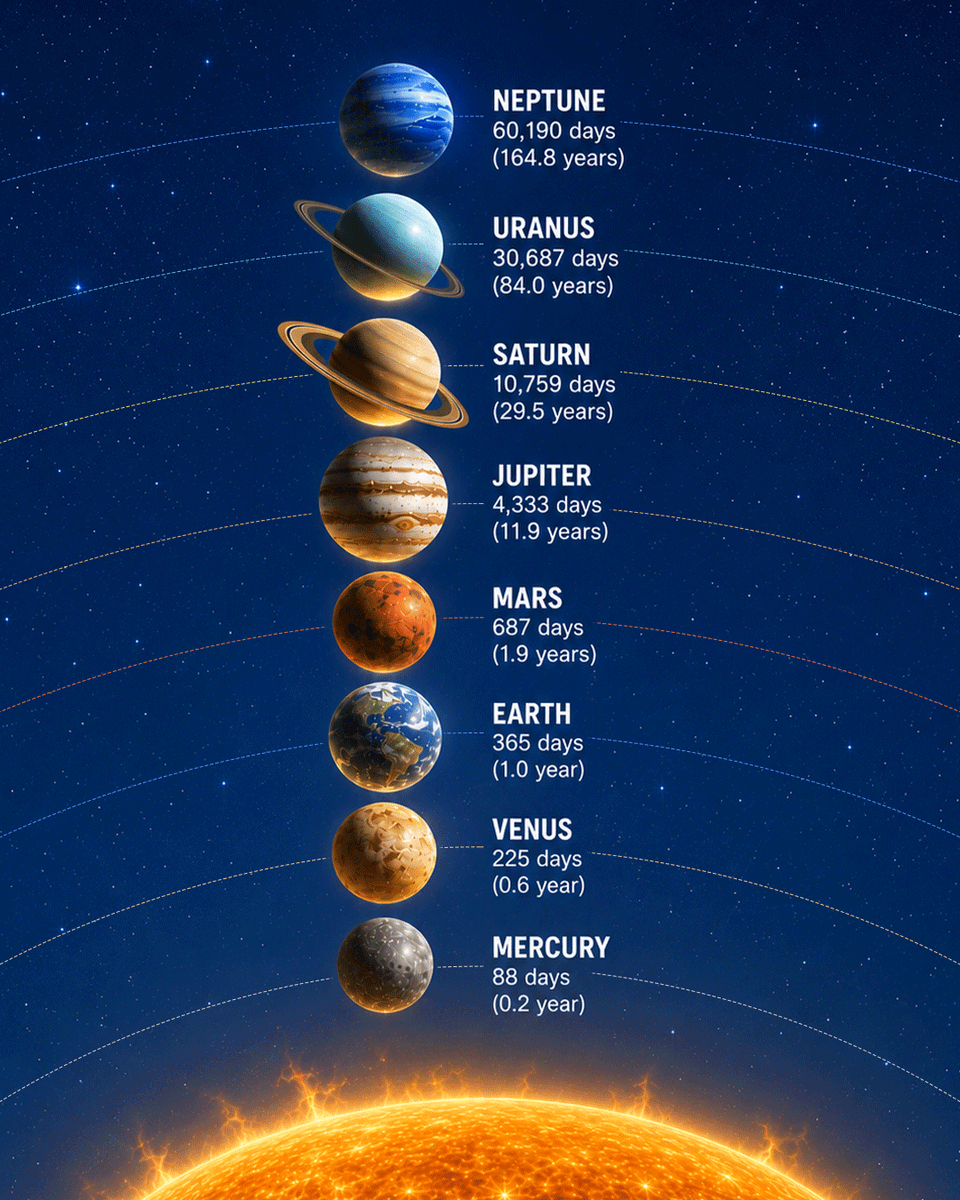
A planet’s orbital period is the time it takes to make one full trip around the Sun ☀️🪐
Because each planet is at a different distance from the Sun, their “years” are very different:
Mercury takes just 88 days, while Neptune needs about 165 Earth years.
#Planets #SolarSystem #Astronomy #Space #StarWalk
5
49
155
4,303
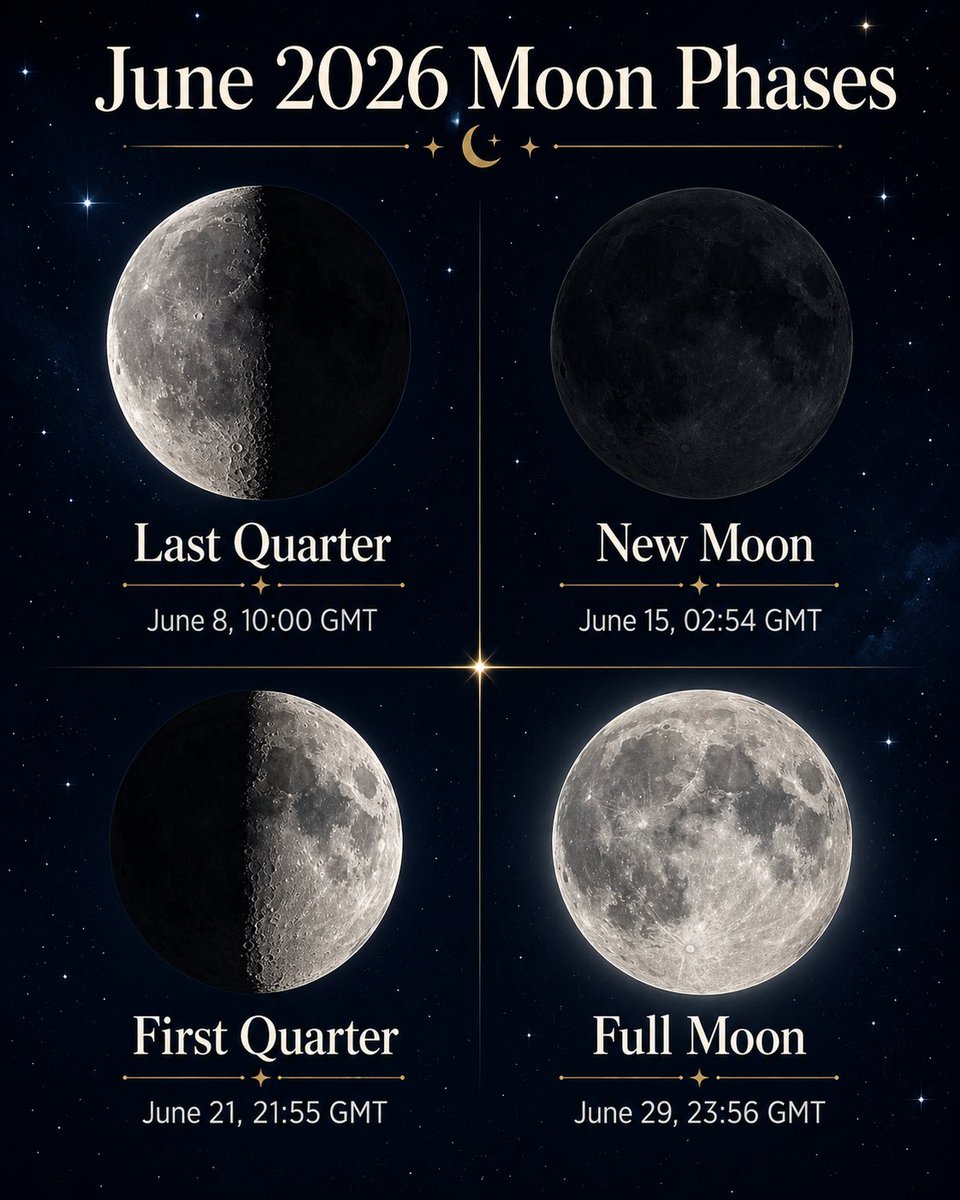
🌙 Save the main Moon phases of June 2026!
Plan your stargazing, moon photography, rituals, or just a peaceful night under the sky with this handy lunar calendar for June.
Which Moon phase is your favorite to watch?
#StarWalk #MoonPhases #JuneMoon #MoonCalendar #FullMoon #NewMoon
1
25
68
2,063
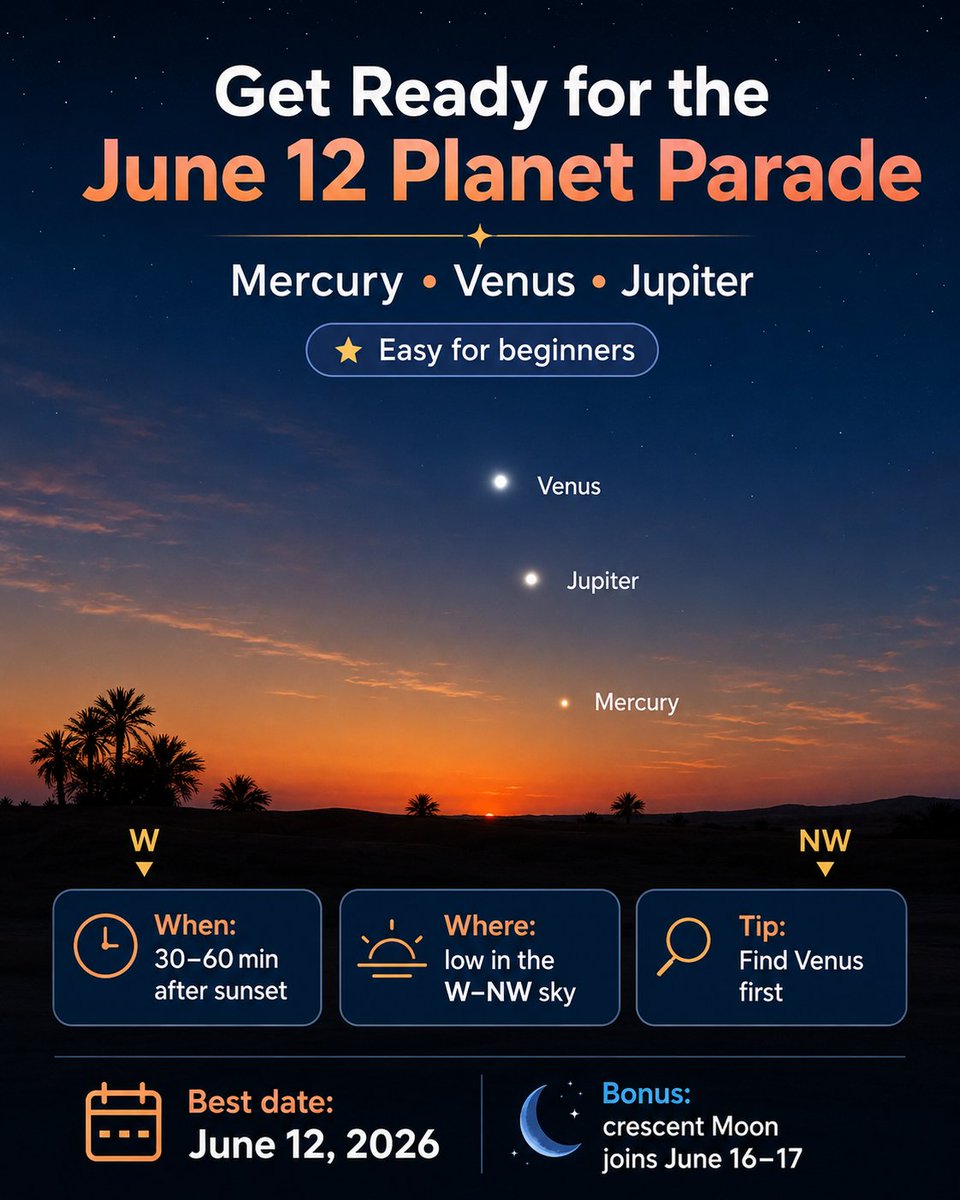
🌟 Mark your calendar: a beginner-friendly planet parade is coming!
Around June 12, Mercury, Venus, and Jupiter will gather low in the sky after sunset. No telescope needed — just a clear horizon and a little patience. 🔭✨
Learn more: starwalk.space/ru/news/plane…
1
20
61
2,083
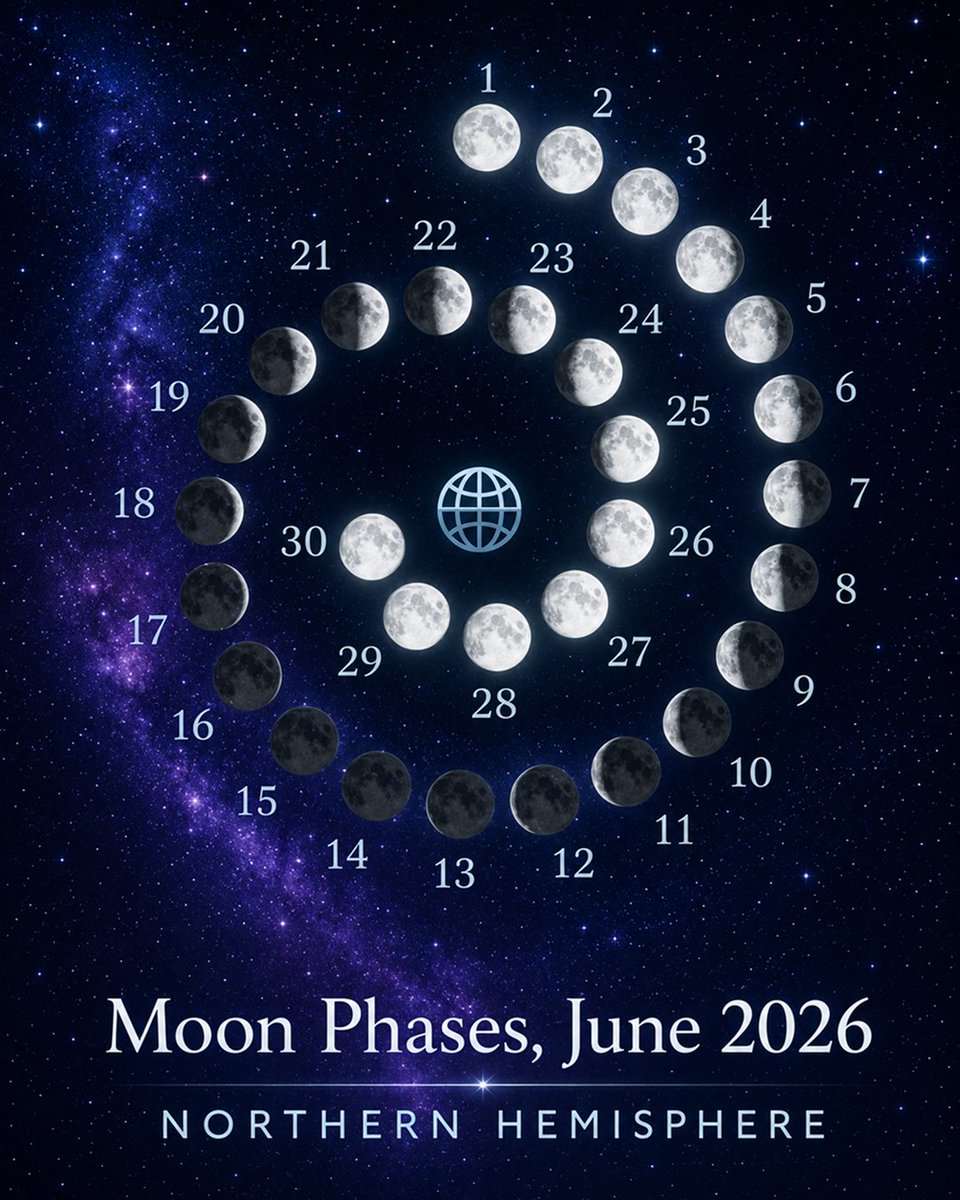
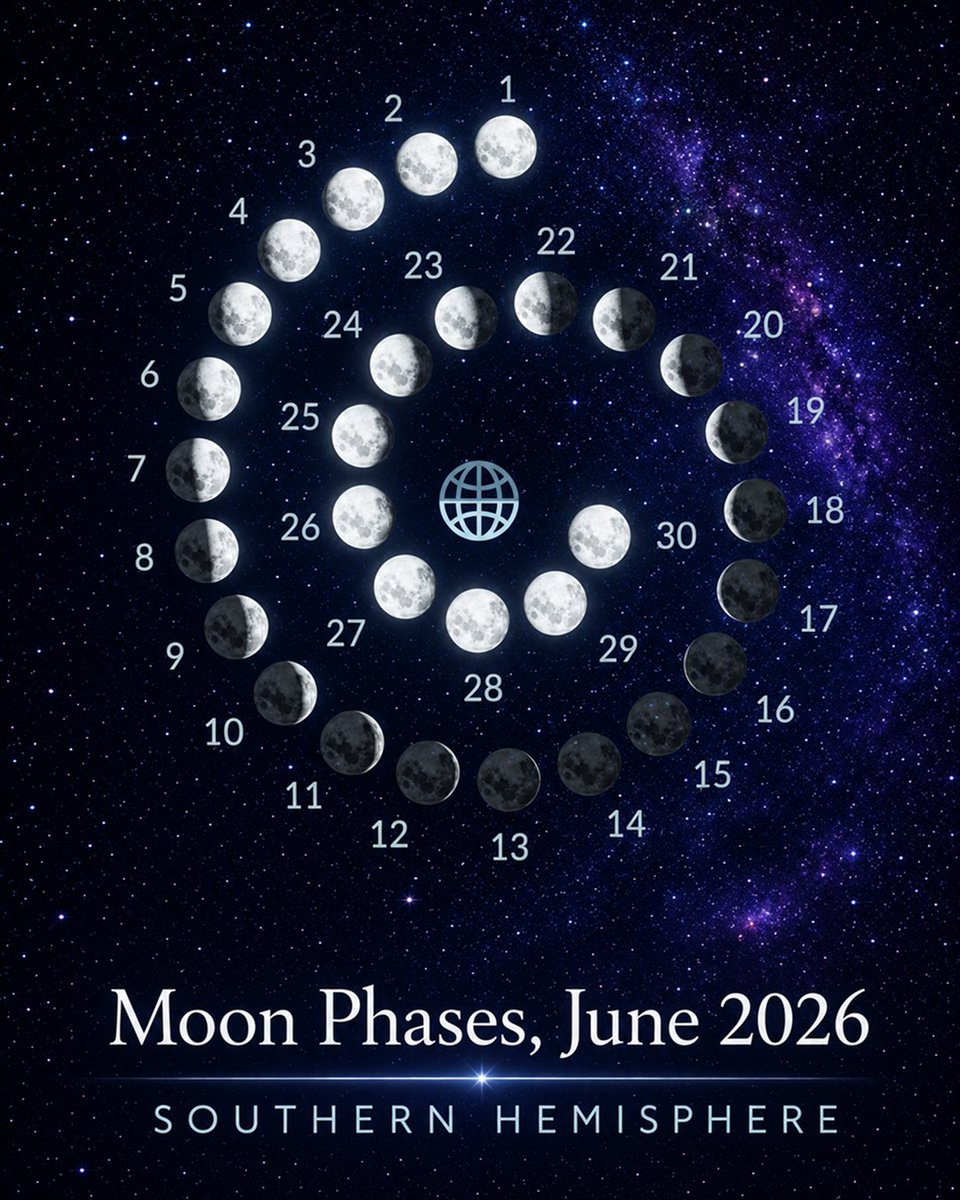
June 2026: Moon Watch 🌙
Want to keep track of the Moon this month? Here are the key dates:
🌗 Last Quarter — June 8 at 10:00 GMT / 06:00 EDT
🌑 New Moon — June 15 at 02:54 GMT / June 14 at 22:54 EDT
🌓 First Quarter — June 21 at 21:55 GMT / 17:55 EDT
🌕 Full Moon — June 29 at 23:57 GMT / 19:57 EDT
A few things to know:
✨ New Moon is the best time for stargazing, because moonlight won’t wash out faint stars and deep-sky objects.
✨ Around the Quarter phases, the Moon is especially fun to observe through binoculars or a telescope — shadows along the lunar surface make craters and mountains stand out beautifully.
✨ Full Moon is always striking, but it can also make the sky much brighter, which is not ideal for spotting faint meteors or deep-sky objects.
Which Moon do you enjoy most — New Moon for stargazing, Quarter Moon for exploring, or Full Moon for the wow effect? 🌝
15
59
1,970