
PGA of Canada Professional. Sandbagger Sessions Podcast. Thinking about St. Andrews.
Joined September 2009
- Tweets 12,141
- Following 995
- Followers 502
- Likes 17,806
337 Photos and videos




Stefan Thedorf retweeted

Jun 9
Welcome to the team, Ryan French (@acaseofthegolf1) 🤝
Big Break returns this summer, and he'll be hosting "Meet the Contestants" where he travels to all 12 players' homes and introduces their unique stories, streaming Aug. 3 on @GolfPass
35
25
534
104,369
Stefan Thedorf retweeted

May 17
Gary Player is going to lecture Ben Kern about doing more sit-ups and fat shame him right after this trophy presentation
6
2
160
16,812
Stefan Thedorf retweeted

May 15
Bryson’s 2026 major weekends
39
37
1,236
152,747
Stefan Thedorf retweeted
May 2
May 2

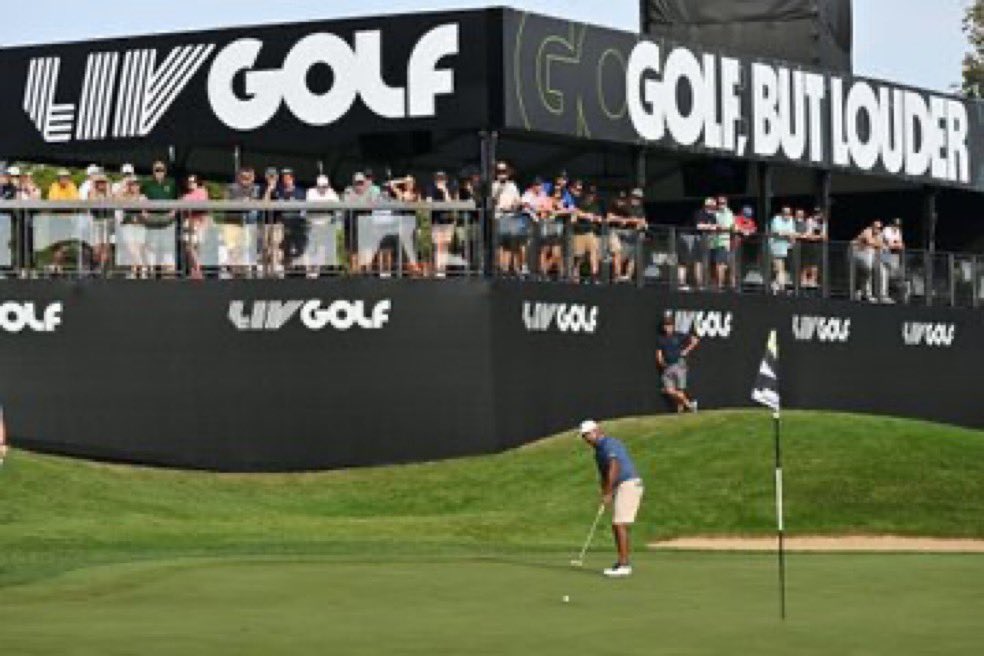
An investment idea for @livgolf_league - have all the captains pool their massive sign on bonuses from PIF into a consortium & buy the league. It would have to be around $1bn & they can back the concept they committed so strongly to. Would be akin to SSG’s investment into PGAT.
16
24
1,066
217,947

Apr 25
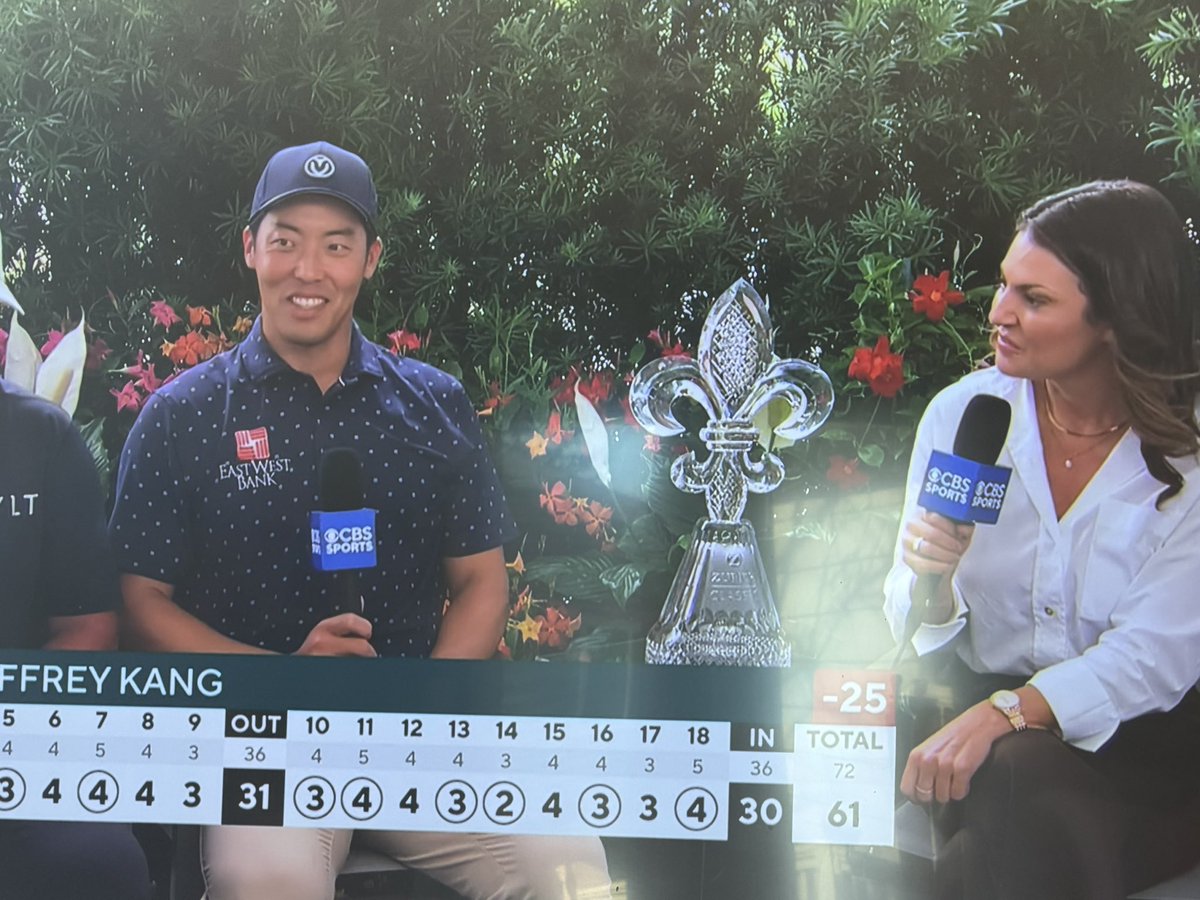
Just want to remind people, that my friend who broke the golf world a week ago, still isn’t proof reading his tweets. And never will.

3
18
10,371
Apr 15
The perfect tweet.

If LIV folds abruptly as reports indicate, the good news is that players can file breach of contract claims against the Saudi Public Investment Fund in the courts of the Kingdom of Saudi Arabia.
1
142
Apr 12
Beautiful.
Apr 12

The unforgettable story of Jack Nicklaus' 1986 Masters victory told by his caddie that year: his son. #themasters
1
128
Apr 11
Golf sicko alert: watching every shot Alex Noren has hit this week. Why? If you have to ask, as the kids say, you don’t know ball.
136
Apr 11
This is so beautifully written. Remind me of this next week @colepatkinson
Apr 10

.@TheMasters has always operated on one rule: you come to us. No phones. Dress codes. A lottery most people never win. The scarcity was the point, it’s what created the magic there. This year, I feel like the Augusta National is walking a thin line between maintaining the mythology while slowly selling the thing that made the mythology worth having.
There’s a version of growing the game that still respects the game. Rory chasing a career Grand Slam is compelling television. A 20 year-old amateur paired with the world’s best is a story. Kelce eating a sandwich on the fairway while patrons stare in awkward silence is not.
The people who truly love and respect the Masters don’t need to be told why it matters. And the people who don’t know yet deserve to find out the same way the rest of us did, through the golf and golf alone.
131
Apr 9
I dunno, have you looked at Potgieter’s SG graph? @TronCarterNLU

Augusta National Chairman Fred Ridley says golf has become "one-dimensional."
"Until recent years golf has been a game of imagination, creativity, and variety. The game has become much more one-dimensional."
Great soundbite. It's also directly contradicted by the USGA's Distance Insights Project. Here's what their research actually found.
Today's long hitters are good at everything.
Report R56 measured how closely driving distance was linked to every other skill on Tour. Longer hitters have improved their approach play. They have improved their short game. They have improved their putting.
R56's conclusion: "This can be interpreted as longer hitters becoming better at the non-driving distance parts of the game, while accurate hitters were becoming worse at the non-driving accuracy parts of the game."
Read that again. The USGA concluded long hitters are becoming MORE well-rounded. The straight hitters are becoming LESS well-rounded. If anyone is getting more "one-dimensional," it's the shorter hitting accurate players, not the bombers.
Report R14 (Mark Broadie) broke down what separates the top 40 players from the field: approach shots 36%, driving 32%, short game 17%, putting 14%. The single biggest contributor to elite scoring is still approach play. Non-driving skills account for 68% of the scoring advantage.
R56 analyzed every tee shot on every par 4 and par 5 on the PGA TOUR over 15 seasons using Shotlink data. Driving distance explains 3% of scoring variance on a hole. Where your ball ends up (fairway, rough, bunker) explains 9% of scoring variance on a hole. Where you hit it matters three times more than how far you hit it.
Ridley's claim "feels" right, but feelings aren't data. The USGA's research found that today's long hitters are more well-rounded than ever, approach play still matters more than driving, and distance explains 3% of scoring variance on a hole while where the ball ends up explains 9% of the scoring variance.
The game hasn't become one-dimensional.
The best players have added dimensions.
67
Mar 14
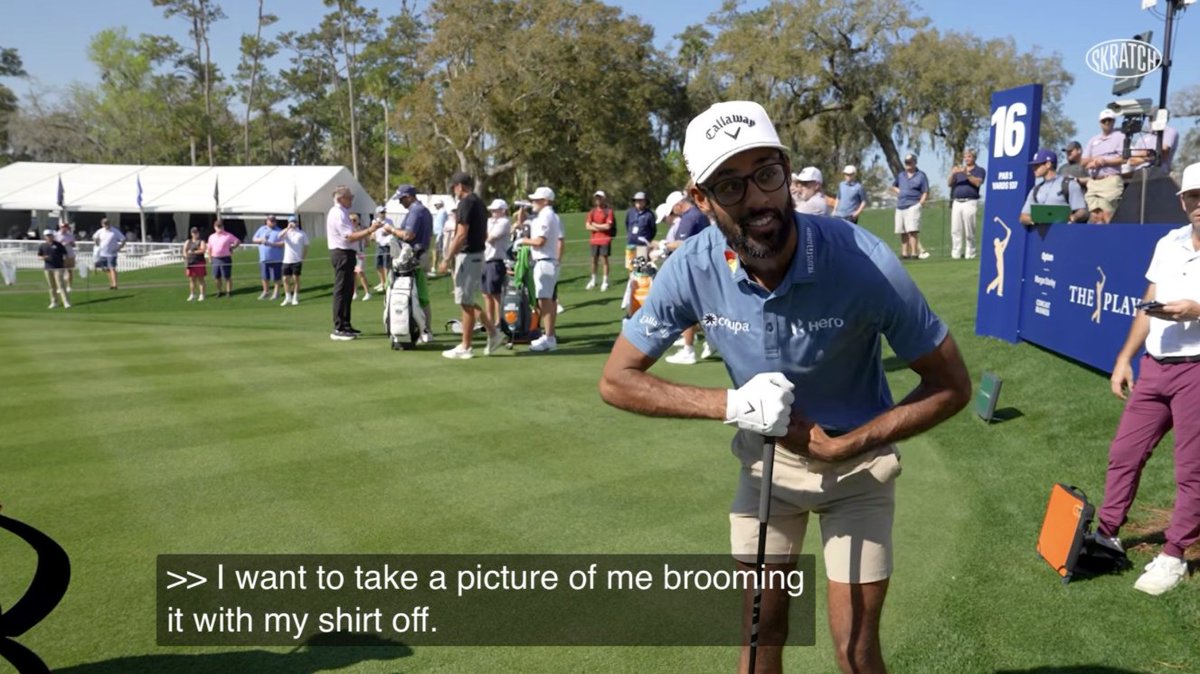
Alright, new rule. Your putter is over 40 inches and you have to putt with your shirt off. There are going to be a lot of people following Adam Scott.

1
143
Feb 28
We are talking about 2045?!?
Feb 28

🚨🇺🇸⛳️ #NEW — Inverness Golf Club in Toledo, Ohio has been selected to host the 2045 U.S. Open, returning major championship golf to the club for the first time since the 1993 PGA Championship.
(Via @toledosports)

1
158
Stefan Thedorf retweeted

Feb 10
Conservative commentator: “They could’ve found somebody more uniting.”
Jon Stewart: “Why the hell is it the Super Bowl halftime performer’s job to unify the country? Isn’t there literally someone else whose entire job description is that?”
179
4,597
44,899
1,004,408
Stefan Thedorf retweeted

Feb 9
Welp, that was a massive disgrace to the American people.
> Barely even speaks English.
> Not from here.
> Associates with criminals and pedophiles.
DO NOT see the Melania movie.
387
7,309
116,823
1,913,994
Jan 20
This man doesn’t have real friends. You simply can’t post this and also have real friends.
Jan 20
🕺🎄Bryson DeChambeau takes to social media: “How life feels right now.”
(Via: @brysondech) @BrysonLegion
64
Stefan Thedorf retweeted

Jan 12
This is how I imagine PGA Tour Member in Good Standing Brooks Koepka will enter the SoFi Dome for tomorrow night’s Jup Links match
19
40
829
68,886
Stefan Thedorf retweeted

27 Sep 2025
Big of them to let Bryson be a spectator in their Break 60 video.

32
436
13,553
929,090
27 Sep 2025
And we have found the winner for worst Ryder Cup take.
27 Sep 2025

I mean, there's something to that: The population of Europe is 750 million, the population of the U.S. is 350 million. Gonna take some fresh thinking to breathe life back into the Ryder Cup - Team North America is a good start!
2
264
23 Sep 2025
Europe by 10.
22 Sep 2025

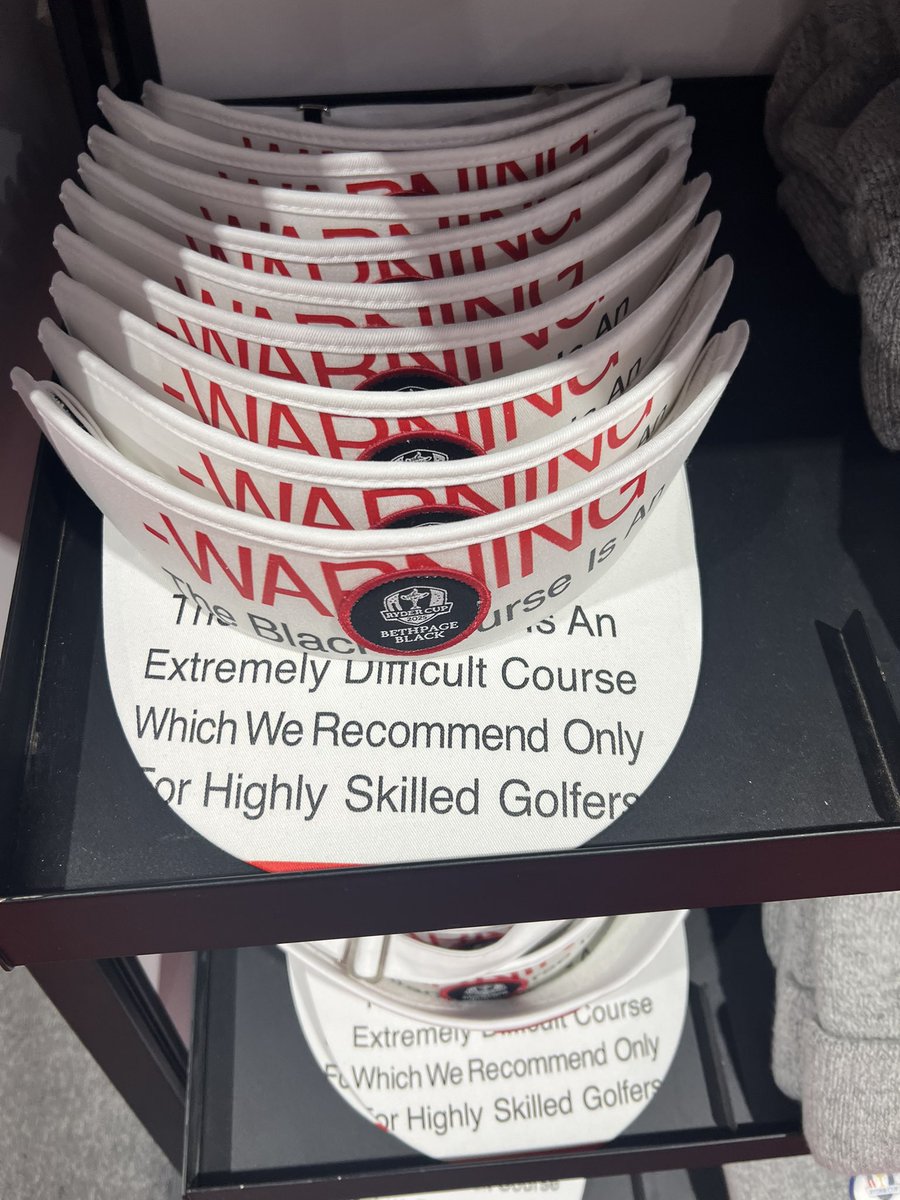
There’s truly something for everyone at the Ryder Cup merch tent
1
79
22 Jun 2025
If @TronCarterNLU is not pulling a Rickie behind the 18th green today, what are we even doing? @NoLayingUp
1
174