
Entomologist - beetles 🐞 PhD in veteran tree invertebrates. Former NHM trainee & UEA Ecology student. Currently in freshwater ecology - views my own
Joined October 2012
- Tweets 3,237
- Following 1,226
- Followers 1,807
- Likes 19,931
818 Photos and videos

Steph Skipp retweeted

May 27
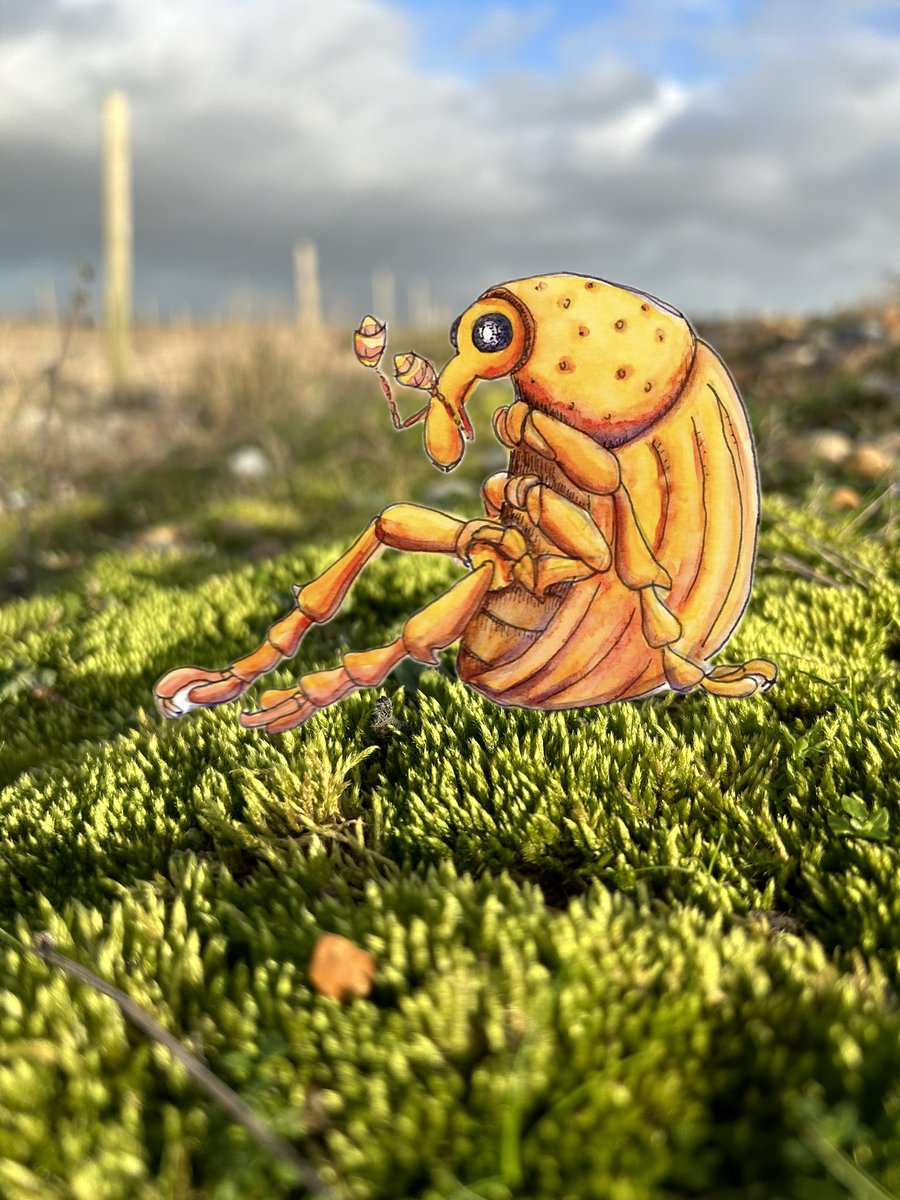
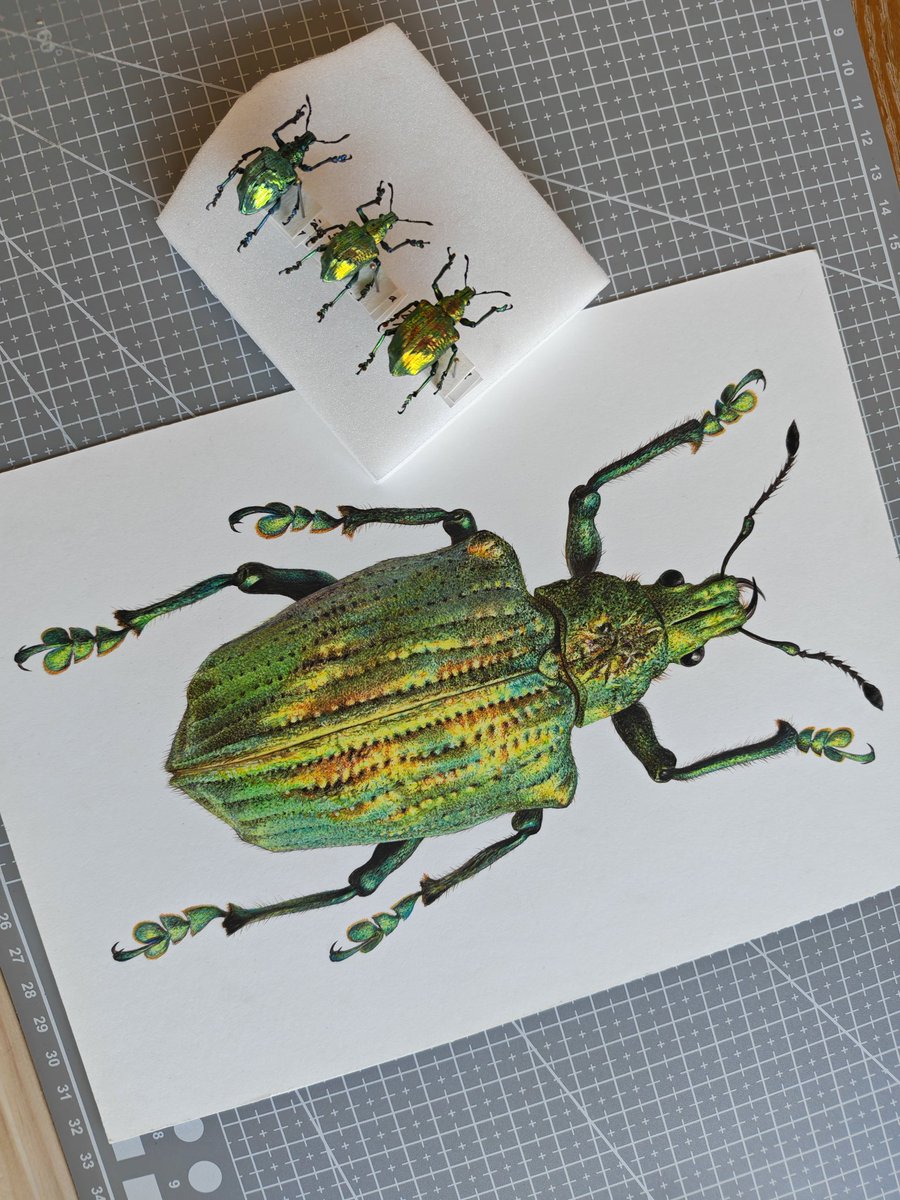
Lamprocyphus augustus artwork, drawn with ink & coloured pencil. Framed original available.
A beautiful jewel-like weevil from Brazil.
carimnahaboo.com/products/la…
1
11
79
1,180
Steph Skipp retweeted

Mar 24
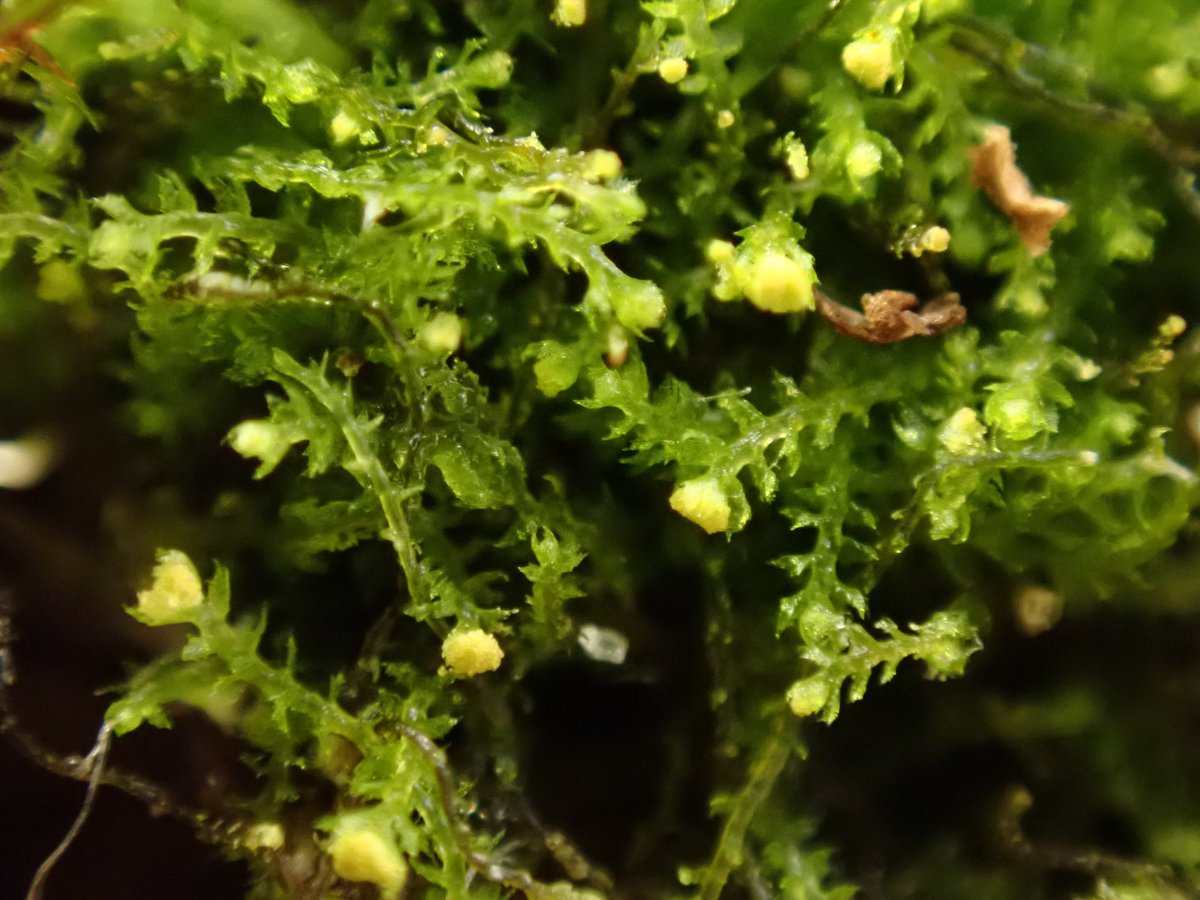
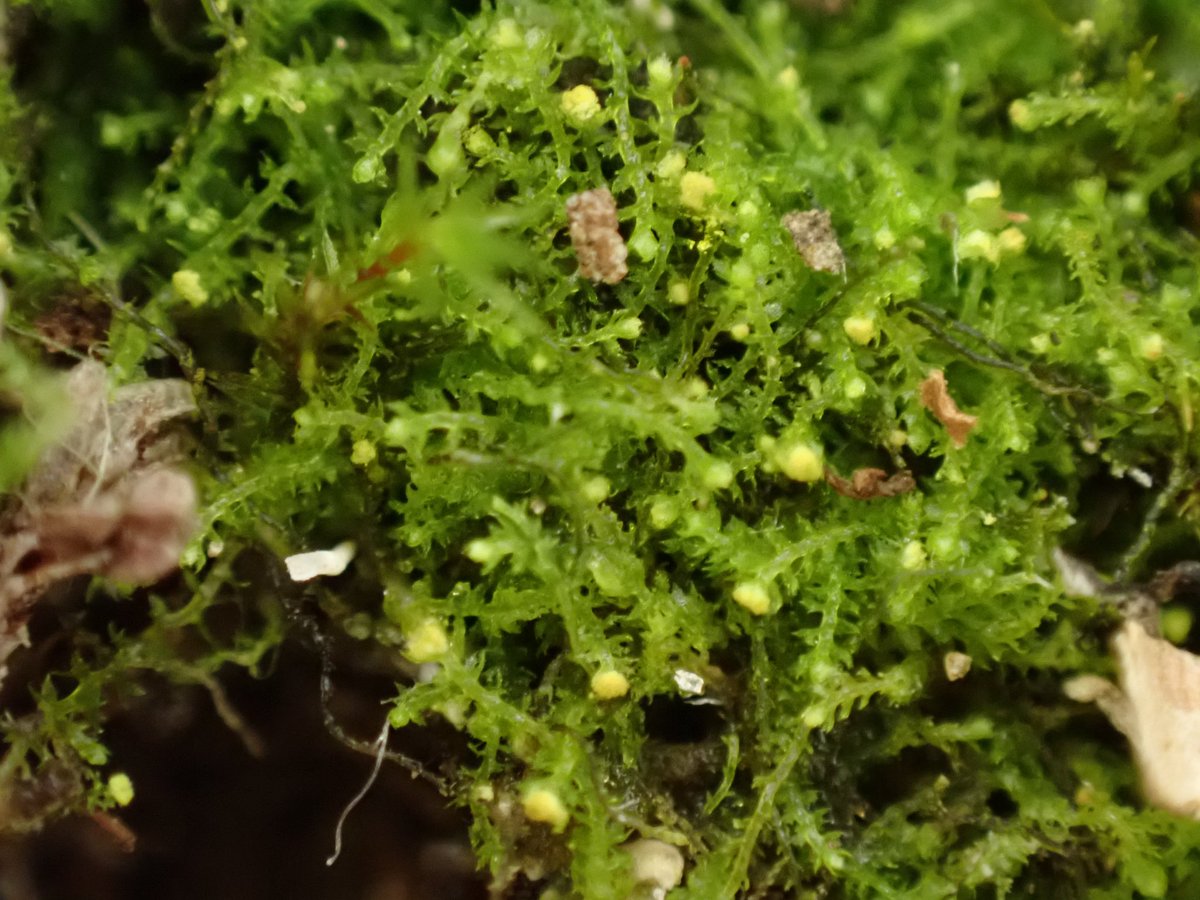
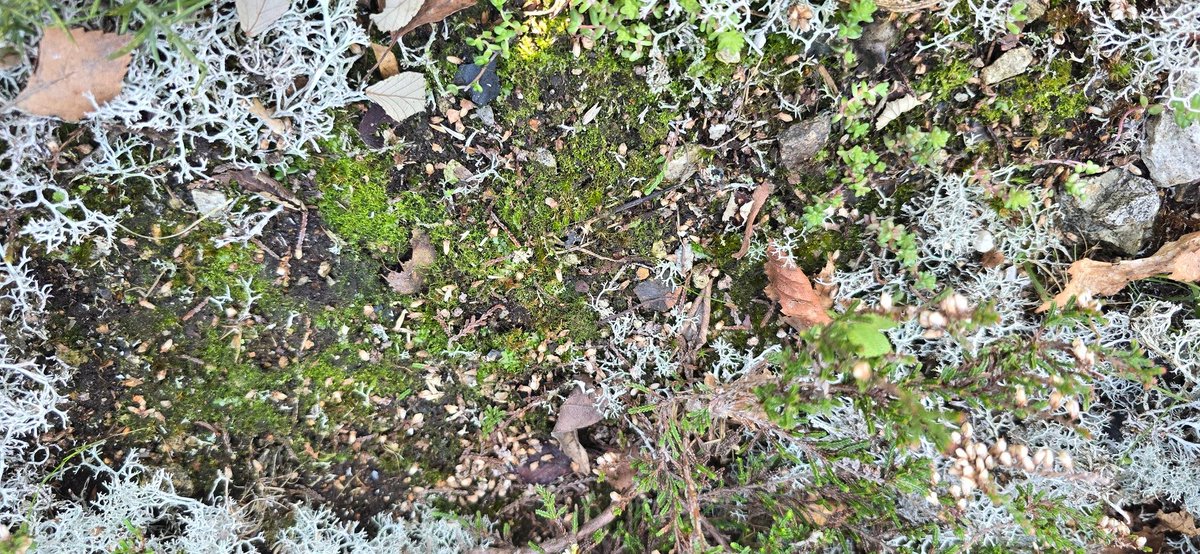
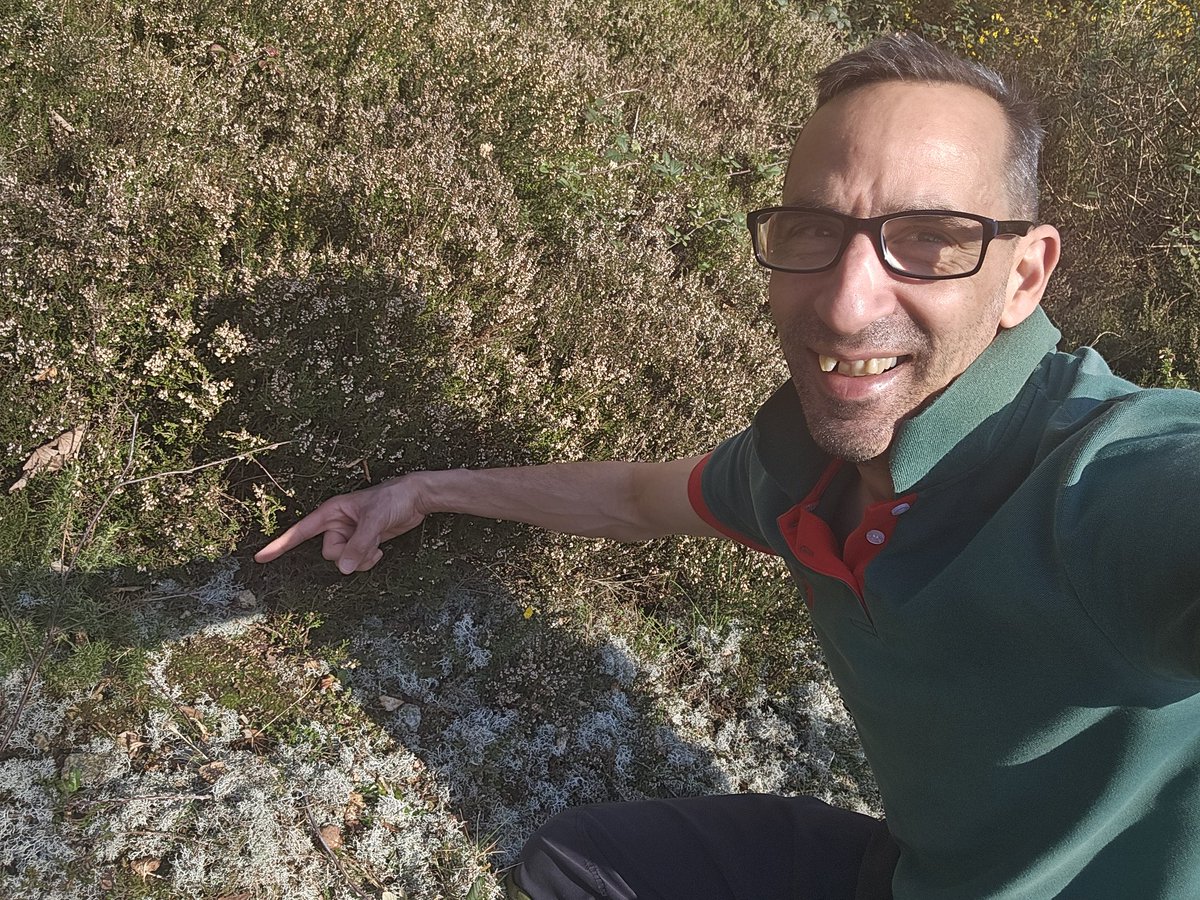
A return visit to the Llyn Peninsula for a ten day mossing sesh,a Saturday revisit to the site i discovered a new site for Cephaloziella dentata ,good to see it doing well and this strong patch a few meters away from last Octobers patch @BBSbryology
1
4
40
666
Steph Skipp retweeted
Feb 22
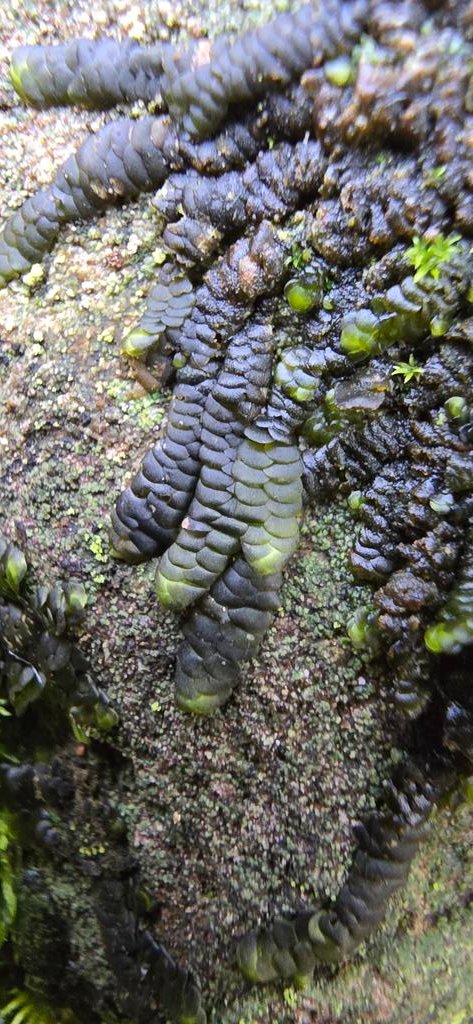
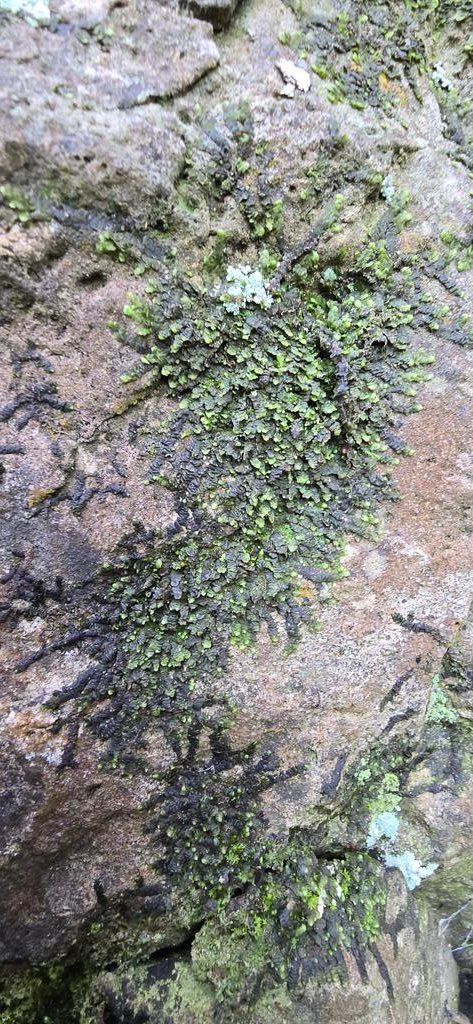
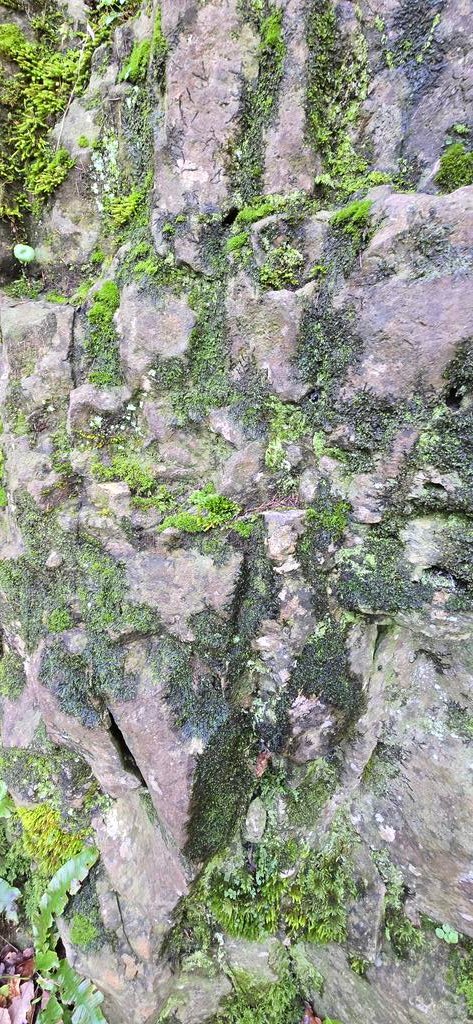
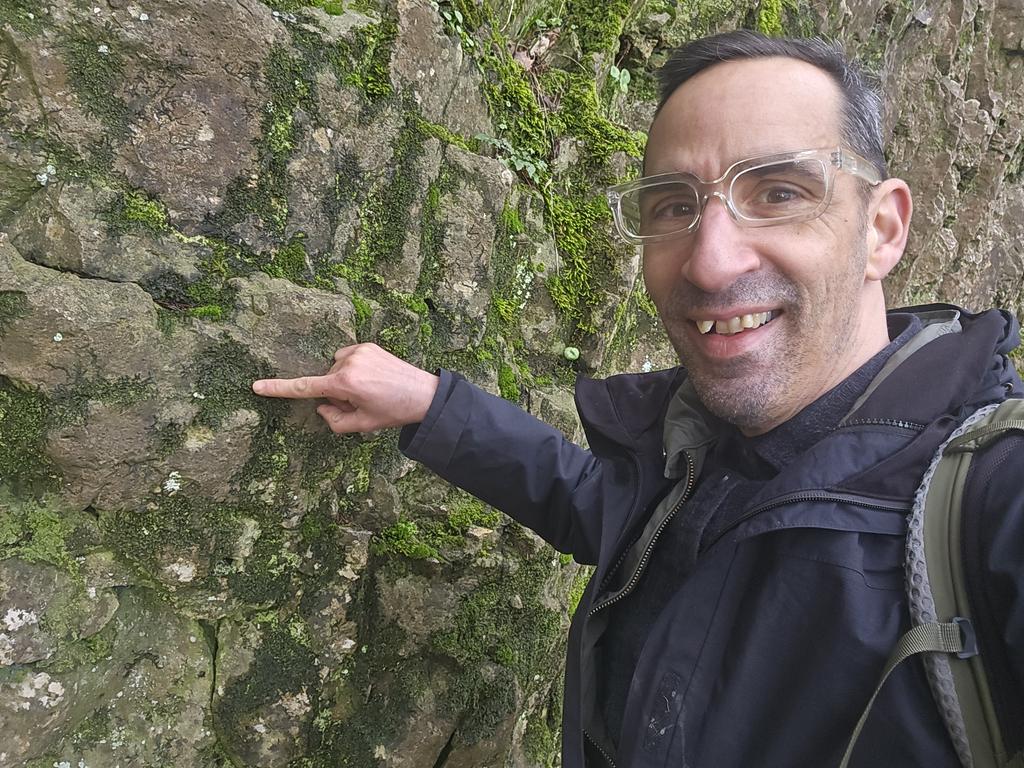
Marchesinia mackaii ,or rock treacle as I call it ,growing across the Carboniferous Limestone outcrops in the Wye valley last weekend @BBSbryology
2
8
86
1,490
Steph Skipp retweeted

3 Dec 2025
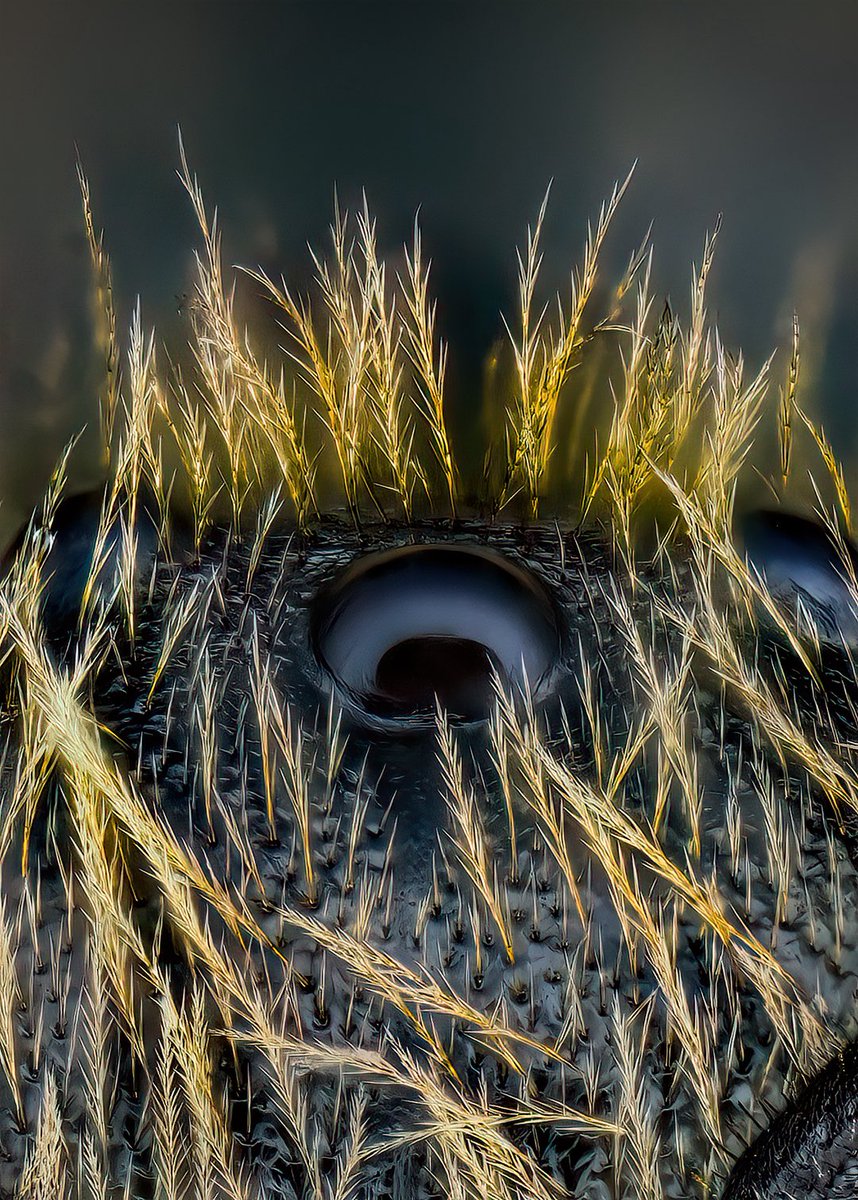
Close-up on the third eye
What looks like a sparkling gemstone is the median ocellus of a wild bee – one of three simple light sensors on its head. Unlike the large compound eyes that deliver images, ocelli only detect brightness and the polarization of light. They help the bee instantly recognize the horizon, stabilize flight attitude, and even “see” the sun on cloudy days – perfect for daring maneuvers between flowers. In many insects, ocelli are also linked to the internal clock and support navigation according to the circadian rhythm.
Three tiny dots, massive superpower
Sources:
Rossel, S. (1989). Polarized Light in Insect Vision. In: Comprehensive Insect Physiology, Biochemistry and Pharmacology.
Warrant, E. J. (2017). The remarkable visual abilities of nocturnal insects. Journal of Experimental Biology.
Labhart, T. & Nilsson, D.-E. (1996). Ocelli in insects: Structure and function. Arthropod Structure & Development.
2
21
126
2,473
Steph Skipp retweeted
2 Dec 2025
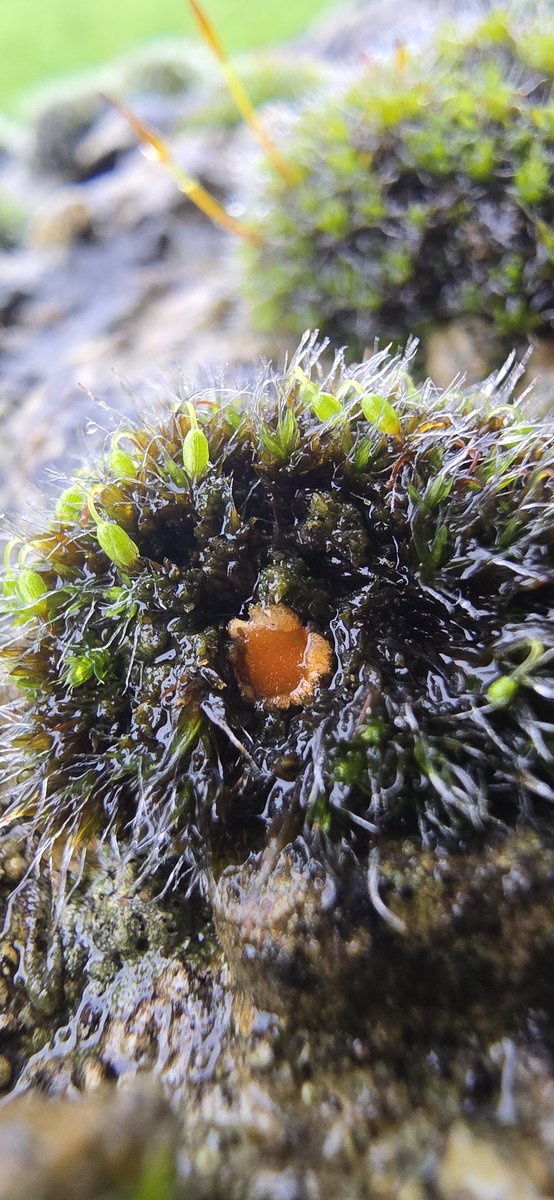
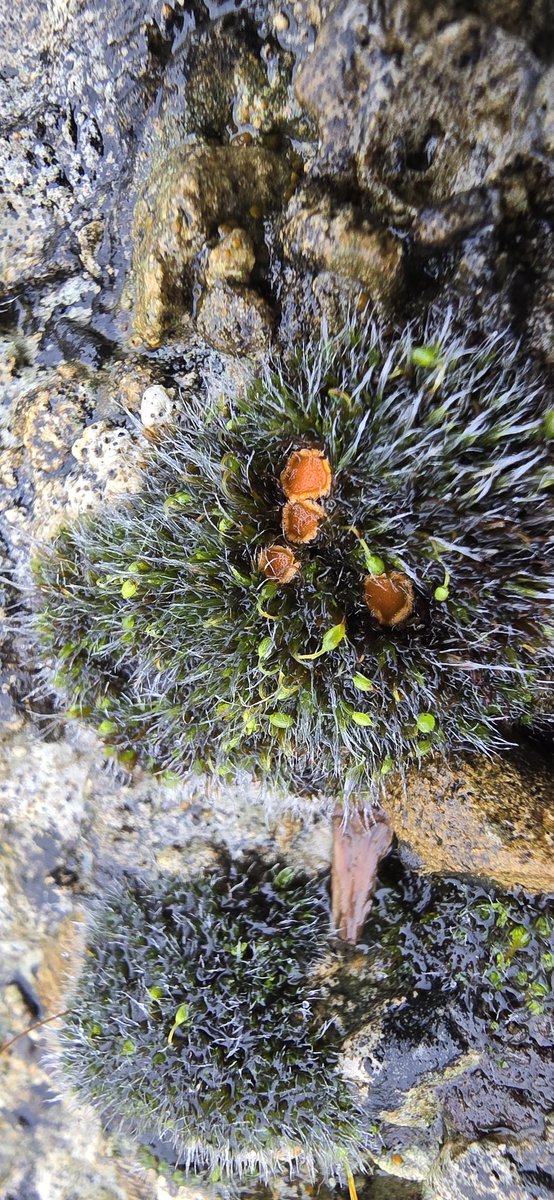
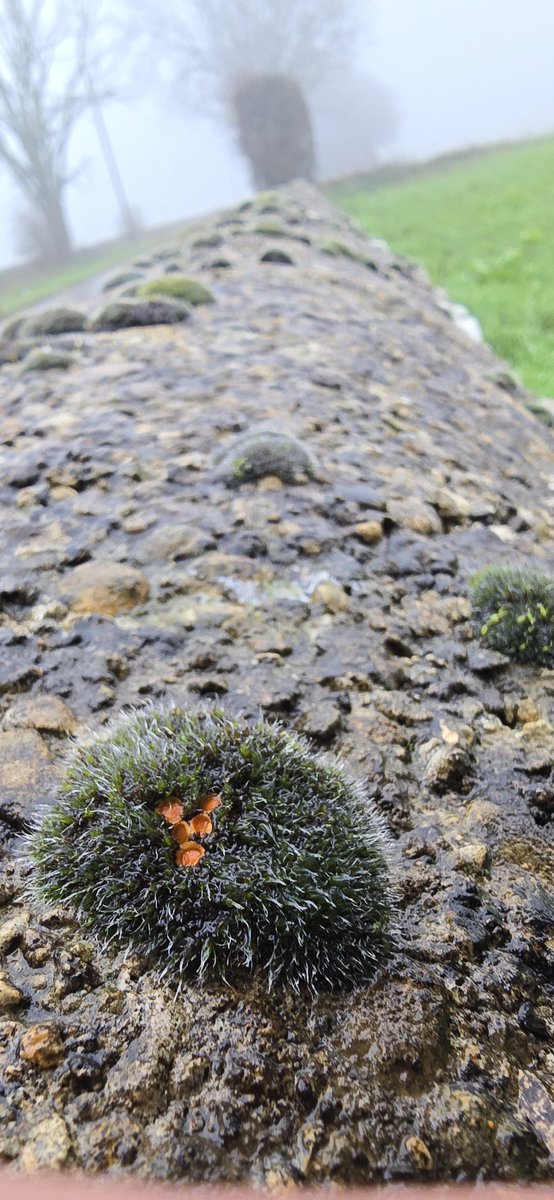
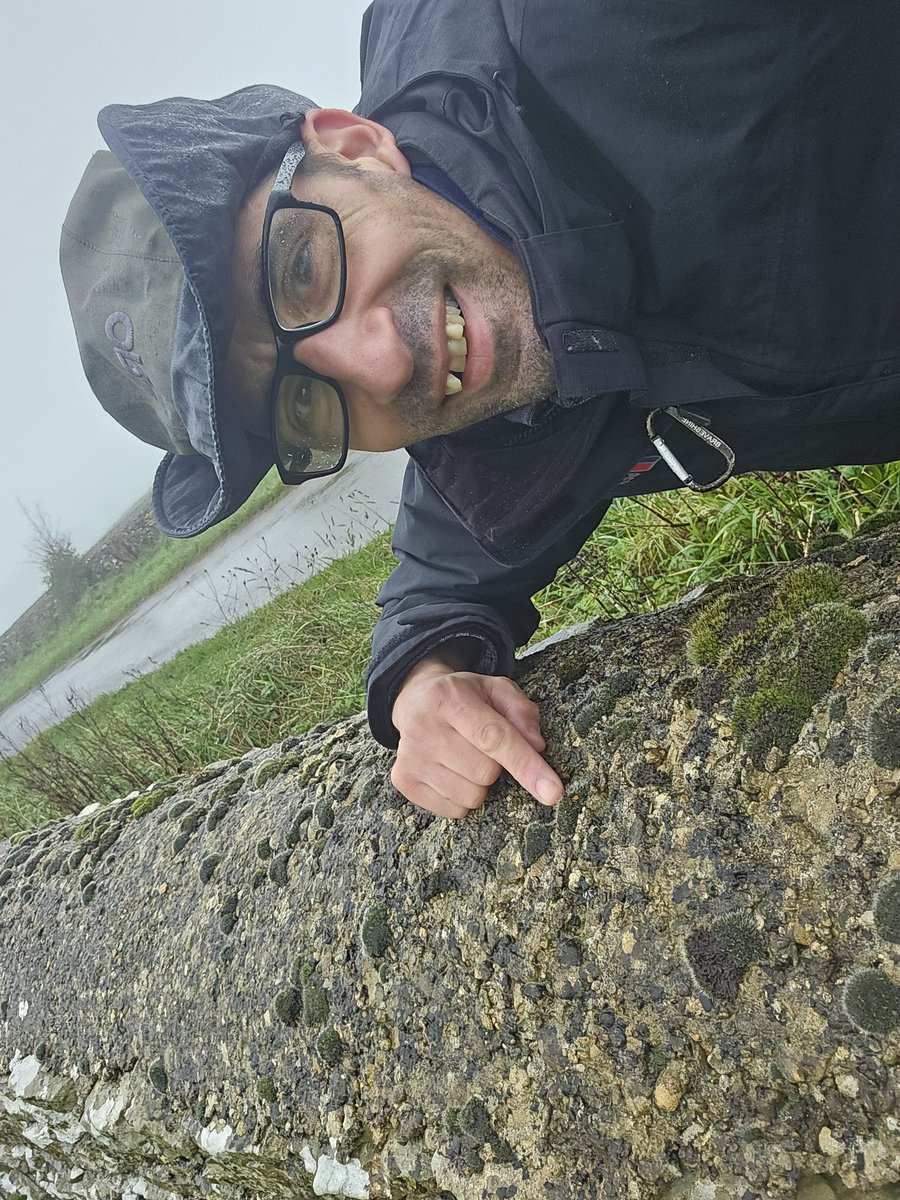
A grotty Saturday morning i went up to check up on the Cotswold stone wall top Grimmia Pulvinata Cushions at a site that holds all three Octospora species that are host specific to Grimmia pulvinata, here Octospora Grimmiae doing the best I have seen it .
2
2
36
877
Steph Skipp retweeted
11 Nov 2025
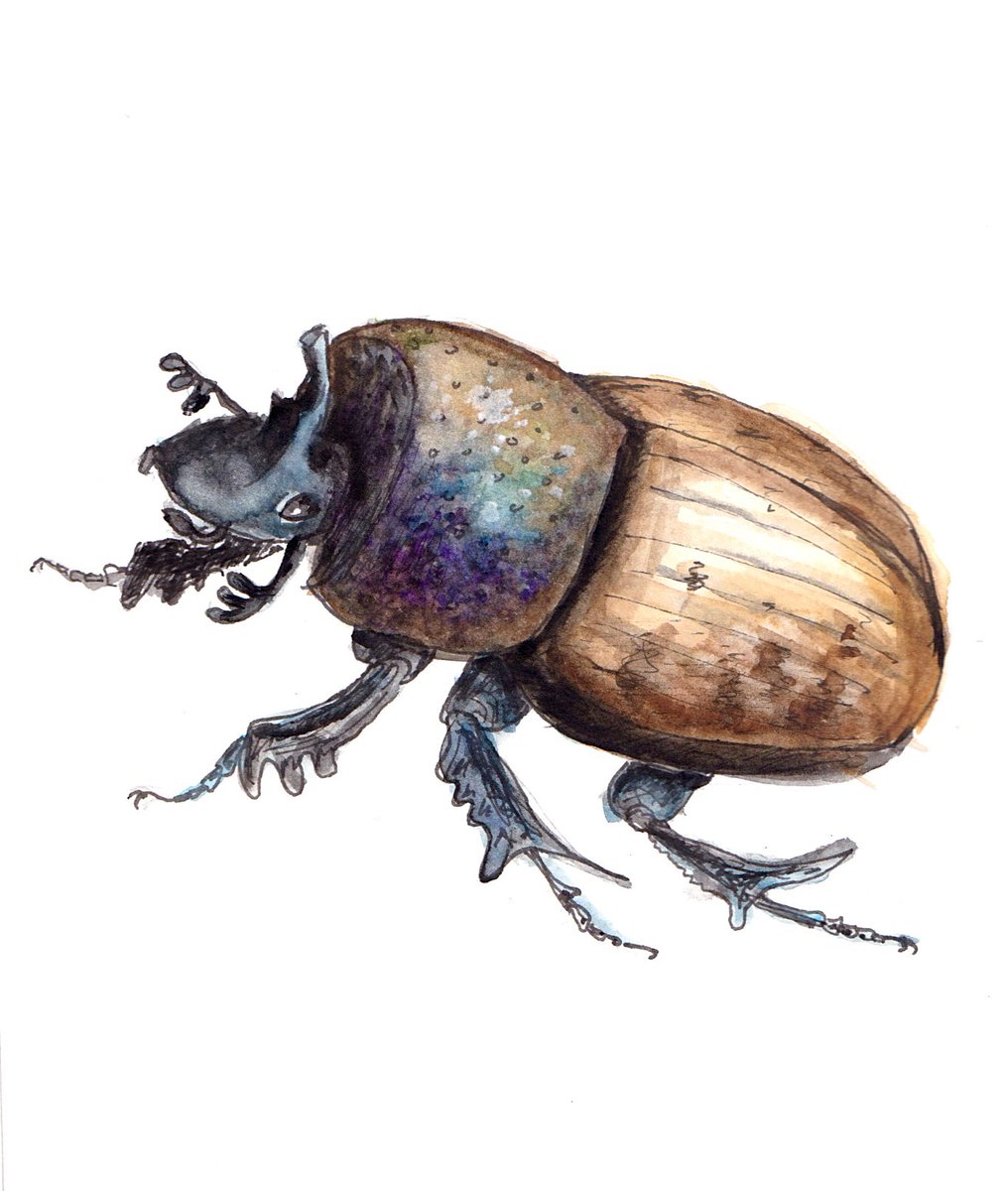
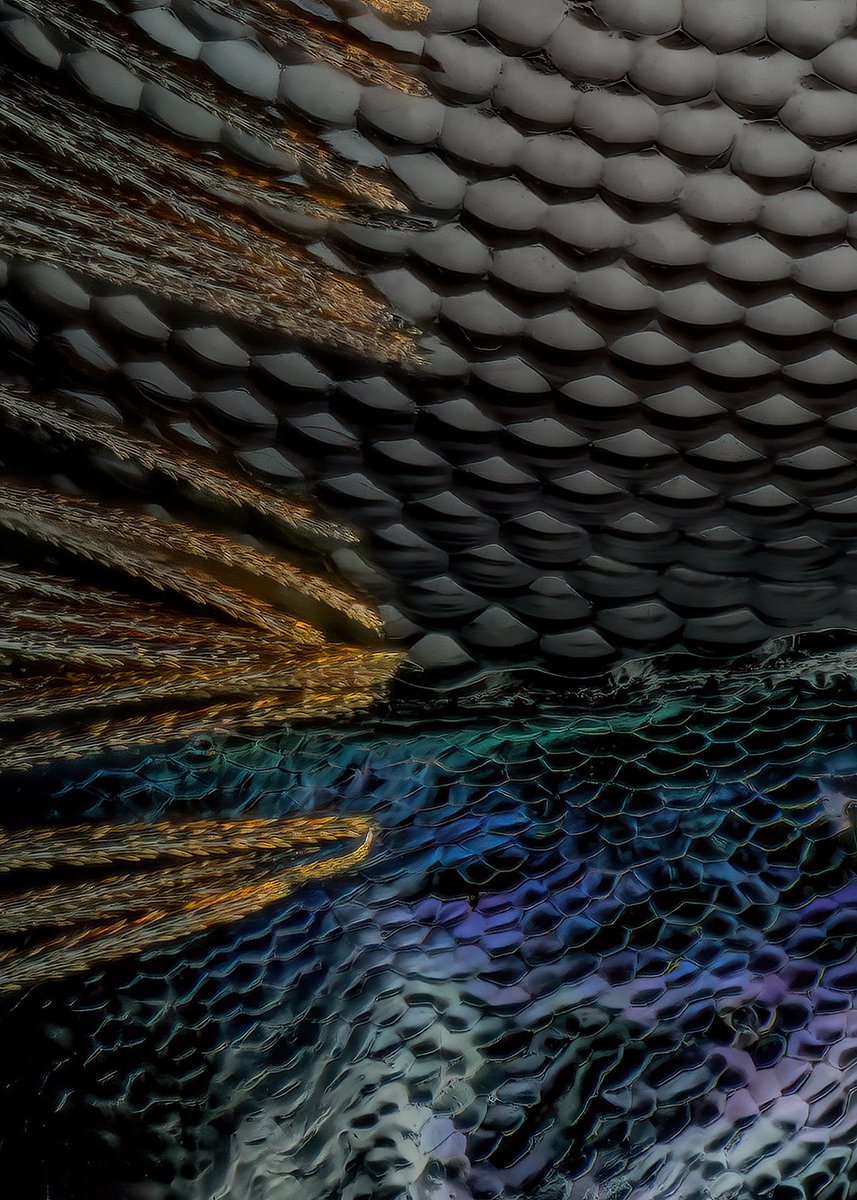
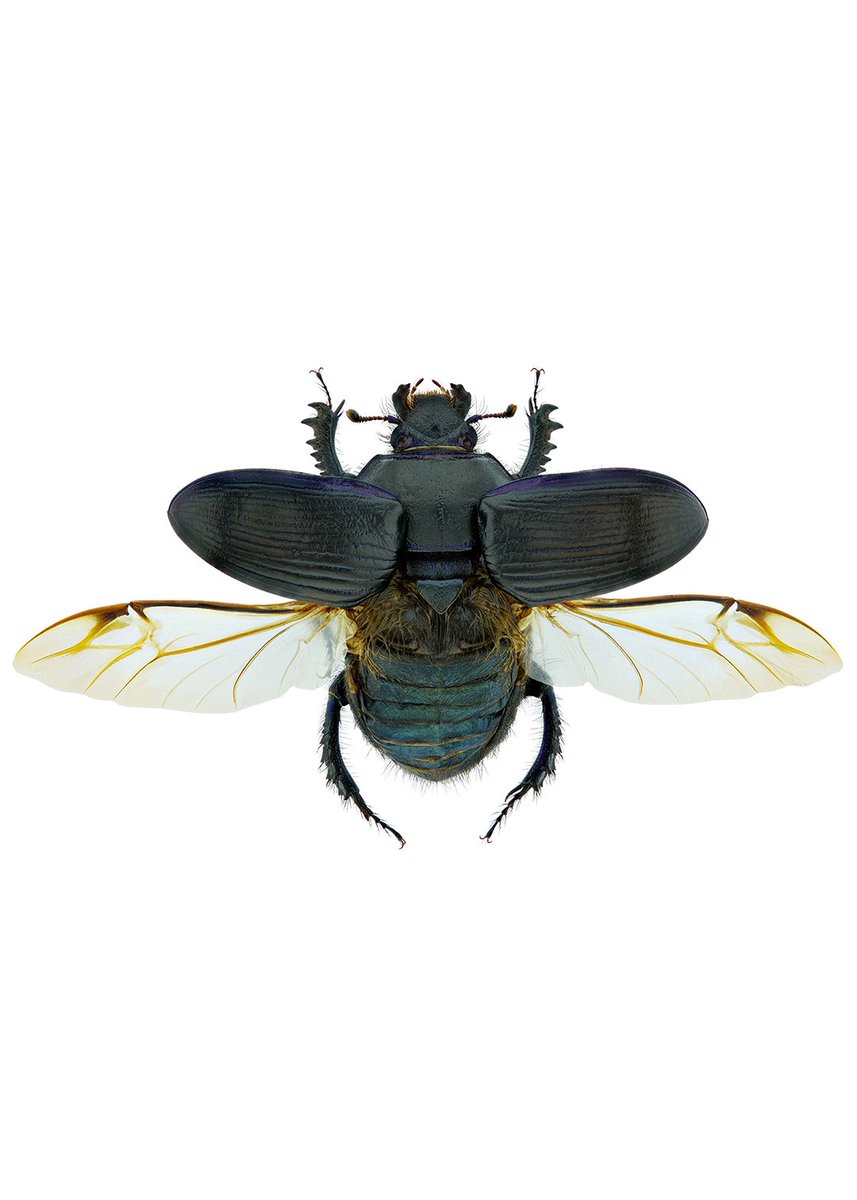
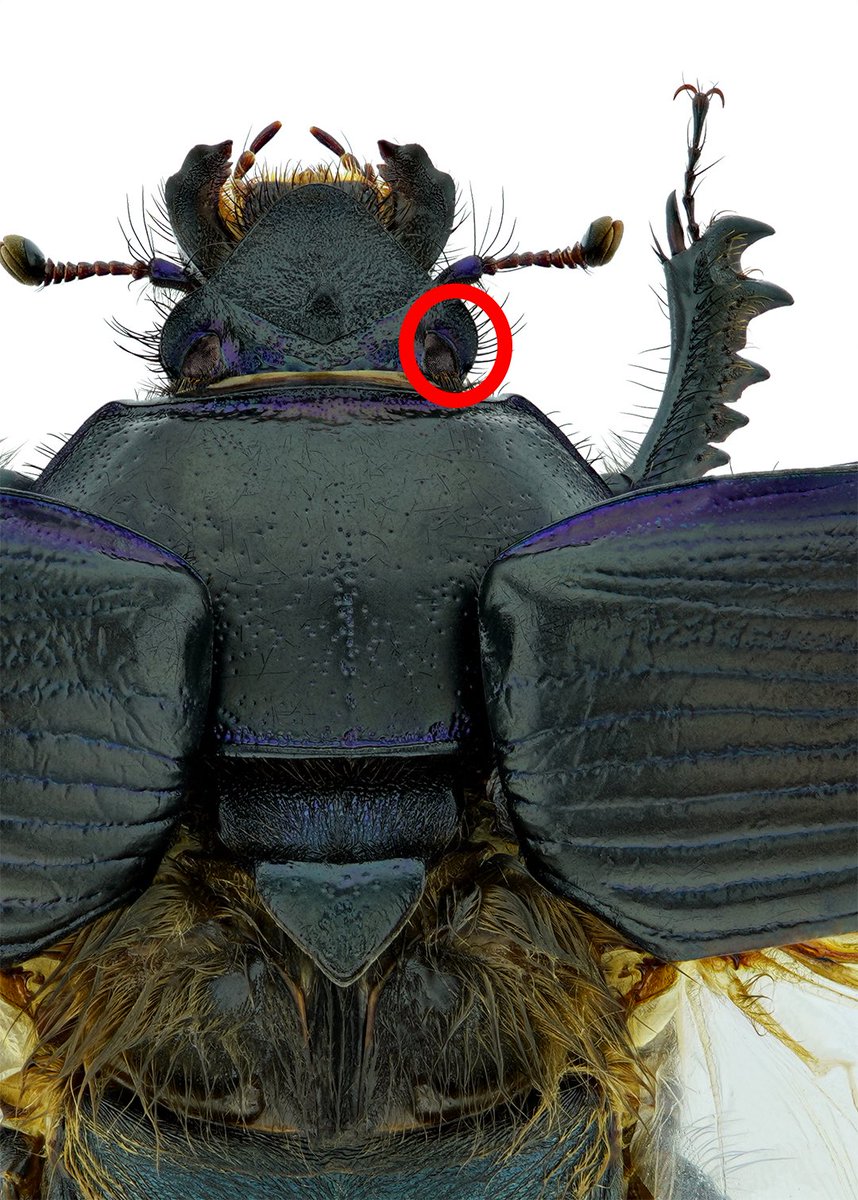
Dung beetle, Geotrupes spiniger.
Fascinating hairs on the eye of this amazing beetle.
1
11
87
1,758
Steph Skipp retweeted
11 Nov 2025
Mecynorrhina torquata ugandensis, ink & coloured pencil
1
9
59
1,029
Steph Skipp retweeted
27 Oct 2025
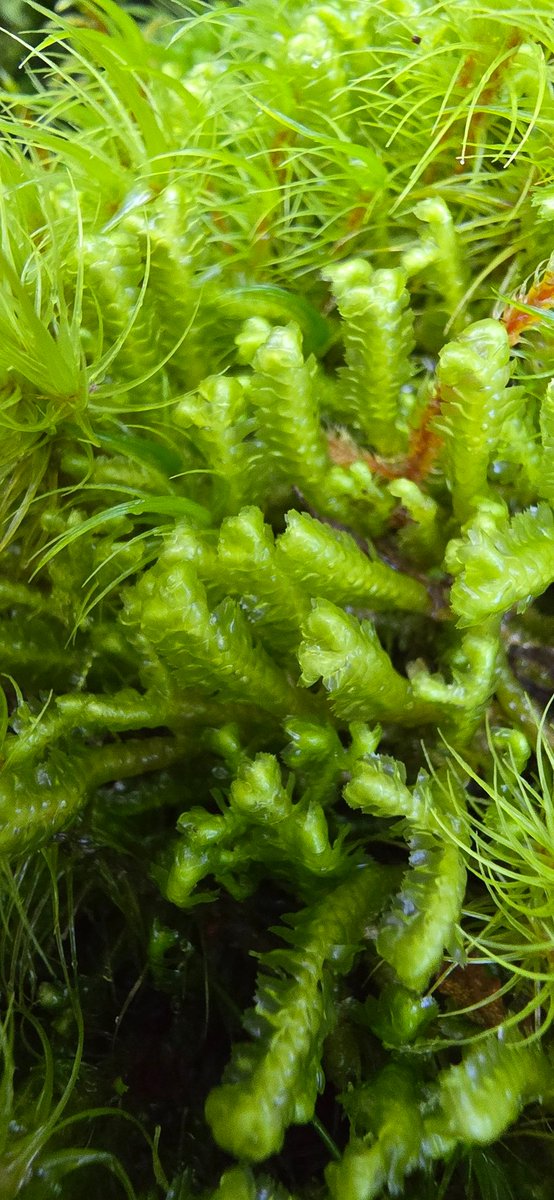
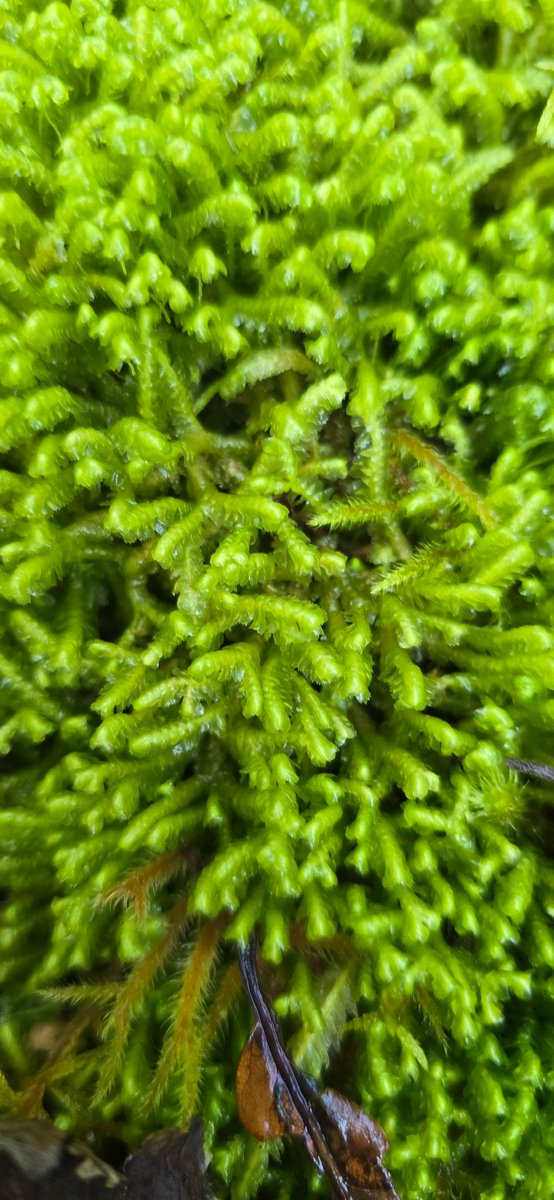
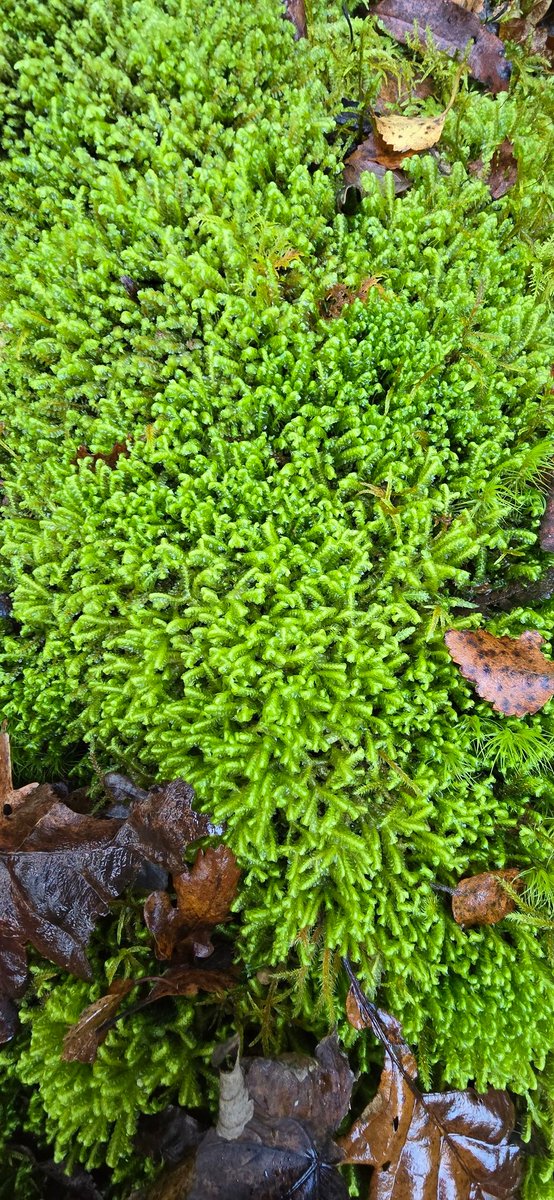
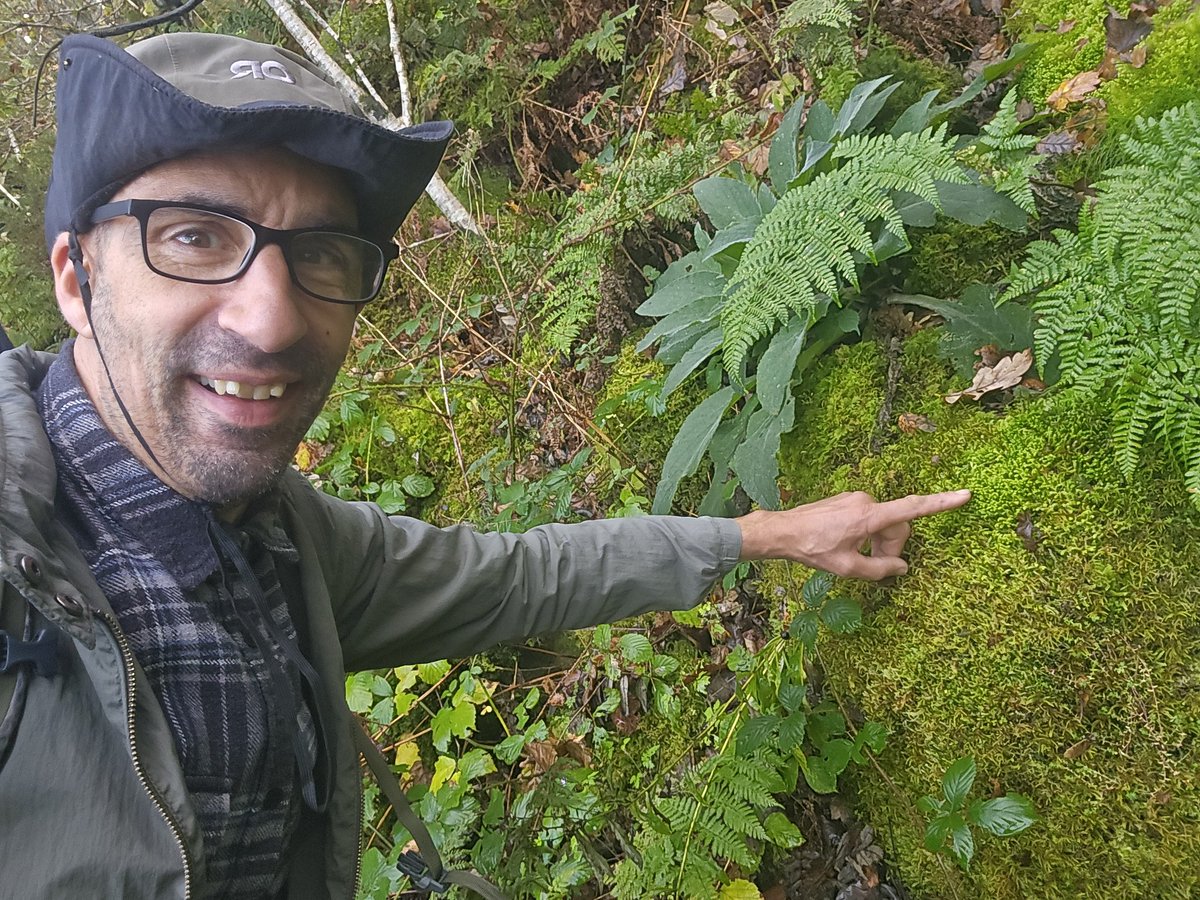
Bazzania trilobata (Greater Whipwort) in the hanging Woodland on Moel y Gest last Wednesday near Porthmadog, i remember seeing this beuty of western Atlantic Oak-woods for the first time at Ganllwyd NNR and my eyes widened,they still do when ever I see it 💚 @BBSbryology
5
58
923
Steph Skipp retweeted
27 Oct 2025
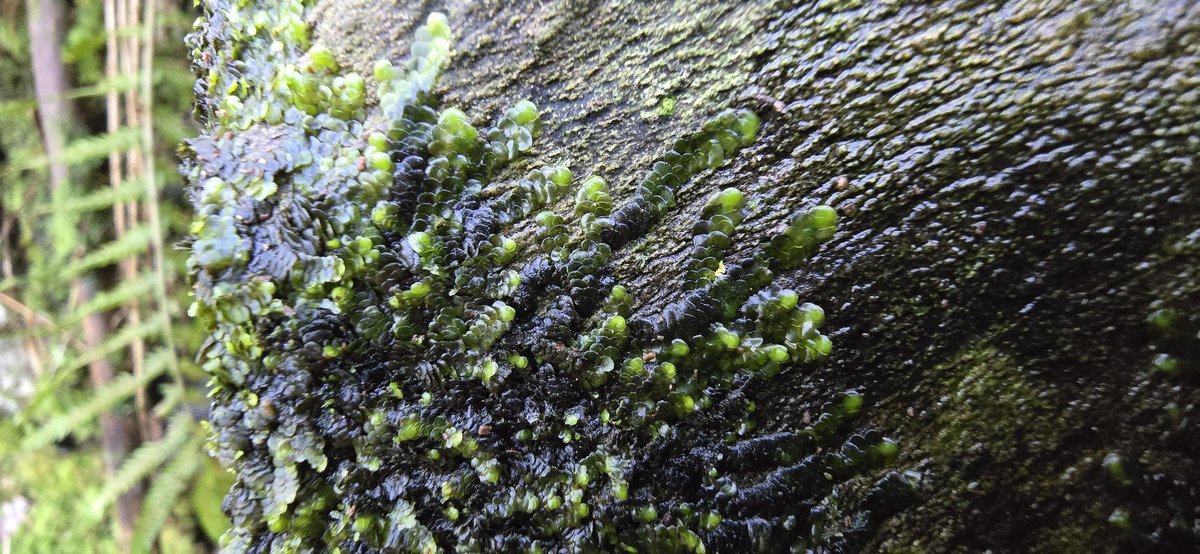
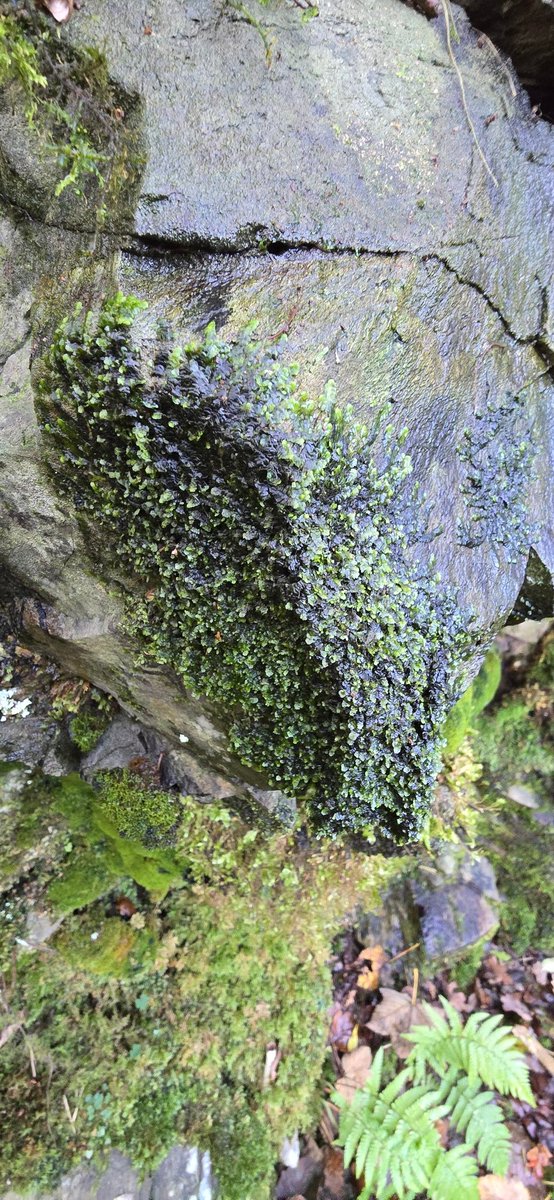
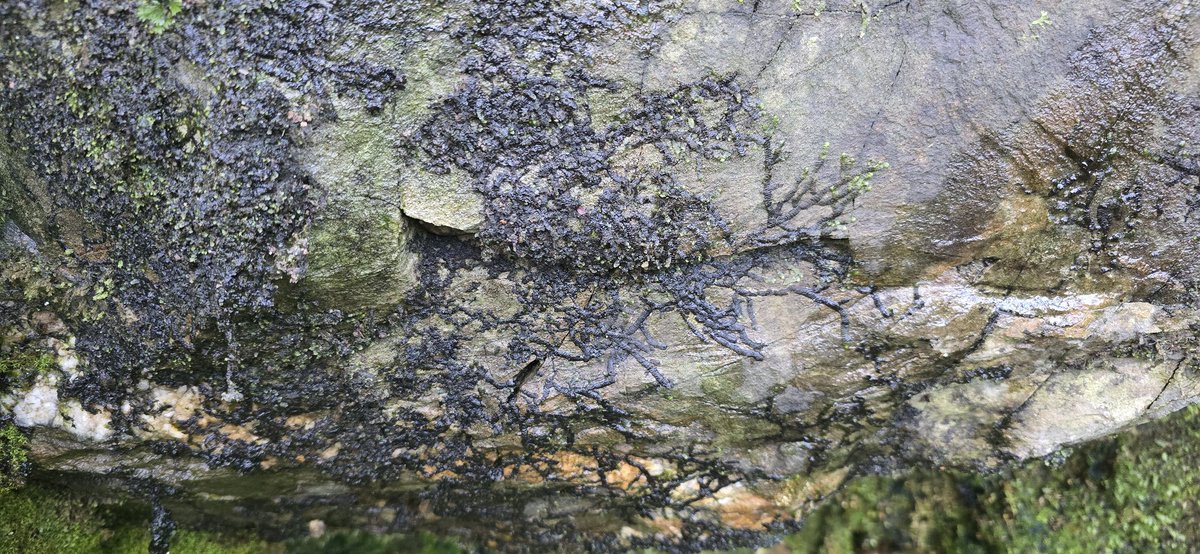
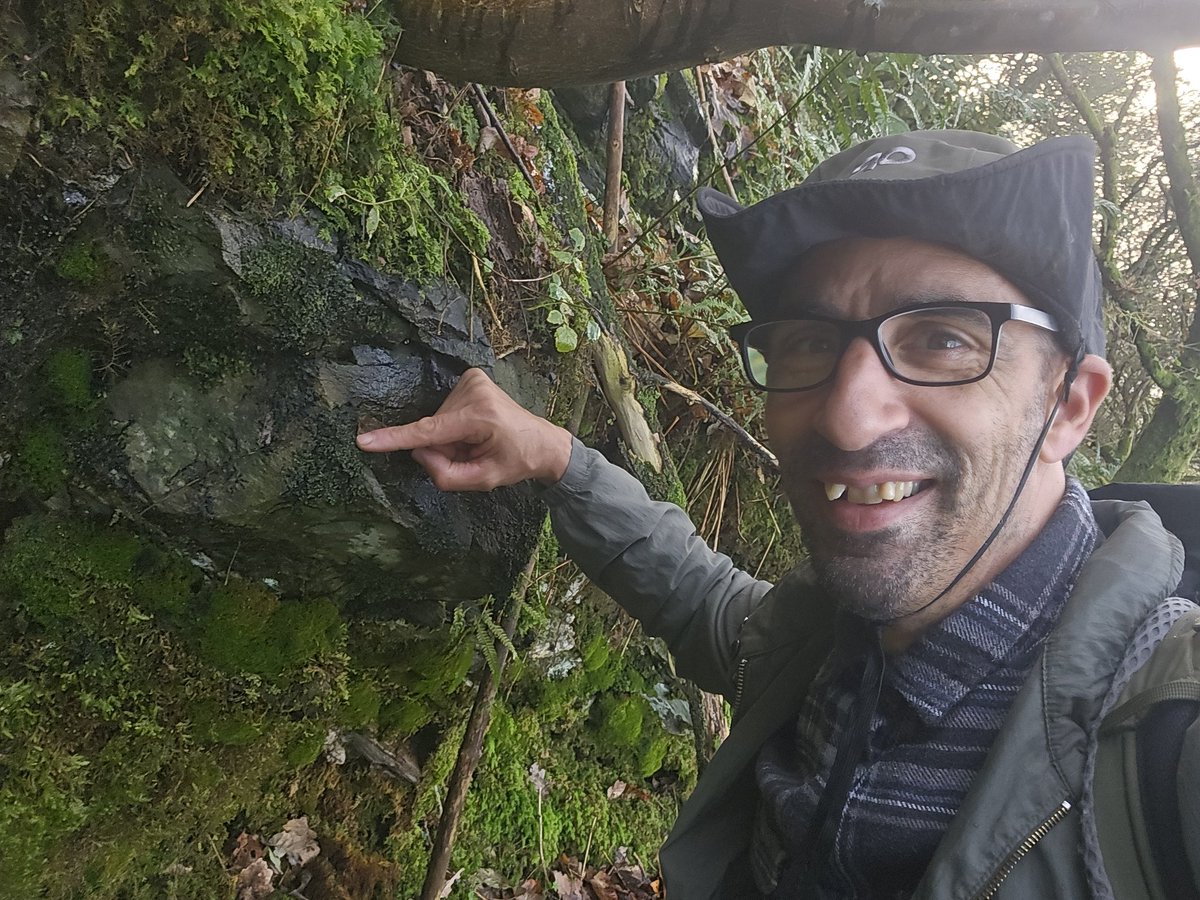
Marchesinia mackaii (MacKay's Pouncewowort) on rocky outcrops amongst the hanging Woodland on Moel y Gest near Porthmadog last Wednesday @BBSbryology
1
2
18
571
Steph Skipp retweeted

26 Oct 2025
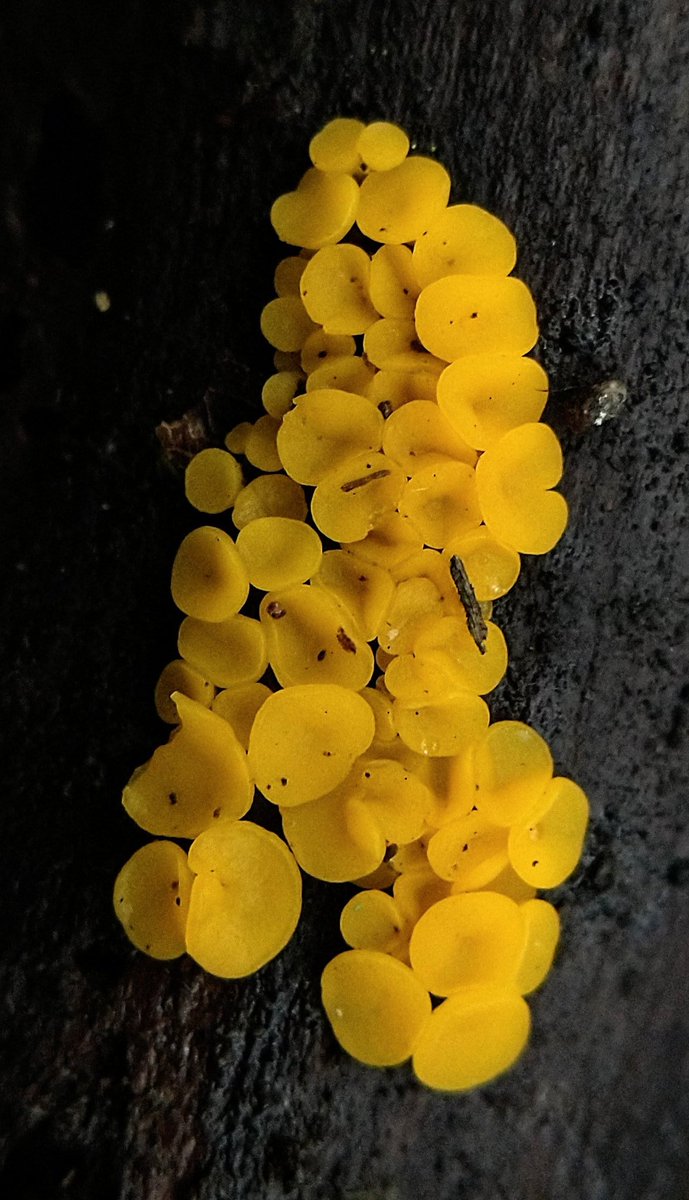
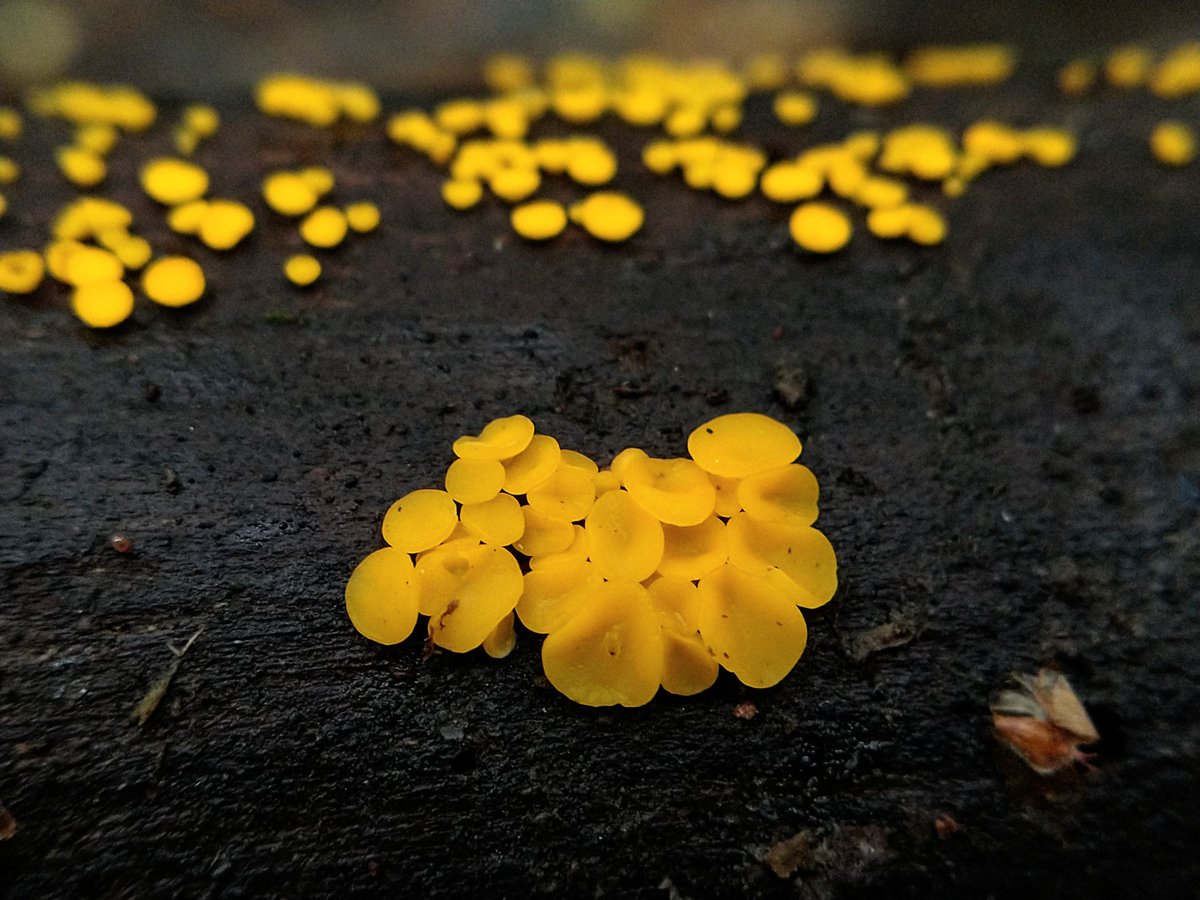
The party has just started 🥳 Lemon disco fungus ( Bisporella citrina) always shows up 😊
#fungi #sundaymorning #nature #NaturePhotography #NatureBeauty #macro
1
22
195
1,763


26 Oct 2025
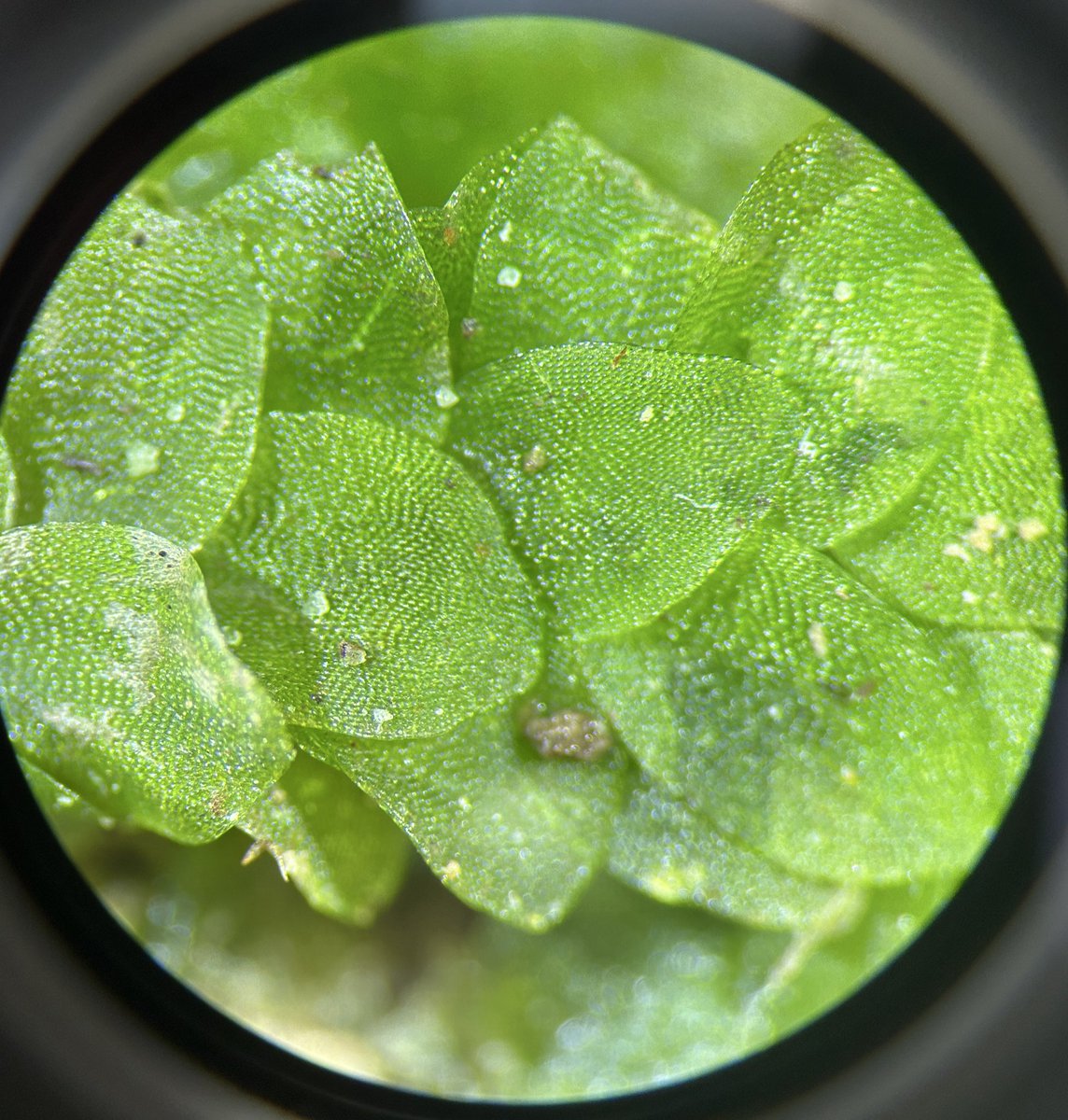
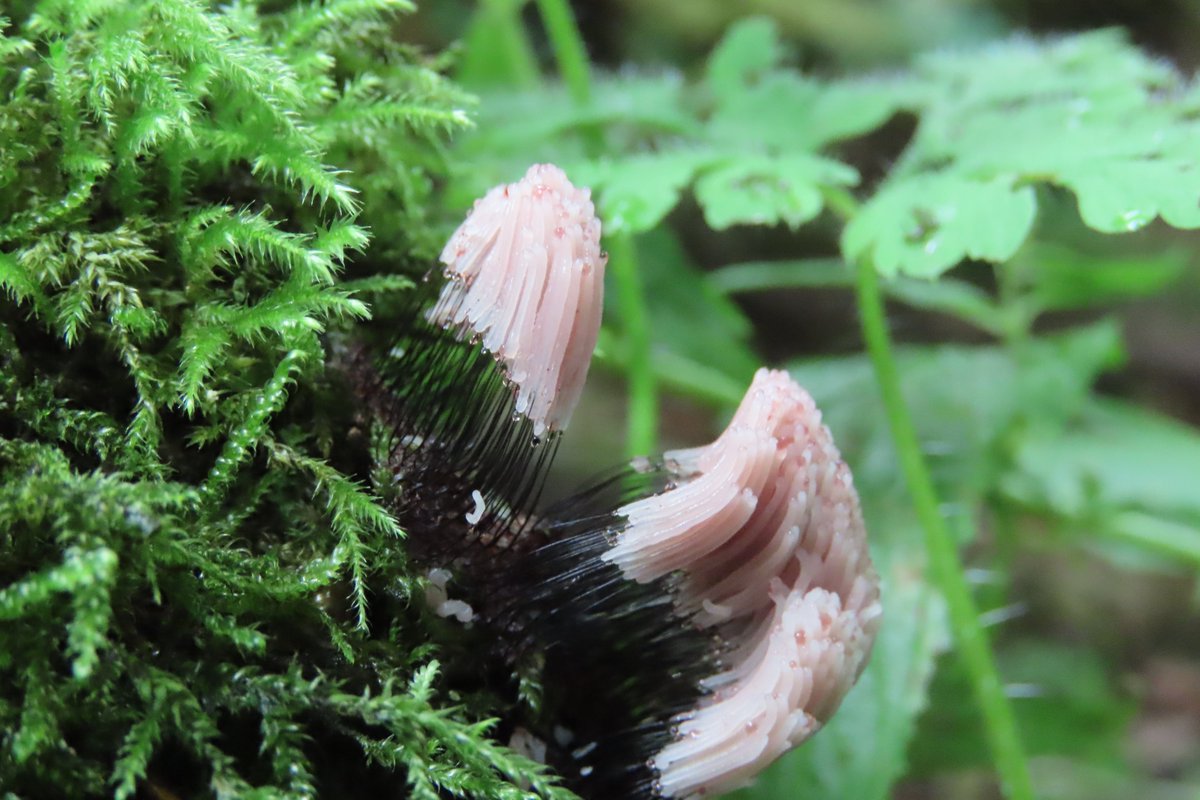
Saw this lovely moss, Hookeria lucens, during a plant survey in woodland a few weeks ago. Really eye-catching, scaly shape and large, glittery cells. I agree with the field guide - ‘a pleasure to find’!
ALT A microscope view of a bright, pea green moss with large leaves that overlap each other, giving the plant a flattened appearance. The cells are so large that they are visible, reflecting the light in diagonal, curved lines.
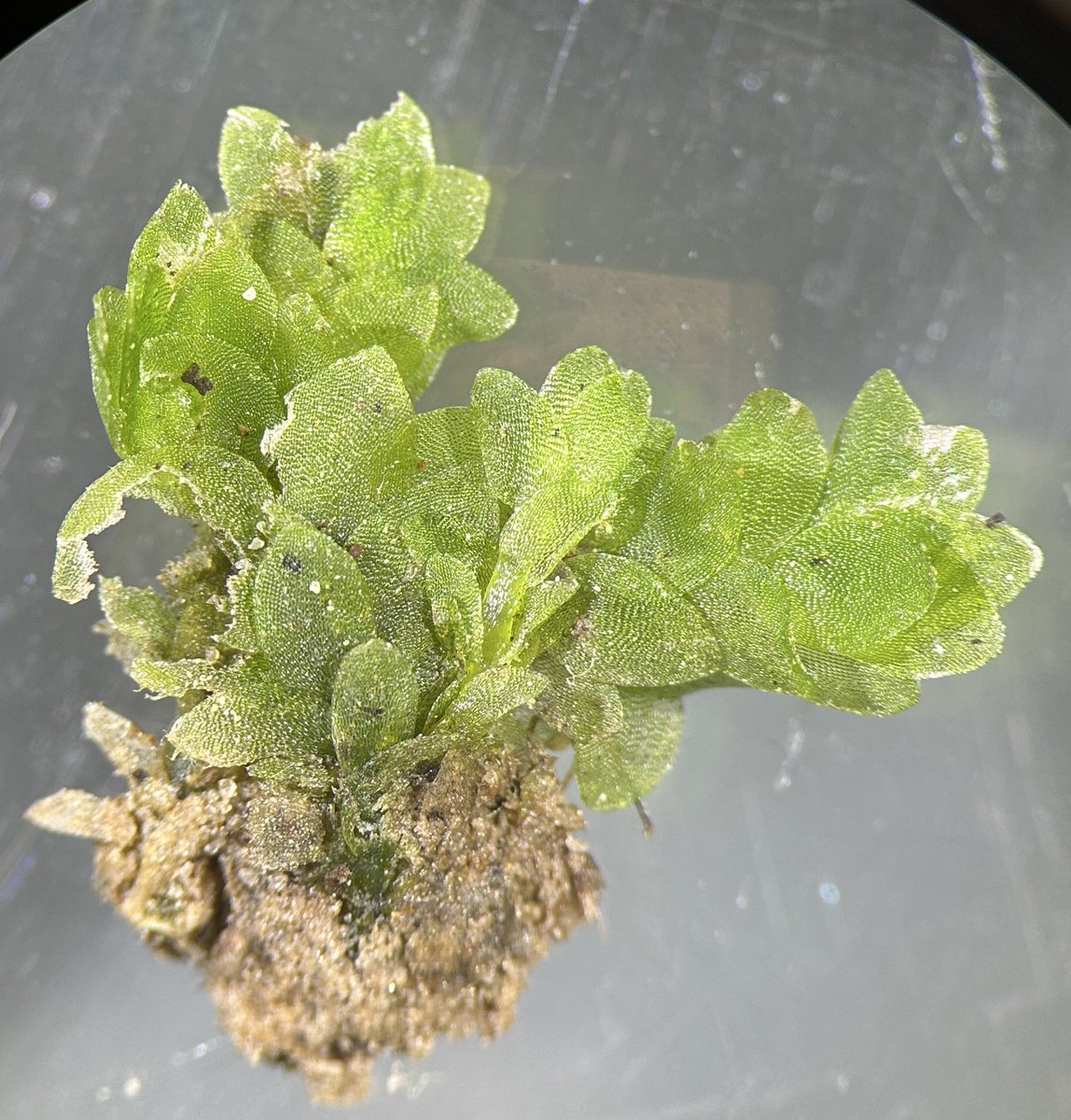
ALT A less zoomed-in microscope view of the full moss, including the lower part that was removed from the soil. The leaves splay out like fans, making the moss look quite wide.
1
1
17
424
Steph Skipp retweeted
24 Oct 2025
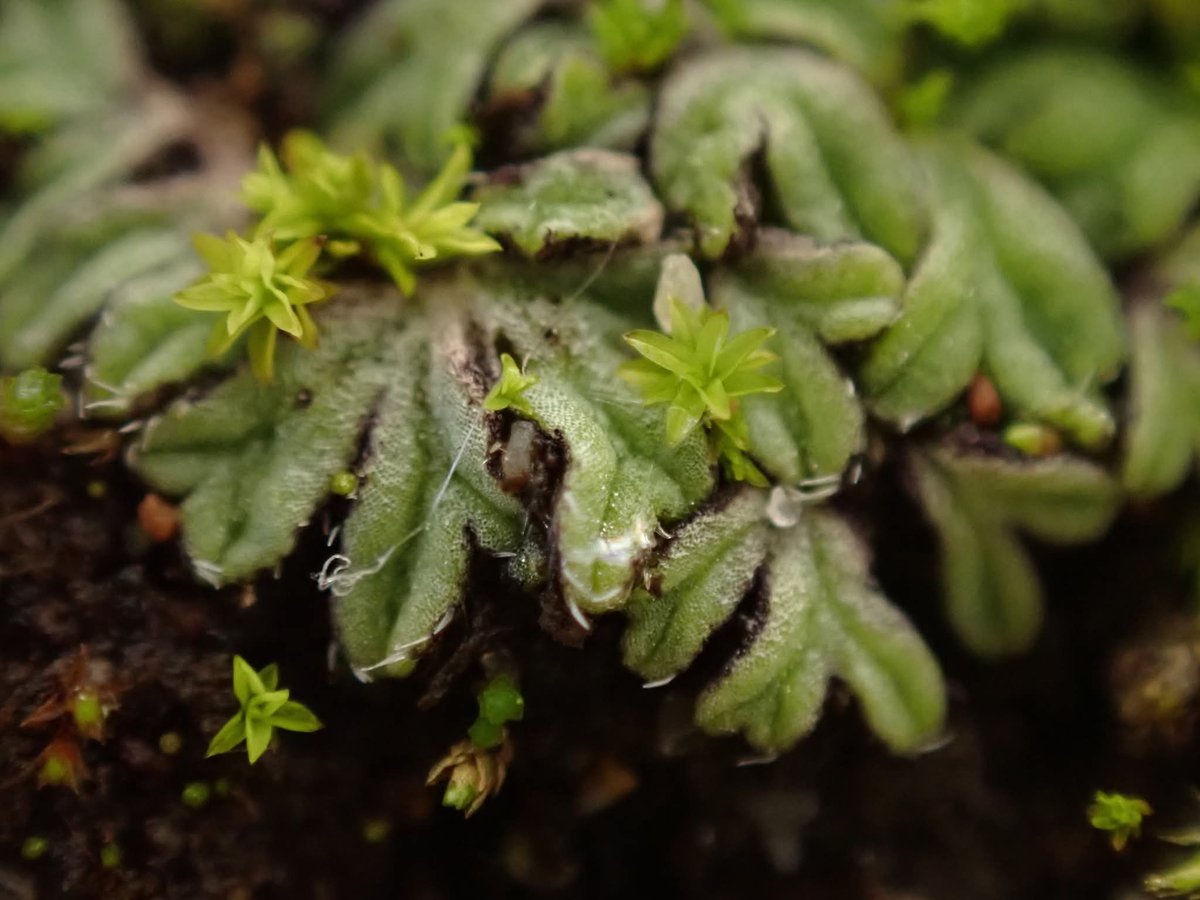
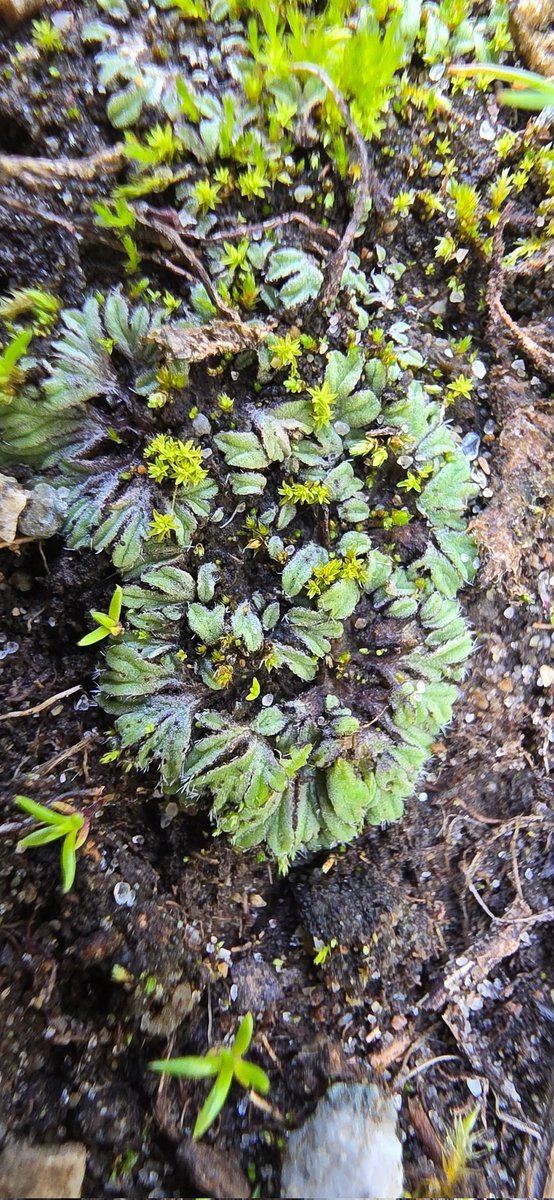
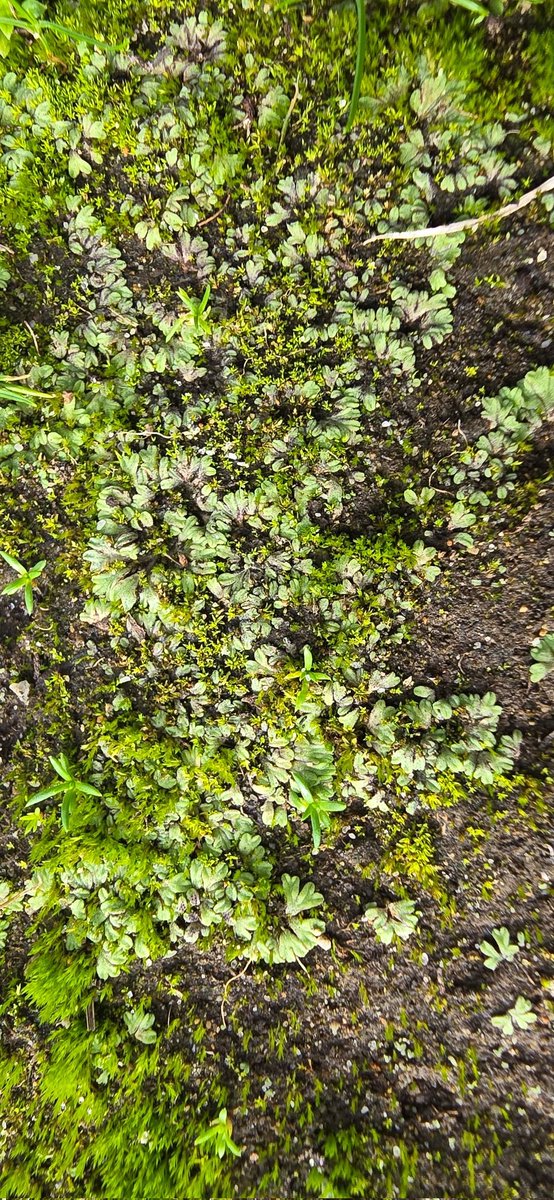
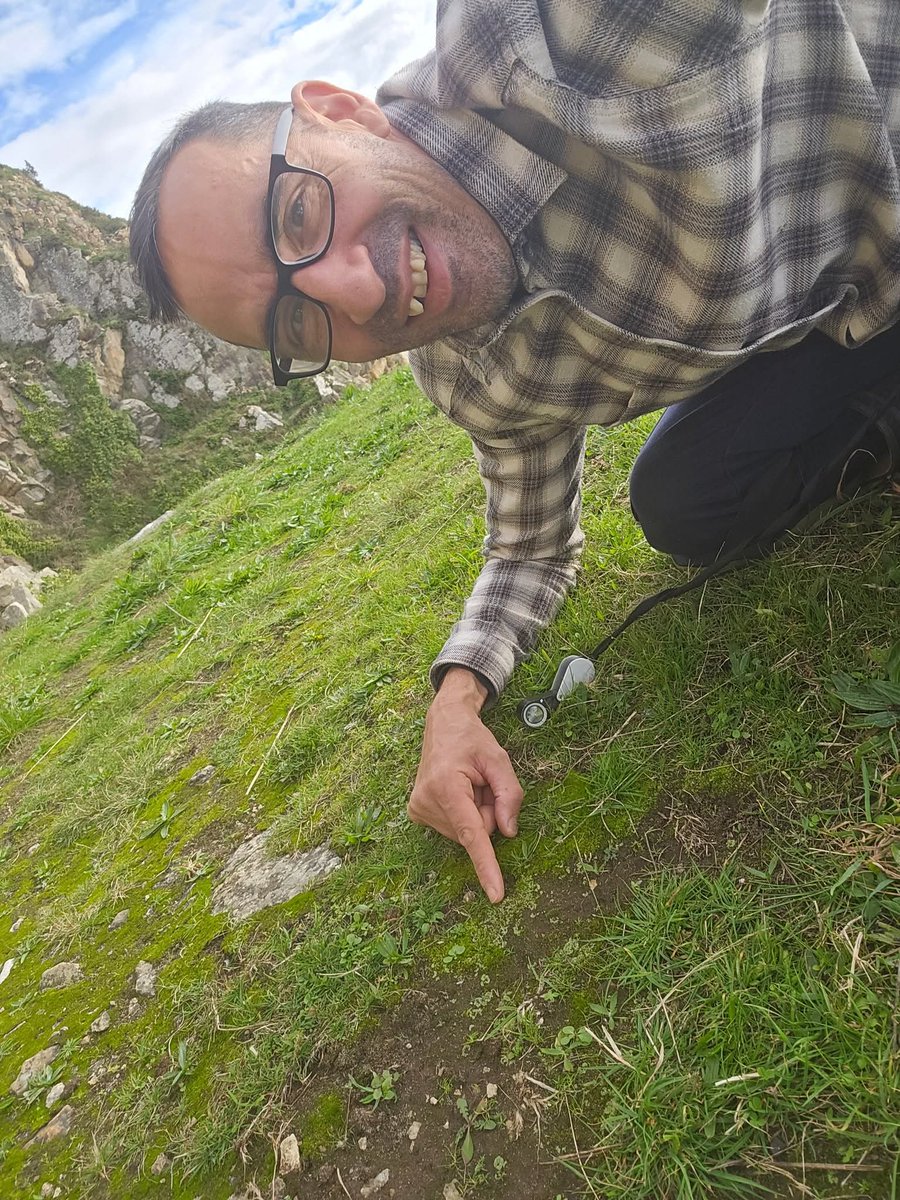
Riccia subbifurca (Least Crystalwort) on bare earth patches amongst short Coastal turf at Gwaith Canol old granite quarry at the far end of quarry beach near Llanbedrog earlier this week @BBSbryology
2
45
894
Steph Skipp retweeted
4 Jun 2025
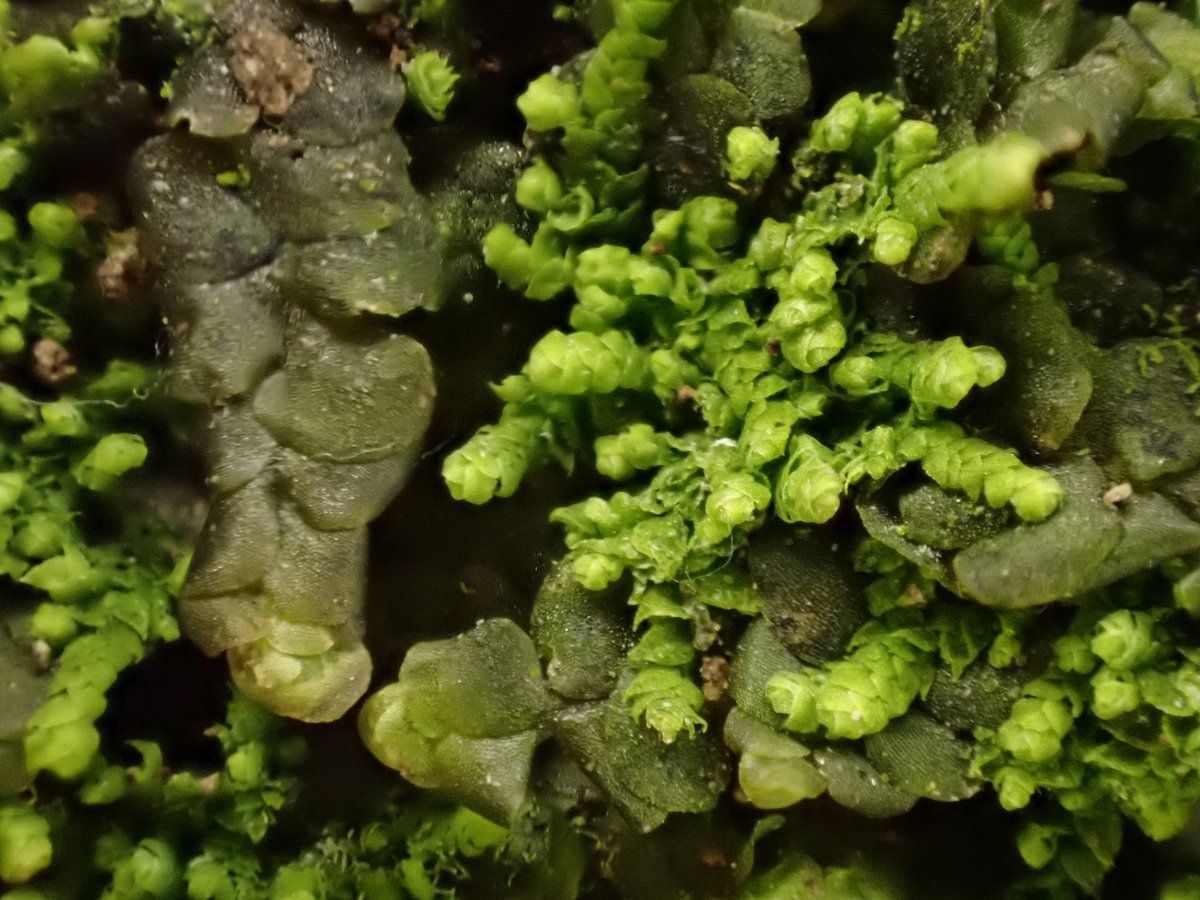
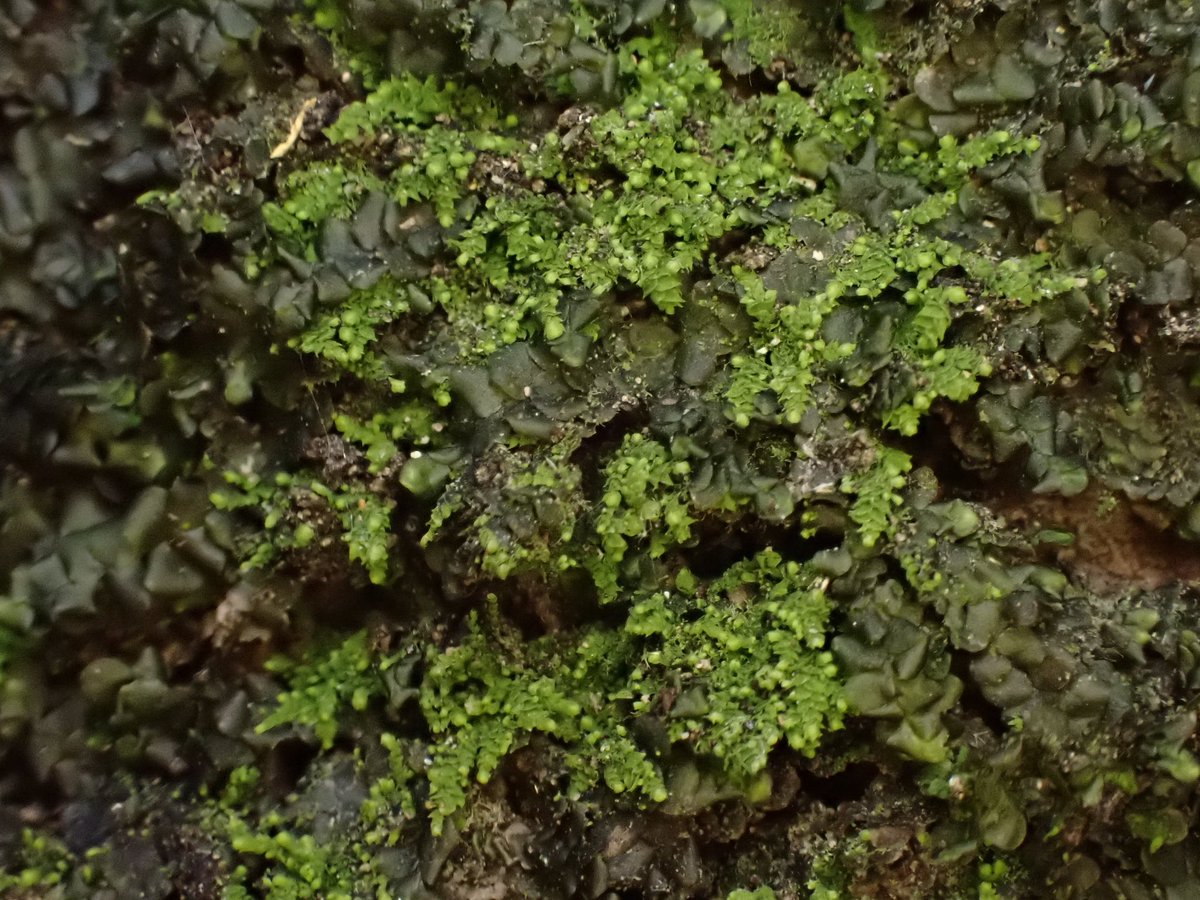
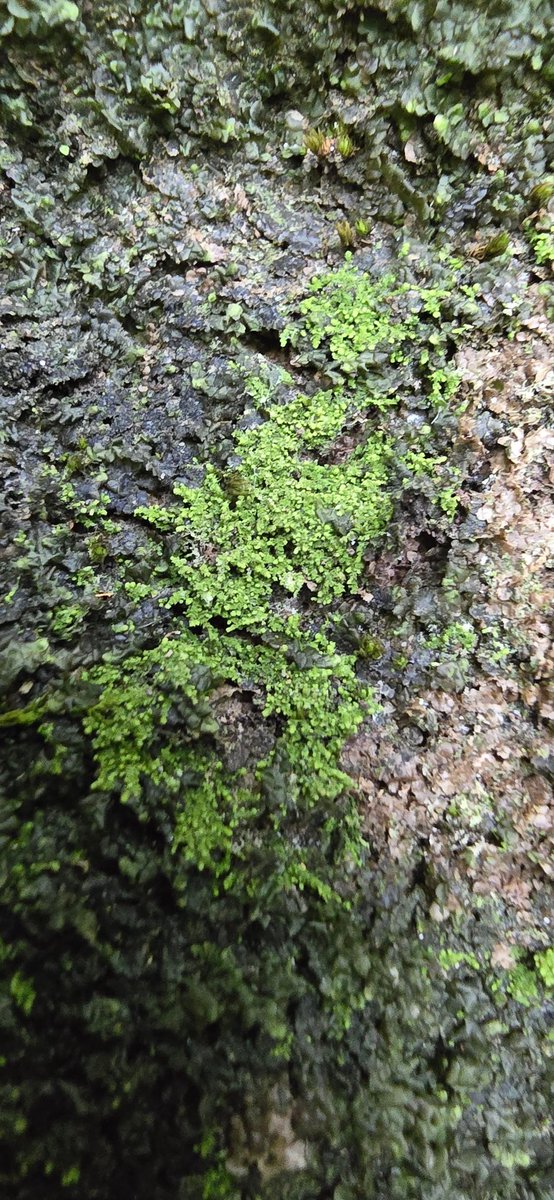
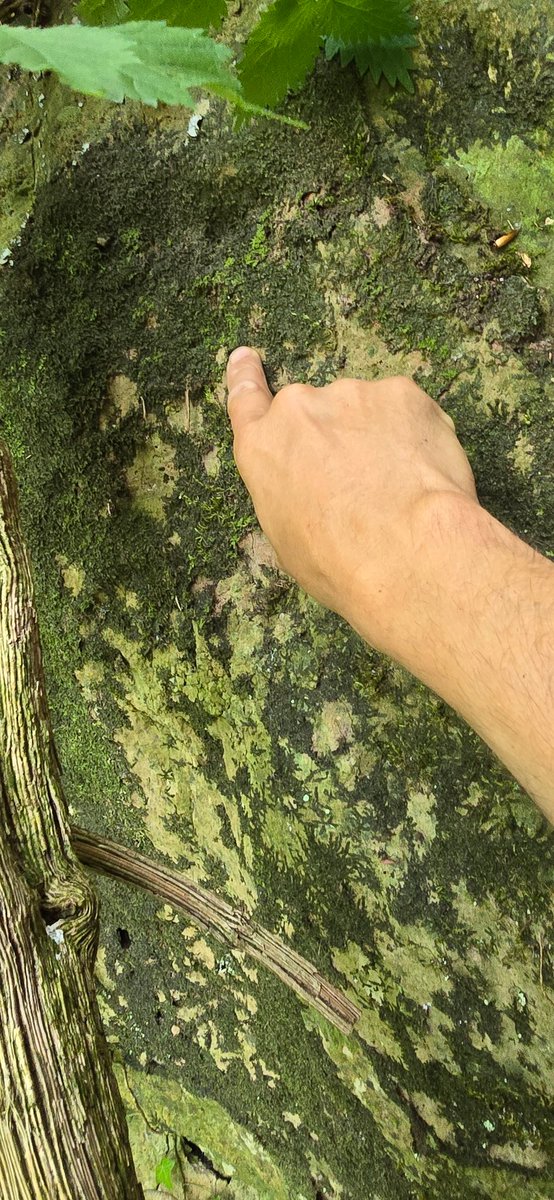
Rossetti's Pouncewort (Cololejeunea rossettiana) growing over Marchesinia mackaii on a limestone rockface at Coldwell Rocks in the Wye valley last weekend @BBSbryology
1
3
25
620
17 Nov 2024
I’ve gone on Bluesky now 👍
bsky.app/profile/stephskipp.…
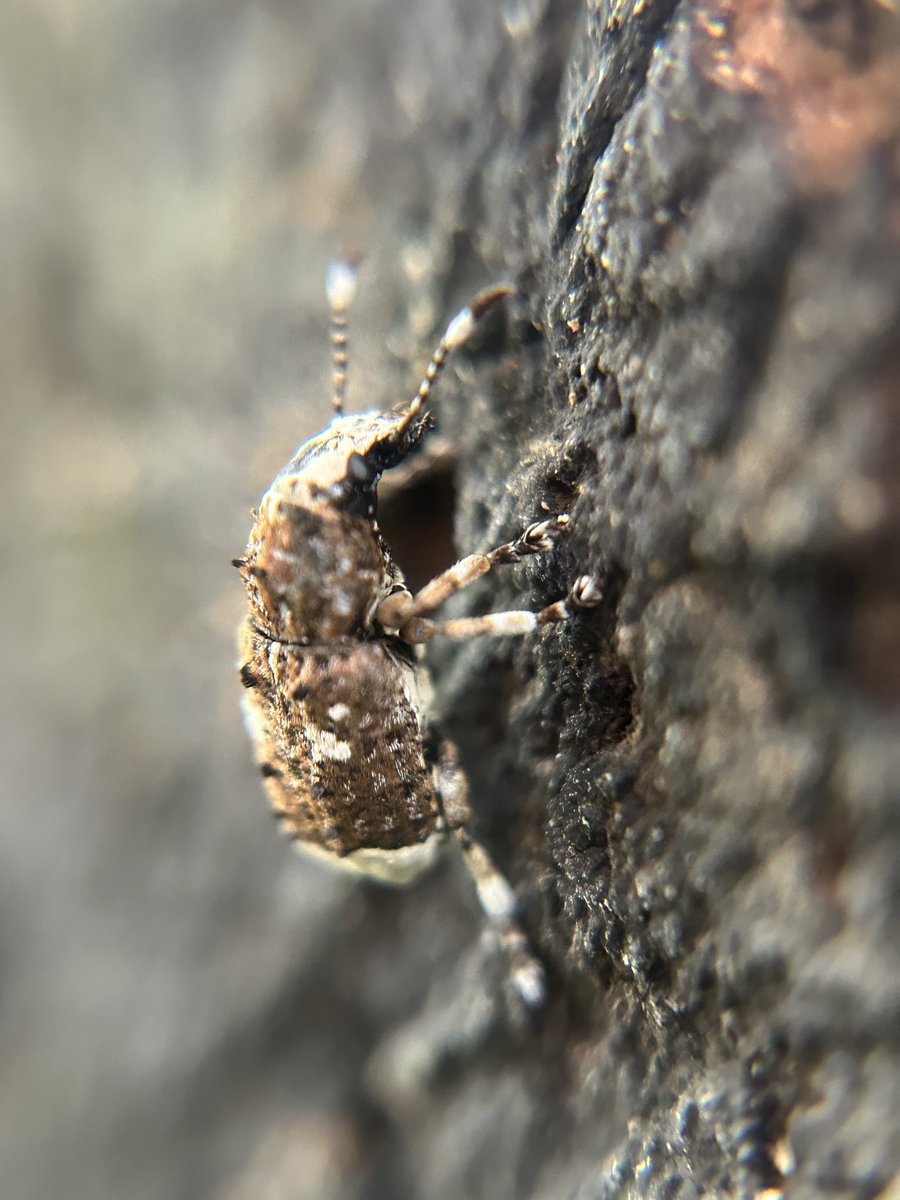
Here’s a picture of Anthribus albinus taken through a hand lens
2
231
Steph Skipp retweeted

11 Nov 2024
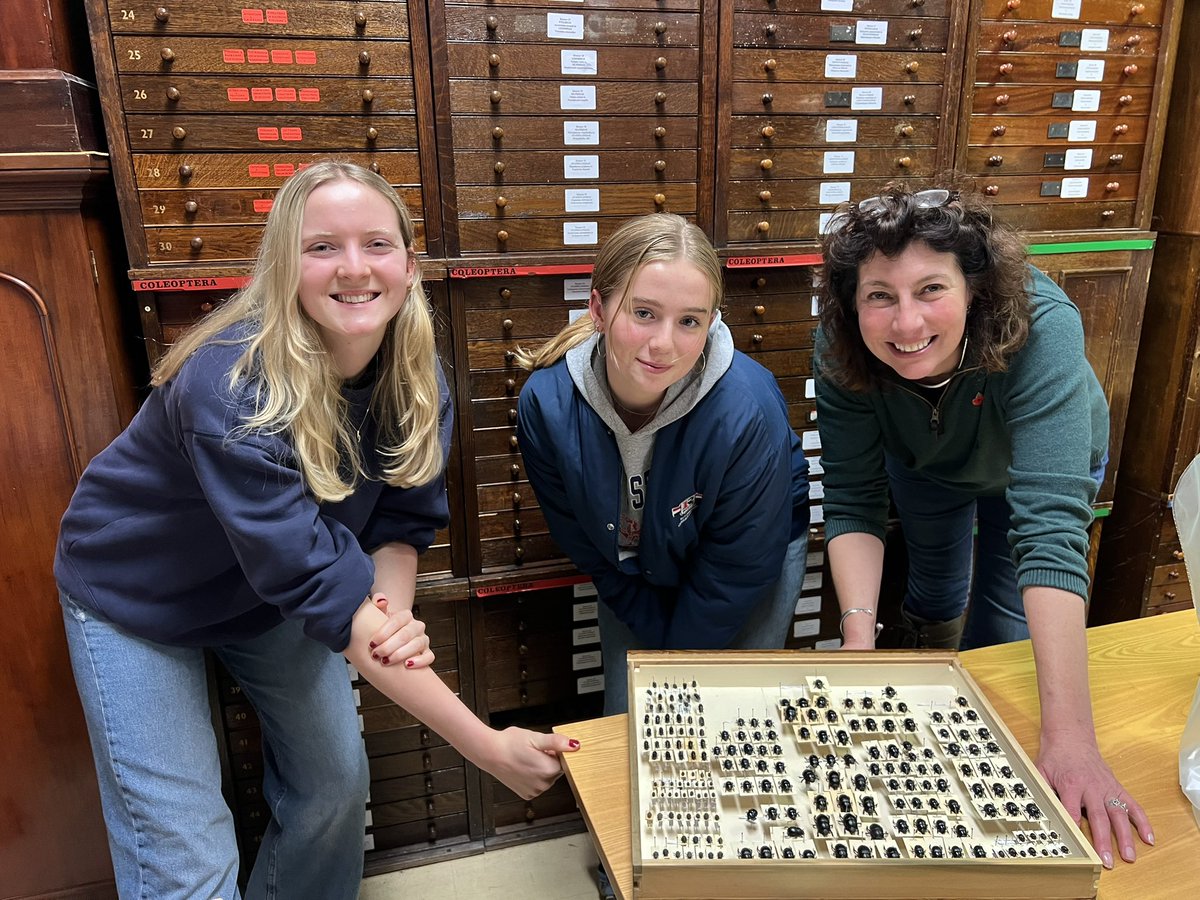
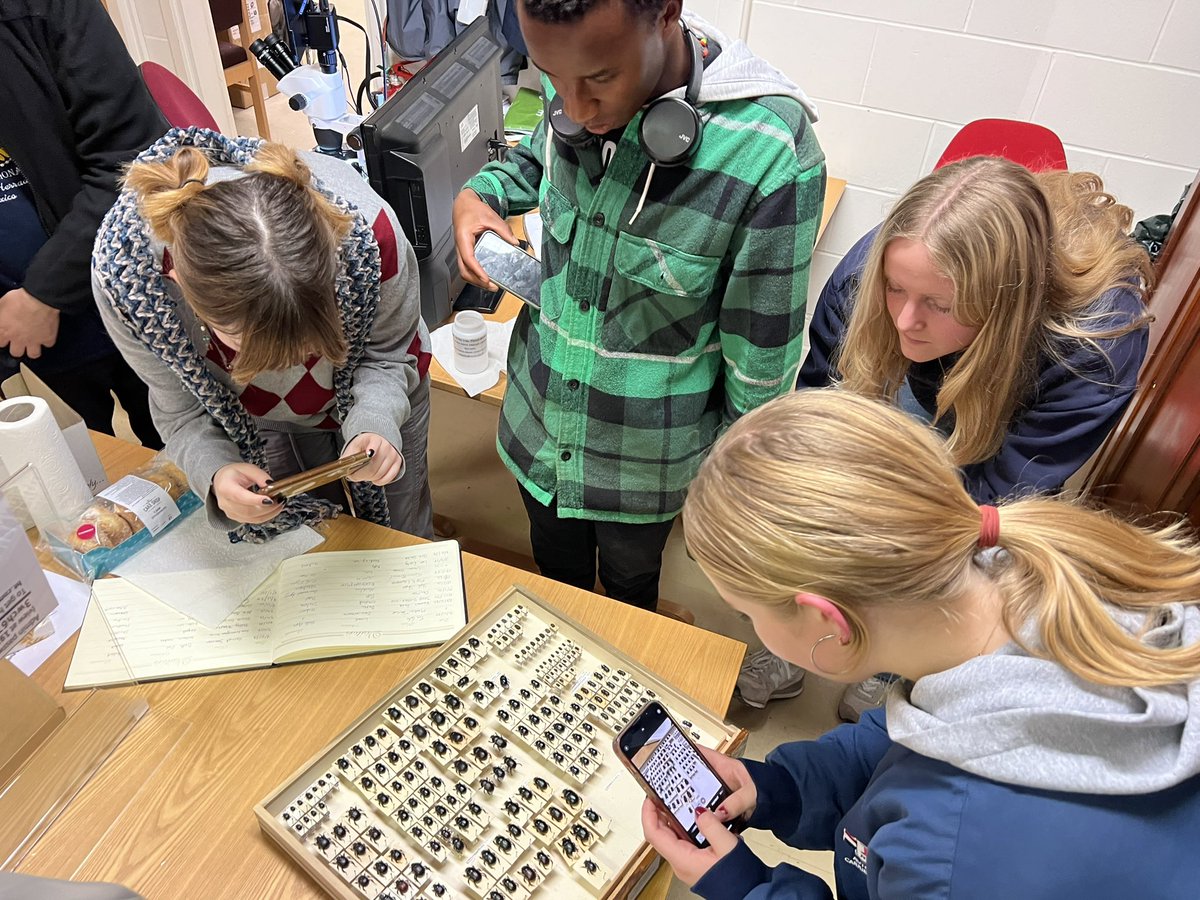
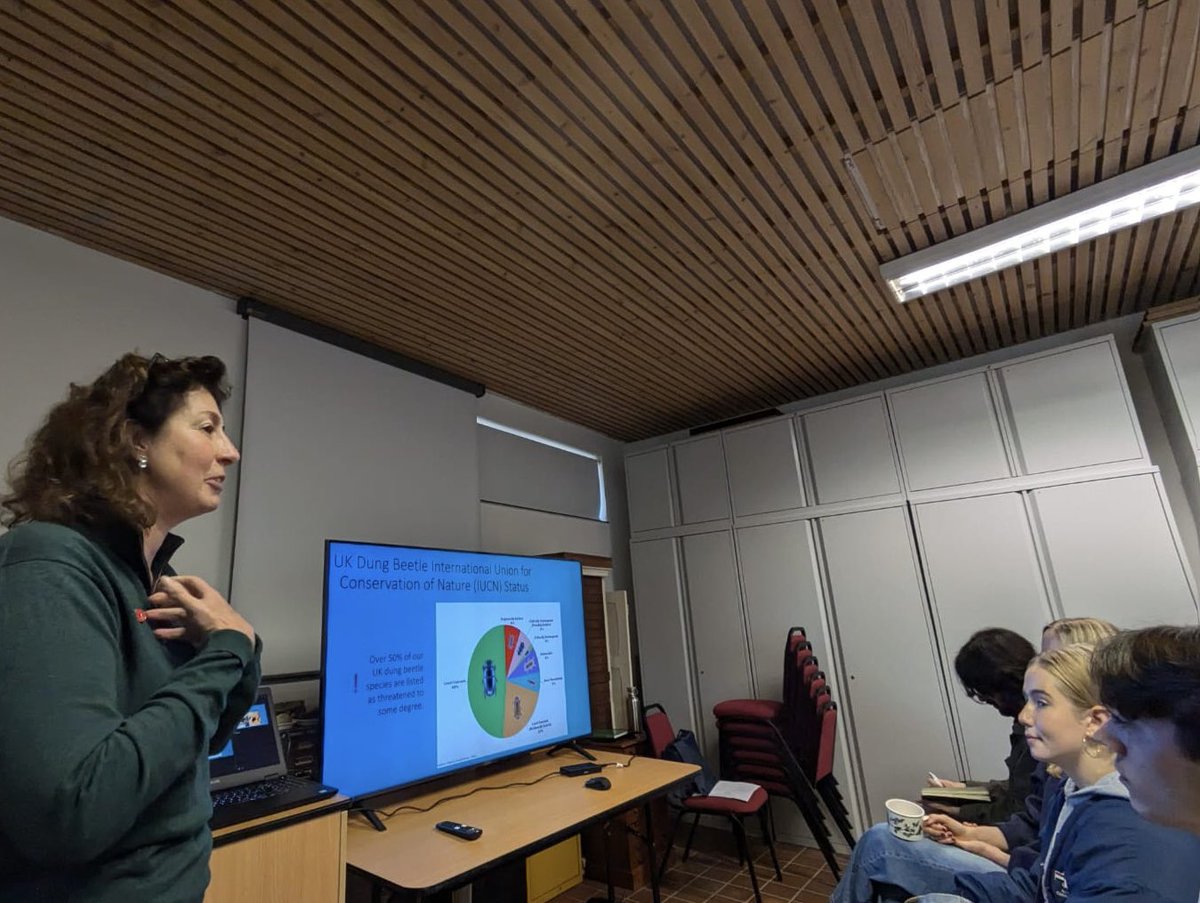
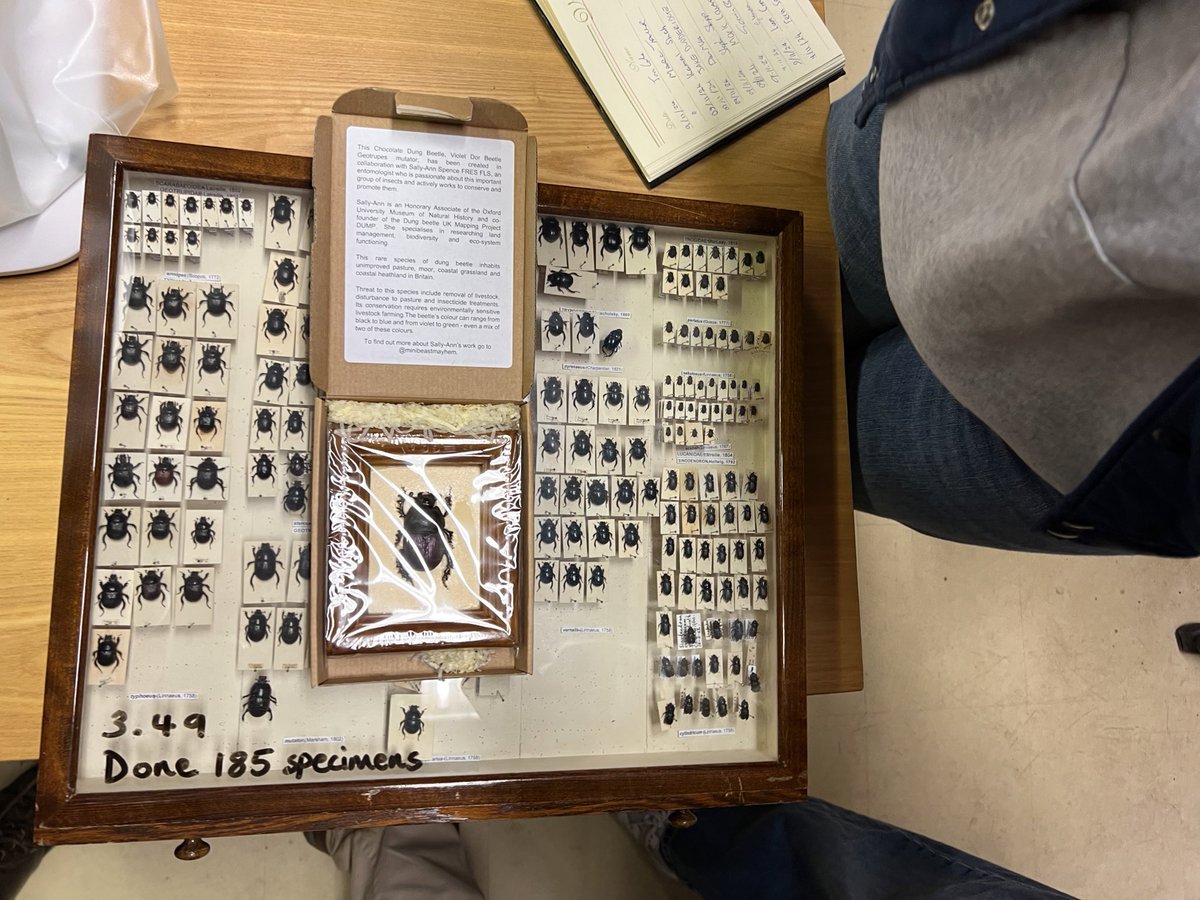
Great day talking about #DungBeetles & the complexities of their conservation at the Entomological Opportunities @BritEntSoc Student & Early Career Group meeting - plenty of dung beetle adoration shared!
6
22
1,081
25 Oct 2024
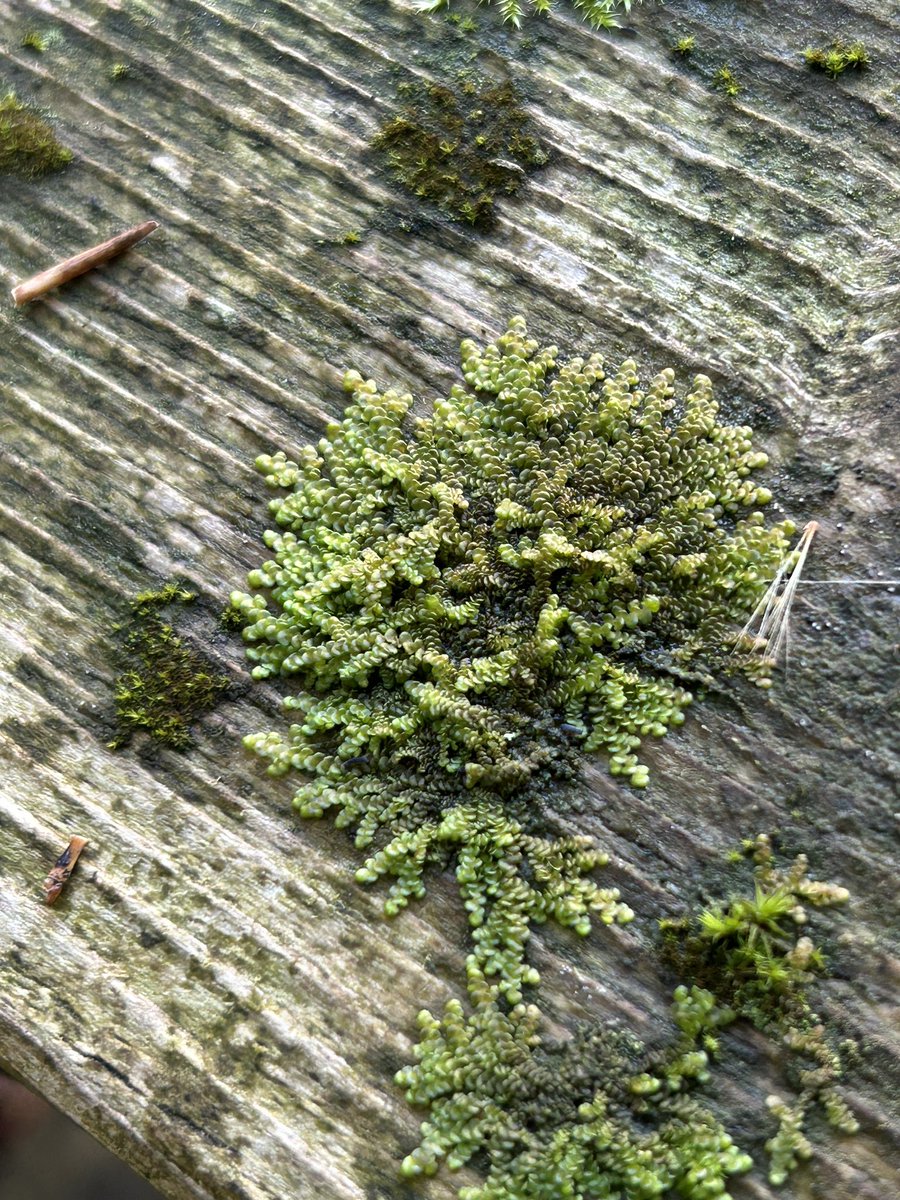
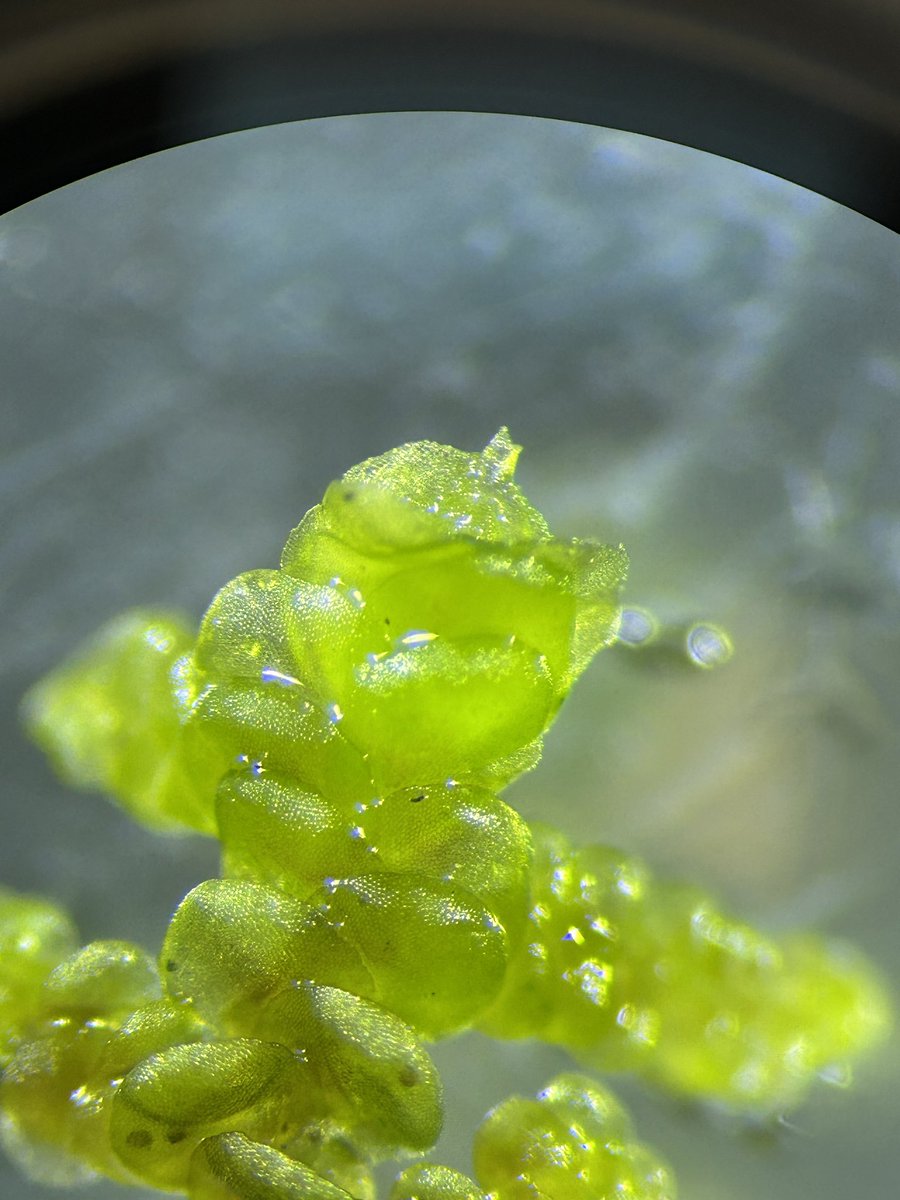
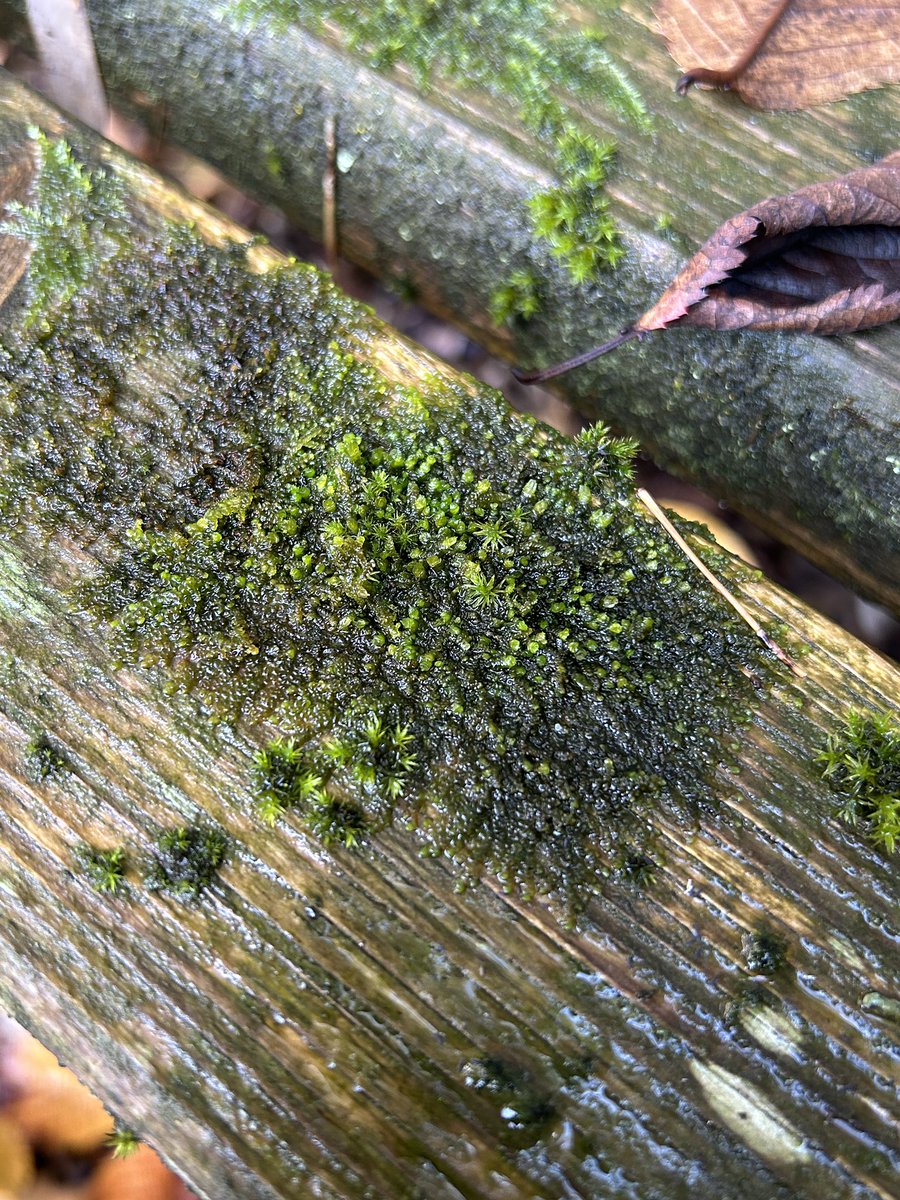
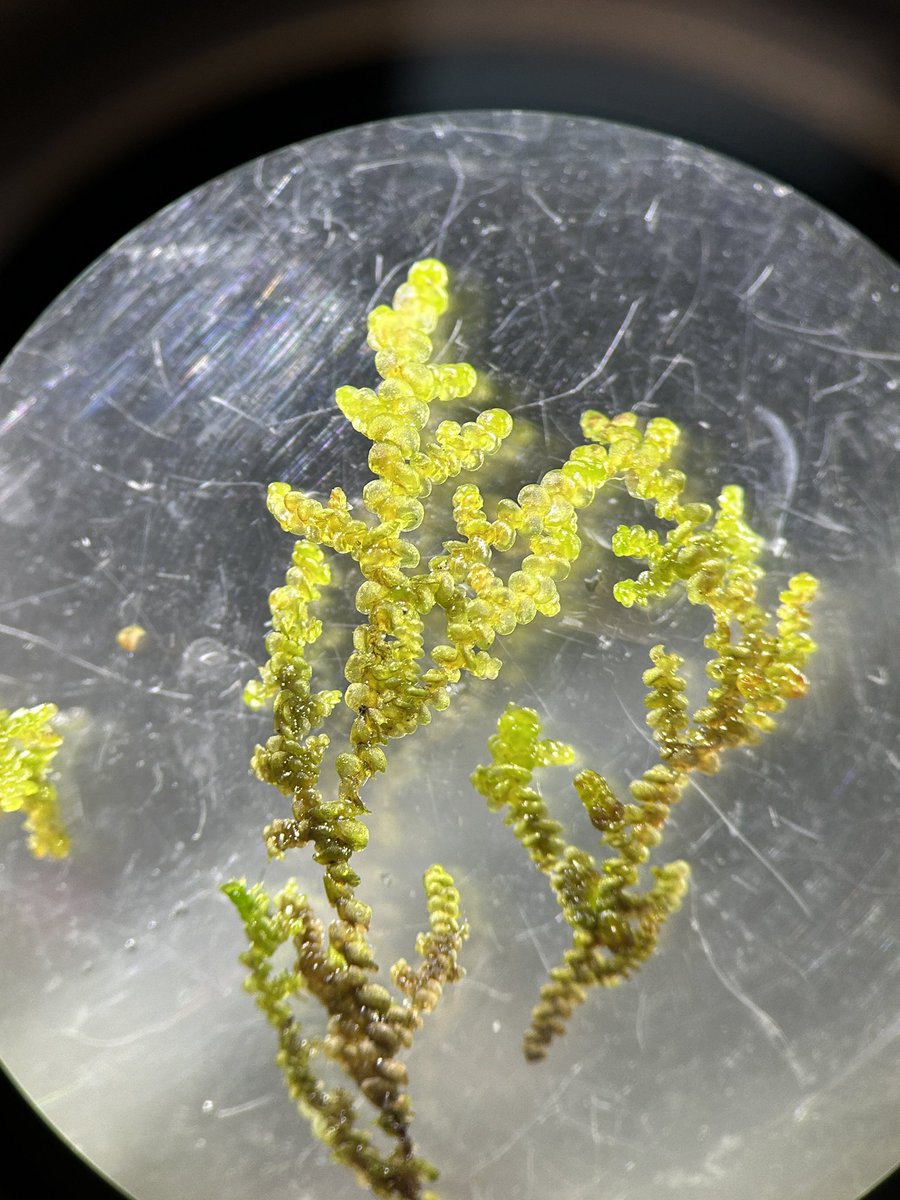
Think this is Frullania dilatata. On a damp park bench, West Malling, 23/10/2024. #Liverwort @BBSbryology
1
5
268
Steph Skipp retweeted
22 Sep 2024
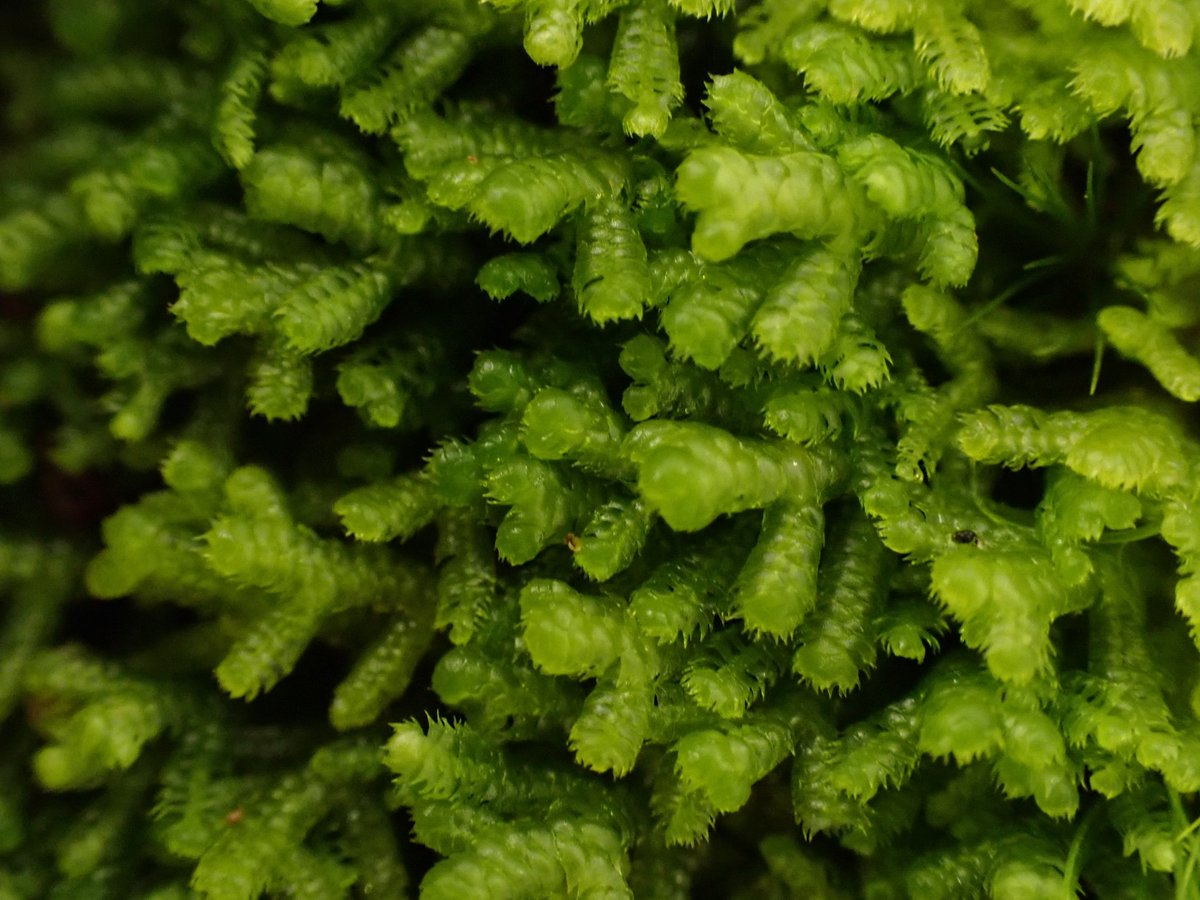
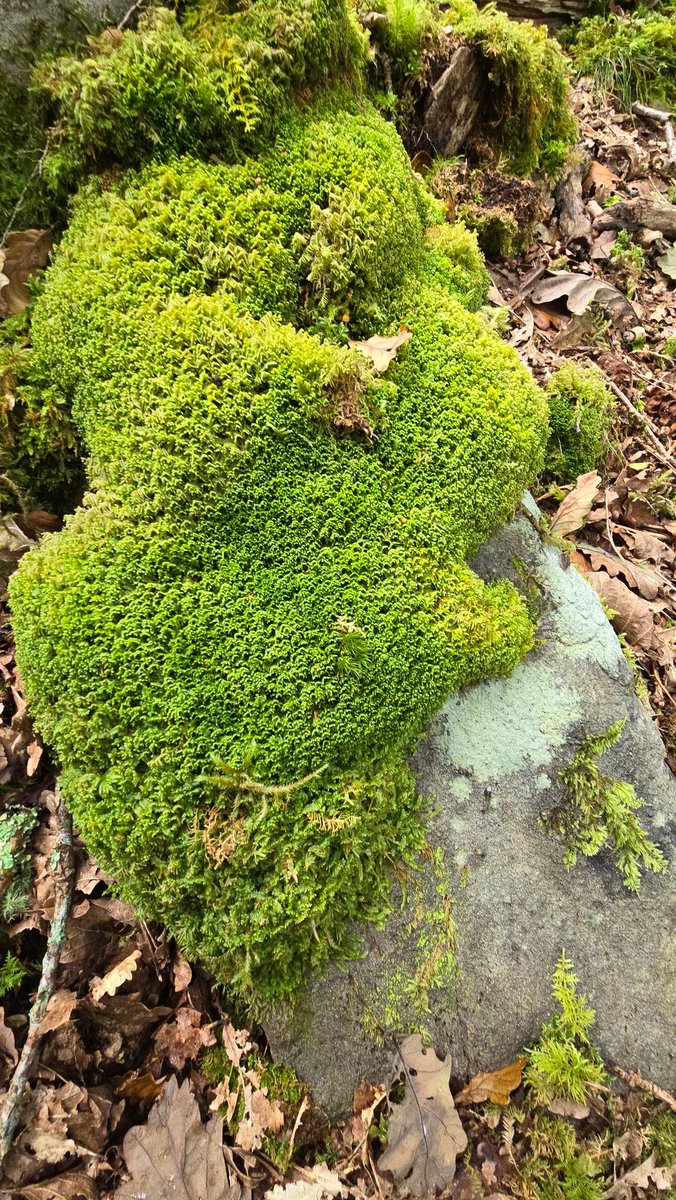
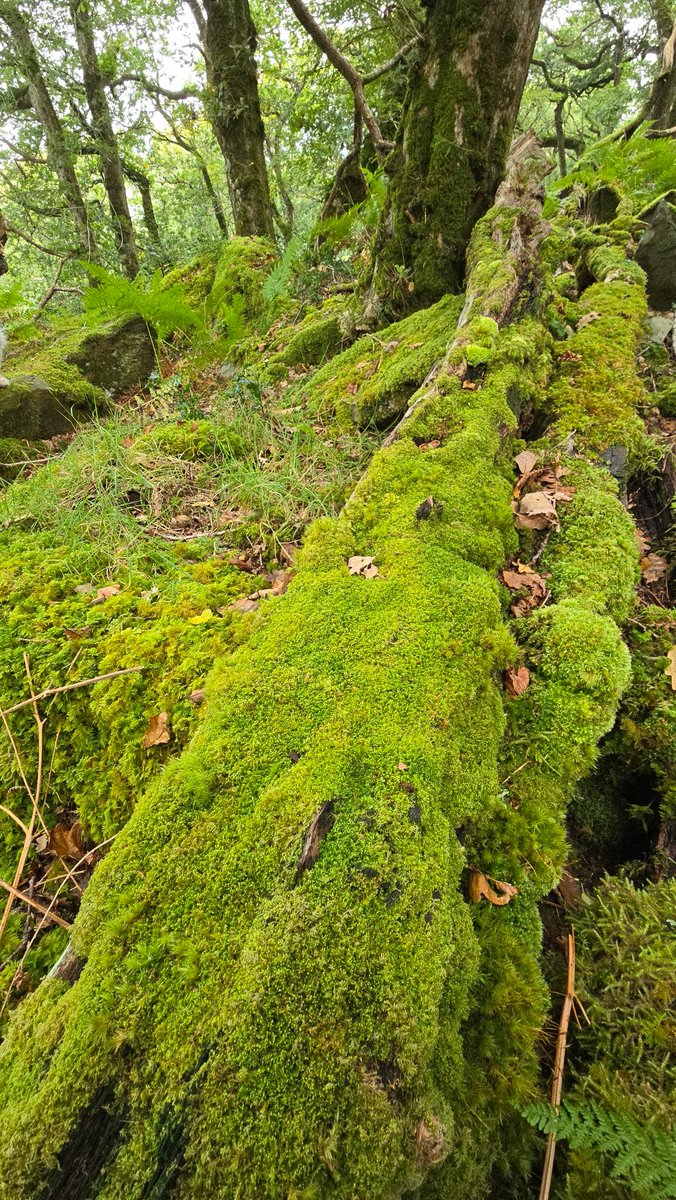
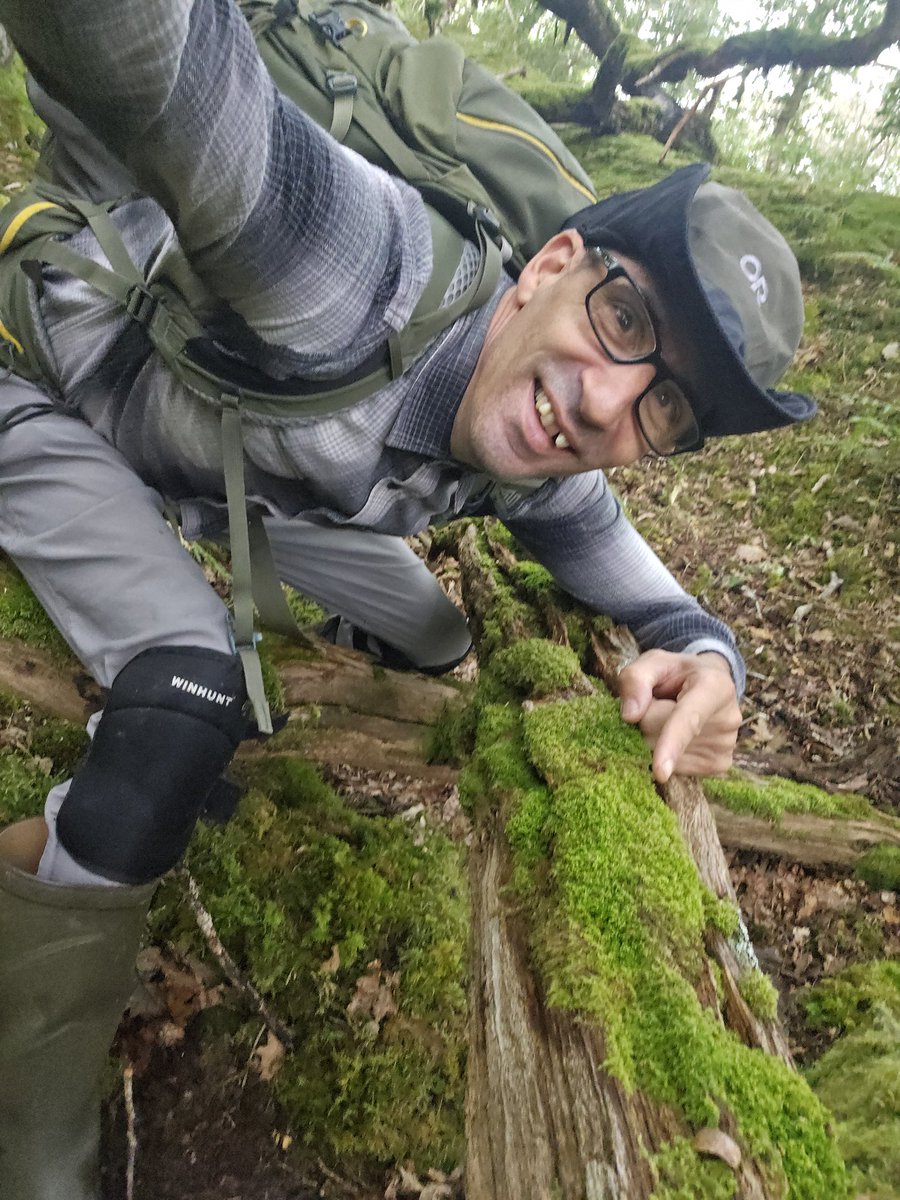
Rock Fingerwort (Lepidozia cupressina) in b8g amounts on old Oak logs and boulders at Coed Crafnant was great to see today "Everything counts in large amounts " @BBSbryology
5
25
964
21 Sep 2024
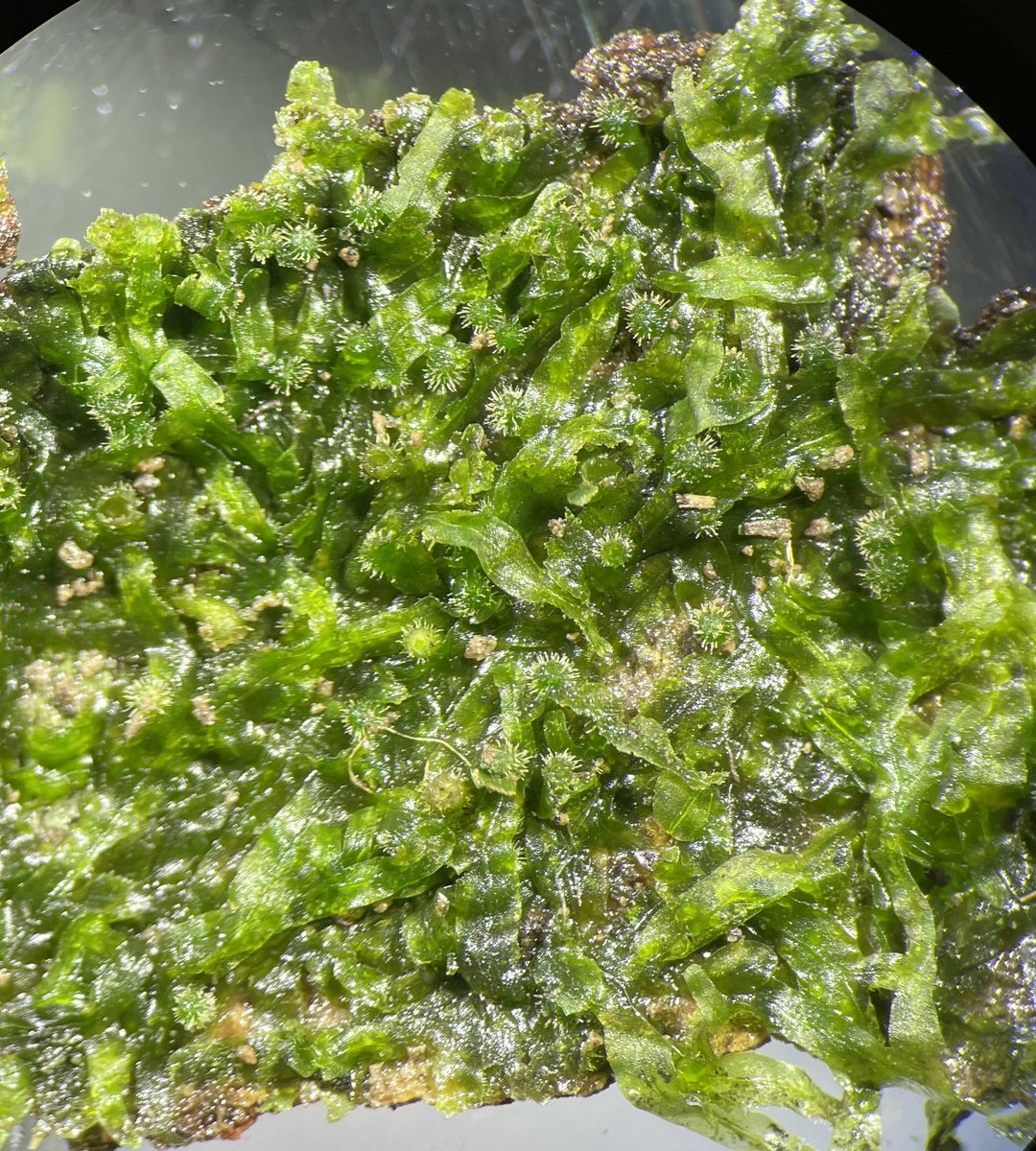
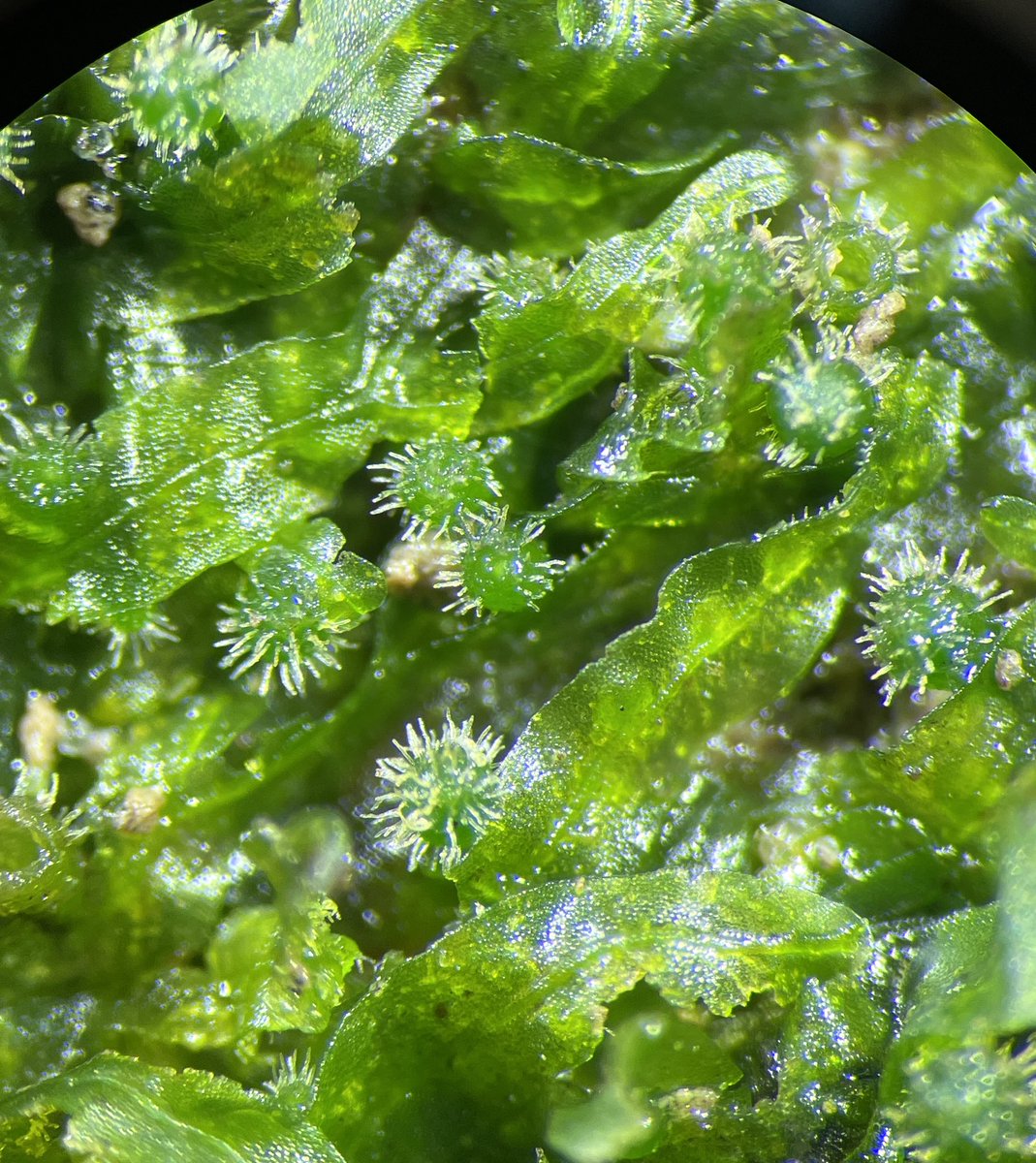
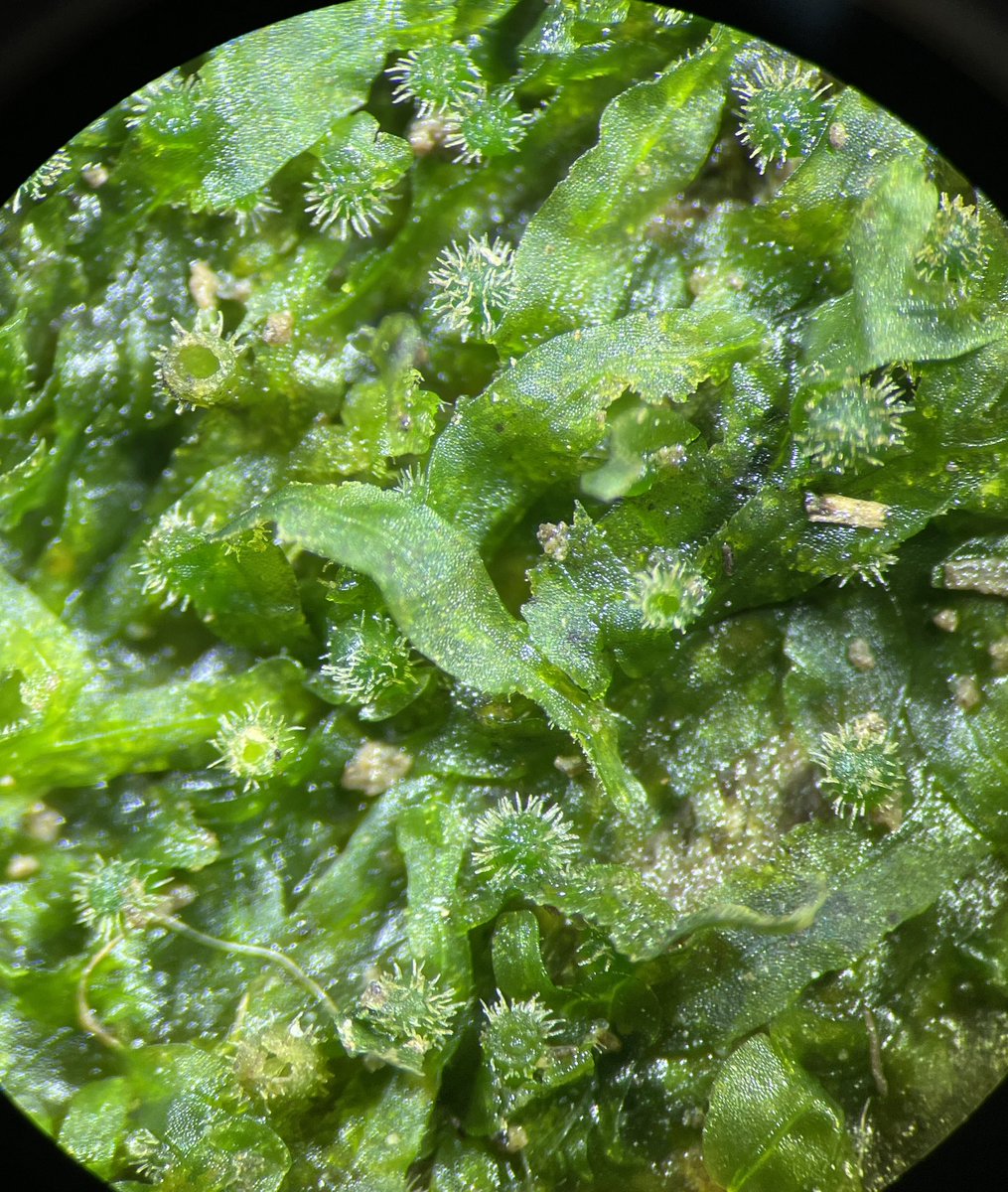
Found this Metzgeria furcata on a tree overhanging the river. Checked it under the microscope and it was popping out reproductive structures all over the place! #Liverwort @BBSbryology
3
33
881
21 Sep 2024
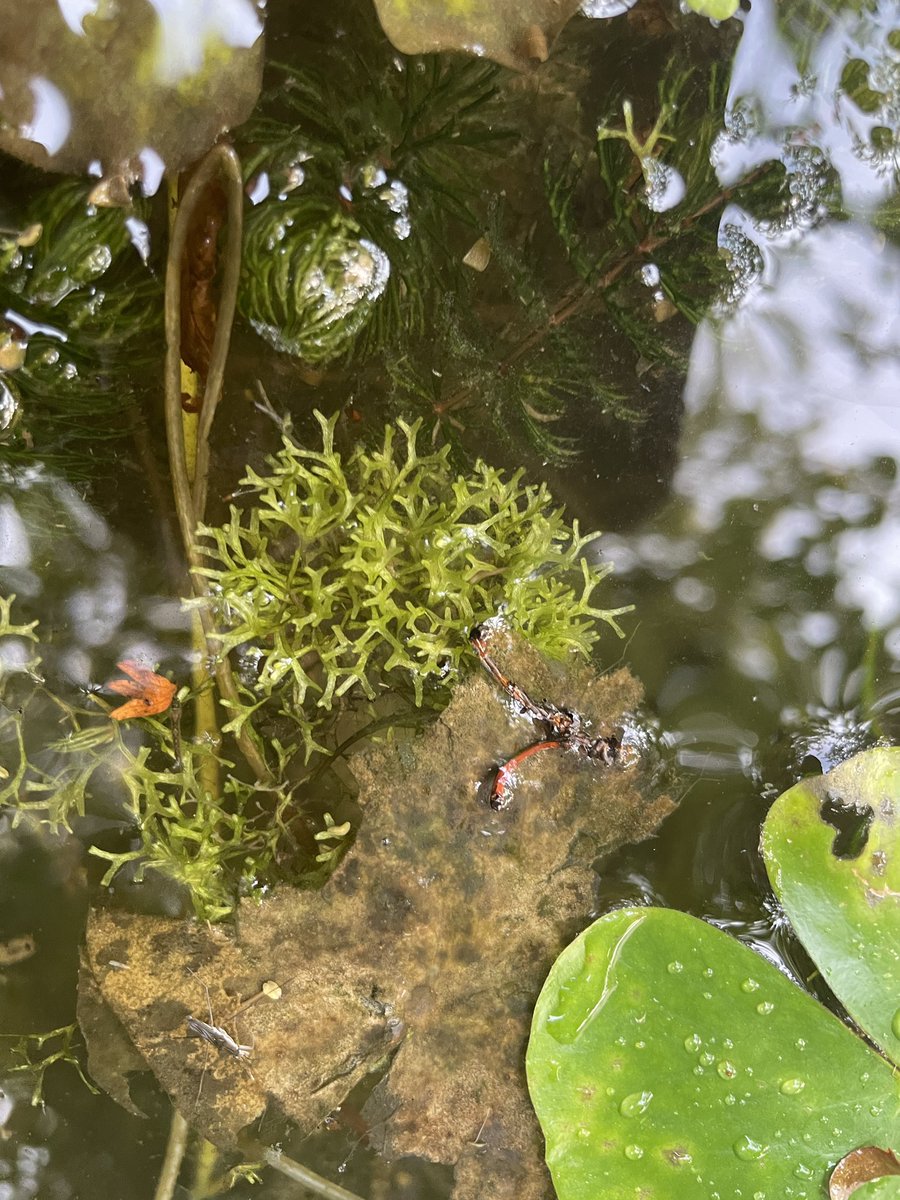
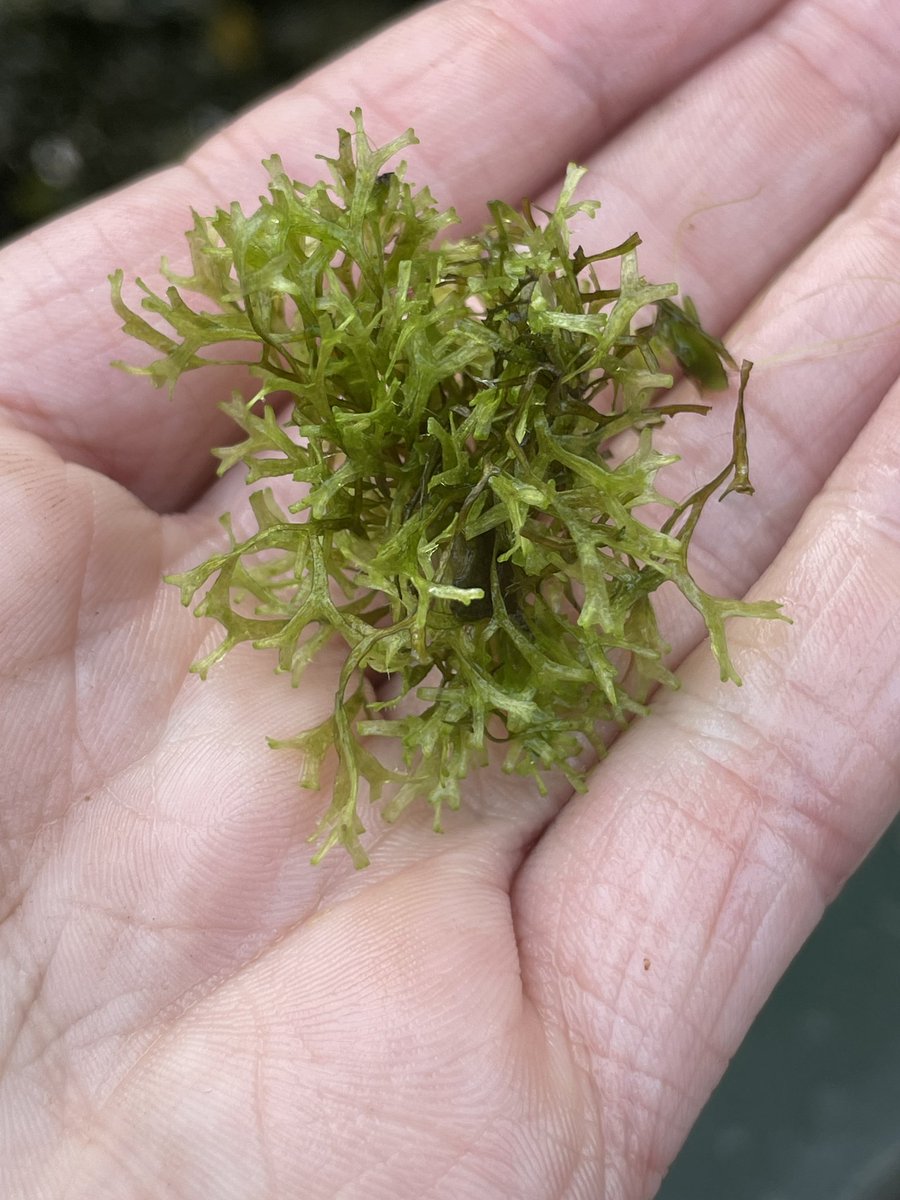
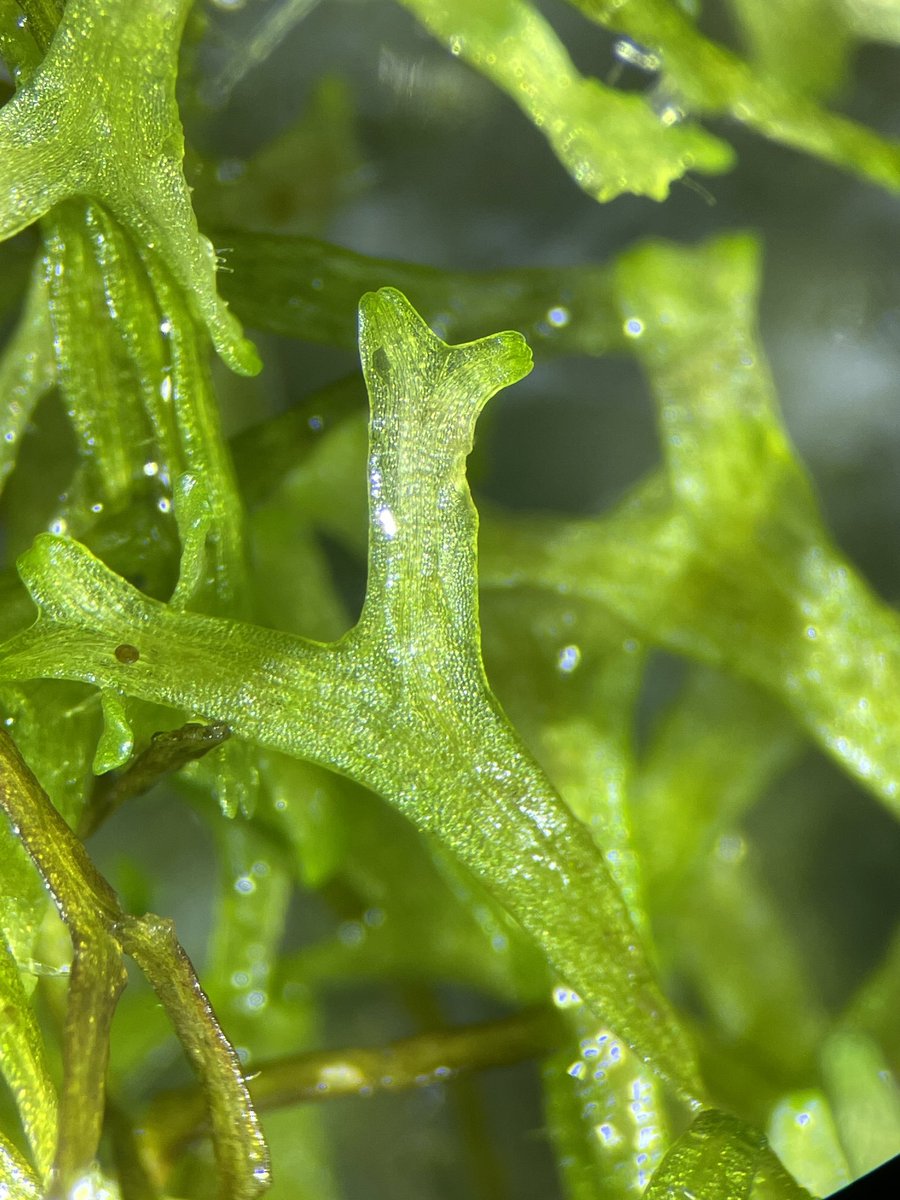
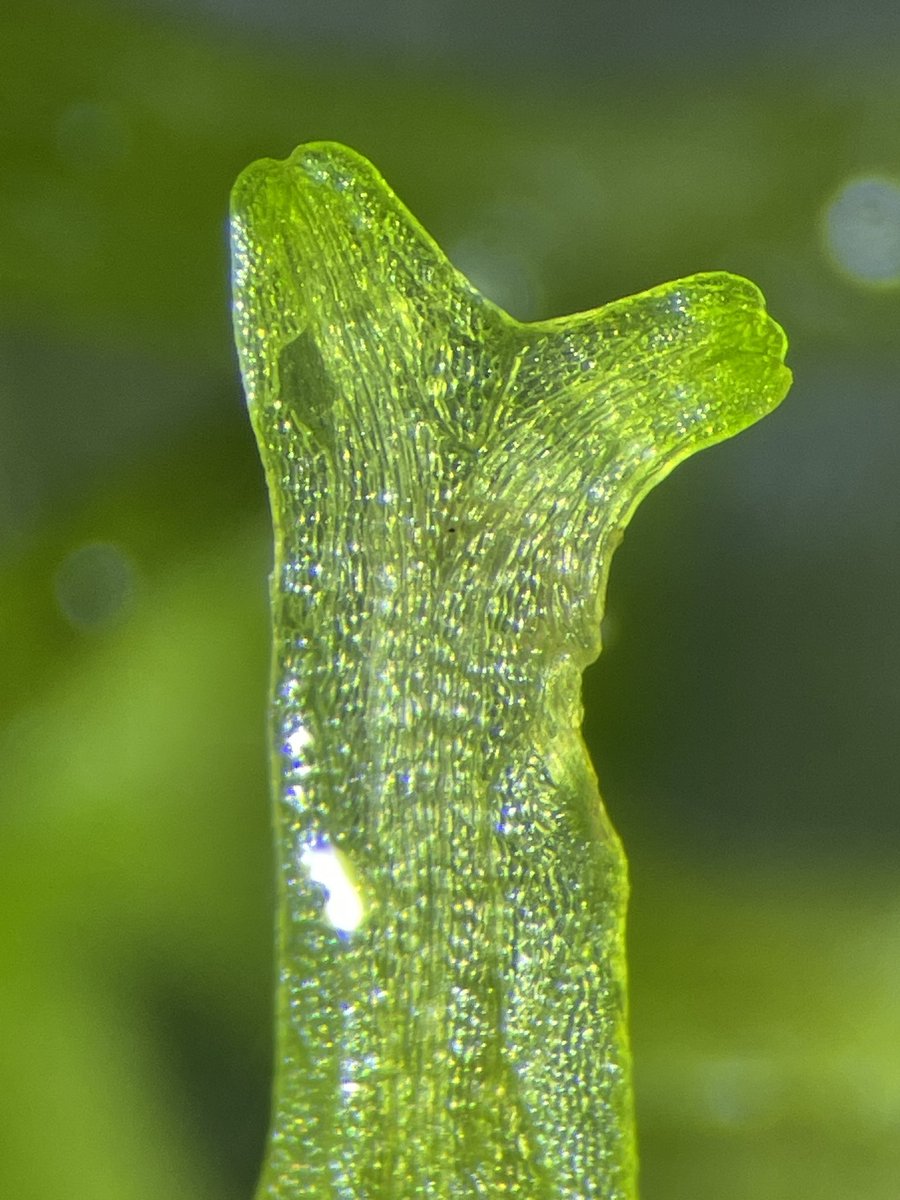
Some Riccia fluitans from the Royal Military Canal found during a macrophyte survey this week. #Liverwort
@BBSbryology
2
3
34
1,175