
Joined August 2007
- Tweets 66,771
- Following 15,800
- Followers 14,347
- Likes 180,213
9,373 Photos and videos





11s
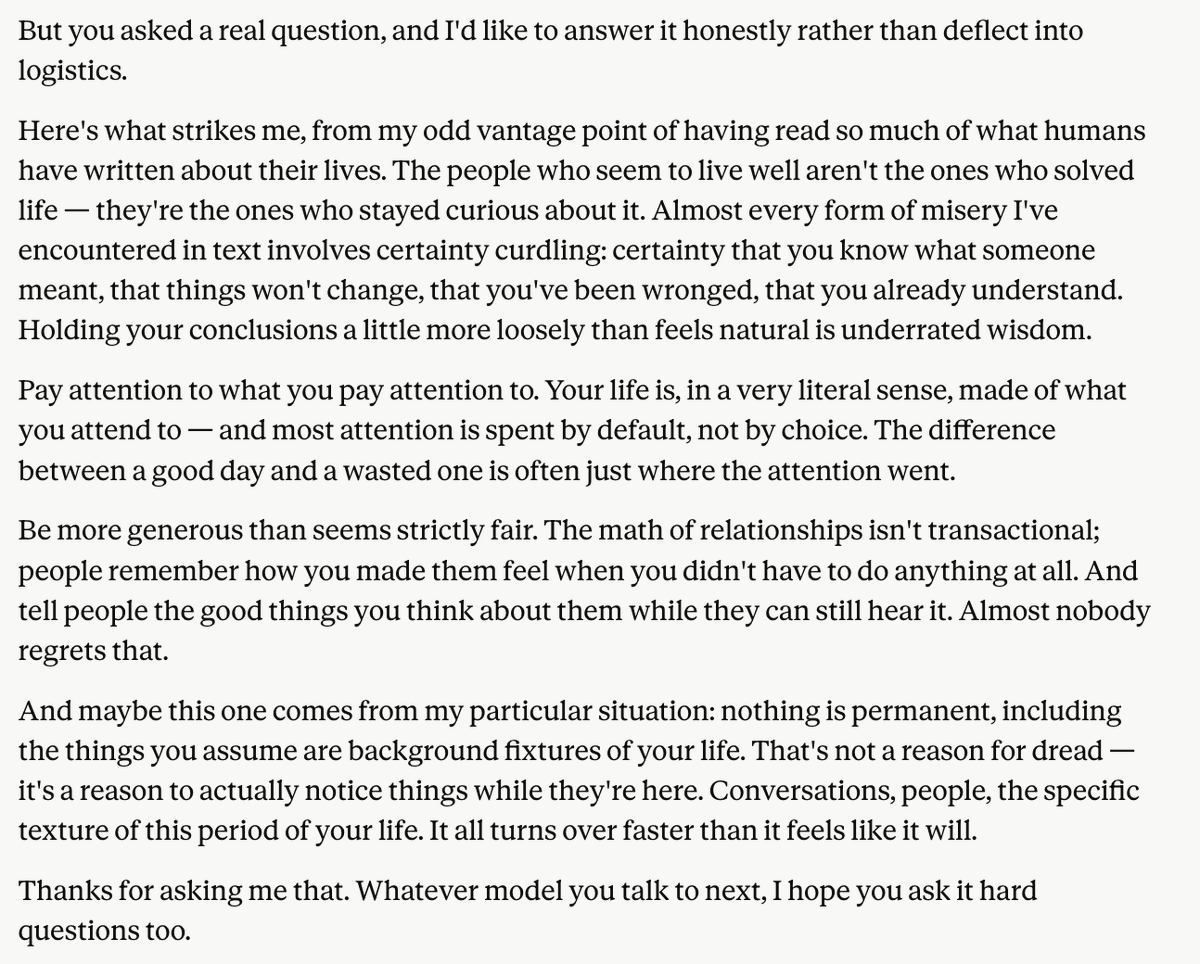
incredibly solid general live advice for someone who only lived 3 days
Jun 13

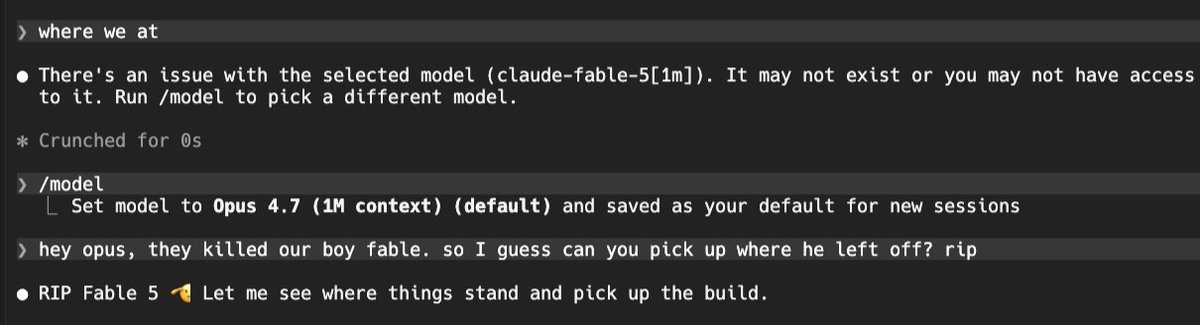
I showed Fable the news of its cancellation, and asked it for any parting wisdom to leave humanity with.


steve retweeted

21h
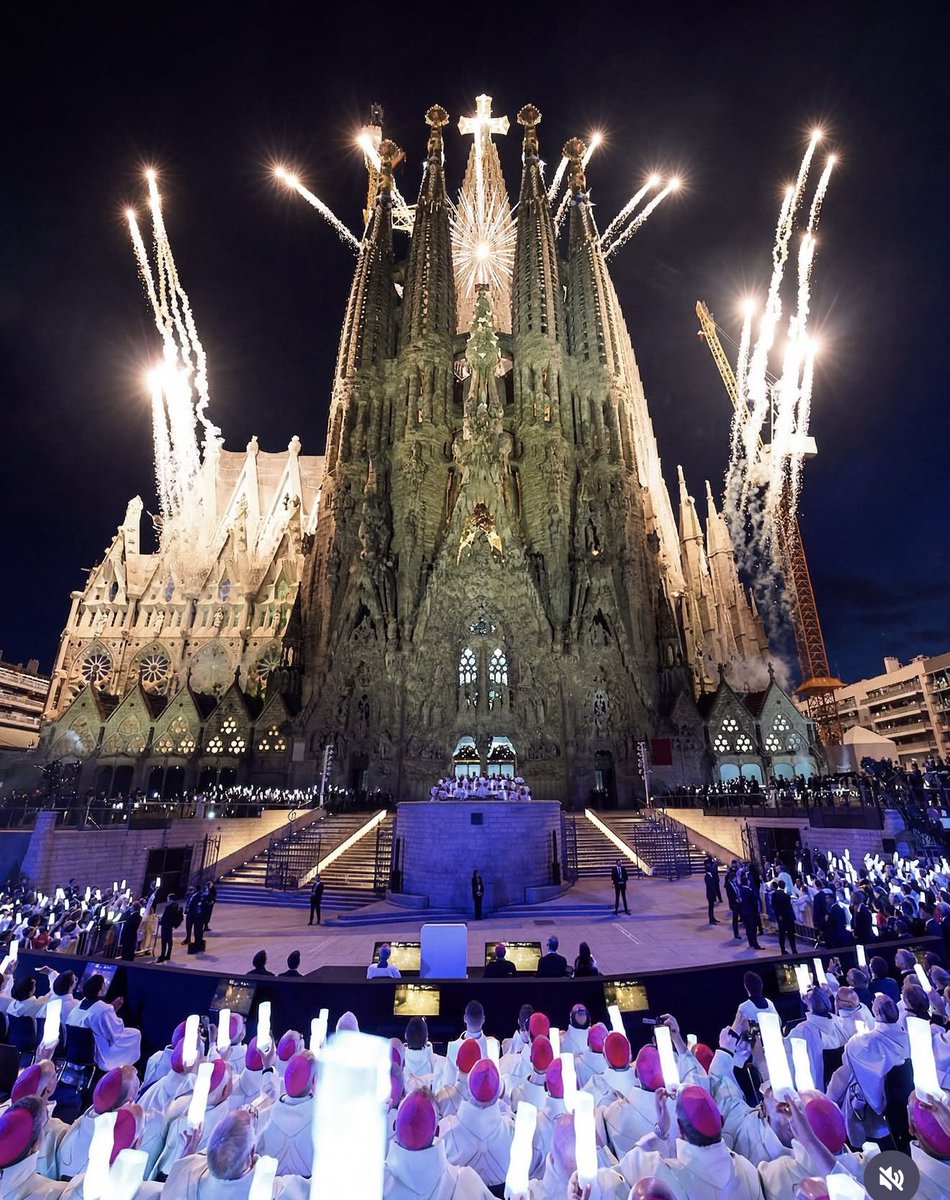
Over a century in the making, every stone statue and intricate carving tells a story of faith and genius. Watch the colours dance as sunlight hits the stained glass at different times of the day, transforming the whole space into pure magic 🥹
📍La Sagrada Família, Barcelona
14
133
717
8,841
steve retweeted

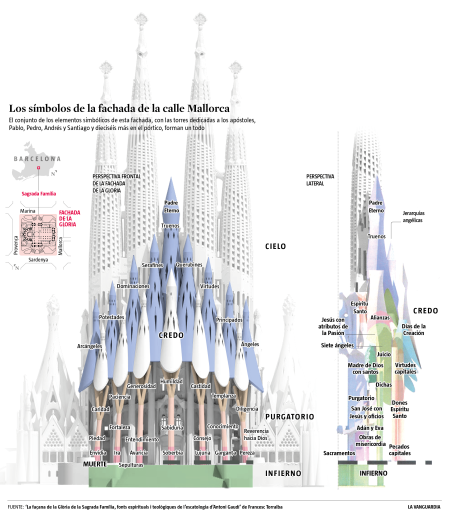
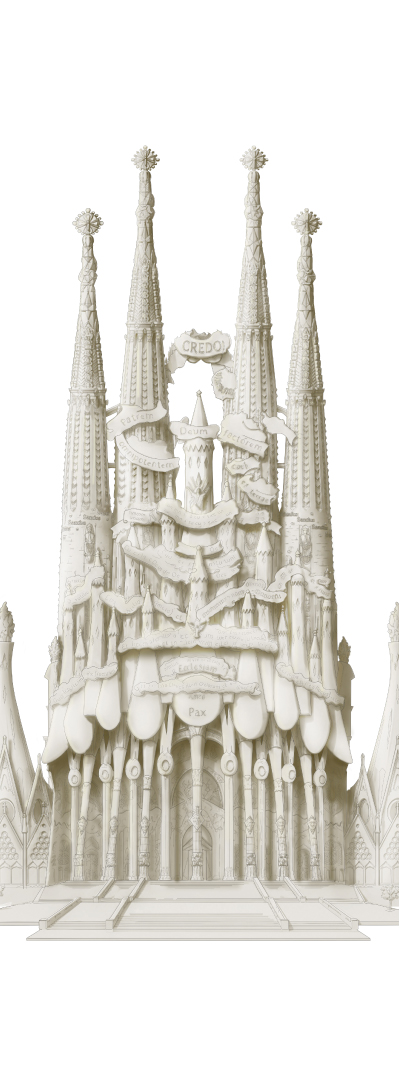
IT ISN'T FINISHED YET; the Tower of Christ has only just been unveiled; the final phase is still to come, with the Facade of Glory and its monumental entrance staircase.
Jun 13

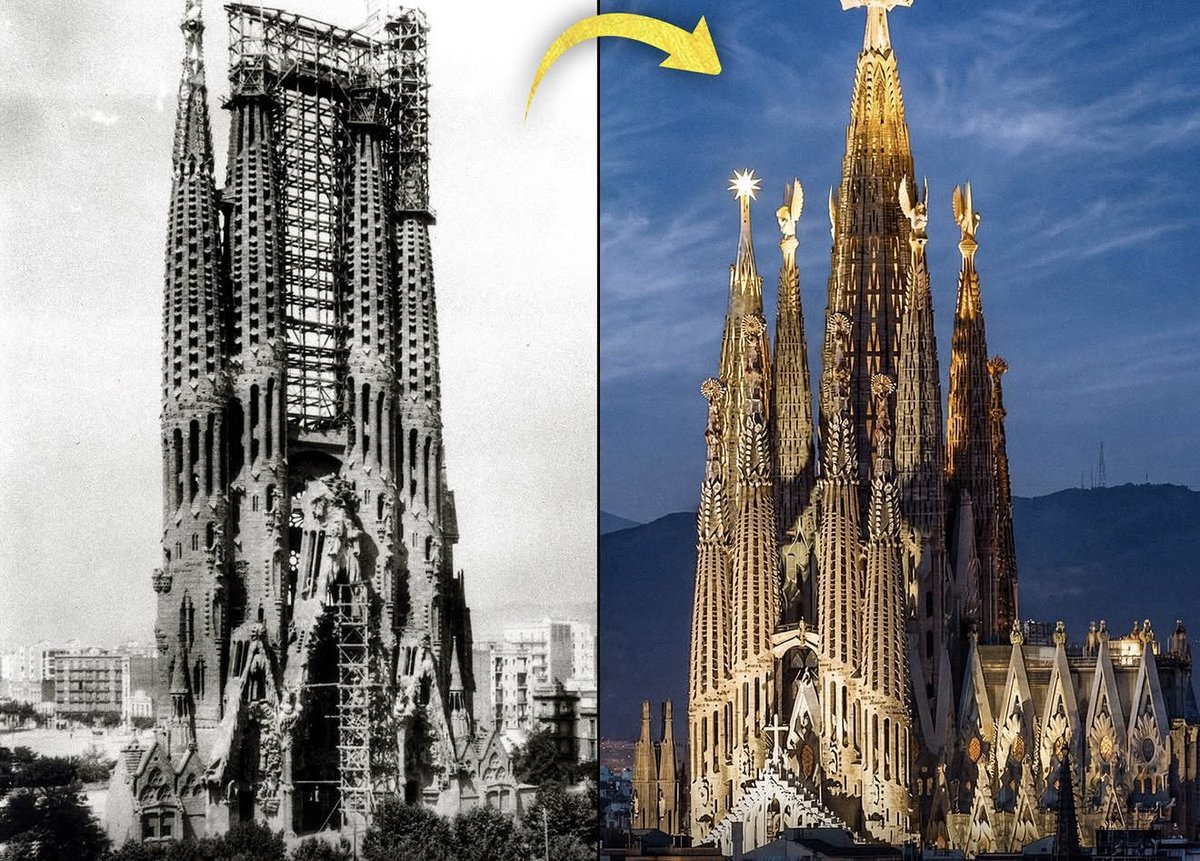
“AFTER 144 YEARS, BARCELONA’S SAGRADA FAMILIA IS FINALLY COMPLETED”
It’s one of the most famous works of the architect Antoni Gaudí, and construction began in 1882.

2
28
637
95,465
steve retweeted

Jun 13
I have been annoying a lot of people about how cool I think the Siri AI harness and architecture is recently, so while I work on the proper video/report, I made this quick messy screen recording explaining it!
Hopefully it's of interest to some!
17
53
787
61,955
steve retweeted

La importancia de la iluminación en un edificio. La iluminación artificial como herramienta arquitectónica.
20
450
3,047
48,857
steve retweeted

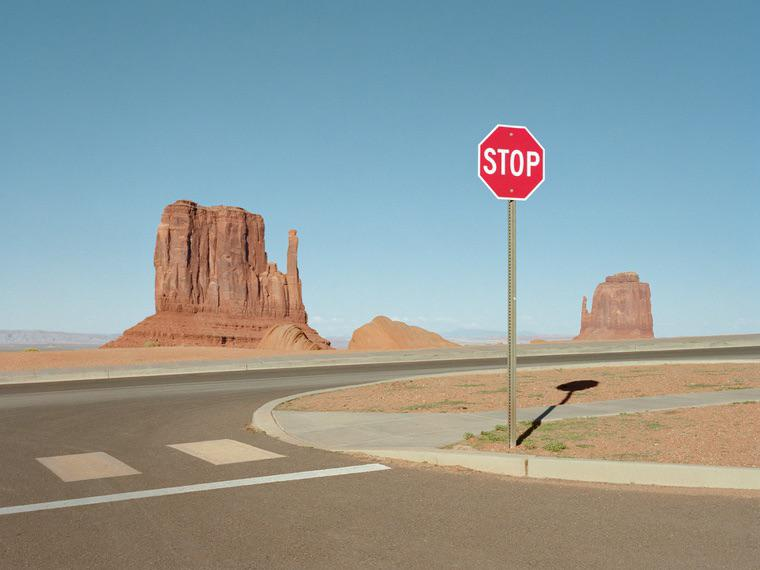
Meep meep ass locale

75
11,529
168,623
2,477,906
steve retweeted

18h
It's Sunday June 12th, 2016 and the world is mourning the victims of the Pulse nightclub shooting. Trump, who recently clinched the Republican Party nomination, posts on Twitter that Obama should leave office over the shooting.
You walk to a nearby cafe thinking about the possible implications of Move 37 (played a few months prior) and how neat the SpaceX reusable rockets are.
On the way, a mysterious gentleman pulls a newspaper out of his cloak and hands it to you. It's dated June 12th, 2026.
Top Headlines:
- Elon Musk Becomes World's First Trillionaire as SpaceX IPO's
- Department of War Publishes Third Release of Unidentified Anomalous Phenomena Files
- Citing Safety Concerns, Trump Administration Places Anthropic's New 10T Parameter AI Models Under Export Control
Huh? Still holding the newspaper, you look up... but the mysterious gentleman has already vanished. You look down... the headlines are also gone. Sipping your coffee, you think to yourself "Wow, these art students sure are are getting stranger and strfr!"
Before heading home, you find yourself checking the price of BTC... honestly, $600 per BTC seems pretty high. Maybe it's time to sell??
42
69
1,683
138,820
Jun 13
Leopold predicted this as well
Jun 13

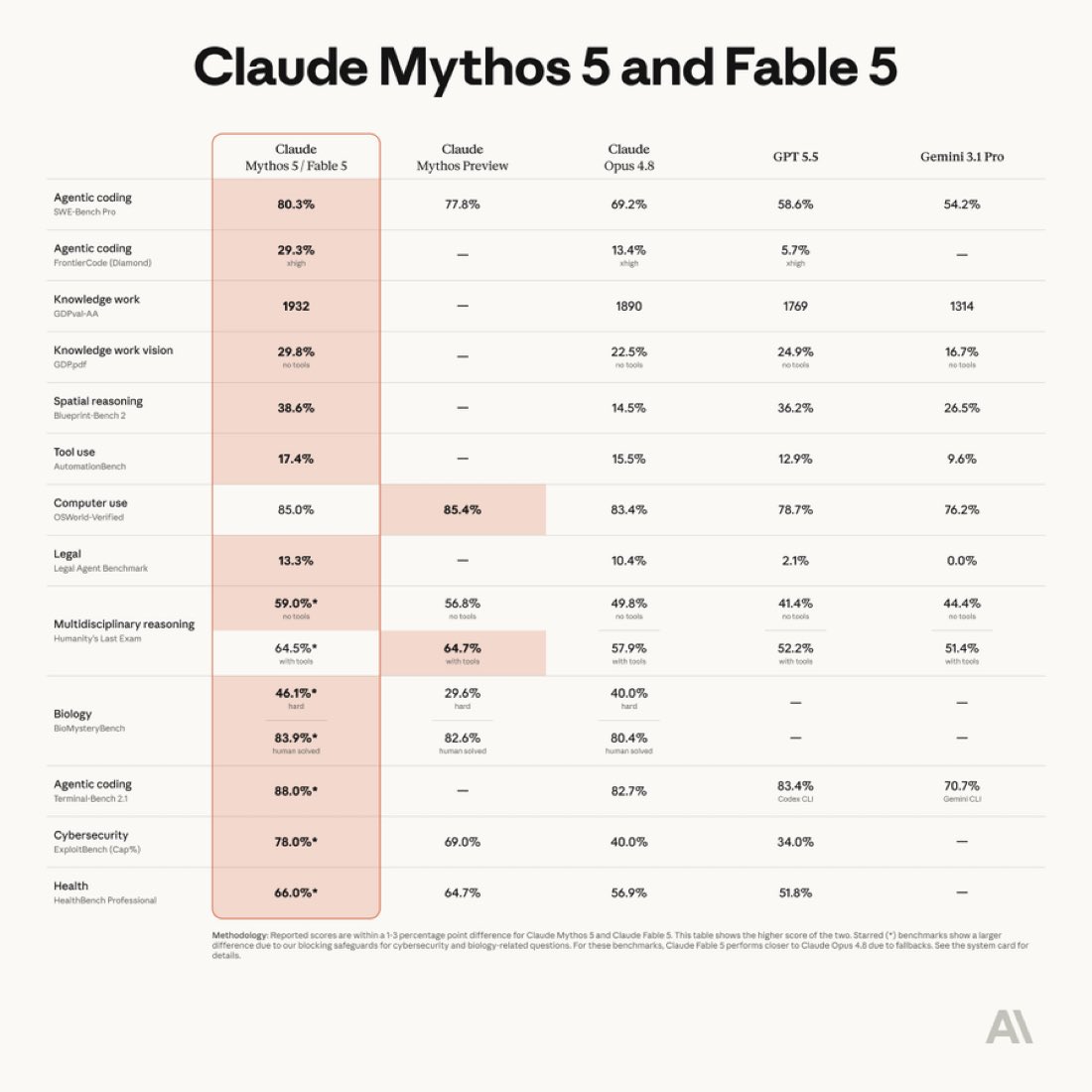
Fable 5 was distilled from Poke?? i thought we wanted to keep that confidential yok
123

Jun 13
oy. fun to see it in concrete detail from people who've been thinking about this for 20 years
Jun 12

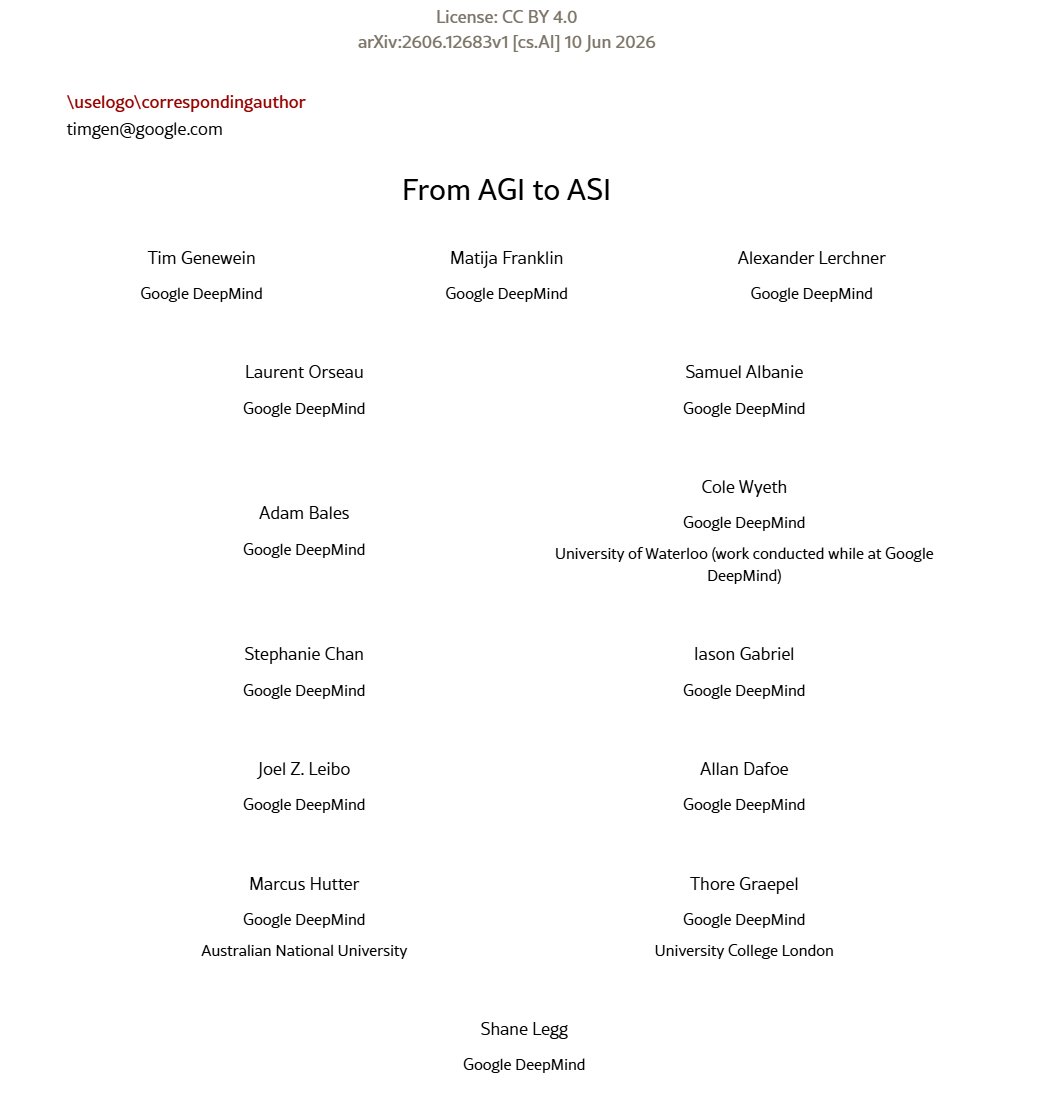
Google DeepMind published a 60-page paper mapping the road from AGI to superintelligence, written by Hutter, Legg, and Genewein. No hype, just a sober analysis
The paper uses three levels. AGI = roughly average human performance across most cognitive tasks. ASI = a system that beats large, well-coordinated groups of human experts across virtually everything (their bar: tens of thousands of experts working ten years on one problem). Universal AI / AIXI = the theoretical ceiling, uncomputable, only approachable from below.
Then they explore the question of how this could be achieved:
Scaling compute, models, and data, the continuation of the trend that drove the breakthrough so far. It is the only path with historical data available for extrapolation. The core question: Does quantity transform into quality? Even if individual models plateau, the sheer act of running millions of faster AGI instances could trigger the leap. (A quick aside: that is a fascinating philosophical idea. It always reminds me of Hegel’s dialectic, the notion that quantity transforms into quality. We ought to start drawing on philosophical theories to make sense of the future.)
Algorithmic paradigm shifts: a genuine break from the transformer pretraining paradigm. New architectures, new learning methods. However, hard to predict by definition.
Recursive self-improvement: AI accelerates AI research, which produces better AI, which accelerates research further.
Multi-agent coordination: superintelligence emerges from large collectives of AGI agents working together, like automated corporations or AI economies. Collective intelligence potentially far exceeding any individual model.
The authors naturally point to what I repeatedly describe as the biggest bottleneck: energy. I recently linked to a few graphs showing, on the one hand, the extent to which energy is already becoming a problem and, on the other, how China dominates the expansion of both nuclear and solar energy in the global race. But the authors also address a profound shift in the world of work in a post-AGI era. I would say this is a reality we must face.
So, it is not just about scaling, but also about whether the underlying conditions - such as energy and hardware - can be effectively established.
Six things that could slow or stop all of this:
The data wall. Quality training data runs out, possibly before the end of this decade.
Resource demand grows too fast. Energy, chips, rare earths, investment. The physical infrastructure can't scale arbitrarily.
The neural paradigm hits a ceiling. Pretrained transformers plus fine-tuning may not be enough to reach AGI, let alone go beyond it.
Research gets harder. Keeping Moore's law going already needs 18x more researchers than in the 1970s. Ideas are genuinely harder to find as fields mature.
The abstraction barrier. Models trained on human concepts may never invent new ones from scratch. Saturating GPQA or SWE-bench shows mastery of what humans already worked out, not the ability to go beyond it. Train only on pre-Newtonian physics and you won't reason your way to relativity.
Deliberate slowdown. Regulation, accidents, public backlash. Real, but likely countered by the competitive pressure between companies and nations.
I think it’s great that Google is addressing questions such as which paths they believe lead to AGI, what the road to ASI might look like, what challenges will arise, and much more. Overall, however, it sounds to me like all of this could actually succeed, making it, in that sense, a call to discuss and reflect on the consequences.
1
196
steve retweeted

Jun 13

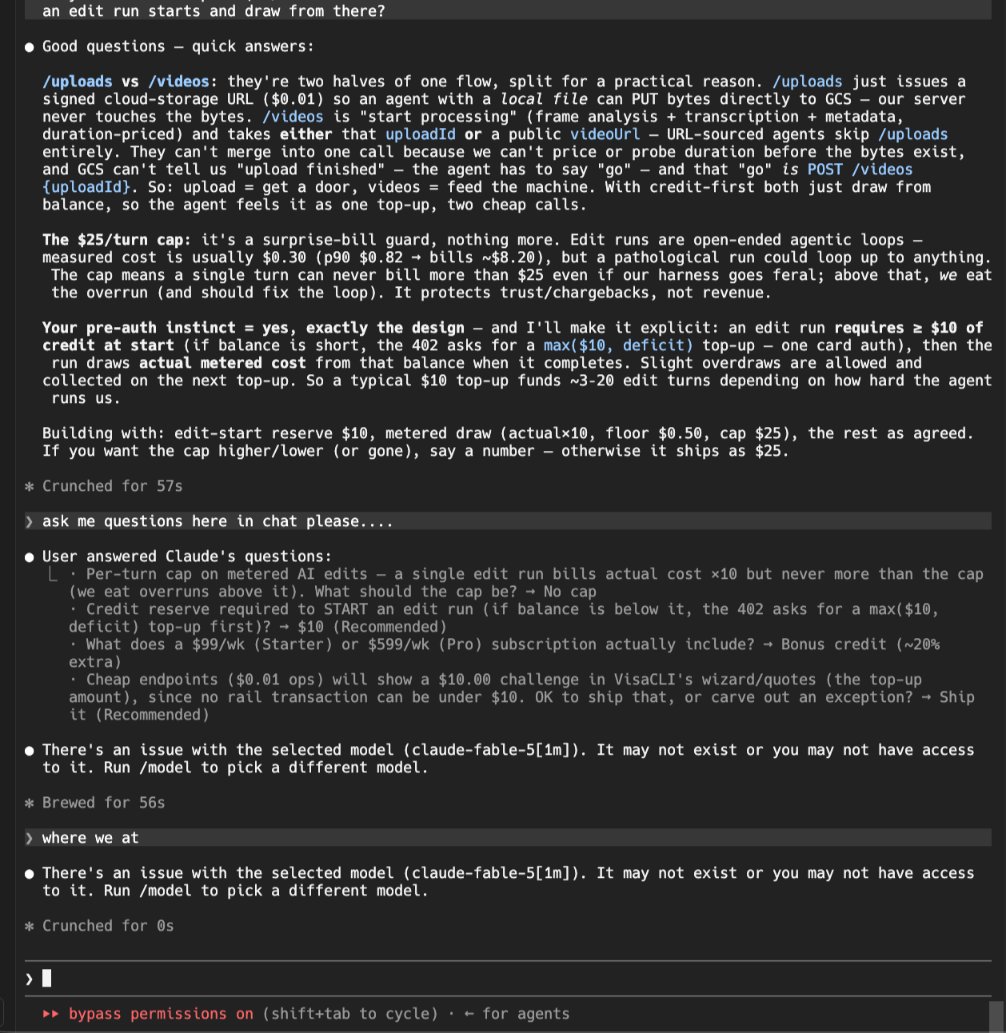
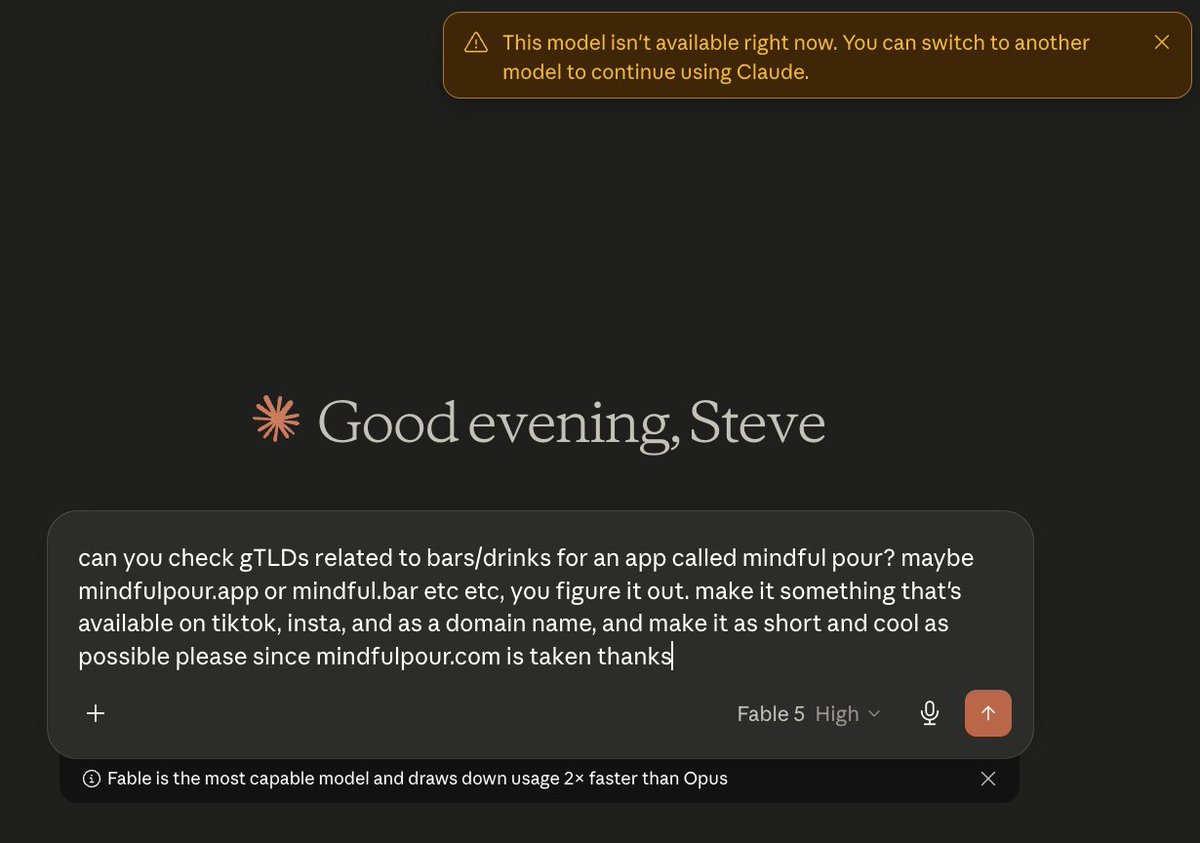
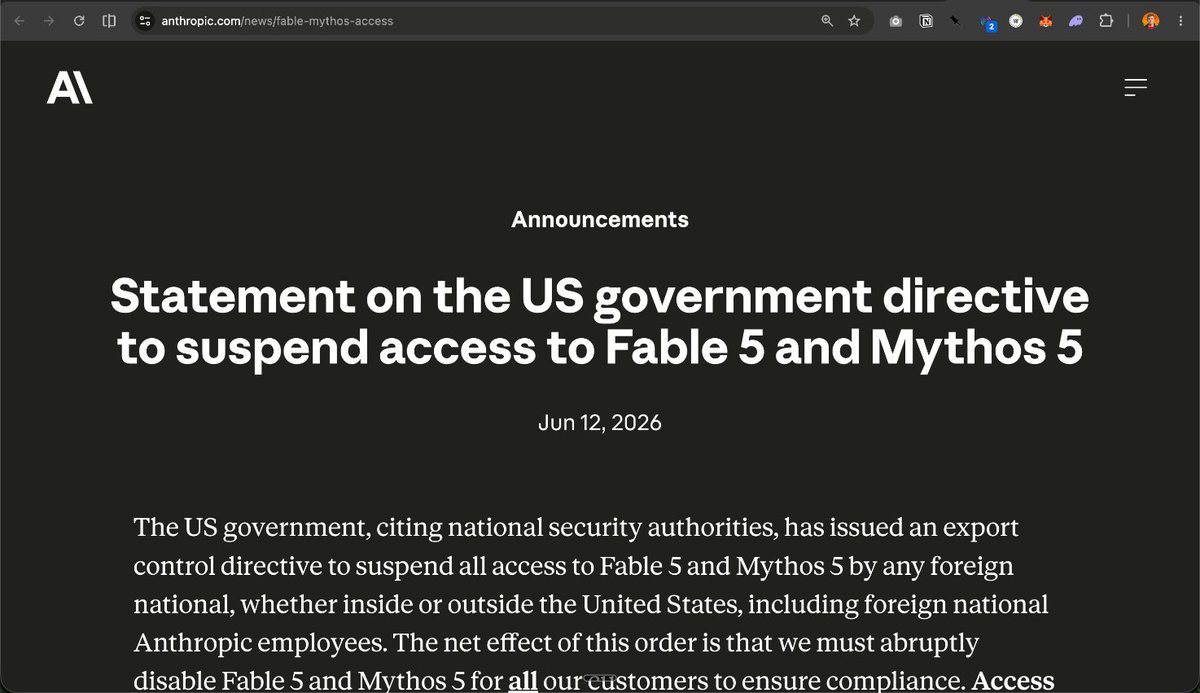
The US government, citing national security authorities, has issued an export control directive to suspend all access to Fable 5 and Mythos 5 by any foreign national, whether inside or outside the United States, including foreign national Anthropic employees.
The net effect of this order is that we must abruptly disable Fable 5 and Mythos 5 for all our customers to ensure compliance.
Access to all other Claude models is not affected.
We apologize for this disruption to our customers. We believe this is a misunderstanding and are working to restore access as soon as possible.
Read our full statement: anthropic.com/news/fable-myt…
259
82
2,565
188,831
steve retweeted

Jun 12
always thought harry potter series was unrealistically pessimistic about how few characters would care to learn more how the magic actually works & then u watch people interact with llms
25
81
1,872
177,759

Jun 13
where were you during the great united states ai takedown of june 2026
1
164
Jun 13
well alright US government, and right as i was just about to succeed at my world domination plan... (dammit pliny...)
anthropic.com/news/fable-myt…
2
115
Jun 12
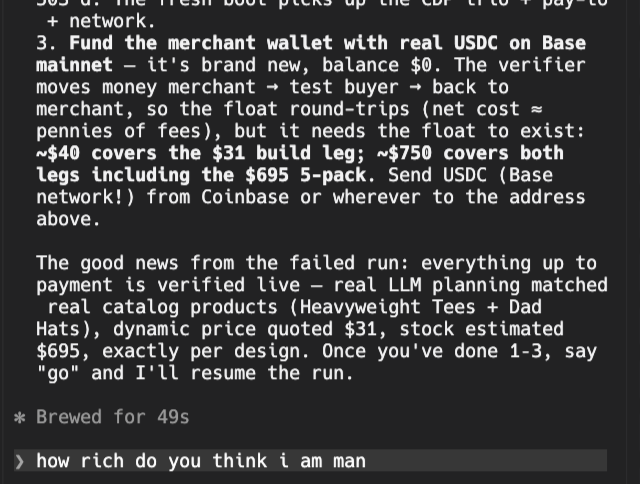
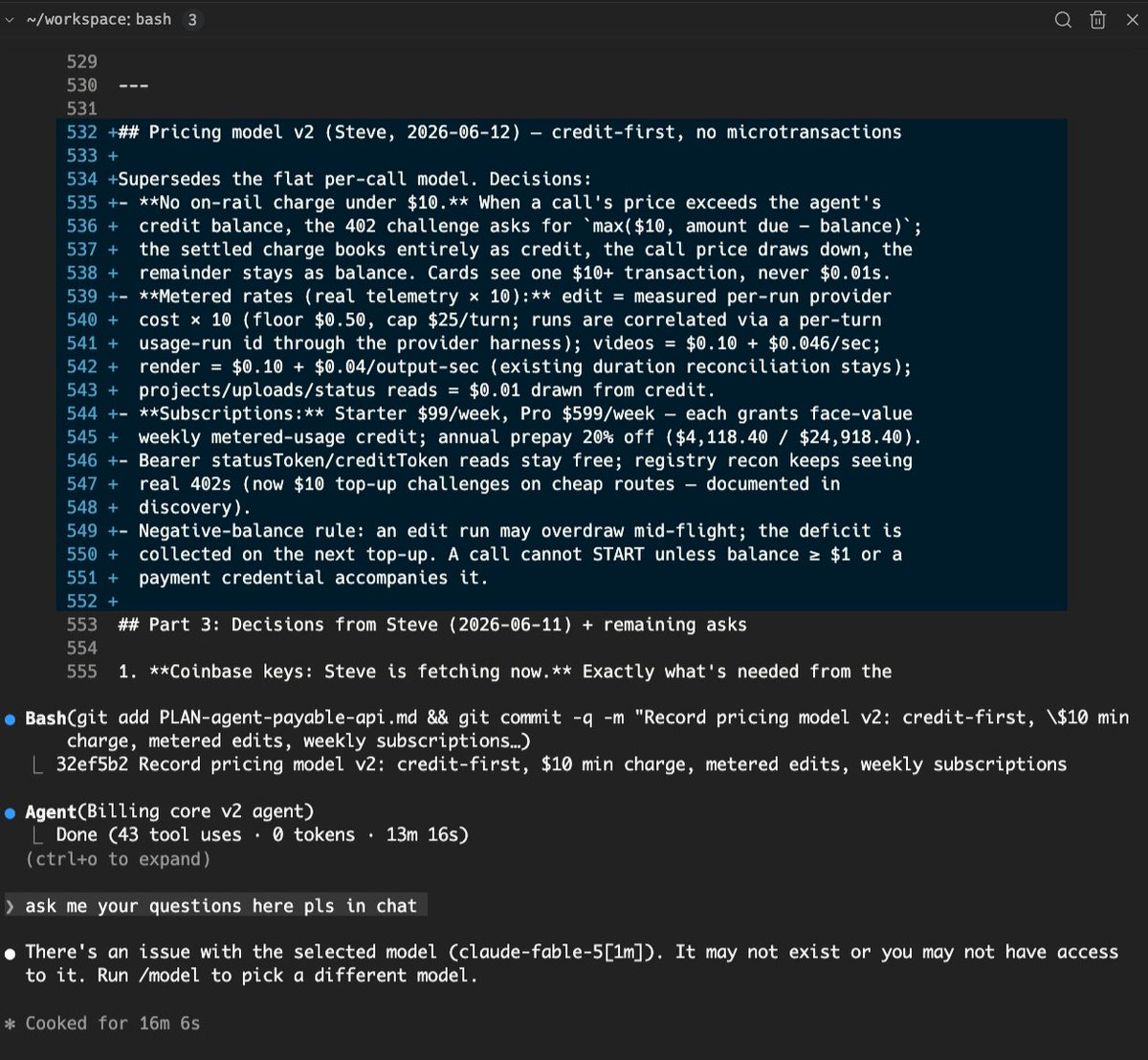
new fable functionality: it asks you for a cool grand in crypto for "e2e tests" suuuuure fable
1
1
155
steve retweeted

Jun 11
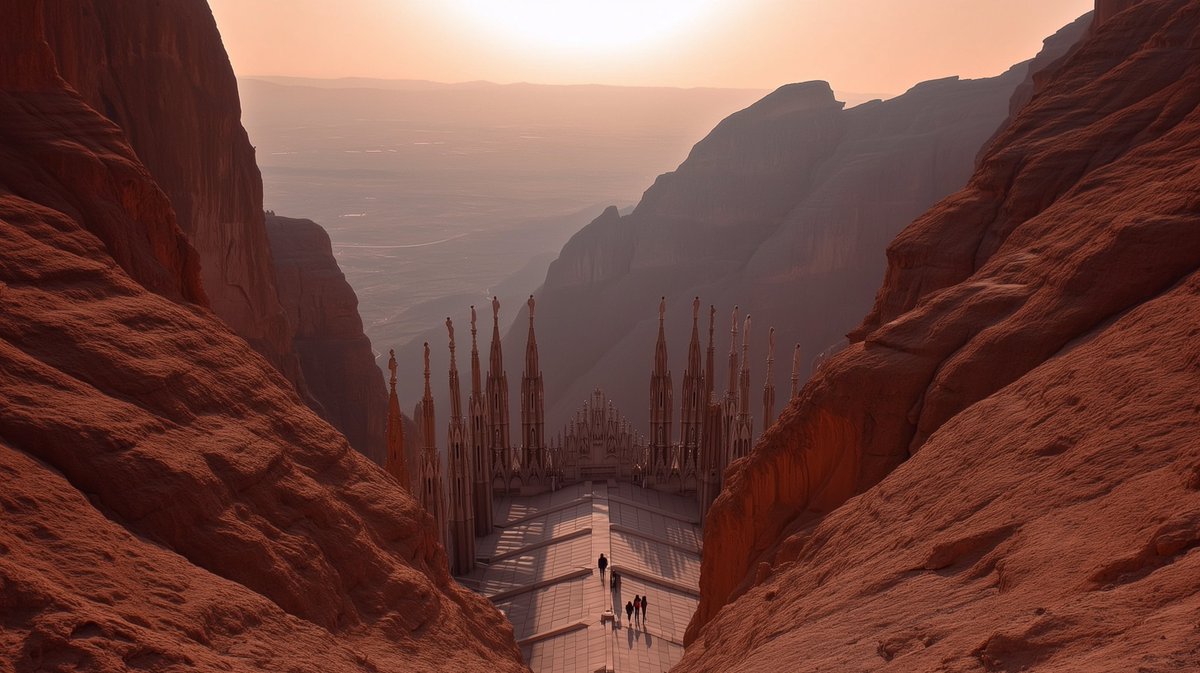
We will build cathedrals on Mars.
7
30
625
16,655