
MD of Evolution Capital eveq.com if I tweet about an equity I generally own it
Joined October 2011
- Tweets 5,735
- Following 3,158
- Followers 3,000
- Likes 10,473
469 Photos and videos









Pinned Tweet

16 Dec 2025
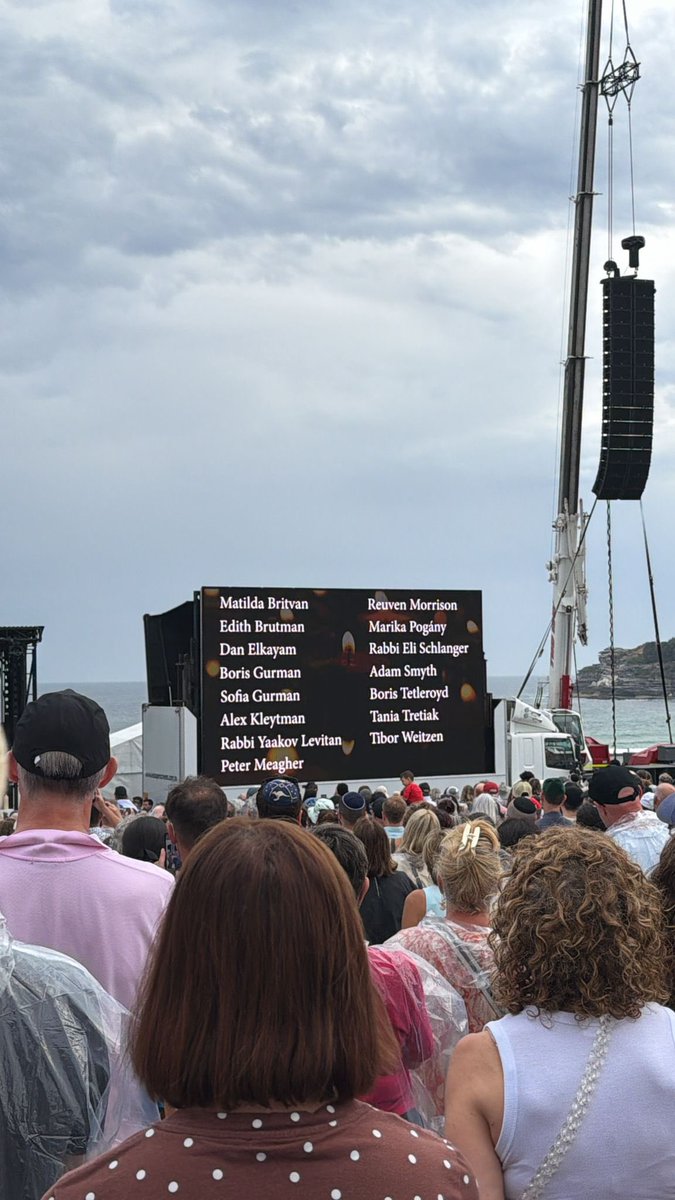
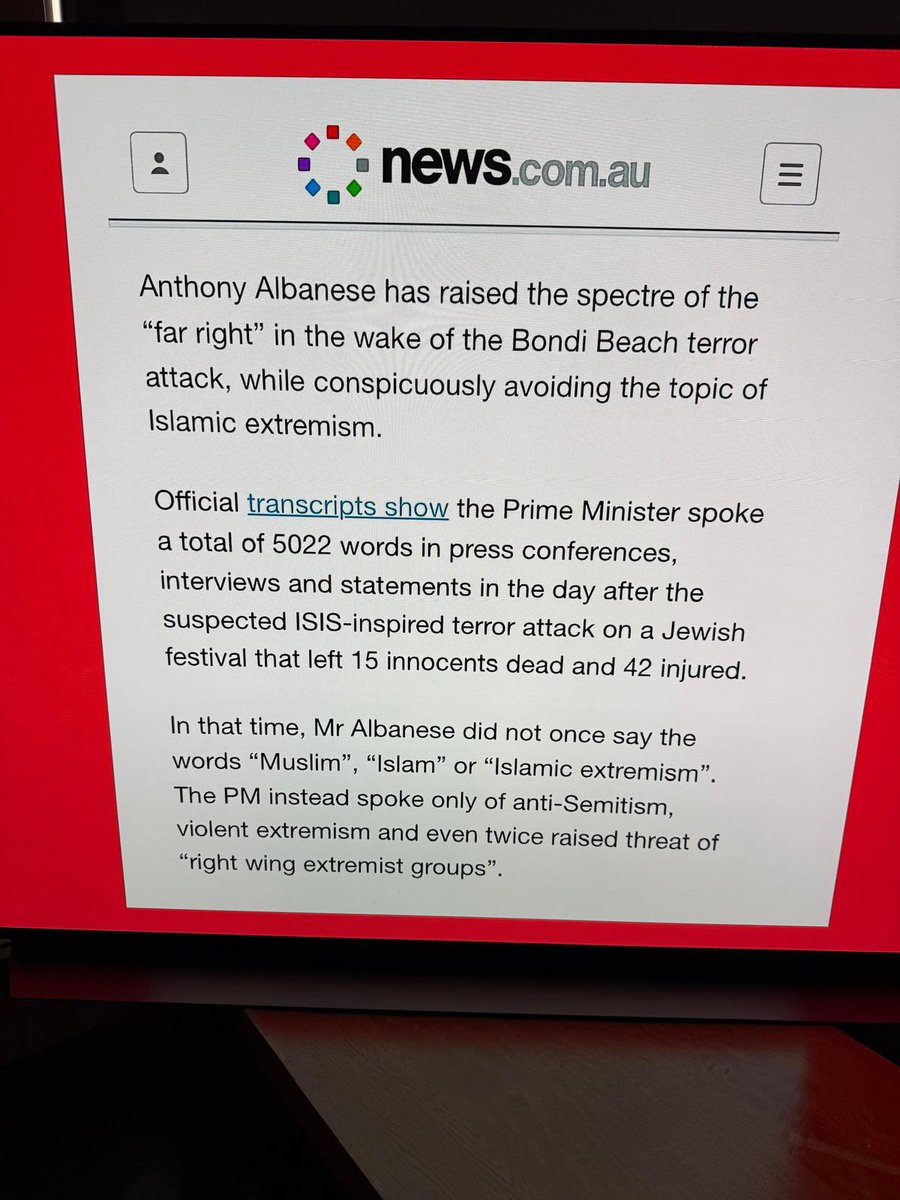
Why is this allowed in Australia? What have we imported? Why does the government allow this? @AlboMP
15 Dec 2025

Islamic Scholar in Sydney, Australia:
“Jihad is definitely part of our religion. Allah prefers and rewards Muslims who directly fight our infidel enemies more than those who do nothing.”
5
17
134
7,192
Jun 15
If you ever want to see how liberals can destroy a city just walk around Seattle - stay safe Aussies! #fifaworldcup
1
196
Jun 14
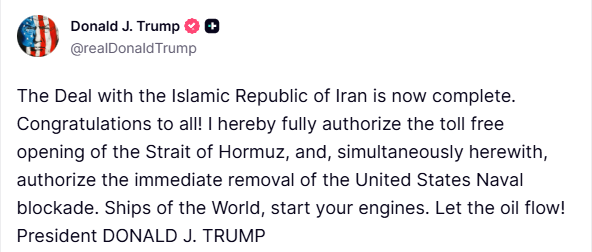
Trump making sure the ASX is up today - what a gentleman

1
4
995
Stephen Silver retweeted

Jun 14
Harry Souttar only needs to play every four years. Domestic football is beneath him.
26
59
2,771
45,576
Stephen Silver retweeted

Jun 10
$JGH
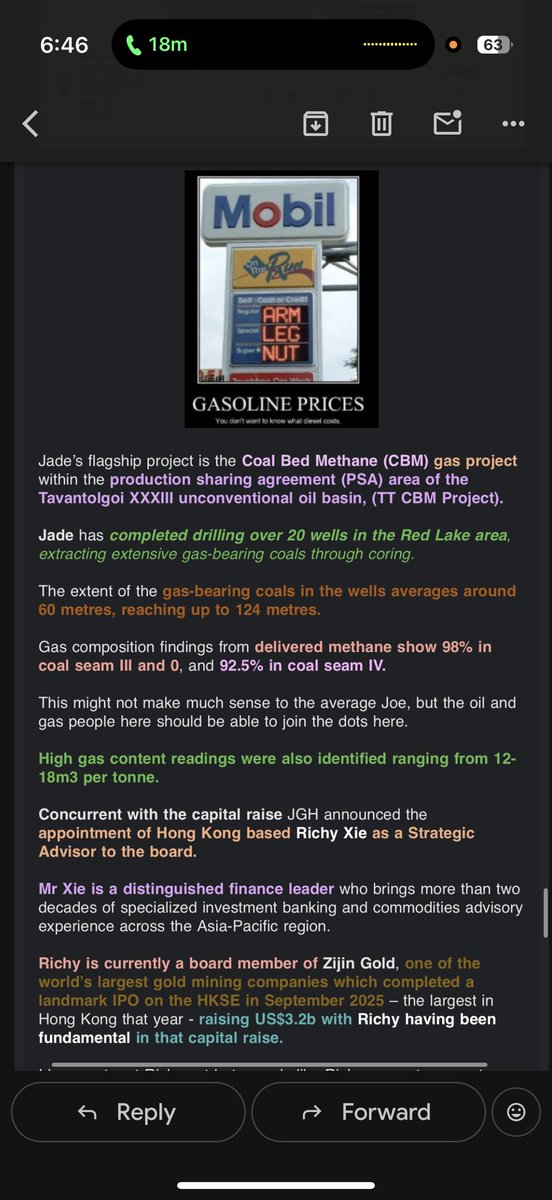
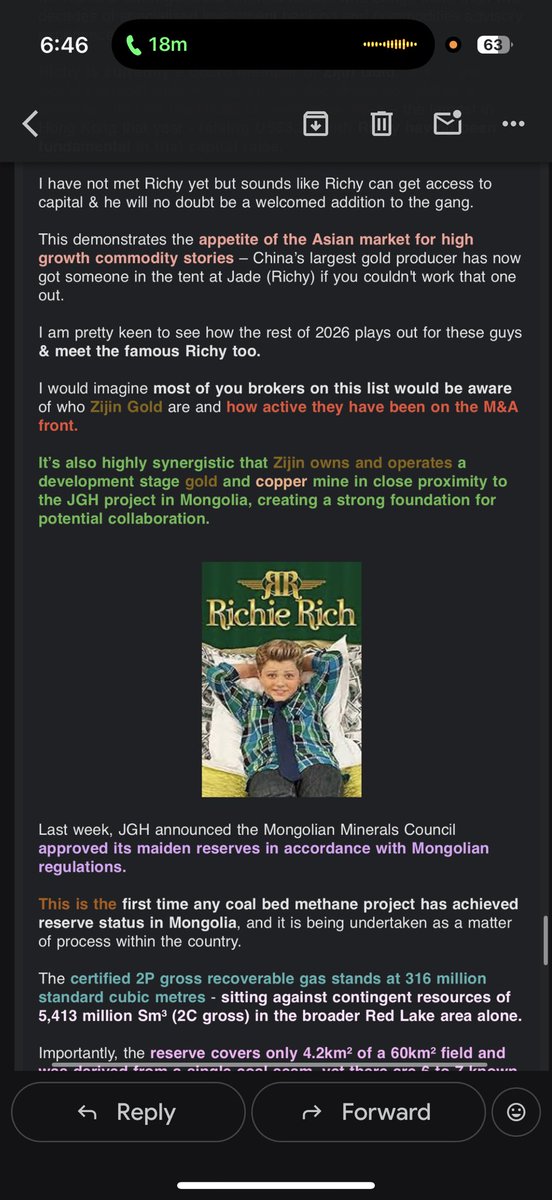
New article today written about them if anyone is curious to read the FA… The TA is incredible… See threads for the rest of it…
Thank you to Nick Kelso (Wealth Advisor at Sanlam Private Wealth)
Yes Jade is my biggest holding as I have stated many times…
5
2
30
3,285
Stephen Silver retweeted

If our enemies wanted to weaken and destory the West, this is exactly what they would do.
Flood our nations with third-world migrants and cause internal chaos. This does not benefit us. This does not benefit our children.

A Somali migrant attempted to behead a man in Belfast, Ireland last night in a random attack…
A foreign man, yelling in a foreign language, beheading a White man in the street.
It’s time for the West to stand up.

54
254
2,102
52,702
Stephen Silver retweeted

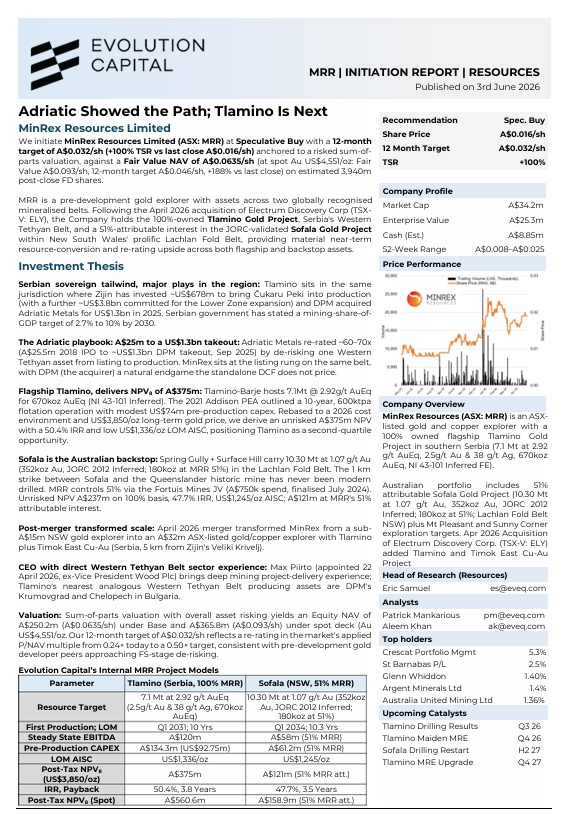
📢 Evolution Capital has initiated coverage on MinRex Resources $MRR highlighting the flagship Tlamino Gold Project in Serbia and multiple upcoming catalysts, including a fully funded ~7,000m drilling program and maiden JORC MRE targeted for Q4 2026.
📌mcusercontent.com/8f8eb6ae52…
2
3
232
Jun 3
Imagine being in charge of a city that literally burns to the ground and at the next vote you are still winning the vote 😭
139
Stephen Silver retweeted

Jun 2
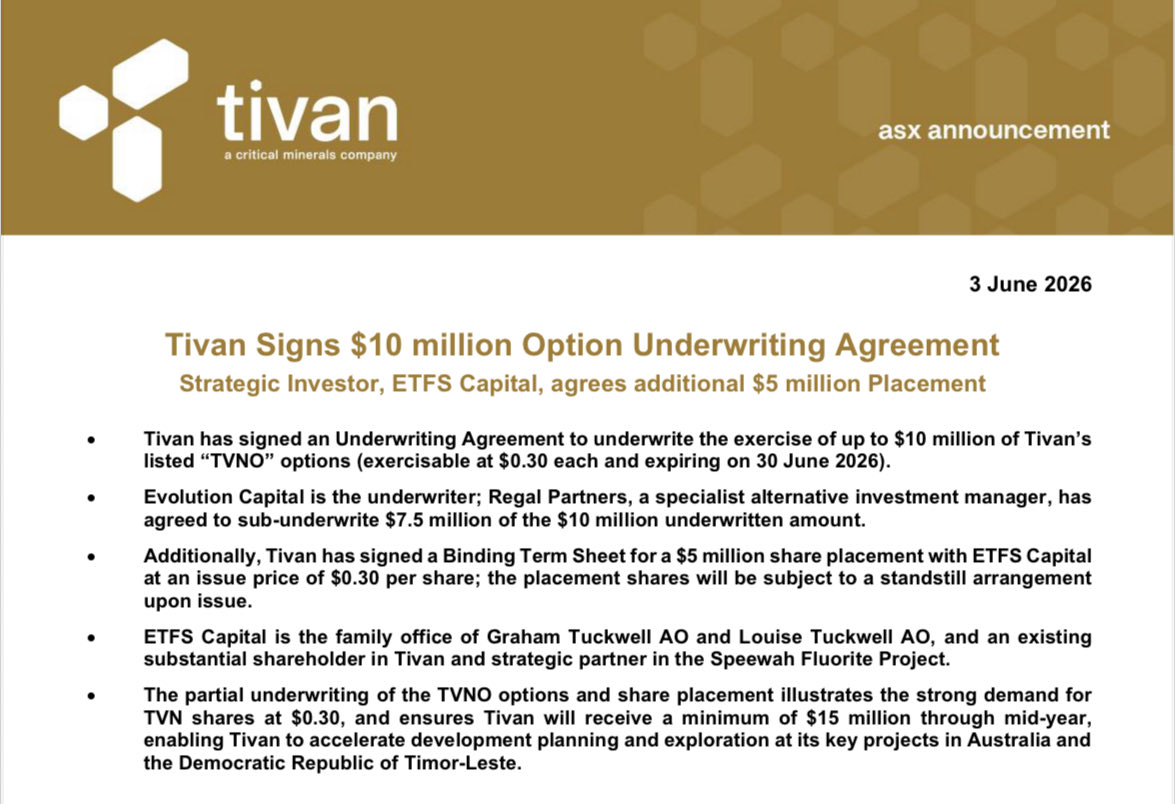
As I mentioned at Investor Briefing of 1 May, @Tivan_Limited has many ways to manage upcoming option expiries.
The agreements announced today are optimal for TVN, maintaining our commitment re shares on issue, whilst providing acceleration capital. 🚀🐊wcsecure.weblink.com.au/pdf/…
3
49
1,710
May 31
$JGH This morning, Jade Gas Holdings (ASX: JGH) became the first company in history to have natural gas reserves formally approved in Mongolia.
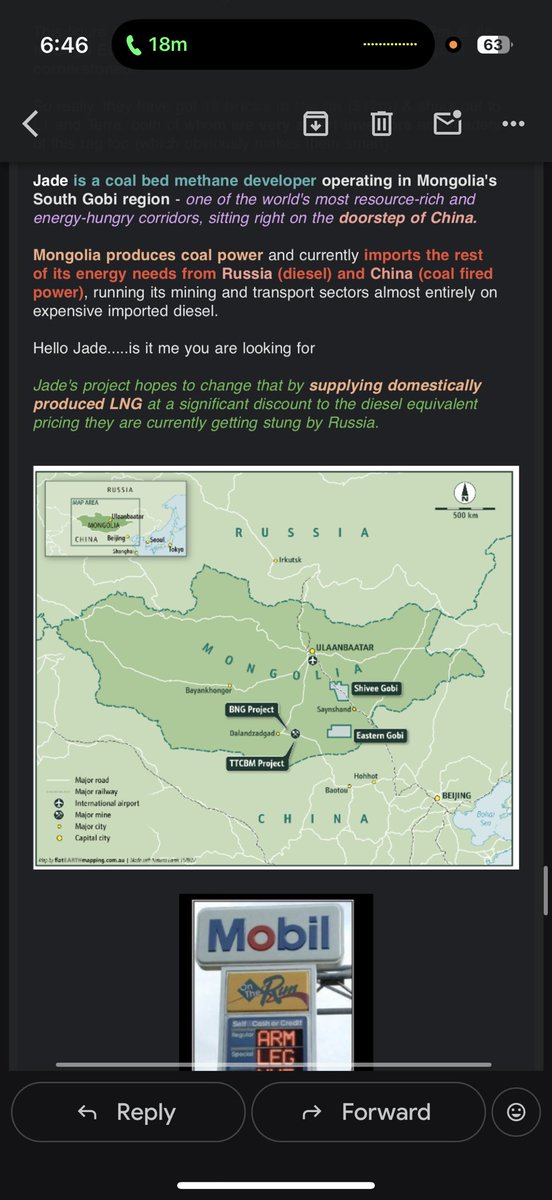
Jade is an ASX-listed coal bed methane developer operating in Mongolia's South Gobi region - one of the world's most resource-rich and energy-hungry corridors, sitting on the doorstep of China. Mongolia currently imports virtually all its energy needs, running its mining and transport sectors almost entirely on expensive imported diesel. Jade's project exists to change that, supplying domestically produced LNG at a significant discount to diesel equivalent pricing. The opportunity is structural, the demand is real, and until today, the regulatory pathway was the missing piece.
The approval from Mongolia's Minerals Reserve Council has been years in the making. It opens the door to a Production Licence and formally transitions Jade from explorer to developer. Announcements of this magnitude in frontier energy markets do not stay under the radar for long.
Here is what the market has not yet priced in. Today's reserve covers 4.2km² of a 60km² field, from a single coal seam. There are 6 to 7 known gassy seams across the project. Certified 2P gross recoverable gas stands at 316 million standard cubic metres - sitting against contingent resources of 5,413 million Sm³ (2C gross) in the broader Red Lake area alone. The company has just booked 7% of the field. The other 93% is still to come.
The commercial framework is already in place:
Binding gas sales agreement with UB Methane LLC - Mongolia's largest gas importer
AU$70m letter of intent for project funding secured
Phase 1 - up to 175 wells, modular LNG, targeting transport, mining and industrial customers
Full field development - ~800 wells, 30 year project life
Jade’s project sits 300km from China and the Chengdu region that is short gas and long energy requirements. You don’t need to be a genius to join the dots.
What now appears to be on the light side with recent catalysts our analyst values the company at A$758 million, or A$0.36 per share - based on a 50% risk-discounted NPV of the Red Lake project using US$30/Mcf gas pricing and a 10% discount rate. Across every sensitivity scenario modelled - gas price, FX, opex, capex, discount rate - the NPV of JGH’s share of the project remains above A$1 billion. The project IRR at base case is 93%.
Note: I hold stock
api.investi.com.au/api/annou…
2
3
28
3,246
May 23
There’s no one in this squad who @Socceroos should fear
May 23

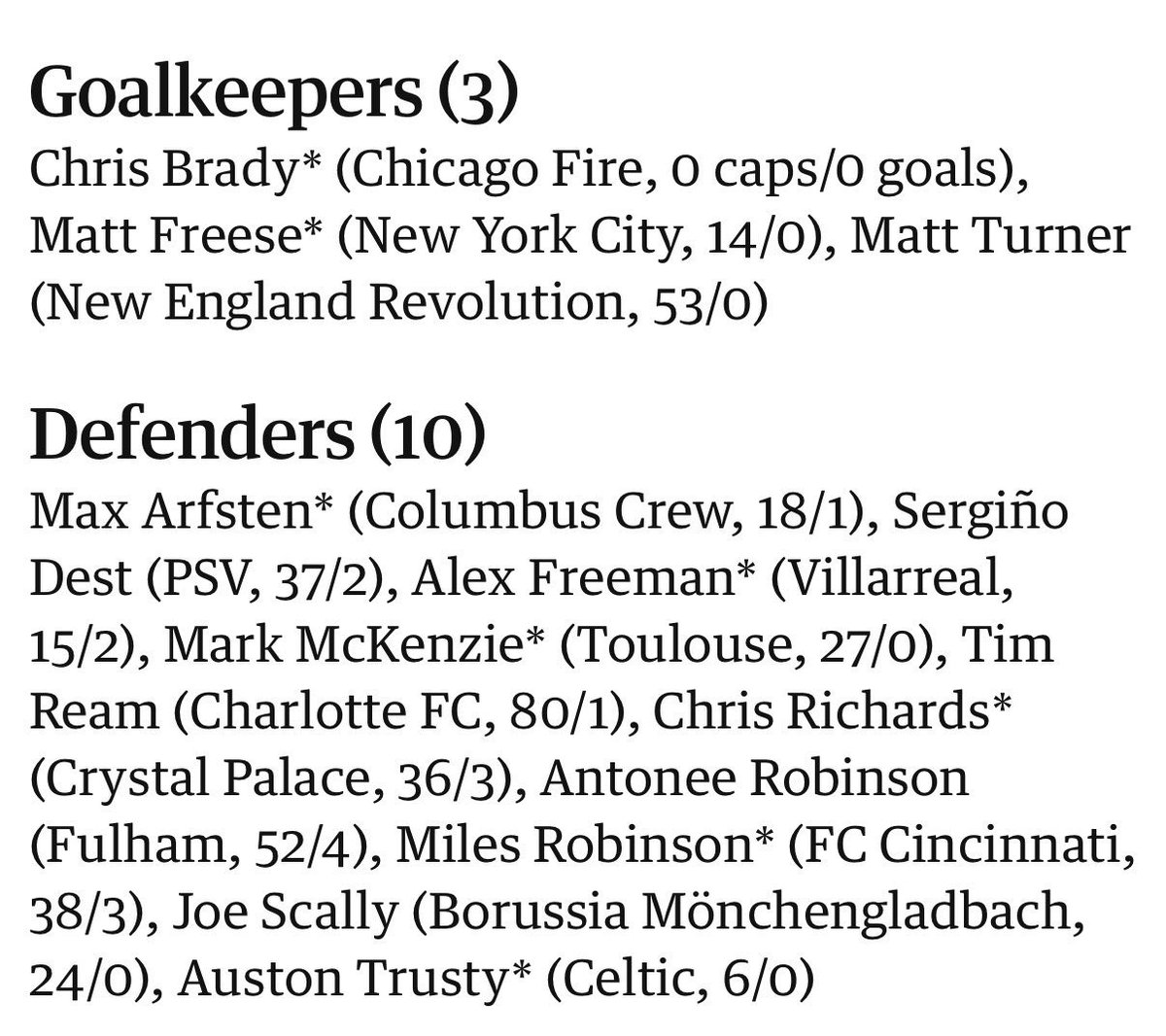
BREAKING: MAURICIO POCHETTINO’S USMNT WORLD CUP ROSTER 🇺🇸
(via The Guardian)

1
360
May 22
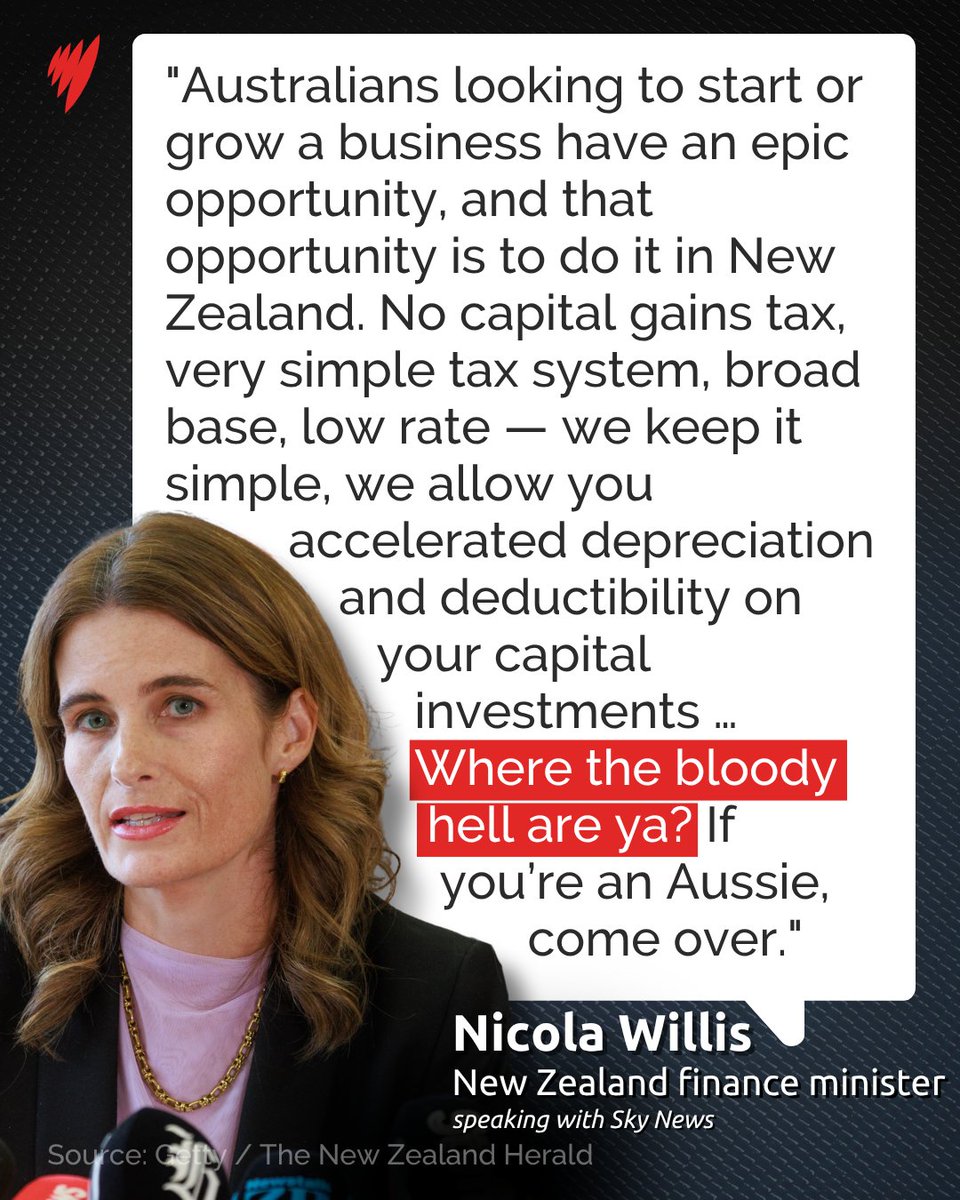
Smart NZ!

New Zealand's finance minister, Nicola Willis, has invited Australians who don't like Australia’s proposed changes to capital gains tax (CGT) to move across the ditch.
Learn more: bit.ly/4v152xZ
1
4
598
Stephen Silver retweeted

May 21
$CRML
A huge endorsement of our concentrate. REalloys have seen tested our product and now have signed a definitive agreement.
globenewswire.com/news-relea…
9
12
78
11,514
May 17
The 🤡 show never ceases the amaze
May 17

Anthony Albanese looks on smugly as Nat Barr reads out viewers texts fuming at the outrageous spending of politicians, including Albo, on the taxpayers money.
And then turning around and hiking taxes in the budget.
Albo retorts “the rules are the rules”
2
2
11
1,917
Stephen Silver retweeted

May 16
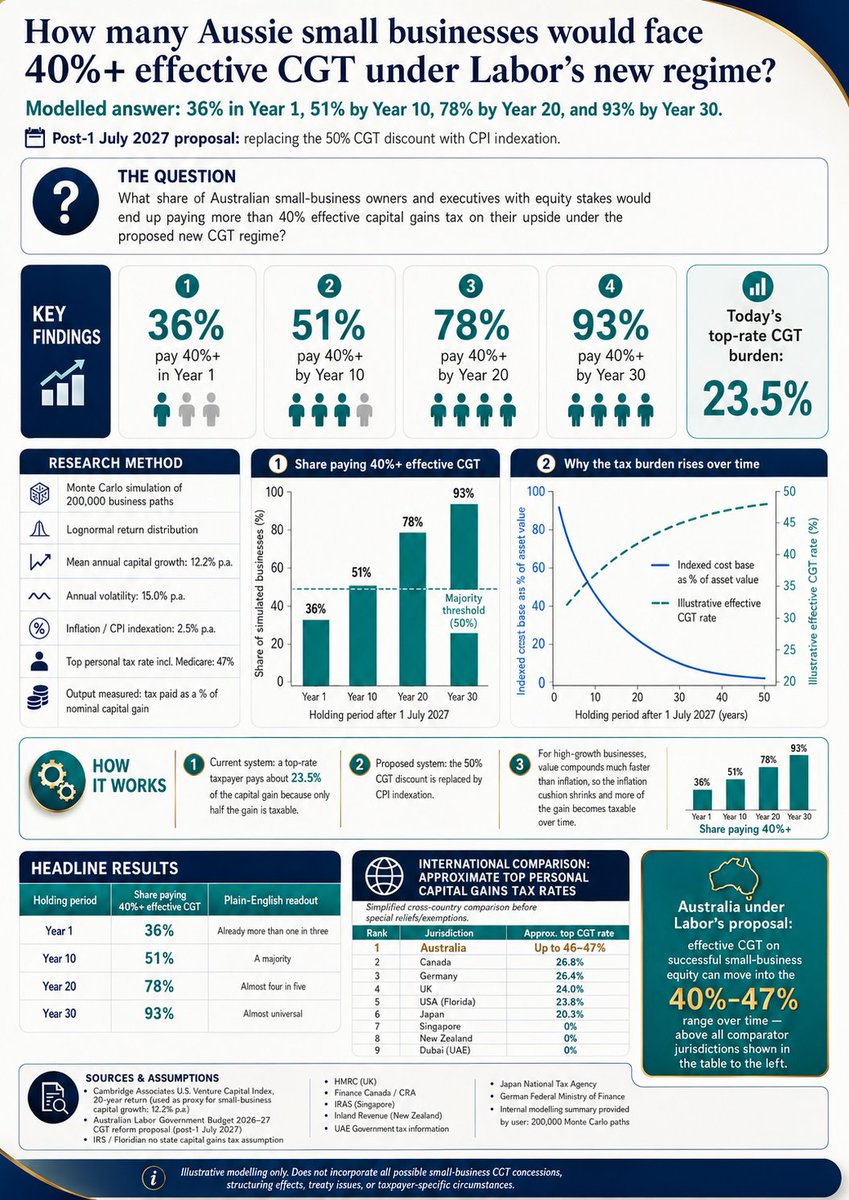
Labor’s new capital gains tax of up to 46% to 47%, which is far and away the highest in the world, hammers all businesses, including small companies, harder the more successful they become. By applying the most expensive CGT regime in the world, Labor is taking almost half of the upside of any successful firm, encouraging owners and executives who own shares in the business to look at relocating overseas. The question, however, is how many small businesses will actually pay this tax in practice. We prepared the following simulation to highlight the impact. We took the long-term 20 year returns from Cambridge Associates for smaller venture capital companies, which grow by 12.2% pa. We adopted the ASX equity market volatility of 15% pa, which would understate the true volatility of small firms (and thus lead to a lower proportion of very high growth companies paying 46-47% tax in our analysis). We then ran a simulation to estimate the proportion of businesses paying CGT of more than 40%. We find that within 10 years more than half of all Aussie small businesses will be hammered by CGT over 40%, which rises to 78% of all small businesses by 20 years... By giving Australia the most uncompetitive business valuation tax in the world, this policy will crush innovation, entrepreneurship, spending, productivity, growth and our global competitiveness. We already have among the lowest productivity growth rates in the world: by reducing productivity further, we could raise the cost of living, inflation, and interest rates.
68
244
896
64,433
May 15
Worth a read for any mining investor
May 15

@DavidPocock please don’t frame this as only impacting tech startups.
Remember the smaller exploration companies in WA that collectively spend billions of dollars in Australia. We are startups too.
At @BenzMining alone, we’re investing over $100 million in exploration in Western Australia. That directly employs 20 geologists and supports countless indirect jobs through drilling contractors, laboratories, transport providers, administration staff, accountants, bookkeepers, and local suppliers—including Indigenous-owned businesses.
Like many early-stage companies, we can’t compete with major mining companies on salary alone, so we use share-based incentives to attract and retain talent. That only works if there is a meaningful upside for employees taking that risk.
Beyond employment, companies like ours contribute throughout the economy. We pay stamp duty on tenement acquisitions, payroll tax on local employment, ASX listing fees, brokerage fees that support financial services jobs across Australia, and substantial spending with contractors and service providers.
We generate no operating income at this stage—our business is funded through equity capital because exploration is inherently high risk. The investors who fund that risk do so because there is potential for capital growth, and when they realise gains, they pay capital gains tax.
That cycle of investment, employment, and tax contribution happens every day.
If you remove the incentive for investors to fund high-risk exploration, that ecosystem slows dramatically. Capital will move elsewhere, projects won’t proceed, and Australian jobs will be lost.
High-risk exploration already has enough uncertainty. We do not need the government effectively becoming a 47% partner in the upside while contributing none of the entrepreneurial risk that gets these projects off the ground.
3
503