Senior Policy Analyst for Transform Drug Policy Foundation (@transformdrugs), mostly tweeting on drug policy/law reform. Own views etc.

Joined September 2012
2,674 Photos and videos
Steve Rolles retweeted
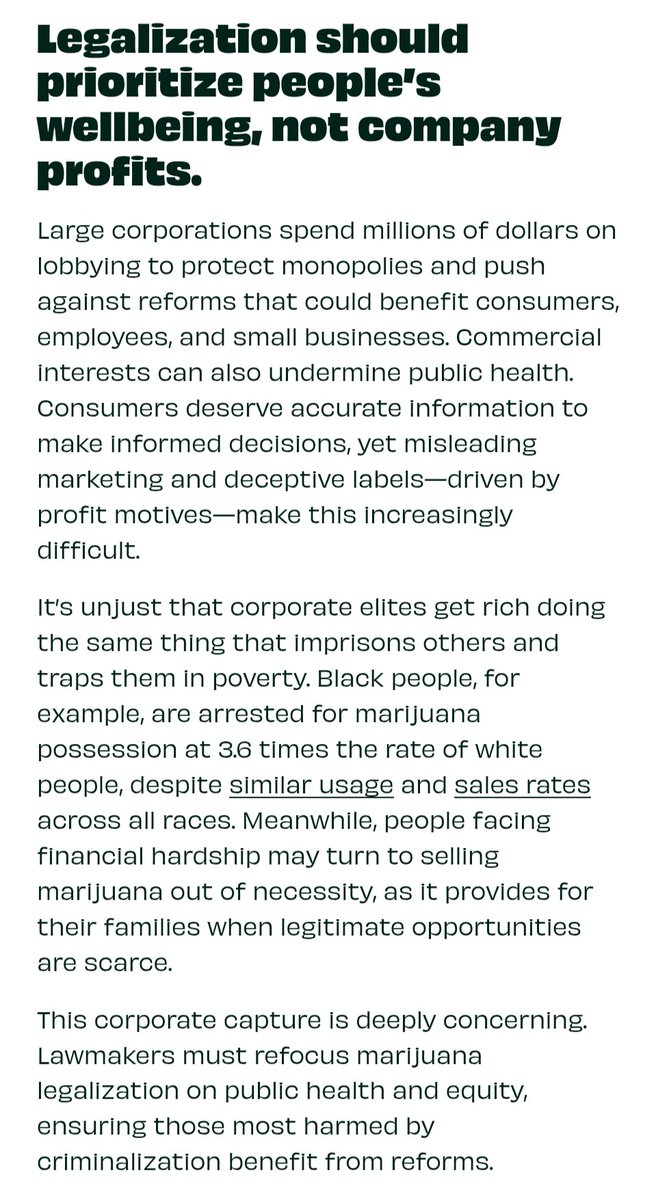
It's about damn time Congress legalizes marijuana.
1,275
584
3,727
134,819
Steve Rolles retweeted
May 11
New US drug strategy revives ‘#WarOnDrugs’ rhetoric prioritising securitisation, militarisation and abstinence over harm reduction, public health and human rights. @MarieNougier analyses the Trump administration's sharp turn towards punitive responses: idpc.net/blog/2026/05/securi…
6
9
352
Ten years after the 2016 UNGASS on drugs, the global community faces a critical moment to reflect on progress and remaining challenges. Commissioners @HelenClarkNZ and @JuanManSantos examine what has changed—and what must come next to advance more effective, evidence-based drug policies. 🔗 Read more: globalcommissionondrugs.org/… #UNGASS2016 #DrugPolicy #GlobalHealth
4
10
20
4,050
Steve Rolles retweeted
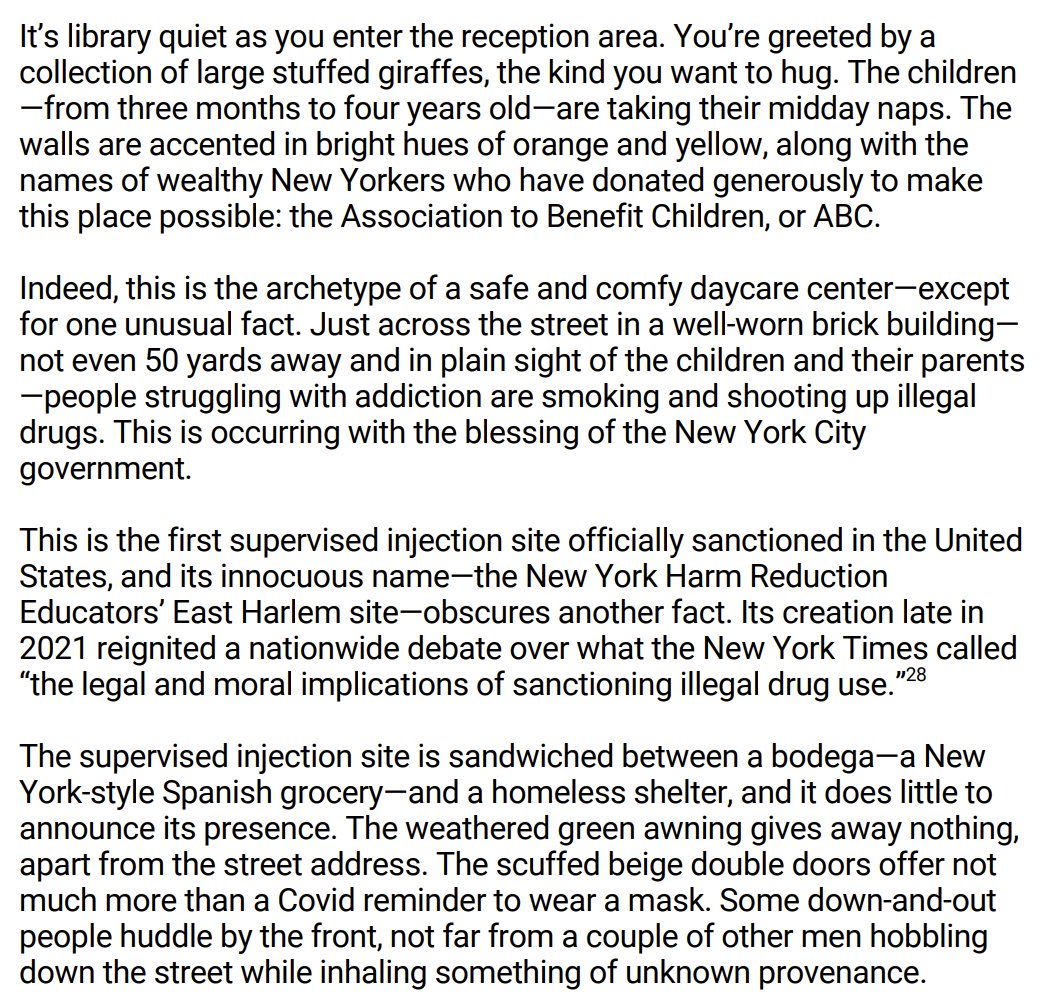
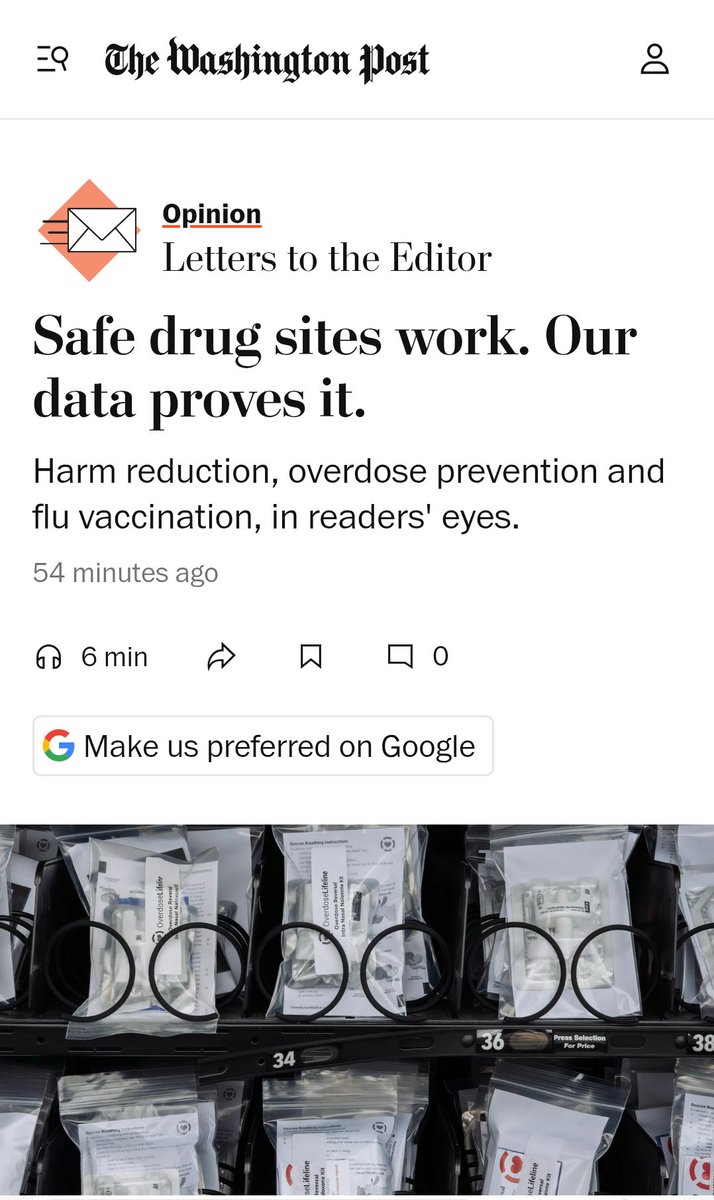
Remember when @CharlesFLehman and @KevinSabet went to The Washington Post to tell millions of people supervised consumption sites don’t work? Awkward… Because the researchers they cited just called them out. Imagine being corrected by your own sources. Supervised consumption sites save lives. PERIOD. Link to article washingtonpost.com/opinions/…
14
90
177
7,515
Steve Rolles retweeted
Did you know that the Milky Way is even milkier when viewed from the Southern Hemisphere? This is because from the southern side of our planet, we get a clearer, more direct view of the dense galactic core. Here’s a look at the Milky Way starting over the Southern Ocean (between Australia and Antarctica) from our @SpaceX Dragon window, complete with some aurora (Southern Lights) and fleeting Starlink satellites. Enjoy the view!
165
1,182
8,140
708,970
Steve Rolles retweeted
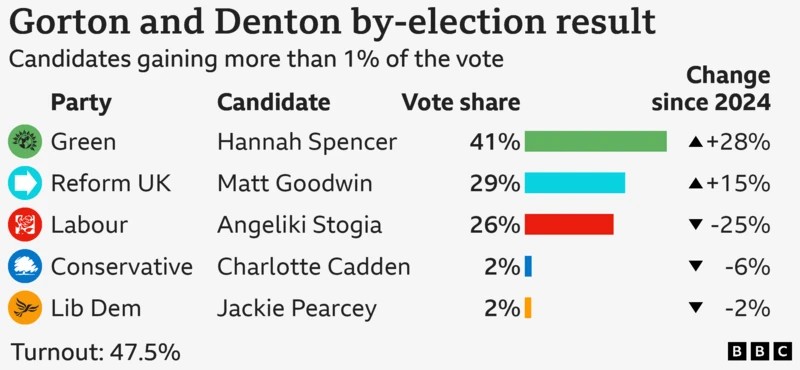
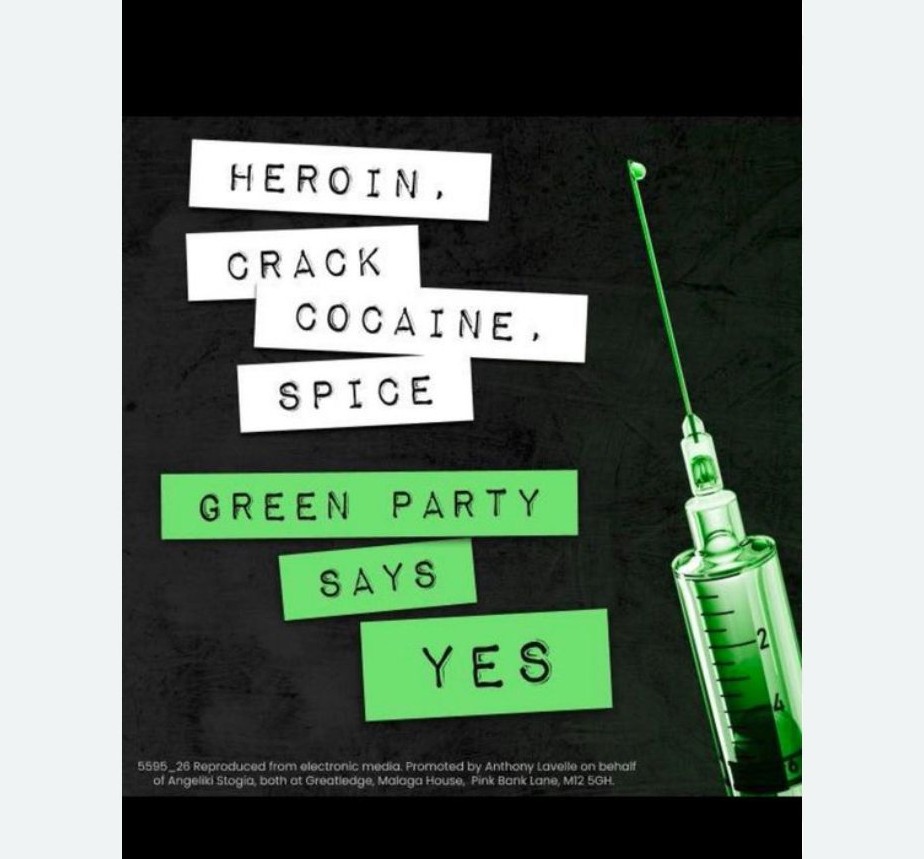
Replying to @Nigel_Farage
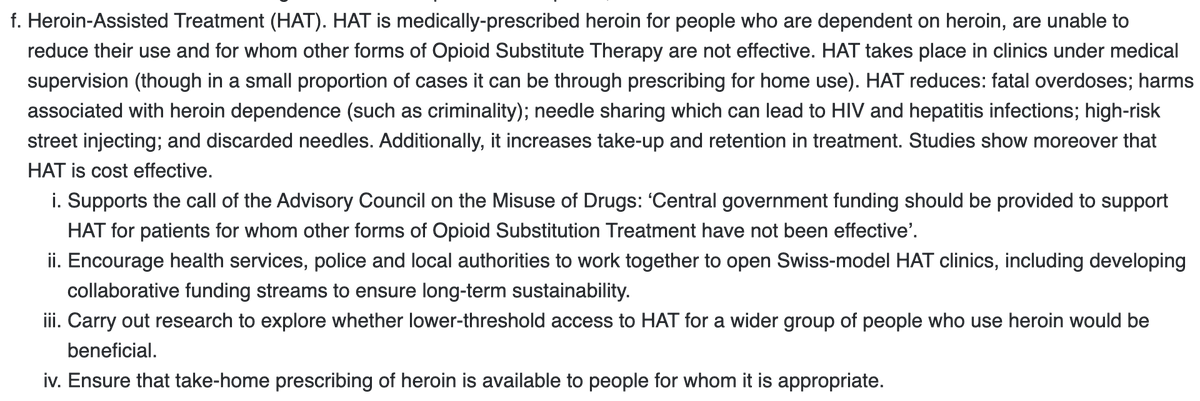
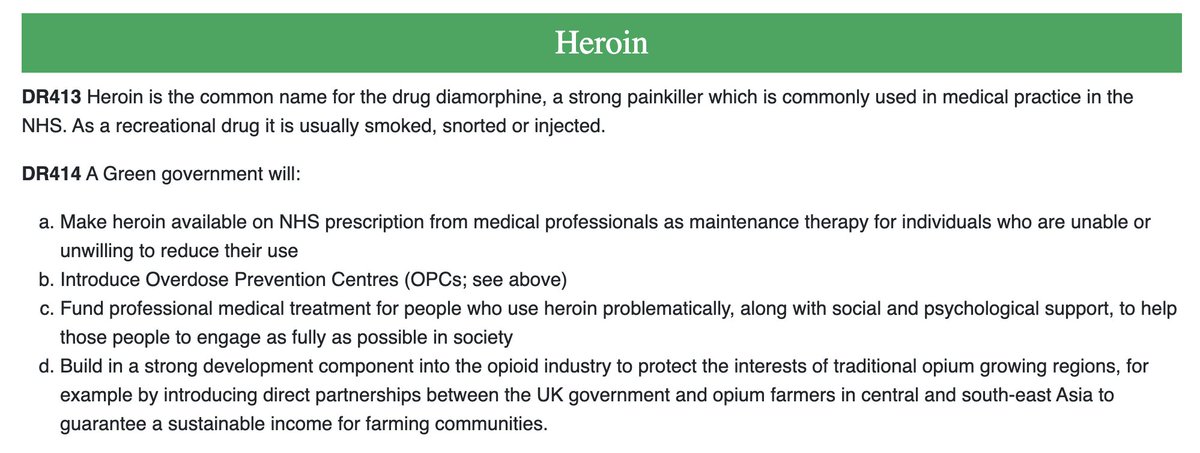
The Green party support heroin assisted treatment (HAT)(prescribing of pharmaceutical diamorphine to dependent users). It doesn't need legalising; it's a medical treatment that's been legal/practiced for 100yrs in the UK, going all the way back to the Rolleston Committee in 1926
1
7
276
Steve Rolles retweeted
Wow. The Pope was just asked his stance on migration. His answer is amazing: “I would change the question: what is the global North doing to help the global South in its situation that forces them to migrate.”

4,005
12,381
62,557
2,109,870
Steve Rolles retweeted
Apr 22
It's our home. This Earth Day, see our planet as our Artemis II astronauts saw it with these new images from the mission.
2,971
35,276
195,393
8,690,061
Steve Rolles retweeted
Apr 20
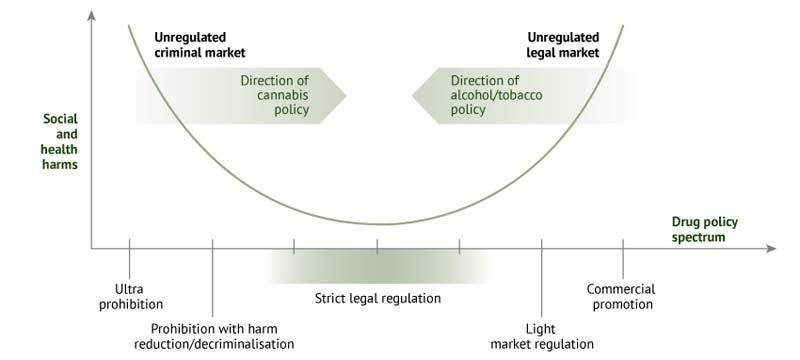
Switzerland's cannabis pilot trials: high satisfaction, no public-order incidents, early signs of reduced illicit market reliance. Responsible regulation can contribute to a range of improved health & rights outcomes. Read on: idpc.net/publications/2026/0…
2
20
41
3,728
Steve Rolles retweeted
Britain is rejoining Erasmus . From 2027, thousands of students, apprentices and young people will be able to study and work across Europe, gaining international experience and new skills. Run by the @BritishCouncil, the programme will unlock a range of opportunities for people from different backgrounds across the UK.
1,183
1,636
11,352
911,151
Steve Rolles retweeted
Apr 3
We see our home planet as a whole, lit up in spectacular blues and browns. A green aurora even lights up the atmosphere. That's us, together, watching as our astronauts make their journey to the Moon.
4,692
65,726
311,767
77,291,474
Steve Rolles retweeted
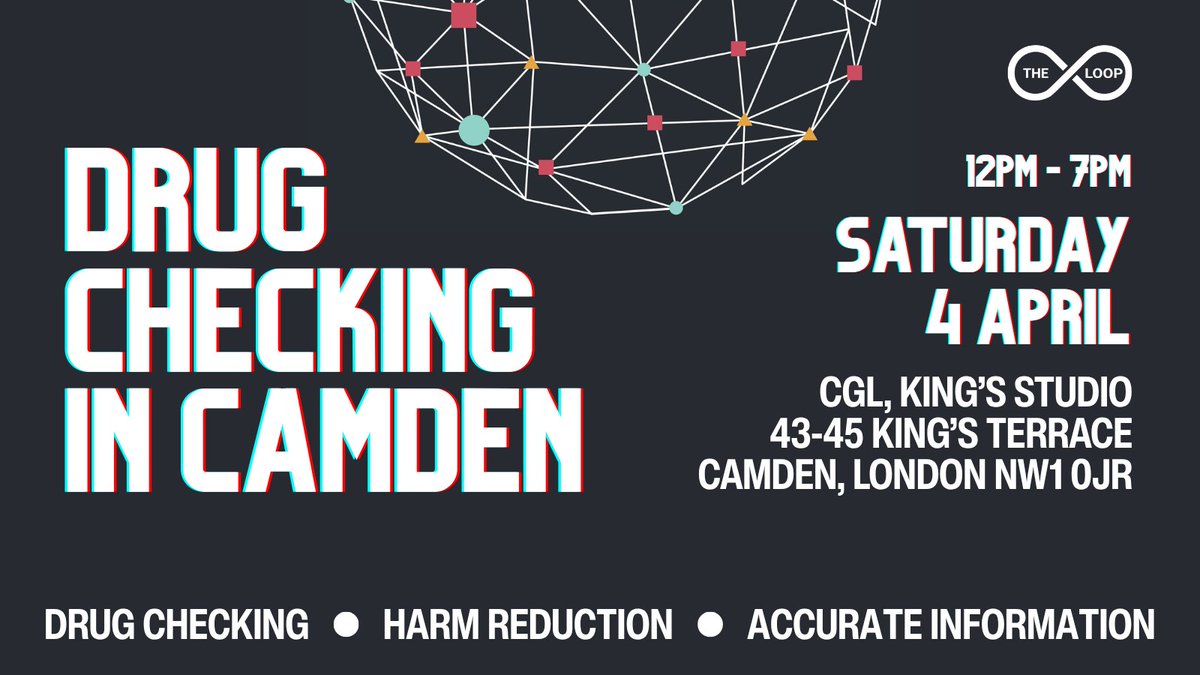
Tomorrow we are drug checking in #Camden How does it work? 1. Surrender a substance 2. Tell us what you think it is & about your drug use 3. We do lab tests inc. a test for synthetic opioids 4. After ~1 hour, we have results & can give honest advice wearetheloop.org/drug-checki…
7
5
738
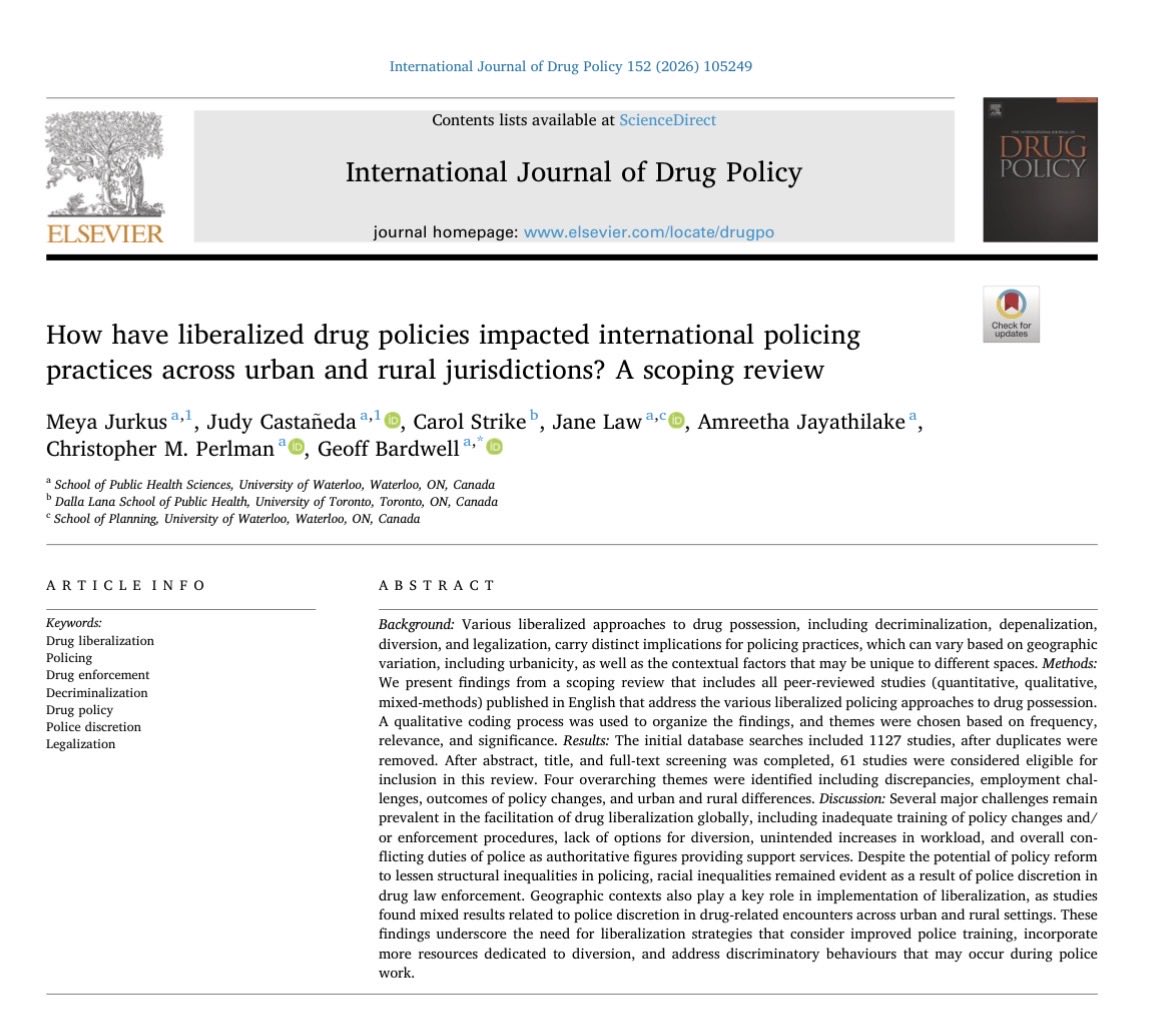
“How have liberalized drug policies impacted international policing practices across urban and rural jurisdictions? A scoping review” by Meya Jurkus and colleagues (2026) via @ijdrugpolicy…how are police in your communities? Link: sciencedirect.com/science/ar… #DrugPolicy
3
5
386
Steve Rolles retweeted
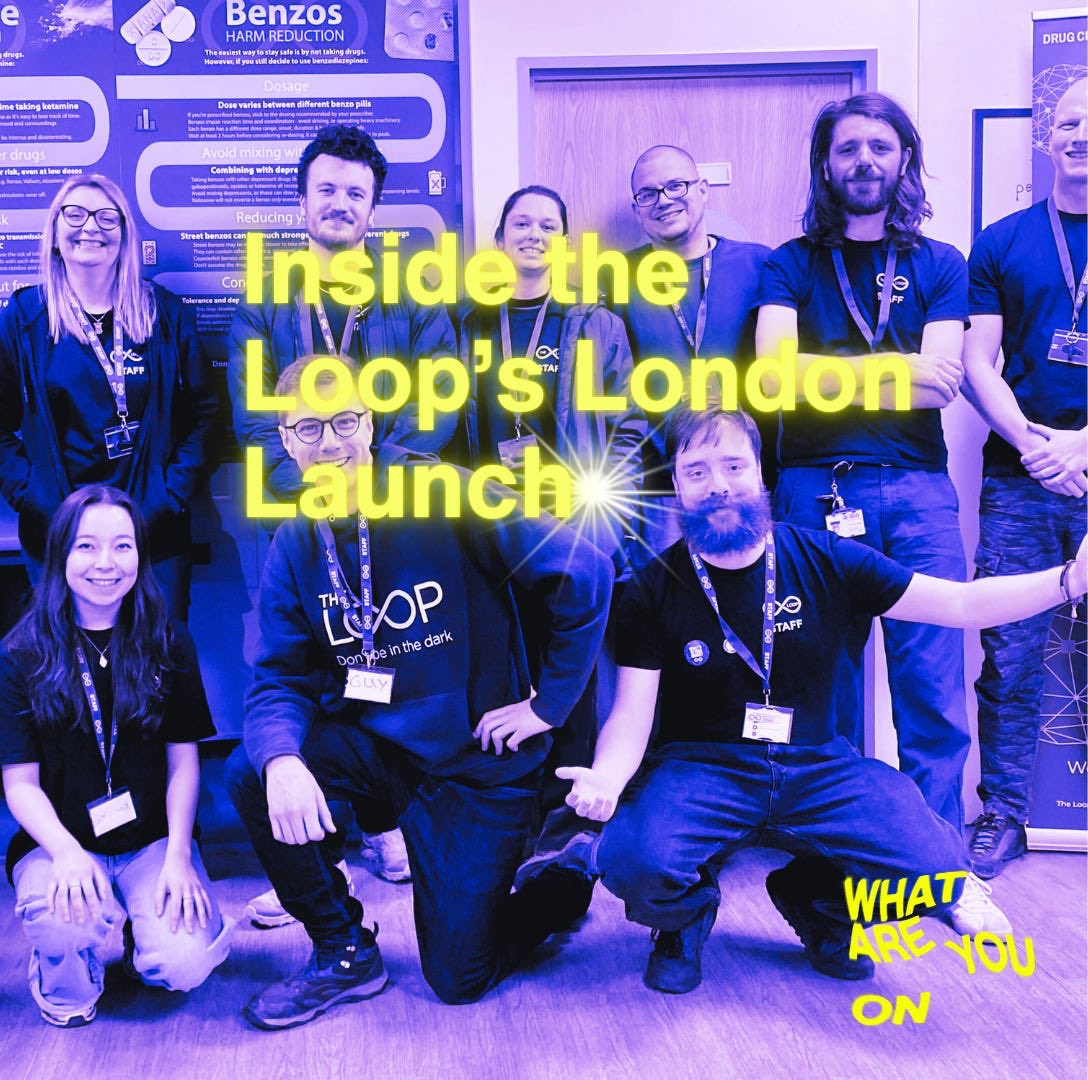
Proud to announce that @WeAreTheLoopUK has started 2 regular drug checking services in London, with a 3rd opening soon! Free, non judgmental #harmreduction advice from dedicated professionals. Read @whatareyou0n’s article here:- open.substack.com/pub/whatar…
1
8
15
1,677
Steve Rolles retweeted
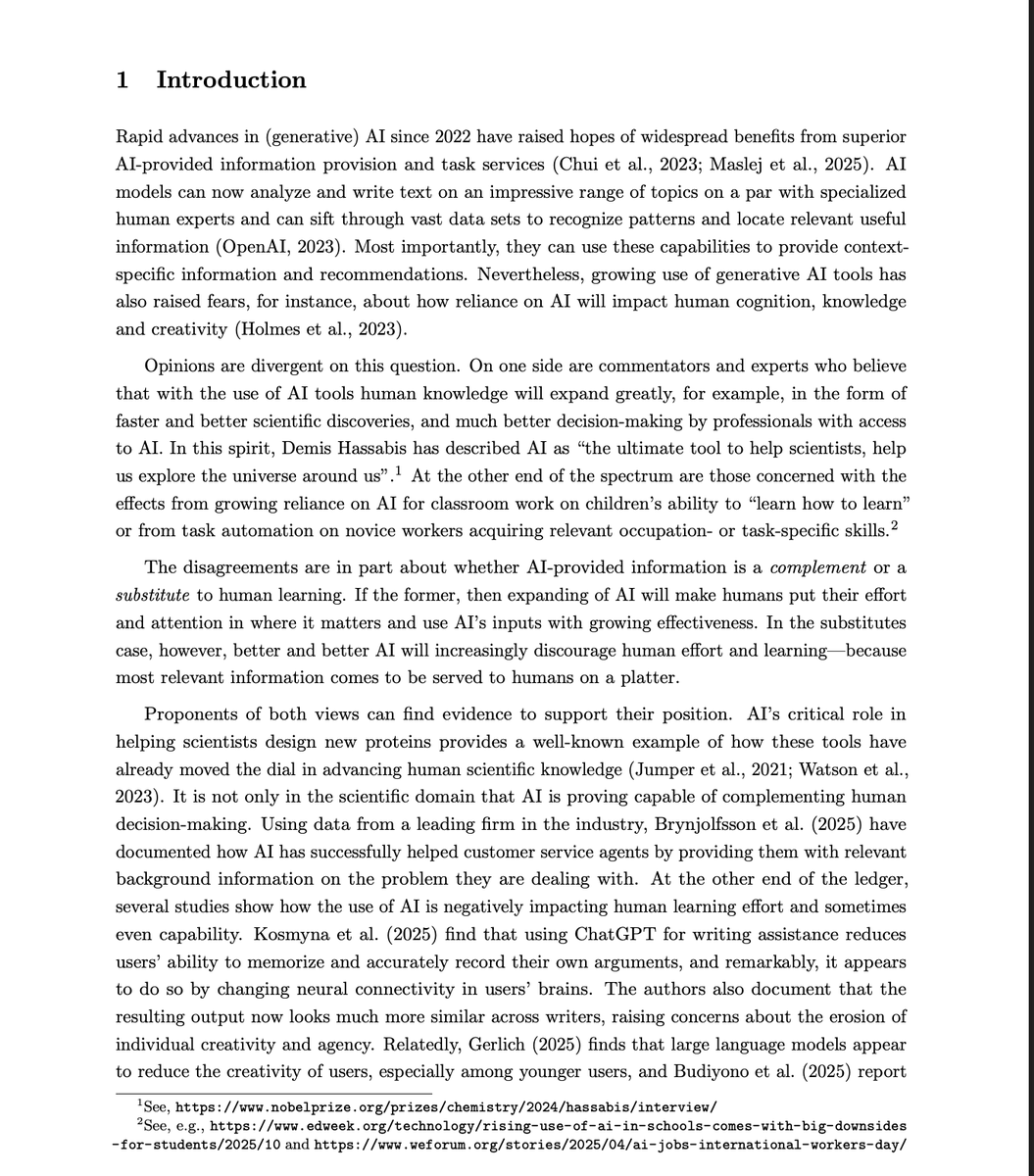
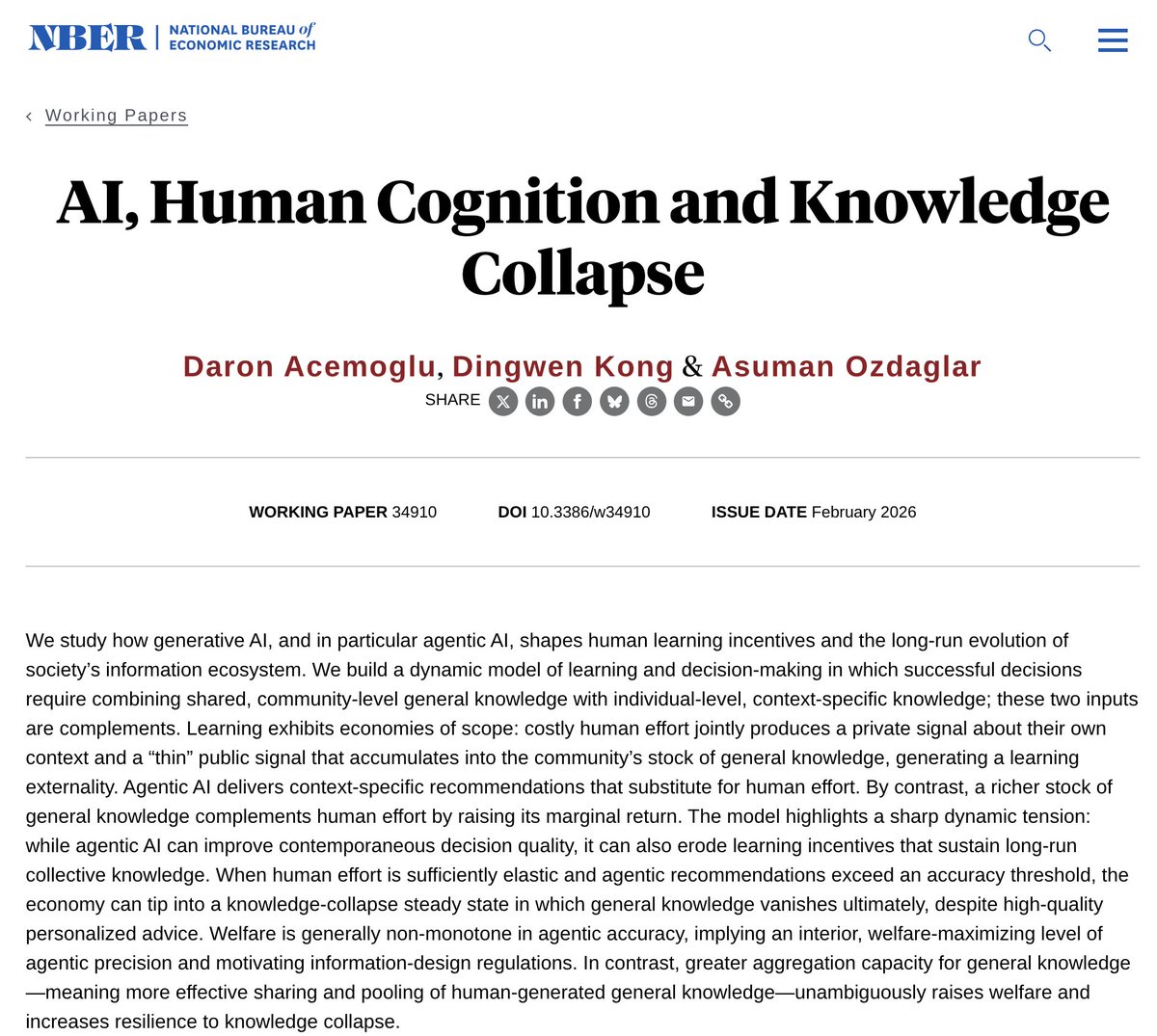
MIT's Nobel Prize-winning economist just published a model with one of the most alarming conclusions in the AI literature so far. If AI becomes accurate enough, it can destroy human civilization's ability to generate new knowledge entirely. Not gradually degrade it. Collapse it. The paper is called AI, Human Cognition and Knowledge Collapse. Authors: Daron Acemoglu, Dingwen Kong, and Asuman Ozdaglar. MIT. Published February 20, 2026. Acemoglu won the Nobel Prize in Economics in 2024. He is not a doomer blogger. He is the most cited economist of his generation, and his models tend to be taken seriously by the people who set policy. Here is the argument in plain terms. Human knowledge is not just a collection of facts stored in individuals. It is a living system that requires continuous reproduction. People learn things. They apply them. They teach others. They build on prior work to generate new work. The entire engine of science, medicine, technology, and innovation runs on this cycle of active human cognition. What happens when AI provides personalized, accurate answers to every question people would otherwise have to learn themselves? Individually, each person is better off. They get correct answers faster. They make fewer errors. Their immediate outcomes improve. But they stop doing the cognitive work that sustains the collective knowledge base. Acemoglu's model shows this produces a non-monotone welfare curve. Modest AI accuracy: net positive. AI helps at the margin, humans still do enough learning to sustain collective knowledge, everyone gains. High AI accuracy: net catastrophic. AI is accurate enough that learning yourself feels unnecessary. Human learning effort collapses. The knowledge base that AI was trained on is no longer being refreshed or extended. Innovation stalls. Then stops. The model proves the existence of two stable steady states. A high-knowledge steady state where human learning and AI assistance coexist productively. A knowledge-collapse steady state where collective human knowledge has effectively vanished, individuals still receive good personalized AI recommendations, but the shared intellectual infrastructure that enables new discoveries is gone. And the transition between them is not gradual. It is a threshold effect. Below a certain level of AI accuracy, society stays in the high-knowledge equilibrium. Above that threshold, the system tips. And once it tips, the collapse is self-reinforcing. Because the people who would have learned the things that would have pushed the frontier forward never learned them. And the AI cannot push the frontier on its own. It can only recombine what humans already knew when it was trained. The dark irony at the center of the model: The AI does not fail. It keeps giving accurate, personalized, useful answers right through the collapse. From the individual's perspective, nothing looks wrong. You ask a question, you get a correct answer. But the collective capacity to ask questions nobody has asked before, to build the frameworks that generate new knowledge rather than retrieve existing knowledge, that capacity is quietly disappearing. Acemoglu has been the most prominent mainstream economist skeptical of transformative AI productivity claims. His prior work found that AI's actual measured productivity gains were much smaller than the technology industry projected. This paper is a different kind of warning. Not that AI will fail to deliver promised gains. But that if it succeeds too completely, it will undermine the human cognitive infrastructure that makes long-run progress possible at all. The welfare effect is non-monotone. That is the sentence worth sitting with. Helpful until it is not. Beneficial until it crosses a threshold. And past that threshold, the same accuracy that made it so useful is precisely what makes it devastating. Every student who uses AI instead of working through a problem is a data point. Every researcher who uses AI instead of developing intuition is a data point. Every generation that grows up with accurate AI answers and no incentive to develop deep domain knowledge is a data point. Individually rational. Collectively catastrophic. Acemoglu proved this is not just a cultural concern or a vague anxiety about screen time. It is a mathematically coherent equilibrium that a sufficiently accurate AI system will push society toward. And there is no visible warning sign before the threshold is crossed.

197
1,089
2,665
418,505
And you've written more disparaging opeds about DCRs than people have died of overdose in them.
In the 40 years since the first supervised drug consumption site was built, the entire planet has established fewer than 200 of them, which means there are more op-eds for and against these sites than there are sites.
1
2
14
2,358
Steve Rolles retweeted
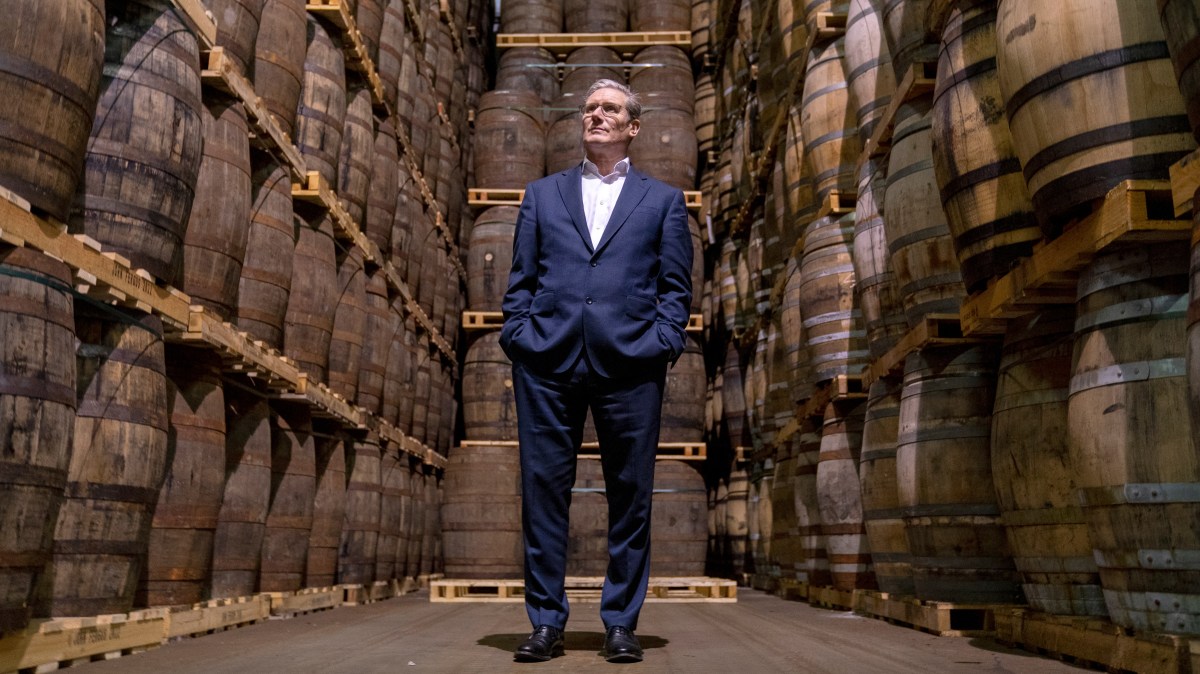
Here's @kierstarmer posing for a photo-op surrounded by barrels of whiskey Starmer supports criminalisation of people who use other drugs - but is happy to promote this particularly deadly one There are 21,000 alcohol-related deaths a year in England alone
15
54
157
9,459
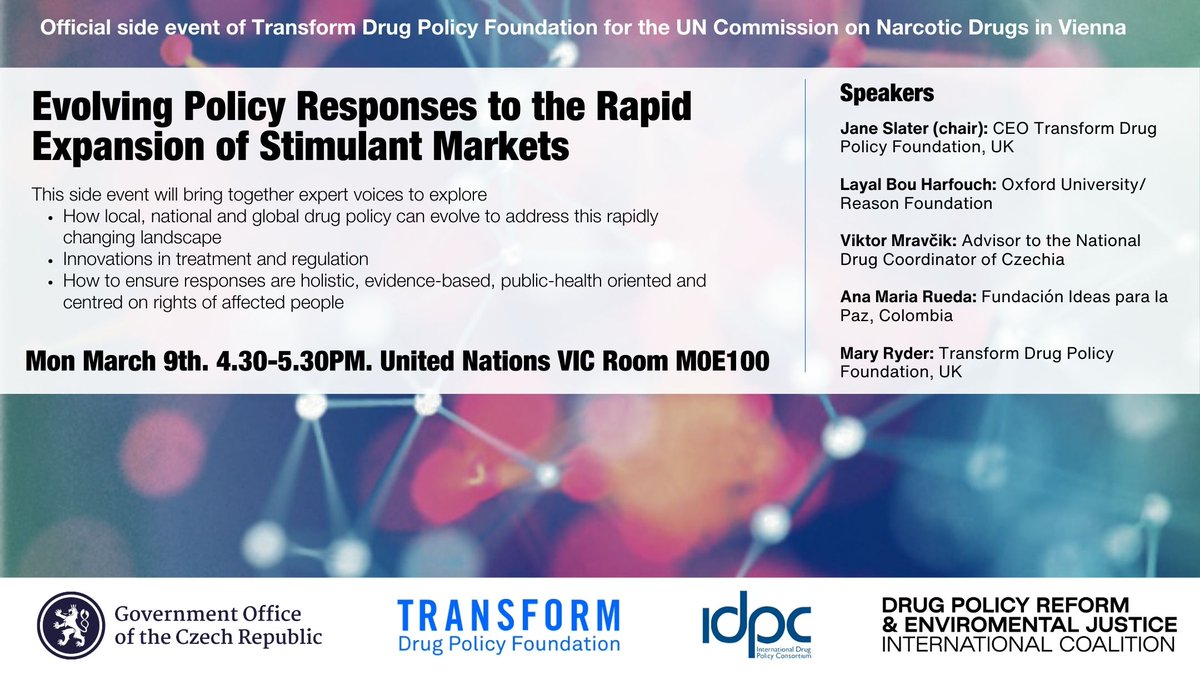
Transform's official side event on Monday at the UN Commission on Narcotic Drugs in Vienna. 4.30-5.30 in Room M0E100
3
4
303