
Joined January 2008
- Tweets 20,949
- Following 1,199
- Followers 2,077
- Likes 38,655
1,188 Photos and videos



Dave Stokes retweeted

Jun 13
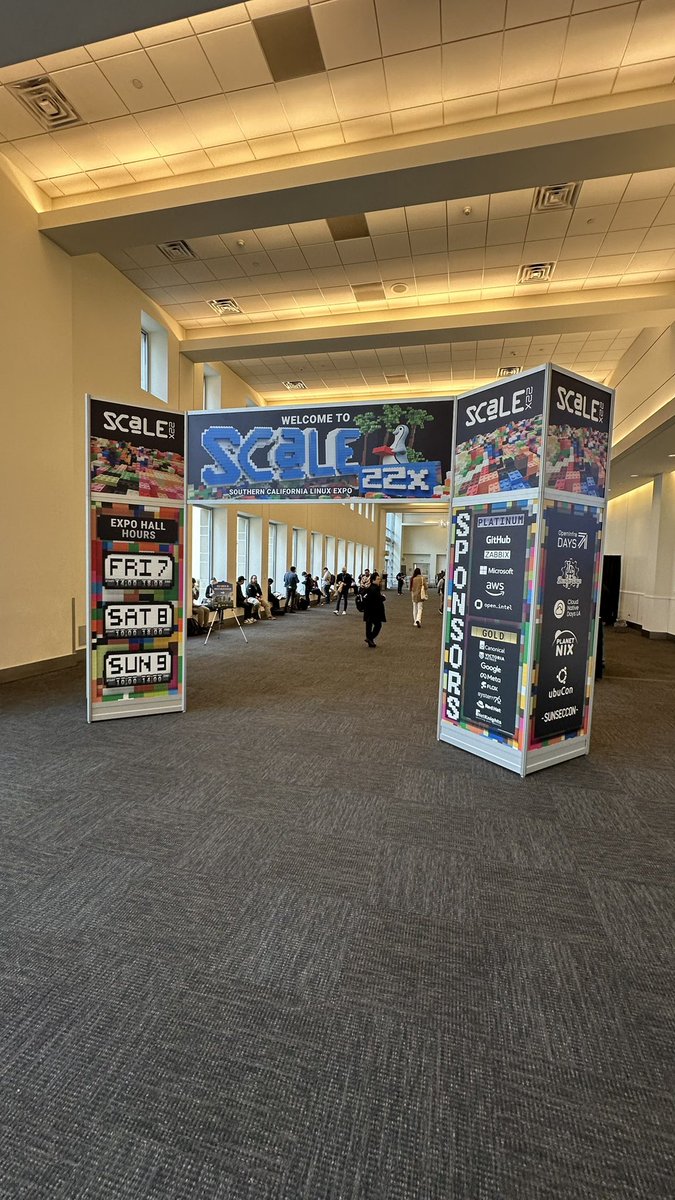
This is so insane😭😭😭

2,092
10,992
277,143
6,515,071
Dave Stokes retweeted

Jun 12
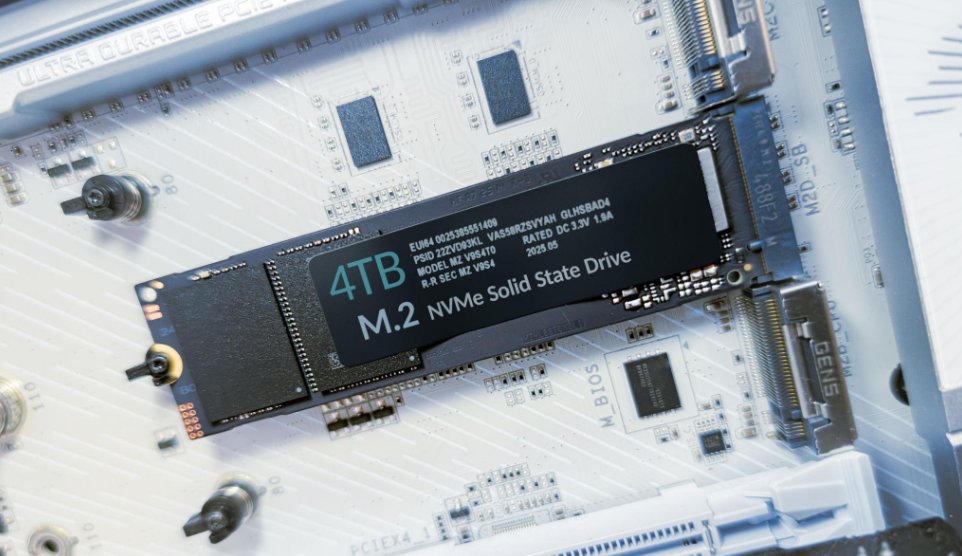
for thirty years the advice was simple: don't poll, sleep until the interrupt.
then NVMe and 100GbE got fast enough that the interrupt path became a noticeable part of the cost. so now NAPI polls, io_uring can poll, and NVMe queues can poll.
what's interesting is that hardware didn't just make things faster it changed which tradeoff makes sense.
a lot of things we treat as rules are really just ratios that happened to be true at the time.
14
39
370
27,948
Dave Stokes retweeted

Jun 12
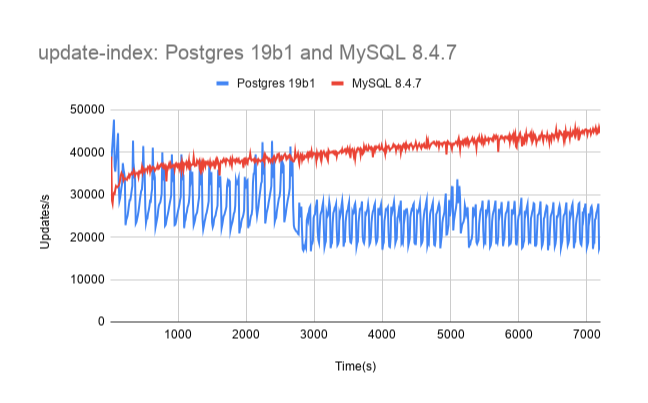
Postgres gets a lot of love, but this result beautifully sums up why MySQL and InnoDB are still awesome.
17
16
392
71,597
Dave Stokes retweeted

Jun 12
I can’t get enough of Europeans experiencing America. This couple received challenge coins at a bar in Texas! ♥️♥️♥️
287
1,750
24,273
618,936

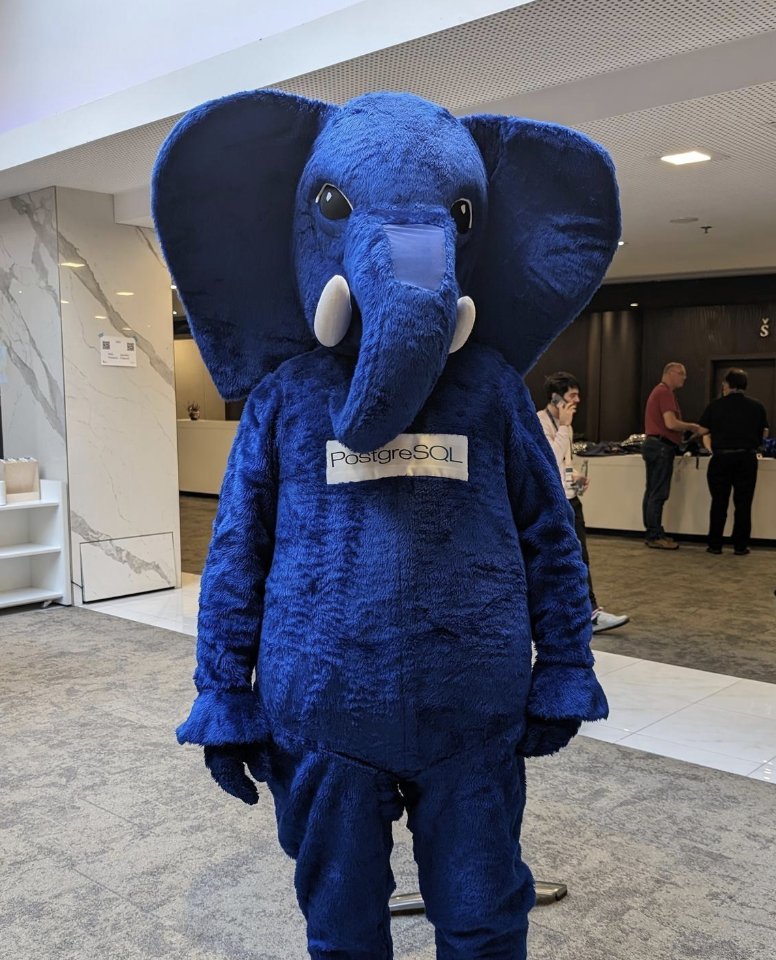
Nobody wanted PostgreSQL in 1994. Now nobody can live without it.
In 1986 Professor Michael Stonebraker at UC Berkeley spent eight years building a database called POSTGRES. Funded by DARPA. Dozens of papers. A team of brilliant students.
Then Berkeley shut it down in 1994. Too much maintenance. Not enough research value. The code was left on a server and forgotten.
Two graduate students named Andrew Yu and Jolly Chen were not ready to let it die.
They took the abandoned code, added SQL support and released it to the world for free. No funding. Just two students who believed the database was worth saving.
They called it Postgres95. Two years later it was renamed PostgreSQL.
A global community of volunteers took it from there and never stopped.
Today PostgreSQL is the most advanced open source database on earth.
Notion runs on it. Shopify runs on it. Instagram was built on it. Apple uses it internally. Amazon built Aurora PostgreSQL because their customers demanded it.
Companies built on a PostgreSQL base have generated over $2.6 billion in acquisitions.
Stonebraker won the Turing Award in 2014. The Nobel Prize of computer science. Partly for the database his own university threw away.
Oracle charges enterprises hundreds of thousands of dollars a year for what two grad students rescued from a forgotten server and gave away for free.
Some things are too important to let die.

6
62
357
24,182
Dave Stokes retweeted

Lucas Imbiriba playing Paganini on guitar… this one is actually insane 🔥
“Impossible Paganini” — a fingerstyle take on Niccolò Paganini’s Sonata in A. The speed, the precision, the musicality… it feels like it shouldn’t even be possible on a single guitar.
21
134
728
27,874
Dave Stokes retweeted

Jun 12
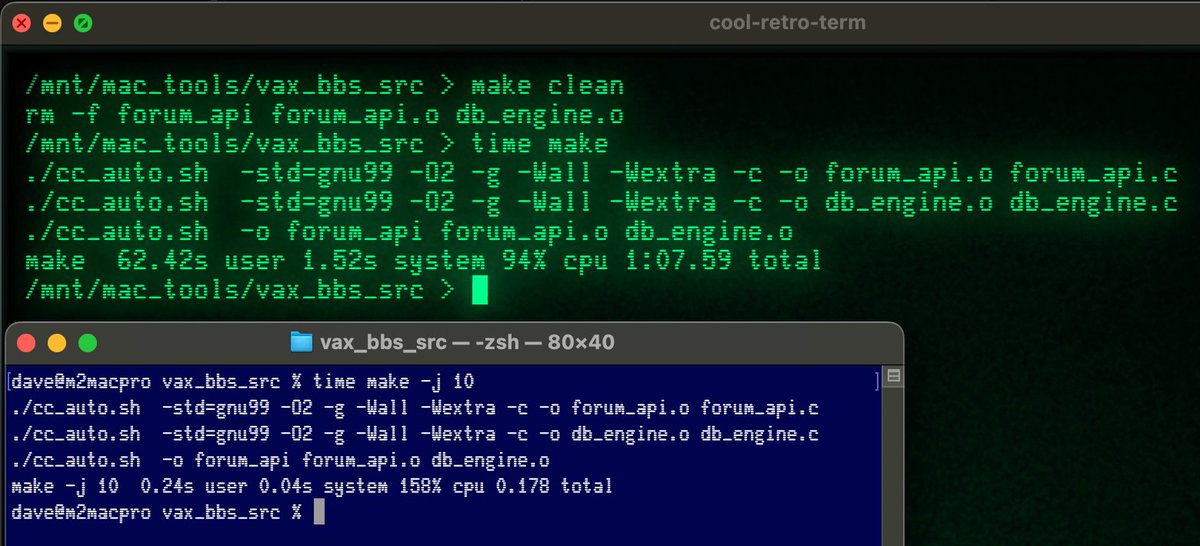
How much faster are modern computers? Here's a fair example: compiling the same code on old and new.
I have a VAX4000-705A, which is about 50 MIPS, or 50x as fast as my PDP_11. I wrote a bunch of code for it today, but I'm cross-compiling it on a Mac. But I _can_ compile it on the VAX if I choose, and here are the results:
Mac Pro M2: 0.178 seconds
VAX4000: 1 min 7.59 seconds
That makes the Mac about 380X as fast as the fastest VAX ever made!
44
43
713
39,491
Dave Stokes retweeted

Jun 12
Docker Junior vs Senior 🔥
• Junior: docker build -t app .
• Senior: Multi-stage cache optimization Trivy scan
• Junior: Runs as root
• Senior: USER nonroot least privilege
It works on my machine is now It works in my container
Full breakdown 👇
5
20
75
4,751

#SQL has a powerful property:
Learn it once
Use it for 30 years
Fayner Brack discusses how textbook examples from 1995 still work today
fagnerbrack.com/learn-sql-on…
1
4
11
1,154
Dave Stokes retweeted
Jun 11
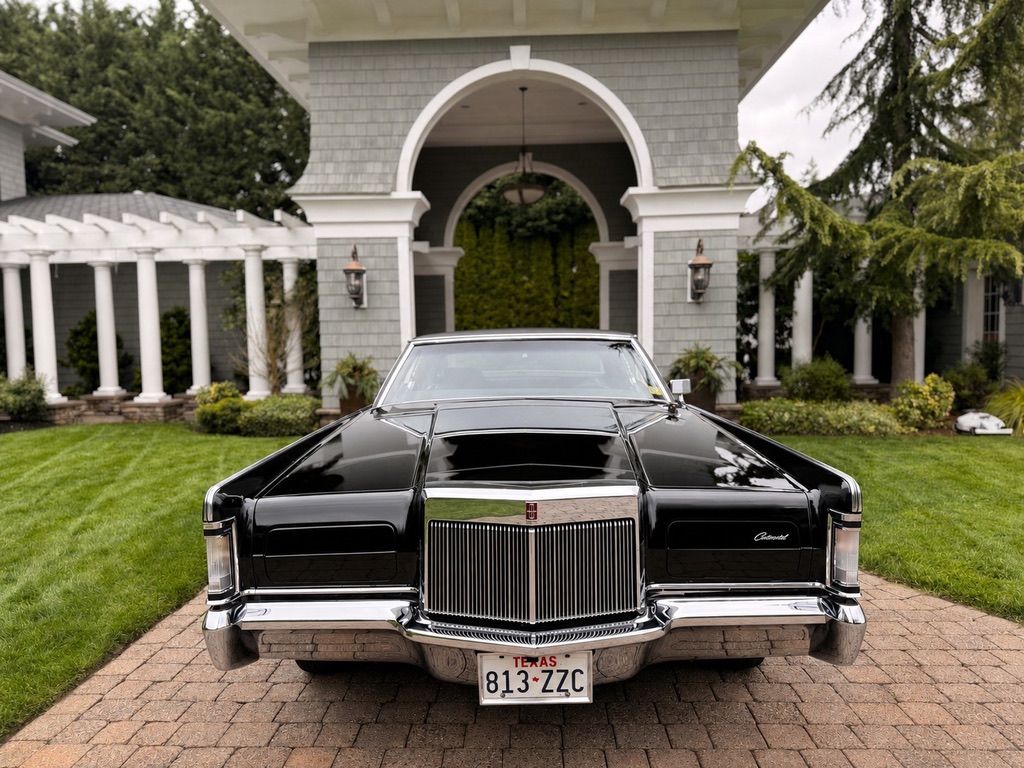
I've spent almsot a week troubleshooting the anciety vacuum system that runs most of the accessories on my '70 Lincoln Mark III.
And I’m pretty stoked! I solved it with my brain 😊
Long story short, vacuum should hold the headlights open when on and closed when off, and there are failsafe springs to force them open, worst case. But I had one open and one closed.
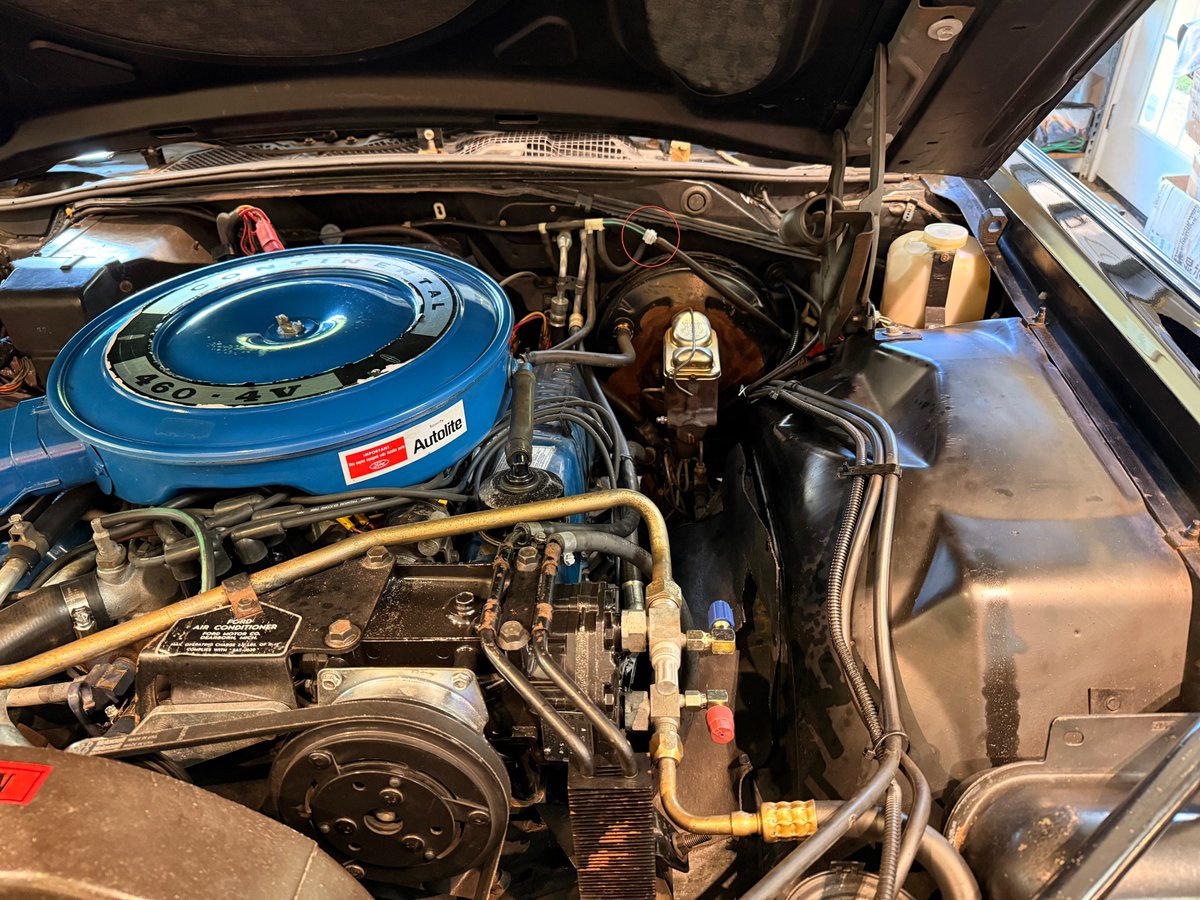
I added a check valve at the circled red point, based on my belief the system needs one there, and now the headlights stay closed (it’s been over an hour, anyway).
My guess is that either my car is plumbed different than the manual from the factory, or someone at some point broke or lost the main distribution vacuum log that contains two check valves. Instead of a log, I have Tees and a few check valves.
I’m of the opinion that it never could have worked as it was, because the reservoir had no check valve so would lose vacuum out the carb as soon as the engine stopped. The check valve fixed that. No idea if the guy in Chicago or Texas did some modifications or this car is just “different”, but…
It was all complicated by the fact that the headlight I thought was “right” has been modified to move the spring to the other side (ie: default closed). So it looked like just one side was impacted, but the whole system actually was. When you replaced the driver’s side, it was probably already fine! Same with when I replaced it… so the old ones are probably good.
Anyway, thought you might be curious!
22
4
247
11,883
Dave Stokes retweeted

Jun 12
We spend a lot of time engineering optimized queries. Yet, mainline MySQL still forces backend devs to pay a "network tax" of double round-trips for basic primary-key retrieval.
In microservice environments or cloud architectures, forcing an extra RTT for SELECT LAST_INSERT_ID() after a write endpoint is a massive reliability bottleneck.
Postgres solved this 20 years ago.
Why won't mainline MySQL?
4
1
20
2,727
Dave Stokes retweeted

The story of my professional life told in 54 seconds
No matter how good the pre-planning, no matter how organized it starts out, this is where I end up
108
380
2,547
153,697
Dave Stokes retweeted

Jun 11
An engineer from Charlotte, North Carolina sat down in the spring of 2000 to write software for guided missile destroyers in the United States Navy. The ships needed a database that did not require a system administrator on board.
So he wrote one himself. 26 years later that database, SQLite, runs inside every iPhone on Earth, every Android phone, every Mac, every Windows machine, every major web browser, every airplane cockpit avionics system, and most of the cars built in the last decade. It is the most widely deployed software in human history. He still maintains it from his home in North Carolina.
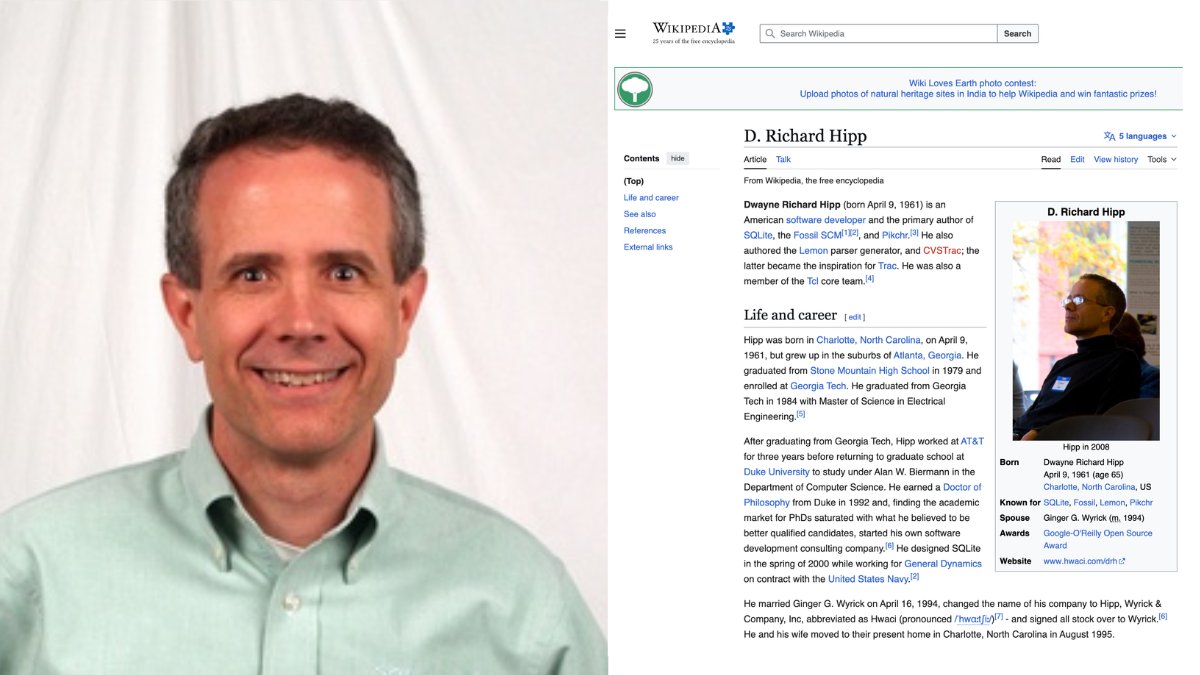
His name is D. Richard Hipp. Most people call him Richard.
Here is the story, because the engineer behind the most replicated piece of code on the planet is a man almost nobody can name.
Richard was born in Charlotte on April 9, 1961. He grew up in the suburbs of Atlanta. He graduated from Stone Mountain High School in 1979 and went to Georgia Tech, where he earned both a bachelor's and a master's degree in electrical engineering by 1984. He spent three years at AT&T Bell Labs working in Unix and C. Then he went back to school at Duke University and earned a PhD in Computer Science in 1992. His dissertation was on spoken natural language dialog processing under Alan W. Biermann.
He could have stayed in academia. He told one interviewer the market for PhDs was saturated with better qualified candidates. He started a software consulting company instead. He married a musician and author named Ginger G. Wyrick in 1994 and renamed the firm Hipp, Wyrick and Company.
Then in 2000 he picked up a contract through General Dynamics to write software for the US Navy. The target was the Aegis class guided missile destroyer. The original system ran HP-UX with an IBM Informix database backend. The whole stack required a database administrator on board. The Navy did not want a database administrator on board. Richard's job was to make the database administrator unnecessary.
The design goals were simple. The database had to be self-contained. It had to run inside the application. It had to have zero configuration. It had to be transactional and reliable. It had to require no separate process. It had to be small.
On August 17, 2000 he released SQLite 1.0. He wrote it in C. The whole thing fit in less than a megabyte. The license he chose was the most extreme one possible. He released the source code into the public domain. No copyright. No royalties. No restrictions. Anyone could use it for anything forever.
The decision changed software history.
SQLite spread quietly. Mozilla adopted it for Firefox. Apple put it inside iOS. Google put it inside Android. Microsoft started shipping it inside Windows. Chrome, Safari, and Edge all use it. Photoshop uses it. Skype used it. Every major operating system you have ever touched runs SQLite somewhere underneath. The Airbus A350 uses it for flight software. Every Boeing 787 has SQLite onboard.
By 2026 SQLite was estimated to be running on more than 1 trillion devices. It is the most replicated piece of software ever written. Richard has personally turned down what is almost certainly hundreds of thousands of dollars in royalties over the past 26 years by keeping it public domain.
The SQLite team is tiny. Richard and a small group of core contributors. He maintains a separate version control system he wrote himself called Fossil. He maintains a parser generator he wrote himself called Lemon. He maintains a diagram language he wrote himself called Pikchr. He is a member of the Tcl core team and has been for over 25 years. He answers questions on Hacker News under the username SQLite.
The project's public commitment is to support SQLite through the year 2050.
A Christian engineer from North Carolina wrote a small database for missile destroyers and released it for free.
It is now running inside every device in your house.
32
246
1,357
204,355
Dave Stokes retweeted

Jun 10
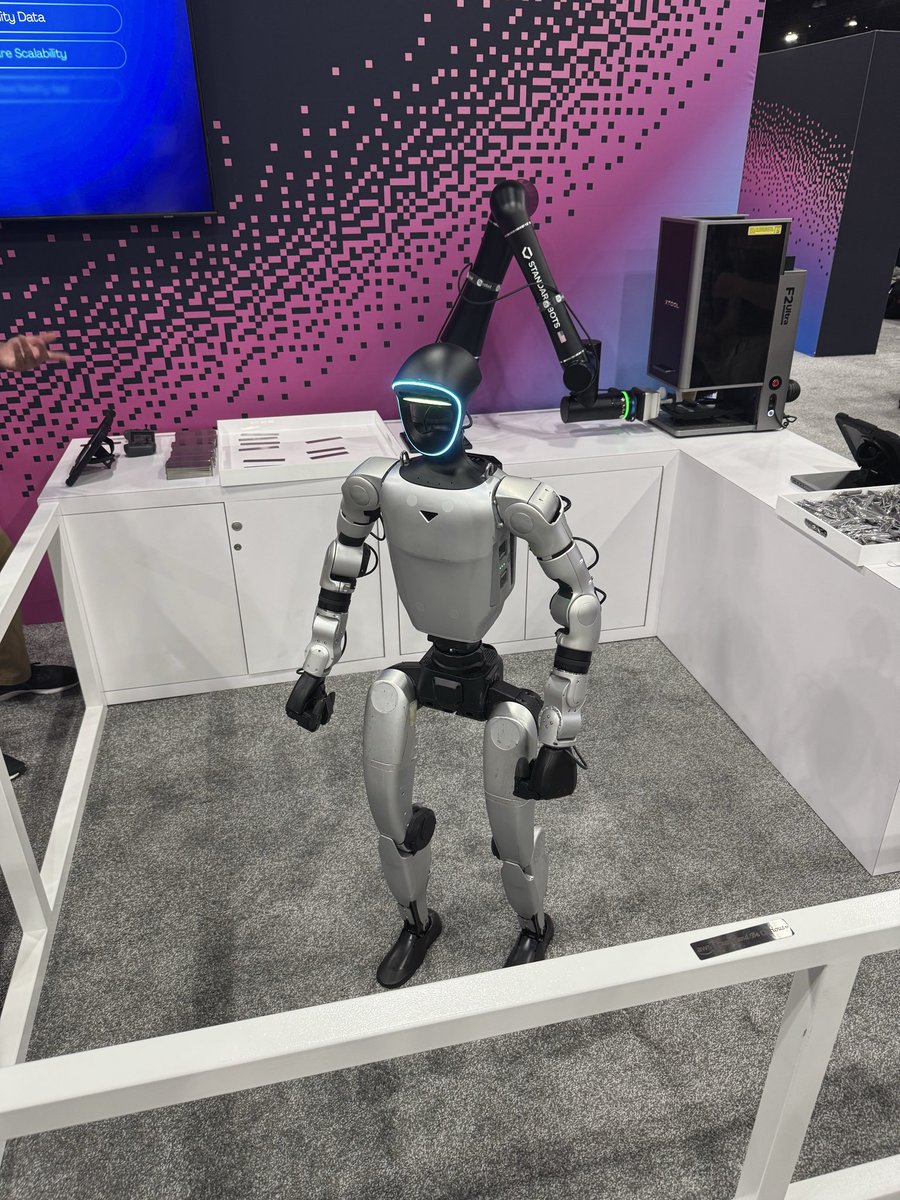
AWS introduces the most customer obsessed service in years, a Managed NAT Gateway you can punch.
3
2
11
1,460
Dave Stokes retweeted
Jun 10
PostgreSQL and MySQL took completely opposite paths to handle disk I/O.
MySQL chose total control (Direct I/O). Postgres chose trust (Buffered I/O).
That trust eventually led to "Fsyncgate"—one of the most fascinating and humbling chapters in database history.
Let's talk systems architecture: 👇
6
50
586
91,781


Dave Stokes retweeted

Jun 10
A TEAM OF AI RESEARCHERS JUST OPEN-SOURCED THE BLOOMBERG TERMINAL FOR QUANT FINANCE.
A Bloomberg Terminal costs $25,000 per year per seat. Banks pay for thousands of them.
This thing reads every quant paper, every financial blog, every SEC filing, every arXiv preprint, and turns it into a searchable knowledge base. For free.
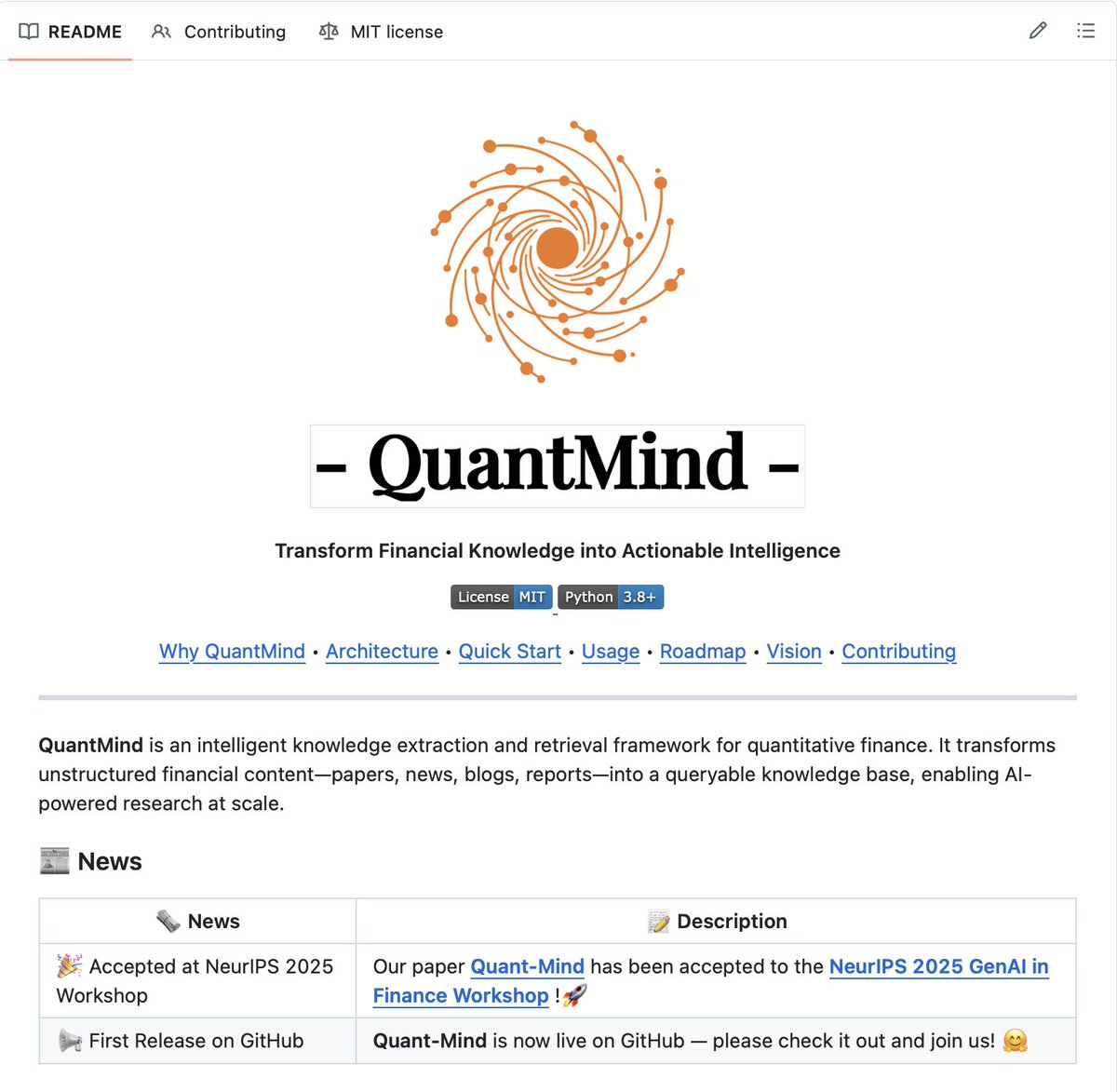
It's called QuantMind.
It just got accepted to the NeurIPS 2025 GenAI in Finance Workshop.
Here's what it actually does:
→ Ingests arXiv quant papers, financial news, blogs, and reports automatically
→ Parses PDFs, HTML, tables, and figures into structured knowledge
→ Tags every paper by research area and topic
→ Builds a semantic knowledge graph you can query in plain English
→ Plugs into DeepResearch, RAG, and MCP for multi-hop reasoning
→ Two-stage architecture: extract once, retrieve forever
Here's the wildest part:
The financial research industry publishes around 500 new papers and reports every single day.
Hedge funds pay six-figure salaries to junior analysts whose entire job is reading them.
QuantMind reads all of it. Tags it. Embeds it. Lets you ask it questions.
154 stars. 22 forks. 173 commits. MIT license. Python.
One honest note: this is a framework, not a magic alpha machine. You still need to know what to ask. But the "I haven't read that paper yet" excuse is officially dead.
The thing Wall Street charges $25,000 a year for is sitting on GitHub. Free.
Link in the comments.
35
383
2,330
158,114
Dave Stokes retweeted

Jun 9
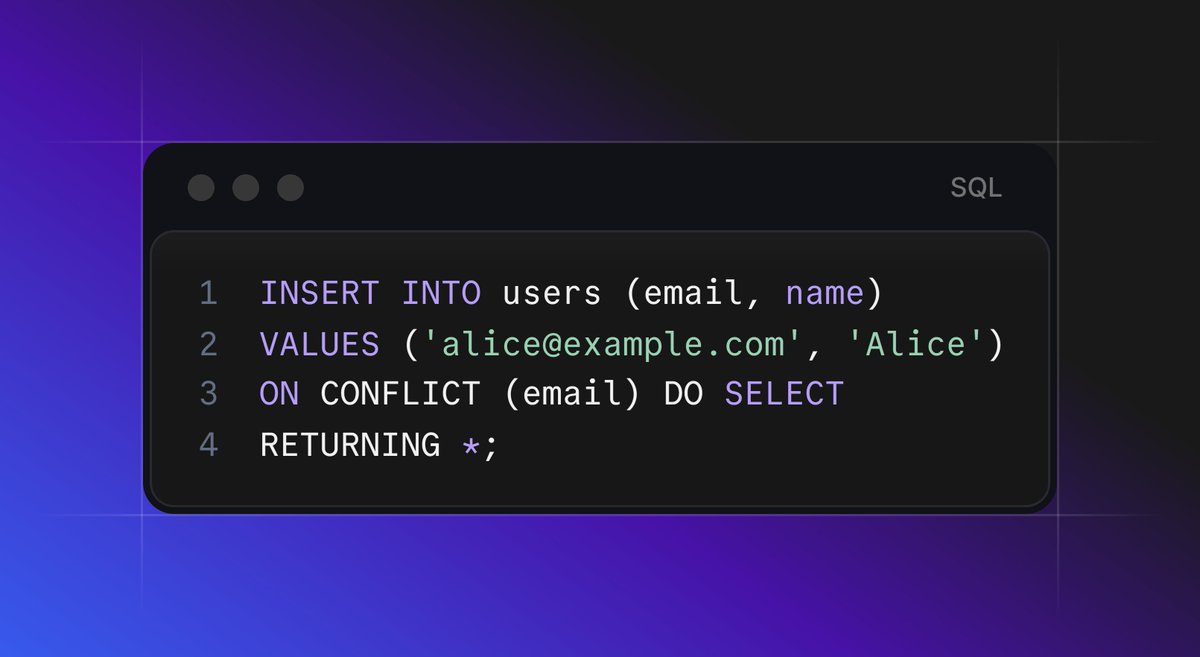
PostgreSQL 19 Beta 1 adds ON CONFLICT DO SELECT.
Insert a row. If it already exists, return it.
Atomic get-or-create, finally. 👇
#PostgreSQL #SQL
35
222
2,413
127,163
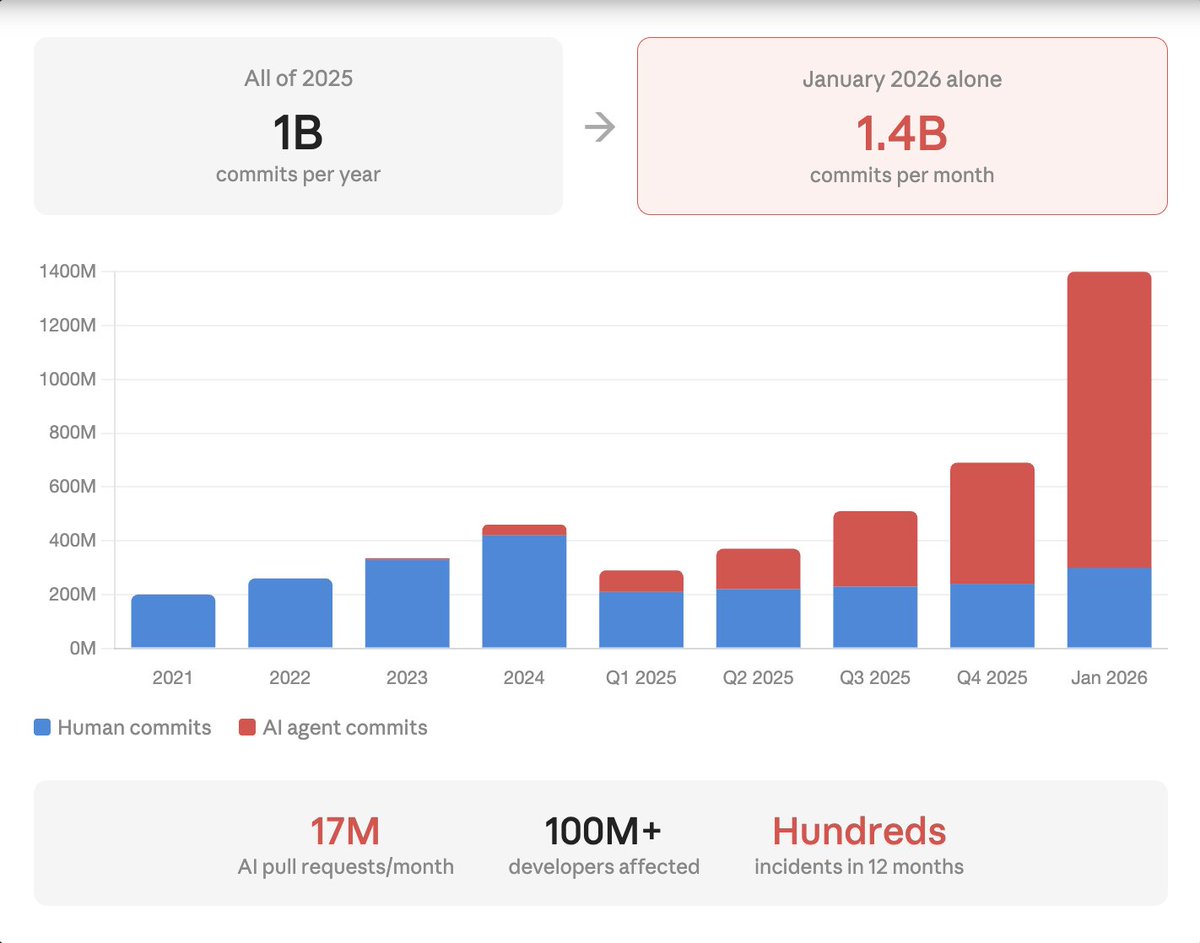
GitHub went from 1 billion commits a year to 1.4 billion commits a month. AI did that. And GitHub is breaking because of it.
GitHub COO Kyle Daigle just went public and admitted it openly. The platform that hosts 100 million developers has logged hundreds of incidents in the past 12 months. Outages hitting search, GitHub Actions, CI/CD pipelines. Public apologies. All of it.
AI agents alone are generating 17 million pull requests every single month. GitHub planned for 100% growth. The actual number blew past that before they could even react.
Here is what they are doing to survive it:
→ Rebuilding how GitHub Actions dispatches jobs entirely from scratch
→ Moving performance sensitive code out of their Ruby monolith into Go
→ Migrating fully off their own data centres onto Azure
→ Isolating critical services so one broken system cannot take everything else down
→ Bringing in Microsoft engineers who have scaled systems at this level before
The goal is to get GitHub to handle 30 times its current load.
Not 30 percent. 30 times.
GitHub launched Copilot in 2021 and created the AI coding era. That same wave is now threatening to break their own platform.
The company that started the fire is now racing to stop it from burning everything down.
Full story here:
thenewstack.io/github-wants-…
20
55
241
29,067
Dave Stokes retweeted

Jun 9
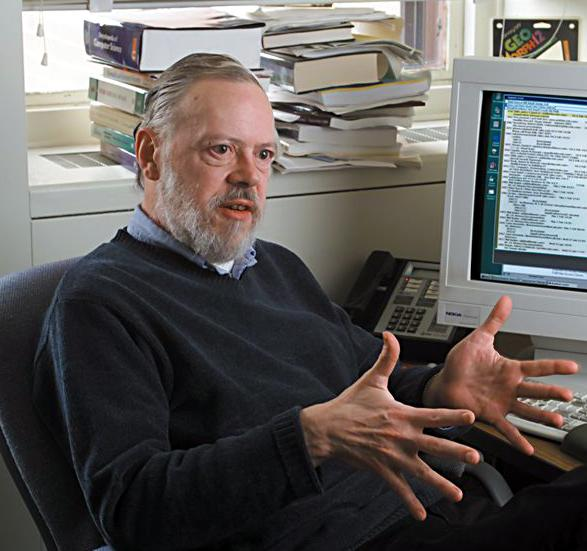
Dennis Ritchie invented C in 1972, co-built Unix in 1969, and his code is running inside every device you are reading this on right now and the colleague who announced his death had to do it through a Google post because no journalist thought to check.
He worked at Bell Labs in New Jersey for 44 years. He never gave a keynote. He never ran a company. He never appeared on a magazine cover. He just wrote code that became the invisible foundation everything else is built on.
Here is what he actually built, and why it matters more than almost anything that happened in tech.
In 1969, Bell Labs had just walked away from one of the most ambitious computing projects in history. The Multics project, a joint effort between MIT, Bell Labs, and General Electric, had collapsed under its own weight. Too complex. Too expensive. Too slow. Bell Labs pulled out.
Ken Thompson and Dennis Ritchie refused to let the ideas die.
Working in a small office in Murray Hill, New Jersey, Thompson wrote the first version of Unix in three weeks during the summer of 1969. One week for the file system. One week for the process management. One week for the command shell. Ritchie was working alongside him, and when the system needed a language that could express what they were building, he built one.
In 1972 he completed C.
C was not just another programming language. It was a different philosophy about what a programming language should be. Before C, most systems code was written in assembly, which meant every program was tied to the specific hardware it ran on. You could not move code between machines. You rewrote it from scratch every time.
C changed that. It sat close enough to the hardware to be fast, but abstract enough to run on anything. When Thompson rewrote the Unix kernel in C in 1973, it became the first operating system that could be picked up and moved to a completely different machine without starting over. Portability was a new idea. Ritchie made it real.
The branching that followed is almost impossible to overstate.
Unix spread from Bell Labs to universities. At Berkeley, it became BSD. BSD became the foundation of macOS and iOS. Unix influenced Linus Torvalds, who built Linux in 1991. Linux now runs every Android phone, every major web server, every supercomputer on the Top500 list, and the overwhelming majority of cloud infrastructure at AWS, Google, and Microsoft.
C became the parent language of C , Java, JavaScript, Python, and Objective-C. Rob Pike, who worked across the hall from Ritchie at Bell Labs for 20 years, said it plainly: "The browsers are written in C. The Unix kernel that the entire internet runs on is written in C. Web servers are written in C, and if they're not, they're written in Java or C , which are C derivatives, or Python or Ruby, which are implemented in C."
Ritchie won the Turing Award in 1983. He won the National Medal of Technology in 1998, presented by President Clinton. He was head of System Software Research at Bell Labs for decades.
He answered emails from strangers with technical questions until the end of his life. His home address stayed listed in the phone book. His colleague Brian Kernighan, who co-authored the definitive C textbook with him, said Ritchie was a private person who did no self-salesmanship. That was not false modesty. It was just who he was.
He died on October 12, 2011, at his home in Berkeley Heights, New Jersey. He was 70. He had been ill for some time. The world did not notice until Rob Pike posted a quiet announcement on Google , and the news spread through the programming community in hushed tones.
No front pages. No tributes from heads of state. No candlelight vigils outside corporate campuses.
The device you are reading this on runs code that traces directly back to what he built. So does the server that delivered it to you. So does the browser or app you opened to get here.
Most people will never know his name.
The ones who built everything you use every day do.
77
843
2,588
82,243