We are a group of citizens concerned about the spread of wind farms across Australia.
Joined December 2012
- Tweets 10,839
- Following 24,578
- Followers 23,384
- Likes 4,135
1,918 Photos and videos




Stop These Things retweeted

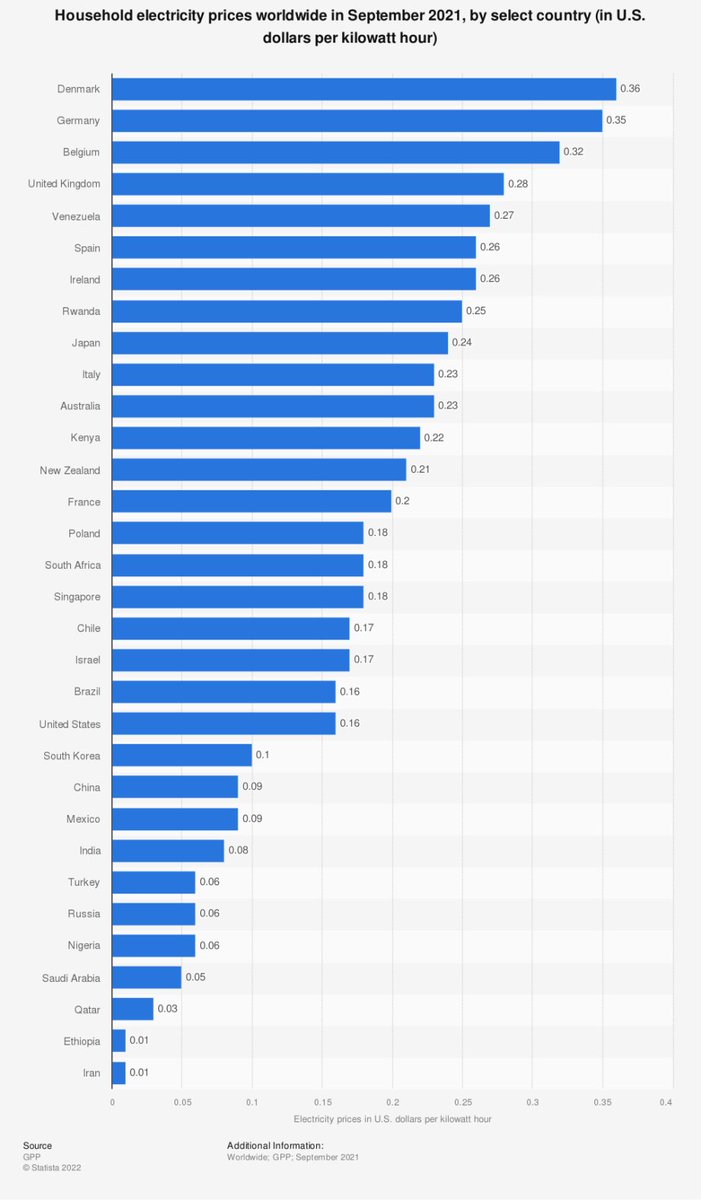
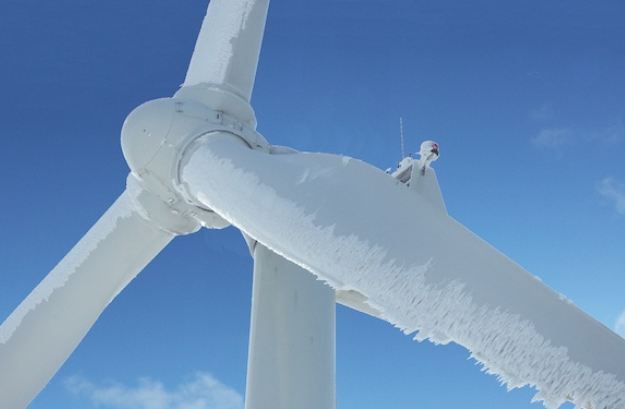
Aidan Morrison breaks down why rooftop solar has become a structural liability for Australia's electricity grid.
84
212
944
32,832
Stop These Things retweeted

Jun 16
En mer, les éoliennes, plus lointaines, sont moins catastrophiques que dans les campagnes.
4
1
118

Stop These Things' Weekly Round Up: 14 June 2026 stopthesethings.com/2026/06/… via @StopTheseThings
1
1
78
Stop These Things' Weekly Round Up: 7 June 2026 stopthesethings.com/2026/06/… via @StopTheseThings
2
5
121
Stop These Things retweeted

May 26
Aujourd’hui 26 mai sur l’axe Amiens-Laon plusieurs centaines d’Eoliennes à l’arrêt alors qu’il fait 30°, et que toutes les climatisations tournent à plein tube…
Pourquoi dépenser encore plusieurs centaines de milliards pour monter des ventilateurs à l’arrêt si ce n’est pour faire fonctionner l’industrie d’un autre pays ?🤑
72
757
1,182
13,111
Stop These Things retweeted

May 27
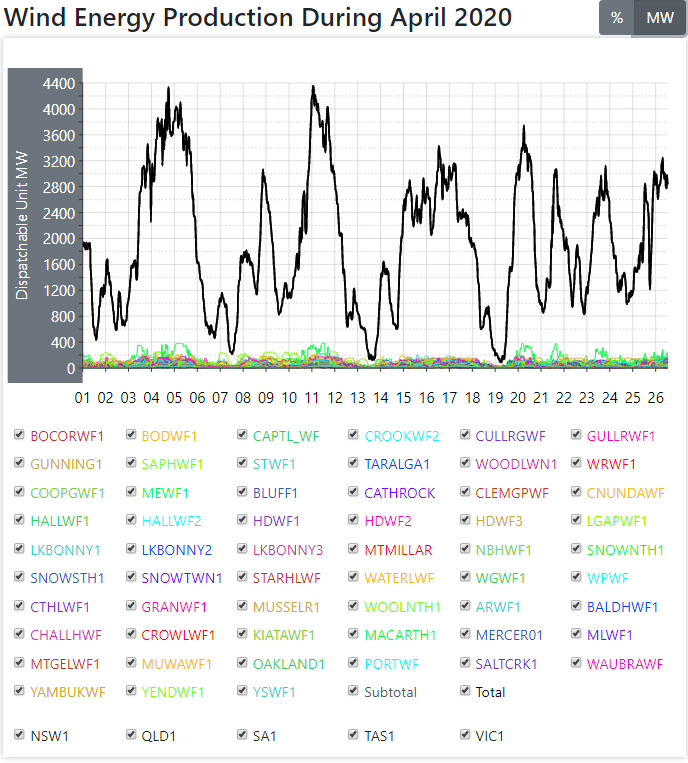
When the wind doesn't blow and the sun isn't shining wind turbines and solar farms do not produce energy.
When they do, the transmission lines can't carry the excess power.
And taxpayers are paying for this intermittent energy.
109
65
412
19,174
Stop These Things retweeted

May 24
Ohne erhebliche Subventionen, würde dieser Scheissdreck überhaupt nicht stehen. Was für eine Zumutung für Mensch und Natur.
267
2,677
6,824
121,423
Stop These Things' Weekly Round Up: 24 May 2026 stopthesethings.com/2026/05/… via @StopTheseThings
3
3
59
Stop These Things retweeted

May 23
Wind and solar look cheap on paper, but only because their true costs are hidden.
Power grids must balance supply and demand every second. Wind and solar cannot do that. Their output follows the weather, which is variable.
So every megawatt of wind or solar requires a matching megawatt of reliable backup. A 100 MW wind farm does not replace a 100 MW gas plant. The gas plant still has to be built, staffed, fueled and kept ready at all times.
Consumers are effectively paying for two systems, but only one is accounted for.
Think of it like hiring a worker who only shows up 30% of the time. The hourly wage looks cheap, but you still need a fully trained backup worker available 24-7 to fill in for the other 70%. That backup is required and still costs money even when sitting idle. But the extra cost is ignored.
This accounting trick explains why renewables look inexpensive in charts, while electricity prices soar in grids that rely heavily on them.
Globally, the renewable failure is clear.
In 2024, solar supplied just 1.4% of global primary energy. Wind supplied about 1.5%. Fossil fuels still provided around 87%. This is not a global energy transition. It is a costly experiment played by a handful of Western economies.
76
487
913
20,495
Stop These Things retweeted
May 22
Germany shut down its last nuclear power plants in 2023. That decision removed 4 GW of reliable, low-cost baseload electricity.
The plants were operational, they were paid for. And worse still, there was no replacement capacity ready.
Germany turned to intermittent wind and solar backed by gas, imports, and emergency coal restarts.
The obvious consequences followed.
Electricity prices surged, grid reliability weakened, and fossil fuel use actually increased.
Chancellor Friedrich Merz has now admitted the shutdown was a strategic mistake, calling Germany's energy transition the most expensive in the world.
A reckless bending to extreme green ideology traded reliability and prosperity for optics. Working nuclear plants were destroyed. And for what?
198
918
2,165
73,575
Stop These Things retweeted
May 13
Onshore wind is sold as 25-year infrastructure, but a UK and Denmark study found that after just 10 years.
The average UK wind farm loses roughly one-third of its output. Then by 12 to 15 years, many become completely uneconomic to run.
Less power, more wear, higher maintenance.
So the farms need "repowering," they call it. That means ripping out old machines and replacing them early. So more steel, more blades shipped in from China, more waste and more subsidies.
The 25-year lifespan claim was short enough, but in reality, turbines are barely lasting a decade.
51
560
1,026
24,623
Stop These Things retweeted

May 19
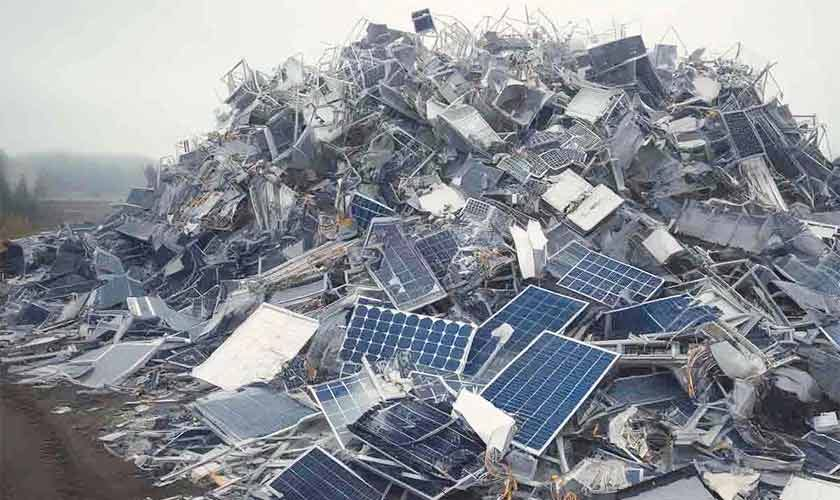
Hernieuwbare energie na ongeveer 28 jaar ziet er zo uit. Netjes gerecycled.🤣
84
491
1,574
16,333
Stop These Things retweeted

May 19
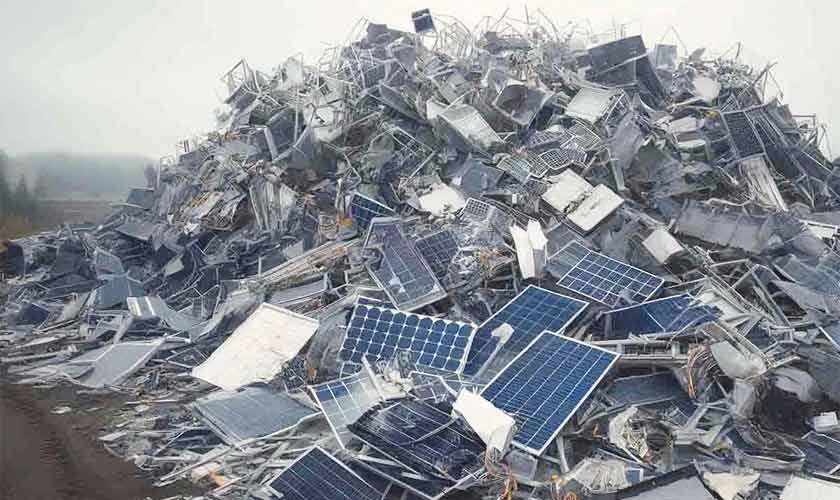
This isn't just a pile of debris - it’s the future of green energy waste hidden in plain sight.
Millions of solar panels are hitting their end-of-life cycle, and the world is completely unprepared for the coming toxic avalanche. By 2050, the International Renewable Energy Agency projects up to 78 million metric tons of solar e-waste. Where is it all going to go?
The industry boasts that solar panels are '95% recyclable'. Technically, yes - because they are made of glass, aluminum and copper. But economics always trumps physics. In Australia and the US, it costs roughly $20 to $28 to properly disassemble and recycle a single panel, but only about $4 to dump it in landfill.
Because there is no financial incentive, up to 90% of decommissioned panels go straight into the ground.
Each solar panel is an industrial 'sandwich' bound tightly by heavy polymers. To extract the microscopic amounts of valuable silver and high-purity silicon requires energy-intensive chemical and thermal baking.
When they are crushed or left to fracture in landfills, heavy metals like lead and cadmium can leach into the surrounding soil and groundwater, turning 'clean energy' into a multi-generational hazardous waste problem.
The crisis is accelerating faster than models predicted. Because solar cells degrade and lose efficiency, and because newer, cheaper panels hit the market, consumers and solar farms are ripping out functional systems at least a decade early to upgrade.
This compressed lifecycle destroys the narrative of a long-term, stable asset and creates an endless loop of unrecyclable industrial trash.
742
9,170
13,728
442,663
Stop These Things retweeted

🚨🇬🇧 Net Zero just got exposed again and it's worse than we thought.
I've been saying it for years now. Net zero isn't about saving the planet it's a massive scam and a giant money laundering operation dressed up as green virtue.
The latest proof just dropped from a Freedom of Information release.
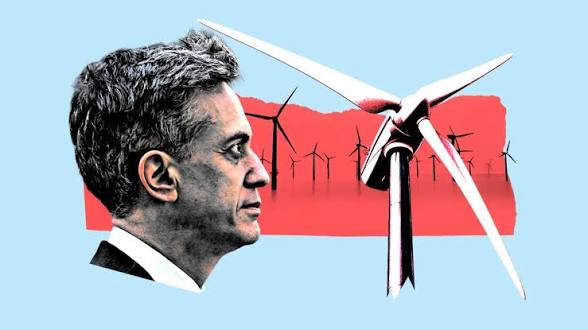
An internal UK Government dossier quietly admits that Ed Milibands beloved wind turbines and solar farms wreck biodiversity destroy landscapes mess with water resources and even cause pollution plus emissions during construction and running.
Yet here we are with Miliband as Energy Secretary ramming through approval after approval for these big projects overriding local councils and green belt land all to hit his 2030 targets.
The fact the Miliband family has their fingers all over these net zero deals feels proper dodge.
While they push this agenda the countryside gets trashed food producing farmland gets covered and ordinary people pay the price in higher bills and lost landscapes.
Wake up folks. This was never about the environment.
#NetZeroScam #ClimateHoax #GreenAgenda #Miliband #EnergyCrisis #WakeUpBritain
421
5,447
10,192
128,488
Stop These Things retweeted
May 17
Building 1 GW of solar capacity is not clean.
It requires around 18.5 tons of silver.
3,400 tons of polysilicon.
And more than 10,000 tons of aluminum.
Producing the polysilicon alone consumes thousands of tons of quartz, coal, petroleum, coke, charcoal, and wood chips.
Refining the silver for 1 GW uses roughly 4,600 megawatt hours of electricity, the annual power use of 400 U.S. homes.
Producing the aluminum consumes nearly 2 million gigajoules of energy, enough to power more than 100,000 households for a year.
Solar power is built with massive fossil energy inputs. Only the output is labeled "green." These are the realities campaigners never want to talk about.
79
1,233
1,996
32,079
Stop These Things retweeted
May 17
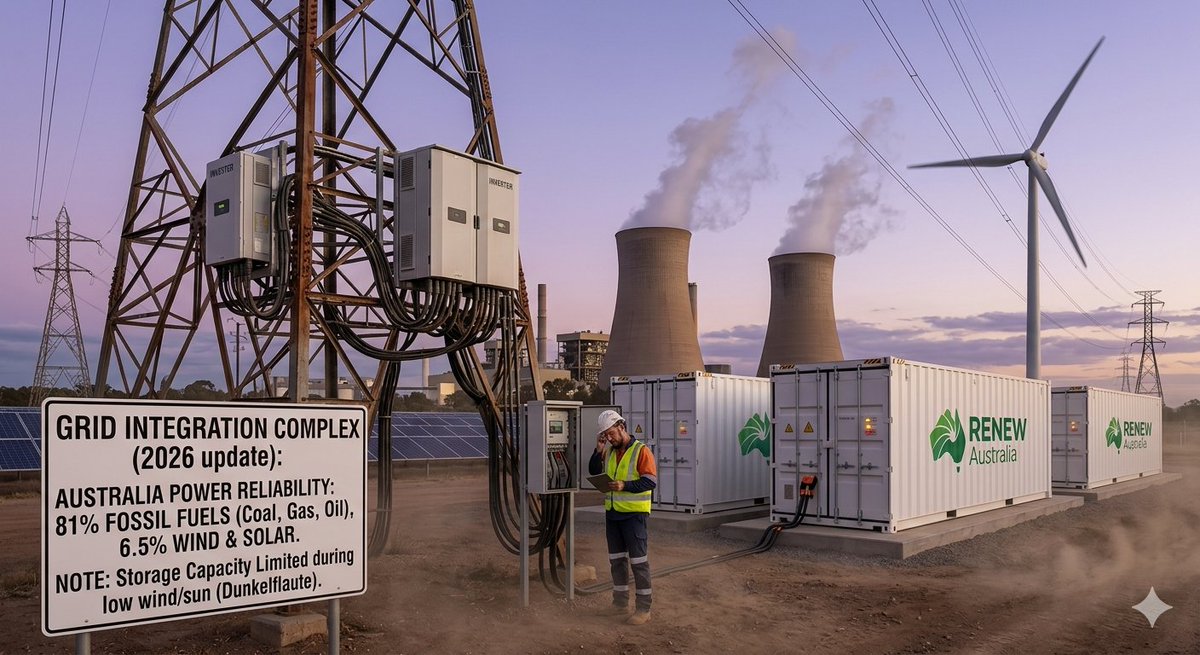
As of 2026, 81% of the world's primary power is still provided by coal, oil and gas.
Wind and solar give just 6.5% across all transport, heating and industry, despite the massive scale-up of renewables since 1988. Global primary energy consumption is still rusted on to fossil fuels, and probably always will.
The story gets worse. Renewables are not a viable energy source without substantial backup from fossil fuels. How did this disastrous mismatch happen?
According to recent data from the Energy Institute Statistical Review and the IEA, decades of government incentives, feed-in tariffs and tax credits have heavily driven the deployment of wind and solar. But get this? The energy is fundamentally incompatible with the existing world power grids.
This wasn't about changing the climate. It was, and is, an economic pivot. Wealthier Western nations have subsidised two generations of wind and solar power, yet they failed utterly to recognise the incompatibility of renewable power with existing grid networks. They have drastically underinvested in the infrastructure for the grid upgrades or the battery storage required to handle the volatile, intermittent nature of renewable energy.
Traditional grids rely on synchronous generation (large spinning turbines in coal, gas or hydro plants). These provide natural inertia and keep the grid frequency stable at 50 or 60 Hz. Wind and solar use inverter-based technology, which cannot provide this essential stability.
It's not that no thought was given to battery storage, but the sheer scale required was vastly underestimated.
Now we're falling behind. Building grid-scale battery systems capable of backing up a nation for days of low wind and sun (known as a Dunkelflaute) faces massive physical constraints - specifically in mineral mining for lithium, cobalt, copper, plus the staggering costs.
You cannot mine the quartz, smelt the silicon, forge the steel or transport the massive blades of a wind turbine without high-density heat and power. This is only provided by coal, oil, and gas. Furthermore, because wind and solar are intermittent, they require rapid-start gas peaker plants or spinning coal reserves to idle in the background, ready to jump in the second the weather shifts.
The grid struggles to handle this thermodynamic mismatch. We are trying to plug intermittent, weather-dependent sources into an industrial grid that demands absolute, second-by-second equilibrium. We have had more than a century to refine grid efficiency.
Rebuilding the world's power grids to handle this incompatible energy isn't just difficult - it is a fresh financial black hole. According to the McKinsey Global Institute, achieving net zero will require a staggering $275 trillion in cumulative capital spending by 2050 - a massive portion of which must be diverted just to overhaul and rebuild these incompatible power grids and storage systems.
The renewable supply chain won't rescue us either. It's firmly anchored in the fossil fuel economy. After 40 years of guilt, heavy subsidies and political momentum, fossil fuels still carry the heavy cross of sustaining human civilisation.
63
473
858
14,164
Stop These Things retweeted

May 17
Take a look inside the concrete foundations of Clarke Creek Wind Farm, QLD.
1,600 tonnes of concrete 100 tonnes of steel per foundation.
Total project: 120,000 cubic meters of reinforced concrete.
After 25 years these will be fatigued and effectively un-reusable. Another massive legacy for future generations. 👇🏽
234
917
2,143
64,552
Stop These Things' Weekly Round Up: 17 May 2026 stopthesethings.com/2026/05/… via @StopTheseThings
1
1
59
Stop These Things retweeted

May 14
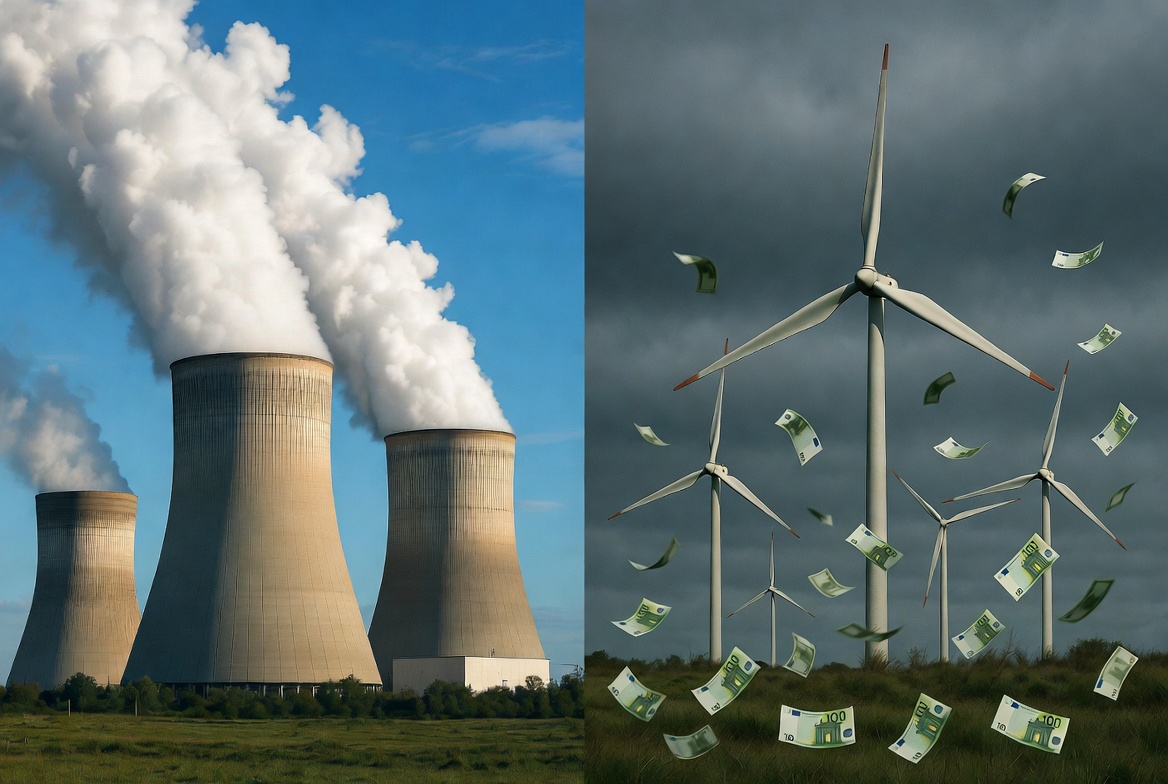
De 55 kärnkraftverk som Frankrike byggde mellan 1973 och 1980 kostade cirka 100 miljarder euro i dagens penningvärde
– och levererar stabilt 75 % av landets el.
Sen skulle man bli grön och bygga vindkraft:
Man har betalat över 150 miljarder euro för att få fram ynka 8 % av elen – och den kommer när det blåser, inte när vi faktiskt behöver den.
Alltså: dubbelt så dyrt för en tiondel av effekten, plus att det är totalt opålitligt.
Vindkraft är inte bara dyrt. Det är en katastrofalt dåligt affär.
188
1,782
5,067
100,557
Stop These Things retweeted
May 14
Heartbreaking scenes at Durridgere State CONSERVATION Area.
The NSW Govt, EnergyCo and ACEREZ have bulldozed what looks like over 100,000 trees, carving a brutal corridor of destruction through thick forest.
From the air it’s just endless piles of woodchips as far as the eye can see — all in the name of renewables.
At what cost? 🌳😔
255
1,283
2,649
56,350