Sharing experiences with child victims & target parents of attachment based #ParentalAlienation. Former alienated girl (from mother) & partner of targeted dad.
Joined September 2018
- Tweets 7,620
- Following 2,494
- Followers 4,277
- Likes 21,930
77 Photos and videos



Stop Parental Alienation retweeted

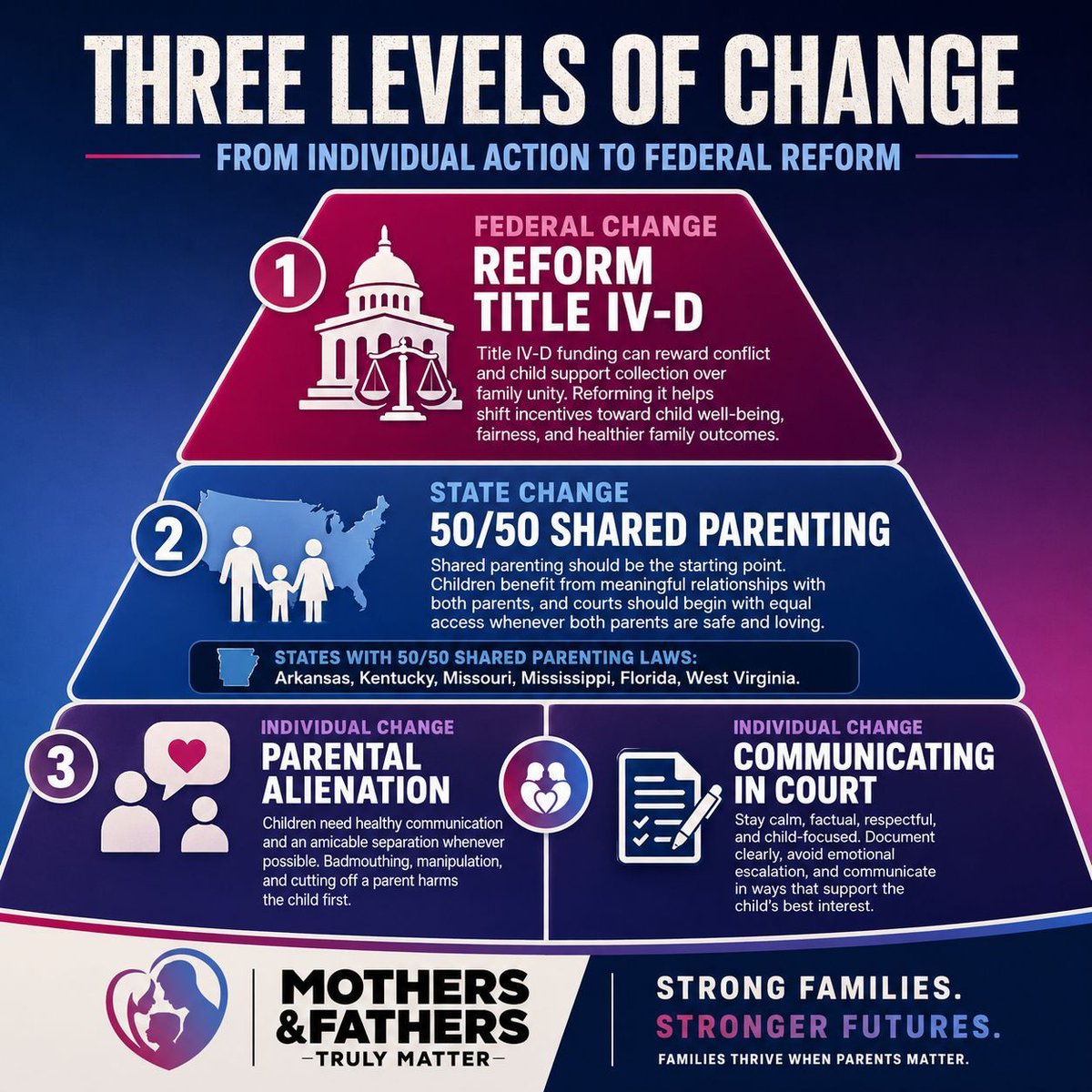
Change happens at 3 levels.
Federal: Reform Title IV-D.
State: 50/50 shared parenting in every state.
Individual: Stop the alienation. Communicate like the kids are watching.
Pick one. Start.
#familycourt #parentalalienation #sharedparenting
1
1
23
Stop Parental Alienation retweeted

If Parliament wants a serious conversation about parental alienation, it should start by inviting experts into the room.
The recent response from the Ministry of Justice to the PAPA Lost Years campaign and BBC coverage highlighting the devastating impact of family court delays was a missed opportunity.
Instead of engaging with the substance of the concerns being raised by separated families, attention was diverted towards whether parental alienation is recognised as a “syndrome”.
We have now seen similar remarks repeated in Parliament, after a discussion on whether all allegations of abuse made by women should be believed.
We find it extremely odd that our recent Family Justice Transparency Report wasn’t referenced in this discussion, given the findings that 90% of allegations made in family court are dismissed as unfounded, when judicially assessed.
How can a discussion be had on this topic without referencing the largest dataset currently available?
The current framing is both very misleading and entirely unhelpful.
The debate around parental alienation has long moved beyond the question of whether it is a “syndrome”.
For decades, professionals, researchers, psychologists, and family court practitioners have focused on the behaviours, dynamics, and impacts associated with parental alienation, supported by a substantial body of international research and scientific literature.
The real issues facing families today are weaponised false allegations, lengthy court delays, inconsistent interventions, inadequate enforcement of child arrangements, and the lasting harm caused when children become caught in high-conflict disputes.
These are the issues parents are asking policymakers to address.
By repeatedly focusing on terminology rather than substance, those in power risk creating confusion, deepening division, and shutting down meaningful discussion.
Children’s welfare deserves evidence-led policy, informed debate, and genuine engagement with experts, not political soundbites that distract from the challenges families face every day.
If the Ministry of Justice and Parliament truly want to improve outcomes for children, they must move beyond outdated talking points and start listening to the professionals who have spent decades researching and working in this field.
We are ready for that conversation. 💪❤️♻️
6
17
215
Stop Parental Alienation retweeted

Jun 10
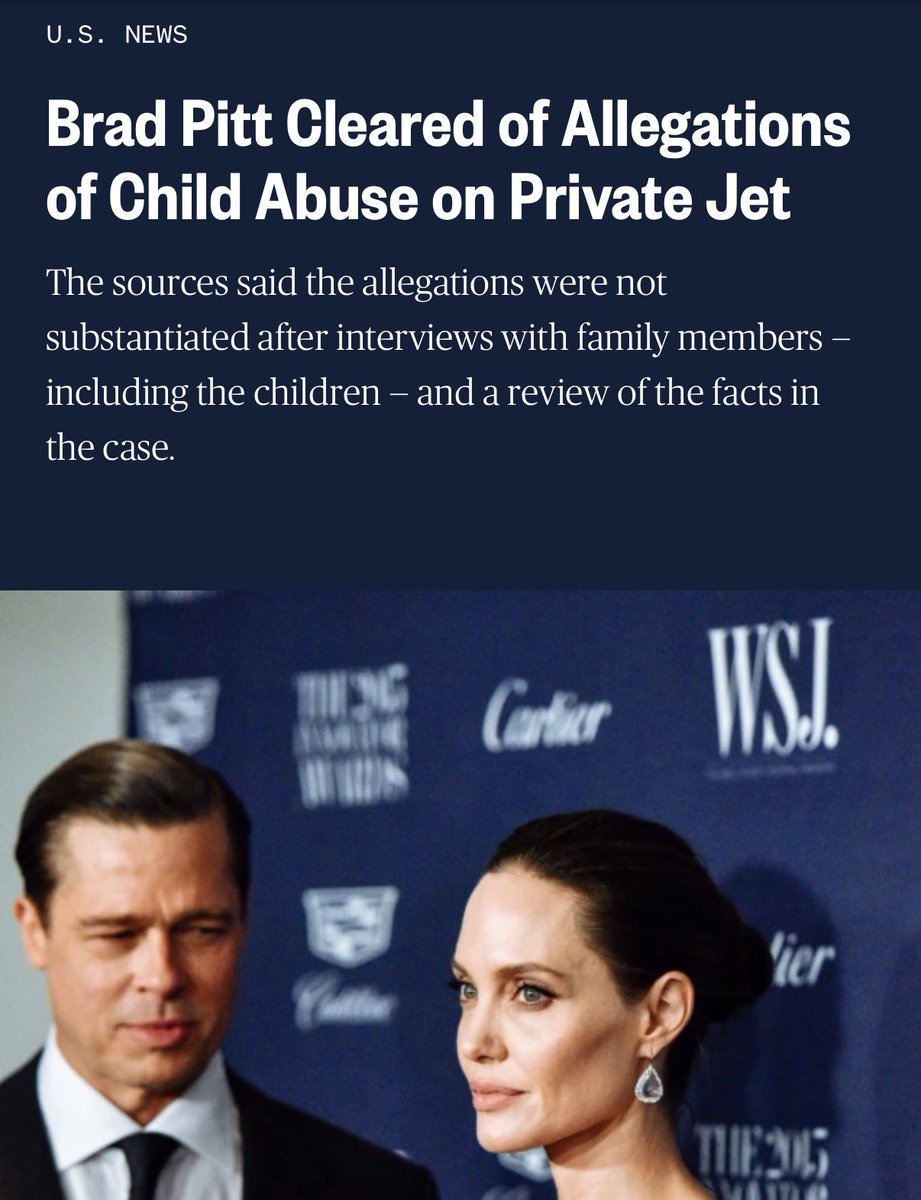
No clue how he was as a father to his kids but he was cleared of those allegations by Angelina Jolie on the plane claiming he physically assaulted them, and this was after an investigation by both the FBI & Los Angeles County Department of Children and Family Services (who interviewed his kids).
2
3
55
7,857
Stop Parental Alienation retweeted

27
285
1,056
16,150
Stop Parental Alienation retweeted

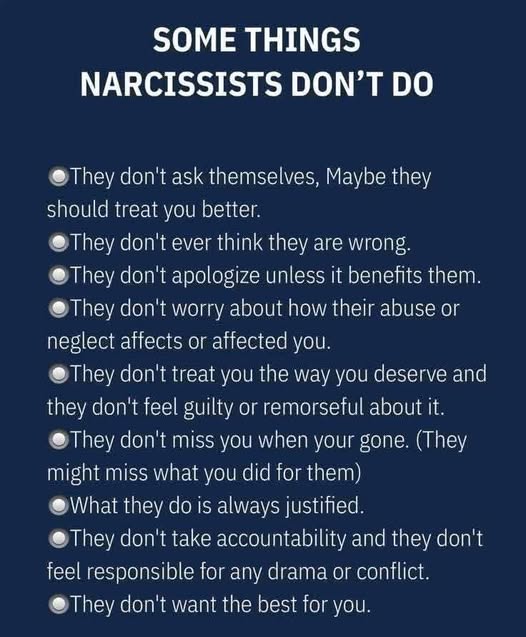
The narcissist has to make their victim look like a bad guy so they have an excuse for the way they treated them.
The crazy thing is, the made up lies the narcissist tells about their scapegoat aren’t even as bad as what the narcissist is ACTUALLY doing to them.
14
96
489
10,337
Stop Parental Alienation retweeted

A narcissist's timeline:
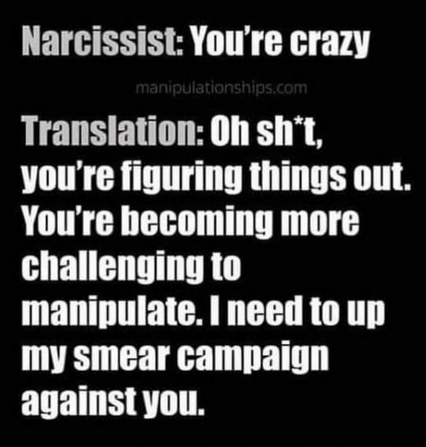
Love bomb. Control. Destroy. Play the victim. Call you crazy. Tell everyone they tried their best and that everything was your fault.
Repeat the cycle.
6
69
362
9,021
Stop Parental Alienation retweeted

Jun 12
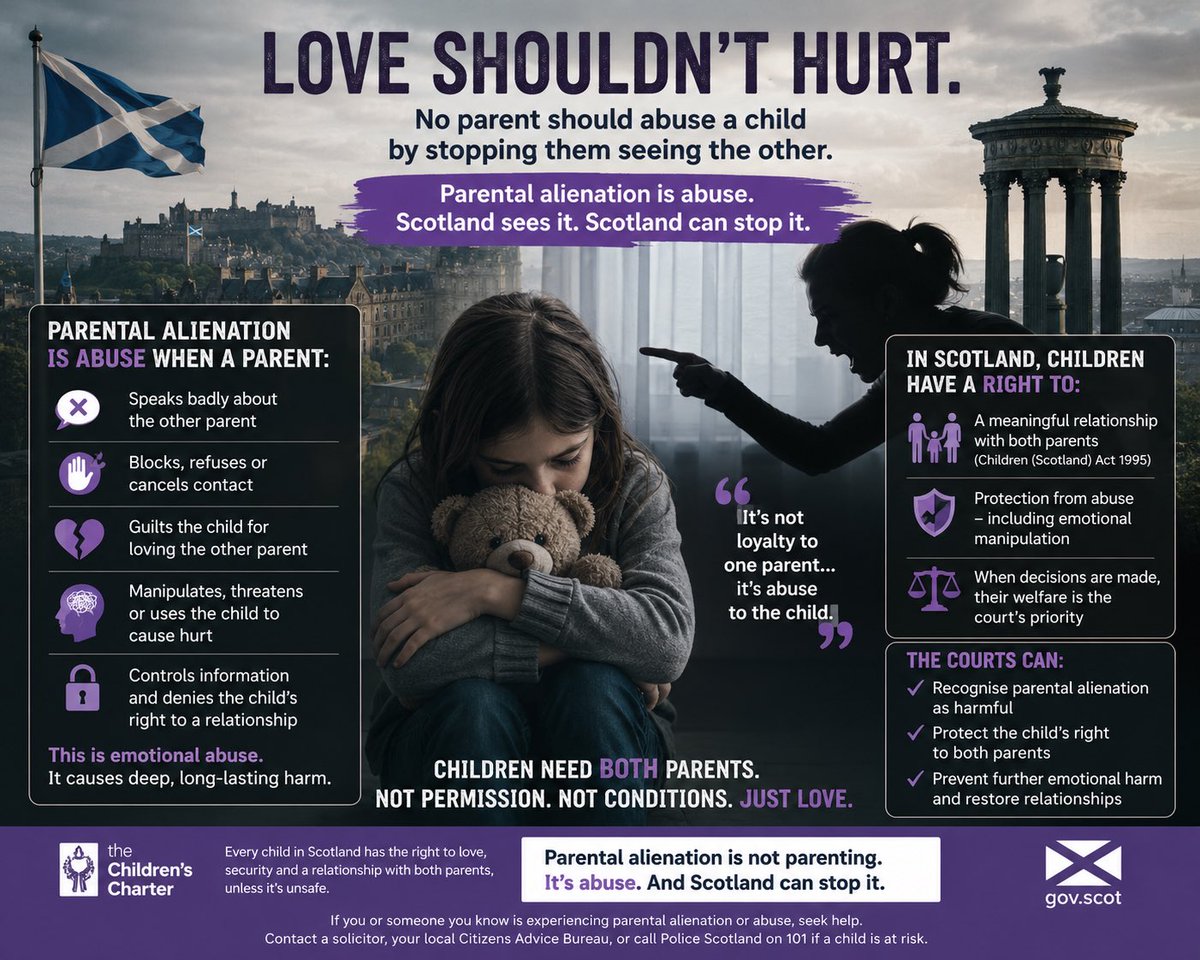
Parental alienation leaves scars that last a lifetime.
Children grow up. The damage grows up with them.
Broken trust. Lost identity. Relationship difficulties. Mental health struggles.
The evidence is clear.
Denial doesn’t erase the harm.
Parental alienation is child abuse
9
18
177
Stop Parental Alienation retweeted

Jun 11
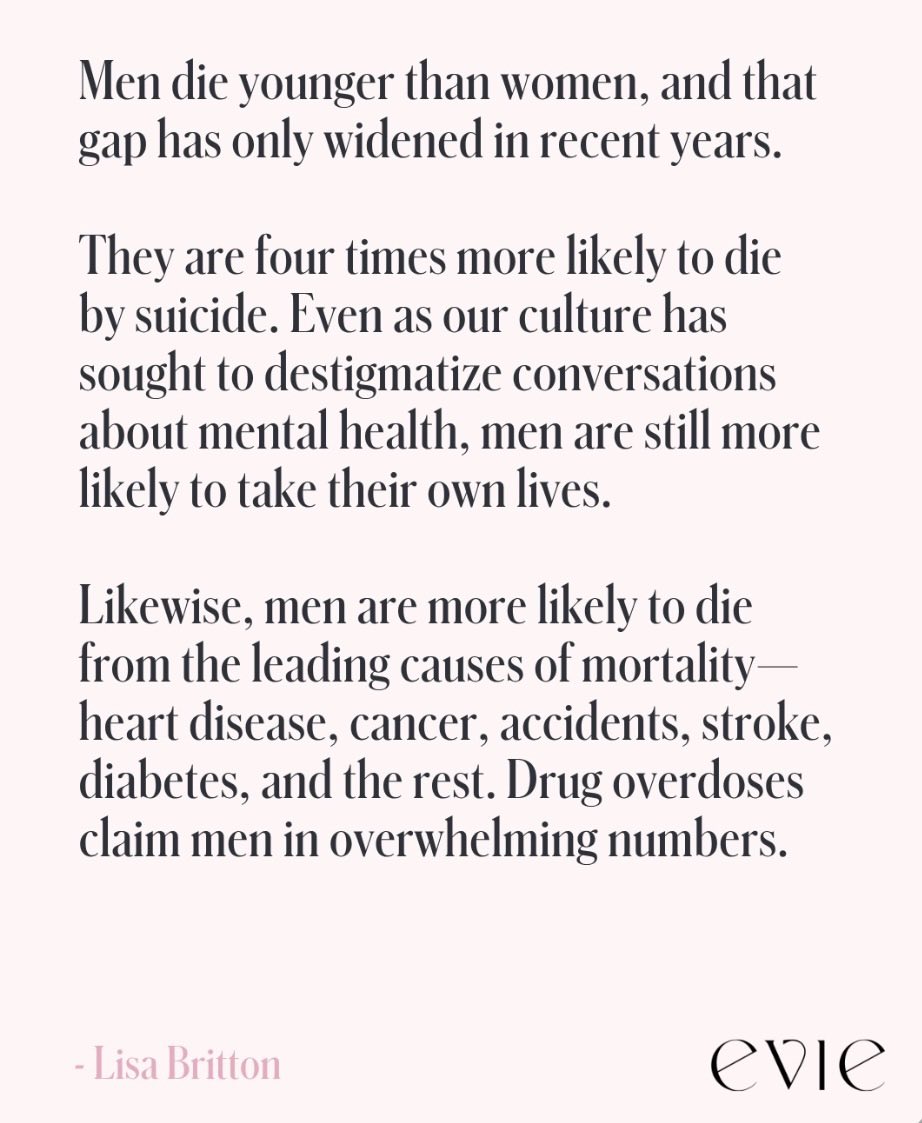
Despite what we’re being told, it’s 𝘮𝘦𝘯’𝘴 health that is ignored and dismissed in our world today. It’s time to take men’s health more seriously.
12
46
240
2,997

Stop Parental Alienation retweeted

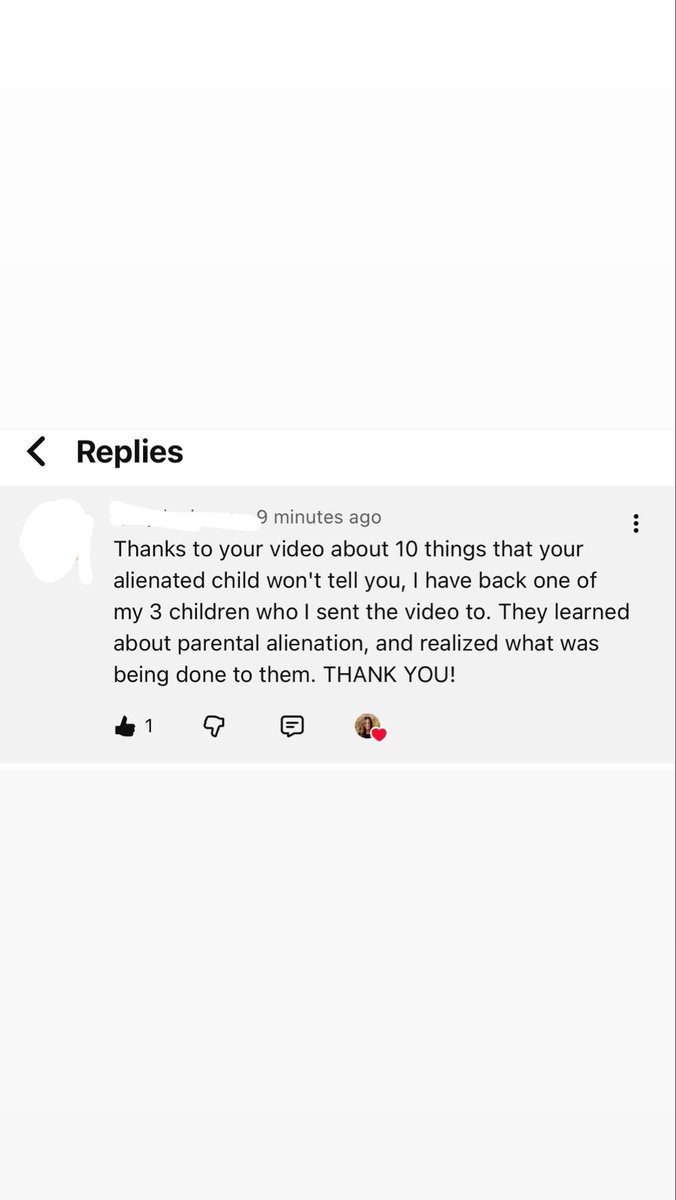
Shared anonymously with permission. Here’s the video he’s talking about 🤍
youtu.be/4O_rh4sSZto?is=-oMo…
1
2
8
115
Stop Parental Alienation retweeted

Jun 11
So @reformparty_uk are using the sexist language of the Labour Party when they talk about ‘the safety of women and girls’. What about protecting boys and men from the male suicide epidemic? Where is there Minister for Men? Where are equal parenting rights for separated dads? The silence is deafening! Matt O’C

If you care about the safety of women and girls, there is only one party willing to say what needs to be said and do what needs to be done.
Only Reform will put women’s safety first.
2
3
20
637
RT @woodallthoughts: When the deniers that this harm exists have moved on to cancel something/someone else they don't like, and the family…
8
Stop Parental Alienation retweeted
All narcissists have enablers, supporters, and flying monkeys, who are willing to help blame, harass, bully, gossip, slander, devalue, and mistreat the narcissist's target.
21
121
532
11,311
Stop Parental Alienation retweeted

The thing about a narcissist is that problem-solving is off the table.
You're not dealing with someone who wants to resolve anything.
Instead, you're facing an unreasonable person who deflects, blames, attacks, plays the victim, and resorts to the silent treatment-all to avoid accountability and keep control.
20
141
603
25,171

Stop Parental Alienation retweeted
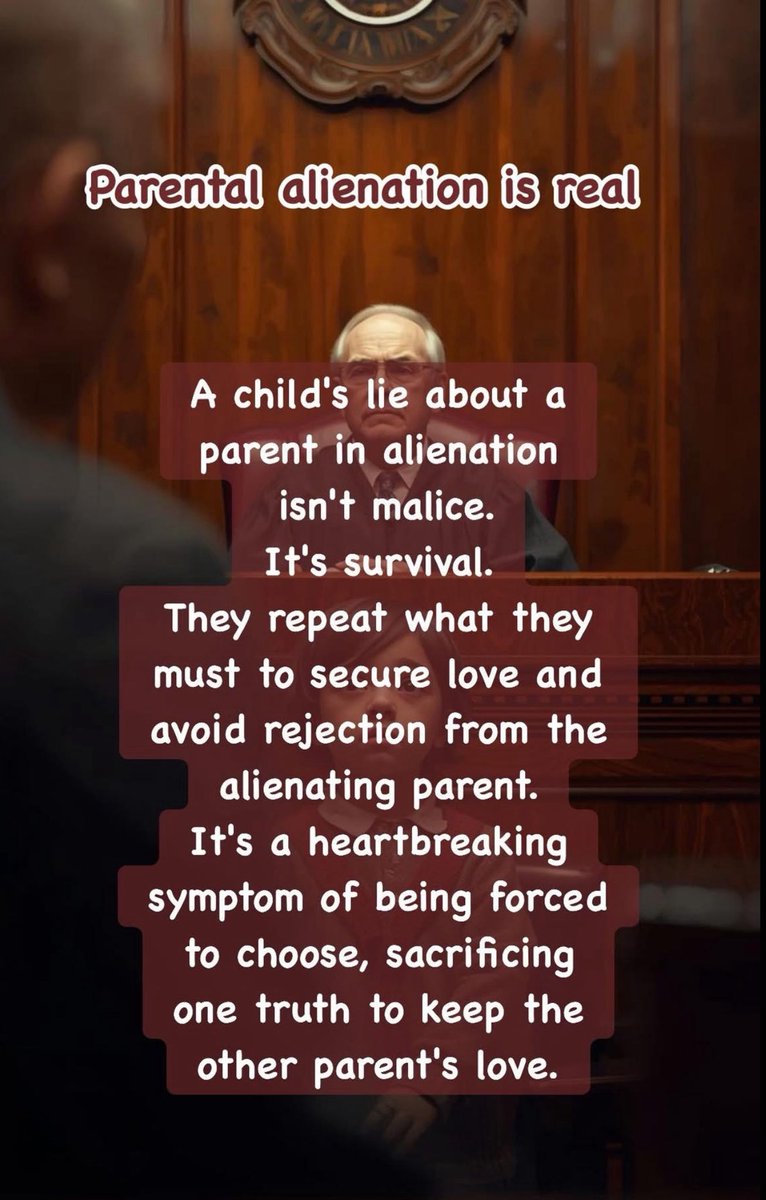
So many children separated from loving, caring, and able parent because of perjury and dishonesty in the court system that’s continuously rewarded. This needs to stop.
1
2
59