
A Canadian company focused on discovering Ontario's next gold mine. Trading on TSX.V: STRM
Joined November 2017
- Tweets 285
- Following 306
- Followers 774
- Likes 267
167 Photos and videos







Storm Exploration Inc retweeted

Jun 11
"That's what's unique about the Gold Standard target is its size. It has that potential to be a really large VMS system," says @StormExInc CEO Bruce Counts. The company has started exploration on its Gold Standard target in Ontario. $STRM open.spotify.com/episode/31L…
1
1
77
Storm Exploration Inc retweeted

Historic drilling data isn't just dusty paperwork. It's often the cheapest, fastest path to proving (or disproving) a project's potential.
When studied right, old holes can de-risk projects overnight, highlight high-grade intercepts, and show where the exploreco should sink your capital in.
But the data is rarely perfect. It might be incomplete, poorly located, or never properly verified to NI 43-101 standards.
So, don't just take the company's word for gospel when they tell you it's been "historically explored".
Ask some questions.
- where exactly were those collars?
- do you have downhole surveys, core photos, recovery percentages, and original assay certificates?
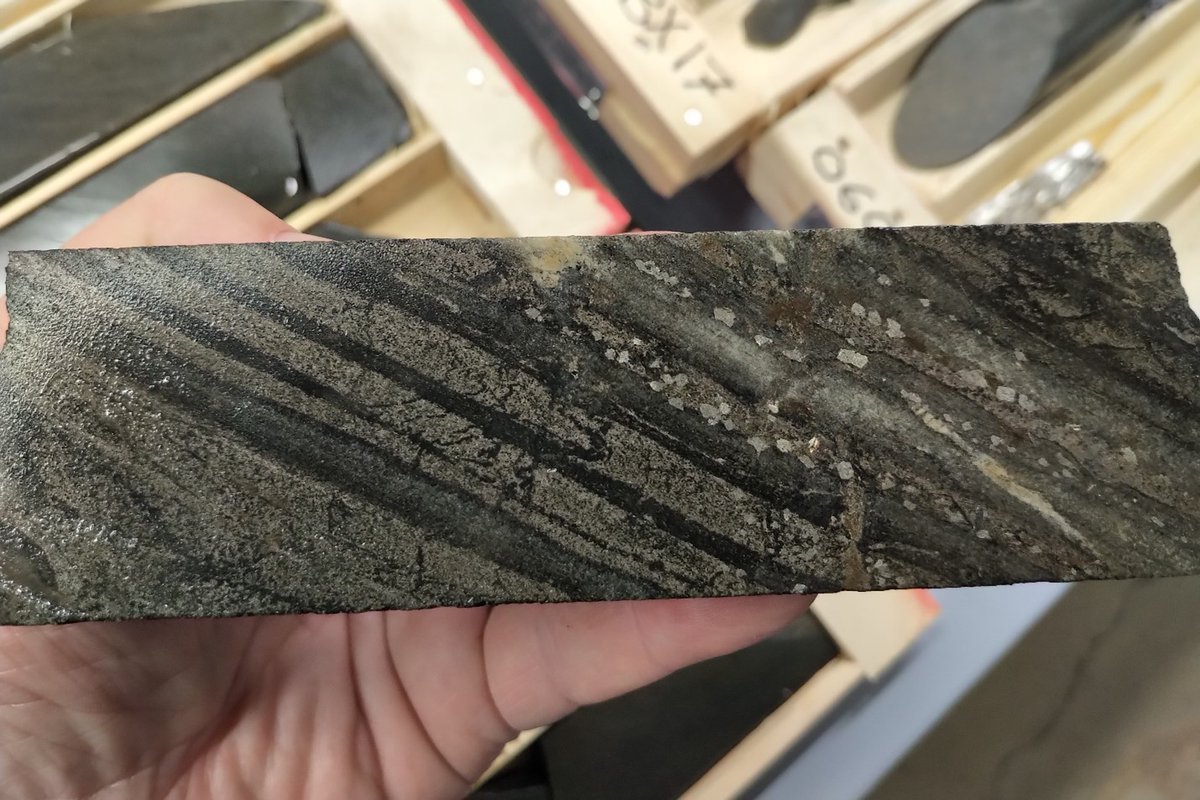
- what did the core actually look like (veining, alteration, sulphides)?
- were the grades fire-assayed or just grab samples?
- etc.
Old data without context is just noise. Ignore the details and you're speculating on hope instead of evidence.
Ask & dig.
I did, in our recent interview with @StormExInc $STRM.V.
The CEOs answer is in the clip below.
The full interview is on YT and wherever you get your pods.
1
3
9
1,657
Storm Exploration Inc retweeted

May 27
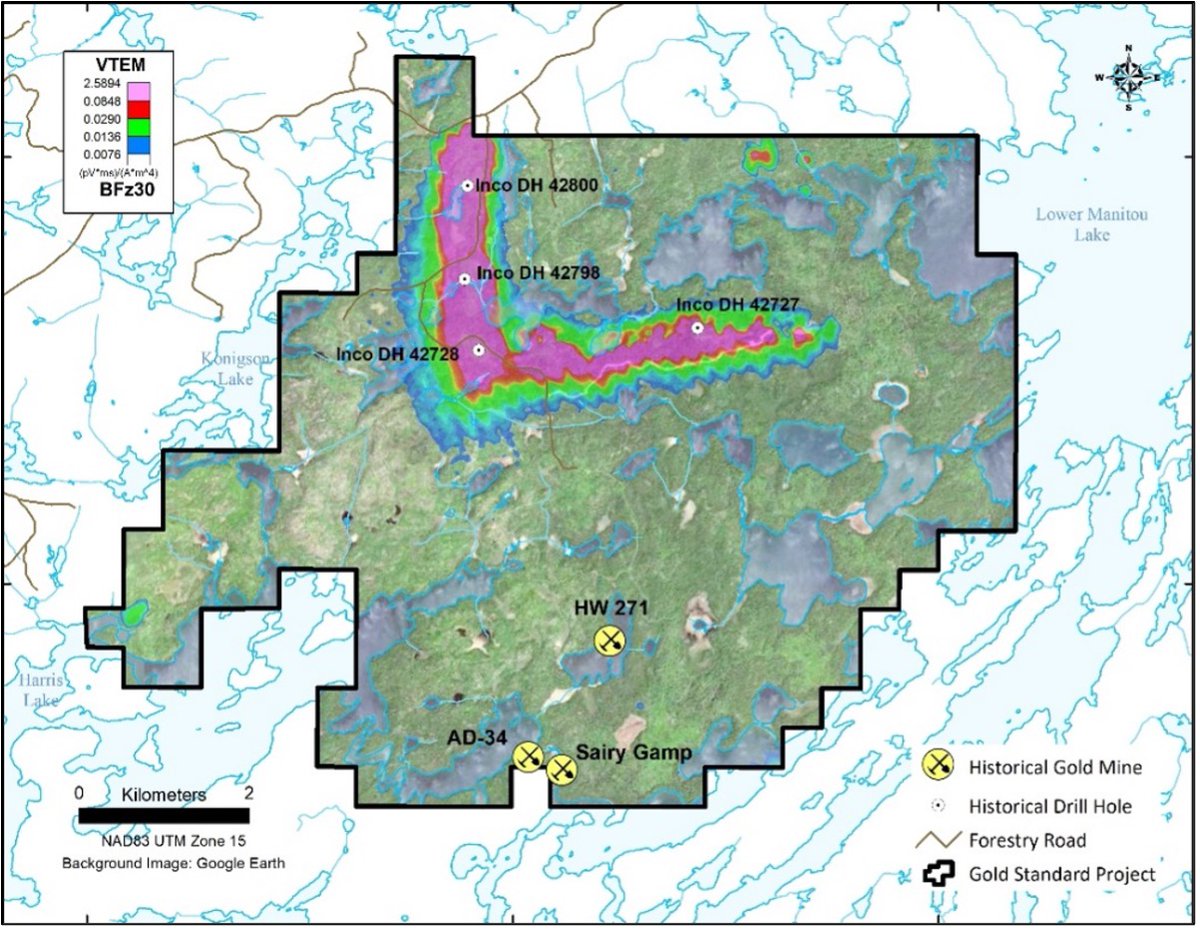
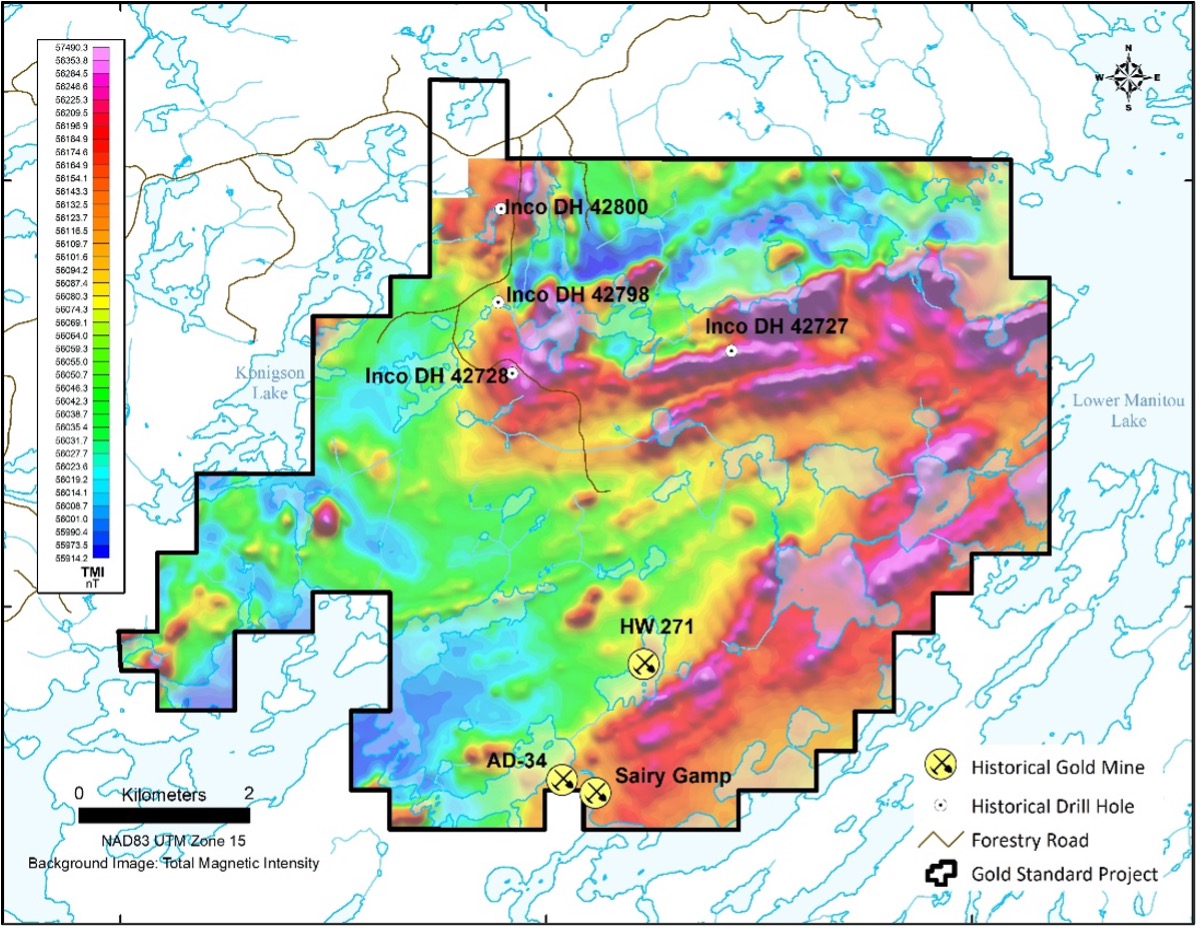
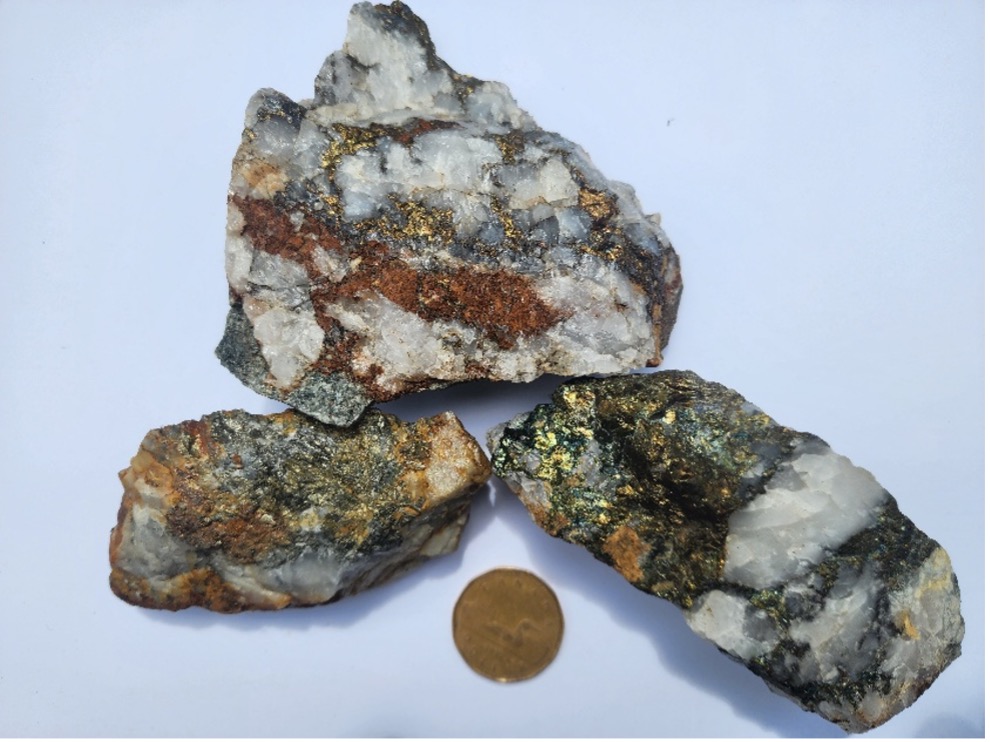
Storm Exploration (TSX-V: STRM) has commenced its 2026 exploration program at the Gold Standard Project in Northwestern Ontario.
The focus: a compelling 5km-long VMS conductivity anomaly with characteristics consistent with a potentially large mineralized system.
Highlights include:
• 5km continuous conductor
• Average width of 50m
• Potential gold-rich VMS target
• Historical copper & zinc sulphide intersections
• Up to 3,000m of drilling planned
A strong start to what could be a very exciting season for Storm Exploration.
@StormExInc #coi
1
1
448
Storm Exploration Inc retweeted
May 26
Storm Exploration: Fully Funded Ontario Exploration Story
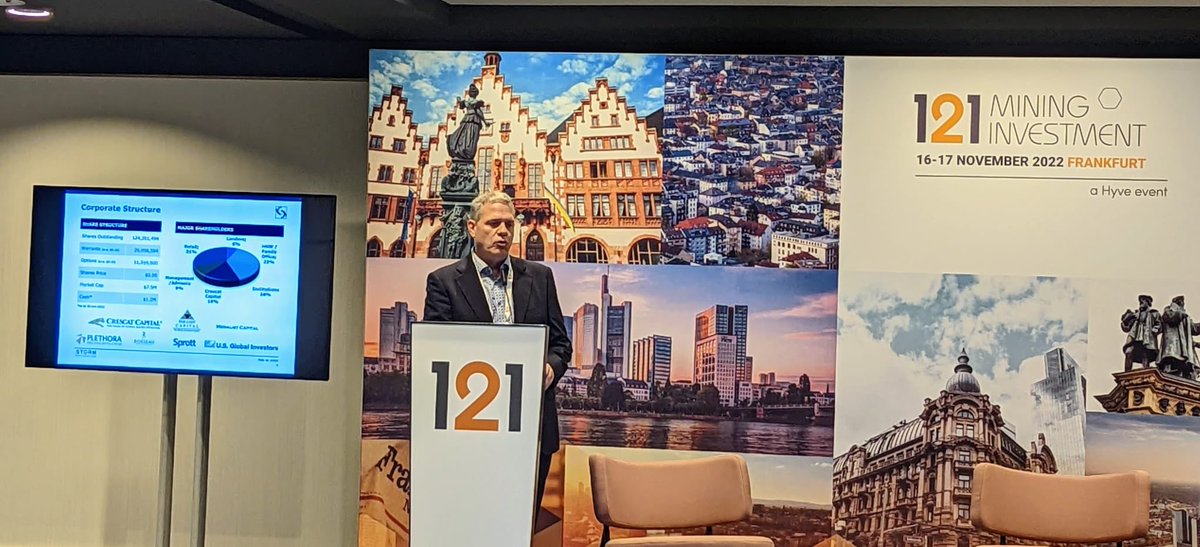
Bruce Counts joins us from Frankfurt to discuss Storm Exploration’s upcoming drill program at Gold Standard, the company’s strong treasury position, and the discovery potential across its Ontario gold and base metal projects.
Watch Here👇
youtu.be/yVjFGpe4acg
@StormExInc | $STRM.V | #coi

1
2
304
Storm Exploration Inc retweeted

May 6
Storm Exploration nimmt ein in der #Inco-Ära in Vergessenheit geratenes Ziel auf Gold Standard in Ontario wieder ins Visier. In früheren, flach verlaufenden Bohrlöchern wurden Kupfer-Zink-Sulfide aufgeschlossen, die jedoch nie analysiert wurden. Moderne VTEM-Messungen lassen nun einen 5 km langen Leiterstreifen erkennen; Bohrungen sind geplant, um ein potenzielles VMS-System zu untersuchen - auch auf #Gold ⏩ goldinvest.de/storm-explorat…
@StormExInc $STRM
1
4
86
Storm Exploration Inc retweeted

Storm Exploration is revisiting a forgotten Inco-era target at Gold Standard. Historic holes hit copper-zinc sulphides but were never assayed. Modern VTEM now outlines a 5 km conductor, with drilling planned to test a potential VMS system 👉 goldinvest.de/en/storm-explo…
@StormExInc
1
5
534
Storm Exploration Inc retweeted
May 4
Storm Exploration: 5km VMS Target & Drill Program Ahead
Bruce Counts joins us to discuss Storm’s Ontario projects, upcoming drilling at Gold Standard, and how the company is targeting a discovery-driven re-rating in 2026.
Watch Here👇
youtu.be/noRE846NLOk
@StormExInc | $STRM.V | #coi

1
2
451
Storm Exploration Inc retweeted
Apr 16
Storm Exploration (WKN A41AH2) ist laut CEO Bruce Counts aktuell deutlich unterbewertet: geringe Marktkapitalisierung, nur 21 Mio. Aktien, drei zu 100 % eigene Projekte und Zugang zu nicht verwässerndem Kapital.
Hier geht'S zum vollständigen Interview 📽️ youtu.be/_Hw9yeT9Jnc
@StormExInc #Gold
4
1
3
83
Storm Exploration Inc retweeted
According to CEO Bruce Counts, Storm Exploration $STRM is currently significantly undervalued: low market capitalization, only 21 million shares, three 100% owned projects, and access to non-dilutive capital.
Watch full interview now 📽️ youtu.be/_Hw9yeT9Jnc
@StormExInc #Gold
1
4
96
Storm Exploration Inc retweeted

Apr 14
We're excited to welcome @StormExInc $STRM.V to Deutsche Goldmesse Spring 2026.
The company will be presenting in Frankfurt and meeting with investors from across Europe.
📅 May 15-16
📍 Westin Grand Frankfurt
🎟️Register Here: deutschegoldmesse.online/inv…

3
11
465
Storm Exploration Inc retweeted
Every week, I send a free weekly newsletter containing a 5-minute summary of every Resource Talks interview.
Here's the lineup from week 12:
1. Is Ecuador Finally Getting a New Copper-Gold Mine?
🔸 @SRL_Exploration $SRL.V
2. How Did a $5M Gold Explorer Close a $5.8M Deal?
🔸 @StormExInc $STRM.V
3. Gold, Cobalt, Bismuth in 1 Deposit. But Will it Really Get Mined?
🔸 Fortune Minerals $FT.TO
4. Inside a VIP Mining Event With a Fund Manager & 9 CEOs
🔸 @TheOreGroup
Free newsletter and full interviews linked below.
1
4
17
3,057
Storm Exploration Inc retweeted
1
1
2
365
Gold Standard: the flagship and still largely untouched.
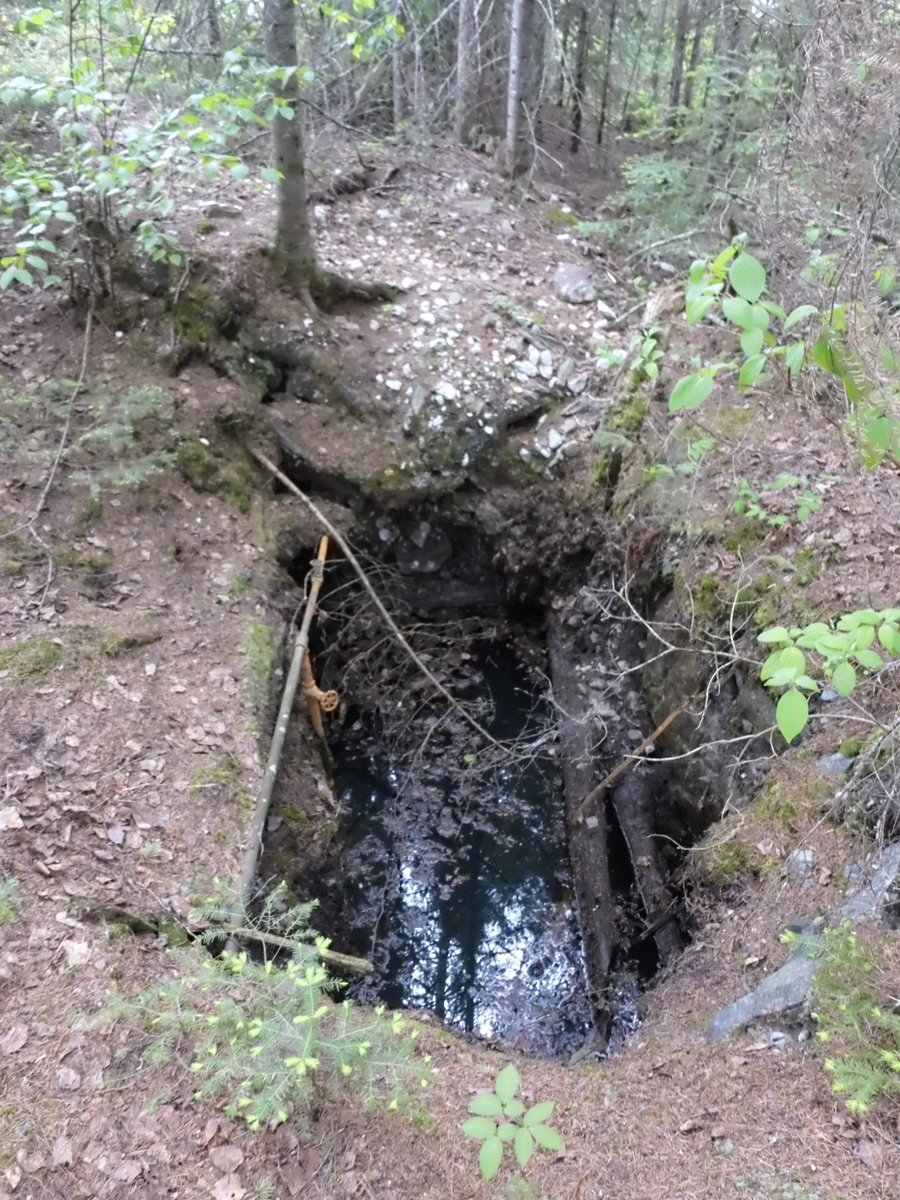
High-grade gold mined in the early 1900s (reported up to 55 g/t)… then the vein was lost. No drilling. No systematic exploration. For over a century. 3 historic showings. Minimal follow-up.
#Storm #Exploration
45
Massive conductive target hiding in plain sight.
Historic drilling hit zinc & copper sulfides but no assays. Why?
Now VTEM outlines a 5km EM anomaly lining up with those holes.
Catch? 1970s holes, locations lost. Road access. Largely untested.
#Storm #Exploration
41
Storm Exploration Inc retweeted
Antonio of @ResourceTalks stopped by to speak with CEO Bruce Counts at PDAC 2026.
Bruce shared the key lessons he’s carried forward from previous bull market cycles and outlined what he sees as Storm’s next major catalyst.
Watch in full here: loom.ly/oH7ekzk
#Storm
1
2
34
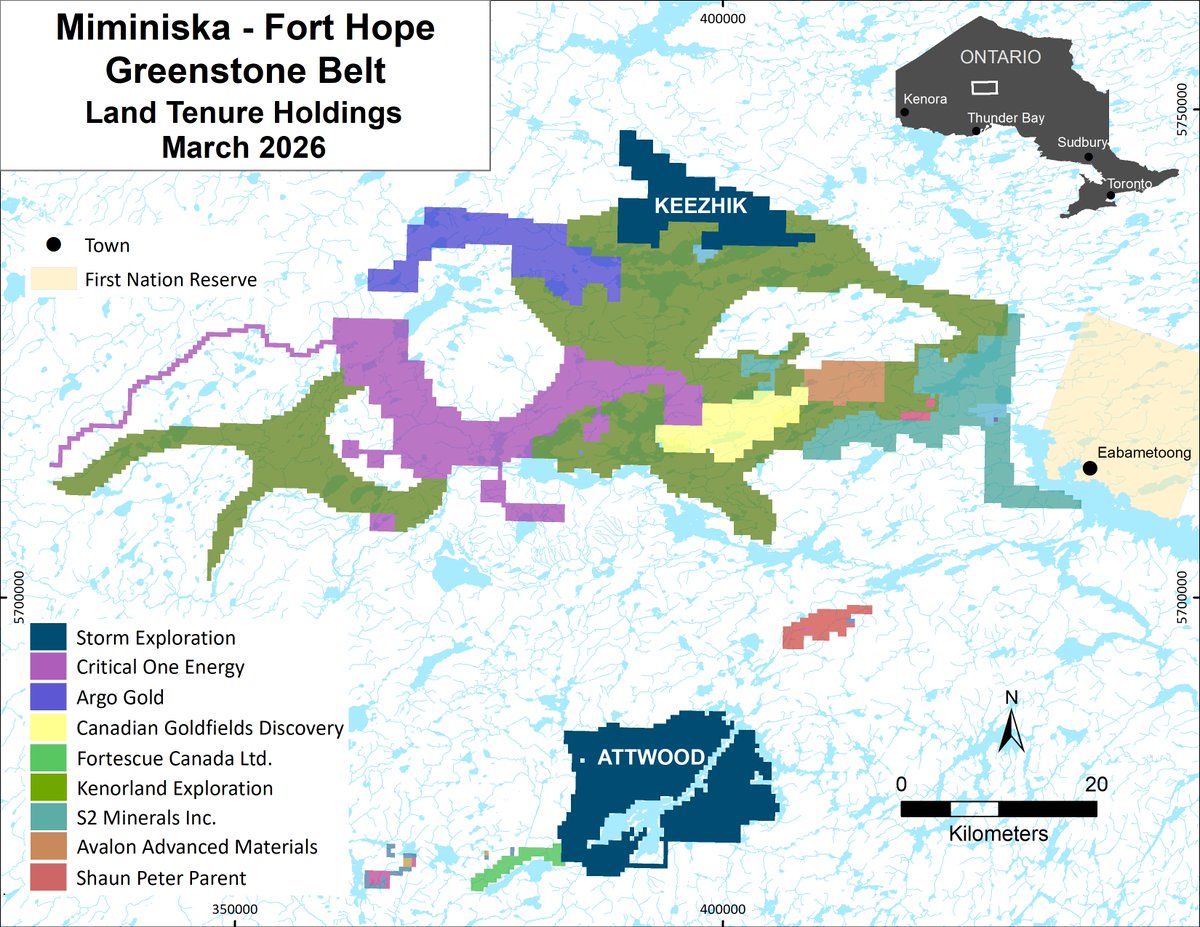
The Miminiska–Fort Hope Greenstone Belt is emerging as an exciting exploration district in Ontario.
Storm’s $5.8M sale of the Miminiska Project to Canadian Goldfields Discovery brings in the team behind K92 & King Copper.Storm looks forward to an active 2026 across the district.
1
2
103

22 Jul 2025
Team Update from Storm Exploration!
We're thrilled to welcome Cameron Dorsey to our Advisory Board!
A seasoned geologist with 14 years of experience, Cameron is an expert in BIF-hosted gold deposits. Welcome aboard Cameron! 👏
#STRM #GoldExploration
72
9 Jan 2025
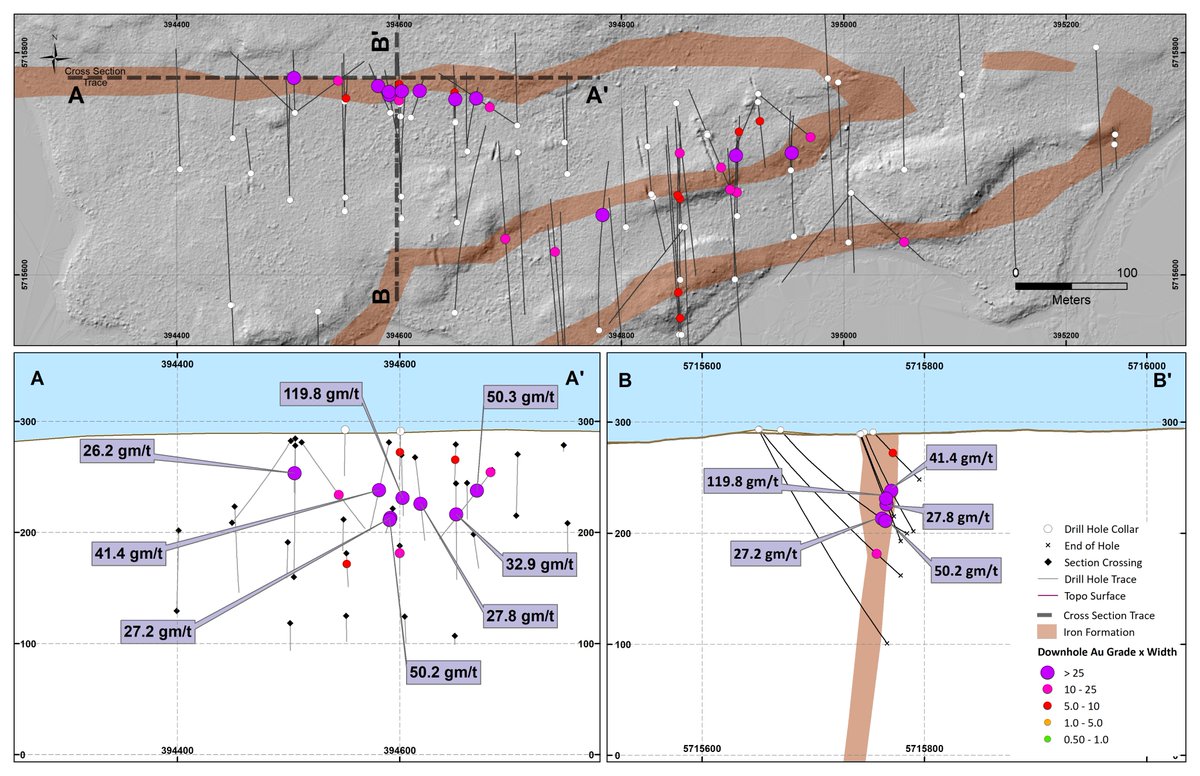
Storm is targeting high-grade gold in Banded Iron Formation at its Miminiska target
The sections below show that mineralization is open in all directions
Storm is ready to expand and extend the high-grade gold mineralization at Miminiska in 2025.
Let's go drilling!
2
4
116