
135 Photos and videos















People are stupid. Given proper motivation, almost anyone will believe almost anything. Because people are stupid, they will believe a lie because they want to believe it's true, or because they are afraid it might be true.
(Wizard's First Rule)

2
1
6
1,418
Stroyzan retweeted

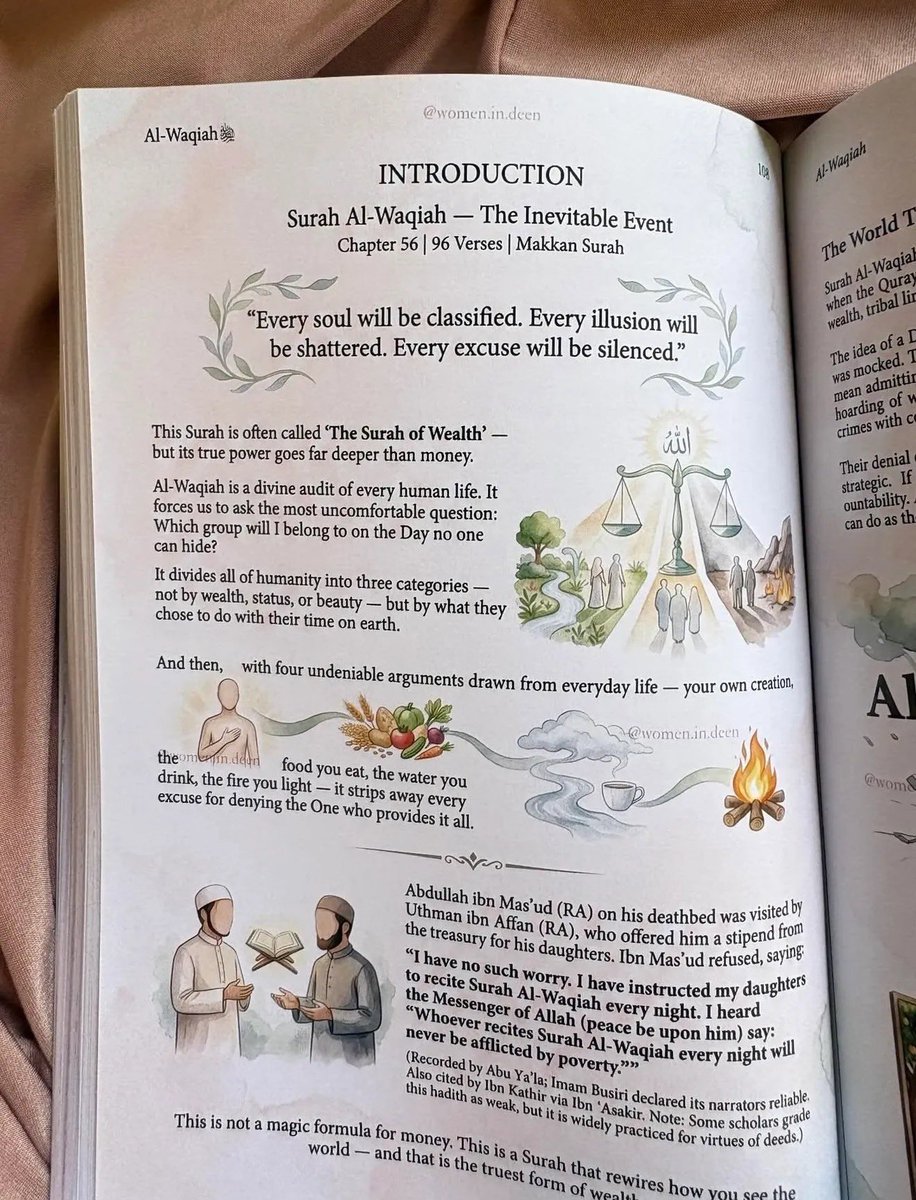
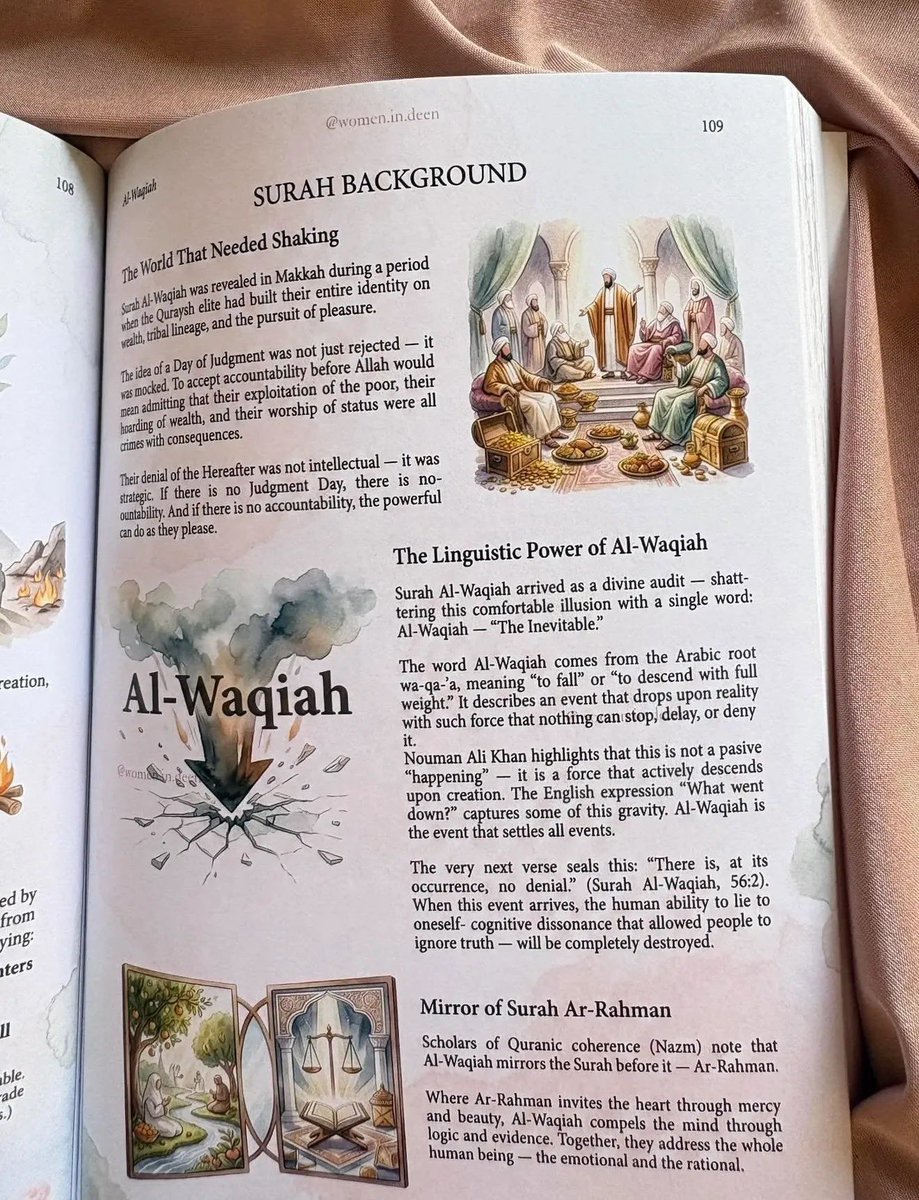
Calling Al-Waqi'ah "The Surah of Wealth" in the very first line is misleading. The Surah is about the Hereafter, accountability and the three categories of mankind. Please study the Qur'an through authentic Tafsir, not aesthetic feel-good booklets.

1
25
736
Stroyzan retweeted

True sincerity (ikhlas) is one of the hardest things to achieve. And if you think you've reached it, you probably haven't!
One of the most potent ways of increasing ikhlas or sincerity is to increase your private good deeds.
Carry on doing the deeds you do in public,
1
13
62
1,095
Stroyzan retweeted

19h
Attain the Woman of Religion.
Shaykh Aḥmad al-Quʿaymī al-Ḥanbalī states:
“al-Iqnāʿ adds: that it is recommended that she (the potential wife) be beautiful, because that is more calming for his soul and more restraining for his gaze. And Imām Aḥmad mentioned that whoever
1
11
99
6,539
Stroyzan retweeted

Jun 16
A father at QuikTrip checked the women’s restroom first and found it empty, so he took his two young daughters inside to use it.
While they were washing their hands, another man walked in and started yelling that a guy had no business being in the women’s bathroom with his daughters.
4,020
2,454
44,083
5,104,374
Stroyzan retweeted

Jun 15
Here’s his face coz BBC clearly didn’t want to tweet it.
The usual suspects.

Jun 15

Teacher guilty of sexual abuse and murder of 13-month-old baby boy he adopted with his partner bbc.in/4uCuOs4
354
11,424
50,511
989,723
Stroyzan retweeted

Jun 16
Saudi fans chanting where is Yamal😭😳
153
143
2,725
393,161
Stroyzan retweeted

Jun 15
The Prophet ﷺ said:
“.. For indeed ahead of you are days of patience in which patience would be like GRASPING a HOT COAL, the one who acts rightly during that period will have reward the likes of FIFTY MEN who act like he does.”,
The Prophet ﷺ was asked by Ṣaḥābah:
1
21
128
4,518
Stroyzan retweeted

Jun 15
Look to those below you and show gratitude to Allah for His blessings!
Shaykh Muzzamil Faqeeri
27
99
1,482
Stroyzan retweeted

Jun 16
Beautiful recitation ma shaa'aLlah. What's the name of the reciter?
#QuranSerenity #القرآن_الكريم
Jun 12

Beautiful recitations from non-mainstream reciters>>>
1
7
21
1,774
Wow...
If this is true, I can't believe I fell for the first story.
Jun 16

🇨🇴🇺🇸 El caso del estadounidense detenido por señalamientos de un presunto abuso sexual contra un menor en Bogotá dio un giro tras revelarse los resultados preliminares de los exámenes forenses, que descartaron indicios de abuso sexual, así como el testimonio del niño de 7 años, quien negó haber sido agredido y afirmó que el adulto únicamente intentaba calmarlo en el balcón.
El estadounidense Grant Gail, de 36 años, se encontraba en Colombia adelantando un proceso legal de adopción y permanece bajo custodia de las autoridades.
14
Stroyzan retweeted

Let me welcome you to the new South African immigration officers of 2026.
Be in no doubt fellow Africans, this is the 🇿🇦 of 2026.
733
985
2,167
272,924
Stroyzan retweeted

Jun 15
Uruguay arrived in the United States for the World Cup and were greeted by sniffer dogs and full security checks.
Look at Manuel Ugarte’s face 😂
1,729
6,995
51,409
12,053,524
Stroyzan retweeted

ʿUmar ibn al-Khattab (رضي الله عنه) once sat with his companions and said: make a wish. It was not idle. He wanted to see what their hearts reached for when handed the freedom to want anything at all.
One said: I wish this house were filled with gold, so I could spend every coin in the way of Allah. A fine wish. Umar said: wish again. Another said: I wish it were filled with pearls and jewels, to give all of it in charity. A finer wish. Umar said: wish again.
They ran dry. "We do not know what else to wish for, Amīr al-Muʾminīn." So he told them what he would have wished:
«ولكني أتمنى رجالاً مثل أبي عبيدة بن الجراح، ومعاذ بن جبل، وسالم مولى أبي حذيفة، فأستعملهم في طاعة الله»
"But I wish for men like Abū ʿUbaydah ibn al-Jarrāḥ, Muʿadh ibn Jabal, and Salim the freedman of Abū Hudhayfah, so that I could put them to work in the obedience of Allah."
Sit with the contrast. His companions did not even wish treasure for themselves; they wished it to give away for Allah. And still it did not satisfy him. The man governing an expanding state knew what they had missed: gold is spent once and it is gone. A single man of īmān keeps giving long after he is buried.
This was always the real wealth of Islam. The Prophet ﷺ died owning no treasure; his shield was pledged to a man for a measure of barley. What he left behind was not money. It was Abū Bakr, ʿUmar, ʿUthmān, ʿAlī, a whole generation he had raised by hand.
We spend our lives trying to fund the Ummah's problems. ʿUmar would tell us to raise its people. So whether you are bringing up a child or building an institution, his question is the one to keep: not how much can I gather, but who am I cultivating. Gold runs out. A person of īmān does not.
Fadāʾil al-Ṣaḥāba of Imam Ahmad; al-Mustadrak of al-Hakim
1
88
326
8,511
Stroyzan retweeted

“After killing two of my children, the bandits forced me to bury them with my own hands,” she says.
A Nigerian woman abducted alongside her three children has recounted a brutal ordeal in captivity. Two of her children were killed by the kidnappers, who then forced her to dig their graves and bury them herself. She also describes how she eventually managed to escape.
The testimony shows the deepening human cost of banditry in Nigeria, where countless families continue to endure unimaginable loss and trauma.
63
480
397
26,929
RT @_muwahida55: In refuting the Khawārij, be careful not to fall into Irja.
Just as the Khawarij erred by exaggerating in matters of fait…
10
Stroyzan retweeted

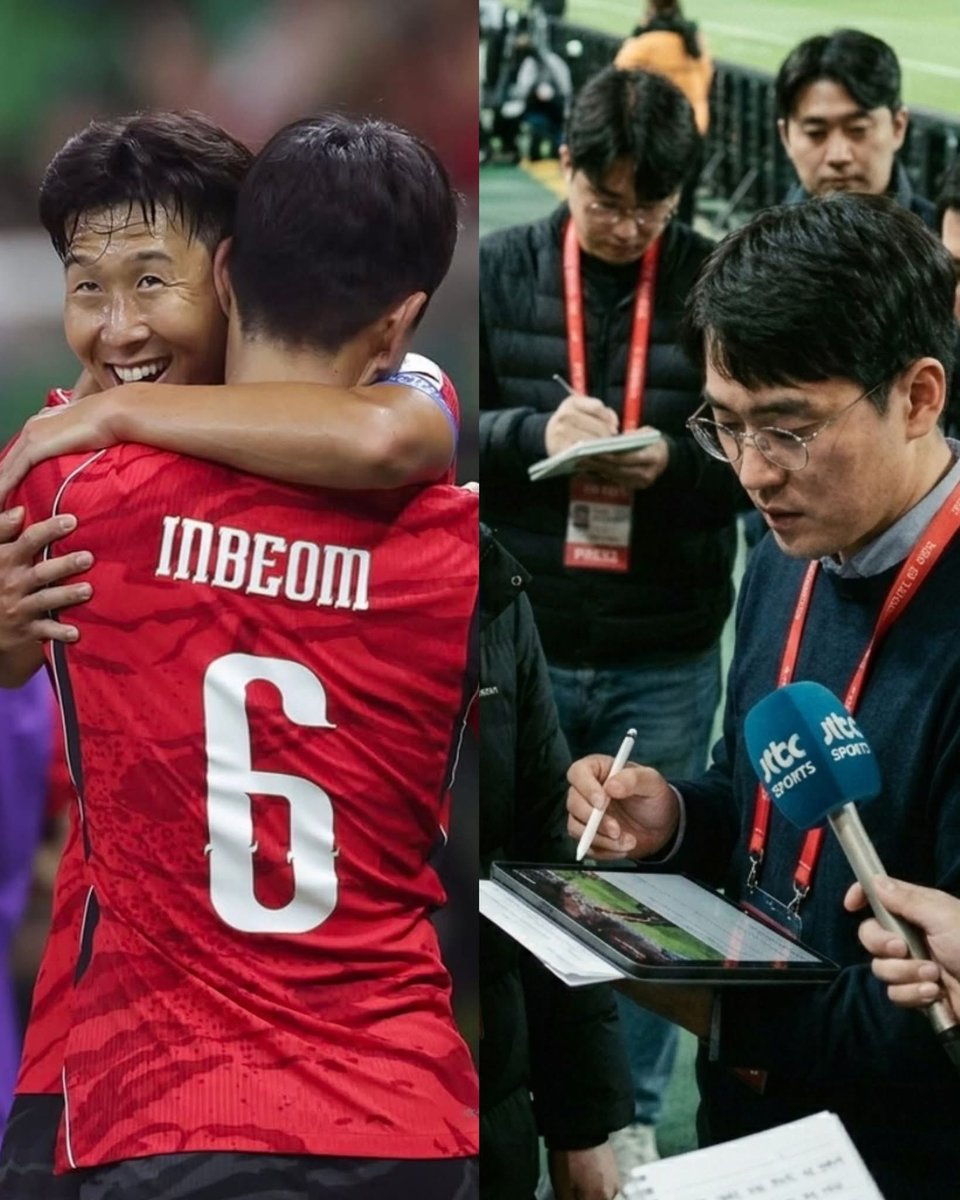
💔🇰🇷 ¡LA RELACIÓN ESTÁ COMPLETAMENTE QUEBRADA!
La selección de Corea del Sur decidió romper vínculos con la prensa de su país tras la filtración de un audio en el que varios periodistas se burlaban de su capitán, Heung-min Son.
La respuesta del plantel fue inmediata: silencio total. Tras la victoria ante República Checa 🇨🇿, Son ignoró todas las consultas en zona mixta y la federación canceló las entrevistas individuales que ya estaban programadas.
El conflicto escaló a tal punto que la Federación Coreana tuvo que reprender públicamente a los medios desplazados al Mundial.
Además, el jefe de prensa de la delegación presentó su RENUNCIA, asumiendo la responsabilidad por no haber podido controlar la conducta de los periodistas que acompañaban al equipo.
🚨 La fractura entre la selección y la prensa surcoreana parece estar en su punto más crítico.
988
5,261
83,496
18,268,345
Stroyzan retweeted

They said: “Occupy the youth with football, art, and music!”
- Sh. Abdurrazaq Al-Badr
44
140
2,411
RT @akbar_alathari: You cannot be a seeker of knowledge unless Allah has willed it for you.
- Shaykh Abdurrazzaq al badr t.co/YXk…
59