
Joined April 2020
- Tweets 7,579
- Following 1,778
- Followers 434
- Likes 13,406
344 Photos and videos




13 Mar 2025
If I still have any followers on here, I won't be here for much longer.
You can find me on @strumstrum.bsky.social, or @strum@mastodonapp.uk
1
14
4 Dec 2024
To those who follow me, I'm unlikely to post any more on Twitter. I've moved my attention to BlueSky (strumstrum@bsky.social), whilst hedging my bets on Mastodon (strum@mastodonapp.uk). I'm not going to delete my account or flounce off in some other way; I'm just going silent.
1
23
strum retweeted

13 Nov 2024
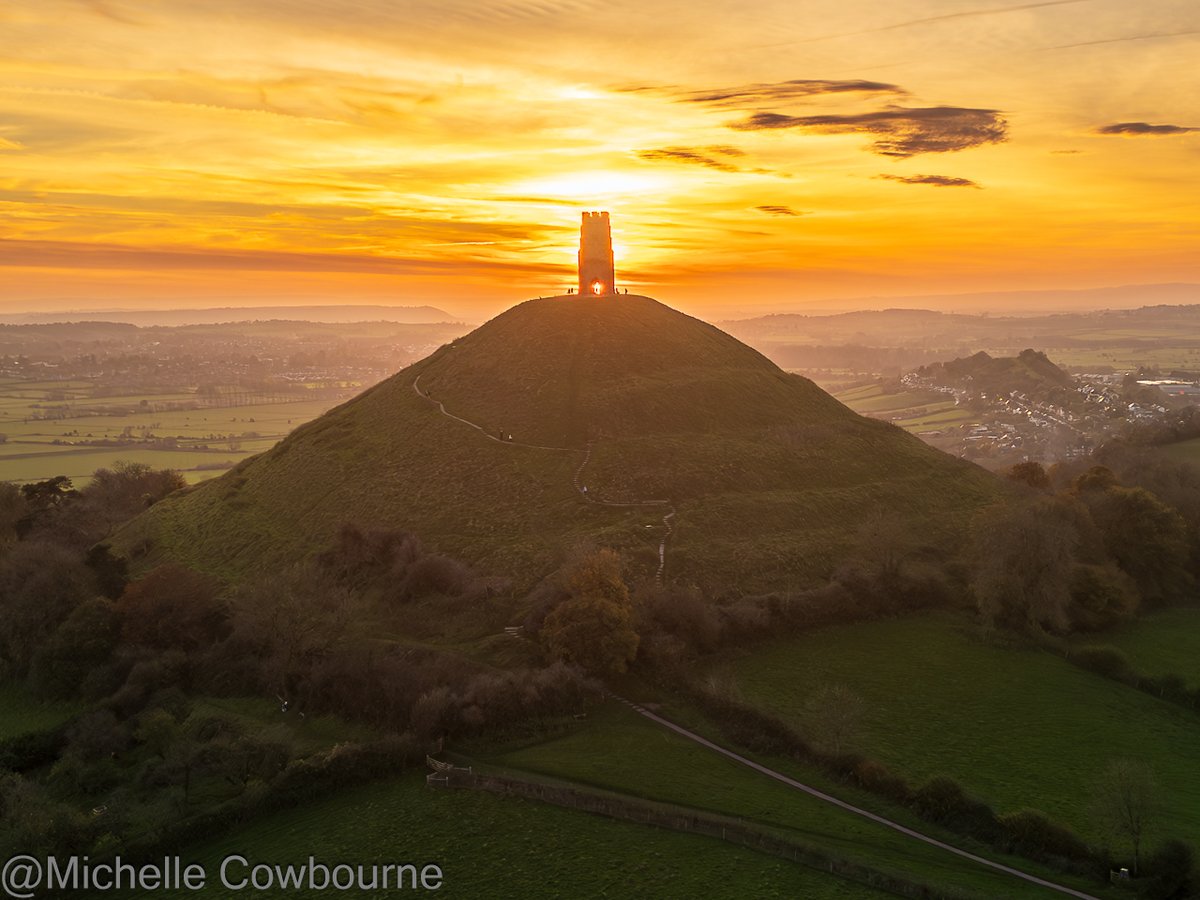
Sunset tonight here in Glastonbury. First time I have put the drone up for a few months now so thought I would give it a quick go.
47
200
1,560
14,072
strum retweeted

8 Nov 2024
There can be *no* new oil & gas if we’re to meet our #climate commitments & secure a safe future. It’s vital that we #StopRosebank - please do join us 👇

564
444
1,100
88,049
strum retweeted

6 Nov 2024
@lisanandy @UKLabour
You need to sack Tim Davie and Robbie Gibb TODAY.
A further four year Trump lovefest at the BBC is not what I pay a licence fee for.
#bbcbreakfast
6
38
137
27,589
strum retweeted

8 Nov 2024
I’ve been called a communist many times in the past few days, because I oppose Trump. But the people levelling this accusation are perfect Soviet commissar or Chinese Red Guard material. All dictatorships are alike, and all are sustained by blindly obedient loyalists.
246
750
4,597
145,987
strum retweeted
7 Nov 2024
Braverman followed by Farage.
Robbie Gibb’s grip on BBC news and political output is tighter than ever.
@lisanandy When are you going to boot Gibb off the Board?
#politicslive
12
364
1,430
23,197
strum retweeted
6 Nov 2024
I've resisted saying this for many years, because it doesn't help. But ... we are so fucked.
628
1,461
13,546
596,819
strum retweeted

3 Nov 2024
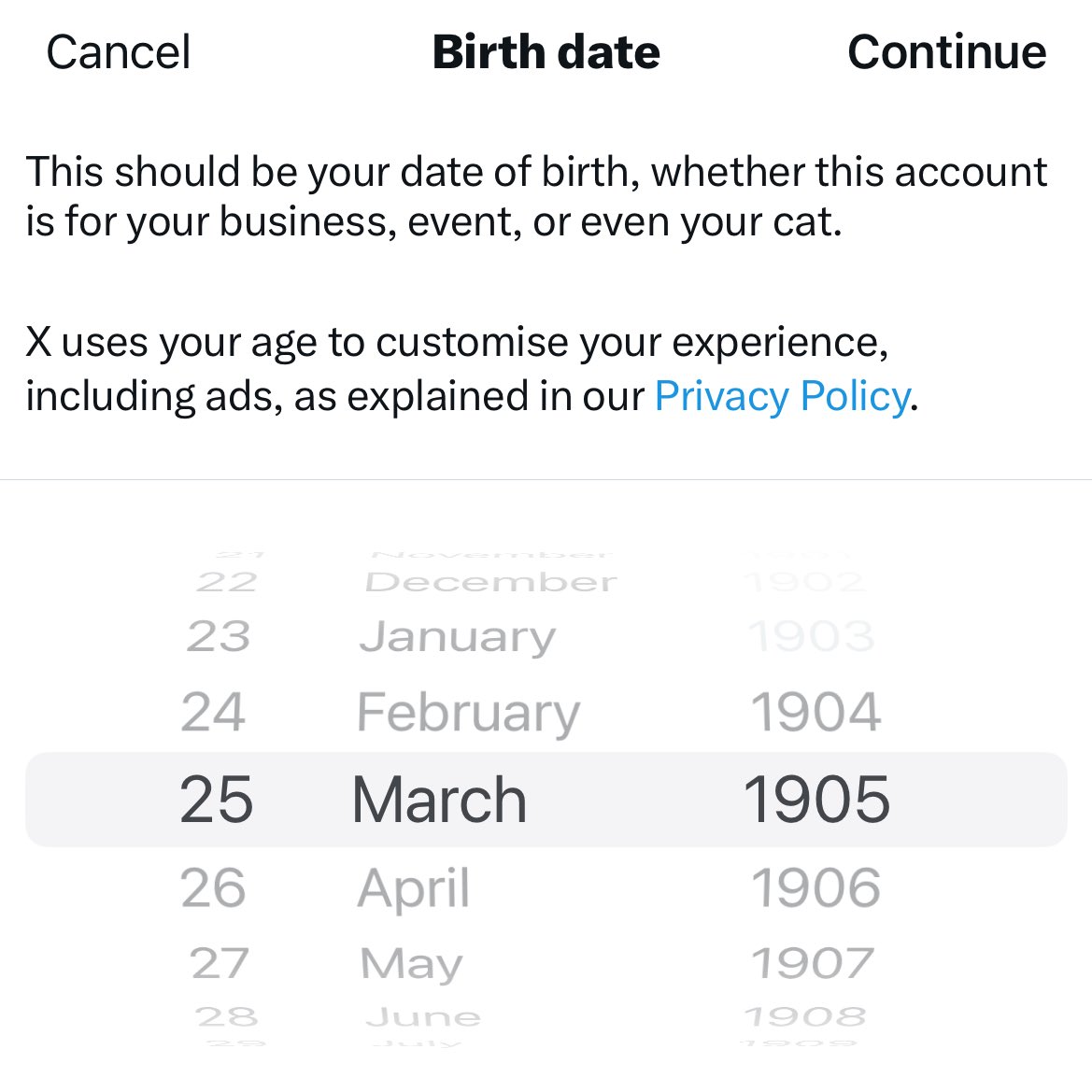
Dear Twitter, you’re threatening to suspend services to @StBartholomews if we don’t add a birth date, but you won’t allow us to go back before 1905. What do we do if our “birth date” is 1123?

93
281
3,333
252,171
strum retweeted

1 Nov 2024
Cannot recommend #AHouseThroughTime strongly enough. Part 3 was totally gripping as the lives of those living in 2 houses during WWII in London & Berlin unfolded. Meticulously researched & beautifully told - this is superb storytelling 👏👏
4
6
336
strum retweeted

31 Oct 2024
Why might there be a delay in the details of a police investigation being made public?
Well, many reasons. None of which relate to a conspiracy or a “cover-up”.
Let’s take a quick look🧵👇
278
1,143
4,328
1,183,895
strum retweeted
30 Oct 2024
I’m not going to retweet Honest Bob Jenrick’s latest desperate grift.
Suffice to say that stoking conspiracy theories about live criminal cases is potentially a contempt of court.
And any politician who saw the summer’s violence and behaves like this is unfit for office.
315
2,111
8,389
507,399
strum retweeted

28 Oct 2024
Here's our last parody song about the #USElection2024. It's called "Bohemian Trumpsody" (based on the inimitable @QueenWillRock but with only six voices & no overdubs) & we've self-trolled in it as 'libtards' already, just to save folks time who might be offended 🎶🗳️🤞
👉youtu.be/YY_8WzcHqMQ
1,234
7,159
18,038
1,804,739
strum retweeted

25 Oct 2024
As it's Friday, I'm asking all my followers to please retweet (and comment) on this post if you see it, to help my bird account be seen! 🙏😊
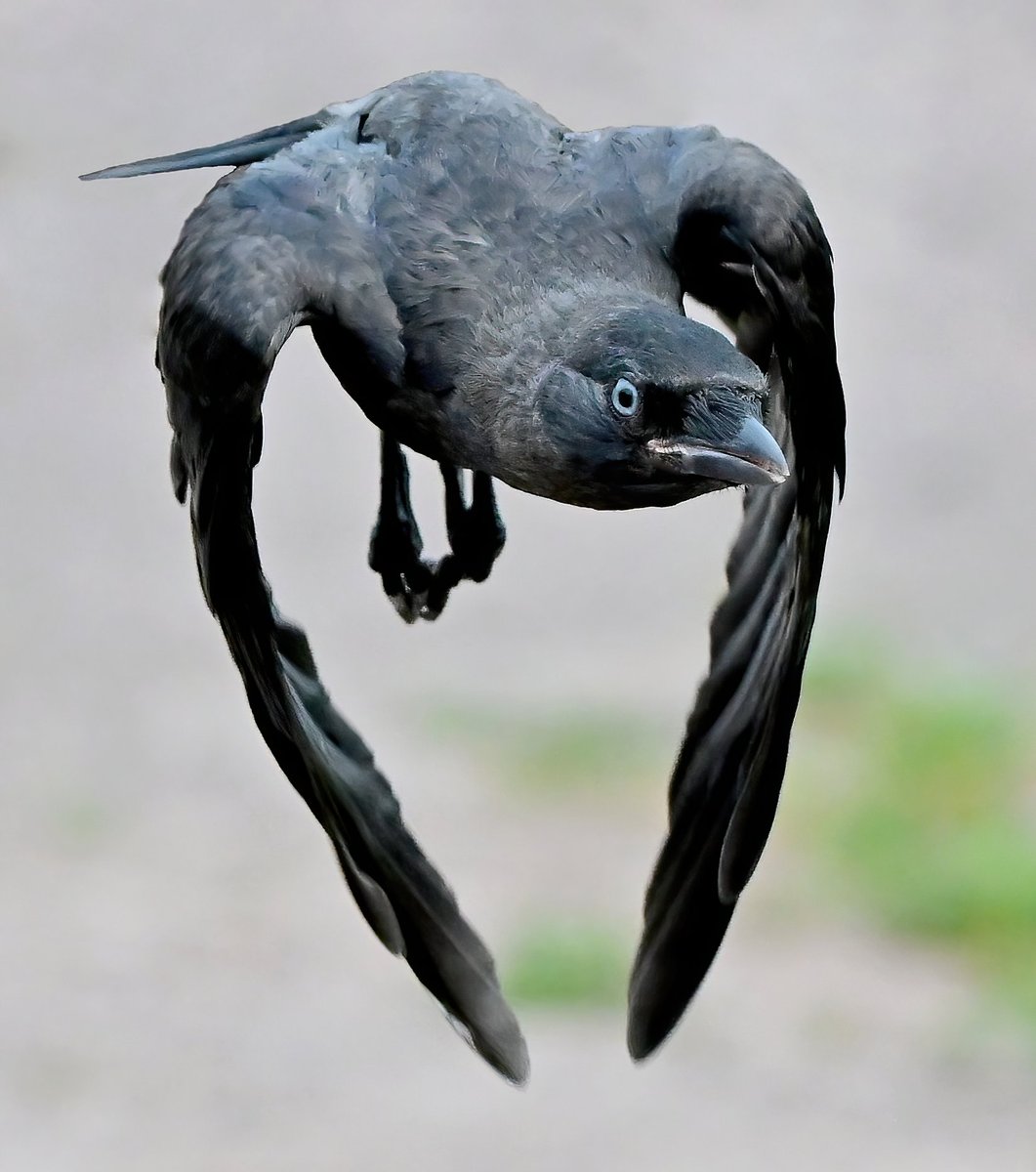
To make it worth sharing, here's a young Jackdaw flying towards me! 😁😍
Thank you very much! 🙏🐦😊♥️
379
1,947
4,010
116,268
strum retweeted

24 Oct 2024
This is a very interesting discussion because many people tend to confuse certain concepts, and it’s important not to dismiss their comments. Instead, we should aim to explain and debunk myths. For example, when we use the word “theory” in a scientific context, it does not mean mere conjecture. A scientific theory is supported by evidence that matches observations.
In this context, evolution is not just a theory—it’s a fact. Let’s examine the evidence: we have fossils showing extinct species with similarities to existing animals, providing a clear link. Additionally, we have genetic evidence that allows us to trace genetic material back in time, including how control genes work in embryos. We understand the mechanisms of evolution, how genes evolve, how to calculate mutation rates, and we have the statistical tools to perform these calculations. Do we know everything? No, but that’s why people like @theAliceRoberts continue to investigate and explain these processes. Did like a lot of the Human evolution ones.
If you have children, you understand evolution on a basic level; they resemble you, but their genetic material is not an exact copy. There are variations, some significant and others less so.
The same level of evidence applies to general relativity. We have numerous examples of evidence, including black holes, gravitational lensing, and even the functioning of GPS systems, which depend on the principles of general relativity. However, there remains an issue with its incompatibility with another theory: quantum mechanics.
Now, the Big Bang is a theory that attempts to explain how the universe came into existence, based on observations and assumptions. We have evidence like the cosmic microwave background, but it remains a theory because it tries to explain very complex processes, such as inflation, which are not yet fully understood. We might know more if there hadn’t been so much focus on string theory, which, at this point, is more about mathematical equations than concrete evidence. For more on this, you can listen to @ericweinstein or @skdh, who are excellent at breaking down these concepts.
I hope this clarifies things. My main point is that everyone is entitled to their beliefs, but it’s essential to distinguish between personal opinions and factual evidence. If you want to discuss facts, make sure you have the “receipts”; otherwise, it’s best to leave the discussion to those who are well-versed in the subject. Always happy to discuss.
1
1
6
1,502
strum retweeted

24 Oct 2024
@lisanandy time to sack the BBC Board of Johnson luvvies who keep Kuenssberg, Bruce, Mason and Robinson on Tory track. Their tactic to help Trump to win by gaslighting us about Labour. This is orchestrated.
1
3
5
43
strum retweeted

21 Oct 2024
1/9 🧵The right wing press, informed originally by its allies in History Reclaimed, is repeating this misinformation again and again in its attempts to prevent a conversation about reparations. Each time it is repeated it needs to be called out because it is being used to suggest that Britons made enormous financial sacrifices to end slavery around the world.
Here is the reality:
23
317
769
295,886

strum retweeted

18 Oct 2024
The horrifying reality of being a woman, perfectly summarised by @_CaitlinORyan
If you give even the slightest shit about women, watch it all. This is what it’s like.
444
6,083
20,084
2,129,419