Generative Art, Algorithmic Illustration and Design.
Joined May 2019
- Tweets 18,084
- Following 1,687
- Followers 15,506
- Likes 50,173
1,926 Photos and videos

Pinned Tweet

9 Sep 2023
Hello! I'm Kwame Bruce Busia, but many know me better as just Bruce or Studio Yorktown.
My artistic journey has taken me from architecture, to photography, graphic design, and even creating tools for fellow digital artists. Today, I'm deeply immersed in the world of generative art, exploring the creation of art via the use of computer code.
I explore various art forms and mediums and while I don't have one particular aesthetic style, my creations are guided by two things: attention to detail and a love for simple concepts that can both delight and surprise.
I'm enthusiastic about web3 and the future of NFTs and believe in their ability to open up innovative ways to connect with others and distribute art.
I release my works across multiple chains like Tezos, Ethereum and Solana, creating ‘Sabler’, ‘Tesseract’ and ‘Perpendicular Inhabitation’, as well as had my work displayed internationally including at Art Basel Miami Beach and the NEAL Digital Gallery in China.
For a glimpse into my past, present, and future projects, feel free to follow the link in my profile 🙏🏾
🔴⚪️⚫️

63
115
771
57,217
Has been a while since I last read an article through to the end. I always welcome intelligent commentary with authentic and well-considered perspectives. This is one such piece. It articulately explains the shortening lifespan of creative and cultural scenes. Well worth a read.

1
1
8
1,035
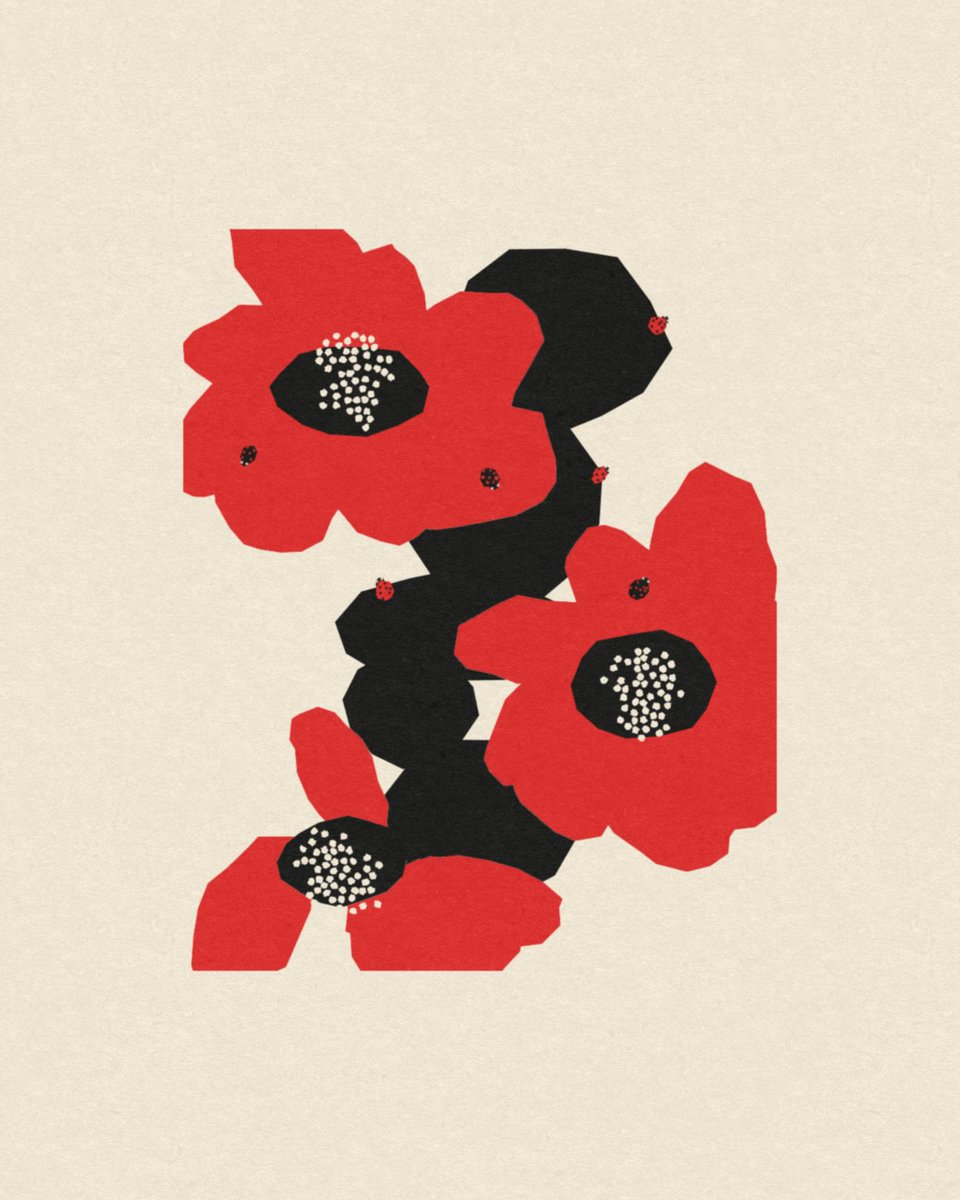
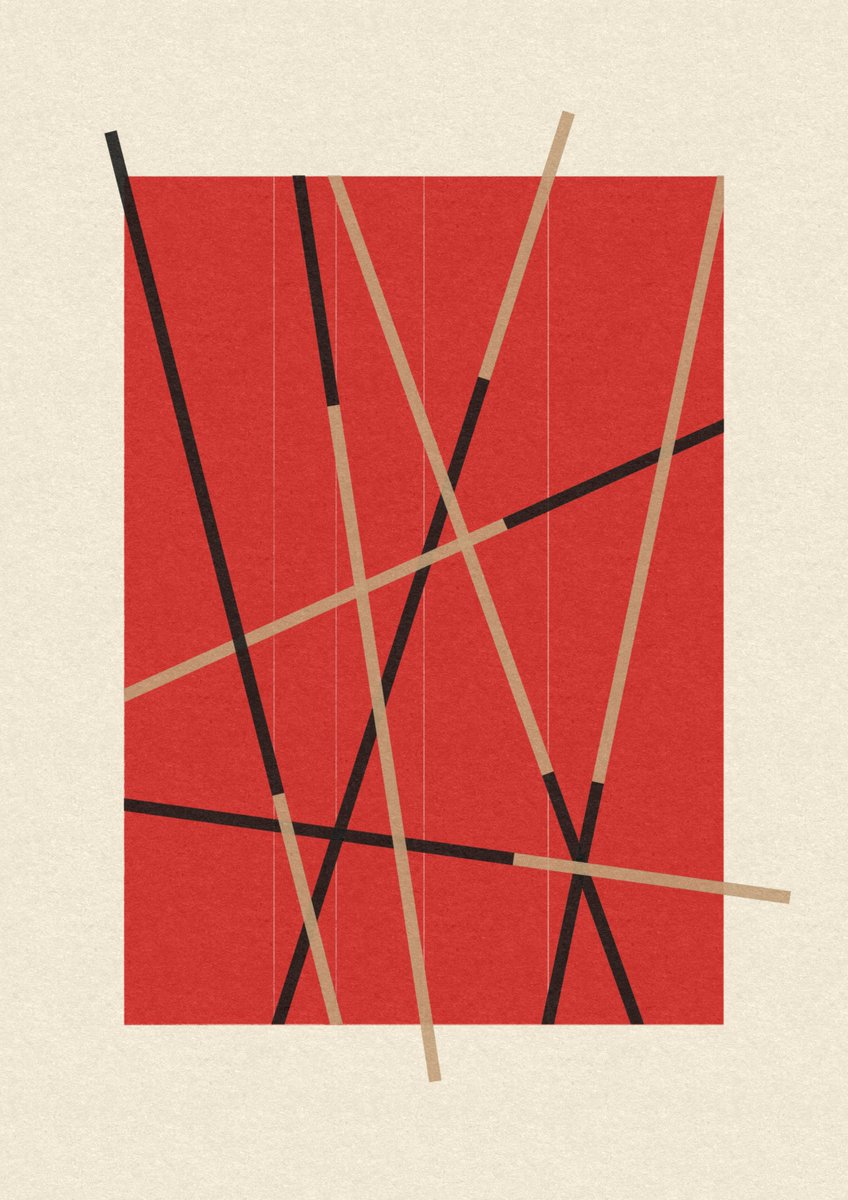
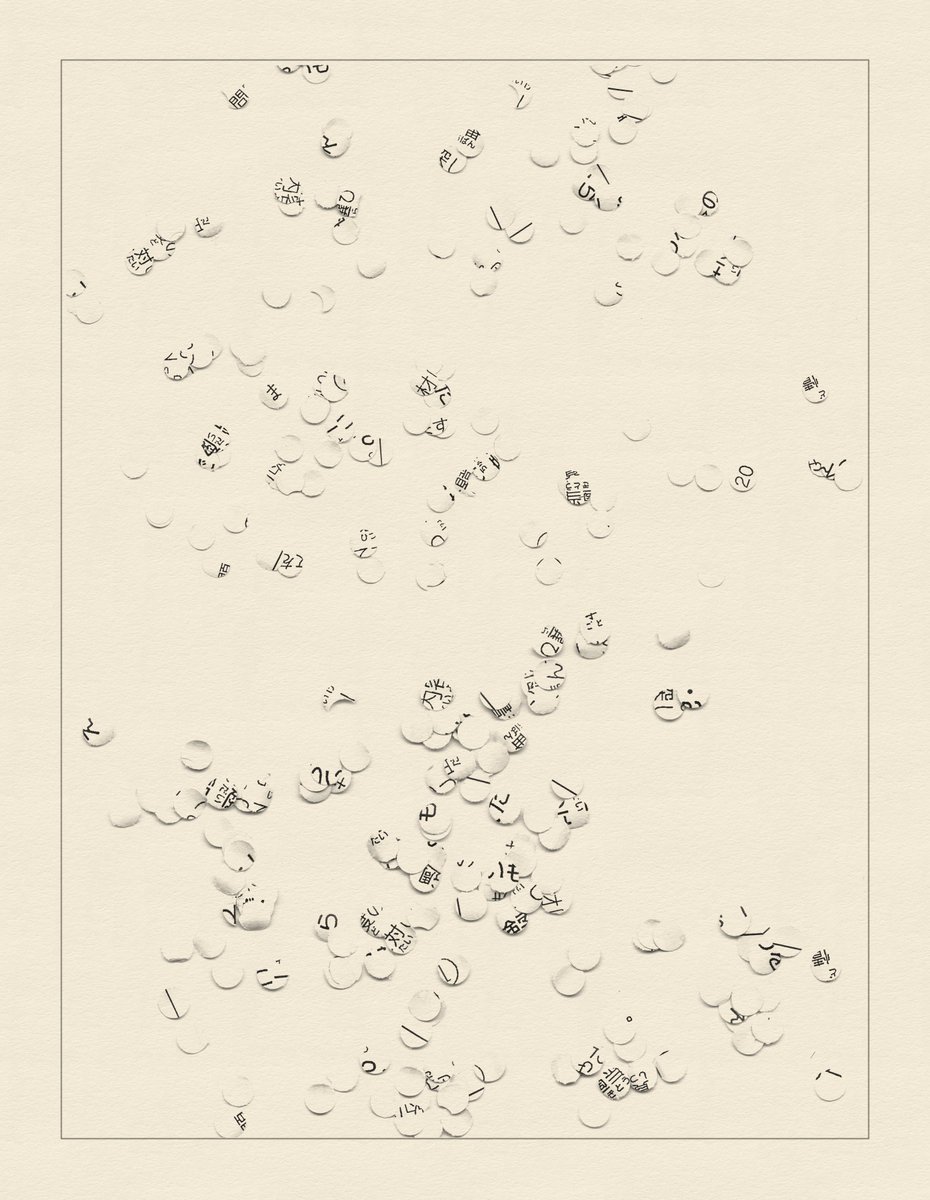
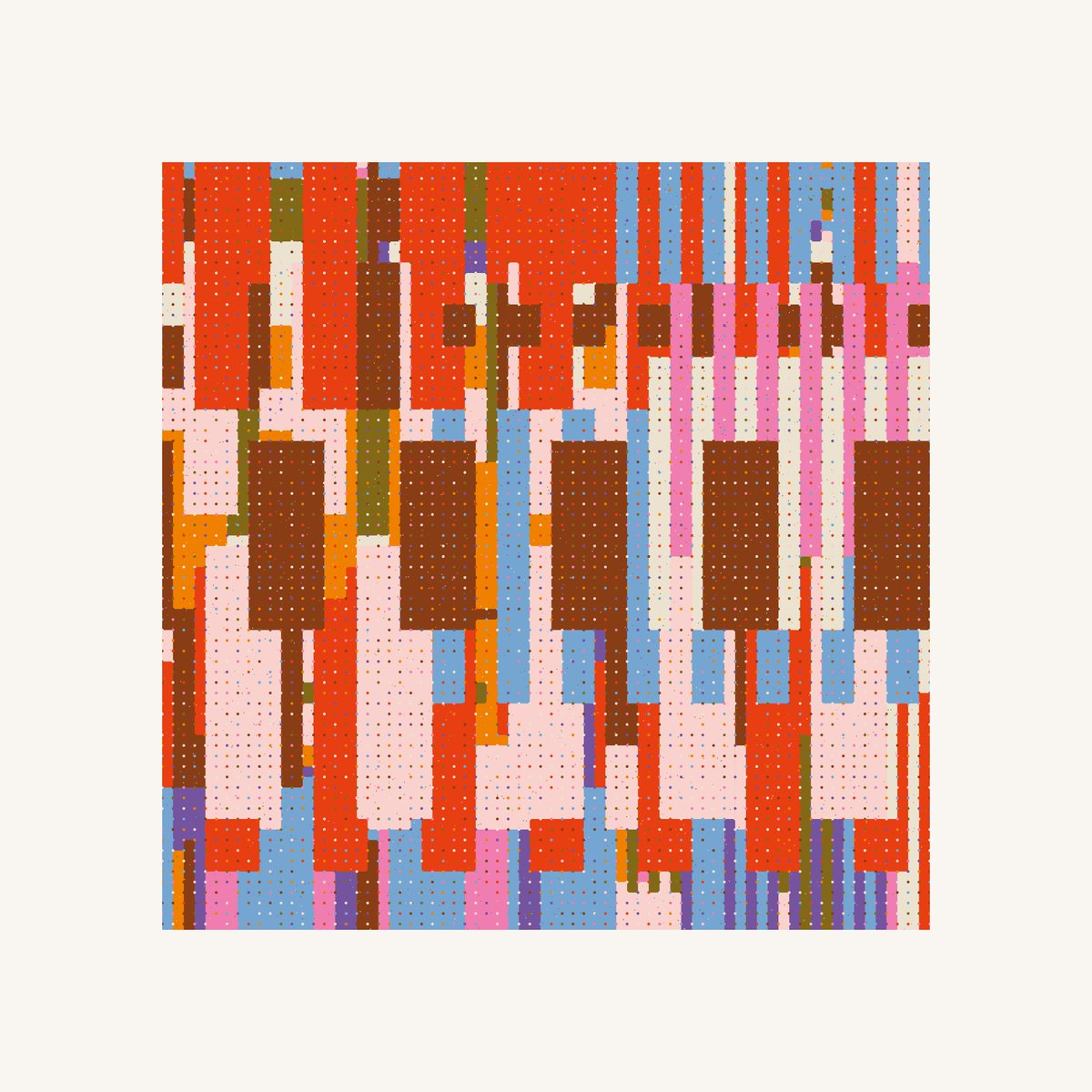
'Ichigo' (2022)
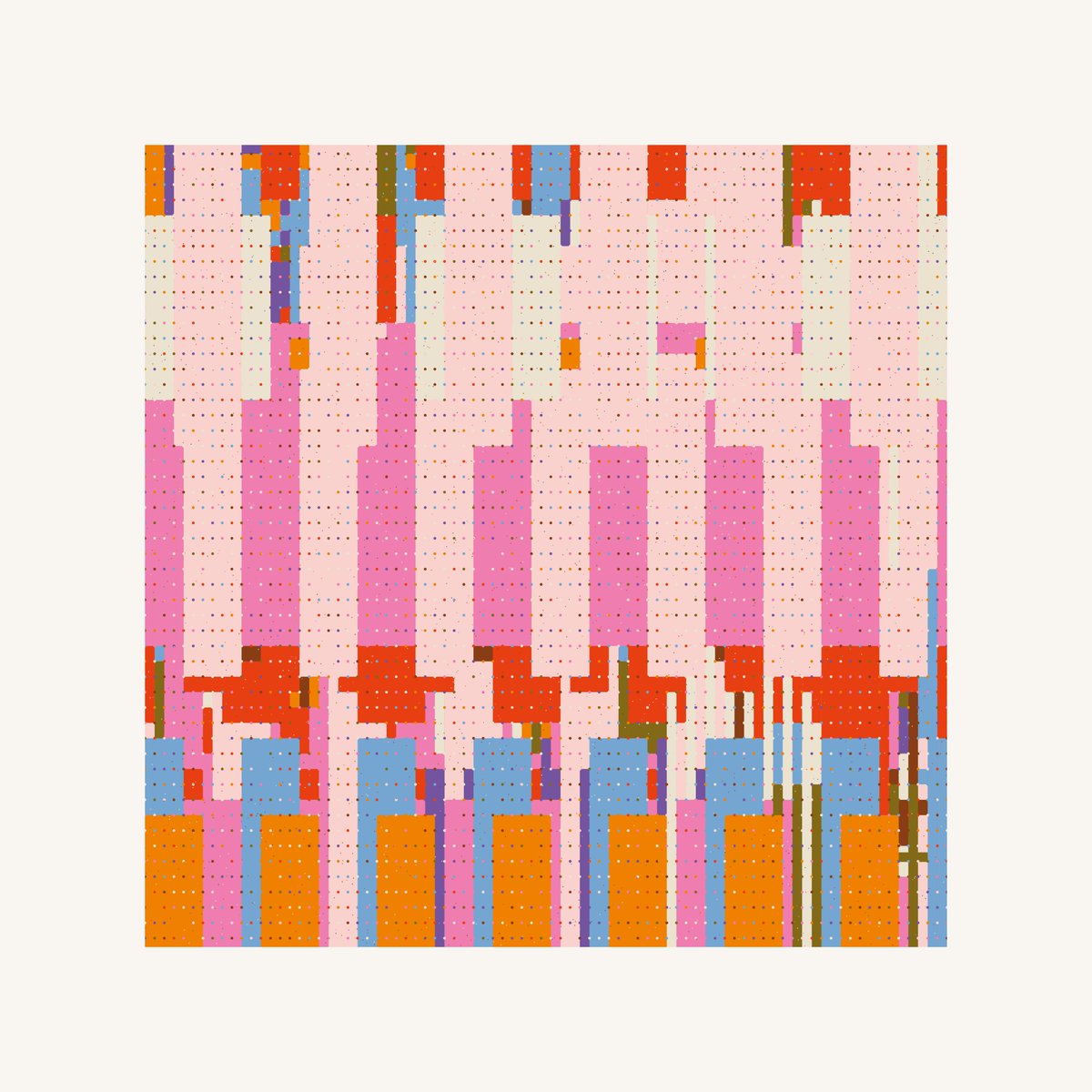
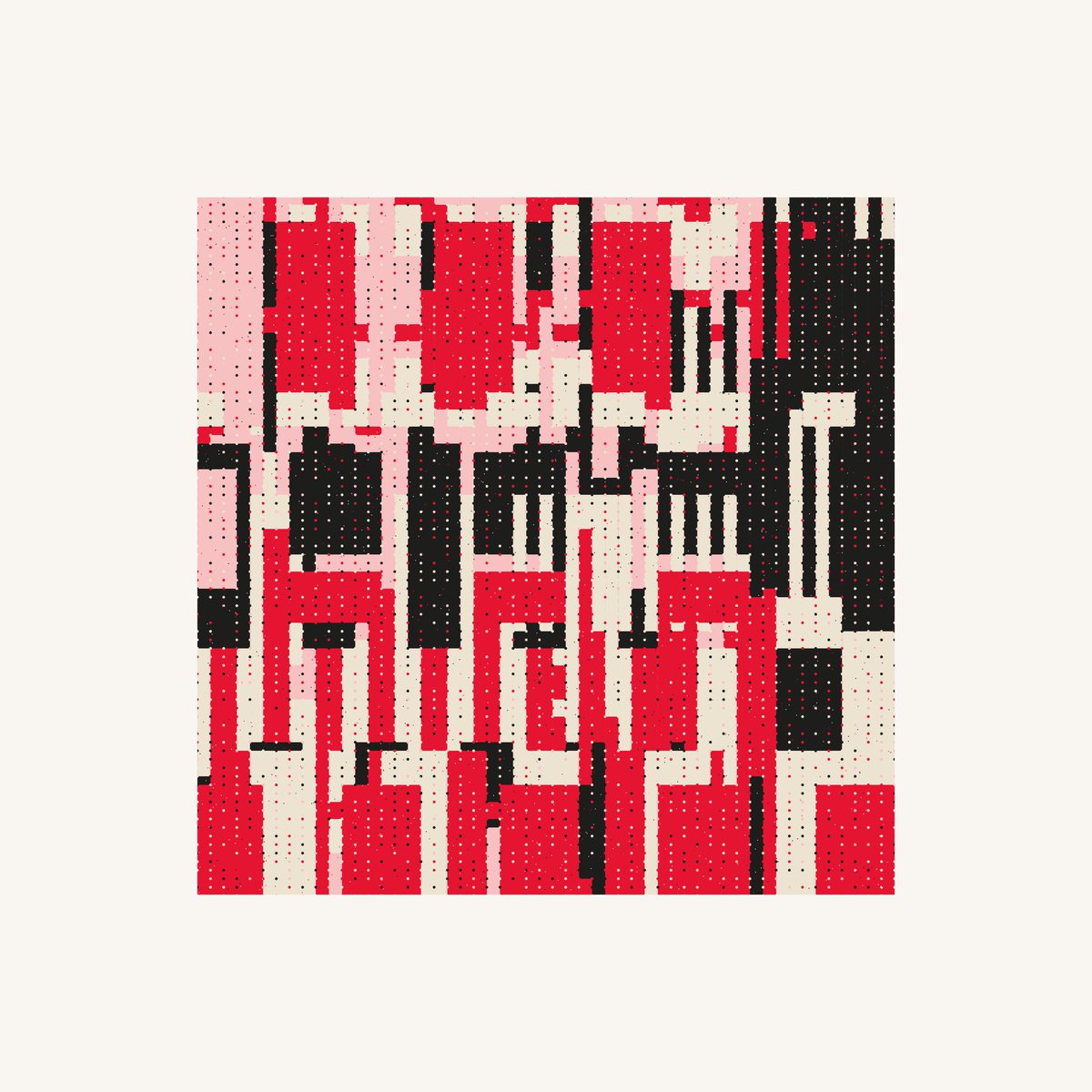
Another quiet release. Curious if other artists ever organize their work into 'main' releases and 'not main' in their mind. Even though I put the same work into them all, I sometimes reminisce about them differently.
Generative art made w/ code (p5.js)
3
5
46
1,028
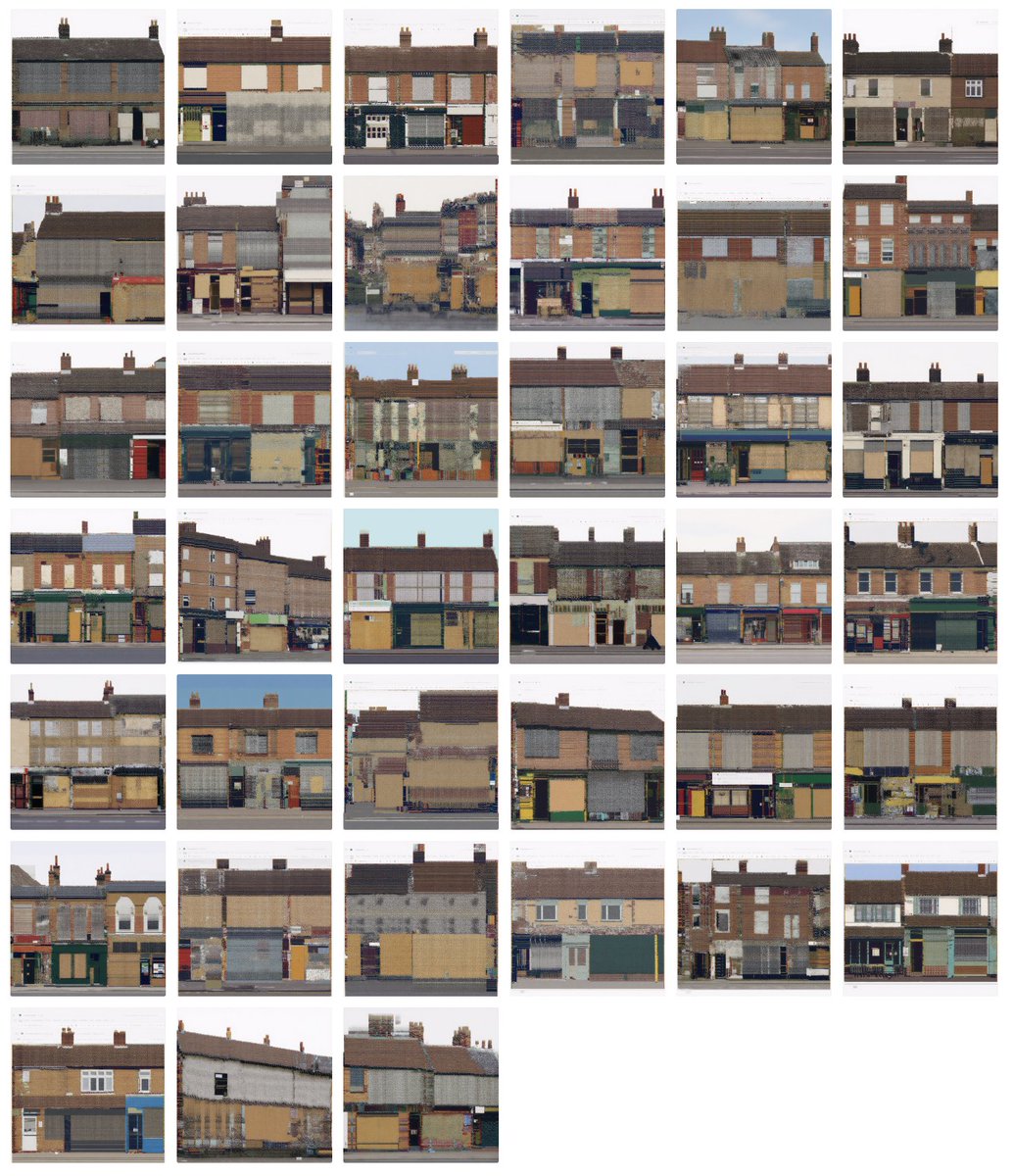
Just picked up four from this stellar collection. Reminds me of walking on various London High streets looking for a Greggs Bakery.

2
1
8
1,087
Prompting is not the art.
The art is what led you to the prompt.
A prompt is simply a description of something you want to exist. If AI disappeared tomorrow, one could still find countless other ways to make their idea a reality.
Artistry outlives its tools.
2
1
15
571
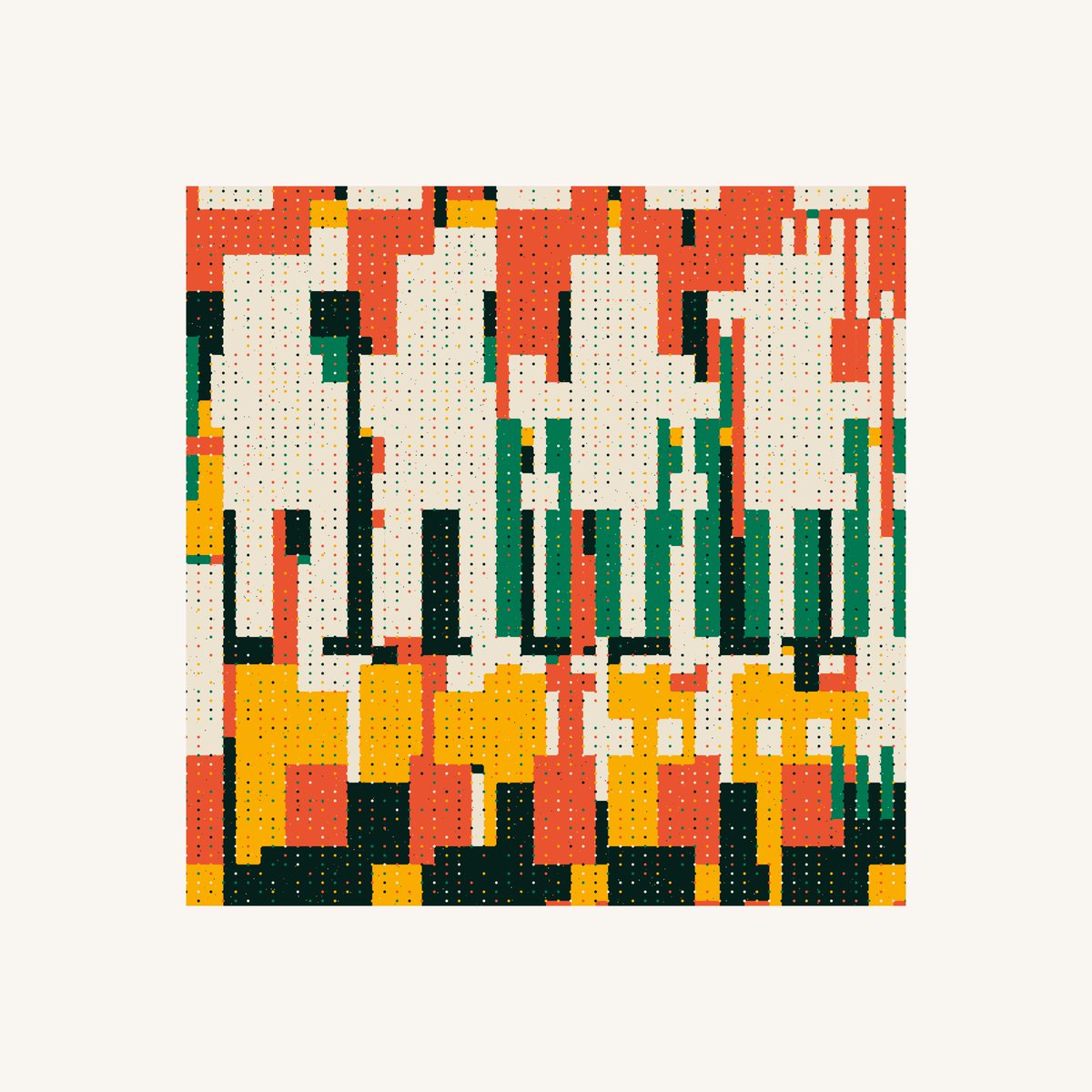
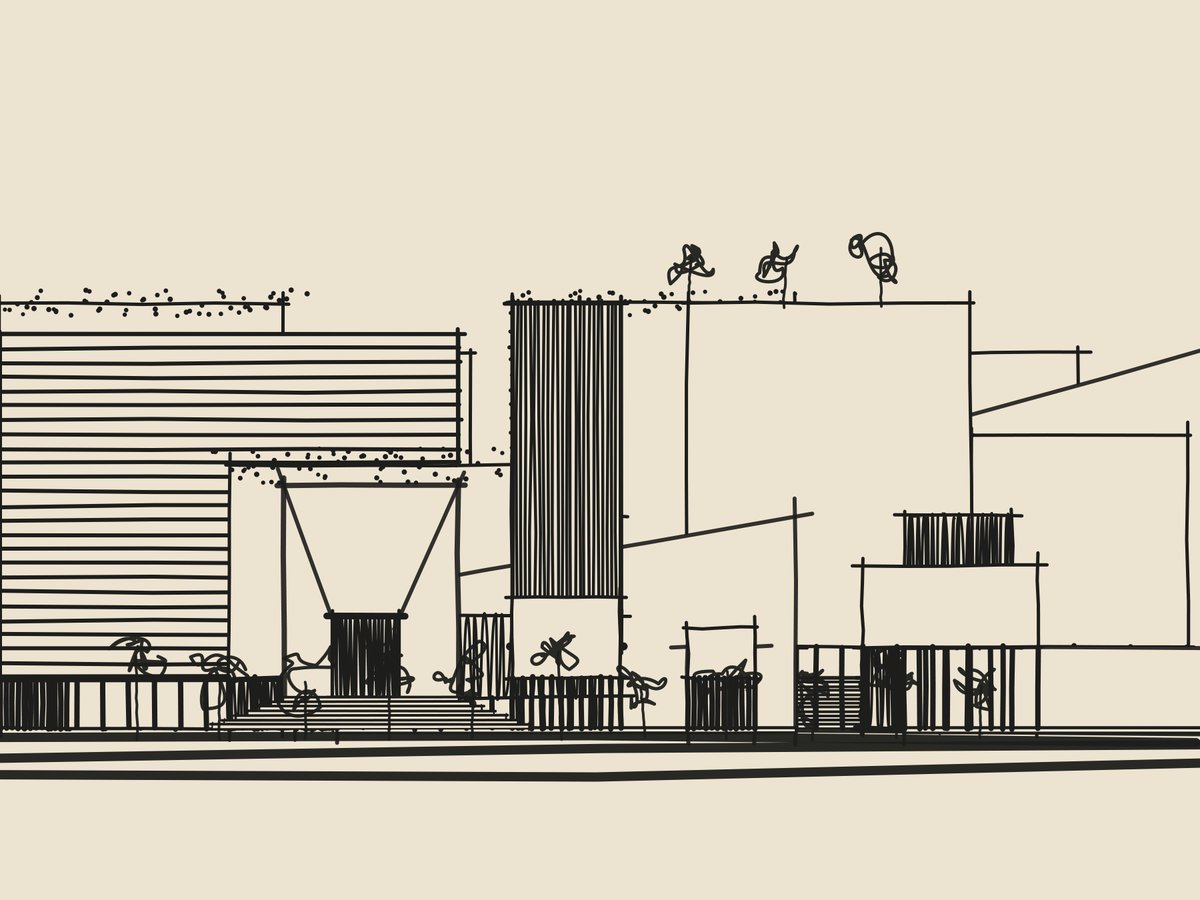
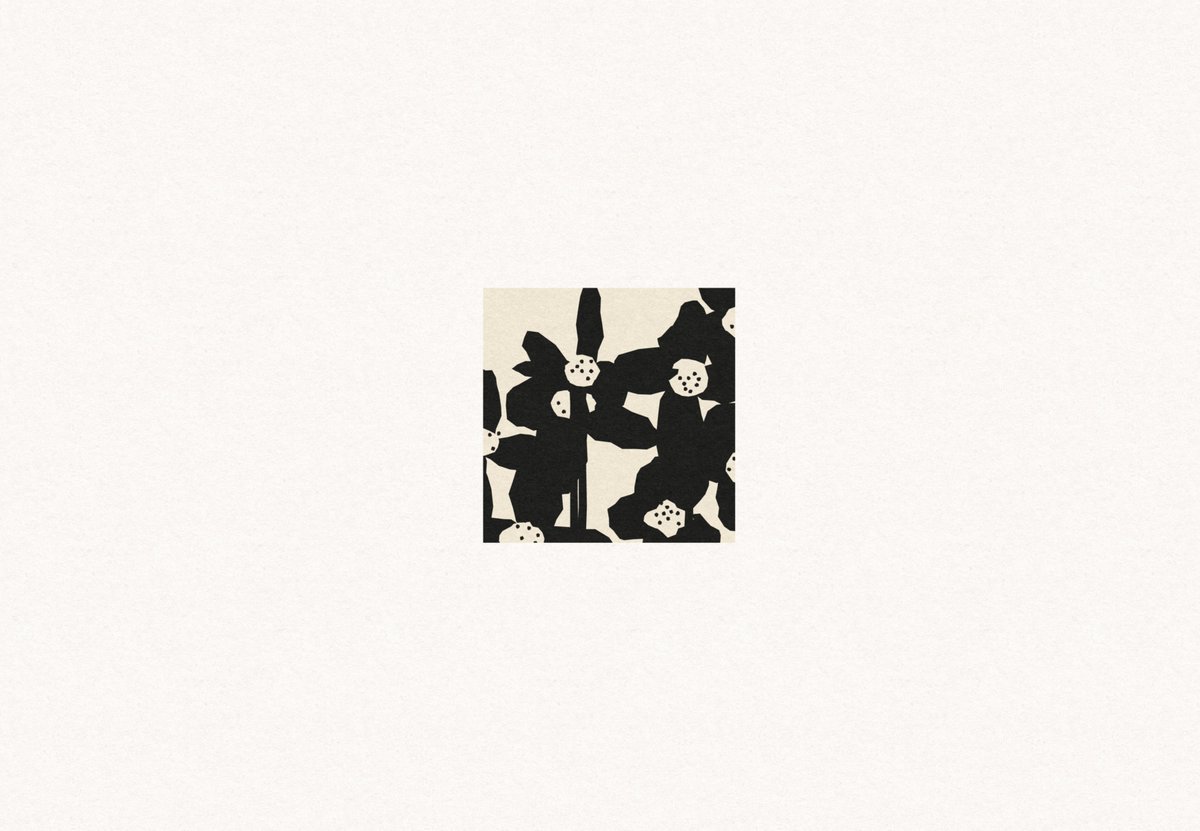
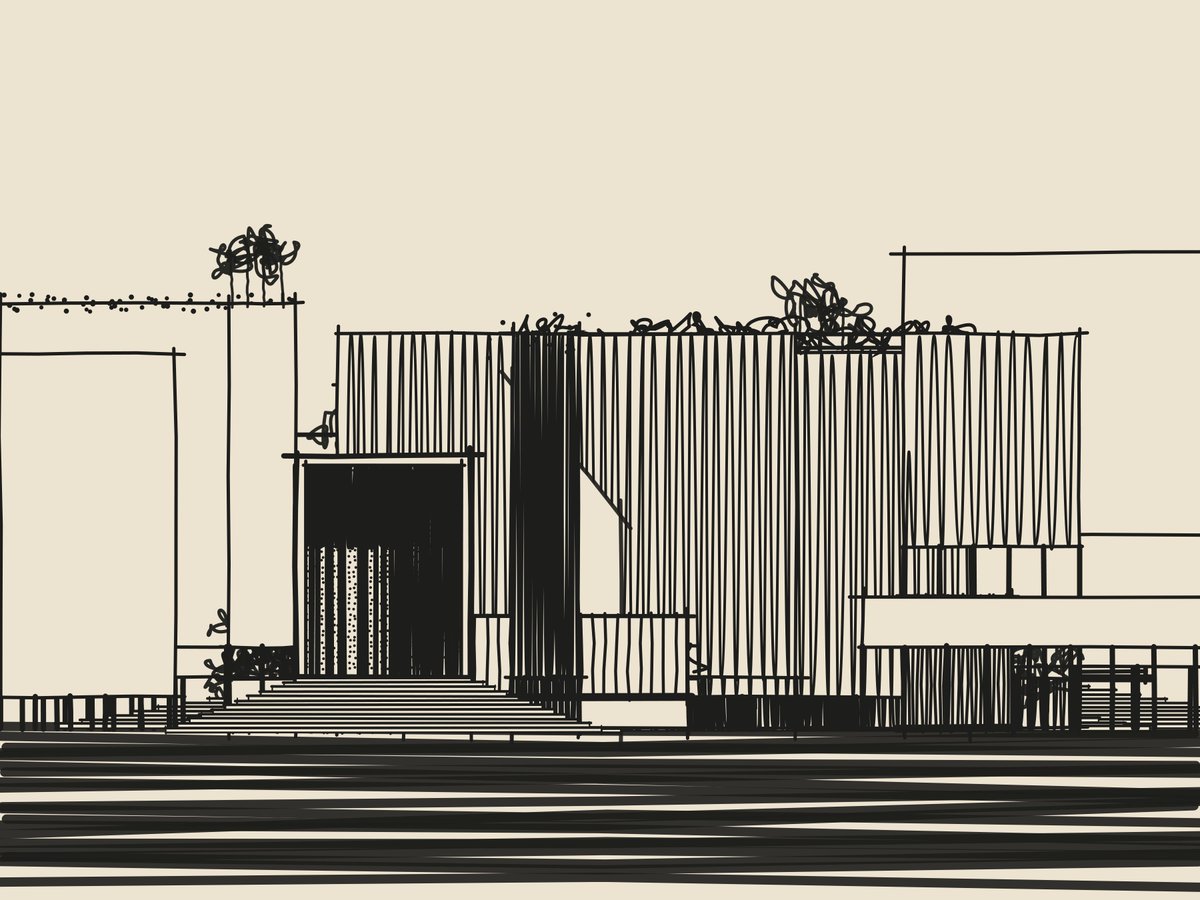
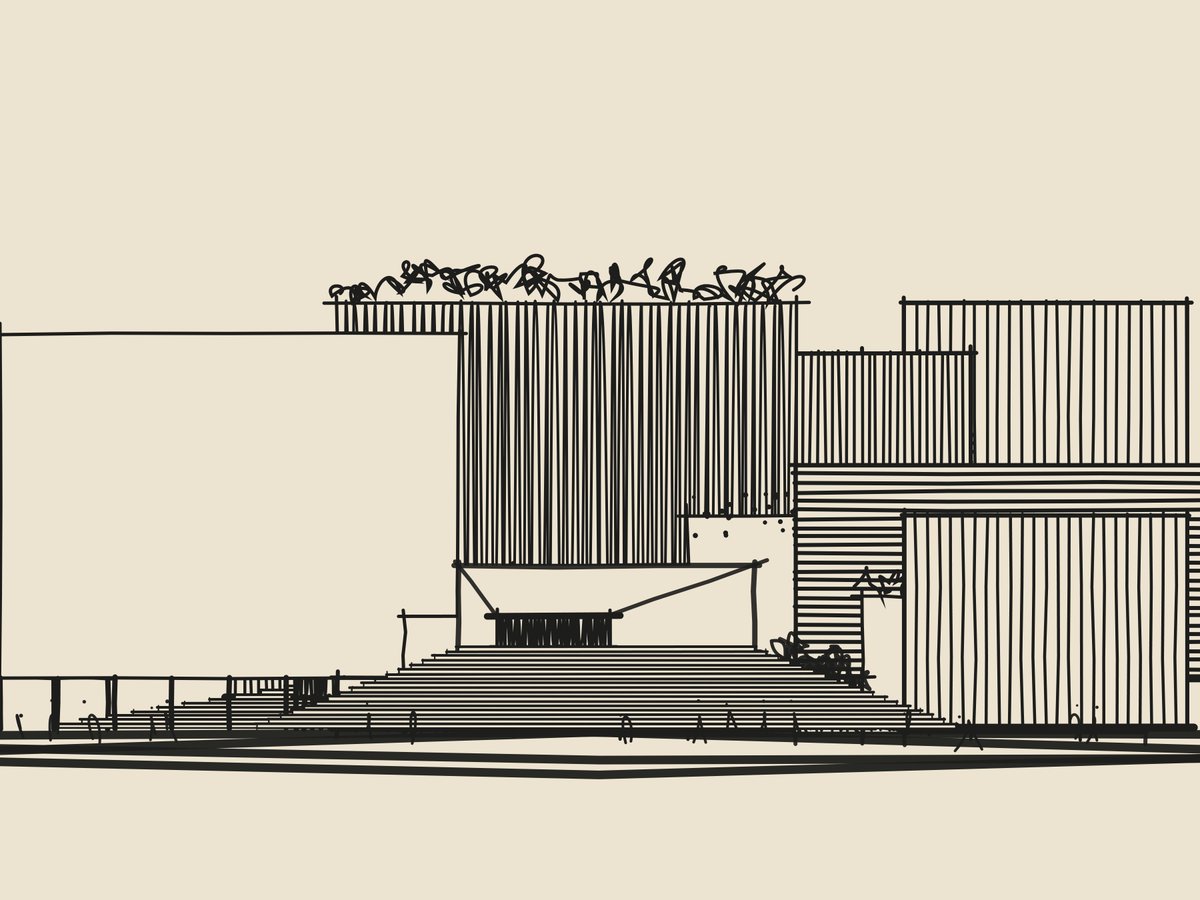
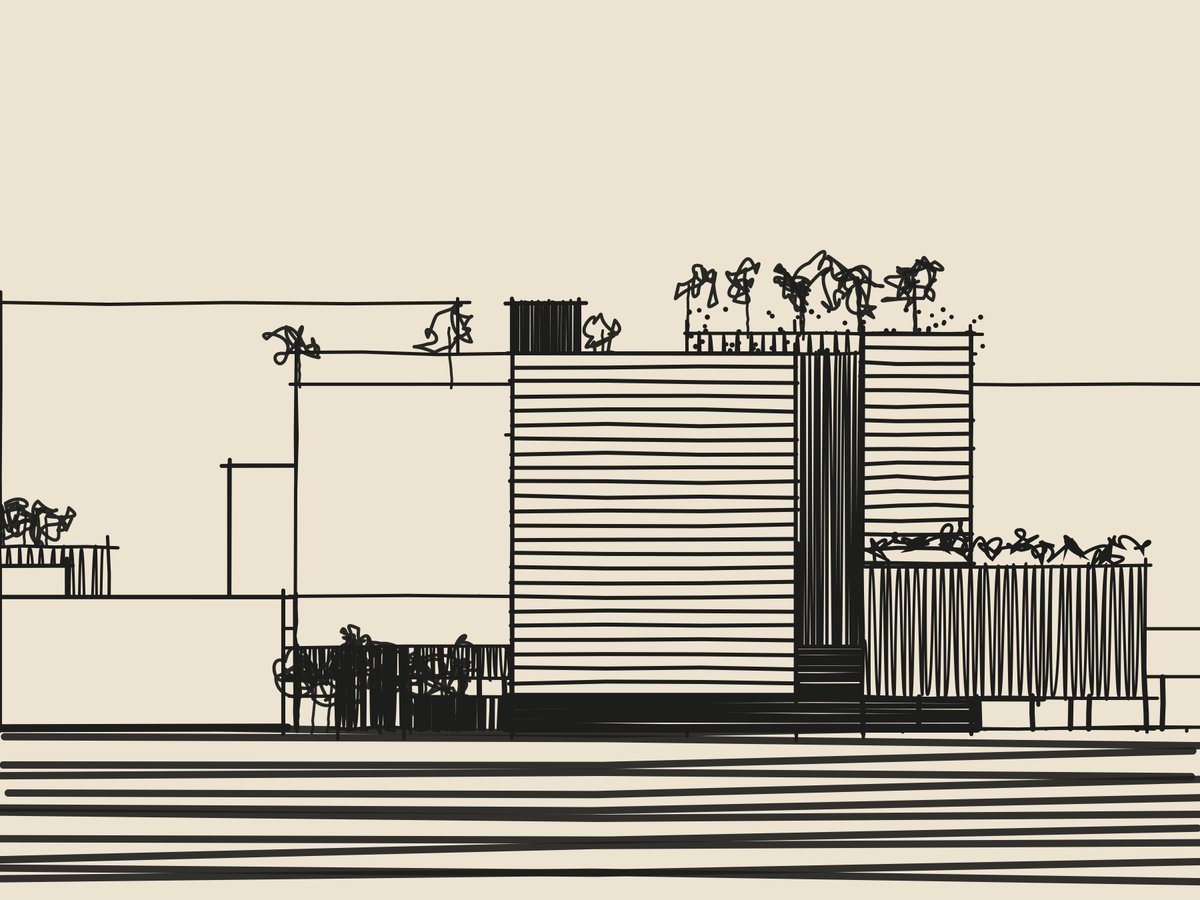
A quieter release, but perhaps the collection which is the most 'me' of all. I recreated the aesthetics of my architectural concept sketches in code as authentically as possible.
3
19
185
6,391
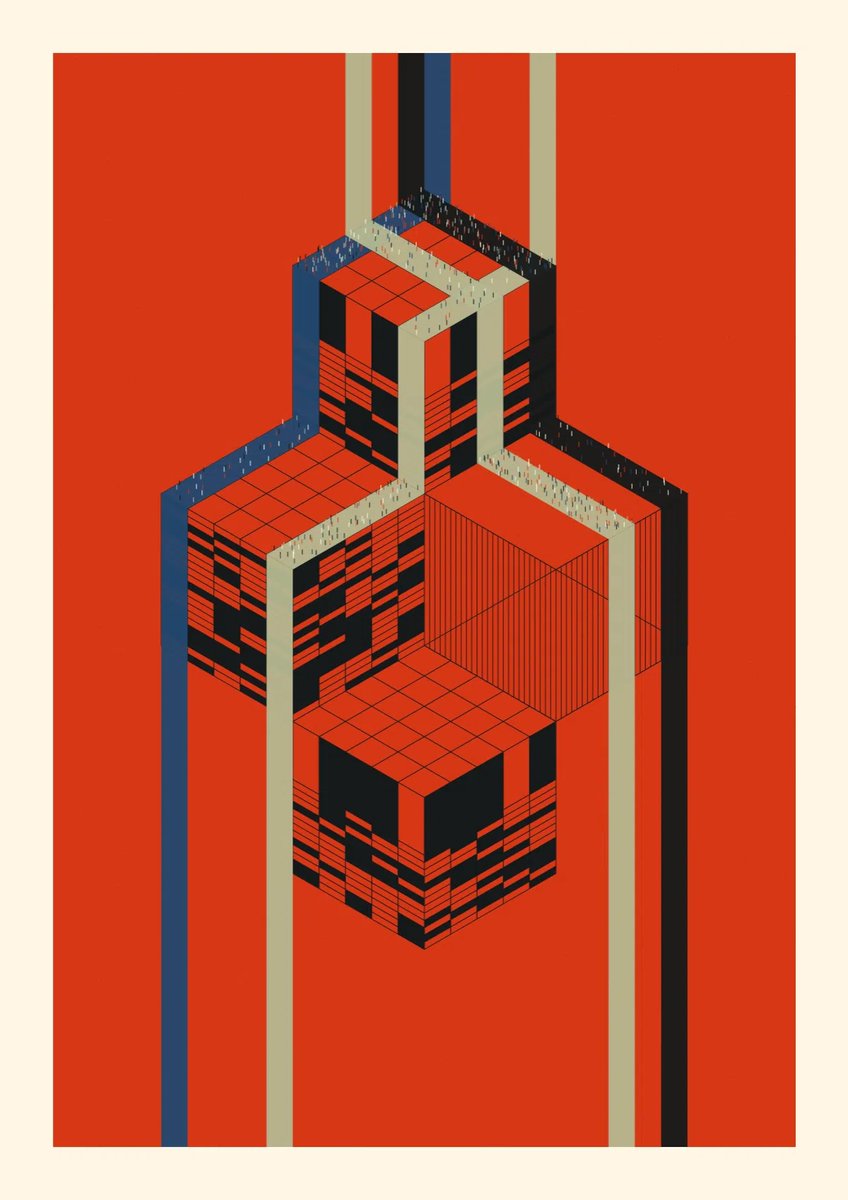
Tesseract #432

Just added this OG Tezos banger Tesseract #432 by @StudioYorktown to my collection on @objktcom
2
17
474
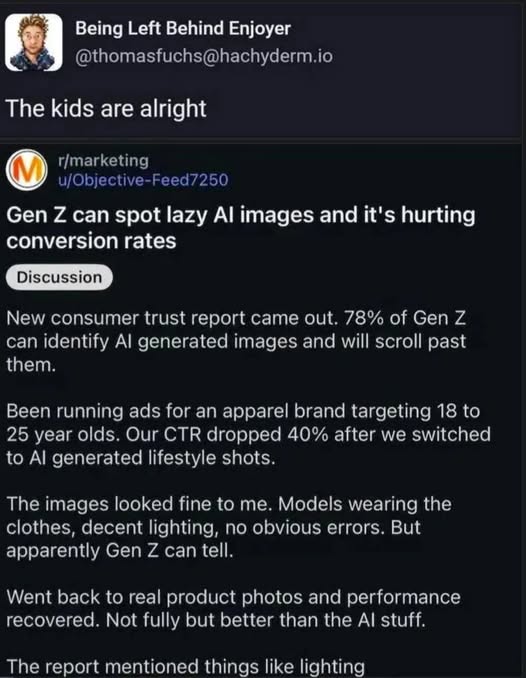
AI product photography has lower conversion not because of realism, but because it tries to bypass a human requirement for trust signaling. The key factor is not presentation, but what it costs you in terms of effort, time and investment that says you stand behind your product.
May 30

1
1
8
876
Getting a decent result from AI is not really as simple as just entering a prompt. Unfortunately as long as most people believe that is the case, almost all AI use becomes a shorthand for low effort. Exceptional AI use however, still often achieves the intended positive effect.
1
6
297
Bruce | Studio Yorktown retweeted

May 28
What's wrong with the Internet?
Maria Popova has a simple answer: the word content.
She says: "I'm allergic to the world content. It's used to sell the container, which is your attention in the advertising."
By that, she means: "We have reduced creative work, cultural matter to what we call 'content,' which presumes a container. The content is used to sell the container, which is your attention in the advertising.
This is what carries the modern Internet, and we're making everything creative subservient to that. It's the content of the package that is being sold.
And I just hate that. I'm allergic to the word content.
There's been more and more and more kind of a shallowing of cultural material as the Internet has moved more and more toward clickbait and listicles.
I just find it unsatisfying. I'm not moving away from it on moral grounds, although I don't agree with a lot of the business choices Silicon Valley has made. I'm just moving away from it as a human being who doesn't find it compelling."
4
17
89
14,593
28.05.2026
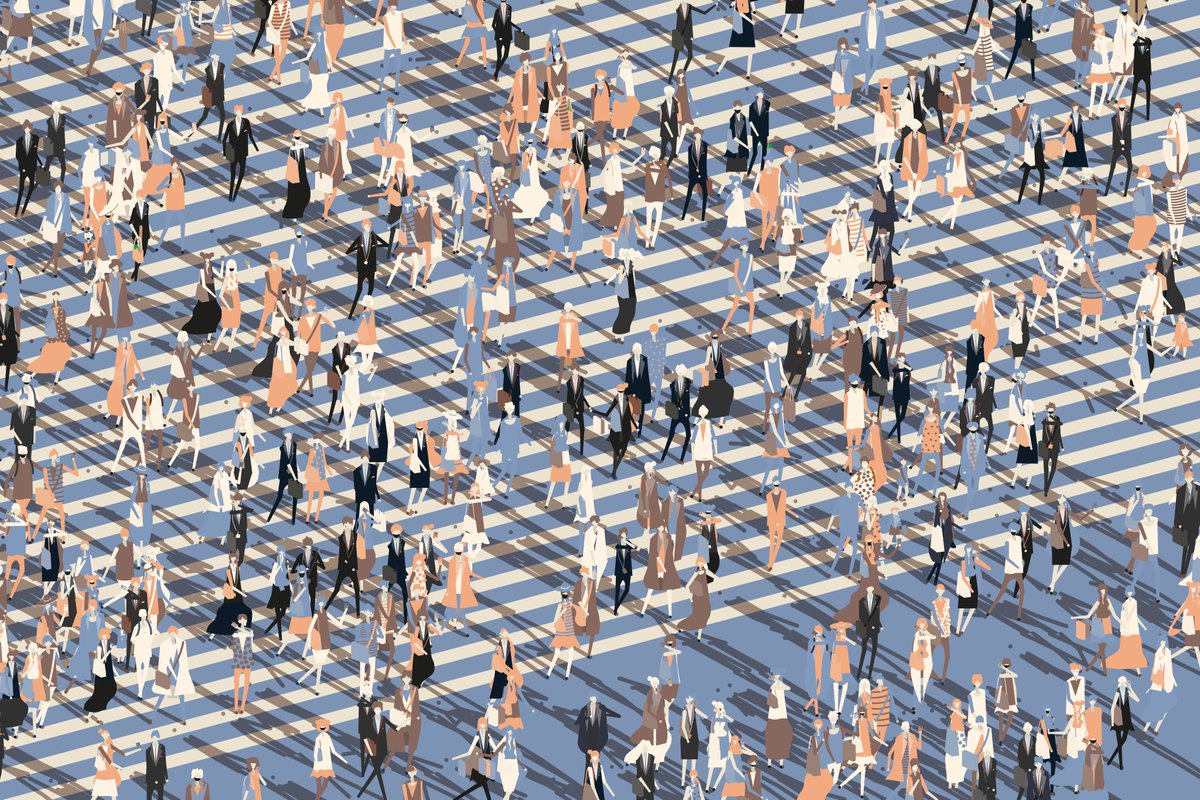
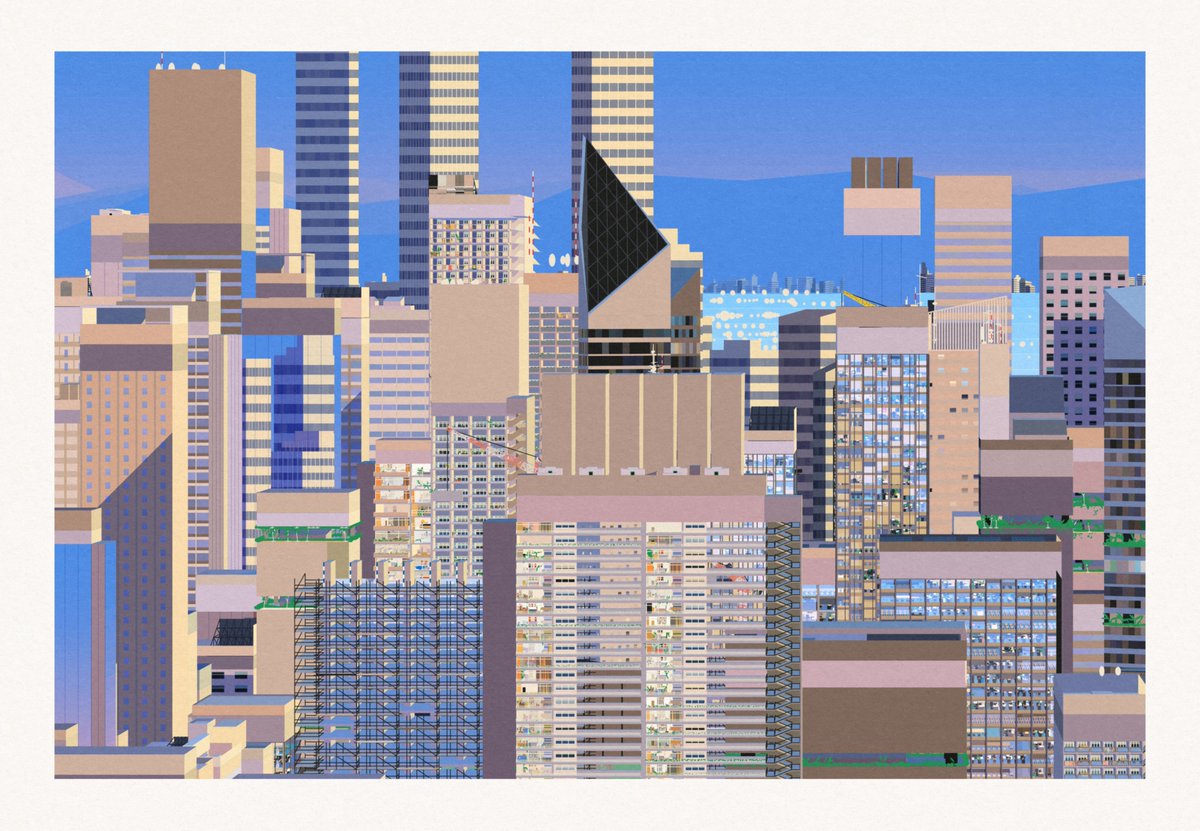
Do you see a crowd or do you see individuals?
Algorithmic Illustration made with code / p5.js
2
2
13
420
27.05.2026
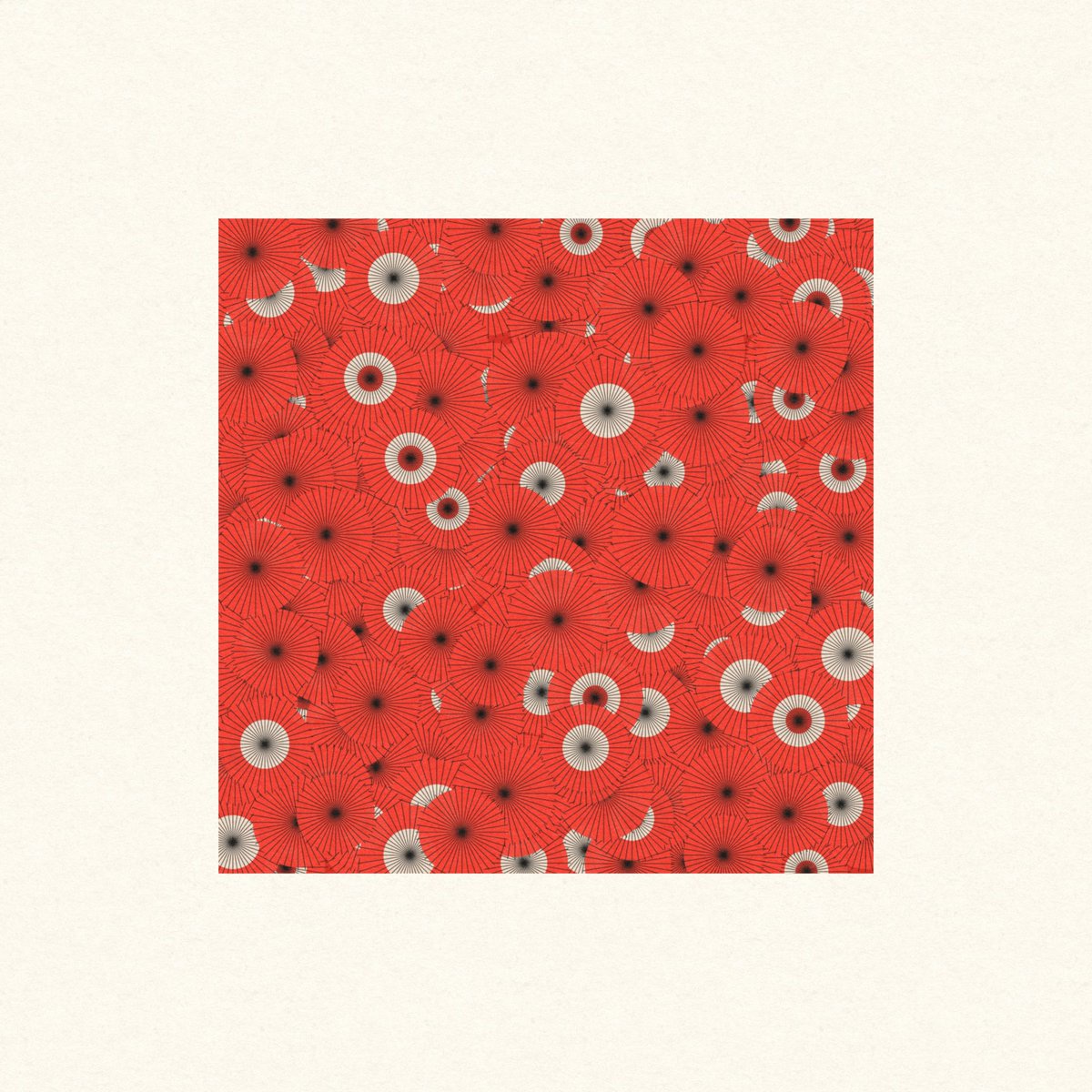
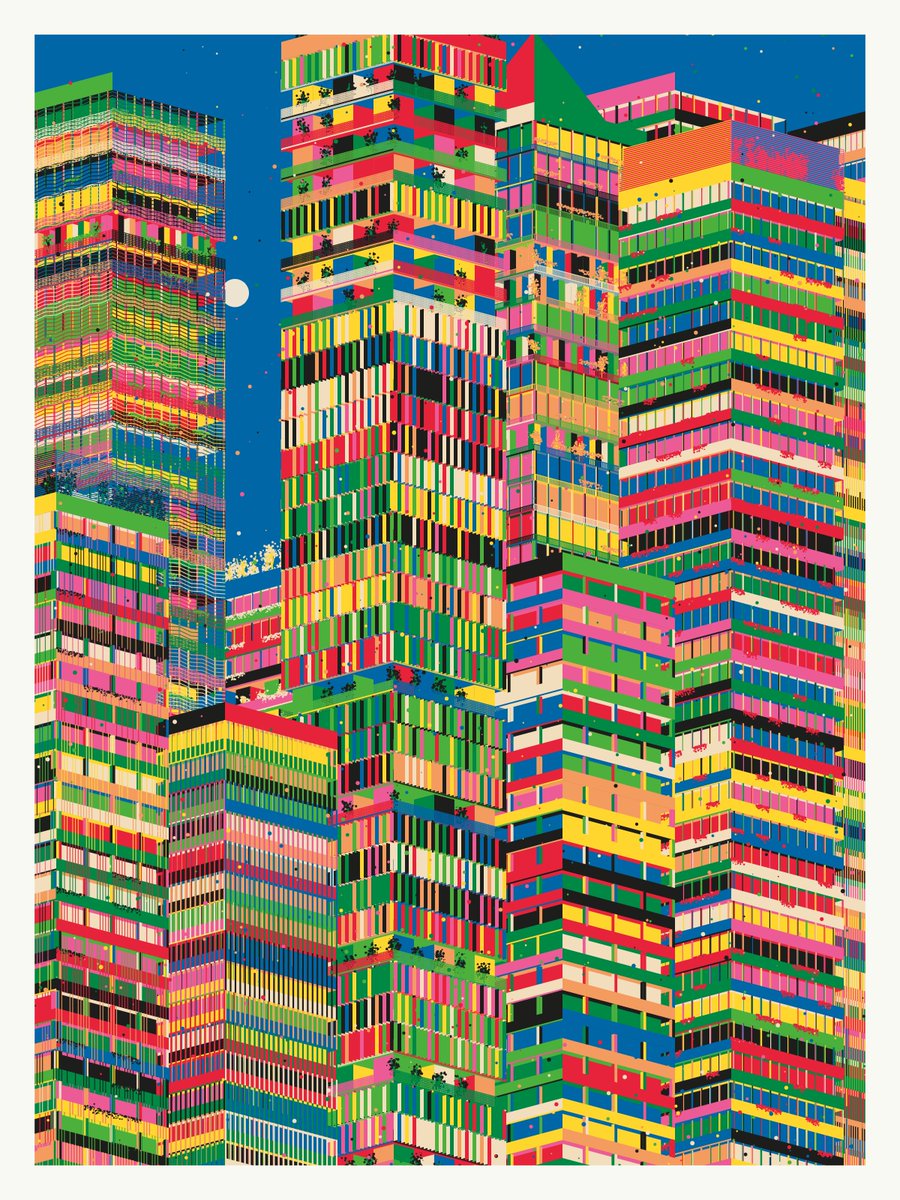
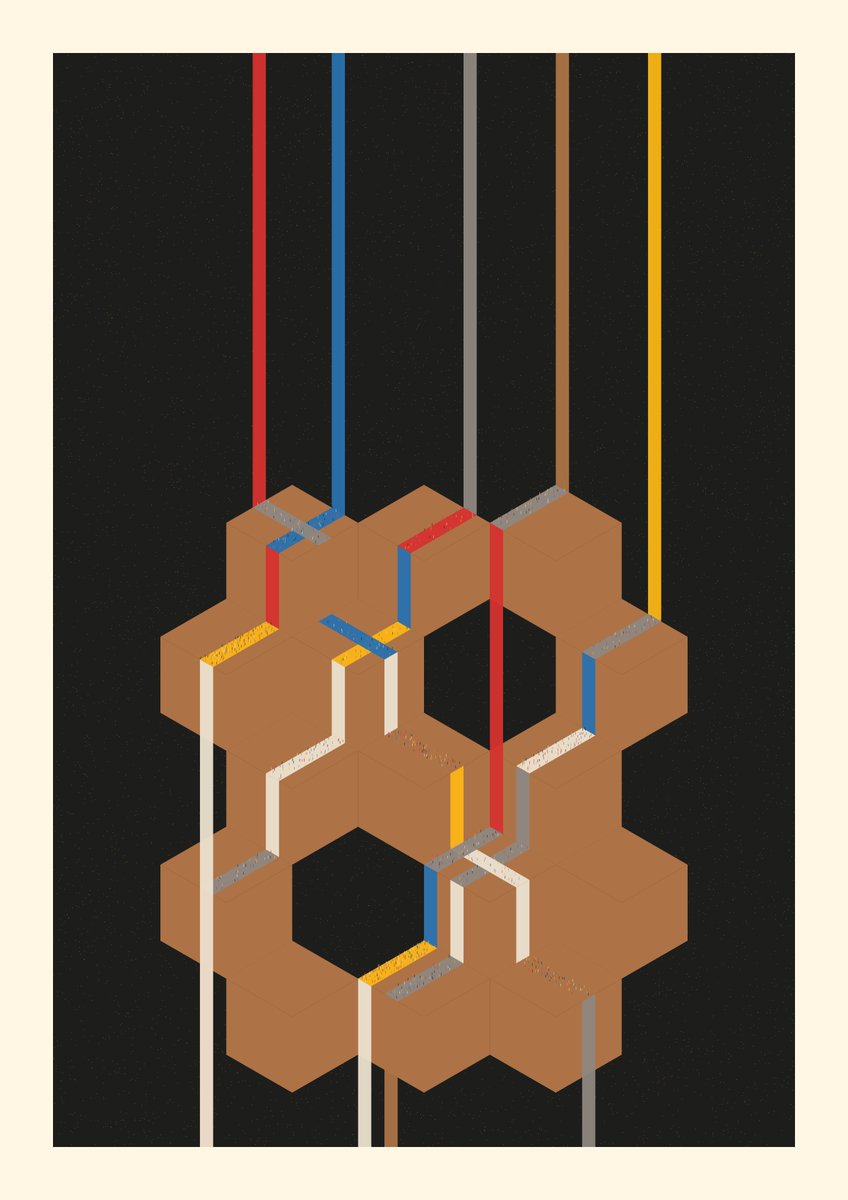
Perpendicular Inhabitation (2023)
Generative
Algorithmic Illustration made with code / p5.js
3
3
34
1,056
Bruce | Studio Yorktown retweeted

May 26
Artists have to know how to say no to prevent their work from heading in directions they didn’t intend.
16
6
59
1,652
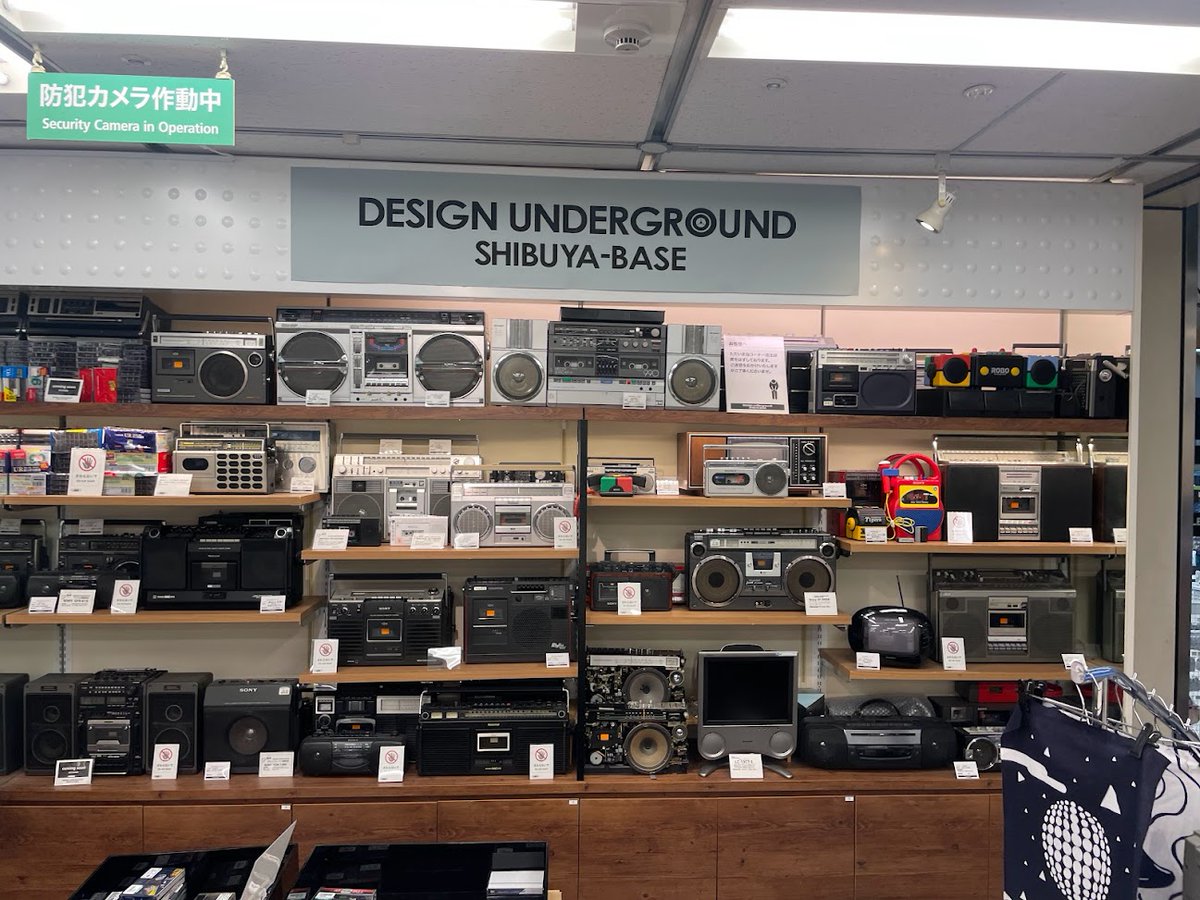
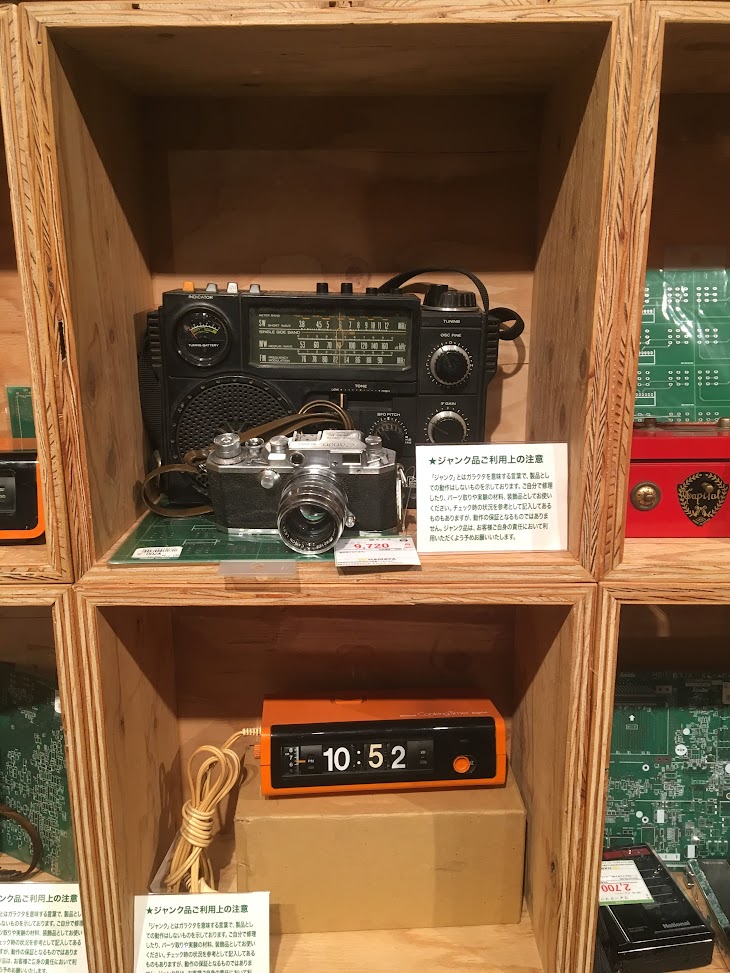
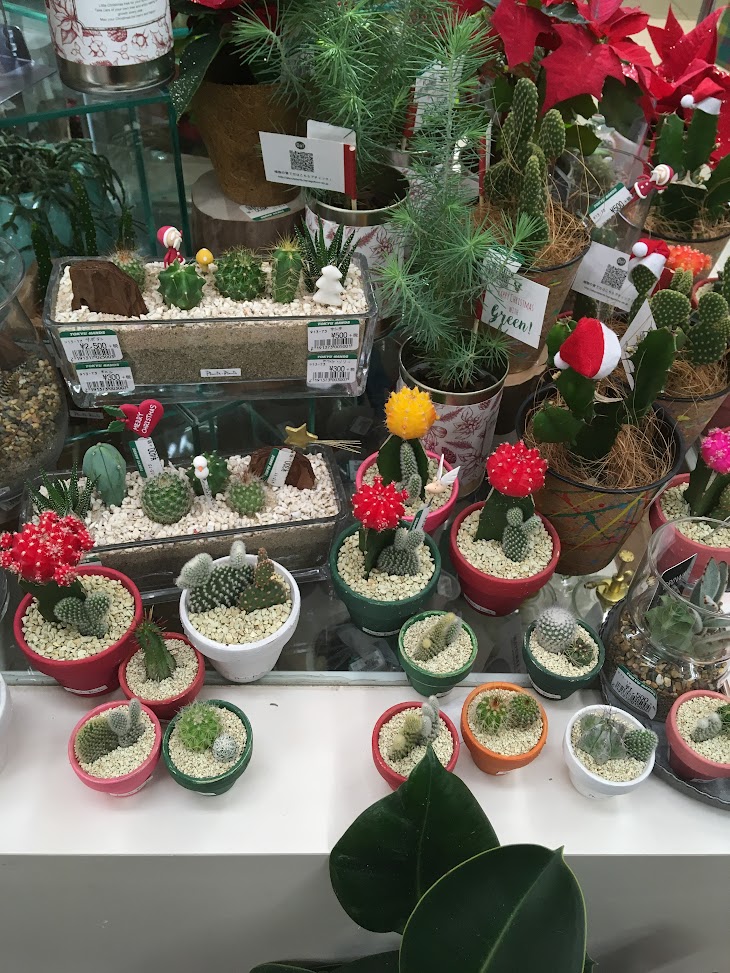
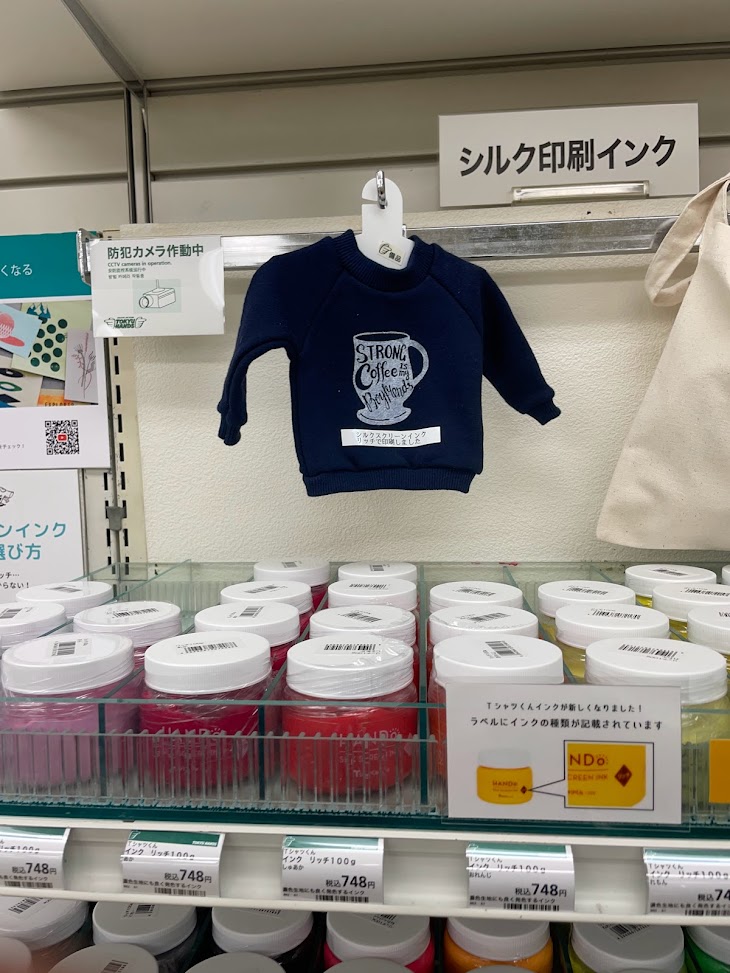
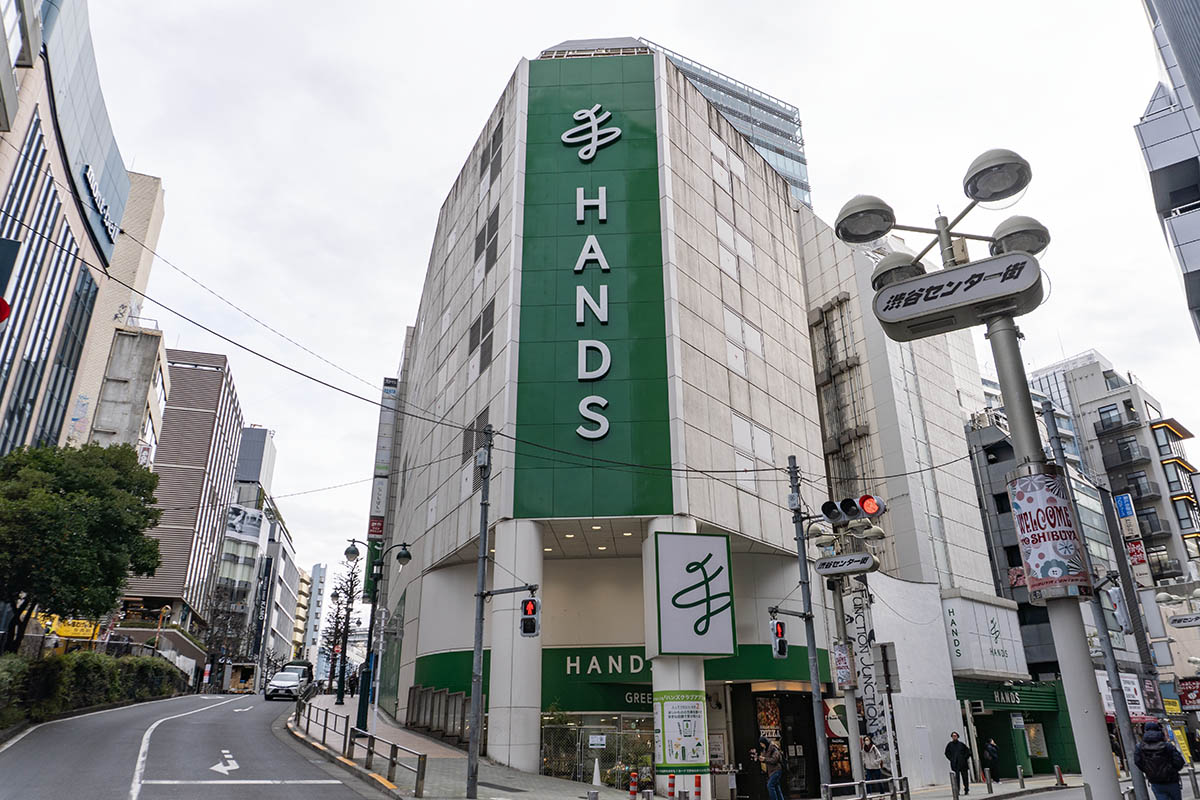
I have been to Tokyo ten or eleven times, and on my first trip, I accidentally stumbled across this strange store with staircases that seemed to go on forever.
Each floor was filled with every possible thing a creative could need. Sketchbooks, pens, pencils, wood, plastics, fabrics, paints, vintage electronics. I made it a point to come back there every time I visited Japan.
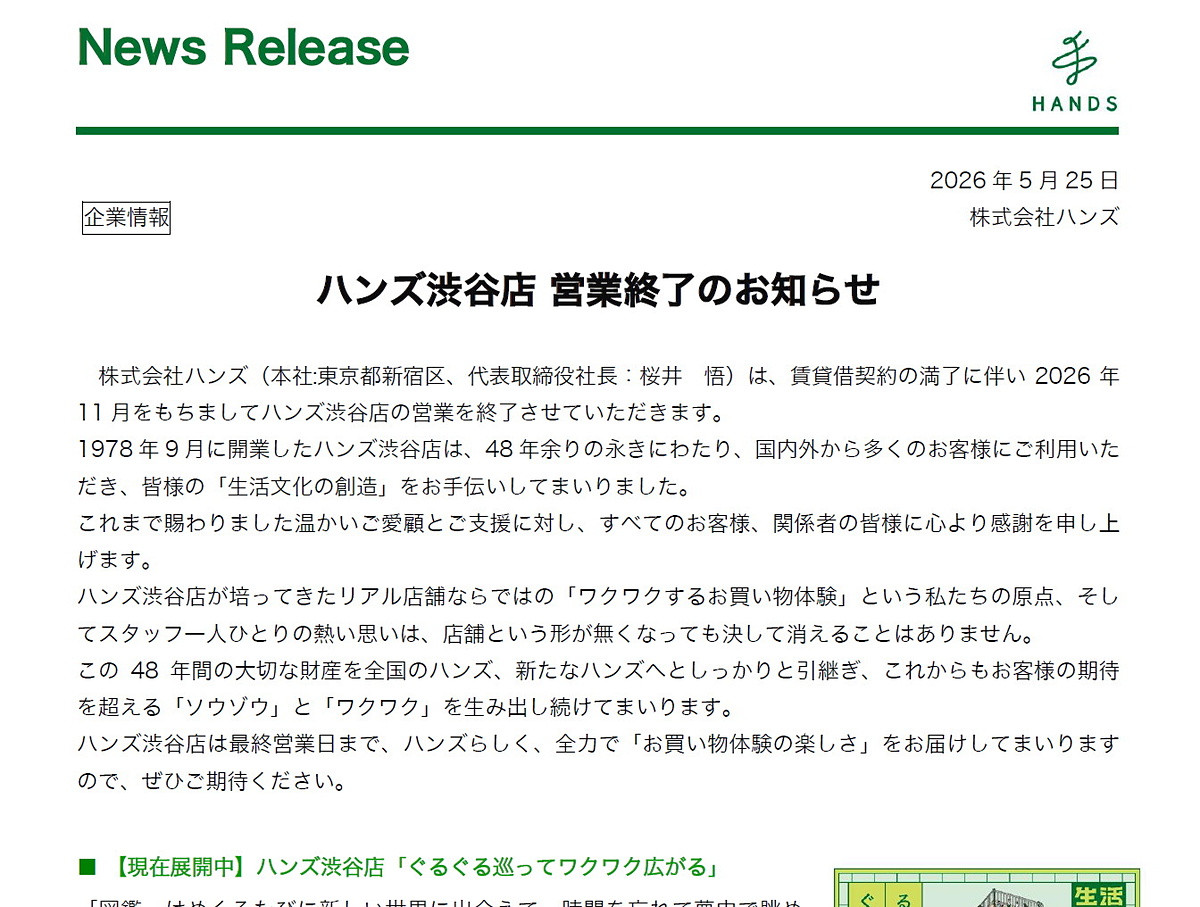
On the last days of every trip, I would make sure my suitcase had sufficient space for a haul from Tokyuu Hands, Shibuya.
There are other Tokyuu Hands branches, but despite not feeling as magical as this Shibuya branch, it is always nice to find a place that caters to the creative spirit, especially if it's not something you find easily where you live.
I will miss it!

1
1
8
875
25.05.26
⚫️⚪️
Algorithmic Illustration made with code p5.js
3
1
24
606
Bruce | Studio Yorktown retweeted

May 23
Visibility, attention, and support are not decentralized.
I think this idea that NFTs somehow escaped gatekeeping is one of the biggest myths the space keeps telling itself. It sounds good because blockchain infrastructure is technically open; anyone can mint, anyone can buy, and everything is transparent on-chain. Fine. But visibility is not decentralized. Attention is not decentralized. Support is not decentralized. And those are the things that mostly determine (especially online) who gets to exist culturally.
The reality is that NFTs reproduced a lot of the same social structures as the traditional art world almost immediately. A small group of artists became canonized early, collectors clustered around them, platforms amplified them, and then everyone else was told the ecosystem was “open” while competing for scraps of attention in an economy driven almost entirely by visibility algorithms and insider networks.
The success rate for artists experimenting natively in NFTs is not radically different from the traditional art world (something I personally have experimented with first in my trad art career because I am Mexican and not in the USA or Europe, and secondly in NFTs because I was late and not doing generative art). We act like this was some mass liberation event for artists, but how many actually built sustainable careers? How many received long-term support? How many got to keep experimenting after the speculative wave cooled off? Very few.
The artists who succeeded were largely the ones who were selected early, platformed early, supported by collectors early, or given enough visibility to build communities around themselves. That’s not an insult, it’s just reality. It mirrors traditional art structures much more than people want to admit. In both systems, a very small number of artists are given enough oxygen to continue evolving publicly while most others remain invisible despite producing meaningful work.
And I think this obsession with “nativeness” sometimes ignores how much of NFT culture was financially accelerated by speculation rather than by some fundamentally new social model. The transparency argument is interesting technologically, yes, but transparency of transactions doesn’t eliminate power structures. You can see the hierarchy more clearly, but the hierarchy still exists. Maybe even more aggressively because everything becomes publicly quantified.
You can literally watch social consensus form in real time around a chosen set of artists and collections. You can watch people chase wallets, mimic buying behavior, perform affiliation, and build prestige loops. That’s not the disappearance of the art world. That’s just a faster and more financialized version of it (which is fine!).
And this idea that traditional art is slow and NFTs are somehow more democratic because they circulate faster, I don’t fully buy that either. Fast circulation often benefited speculation more than artistic depth. A lot of artists became trapped producing for velocity, relevance cycles, timelines, floor prices, and engagement. The market rewarded constant visibility, not necessarily sustained artistic thinking. This I would also argue, is one of the biggest problems of our space. One could argue that great gestures take time, not just efficient network distribution.
I also think people romanticize “community” in NFTs without acknowledging that communities are often formed around asset performance first and art second. Not always, but often. If prices collapsed, communities frequently disappeared too. That might tell us something important about the underlying structure of our space.
What drew myself and many traditional art people into crypto initially wasn’t simply that it was “new.” The art world is constantly exposed to novelty. What was compelling was the temporary feeling that alternative forms of circulation and patronage might emerge. This felt like I was going to skip the gatekeeping I had experienced for being born in the South. But over time, what actually I saw emerged was another status economy with its own elites, its own language, its own institutions, and its own mechanisms of exclusion. Partly why I decided to create the projects I create was because I saw the massive opportunity that existed but that artists would need help to be seen, supported, and collected.
NFTs are the most exciting space for contemporary art right now IMO. I fully believe blockchain has meaningful implications for provenance, digital ownership, artist royalties, and online-native cultural forms. But I think we have to stop pretending the ecosystem escaped human behavior or escaped the concentration of power.
It didn’t.
The same dynamics exist everywhere: a few artists become legible to the market, a few collectors shape discourse, a few platforms dominate visibility, and most artists remain structurally peripheral no matter how “open” the infrastructure is.
That’s not failure. That’s just culture. The mistake is pretending that code dissolved it 🤔🫣🥺

37
32
241
32,599
24.05.2026
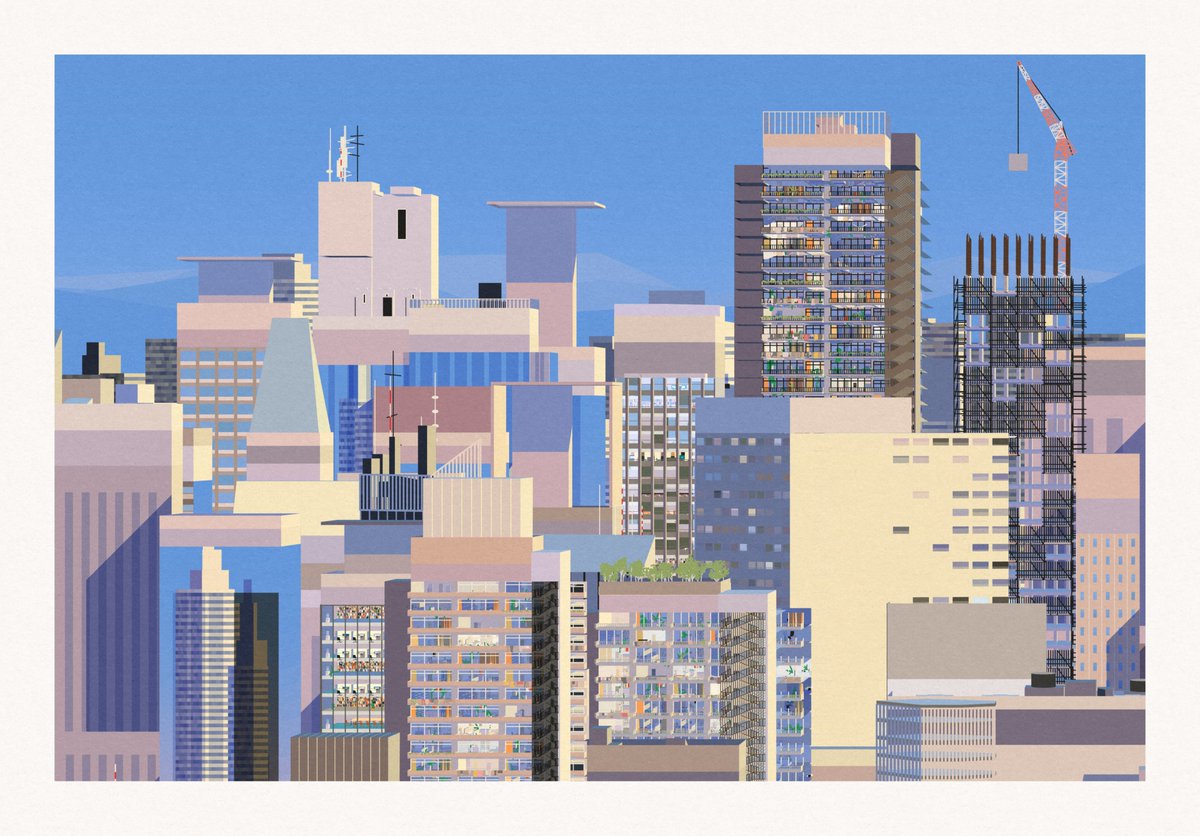
"Sea View"
Continuing work on this algorithm as it is foundational to a much larger body of work going forward. Existing holders of v1 iterations will be upgraded to the newest version once complete.
Algorithmic illustration drawn with code and rules using p5.js

20.05.2026-A
There is a moment when an algorithm stops fighting you. Days or months of grappling. Then one generation where the scale tips. The work starts to understand what you meant.
4
28
928
10,000 outputs, same algorithm.
You think you have seen it all.
Then output 10,001 arrives and shows you something you did not expect.
Some systems still hold surprises.
Tesseract (2022) p5.js
4
1
34
678
The dead internet theory mourns what was lost. But the internet has been bad way before AI. You look for a simple recipe to cook and get a life story. You see an interesting-looking article that is really SEO in a trench coat. AI did not start the decline, merely accelerated it.
2
13
304