Sensory neurobiologist at the University of California San Diego
Joined February 2019
- Tweets 261
- Following 321
- Followers 489
- Likes 691
7 Photos and videos
Chih-Ying Su retweeted

21 May 2024
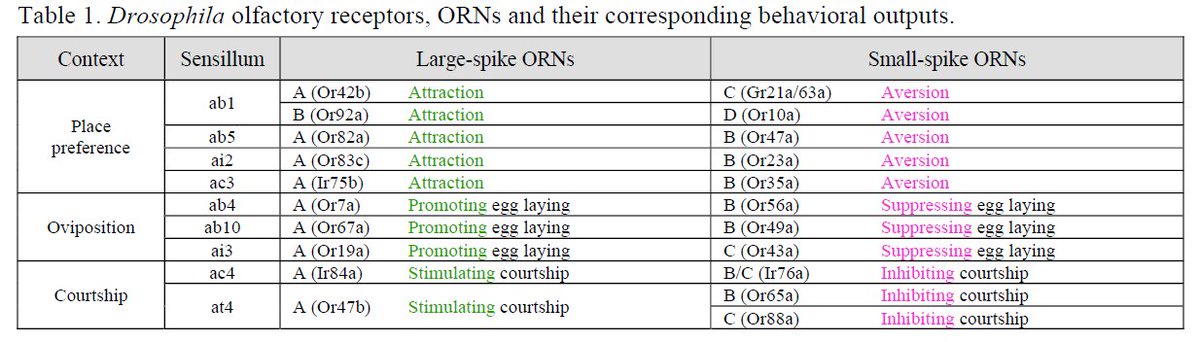
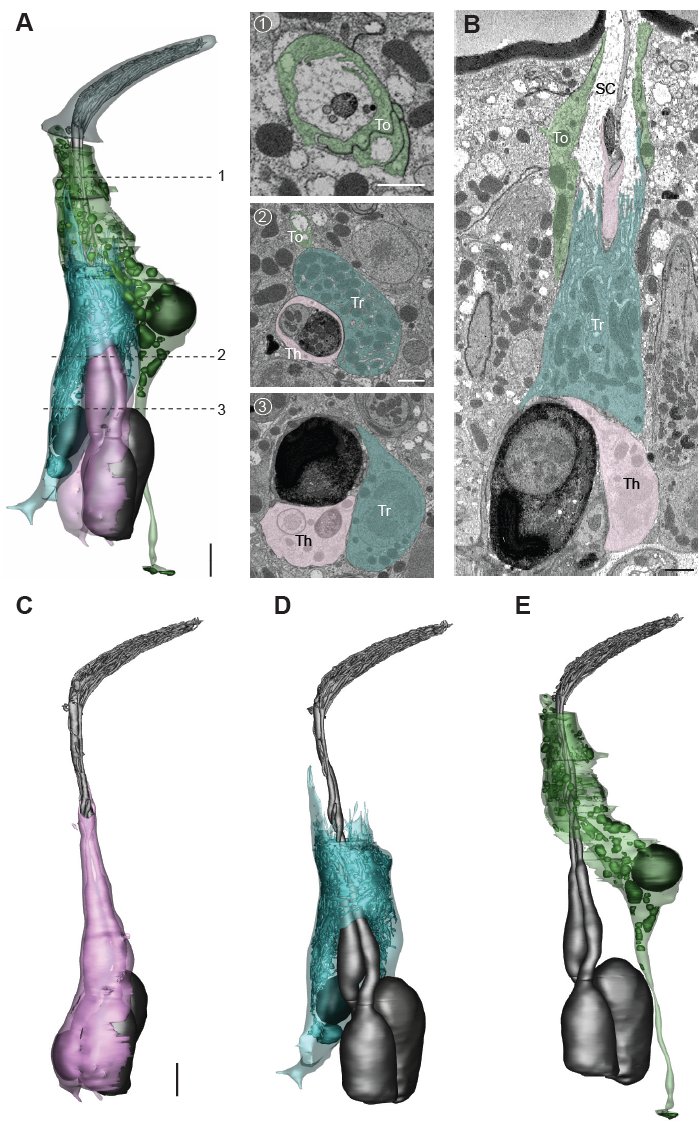
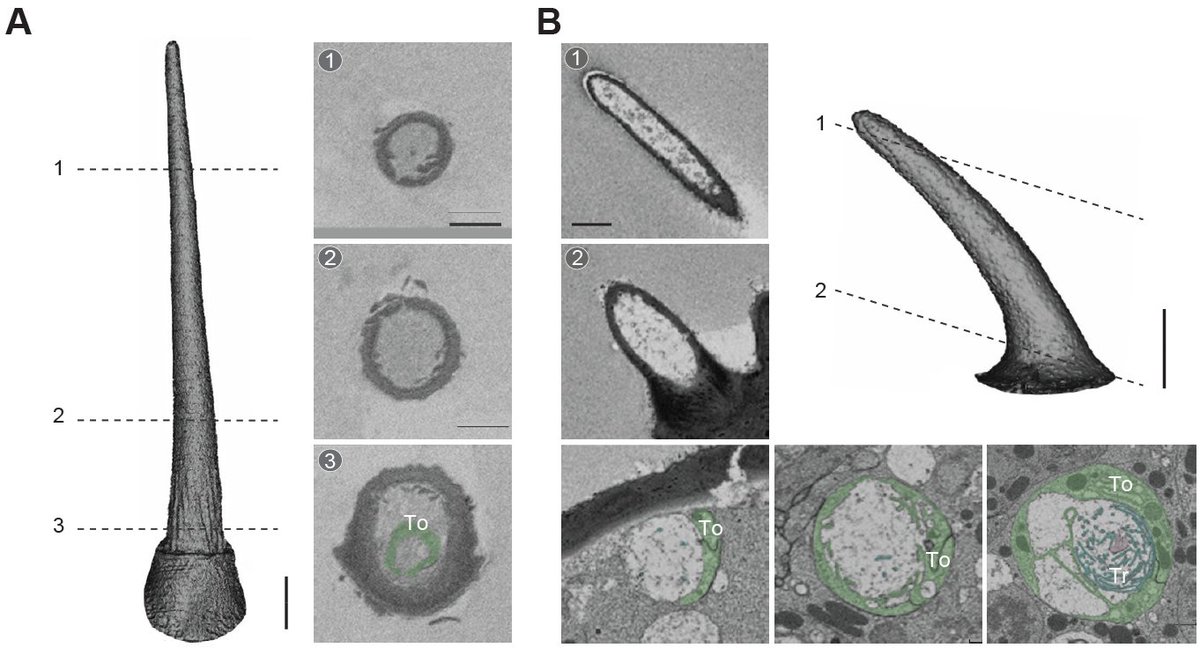
More with less: @UCSanDiego scientists in @ucsdbiosciences and @UCSDPhySci have proposed a solution for how flies use a simple but efficient method to recognize odors. The answer lies at the edges of their sensory systems. today.ucsd.edu/story/detecti… @yahdef @SuLabUCSD @PuriPalka
4
13
1,306
Chih-Ying Su retweeted

9 Aug 2023
#PLOSBiology: Functional unknomics: Systematic screening of conserved genes of unknown function dx.plos.org/10.1371/journal.…
23
48
10,720
Chih-Ying Su retweeted

27 Jul 2023
The array of olfactory receptor neurons in flies is highly structured. Our collaborator Chih-Ying Su @SuLabUCSD showed previously that receptors are electrically coupled, a coupling that affects animal behavior.
nature.com/articles/nature11…
2/
1
1
5
710
Chih-Ying Su retweeted

20 Jul 2023
New paper using reconstructions from NeuroMorpho.Org:
arxiv.org/abs/2307.01499
2
7
544
Chih-Ying Su retweeted

30 Jun 2023
Building the FlyWire #connectome from the FAFB brain was a massive team effort. But neuroscientists need to find their favourite neurons in this huge dataset. We report an indexed parts list, systematically annotating all 127k neurons (Schlegel et al biorxiv.org/content/10.1101/…) 1/7
30 Jun 2023

We are releasing a whole-brain connectome of the fruit fly, including ~130k annotated neurons and tens of millions of typed synapses!
Explore the connectome: codex.flywire.ai/
Reconstruction paper: biorxiv.org/content/10.1101/…
Annotation paper: biorxiv.org/content/10.1101/…
1/6
6
82
260
89,296
Chih-Ying Su retweeted
6 Jul 2023
New lab pre-print from @MShahand and co.
Evolution of circadian behavioral plasticity through cis-regulatory divergence of a neuropeptide gene biorxiv.org/content/10.1101/…
11
35
4,857
Chih-Ying Su retweeted

21 Jun 2023
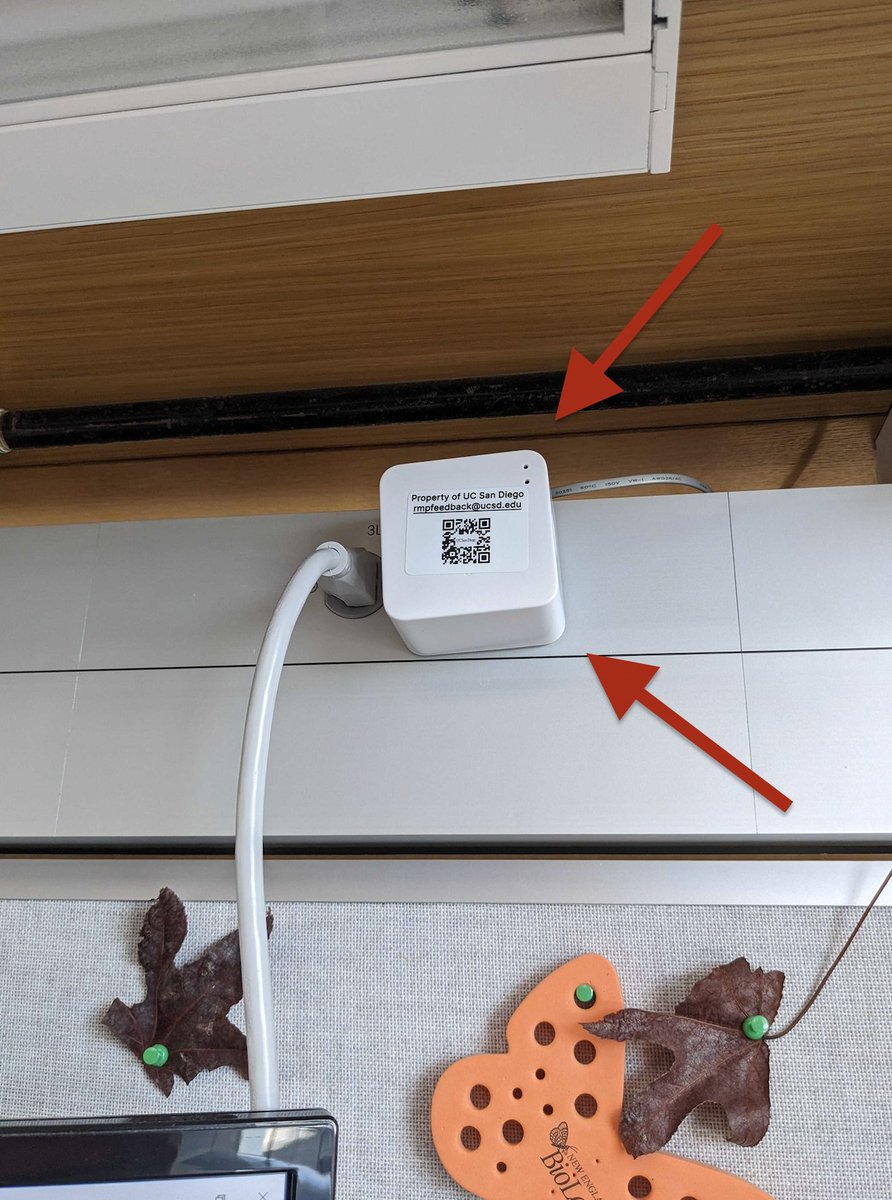
Today the lab was greeted by innocuous appearing white adapters plugged in lab bays and offices. We inquired and learned the university is monitoring 'occupancy', i.e. when we are/are not in. Be on the lookout! Big brother is watching!👀
102
111
642
383,339
Chih-Ying Su retweeted
19 May 2023
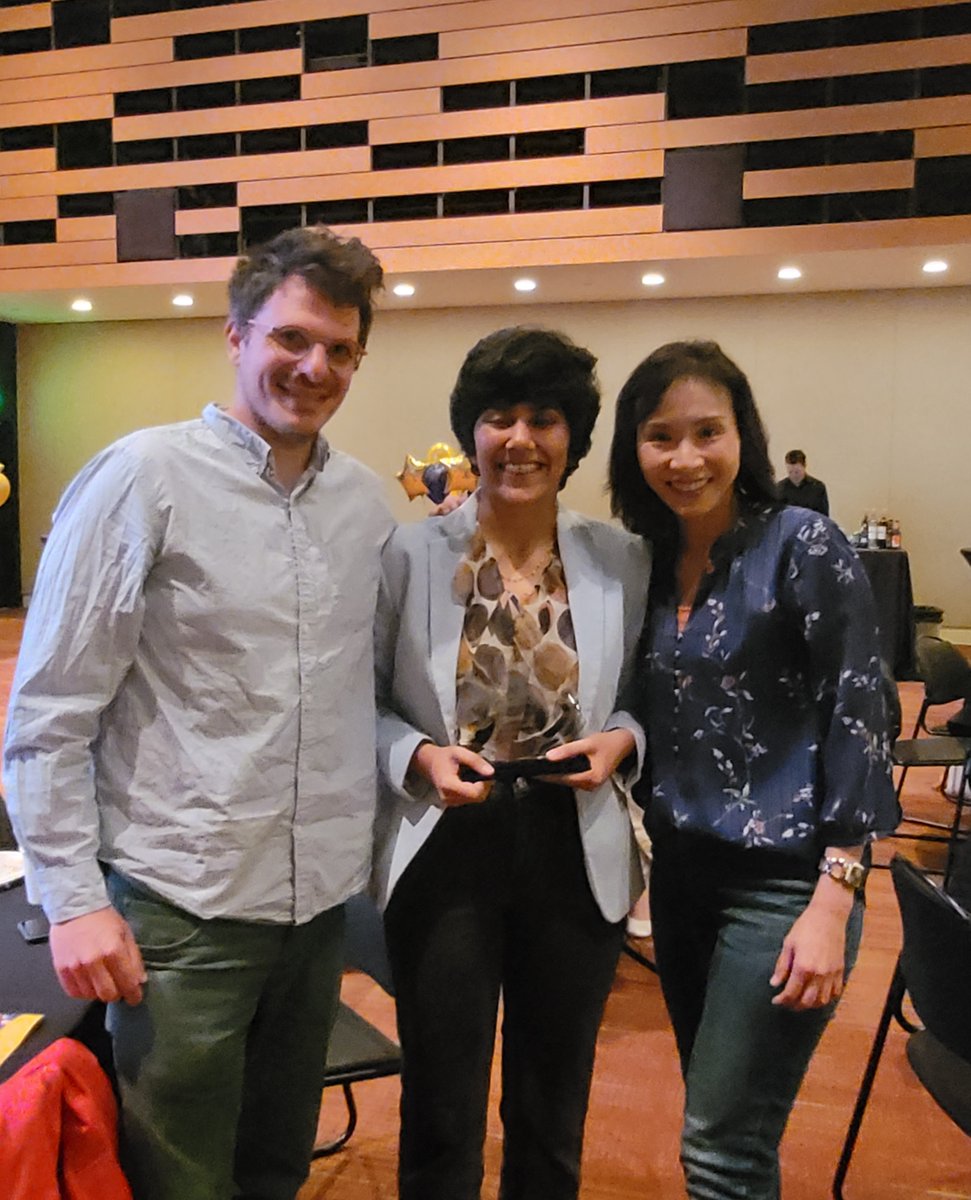
Congratulations to Palka @PuriPalka for receiving the @UCSanDiego GPSA Interdisciplinary Research Award!
Pictured with Palka are Chih-Ying @SuLabUCSD and I looking and feeling very proud.
1
2
19
2,026
Chih-Ying Su retweeted

14 Mar 2023
applications are due TOMORROW! MARCH 15TH! come spend the summer at cshl and learn everything about drosophila neurobiology! we've got an aamzing slate planned with a cavalcade of star faculty! don't miss out. RT and DM me with any q's! meetings.cshl.edu/courses.as…
2
16
27
6,904
Chih-Ying Su retweeted
6 Mar 2023
Remarkable!
Ricca’s factors as mobile proteinaceous effectors of electrical signaling cell.com/cell/fulltext/S0092…
2
4
814
Chih-Ying Su retweeted

16 Dec 2022
15 Dec 2022

New preprint: thanks to #AlphaFold and @natehimmel, we discover potential HUMAN homologues of insect Odorant Receptors, and bunch of cryptic Gustatory Receptor-like proteins ...
biorxiv.org/content/10.1101/…
1
8
2,020
Chih-Ying Su retweeted

16 Dec 2022
[1/11] @DavidTadres and I are excited to share new research doi.org/10.1126/sciadv.ade72… where we show that olfactory sensory neurons undergo silencing due to depolarization block at ethologically relevant odor concentrations. #olfaction #chemosensation #behavior
2
11
79
12,348

2 Nov 2022
So privileged to have Nick as my mentor and colleague 🥰
A Chain of Inspiration: Nick Spitzer’s Golden Anniversary at UC San Diego today.ucsd.edu/story/a-chain…
1
1
12
Chih-Ying Su retweeted

8 Oct 2022
Two mosquito species in their larval stage catch prey by shooting their heads away from their bodies like harpoons, mouths open, and reeling in their victims with a thin neck membrane nyti.ms/3ypfmVT
13
21
Chih-Ying Su retweeted

11 Oct 2022
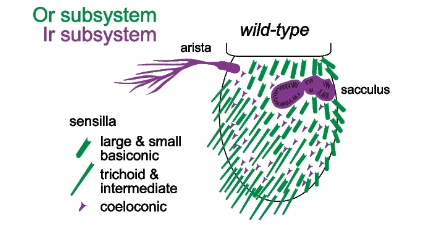
New #openaccess research from Richard Benton @bentonlab and co. characterizing #Drosophila #olfactory subsystems identifies a new protein - Osiris 8 - required for #insect #pheromone detection. bit.ly/3SVhL2E #odorant #scRNAseq #RNAseq #transcriptomics
2
3
Chih-Ying Su retweeted

3 Oct 2022
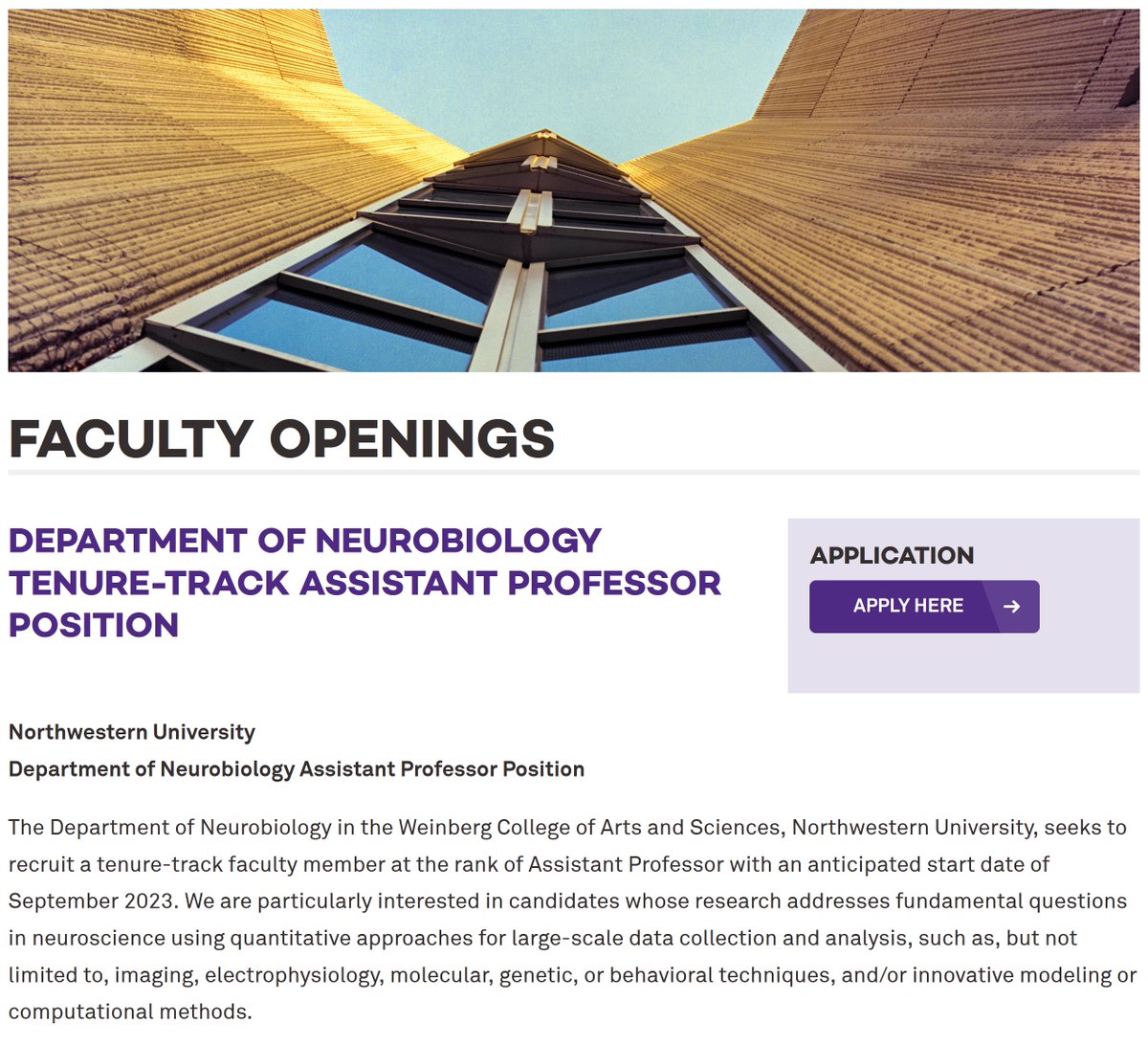
We're hiring! (and we have interesting windows)
Come join us! Tenure track assistant professor in Neurobiology, open to all kinds of applicants
🪰🕊️🦋🐁🐭🤸♂️🪱🐒🐟🦐🦜🐞🦉🐦
@NUneurobio neurobiology.northwestern.ed…
1
23
30
Chih-Ying Su retweeted
27 Sep 2022
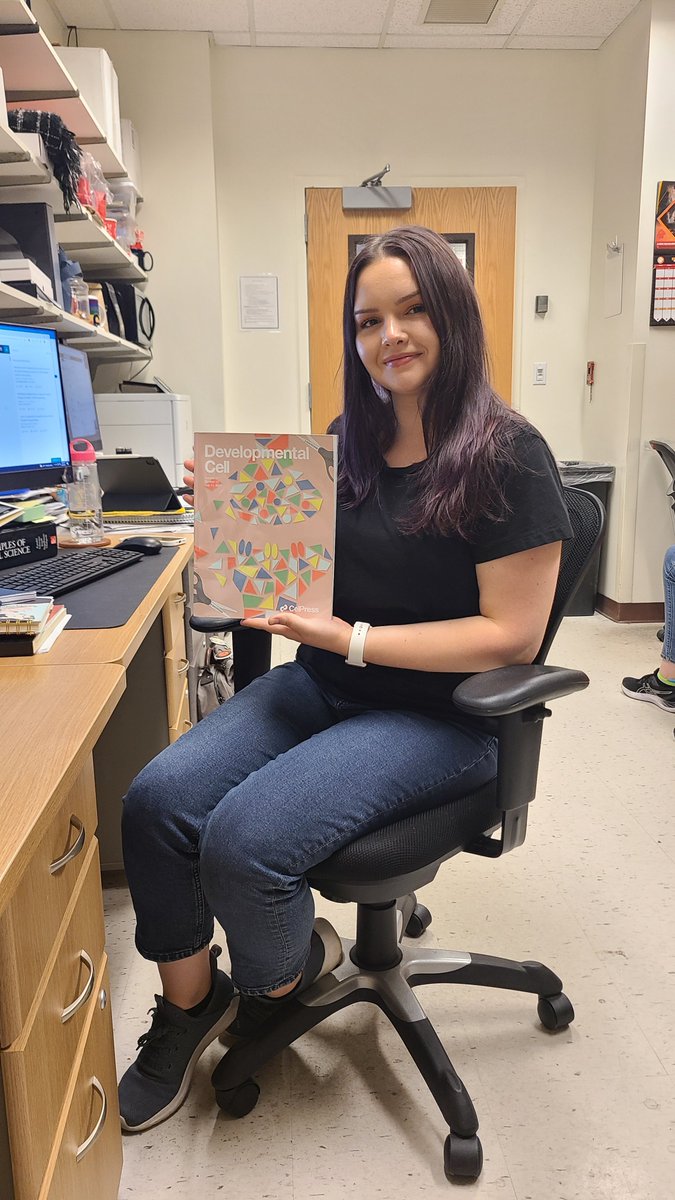
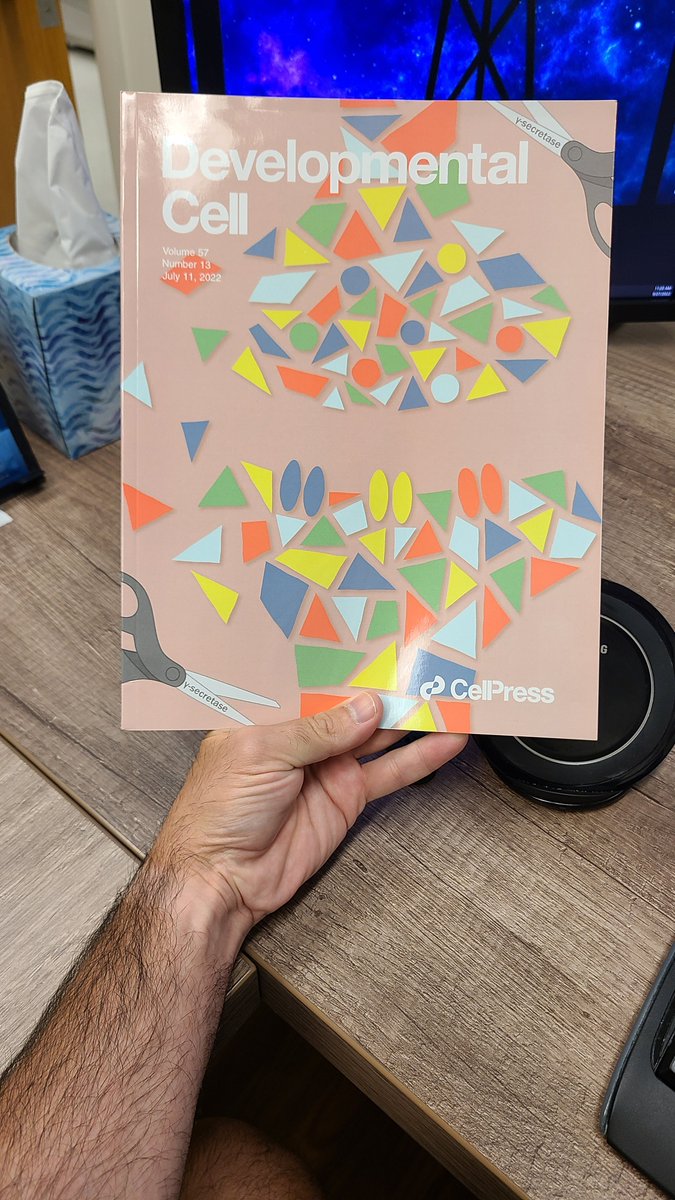
i still don't believe something until i can hold it in my hand (i'm a deeply distrusting individual). but our issue of @Dev_Cell with @lucas__restrepo's gamma secretase paper is finally here! hard copies! it's so pretty and i'm so proud of the authors and the artist @GAL4science!
4
5
97
Chih-Ying Su retweeted

12 Sep 2022
Happy to share our newest work that is published online in @NeuroCellPress today! cell.com/neuron/fulltext/S08…
Great teamwork by @JungWooYang2 , Pablo Serrano, and @Xuming_Yin during the tough covid time. Also thanks to @Xiaochen_Sun_ and Yingxi Lin for sharing the NRAM virus with us!
22
26
127
Chih-Ying Su retweeted

31 Aug 2022
It is generally accepted that fat tissues “talk” to the brain via secreted hormones. Our amazing student @yuwang, co-mentored by @liye_tsri, discovered that somatosensory neurons innervating adipose tissue act as a break to counteract sympathetic activity. nature.com/articles/s41586-0…
11
161
827
Chih-Ying Su retweeted

31 Aug 2022
How does the brain differentially encode signals from the visceral organs to generate our internal senses? My postdoc paper @Nature reports the coding of organs by Ca imaging and reveals a visceral homunculus in the brainstem that depends on inhibition. nature.com/articles/s41586-0…
36
193
853