Sunda & Sahul Micromorphology (SuSaMi) Research Group. For geoarchaeologists and micromorphologists working in Southeast Asia & Australia. All welcome!
Joined October 2018
- Tweets 296
- Following 247
- Followers 244
- Likes 685
8 Photos and videos
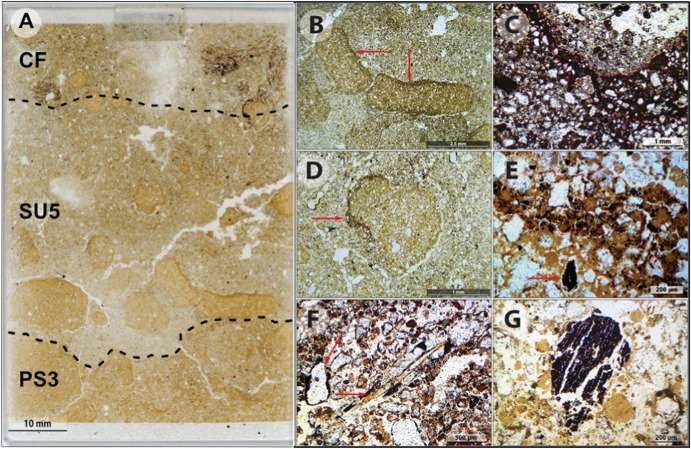
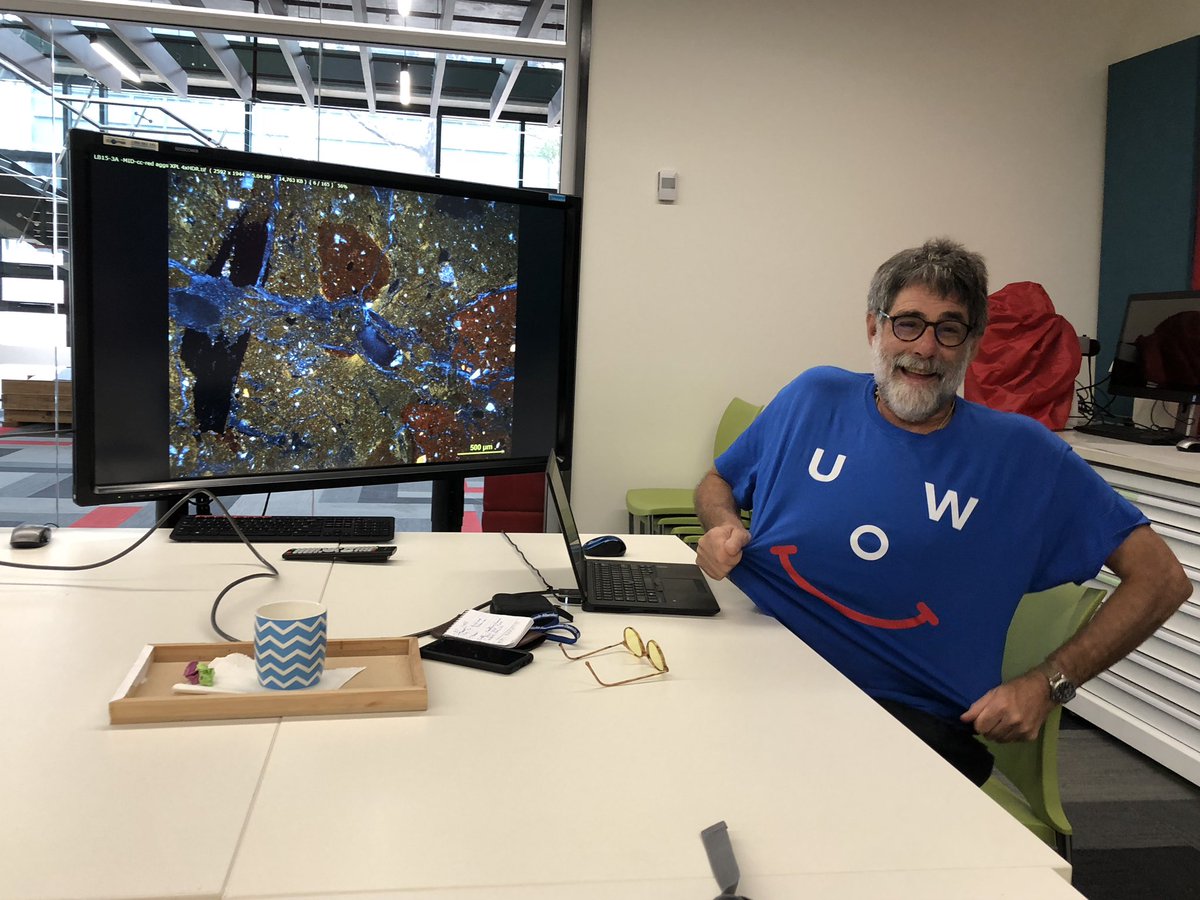
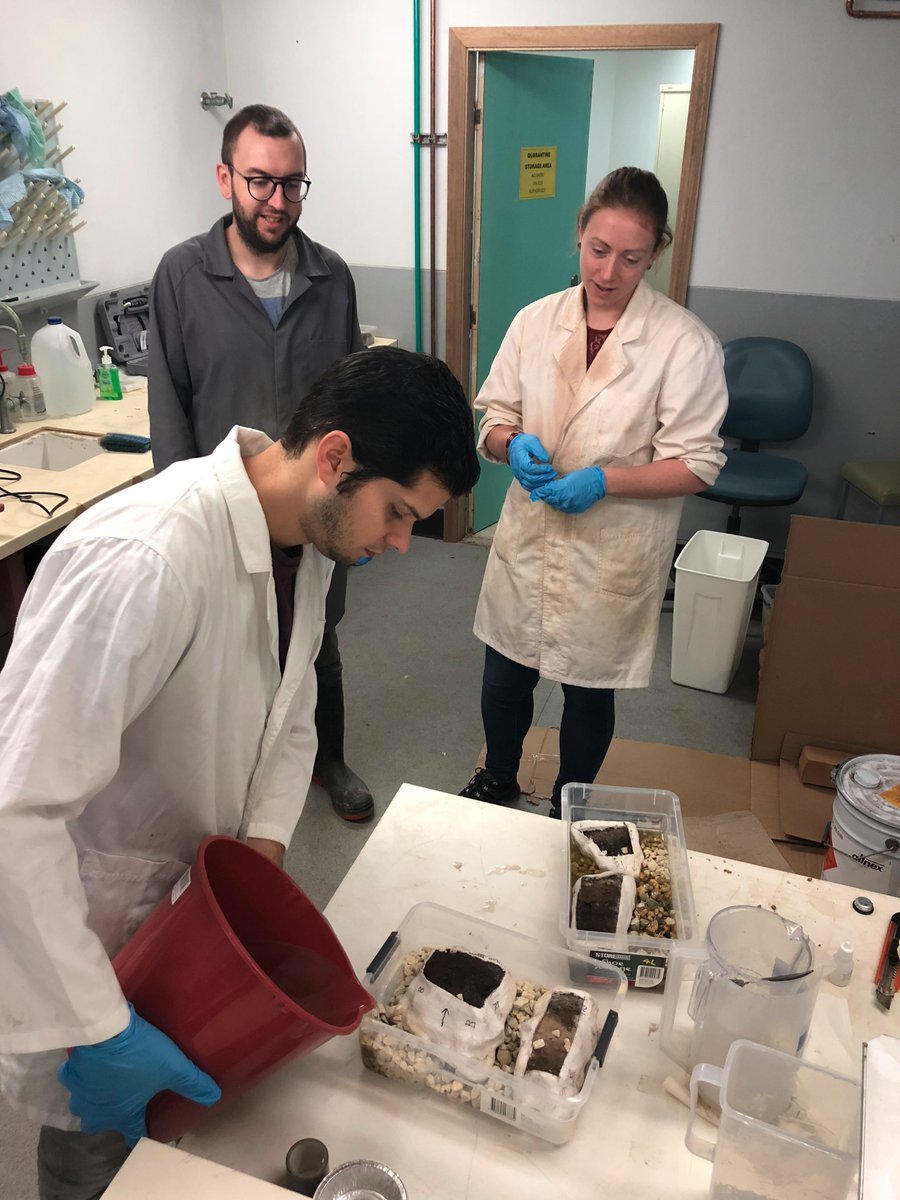
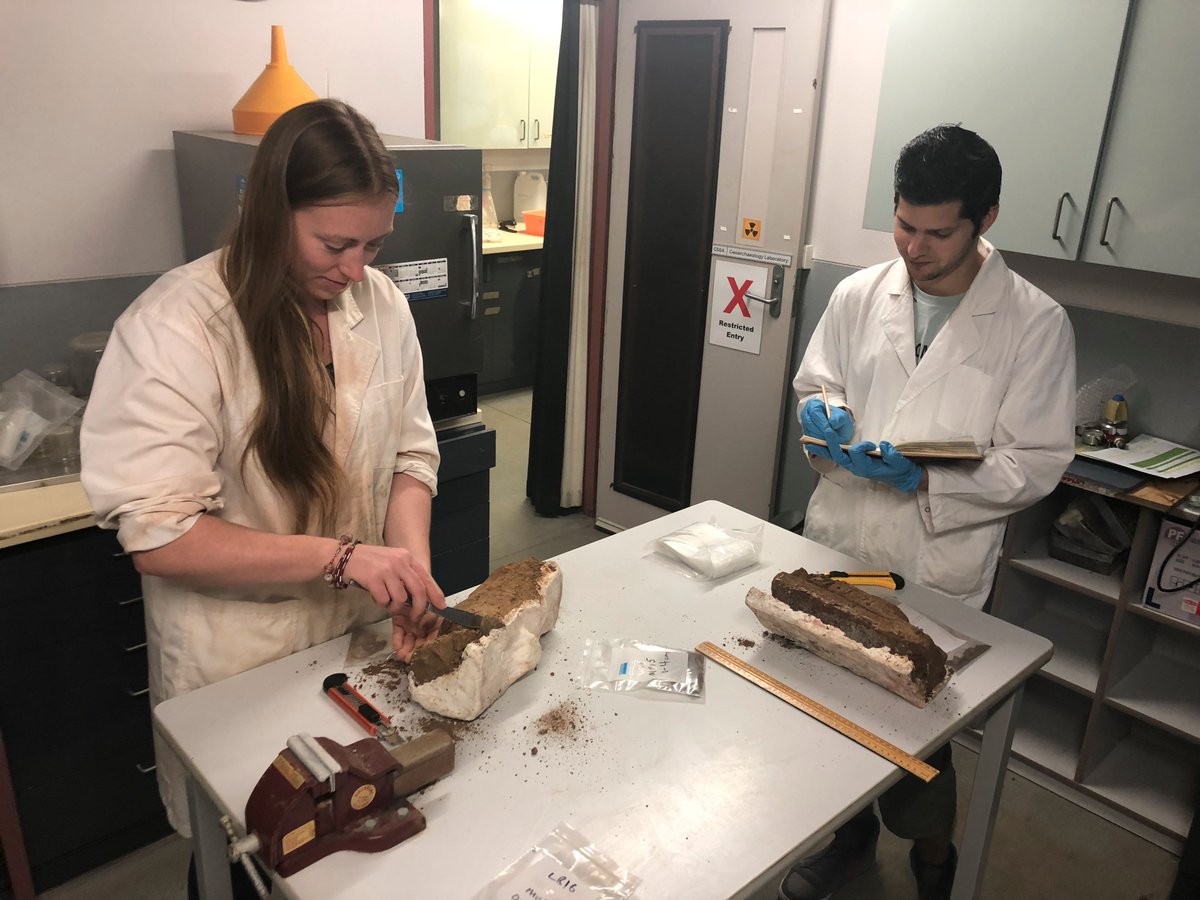
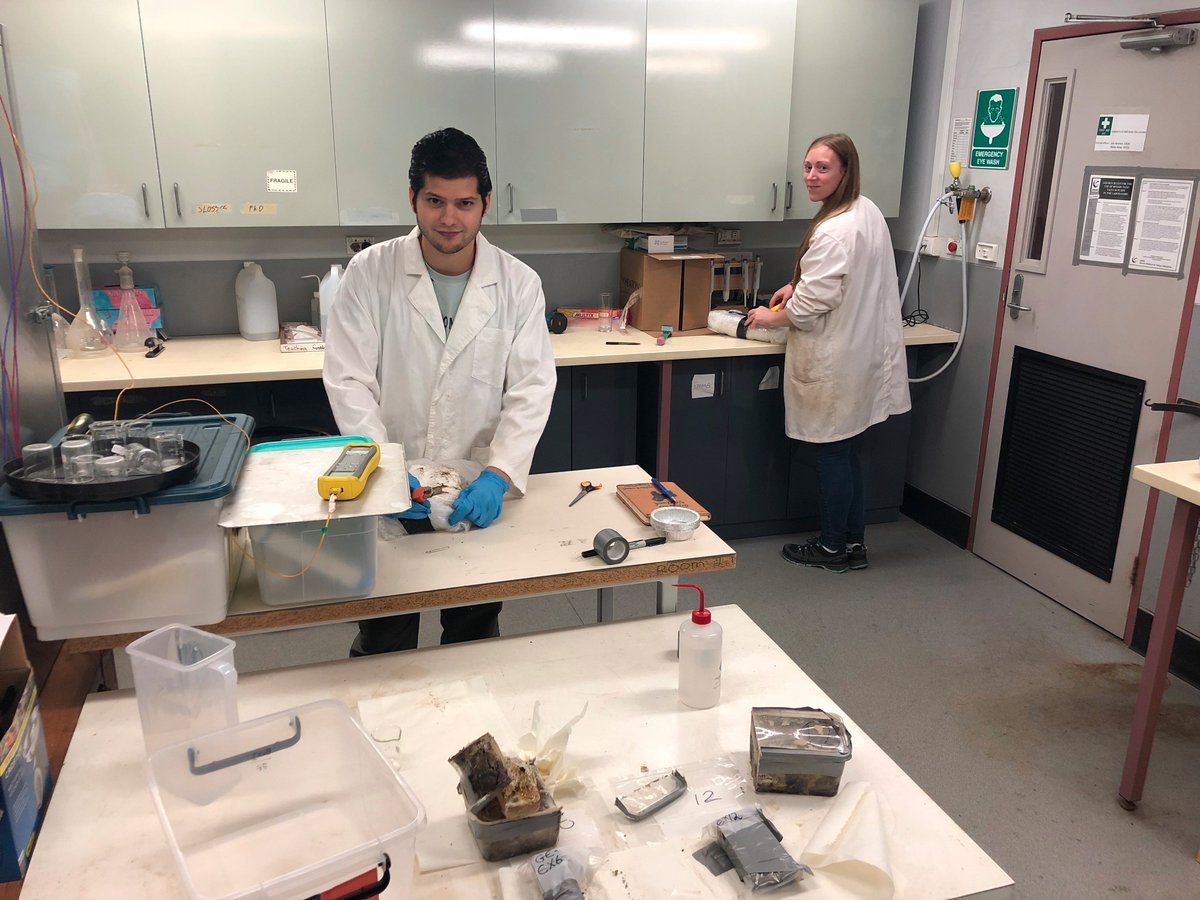

Westell et al @Flinders @FLINArchaeology apply microstratigraphy to demonstrate a 40 ka-old hearth in South Australia; a significant contribution of Aboriginal Australian culture to studying modern human culture in the deep past!
sciencedirect.com/science/ar…
sciencedirect.com/science/ar…
6
44
Amazing finds. Expected, but only now realised, thanks to dreaming big, being unprecedented, & right timing & support. Harold Berghuis PhD! Bravo!
sciencedirect.com/science/ar…
31
Amazing finds. Expected, but only now realised, thanks to dreaming big, being unprecedented, & right timing & support. Harold Berghuis PhD! Bravo!
sciencedirect.com/science/ar…
27
16 Feb 2025

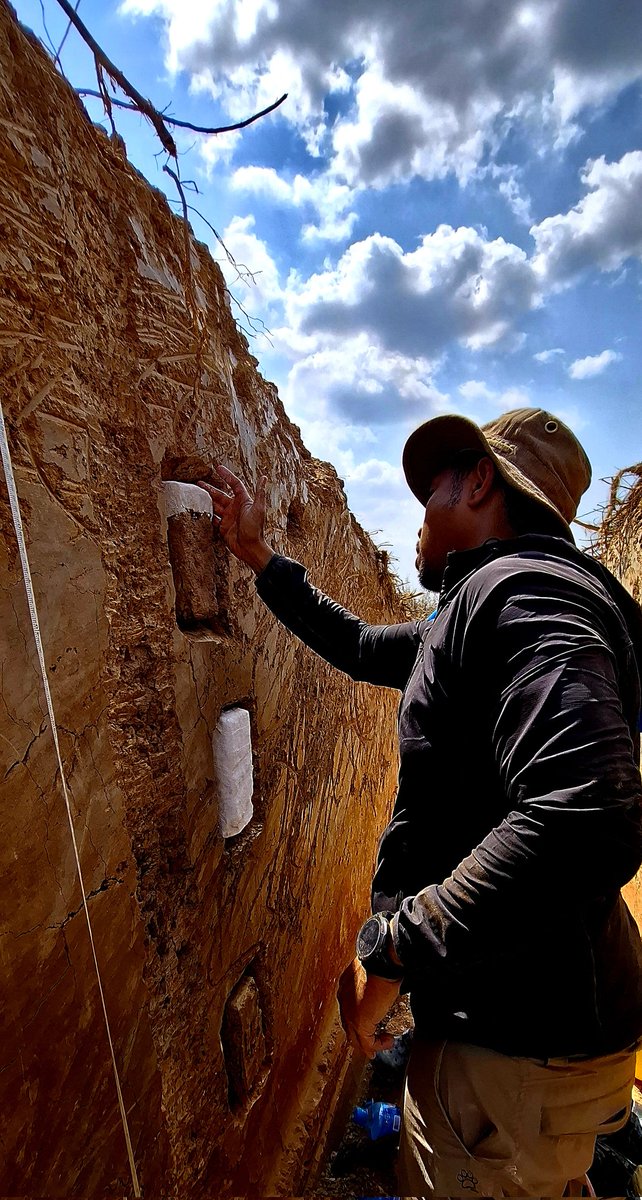
Starting 2025, I'll be working alongside @dr_marpol @Flinders and international colleagues on Cambodian research. Using #microarchaeology, I'll be helping unravel narratives of resilience anchored on deeper understanding of economy, industry and environmental change. Stay tuned!
1
69
Sunda & Sahul Micromorphology Research Group retweeted

31 Jan 2025
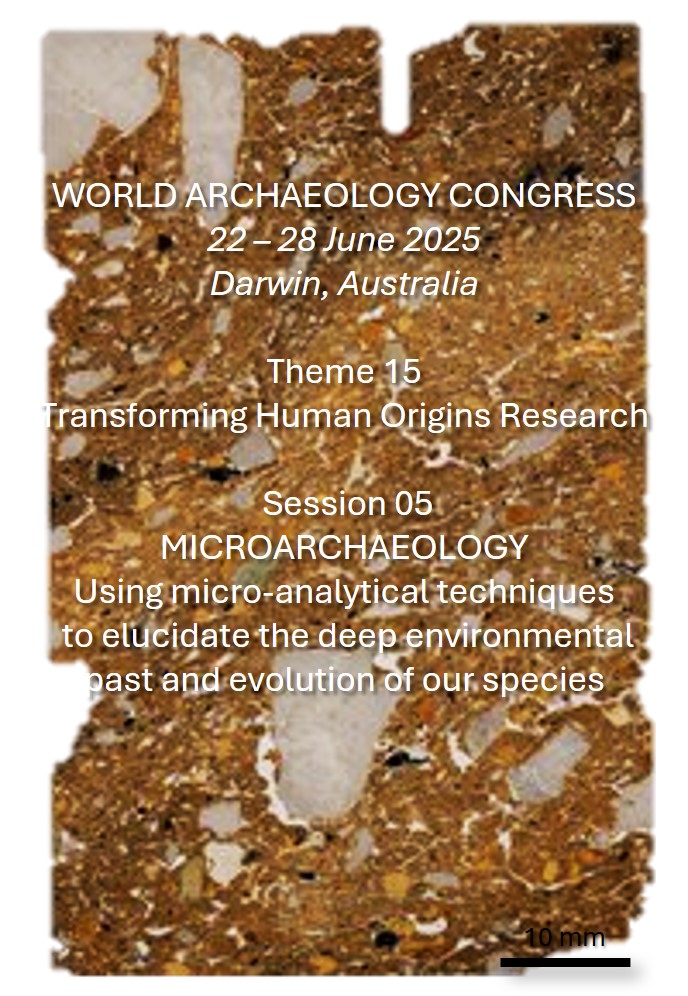
Working in the field of Human Evolution and using Microarchaeology to make sense of it all? Please consider submitting a paper abstract to our session on this exciting theme at WAC-10. DM me for more info. worldarchaeologicalcongress.…
1
16
50
1,907
@SuSaMiGroup congratulates @MikeGeoarch for receiving a @Flinders Vice Chancellor's Award for Research Excellence in understanding the evolution of our species and other Pleistocene human populations using #microarchaeology. More power to you, Mike & @FLINArchaeology
15 Oct 2024

Excited to announce I received a @Flinders University Vice Chancellor's Award for Research Excellence, for my work employing #microarchaeology to better understand the evolution of our species and other Pleistocene human populations @FLINArchaeology
bit.ly/4fnbNTl
1
4
485
Sunda & Sahul Micromorphology Research Group retweeted

12 Oct 2024
New study on Laos’ Tam Pà Ling cave links climate change to fossil deposits and fire traces, hinting at early human activity. #southeastasianarchaeology #Laos #HomoSapiens #TamPaLingCave #fossils
bit.ly/402xKT5
1
4
11
494
Sunda & Sahul Micromorphology Research Group retweeted
11 Oct 2024
Our work covered by @IFLScience
Thanks for the coverage guys!
iflscience.com/traces-of-fir…
@MikeGeoarch @Flinders @FLINArchaeology
5
13
3,360
1
35
Sunda & Sahul Micromorphology Research Group retweeted

10 Oct 2024
Fossils and fires: insights into early modern human activity in the jungles of Southeast Asia – News news.flinders.edu.au/blog/20…
1
3
11
694
Sunda & Sahul Micromorphology Research Group retweeted

10 Oct 2024
Fossils and fires: Insights into early modern human activity in the jungles of Southeast Asia phys.org/news/2024-10-fossil… via @physorg_com
7
14
1,705
Sunda & Sahul Micromorphology Research Group retweeted
10 Oct 2024
Check out the latest paper to come out of the @Flinders Microarchaeology Laboratory led by @MikeGeoarch @FLINArchaeology. Follow them for more #fearless research. Shout out to @Indi750 and the rest of the team working at the site! More exciting stuff to come!
10 Oct 2024
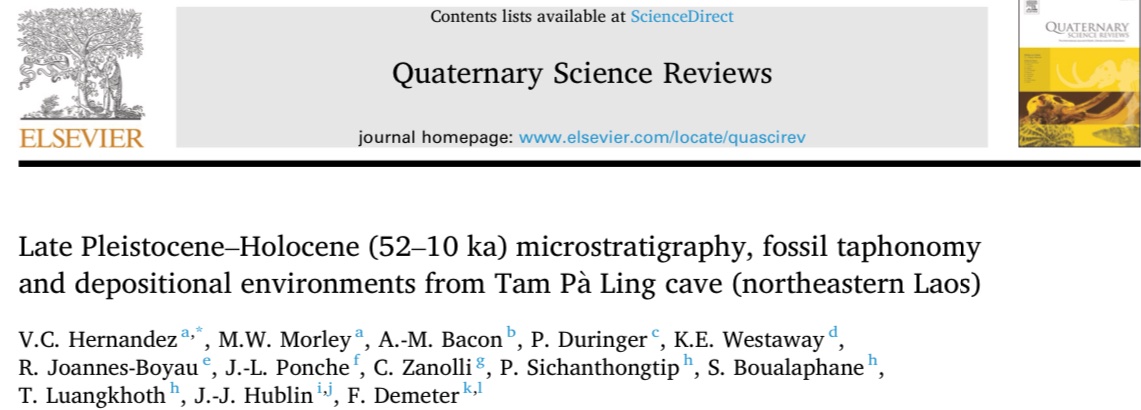
Check out our new paper in Quaternary Science Reviews on the #micromorphology of sediments from Tam Pa Ling cave, led by my fantastic PhD student @ingatkatandaan
@Flinders @FLINArchaeology #geoarchaeology
sciencedirect.com/science/ar…
1
4
12
502
10 Oct 2024
READ 👇 the latest research on Tam Pà Ling from @Flinders @FLINArchaeology published in Quaternary Science Reviews. The results highlight the key contribution of microstratigraphy to studying early Homo sapiens evolution and dispersals in the Far East.
sciencedirect.com/science/ar…
1
3
126
Sunda & Sahul Micromorphology Research Group retweeted

22 Aug 2024
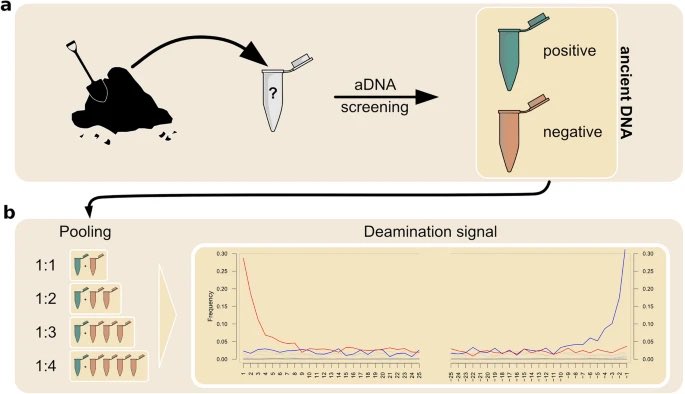
Happy to announce our methodological paper on sedaDNA is out!
Make sure to check it out if you’re interested in facilitating and speeding up your screening process! @PinhasiL
nature.com/articles/s41598-0…
10
39
2,447
Sunda & Sahul Micromorphology Research Group retweeted

New research provides direct evidence that seafarers travelled along the equator to reach islands off the coast of West Papua more than 50 millennia ago. theconversation.com/new-evid…
6
8
2,376
In the Island of Flores in Indonesia!

Tiny arm bone belonged to smallest ancient human ever found go.nature.com/3YwjMrJ
2
84
Sunda & Sahul Micromorphology Research Group retweeted
New 700,000-year-old fossils from island east of Bali hint at ancient shrinking of extinct miniature humans. @UOW theconversation.com/tiny-fos…
1
1
4
1,724
1
40

Opinion piece: Researchers can now retrieve DNA directly from sediments and soils (#sedaDNA). However, to properly interpret this DNA, they need to understand its context and association within the archaeological record. ow.ly/V8PP50SnGna #archaeology
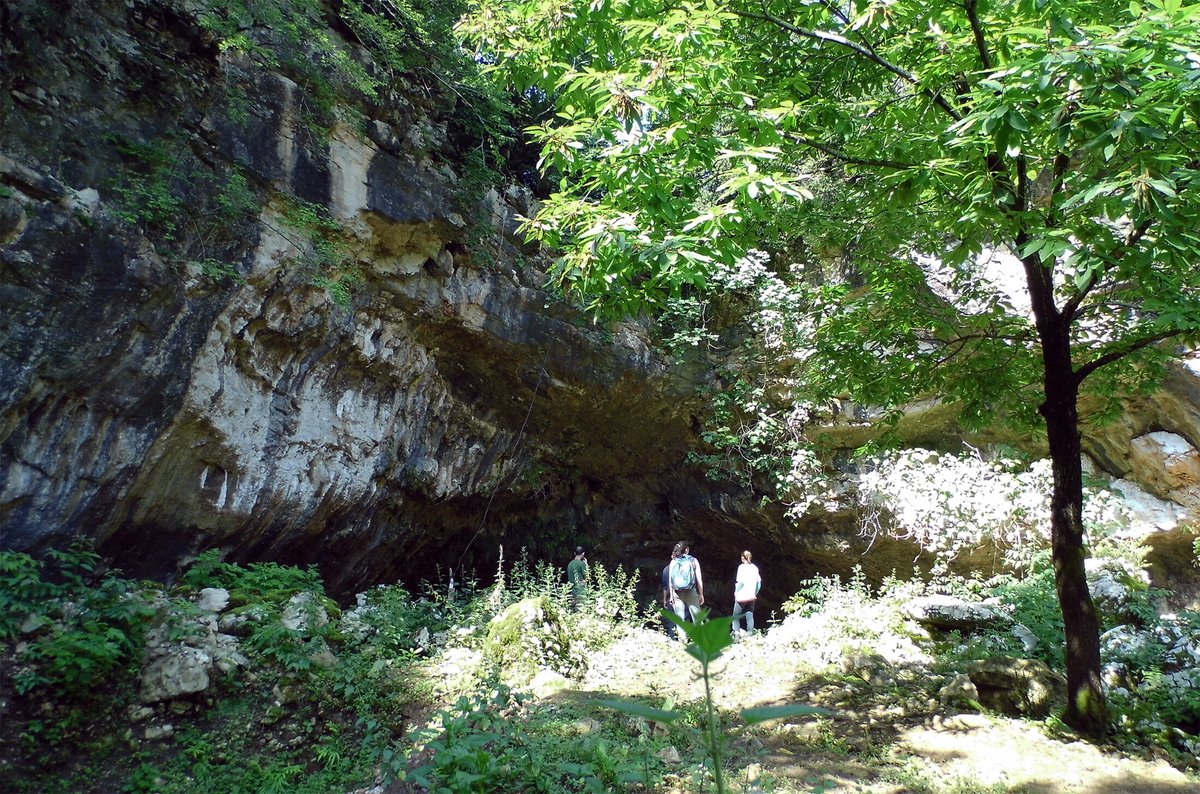
ALT To ensure that soil and sediment DNA is a trustworthy paleogenetic tool, it’s important that we understand the microscopic sources and potential movement of sedaDNA. We propose future pathways that, in our view, will be crucial in developing reliable collection and interpretations of sedaDNA data. Pictured is the archaeological site at Satsurblia Cave in the nation of Georgia, which yielded sedaDNA of ancient humans, wolves, and bison. See Ref 4. Image credit: Mareike C. Stahlschmidt.
9
24
5,329
Sunda & Sahul Micromorphology Research Group retweeted

12 Jun 2024
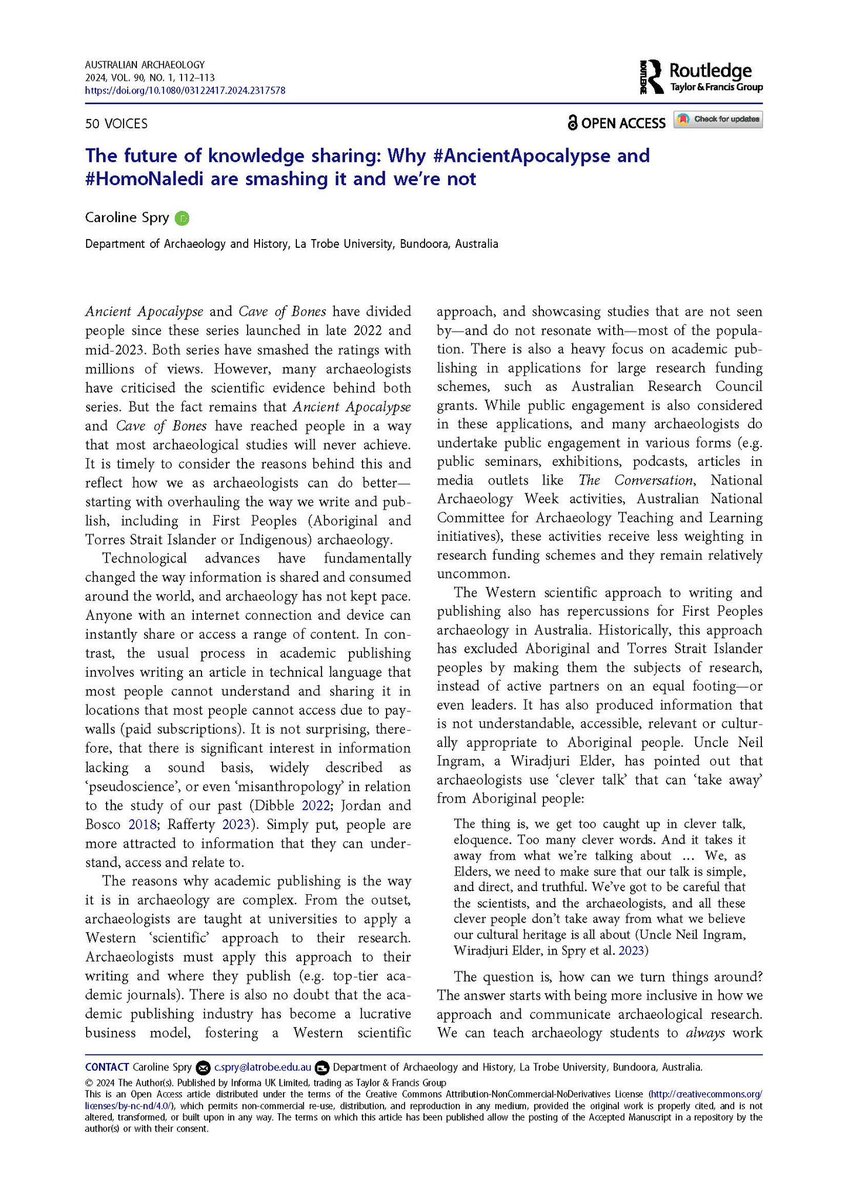
Read my full article (open access) in @AustArchJ here:
doi.org/10.1080/03122417.202…
‘The future of knowledge sharing: Why #AncientApocalypse and #HomoNaledi are smashing it and we’re not’
2
3
7
326