
Joined November 2019
- Tweets 28
- Following 36
- Followers 237
- Likes 19
1 Photos and videos
Pinhasi Lab retweeted

20 Oct 2023
New preprint from @PinhasiL V. Oberreiter et al. Do you work with sedaDNA and you don't have ilimited ressources? This is for you! 🙂🧪🏞biorxiv.org/content/10.1101/…
17
35
4,168
Pinhasi Lab retweeted
2 Nov 2023
Did you always think that aDNA methylation detection was necessarily meaning big money? well... not really, and it can be also better! Fantastic work led by Susanna Sawyer! 😍😀
biorxiv.org/content/10.1101/…
5
26
1,582
Pinhasi Lab retweeted

19 Apr 2023
I'm really excited to finally share the first data coming out of a side-experiment started in 2015.
After many trials and errors, we finally published an initial set of foundations for the use of density separation for increased ancient DNA yields!
🧵1/14
genome.cshlp.org/content/ear…
1
15
39
10,863
Pinhasi Lab retweeted
5 Apr 2023
The latest preprint from @PinhasiL in Vienna is cool research on Pleistocene animal bone tools.
"A minimally-invasive method for ancient DNA sampling of Prehistoric bone and antler tools and hunting weapons"
biorxiv.org/content/10.1101/…
2
20
1,843
Pinhasi Lab retweeted

4 Oct 2022
New Publication by #HEASVienna Deputy Head Ron Pinhasi @PinhasiL and HEAS members Olivia Cheronet and @daniMfernandes on 'The diverse genetic origins of a Classical period Greek army'
heas.at/research/publication…
#HEASPublications
5
12
Pinhasi Lab retweeted
12 Sep 2022
#HEASVienna Deputy Head Ron Pinhasi @PinhasiL has been nominated for the @DiePressecom Austrian of the Year Award for his work with ancient DNA which ‘shines a light on the prehistory of many regions of the world’. To vote for Ron please see below:
heas.at/activities/news/ron-…
1
7
16
Pinhasi Lab retweeted

25 Aug 2022
The Southern Arc papers are now published in @ScienceMagazine
The study was originally conceived as the joint genetic history of the neighboring regions of West Asia and Southeastern Europe but there were just too many interesting findings to fit in one paper, so we have three!
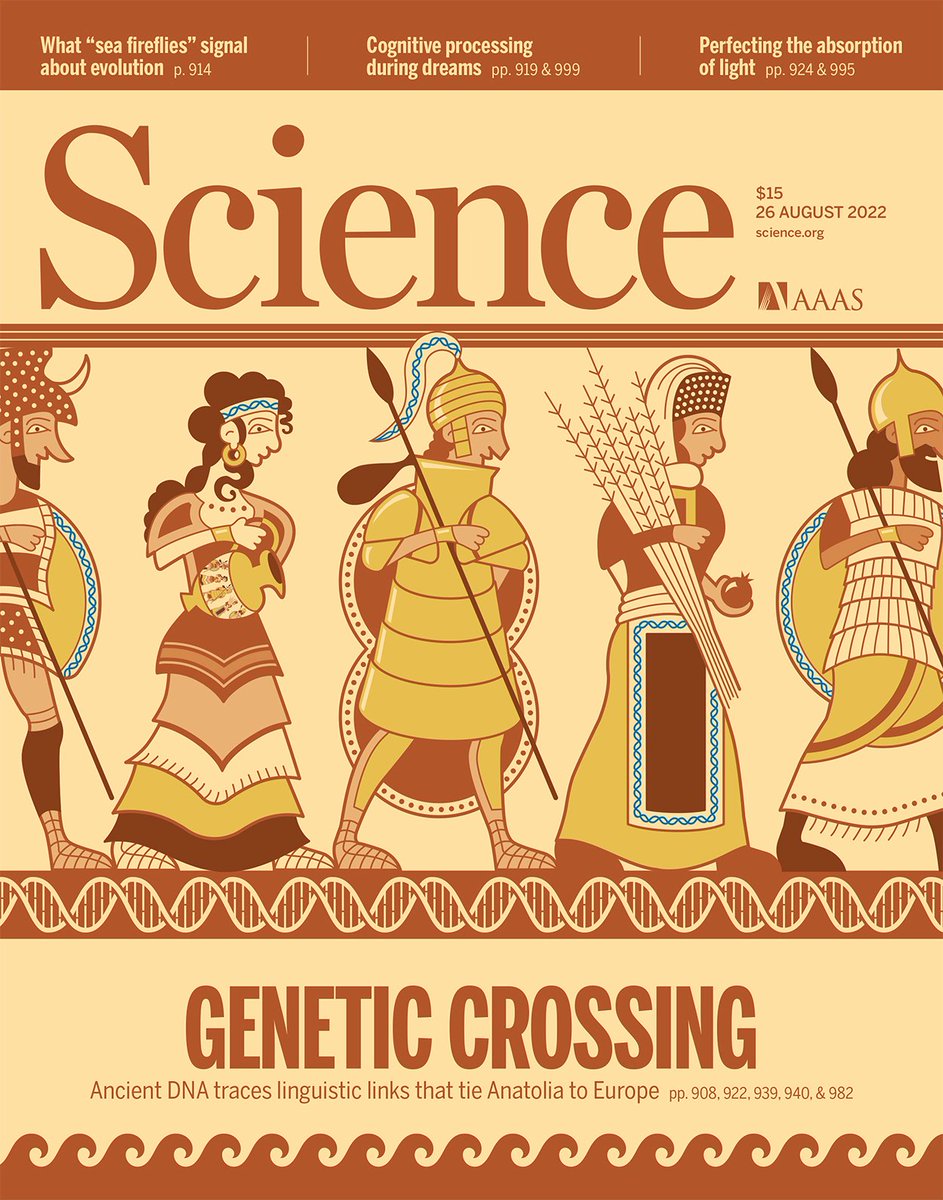
ALT Science cover showing diverse figures from the art of the Southern Arc crossing a bridge of DNA. Art by Oliver Uberti.
46
331
1,298
Pinhasi Lab retweeted
5 May 2022
Check out owr new work on the genetic history of Ukraine. We show multiple populatiin replacements during the Bronze Age.
4 May 2022

Very excited to see this published today! Genomes from Verteba cave suggest diversity within the Trypillians in Ukraine out in @SciReports Thanks to @peregx9 @daniMfernandes @hiroki_oota @PinhasiL for helping to make it happen.
nature.com/articles/s41598-0…
4
12

27 Jul 2021
We are happy to be part of this new publication from the @hidden_foods project pnas.org/content/118/32/e210…
4
16
12 Jul 2021
Read about Pleistocene mammalian genomes recovered from sediment in this new publication led by @peregx9 authors.elsevier.com/c/1dOdi…
3
5
Pinhasi Lab retweeted
22 Jun 2021
aDNA folks, our new preprint is live! A relatedness estimation package for 1st and 2nd degrees that requires as little as 0.026x average coverage per pair, or ~1.6M aligned reads. When re-analysing published data, we found a case where it worked even with as little as 0.005x. 1/5
22 Jun 2021

TKGWV2: An ancient DNA relatedness pipeline for ultra-low coverage whole genome shotgun data biorxiv.org/cgi/content/shor… #bioRxiv
3
14
57
6 Apr 2021
Read our latest work characterising the morphological variation of human sagittal sutures anatomypubs.onlinelibrary.wi…
3
9
Pinhasi Lab retweeted

1 Apr 2021
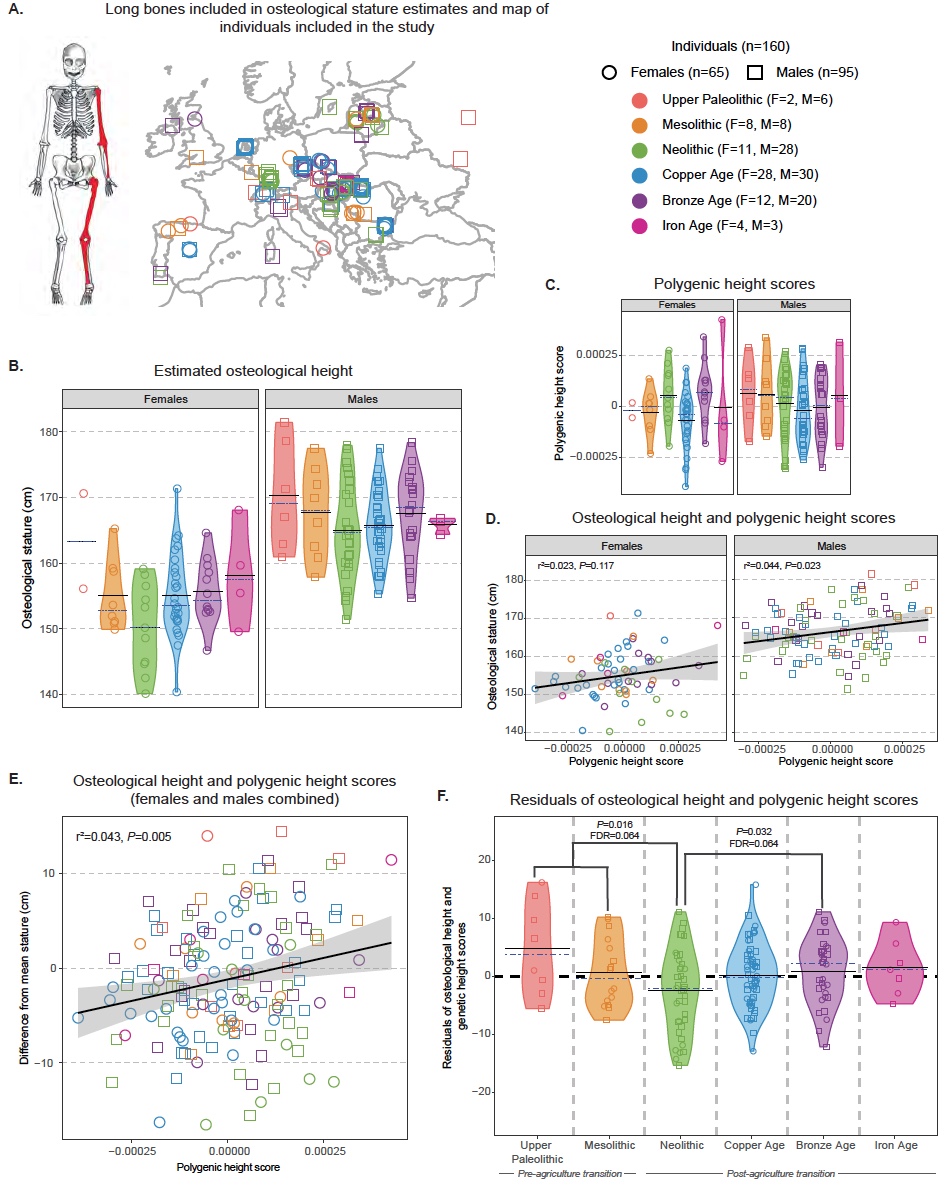
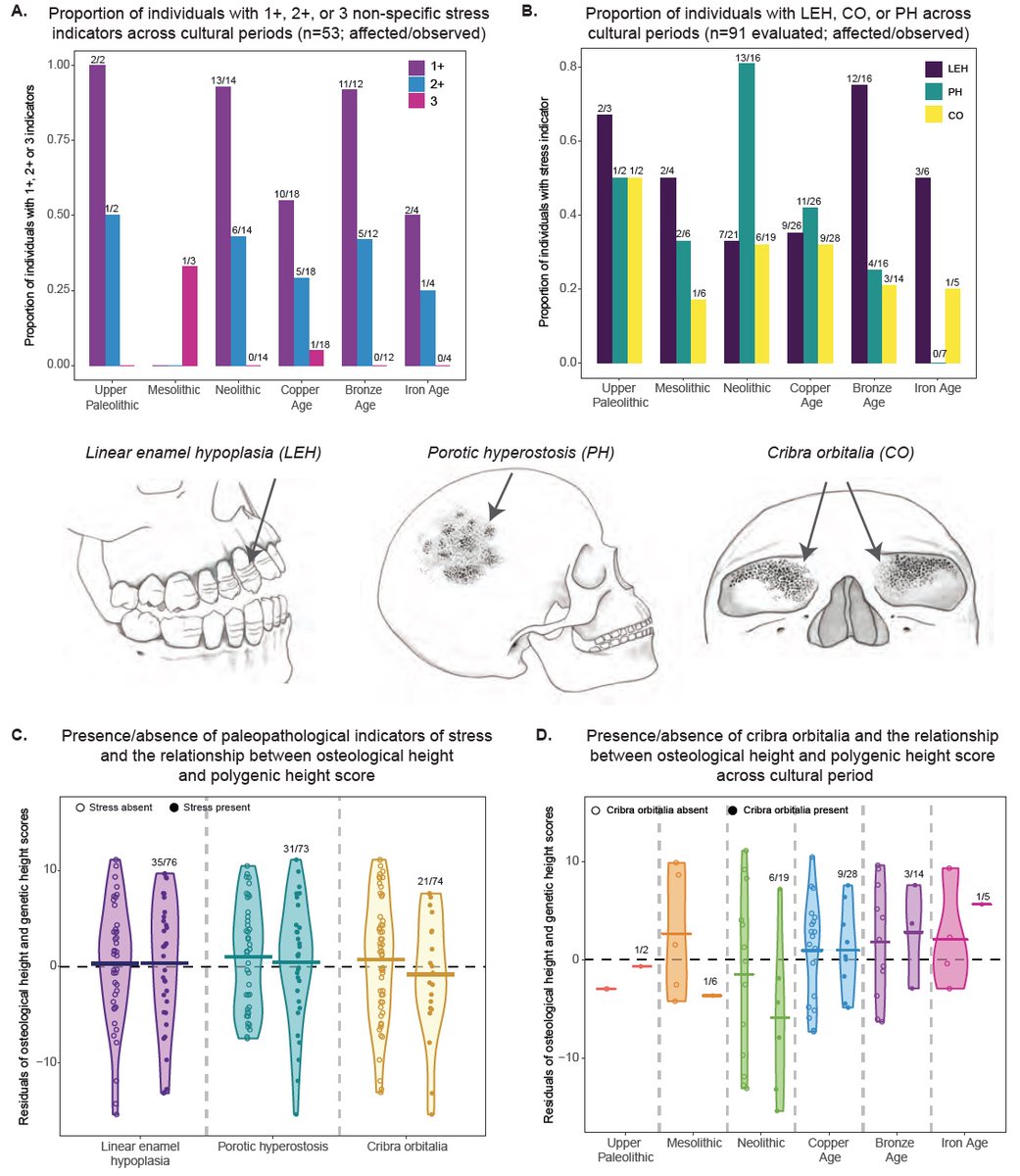
In our new preprint, led impressively by @AnthroSteph, we integrated osteological ancient DNA data from the _same_ prehistoric individuals to study the trajectory of human stature variation as a proxy for health across a transition to agriculture: biorxiv.org/content/10.1101/… 1/10
3
36
139
Pinhasi Lab retweeted

29 Mar 2021
Check out our new study published at @SciReports. This was part of @MSCActions #ANCIENT_TEETH project and #MartíFranquésURVResearchGrant
29 Mar 2021

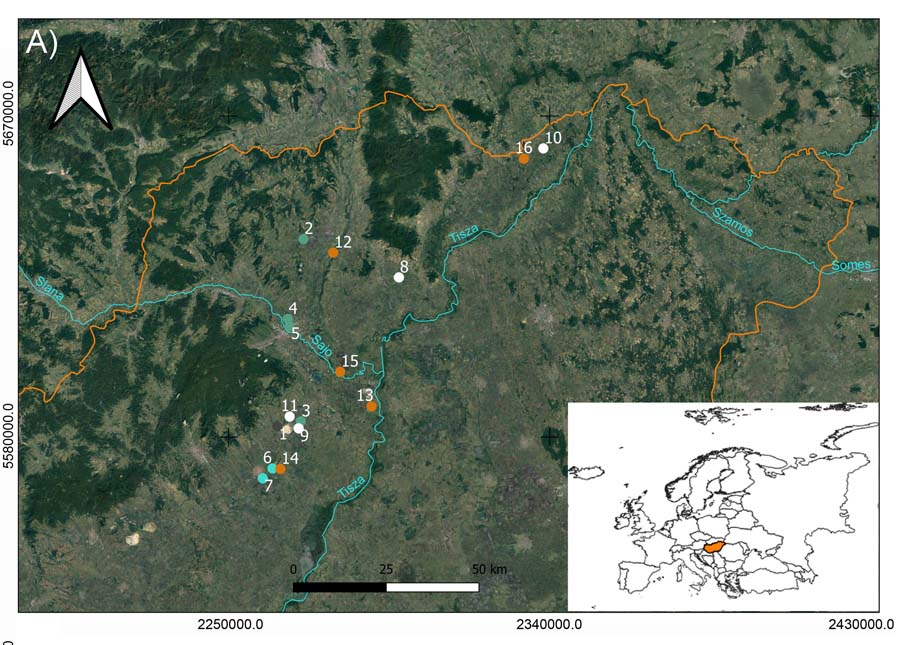
Do you want to know about the dietary evolution of the Holocene populations from the Great Hungarian Plain? Check out our new paper in @ScientificReports in collaboration with @iphes @universitatURV @cofundURV @ucddublin Photo credit: @rebecatirititi
2
3
16
11 Mar 2021
Shedding some light on who was massacred in Potočani (Croatia) 6,200 years ago journals.plos.org/plosone/ar…
1
2
6
3 Mar 2021
Read the National Geographic coverage of the recent work by @daniMfernandes and @KendraSirak on the genetics of the Caribbean in English nationalgeographic.com/histo… and German nationalgeographic.de/geschi…
1
8
23 Feb 2021
Learn more about the genomic origins of East Asian populations through this paper we were happy to be part of. nature.com/articles/s41586-0…
2
6
Pinhasi Lab retweeted

13 Feb 2021
I'm excited to announce that our manuscript describing a minimally destructive approach for sampling aDNA from ancient teeth is now published in @GenomeResearch, complete with new, more detailed pictures of teeth processed using this approach. 1/4 genome.org/cgi/doi/10.1101/g…
1
32
97
Pinhasi Lab retweeted
12 Jan 2021
Happy to share our preprint on aDNA from 25.000 YBP soil from Satsurblia Cave A) We prove the capacity of retrieving substantial genomic DNA from Pleistocene soil B) we provide some data of the evolutionary history of: humans, wolves and bison in Europe
biorxiv.org/content/10.1101/…
1
9
34
23 Dec 2020
We’re excited to share the new paper led by @daniMfernandes and @KendraSirak investigating the ancient populations of the Caribbean. Watch its summary here. youtube.com/watch?v=Cu57tmjC…
1
4
13