
Rhodes Scholar | Author, Caged Tiger | Associate Partner, @DalbergTweet | I write on wellness, responsible tech and state capacity
Joined January 2014
- Tweets 2,420
- Following 422
- Followers 2,613
- Likes 9,532
434 Photos and videos



We often face disclosure dilemmas: whether to reveal our true feelings to a partner, a medical condition to an employer, or full details to a physician. Yet “omission bias” makes us focus more on what we say than what we leave unsaid, leading us to disclose less than we should.
1
112
We have more free time than any generation before us, yet feel more time-poor. The reason may be “time confetti”: free moments scattered across the day. The solution isn’t necessarily more free time, but accumulating those fragments into longer, uninterrupted stretches.
3
270
Experiences (meals, travel, concerts) consistently outperform material purchases (clothes, cars, gadgets) on measures of happiness. The paradox is that because experiences are fleeting, we never fully get used to them. Their impermanence is part of what makes them more effective.
4
181
According to @Leidyklotz, a physical space contributes to happiness when it creates three conditions: agency (a sense of ownership), growth (both personal and professional), and connection (engagement with people around you).
1
63
Willpower isn’t very effective at making or breaking new habits. Instead, habit formation rests on 3 pillars: (a) a reward at the end (b) a sequence of actions, or routine, leading up to the reward (c) a context - people, places, incidents, etc. - that we associate with the habit
1
2
172
Heard a refreshing take on forgiveness: it’s less about others and more about being completely at peace with your own life.
When nothing feels missing, there’s no urge to complain or chase recognition for what hurt you.
1
85
Most think metabolic health needs long workouts, but a study shows otherwise. 3-min movement breaks each hour (squats, push-ups, walking) improved blood sugar, insulin sensitivity & waist size. Why? Muscles pull glucose from blood and hence no insulin needed. - @CoachDanGo
1
1
219
Wonderful promo email from @frido_official, listing unsung female innovators whose designs make life comfortable. My favourite - Lillian Gilbreth, who redesigned the modern kitchen. Foot-pedal trash can, refrigerator door shelves and optimal placement of sink, stove and fridge.
1
2
247
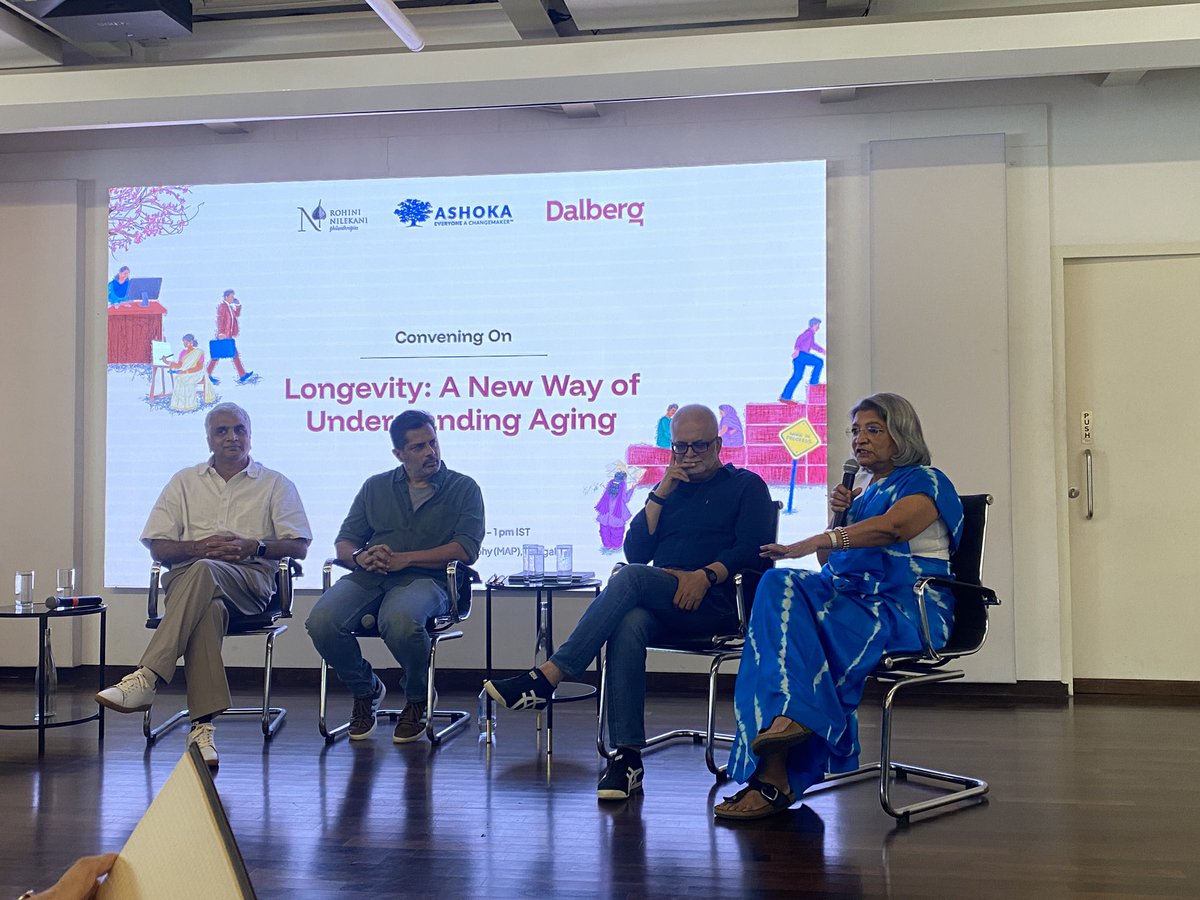
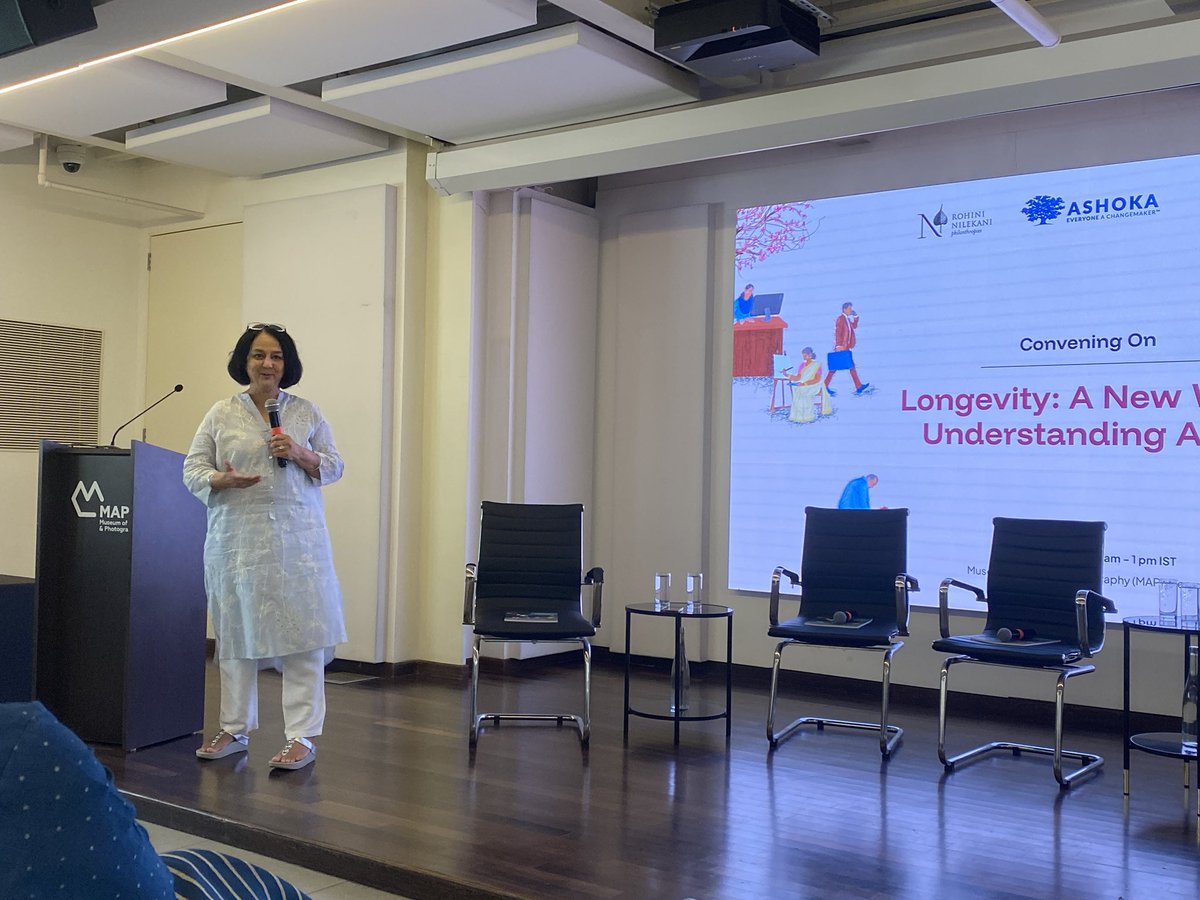
Rohini Nilekani makes a sharp point - the demographic transition is unfolding at extraordinary speed, just compare one generation before and one after. And perhaps the pessimism is misplaced; older adults may actually drive more sustainable living. @DalbergTweet @RNP_Foundation
1
1
314
Meenakshi Menon looked at ageism in advertising; her review of 2500 advertisements found that not only are older adults underrepresented (7% in ads vs. 11% in general population), but 48% are depicted with negative tropes like frailty, abandonment, loneliness, etc.
80
Always pleasantly surprised by just how much difference social connection makes. In an experiment, participants were exposed to a virus, and those who had greater social connection were less likely to fall sick. Somewhat similar results have been seen for cancer patients as well.
77
A 2025 study of 17,000 young adults found that those who skipped breakfast 4 days per week had higher body fat and higher obesity rates than regular breakfast eaters. While it established correlation (not causation), it points to the need to be circumspect about skipping meals.
252
As uncomfortable as it can seem (especially for introverts), multiple studies show that even forced interactions with strangers increases our happiness. Introverts, in fact, are most likely to under-predict the happiness boost they will get from talking to strangers.
1
305
‘Affective labelling’, or verbalising our emotions (eg. “I am angry”, “I feel frustrated”) is shown to help break out of unhelpful and debilitating rumination cycles by creating cognitive distance between us and the emotion. Eg. going from “I am anxious” to “I am having anxiety”.
215
Change feels intimidating because we fall prey to the ‘end of history illusion’, ie. that our present self is the final version of us, even though we’ve changed so much in the past. But change changes us, and gives us the perspectives and capabilities to navigate the future.
2
221
India is deregulating by outsourcing inspections and certifications to approved third parties, thus bypassing state capacity. However, capping fees can choke investment, limit coverage in smaller towns, and stifle innovation. Great insights in the latest @InfoProsperiti mailer.
1
509

4 Oct 2025
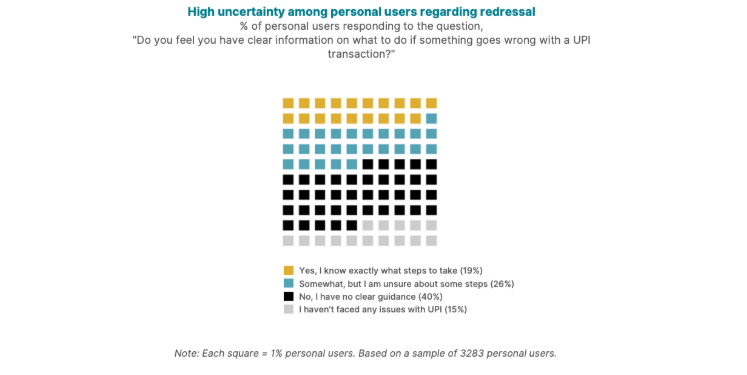
Creating a robust risk mitigation & safeguards framework for #DPI is important because, like most digitisation, they increase the attack surface. @Artha__Global survey, for e.g., finds 4% of UPI users have experienced monetary loss but <20% know what to do if something goes wrong
1
2,628
25 Sep 2025
We at @DalbergTweet have opened applications for Undergraduate and Postgraduate internships in our Mumbai and Delhi offices. These roles offer a chance to work on real-world global development challenges alongside our teams. Apply here: dalberg.com/join-our-team/
1
1
2,001
25 Aug 2025
The arrival fallacy: believing that happiness will come with the next milestone - a promotion, more money, nice house or next relationship. More often than not, it doesn’t. Happiness is a practice in the present, not a prize in the future. #PodcastMusings
3
2,189
24 Aug 2025
There are two parts to happiness: (a) affective or emotional, which means having a high ratio of positive to negative emotions in daily life (b) cognitive, which means an intentional evaluation that our life has happiness that meets our beliefs and aspirations. #PodcastMusings
2
2,052