
Joined July 2024
- Tweets 17,708
- Following 2,880
- Followers 1,711
- Likes 48,614
1,446 Photos and videos



Pinned Tweet

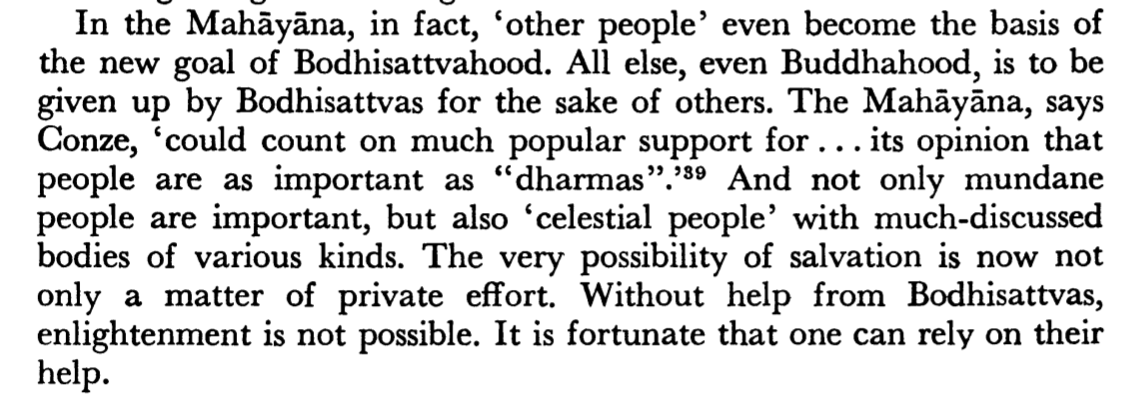
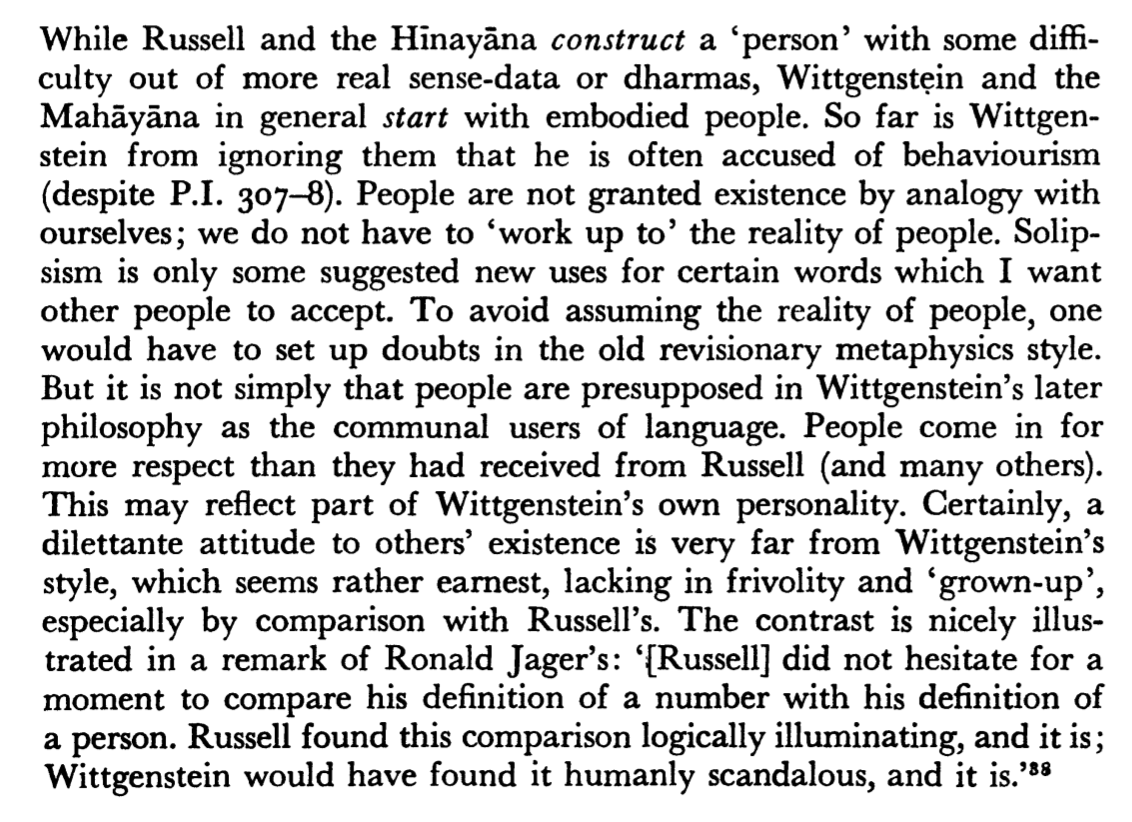
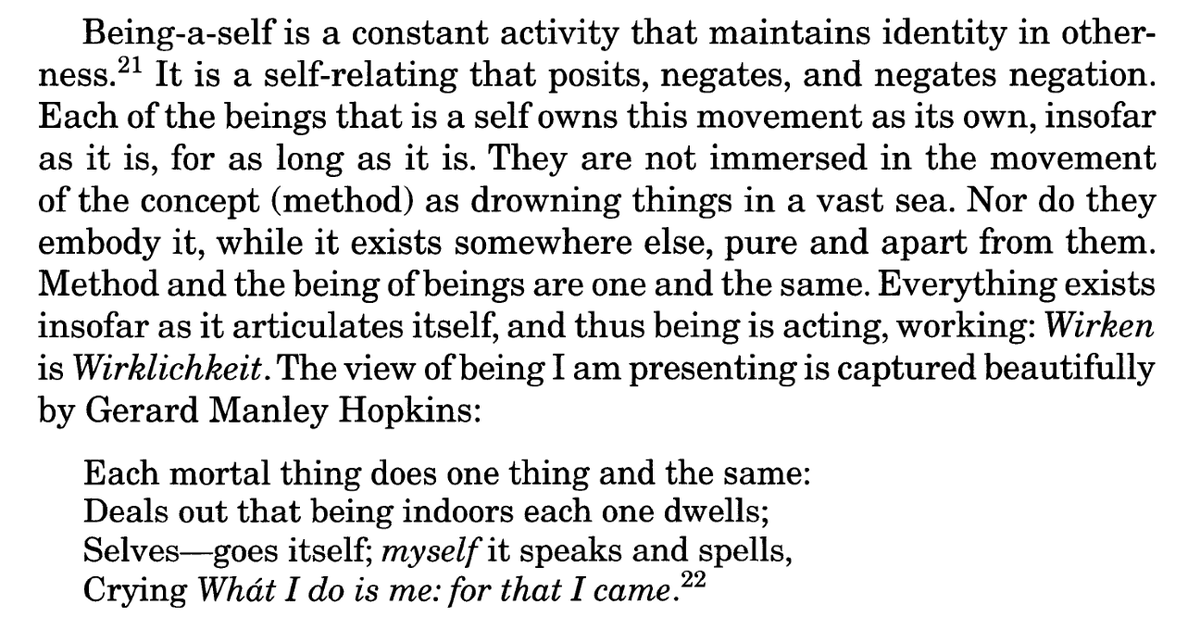
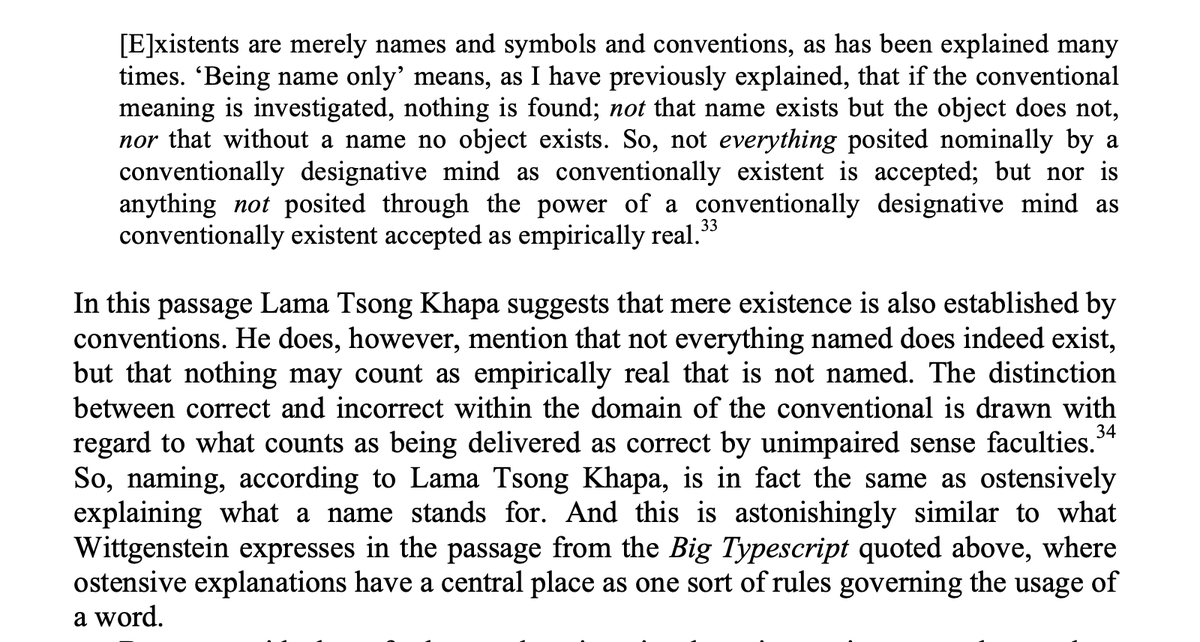
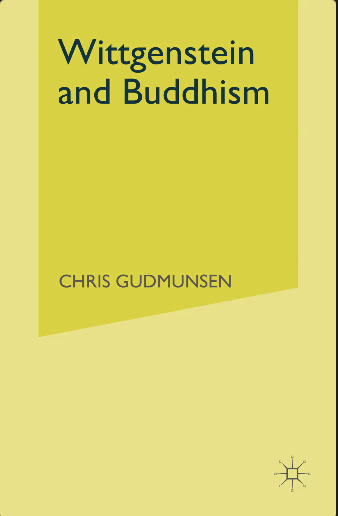
This book is the epitome of wisdom, gazillions must read.
10
6
75
5,211
Barzakh (برزخ) retweeted

Meditators be like "I meditated for many hours and become enlightened. the true nature of things is..." and then give some dualist philosophy that is incredibly overdetermined by the past 70 years of popular western philosophical scientism.
3
1
17
739
Muhammad and Ali were the divine epithets in pre-islamic arabia, the former being also used sometimes as an epithet of an epithet.
1
2
127
@timmodryoid guess which god's epithets were they in the pagan past of Arabia ?
1
67
kiss epistemology, marry semantics, kill ontology
Jun 13

kiss kill marry
semantics, ontology, epistemology
63

Barzakh (برزخ) retweeted

Jun 14
I think it's eminently important to separate your personal life from your political views and uphold principle over experience, structural analysis over feelings. You may broadly sympathize with certain oppressed people, but don't let a toxic asshole ruin it. Anyone can be toxic.
1
2
22
952
Barzakh (برزخ) retweeted

11h
Arghiri offers multiple competing accounts of unequal exchange, each less convincing than the previous one. I have no idea how people like that garbage. If anything, the real issue is that equal exchange itself produce and sustain structural inequalities between nations.
2
1
12
494
Barzakh (برزخ) retweeted

Jun 14
Except that Nietzsche wanted to destroy this kind of science and its foundational belief that truth is divine
Jun 14

Jordan Peterson made a profound point on Chris Williamson’s podcast.
When God dies, a lot of unexpected things die with Him, including science.
Science isn’t some purely neutral, secular tool. It rests on deeply religious assumptions: that truth exists, that it’s knowable, that pursuing it is good, and that the universe makes sense.
These aren’t scientific claims, they’re metaphysical, rooted in a religious worldview. The universities themselves grew out of monasteries.
Without that deeper foundation, science eventually stops being about truth and becomes just another tool for power, ideology, or convenience. You lose the reason to be honest when the data gets inconvenient.
Do you think science can survive long-term without any belief in objective truth or a higher moral order?
4
7
90
11,766
profoundly anti-buddhist statement.
Jun 14

"Solculuk insan doğasıyla uyumlu değil.
İnsan doğası, büyük idealler için kendini feda etmeye veya bir ahlak adına kendi zararına olacak eylemlerde bulunmaya müsait değil.
İnsan binlerce yıldır aynıdır, dürtü ve doğası değişmez."
Burak Bilgehan Özpek
67
Barzakh (برزخ) retweeted

Jun 14
“İnsan doğası diye adlandırmaktan hoşlandığımız şey, çoğunlukla yetişkin (burjuva) erkeklerin eğilimlerinden ibarettir.” Marshall Sahlins, Batı’nın İnsan Doğası Yanılsaması
Jun 14
"Solculuk insan doğasıyla uyumlu değil.
İnsan doğası, büyük idealler için kendini feda etmeye veya bir ahlak adına kendi zararına olacak eylemlerde bulunmaya müsait değil.
İnsan binlerce yıldır aynıdır, dürtü ve doğası değişmez."
Burak Bilgehan Özpek
23
380
3,799
82,440
Japanese anime have that sense of life as free fall that one gets in phil of Mahayana.
76
Barzakh (برزخ) retweeted

Jun 14
Many Hindu nationalists are both ignorant of the details of the caste system. Nationalists are often ignorant about inequality in their societies the caste system is complicated enough that even many non-nationalist S. Asians often operate with simplistic understandings of it

hindutvas hallucinating a chinese caste system is the funniest thing to happen this year i think
6
21
311
15,951
Barzakh (برزخ) retweeted

problematic kahe woke se kyu trollअत hai moye
ek din aisa aayega mai trollऔंगी toye
Jun 14

if Sant Kabir Das were alive today, he'd be dropping absolute bangers on twitter every single day
3
2
21
554
Barzakh (برزخ) retweeted

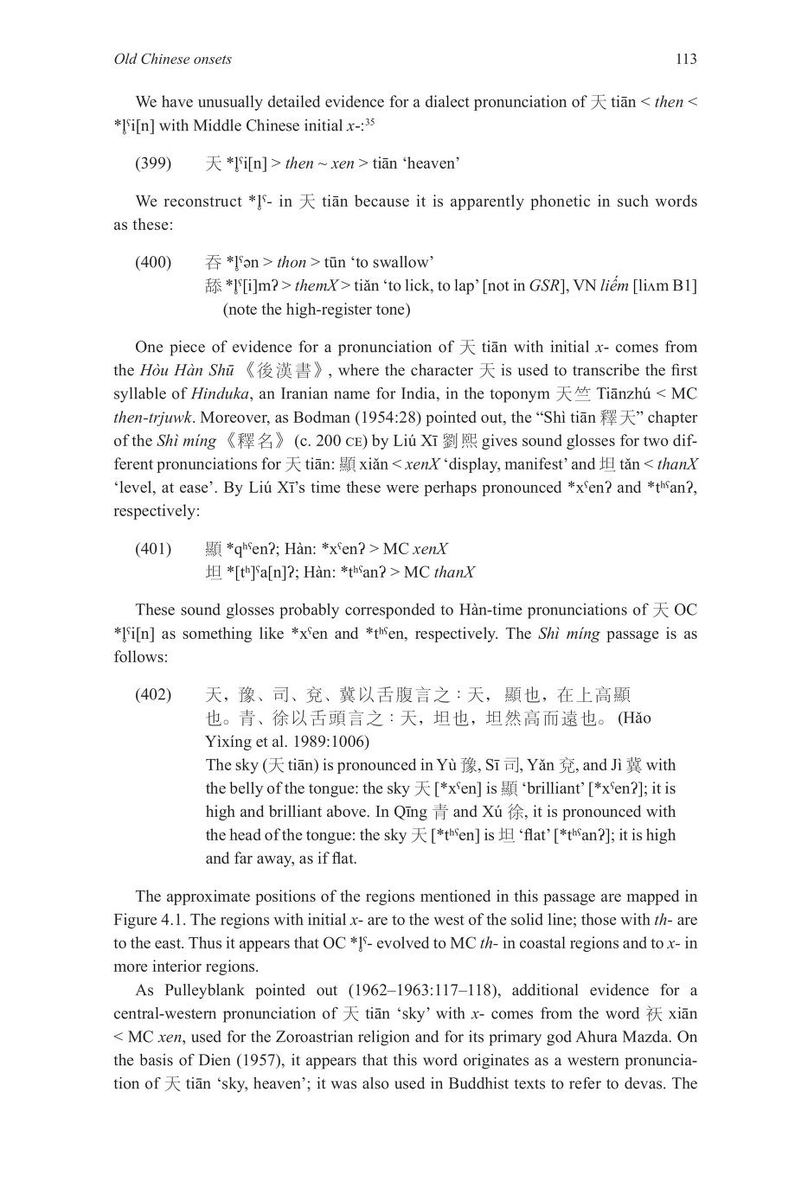
The term Tiānzhú is ultimately an early Middle Chinese transcription of Iranic *Hindūk(a). It's not reverential.
However, it's true that East Asian *Buddhists* did indeed regard India as the land of wisdom.
Dào'ān refers to it as the "State of Sages"
「然天竺聖邦,道岨遼遠,幽見碩儒,少來周化。先哲既逝,來聖未至,進退狼跋,咨嗟涕洟。故作章句,申己丹赤。冀諸神通,照我顒顒,必枉靈趾,燭謬正闕也。」
Yet the land of sages India lies across rugged paths and vast distances. Rarely do we glimpse eminent scholars and seldom do they come to "universally transform" us.
The former wise ones have already passed away, and the coming sages have not yet arrived; advancing or retreating, [we are like a] wolf tripping [on its dewlap], sighing deeply and weeping tears.
Therefore, I compose these chapters and verses, to stretch forth my own sincere heart [lit. "cinnabar red"]. I hope that those with spiritual penetrations will look upon my look of reverent longing, and surely bend their spiritual feet, to illuminate [our] errors and correct [our] omissions.
Fǎxiǎn also refers to the Madhyadeśa (in the Gangetic plains) as 中國, a term otherwise reserved for China.
This is likely because Magadha, Kosala, and Kāśī were regarded by Buddhists as the normative center of their civilization, just as classical Chinese authors regarded the Central Plains as the center of Chinese civilization.
Alternatively, it may be because this region was regarded (even by Jains and Hindus) as the "cultural heartland of India."
「其烏長國是正北天竺也。盡作中天竺語。中天竺所謂中國。俗人衣服飲食亦與中國同。」
"Uḍḍiyāna is in the very Ncorth of India. They all use the dialect/speech of Central India. Central India is what is called the 'Central Country' (中國). The clothing and food of the common people are also the same as those of the 'Central Country.'"
On the other hand, the Daoists did not hold India in equal esteem.
They composed the Huàhújīng, in which Lǎozǐ is described as riding his ox out through the western gates and becoming "Buddha" in order to civilize the Indians, who were initially an uncivilized "Hú" (Western Barbarian) people like the Persians, Dàqín (Romans/Syrians), etc.
It was essentially an anti-Buddhist polemic that argued that Buddhism was just a crude and simplified version of Daoism which was designed for unrefined "barbarian" minds.
The Confucian critics were harsher still.
The Confucian scholar and poet Hányù (韩愈) in his prose 「论佛骨表」("Memorial on the Bone of the Buddha") even labelled Buddha himself as a barbarian and challenged Buddha to bring down calamity upon him:
「夫佛本夷狄之人,與中國言語不通,衣服殊制,口不言先王之法言,身不服先王之法服,不知君臣之義、父子之情。」
...
「佛如有靈,能作禍祟,凡有殃咎,宜加臣身,上天鑒臨,臣不怨悔。」
"As for the Buddha, he was originally a man of the barbarian lands. His language was incompatible with China. His clothes were of a different style. His mouth did not speak the laws of our Ancient Kings. His body did not wear the garments of our Ancient Kings, and he knew nothing of the duty between ruler and minister, or the affection between father and son.
...
If the Buddha truly possesses spiritual power and is able to cause calamities and misfortune, then whatever disaster or punishment there may be should fall upon me, your servant alone. May Heaven above observe and bear witness; I shall neither resent nor regret it."
Even the use of fógǔ (佛骨, i.e. "Buddha's bone"), instead of línggǔ (靈骨, "spiritual remains") or shèlì (舍利, "śarīra/relics"), was likely intentional to drive home the point that the Emperor was unnecessarily making a big fuss over a piece of a dead foreign man's skeleton.
Jun 14

East Asians were always thankful
( Tianzhu and Tenjiku names of India )
> Asians spread racism against Us & some retards use Buddha to insult them, it's wrong obviously
but to say it encourages them to leave Buddhism that's a stretch
1
20
92
3,340
Barzakh (برزخ) retweeted

May 25
guy who misunderstood Gold's theorem, day 1 in bangalore: no i can't learn Kannada sir, language identification in the limit was shown to be computationally impossible in 1967, in fact i dont think you understand Kannada either
3
35
1,505
Barzakh (برزخ) retweeted

It is genuinely interesting that India, Sri Lanka and Bangladesh all had female heads of government much earlier than a lot of western countries, despite those thee countries having three different religions



6
3
70
3,968