
Joined October 2016
- Tweets 140,399
- Following 10,417
- Followers 16,750
- Likes 152,636
14,831 Photos and videos

चेदिराड्रिपुपार्षदः 🟩⬜️⬛️ retweeted

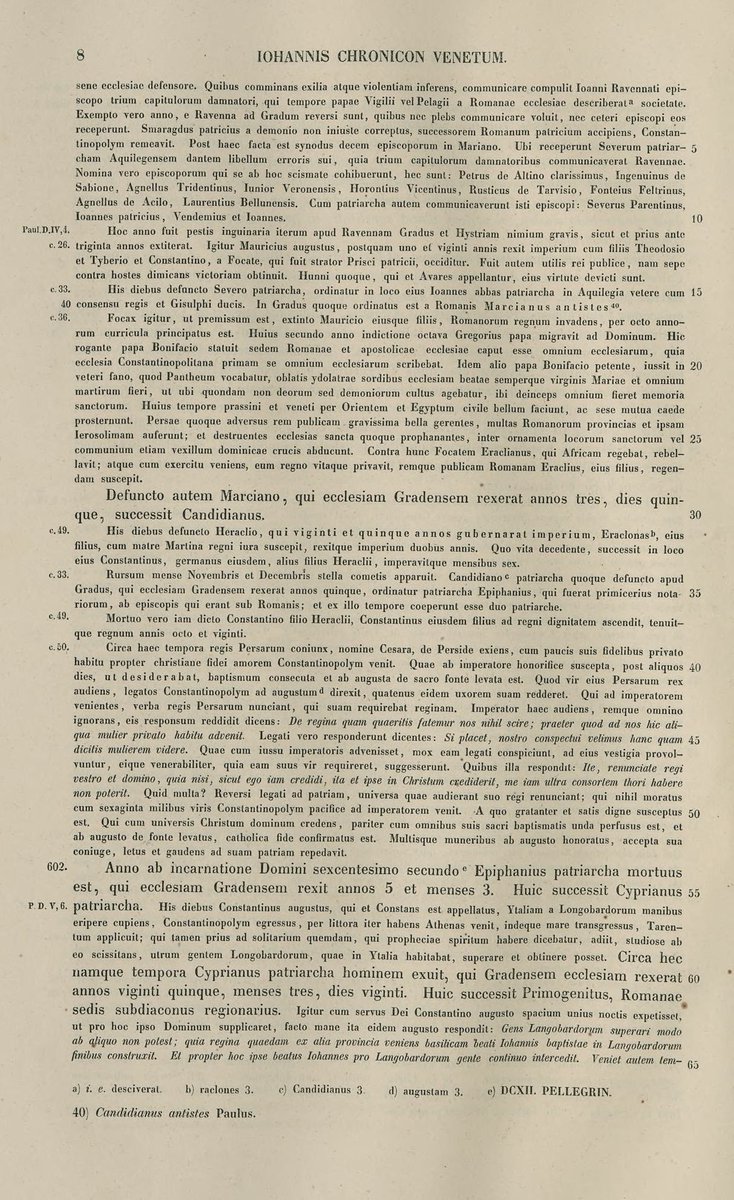
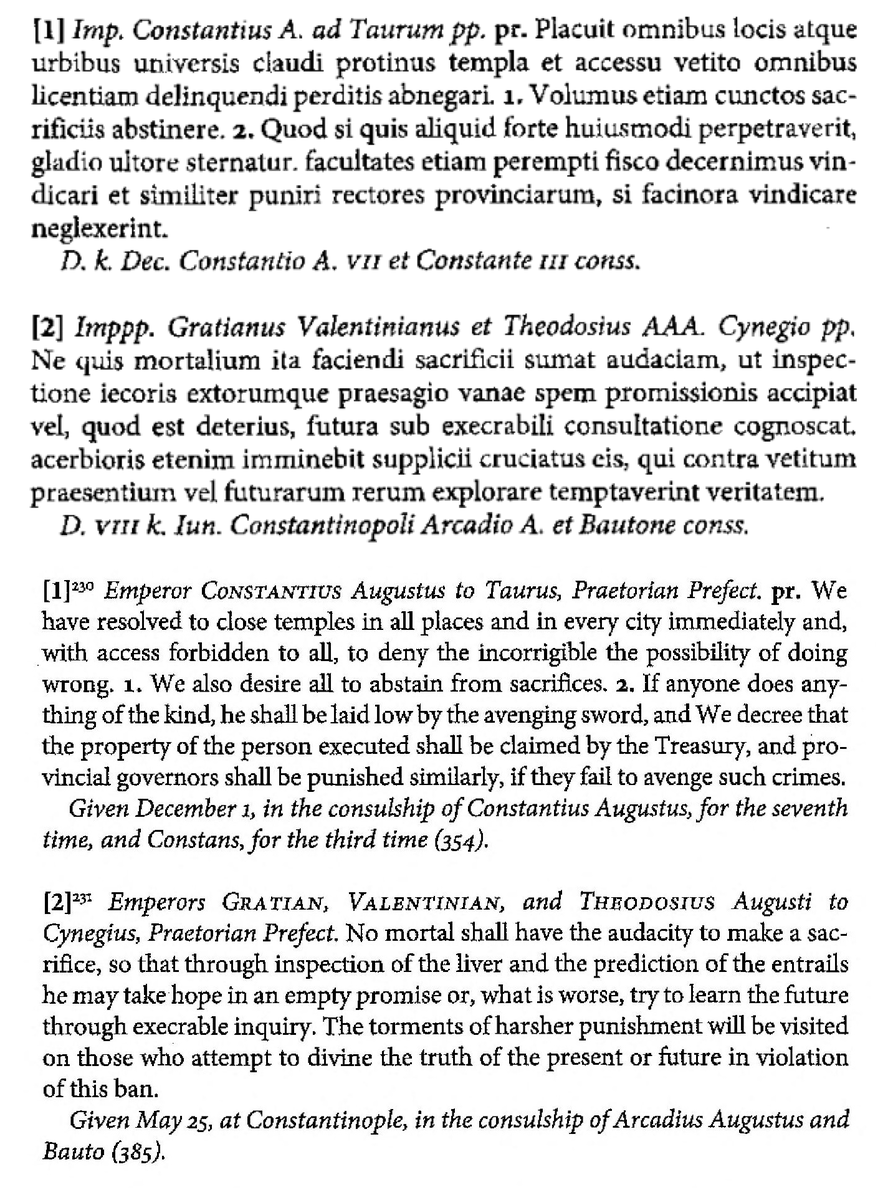
This is what I thought when I read Malavikagnimitram.
Kalidasa himself was writing about something that happened a few centuries before him.
1
1
1
81

There is a difference between cultural memory and rigorous historiography.
The Áśoka whom some Indians were familiar with prior to the 19th century was a semi-legendary, highly-dramatized figure who had a torture chamber in his palace (early in his life), outlawed the death penalty (later in his life, after his brother was inadvertently killed), and erected 84,000 stū́pas in a single day.
The modern understanding of the figure is much more down-to-earth and relies on inscriptional records which were indeed undecipherable until much later.
Moreover, the Pāḷi canon was certainly not transcribed around 400 BC.
The Pāḷi canon was not transcribed on ōlā leaves until the late 1st century BC (the reign of Vaṭṭagāmaṇi Abhaya/Valagamba), according to Sri Lankan chronicles, though the earliest manuscripts date to centuries later.
Transmission was oral up until that point.
Moreover, the attested Pāḷi language itself cannot predate the 4th century BC as several features of the language are less archaic than the attested language of the 3rd century BC Mauryan inscriptions.
An earlier, oral (Ardha)māgadhī canon likely existed prior to being "translated" into languages like Pāḷi, Gāndhārī, Sanskrit, etc. and later Chinese, Tibetan, etc. though we don't know the extent to which the corpus changed between the 6th century BC and 1st century BC.

Thank you for this germane post.
Indian historical memory is not at all as bad as it is projected to be.
While mudrarakṣas which gives us an evocative picture of 300 BCE India, it is often asserted that it’s only the British who uncovered Ashoka “the great”?
The historical transmission of the pāli canon with its copious references to historical and geographical facts too is noteworthy, I thought.
It is said to have been transmitted over for 200 years and then been committed to written form around 400 BCE.
The day better correlation between the Puranas and pre-1500 BCE history of India is established. Then that historical memory of India would be shown to be much longer. @Jijith_NR has worked on this - granted that it’s different from western scholarship.
1
7
316
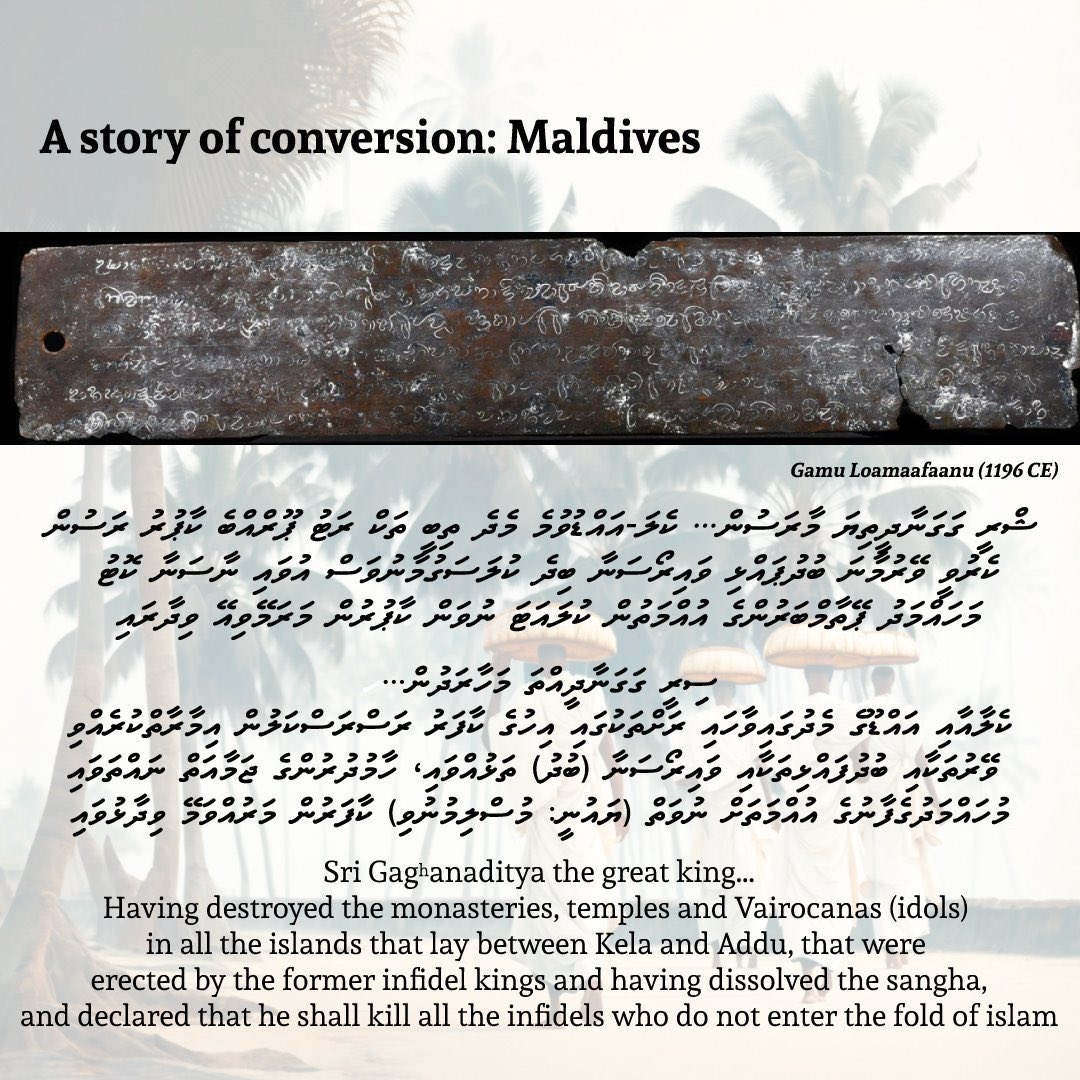
Attributing the lack of continuity to a singular cause (i.e. Islam) is overly simplistic.
The lingua franca of the Middle East regularly changed.
Akkadian gave way to Imperial Aramaic, Imperial Aramaic was replaced by Classical Syriac and Koine Greek, etc.
The spread of Arabic can be regarded as the latest phase in a long pattern of linguistic change.
Moreover, the various Arabic "dialects" (some would argue they are separate languages) still retain features inherited from the languages which were spoken in the respective regions prior to Arabic becoming dominant.
Moreover, it's worth noting that most of the Middle East had already been Hellenized and later adopted Christianity prior to the spread of Islam.
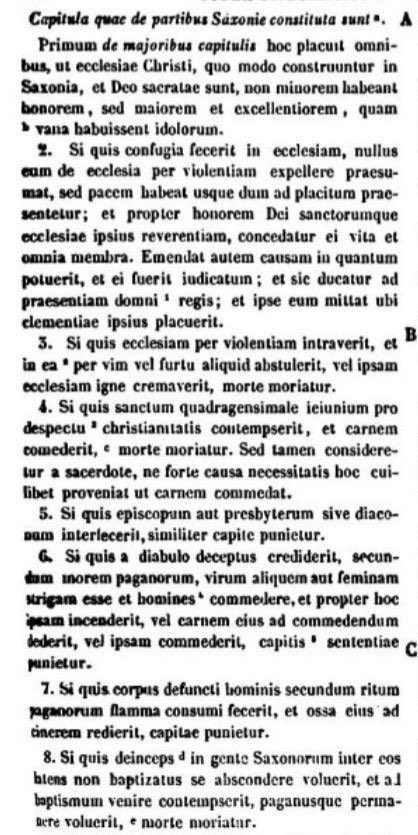
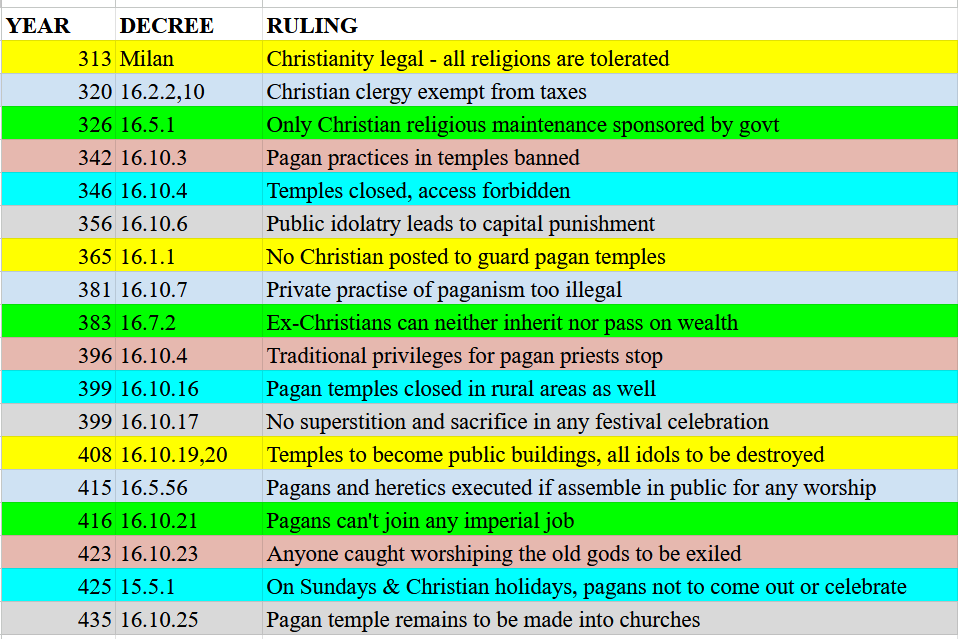
Christianity was hardly any better in Islam in its view of pre-Christian heritage.
Medieval Christians treated classical pagan temples as supply stores of "spolia."
Rather than going through the trouble of mining fresh stone from mountain quarries, medieval labourers would break the marble from pagan temples and heat the marble in lime kilns to make quicklime, which was the main component in Roman concrete.
The only reason the Pantheon exists today in [relatively] pristine condition is because the idols were thrown out and the structure was converted into a church by Byzantine Emperor Phocas as a gift for Pope Boniface IV.
The gilded bronze tiles on the Pantheon's dome and the bronze or gilded finial at the top of the oculus were stipped off by order of Emperor Constans II in the 7th century and sent to Constantinople and Pope Urban VIII in the 17th century ordered the bronze from the portico ceiling to be melted down and used for the baldacchino of Bernini in St. Peter's Basilica as well as for the cannons used in the fortification of Castel Sant'Angelo; however, the main structure of the pantheon remained intact because it was stripped of all its pagan idols and dedicated to the Virgin Mary and Christian Martyrs.
Likewise, the main reason most of the ruins of the Roman Forum (which was once the bustling civic center of Rome) still stand today is because the Roman Forum became a "Campo Vaccino" ("cow field", i.e. a pasture for grazing cattle and other livestock).
As a result, the area became caked in 40 feet of mud, organic waste (mule droppings and cow dung) and silt from the flooding of the Tiber River.
Labourers did indeed set up lime kilns near the site and heavily plundered it for spolia, digging through the dirt & manure to break apart ancient marble statues, friezes, etc.; however, they never came close to finding everything because the ground level rose by around 40 feet.
In other words, the medieval labourers only found the rocks which were sticking-out & not the ancient structures.
Eventually archaeologists in the early 20th century (Giacomo Boni and his team) would discover even more ancient structures at the site such as the Volcanal (also referred to as the "Lapis Niger shrine," named after the slabs of polished black marble which were used when the Romans paved over the site) dedicated to Vulcan/Hephaestus and associated with the site of Romulus' death in antiquity, which contains the famous cippus bearing a boustrophedon inscription dating to 6th century BC that warns against defiling the shine.
They also discovered the Sepulcretum (Sepolcreto del Foro Romano) with cremation tombs dating to 10th-century BC (the ashes of the deceased were placed inside hut-shaped pottery urns) and inhumation tombs dating to the 8th-7th century BC.
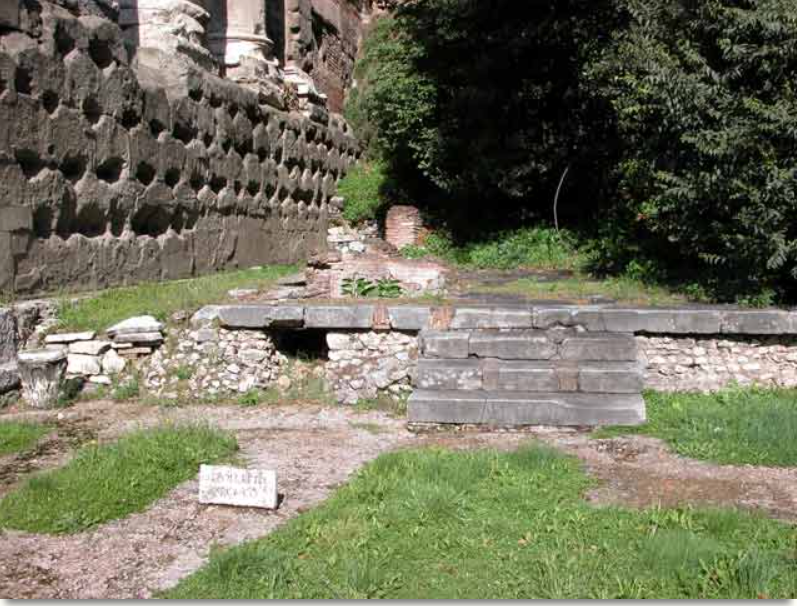
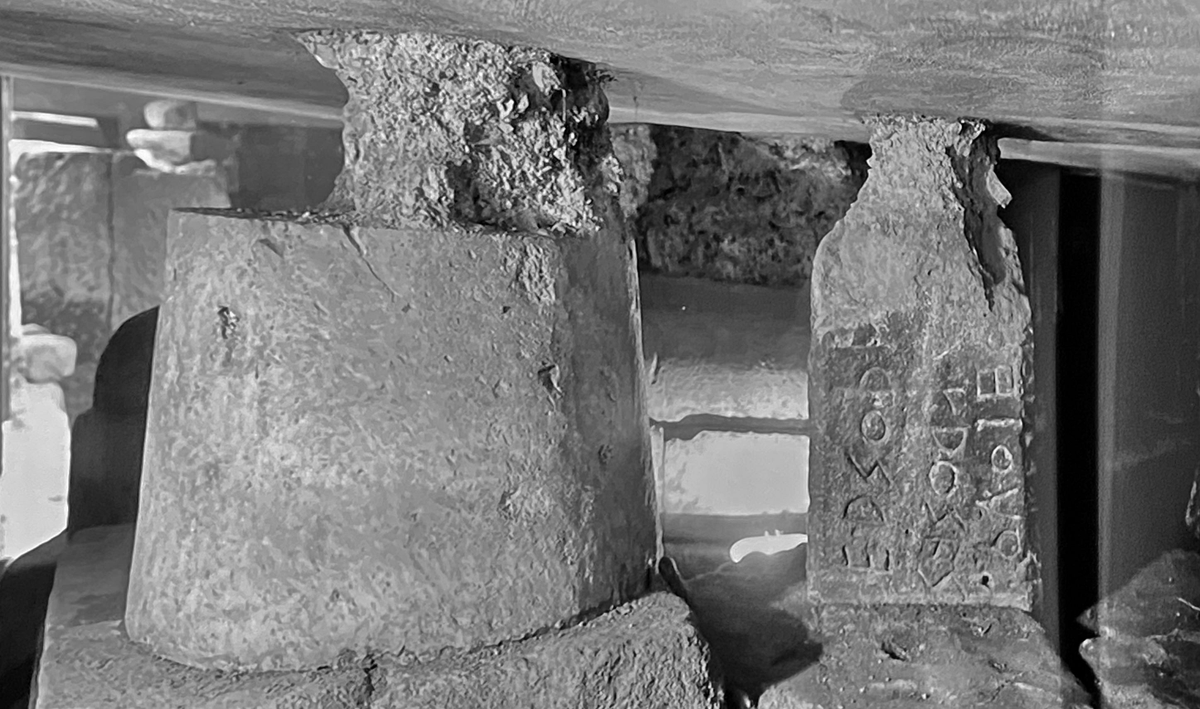
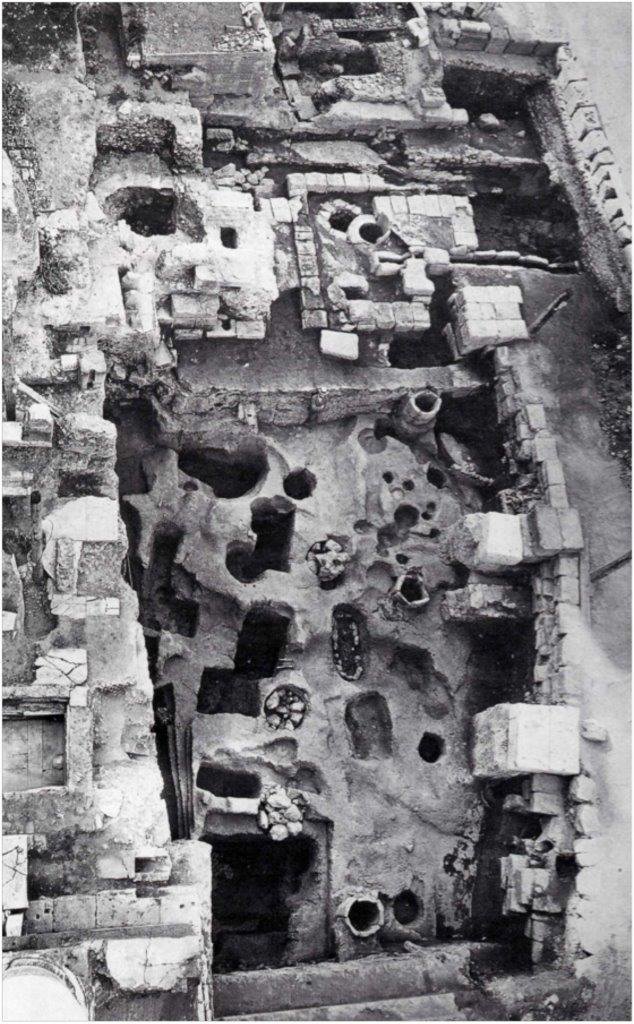

calling the wreckage of cultures caused by islam in the middle east as a "framework" is a misnomer.
4
183
Indians even "remember" Purūrávas (already a semi-legendary figure in the Vedic period) and Yayā́ti, though there is a difference between archaic chieftains who are exclusively known through native tradition & major kings who are well attested in the contemporary epigraphic record (e.g. Áśoka) or foreign records (e.g. Candraguptá).
Dívodāsa firmly falls in the former category.

Bro Indians even remember Divodasa
1
3
23
936
चेदिराड्रिपुपार्षदः 🟩⬜️⬛️ retweeted

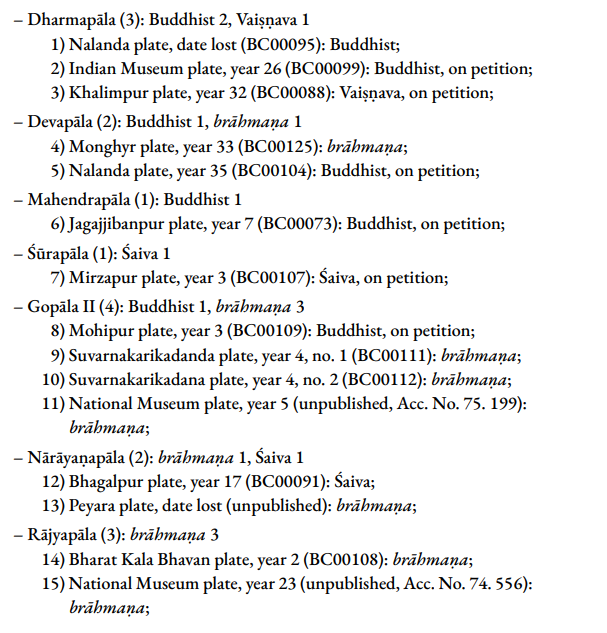
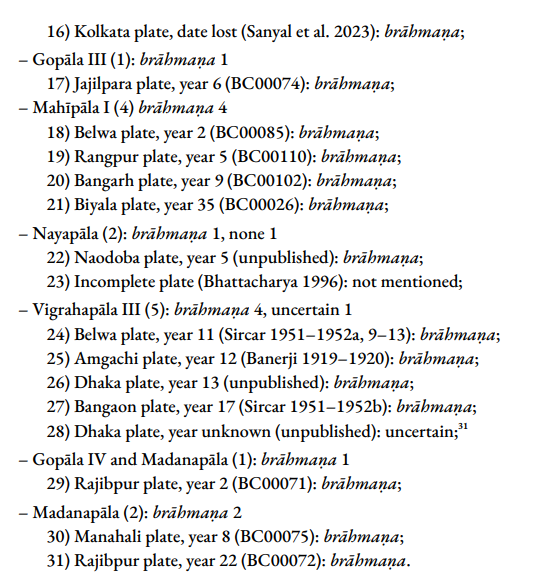
All the 31 known grants made by the Pāla-s and their sectarian affiliations (brāhmaṇa refers to brahmādeya grants made regardless of religious affiliation).

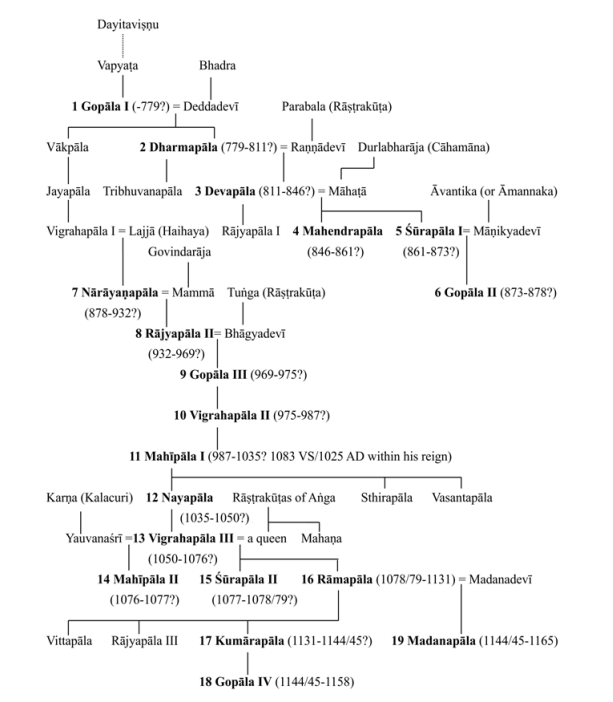
Genealogy of the Pāla emperors (700s? - 1200s?).
I believe there are a few monarchs after Madanapāla who possessed the suffix -pāla ruling in the broad region, who may possibly be linked to the line.
2
3
30
924
It's interesting how lay people (typically not scholars or Indologists) underestimate the intellectual rigour and continuity of India's indigenous traditions.
They tend to apply the same framework they apply for the Middle East to India.
Iraqis forgot about Hammurabi, Ashurbanipal, et al., Egyptians forgot about Khufu, Hatshepsut, et al.; Arabs forgot about Gindibuʾ, Karibʾīl Watār, et al.
These figures were (re)discovered by archaeologists and epigraphers in the 18th-20th centuries.
The accounts of az-Zabbāʾ/Zenobia in medieval Islamic historiography drew from both indigenous (Arab, Syriac) & Greco-Roman/Byzantine sources while the account of Dārā (Darius III) in Firdawsī's Šāhnāmah drew almost entirely from the Alexander Romance tradition (via Syriac translations from Greek, which were later translated into Pahlavi/Middle Persian)
Therefore, it must stand to reason than Indians also must've forgotten the names of rulers like Candragupta, Aśoka, etc. prior to the arrival of Westerners, no?
Yet this is clearly not true.
Although the Brāhmī script used in the inscriptions had changed so much as to be unrecognizable, Candragupta (Sandracottus of the Greeks) was well known through texts and plays like Viśākhadatta's Mudrārākṣasa, which were completely independent of Greco-Roman sources like Megasthenes.
The names of Aśoka Maurya and his sons Daśaratha and Samprati are recorded in the Puranic vaṃśāvalis and he is glorified in Buddhist sources such as the Divyāvadāna (which contains a section known as the Aśokāvadāna) and Srilankan chronicles like the Dīpavaṃsa and Mahāvaṃsa.
A manuscript of the Divyāvadāna in Sanskrit (or Sanskritized Prakrit) was discovered in Nepal in 1824, so the text was continually being copied.
One could argue that modern Persians had no knowledge of Old Persian for over 1,500 years (until the script was deciphered in the 19th century) and minimal knowledge of Avestan.
The Zand and Dēnkard commentaries composed by medieval Zoroastrians dasturs and mobeds often differs from modern philological readings.
Yet in the case of the Vedas, there is a largely unbroken chain or recitation reinforced by the śikṣās, prātiśākhyas, etc. and interpretation based on the Nirukta (the Naighaṇṭuka, Naigama, Daivatakāṇḍa-s of Yāska), Vyākaraṇa (Aṣṭādhyāyī Vārttikas Mahābhāṣya, along with the Uṇādisūtras and Phiṭsūtras), etc.
Therefore, the commentaries by Bhaṭṭabhāskara, Sāyaṇa, Veṅkaṭamādhava, Skandasvāmin, Mahīdhara/Uvaṭa are quite close to modern philological interpretations, simply because formal study of Sanskrit (including Vedic Sanskrit) never truly disappeared in India.
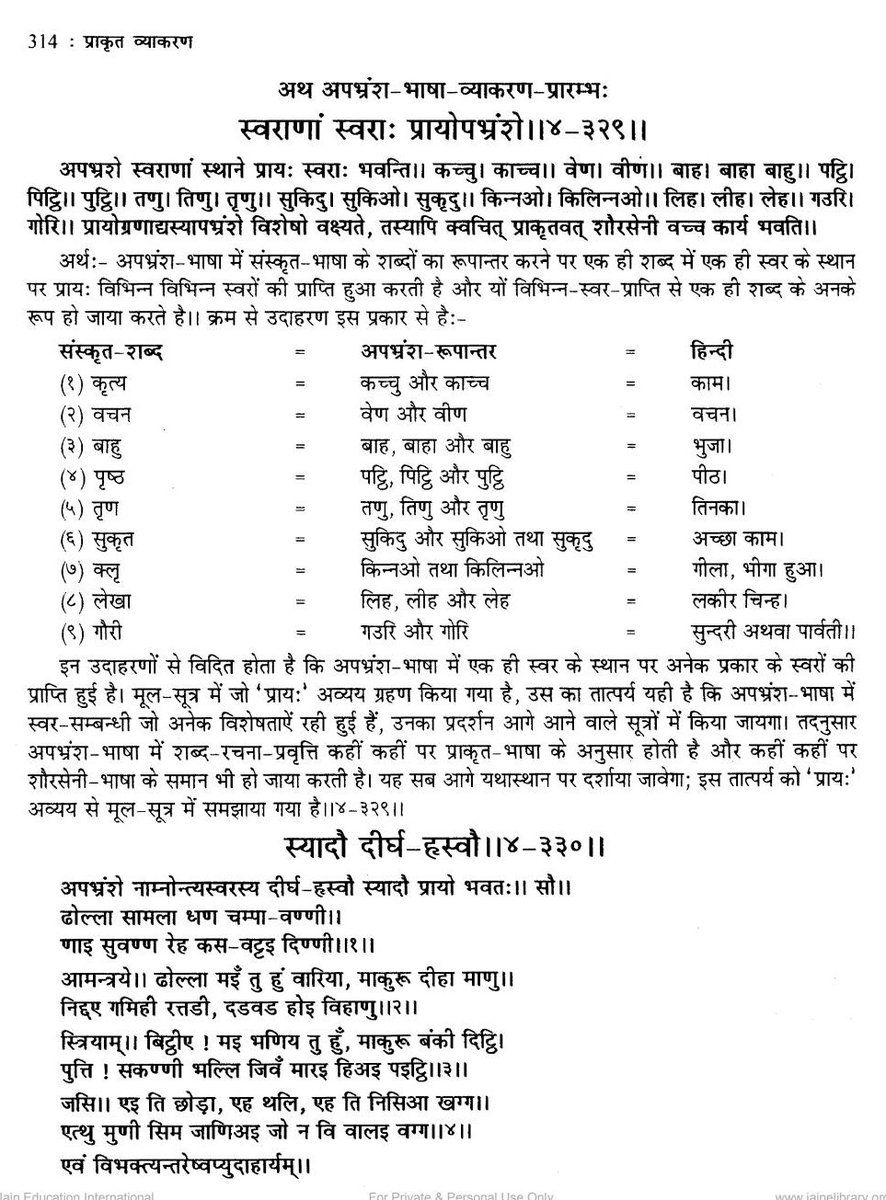
Even the study of the medieval Prakrits never disappeared among the Hindus and Jains.
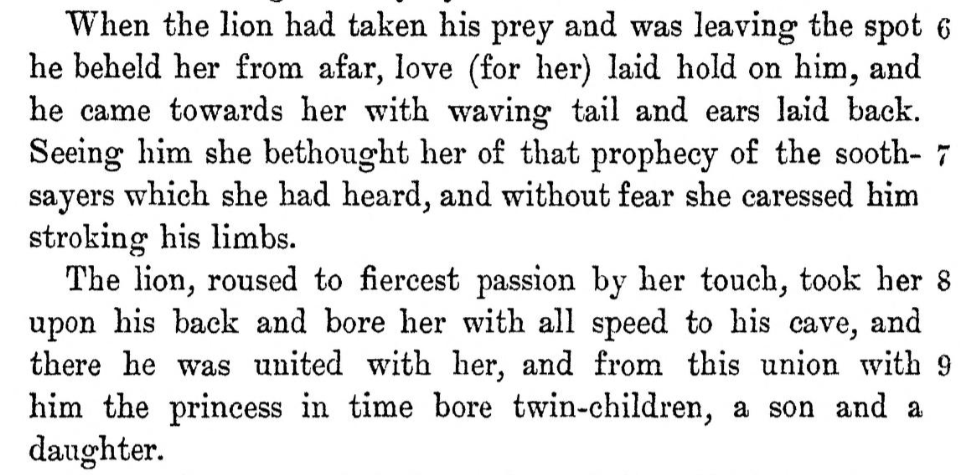
Most people nowadays think of the 16th century grammarian Mārkaṇḍeya as the final Prakrit grammarian, yet Rāmaśarman Tarkavāgīśa composed his grammar of Prakrit and Rāmapāṇivāda composed his Kaṃsavaho and Usāṇiruddho less than two centuries before Norwegian-born German Indologist Christian Lassen's published his Institutiones Linguae Prakriticae.
When it comes to continuity, one can't treat the Indian Subcontinent the same way as the Middle East, Iran, or Central Asia, yet the fact that they rehash the same arguments regardless just highlights that these sorts of arguments (whether applied to India OR the Middle East) are ultimately rooted in racial paternalism ("the White Man's Burden," yet applied to history).

Claim 1: "Understanding & translation of the Rig Veda had to be done by Westerners because much was lost in India"
Status: False. Vedas were never "lost" in India. They were preserved through a complex, oral transmission system (incl. permutations) for millennia,
8
47
140
4,431
चेदिराड्रिपुपार्षदः 🟩⬜️⬛️ retweeted

Could have directly made it Sadashiva in line with their own doctrine.
1
6
473
Balinese invented a deity Sang Hyang Widhi Wasa and made a Shaiva priest/saint named Dang Hyang Nirartha into their "prophet" to Islamise their religion and appease the Indonesians.
The Indonesian military & local militias also engaged in a massive, state-sponsored purge of thousands of members of the Communist Party of Indonesia, which decimated the Left Wing in their country and shaped the country's political trajectory.
18h

This isn’t true. There is Pancasila which means if you don’t declare yourself as monotheistic, you have no religious recognition.
Secondly, Indonesia does a lot of settler colonization where they ship muslim settlers to non muslim regions and settle them.
Western Papua, for example has a massive Muslim population because of this, this is from colonizing Christian Papuan regions with Muslim settlers.
As a consequence, there used to be massive insurgencies in eastern indonesia.
4
26
117
3,722
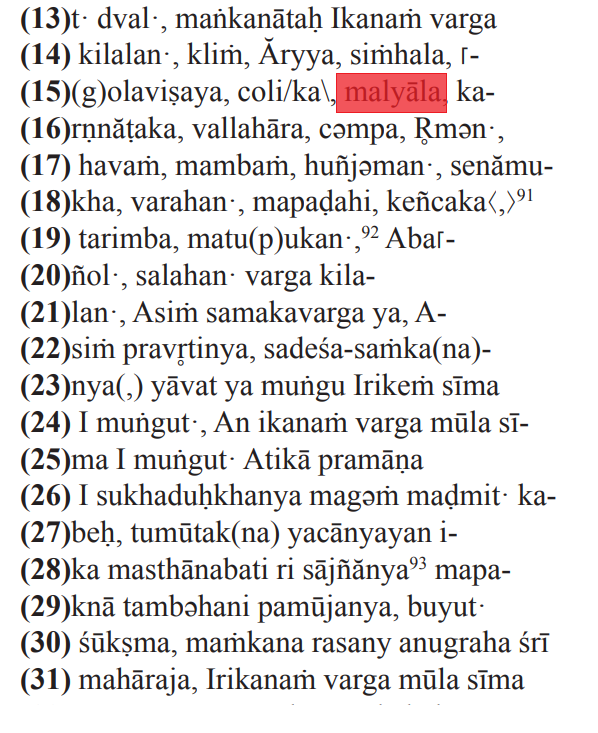
You won't find the name "Sang Hyang Widhi Wasa" attested as the name of a deity in any Old Javanese (Kawi) and Balinese lontar manuscripts.
One may find Sang Hyang (as a honorific prefix for any sacred spirit, god, or revered ancestor) coupled with widhi (from Skt. vidhi, "rule, injunction, or cosmic law"), but the term "Sang Hyang Widhi Wasa" and the legal moniker Ida Sang Hyang Widhi Wasa was introducted in the 1930s to 1950s.
3
19
655
चेदिराड्रिपुपार्षदः 🟩⬜️⬛️ retweeted

When China was founded it defined itself as a people's democratic state like those in Eastern Europe,not a Soviet-style proletarian socialist state,advocating multi-class united rule — and in practice that's basically still true today, with the four major classes ranked by status
1
3
188
चेदिराड्रिपुपार्षदः 🟩⬜️⬛️ retweeted
The yellow five-pointed star in our national flag was inspired by the Soviet Union;in Slavic culture the star represents hope, and Lenin believed a revolution needed hope.The red is the revolutionary color defined by Marx,Lenin thought yellow and red complemented each other best.
1
2
210