
The official twitter feed of Sugar & Spice Modelling! Full-time model, message me to book your shoot :)
Joined April 2013
- Tweets 3,147
- Following 892
- Followers 1,397
- Likes 506
456 Photos and videos












Chloe Burton retweeted

2 Sep 2024
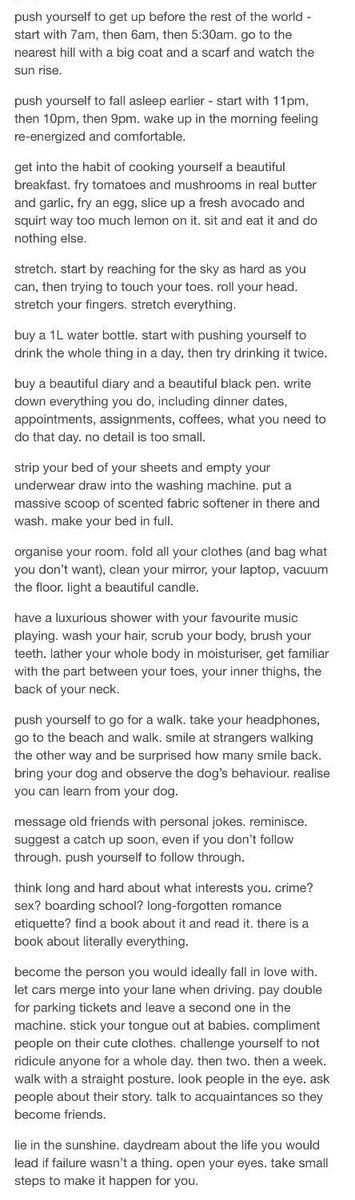
Personal development habits
7
678
3,923
251,193

19 Jun 2023
1
589
Chloe Burton retweeted

25 May 2023
Looking for that perfect statement hat?
This fabulous limited edition hat is in stock and ready to go!
Currently offering free UK 🇬🇧 delivery on oderes.
#royalascot
#Millinery #jayneelizabethmillinery

1
2
4
520
Chloe Burton retweeted

18 May 2023
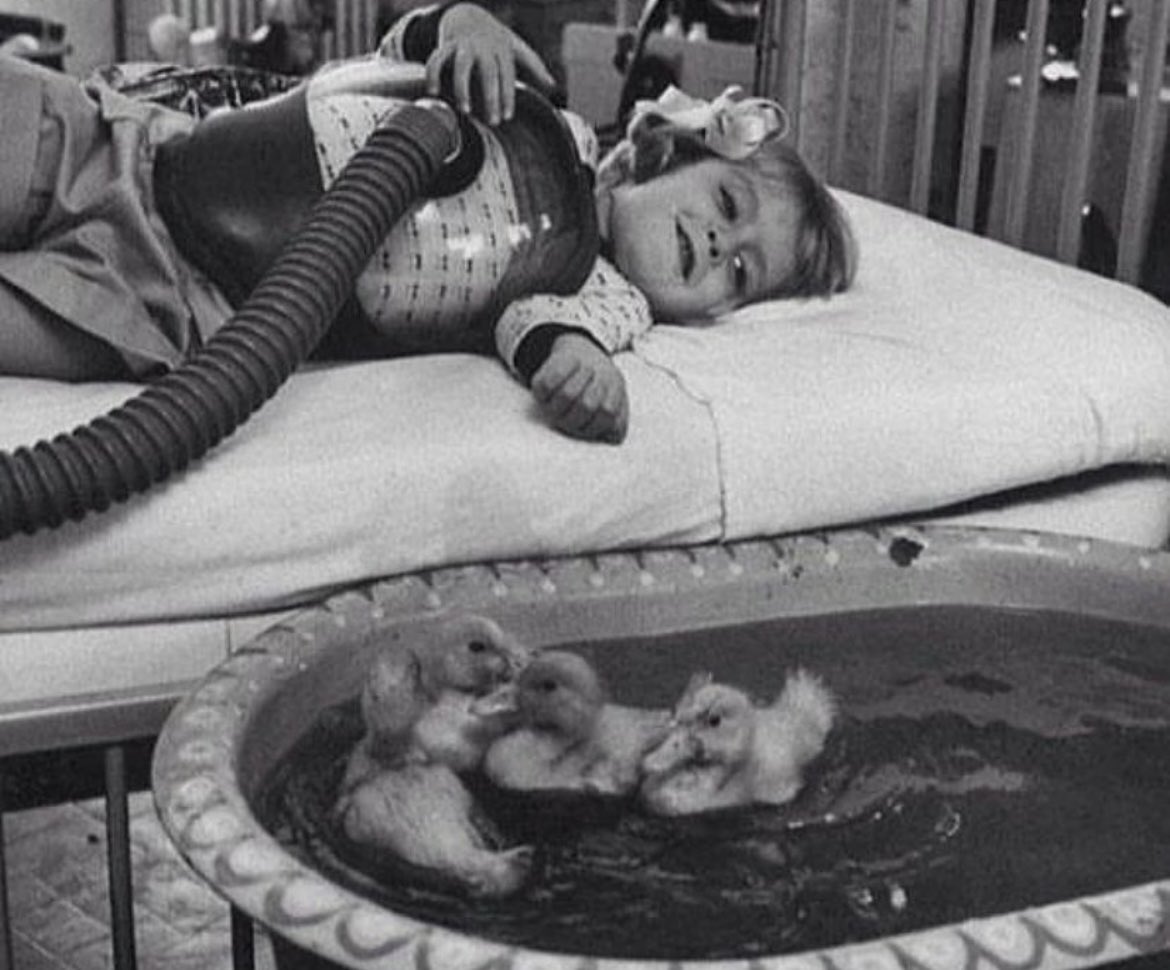
In 1956, ducklings were utilized as an integral component of medical treatment.
In the realm of medical history, there have been numerous groundbreaking advancements and innovative treatments. However, there are also some lesser-known chapters that offer a glimpse into the peculiar and unconventional approaches taken in the past. One such fascinating example dates back to 1956 when ducklings were utilized as an integral component of medical treatment. This unexpected therapeutic method aimed to provide solace and support to patients during their recovery. Let's explore this intriguing story further.
In the mid-1950s, healthcare professionals embarked on a unique experiment to incorporate ducklings into medical therapy. The rationale behind this unconventional approach stemmed from the belief that the presence of these small, endearing creatures could have a positive impact on patients' emotional well-being, aiding in their recovery process. Hospitals and clinics started introducing ducklings into various departments, particularly those caring for children and individuals experiencing emotional distress.
The therapeutic impact of ducklings was indeed remarkable. Their presence brought joy and cheer to patients, creating a welcoming and uplifting atmosphere within medical facilities. The gentle interactions between patients and ducklings helped alleviate stress, reduce anxiety, and promote a sense of companionship. Children, in particular, found solace in the company of these adorable creatures, often forming deep emotional connections.
The utilization of ducklings as a form of therapy eventually became a popular phenomenon in medical institutions worldwide during the 1950s. However, as medical science progressed and more evidence-based practices emerged, the focus shifted towards more traditional therapies. Consequently, the era of duckling therapy gradually faded away, and other interventions took center stage.
The incorporation of ducklings as an integral component of medical treatment in 1956 remains a peculiar but captivating episode in medical history. Although this unorthodox approach might seem unconventional today, it highlights the significance of emotional well-being in the healing process. The use of ducklings provided comfort, support, and a sense of joy to patients, ultimately contributing to their overall well-being. While the era of duckling therapy may have passed, its legacy serves as a reminder of the continuous search for innovative and compassionate methods to enhance the medical experience for patients of all ages.
386
2,605
24,945
8,510,508
Chloe Burton retweeted

19 May 2023
Sibling relationships are more predictive of lifelong well‐being than parental divorce, or even your own marriage and career. Here's what parents can do to keep their kids close. psychologytoday.com/us/blog/…
3
32
95
29,431
19 Apr 2023
349
29 Mar 2023
Happy Birthday To Me!
#celebrations today include #crazygolf @tivolicambridge and a family dinner @thewindmillsomersham this evening :) instagram.com/p/CqYIiuhsp8U/…
250
8 Mar 2023
258
23 Jan 2023
313
24 Nov 2022
New #castingcall for Saffron Walden, Essex, United Kingdom #PurplePort: purpleport.com//castings/459…