Holding our gov't accountable @BKCHarvard by revealing shifts in access to Web resources || See @WIPArchives for old tweets || Signal for tips: 443-607-2067
Joined March 2007
- Tweets 2,620
- Following 138
- Followers 4,656
- Likes 124
178 Photos and videos

Web Integrity Project retweeted

5 Mar 2021
I spoke with @Tierney_Megan about our @SunWebIntegrity work and examples we've seen of employees & contractors intentionally changing federal sites. Her reporting sheds light on these cases of bureaucracy and leadership playing a direct role in obfuscating public information
5 Mar 2021

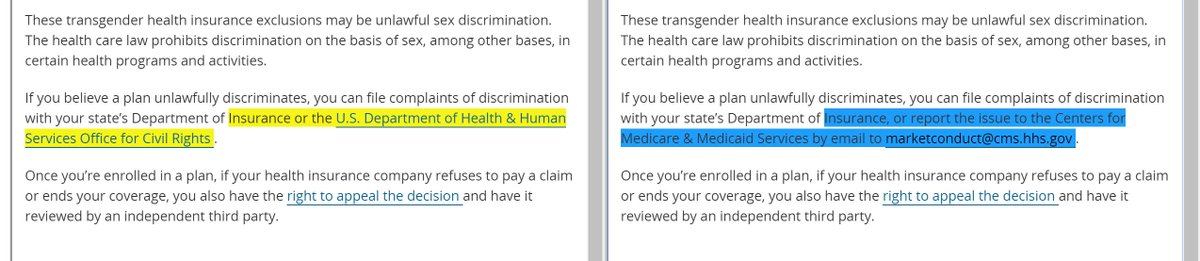
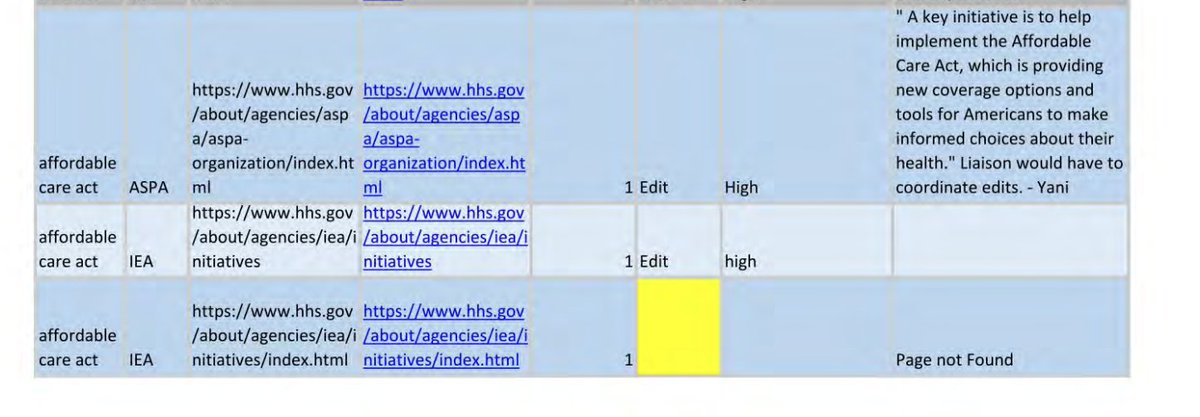
Remember when the Trump administration scrubbed Affordable Care Act mentions from HHS websites? Well here – thank to a finally fulfilled FOIA request — is how they did it. talkingpointsmemo.com/news/a…



1
7
7
Web Integrity Project retweeted

1 Oct 2020
Welcome to the @BKCHarvard community, @rachelkbergman, @tolyrinberg, @andmbergman! I've had the great pleasure of working w/the @SunWebIntegrity team, alongside our @cyberlawclinic students, in recent years. So happy this vital transparency accountability work will continue!

🎉Big News!🎉 The Web Integrity Project is joining us to research government transparency and censorship. Learn more about their work and how it will continue at BKC:
cyber.harvard.edu/story/2020…
2
6
25

1 Oct 2020
We're excited to announce that our work will continue in its new @BKCHarvard home!
Our co-founders, @rachelkbergman, @tolyrinberg, & @andmbergman, are working with @cbavitz & the great BKC team to get the project up and running, and we'll be sharing more updates soon.
🎉Big News!🎉 The Web Integrity Project is joining us to research government transparency and censorship. Learn more about their work and how it will continue at BKC:
cyber.harvard.edu/story/2020…
2
5
11
30 Dec 2019
In WIP’s latest blog, @j0ncampbell reports on litigation brought by NGOs that could transform an obscure federal statute from a weapon for industry groups and conspiracy theorists into a bulwark against government misinformation sunlightfoundation.com/2019/…
1
30 Dec 2019
Jim Tozzi, a gregarious 81-year-old former New Orleans jazz musician who was largely responsible for the passage of the IQA in 2001, is not shy about the IQA’s origins as a tool for industry to challenge government regulation.
1
30 Dec 2019
He’s also not surprised to see that it would be used by others. “I knew at some point in time, the NGOs were going to use it,” Tozzi says. “I kept on telling everyone, you just wait.”
30 Dec 2019
In WIP’s latest blog, @j0ncampbell reports on litigation brought by NGOs that could transform an obscure federal statute from a weapon for industry groups and conspiracy theorists into a bulwark against government misinformation. sunlightfoundation.com/2019/…
3
7
5
30 Dec 2019
“Frankly, there are not a lot of legal tools available to push back on the propaganda and misinformation coming out of [federal] agencies,” explained Ben Berwick, one of the attorneys working on the Massachusetts case.
1
30 Dec 2019
Berwick continued, “We think the IQA is one such tool, and that Congress intended for it to have some teeth.”
Web Integrity Project retweeted

18 Dec 2019
Many #OpenData practitioners want to bring data trainings to data novices - @DanOUrban & @pfffr from @BARIboston share key challenges & strategies for making data truly open & #inclusive to all:
bit.ly/2rYOf4Y
10
11
Web Integrity Project retweeted

18 Dec 2019
Toxmap allowed users to pull up detailed EPA data for environmental contamination. Those capabilities appear to no longer be available to the public. bit.ly/35Bh45W
7
122
162
Web Integrity Project retweeted

In this newly published report, EDGI’s Website Monitoring team highlights transparency issues with the evolution of information on an EPA regulatory guidelines webpage and provides concrete recommendations for improving web resource governance.
envirodatagov.org/web-govern…
1
13
16
Web Integrity Project retweeted

13 Dec 2019
Our friends at @MarchForScience are launching their #ScienceNotSilence campaign to mobilize advocates around the world to support science-informed policies. Watch to see why we believe in #ScienceNotSilence. You can find our guide here: wordpress-350926-1087337.clo…
1
13
23
Web Integrity Project retweeted
9 Dec 2019
Technology has expanded the potential for govts to collect feedback & integrate the public in the policymaking process.
But even when done with the best intentions, public consultations can provide mixed results.
bit.ly/2rVHXCO
1
2
Web Integrity Project retweeted

28 Nov 2019
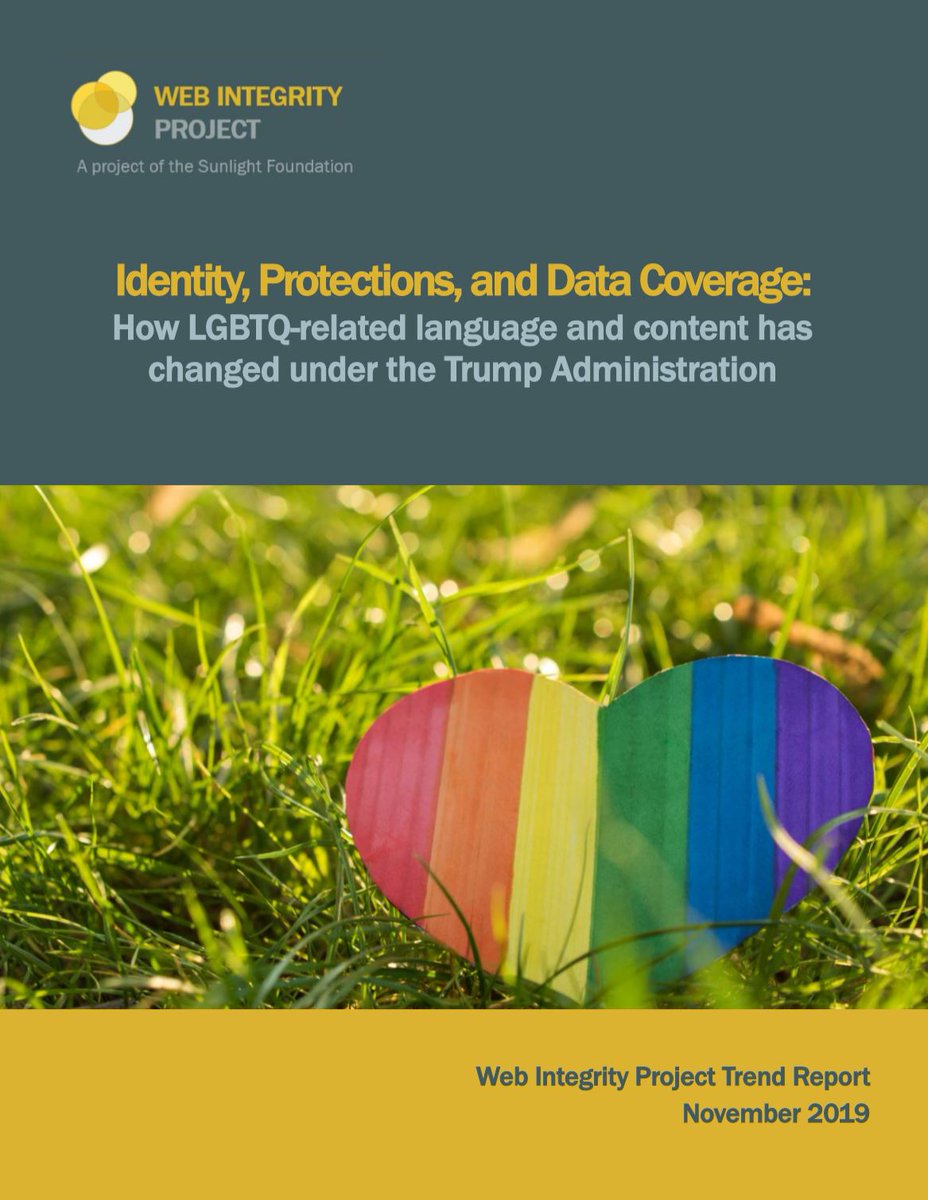
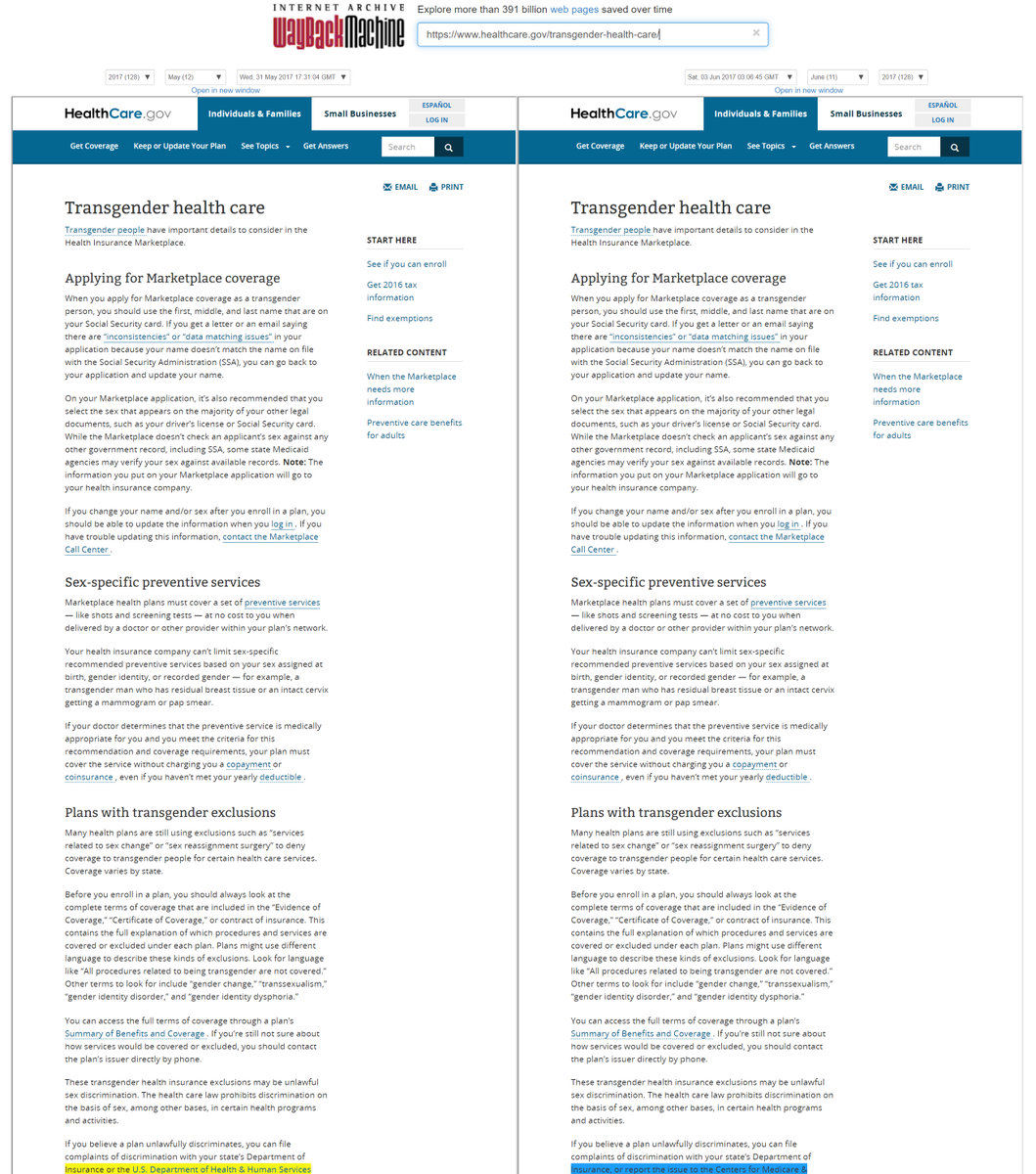
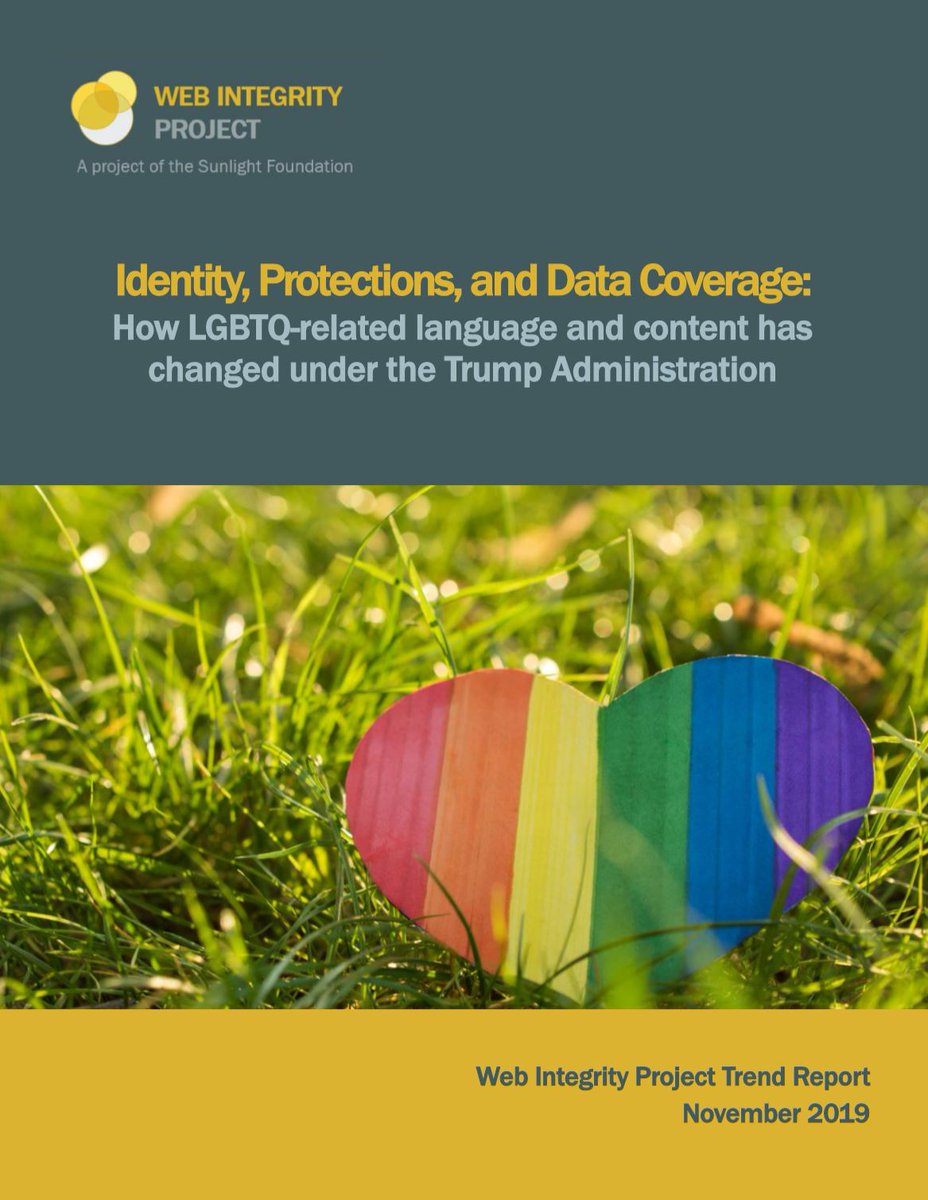
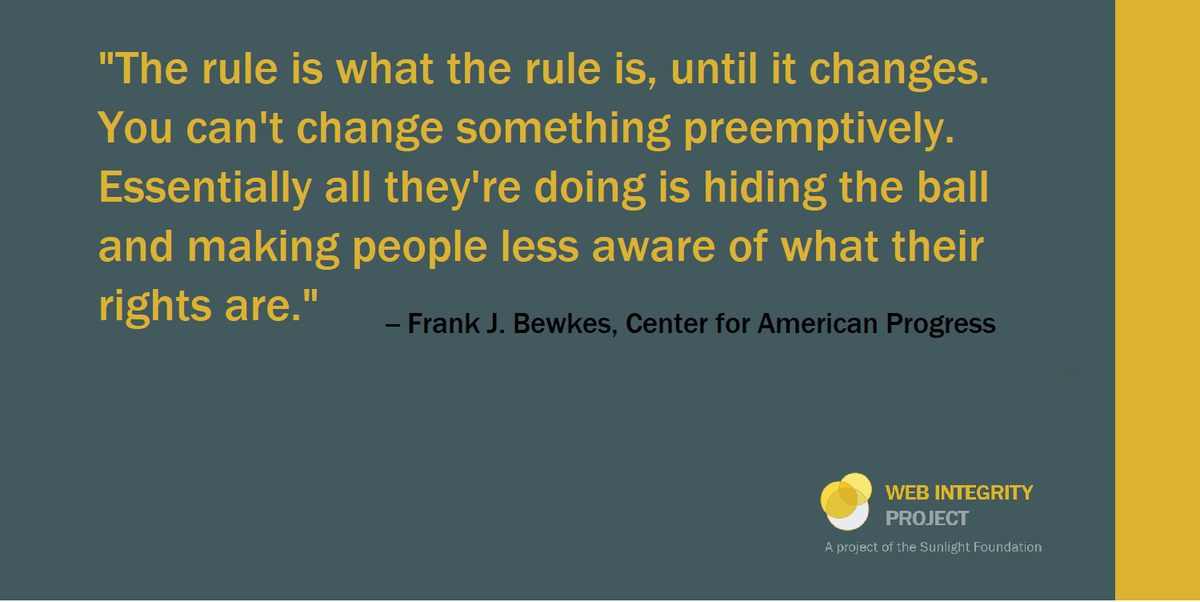
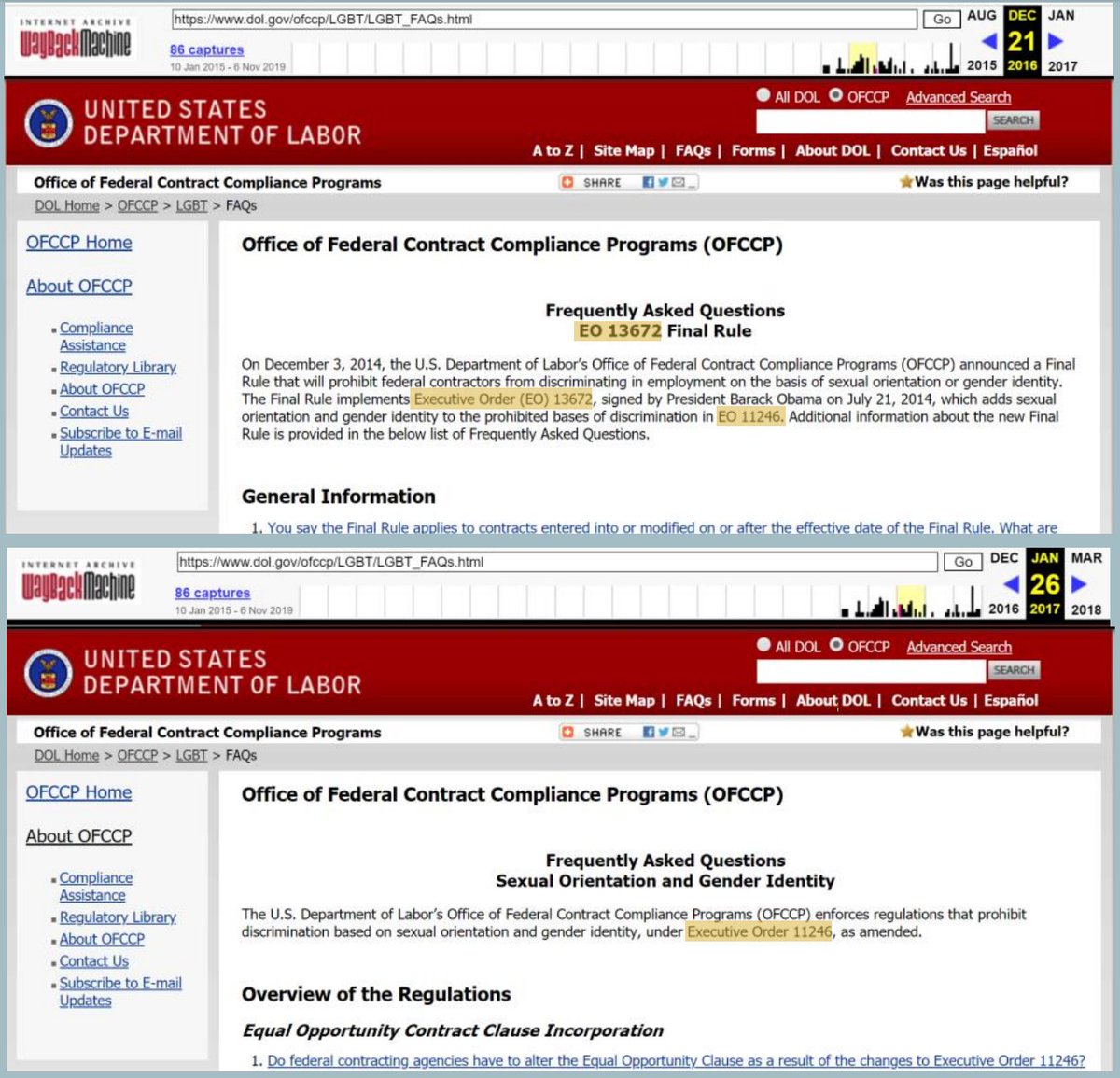
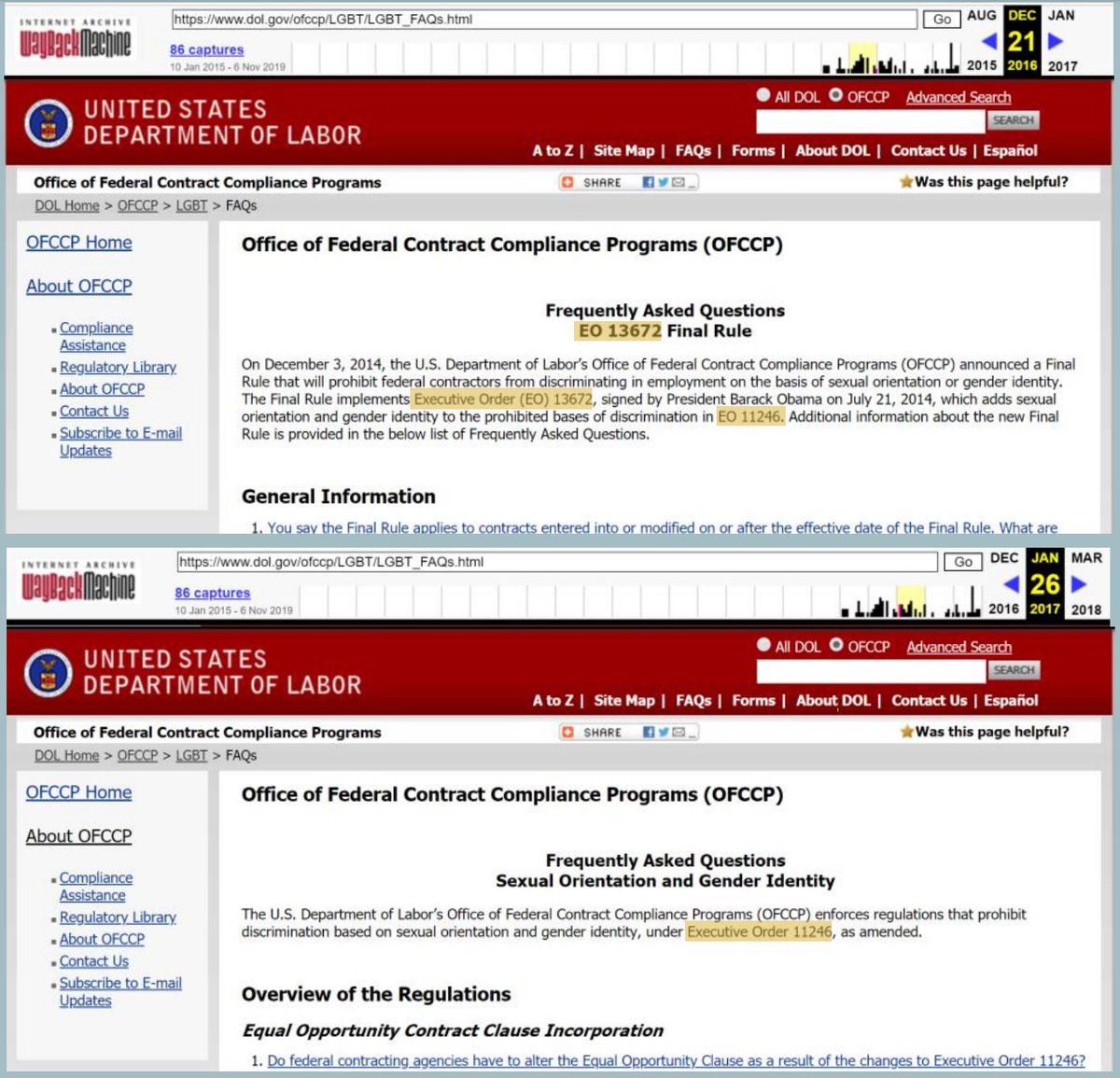
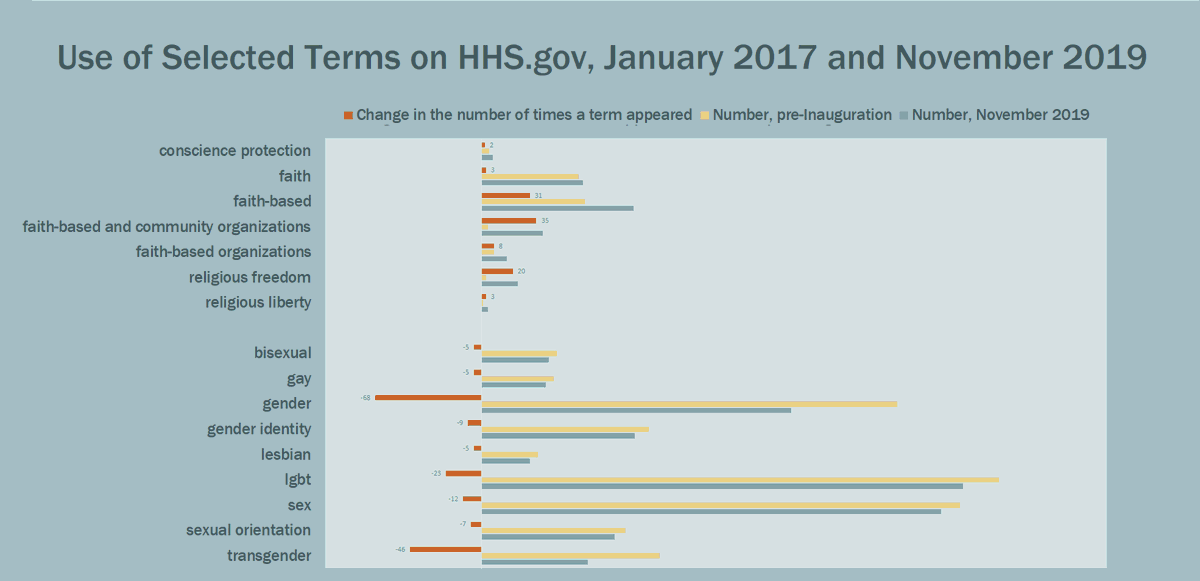
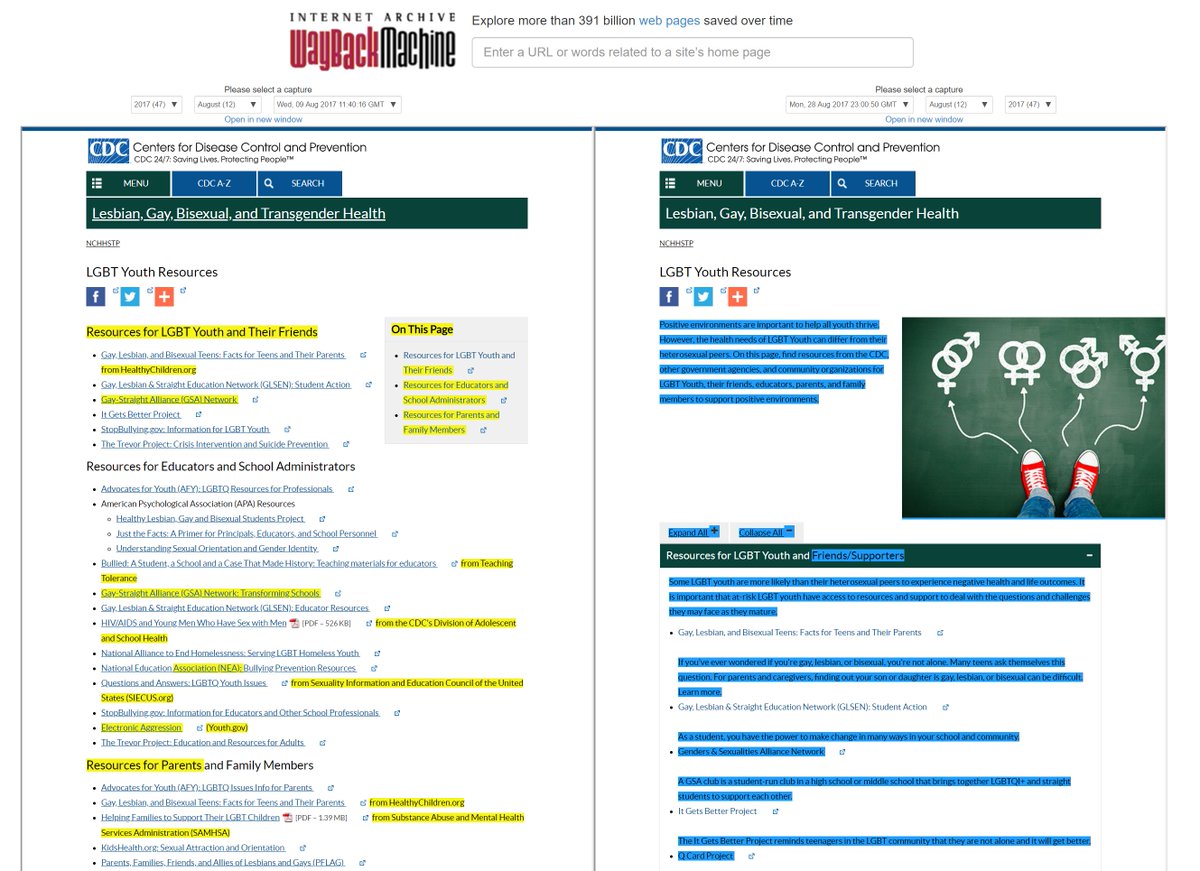
Our friends at @SunWebIntegrity published this powerful report about how the Trump administration has been erasing LGBT issues from the Web. Grateful they were able to use the @internetarchive's Wayback Machine to support their research: msn.com/en-gb/news/world/thi… #TruthMatters
2
36
26