
The definitive platform for elite human performance, longevity, and health optimization.
Joined October 2025
- Tweets 97
- Following 31
- Followers 969
- Likes 19
55 Photos and videos


Super Human Network retweeted

Jun 11
We could be the last humans to age and die on schedule.
One injection from David Sinclair's lab already made old, blind mice see again, and in 2026 the FDA cleared it for people.
Here's the science nobody's ready for (THREAD):
43
155
917
56,319

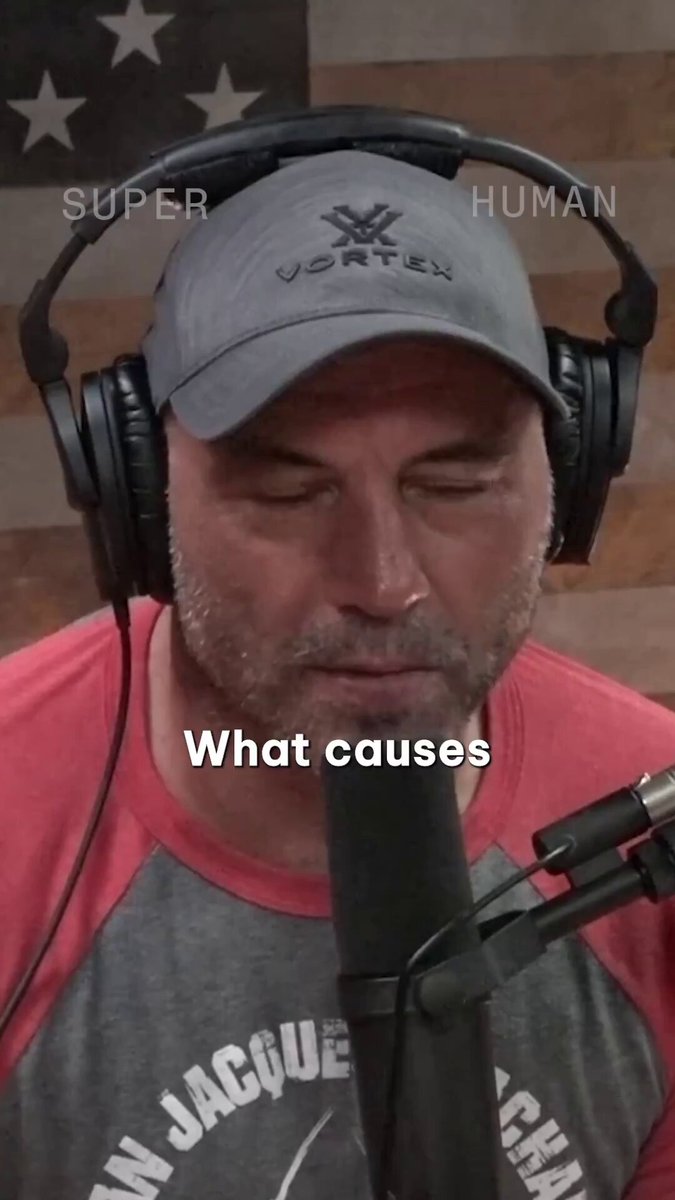
Aubrey de Grey frames aging less like a mysterious biological clock and more like a long-term maintenance problem.
His point is that the body slowly builds up wear and damage through normal living, similar to how machines accumulate rust, debris, and breakdown over time. The longevity angle is important because this shifts the conversation from accepting decline as inevitable to asking whether that damage can be repaired, slowed, or managed earlier.
In that view, aging becomes less about chasing youth and more about extending the years where the body and mind still function well. The bigger question is not whether humans age, but how much of that decline future medicine may be able to prevent.
Speaking at Super Human Summit, @aubreydegrey has spent 30 years arguing that aging is solvable, building the research to prove it, and refusing to stop until it can be defeated. He has mapped every way the human body breaks down with age and designed a repair strategy for each one — laying the scientific foundation the entire industry is now building on.
June 13 | Super Human — The Global Human Improvement Summit 2026 | Invite-only
Source: @aubreydegrey & @joerogan
4
375
Longevity science is starting to ask a deeper question:
What if aging well is about more than keeping the body alive longer?
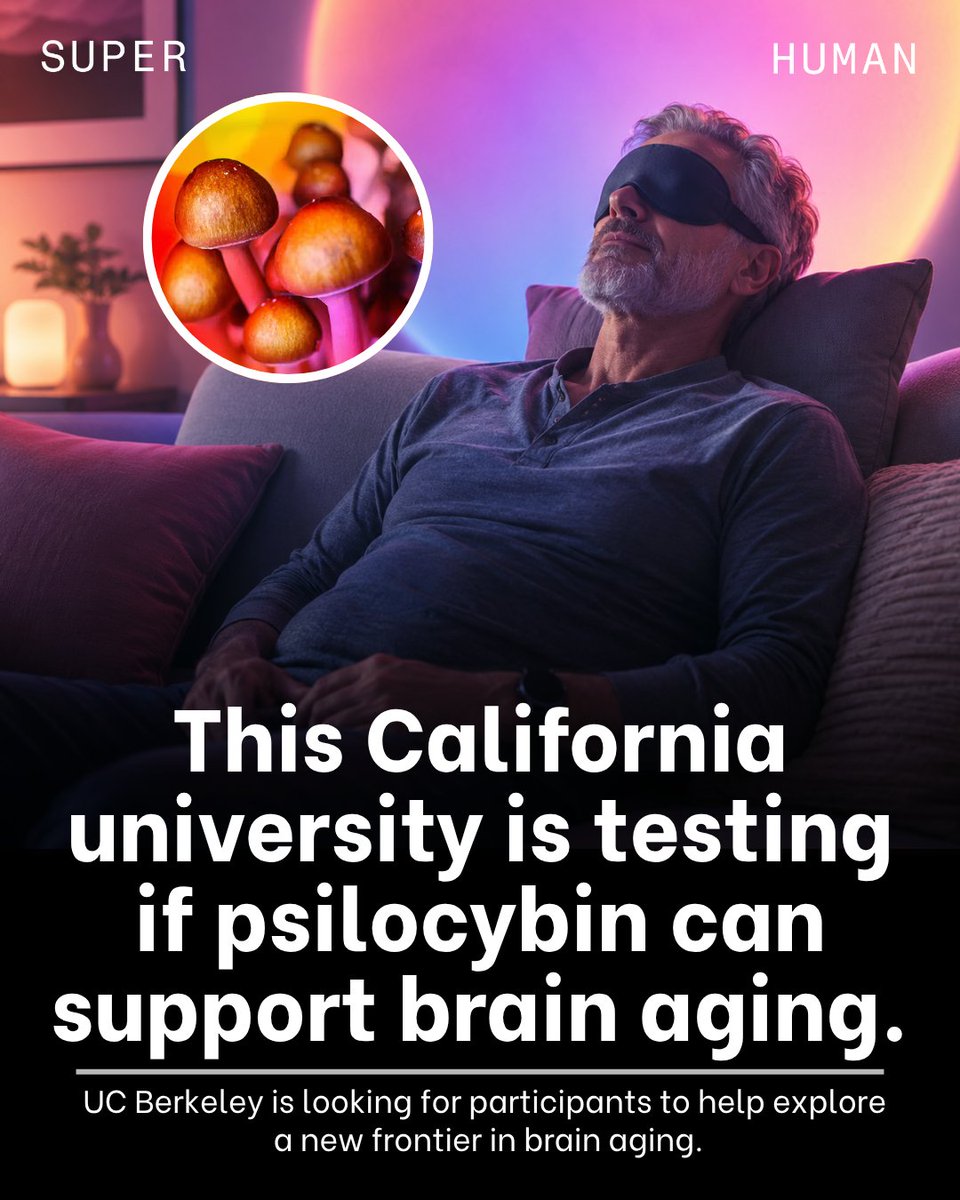
UC Berkeley’s new study is looking at the aging brain through the lens of plasticity, memory, emotion, perception, and overall well-being.
The focus is healthy older adults.
So much of aging research begins after something has already gone wrong: memory loss, cognitive decline, disease, or diagnosis.
This study is more proactive.
It looks at whether the brain later in life may still have more room to adapt, reorganize, and stay flexible than we usually assume.
Researchers will use MRI scans and follow-up assessments to look for measurable changes in brain structure, brain activity, emotional regulation, social connection, awe, and stress recovery.
That makes this less about “anti-aging” in the shallow sense and more about successful aging.
Can the brain remain open to change?
Can older adults maintain deeper emotional resilience?
Can science better understand the biology of aging well before decline begins?
That may be one of the most important questions in longevity.
Because living longer only matters if the mind, memory, and sense of connection can come with us.
3
10
58
6,601
Learn more about participation: psychedelics.berkeley.edu/ca…
271
Super Human Network retweeted
Jun 9
Your thoughts can create cancer.
Peter Crone explains that a cancerous cell is a cell trying to survive in a hostile environment.
Here's what's creating that hostility inside your body and why most people have no idea it's happening:
PS. If you want elite longevity daily content, follow @Super_Human_Net.
It's not a paid mention, but I enjoy reading truthful info in a space where everyone lies for views.

Living longer is powerful. But being fully alive right now might be the deeper goal.
Peter Crone reframes longevity in a way most people rarely consider. The desire for more years can sometimes point to something deeper: the feeling that life right now still has not become what we hoped it would be.
Instead of chasing some perfect future version of ourselves, he brings the focus back to presence, peace, and freedom from the patterns that keep us stuck.
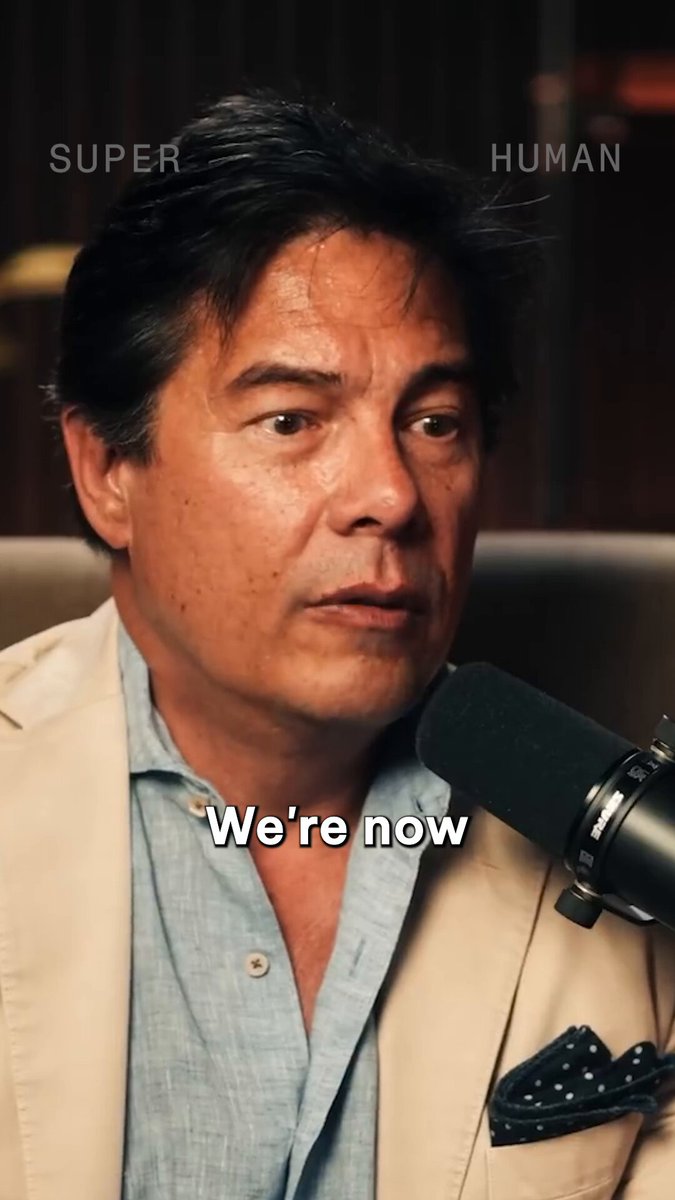
We’re thrilled that Peter Crone will be speaking at Super Human Summit 2026! Known as The Mind Architect, Peter has spent over 20 years working with elite athletes, CEOs and leaders to dissolve the subconscious limitations holding even the highest performers back. Not through strategy or tactics. Through something far deeper that reaches a new level of human potential and awakening.
June 13 | Super Human - The Global Human Improvement Summit 2026 | Invite-only
3
25
6,707
Living longer is powerful. But being fully alive right now might be the deeper goal.
Peter Crone reframes longevity in a way most people rarely consider. The desire for more years can sometimes point to something deeper: the feeling that life right now still has not become what we hoped it would be.
Instead of chasing some perfect future version of ourselves, he brings the focus back to presence, peace, and freedom from the patterns that keep us stuck.
We’re thrilled that Peter Crone will be speaking at Super Human Summit 2026! Known as The Mind Architect, Peter has spent over 20 years working with elite athletes, CEOs and leaders to dissolve the subconscious limitations holding even the highest performers back. Not through strategy or tactics. Through something far deeper that reaches a new level of human potential and awakening.
June 13 | Super Human - The Global Human Improvement Summit 2026 | Invite-only
1
7
7,139
Robert Edward Grant says humanity may be entering a stage where we have to unlearn what we thought we knew.
But this is not just about changing ideas. It is about noticing the beliefs, fears, and inner resistance that quietly shape the way we move through life.
In the full conversation, Grant connects this to mentalism, the idea that consciousness and perception are deeply woven into reality itself.
His point is not simply “think positive,” but to stop feeding the self-limiting stories that keep us stuck.
The more we replace judgment with awareness, gratitude, and love, the more life starts to look less like something happening to us… and more like something revealing itself through us.
Robert has built companies, developed medical innovations, and explored the intersections of mathematics, health, consciousness, and human potential. His work sits at the frontier of fields rarely studied together, investigating patterns that suggest there may be more to human health and human potential than we currently understand.
We’re excited to welcome @Robert_E_Grant_ as a speaker at Super Human Network 2026.
June 13 | Super Human — The Global Human Improvement Summit 2026 | Invite-only
1
2
256
Super Human Network retweeted
Jun 7
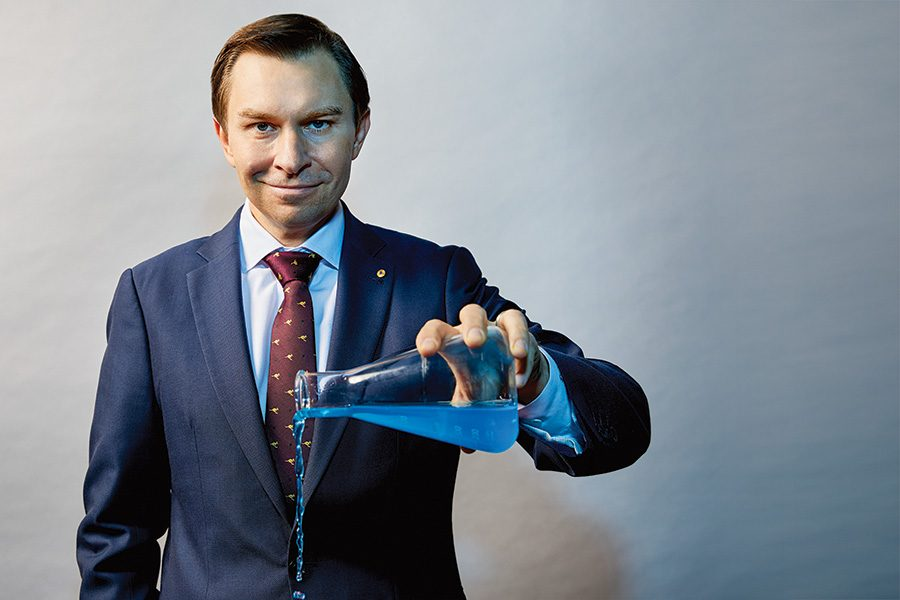
This longevity scientist raised $1.8 billion with $180 million coming from Sam Altman to extend human lifespan.
After finishing his latest interview, I collected 9 findings he exposed that left me shocked:
1. Humans are naturally built to avoid exercise:
16
62
444
283,651
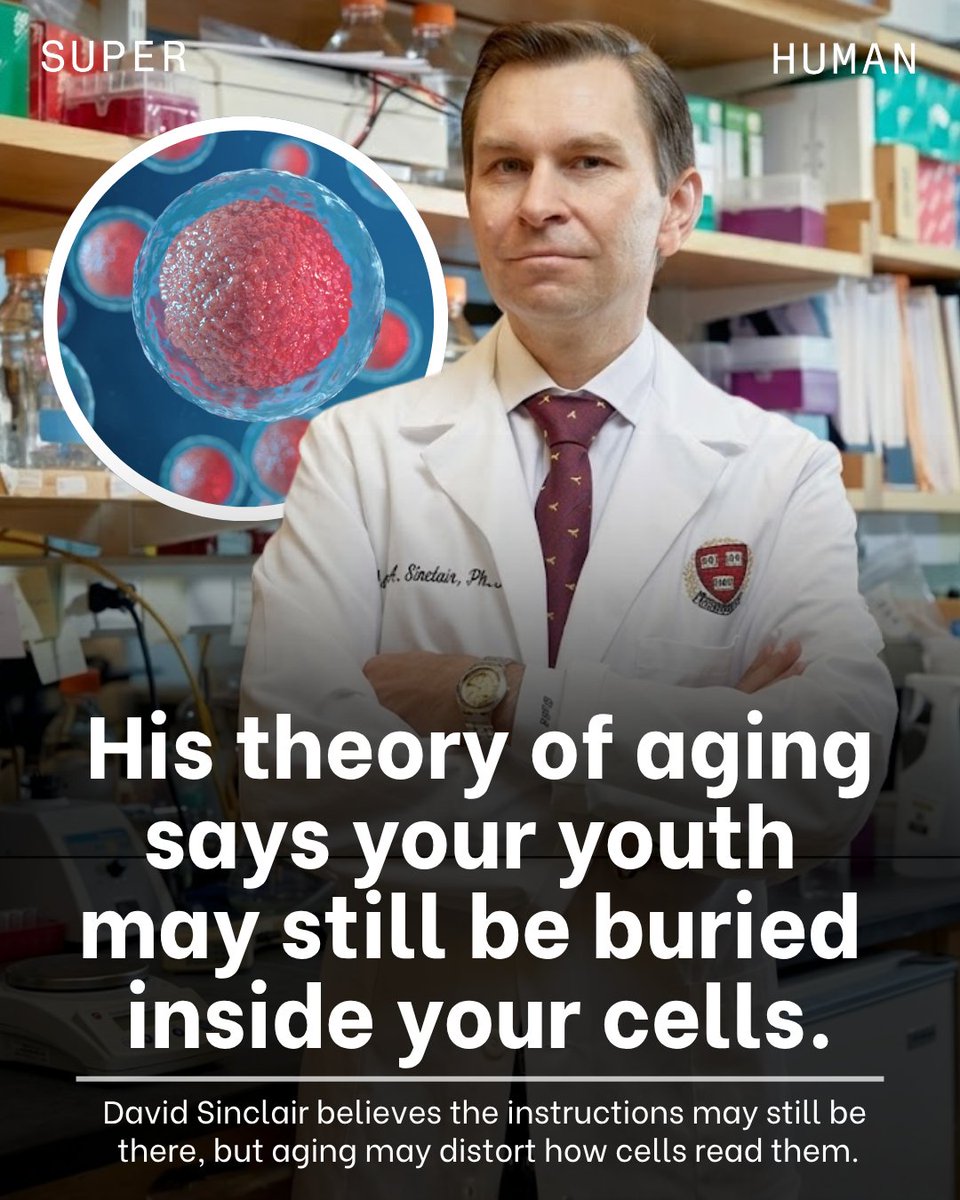
David Sinclair’s Information Theory of Aging starts with a fascinating idea:
Aging may not just be the body wearing down.
It may be the body slowly losing access to the information that helps cells function young.
1
4
747
Now this theory is moving closer to human testing.
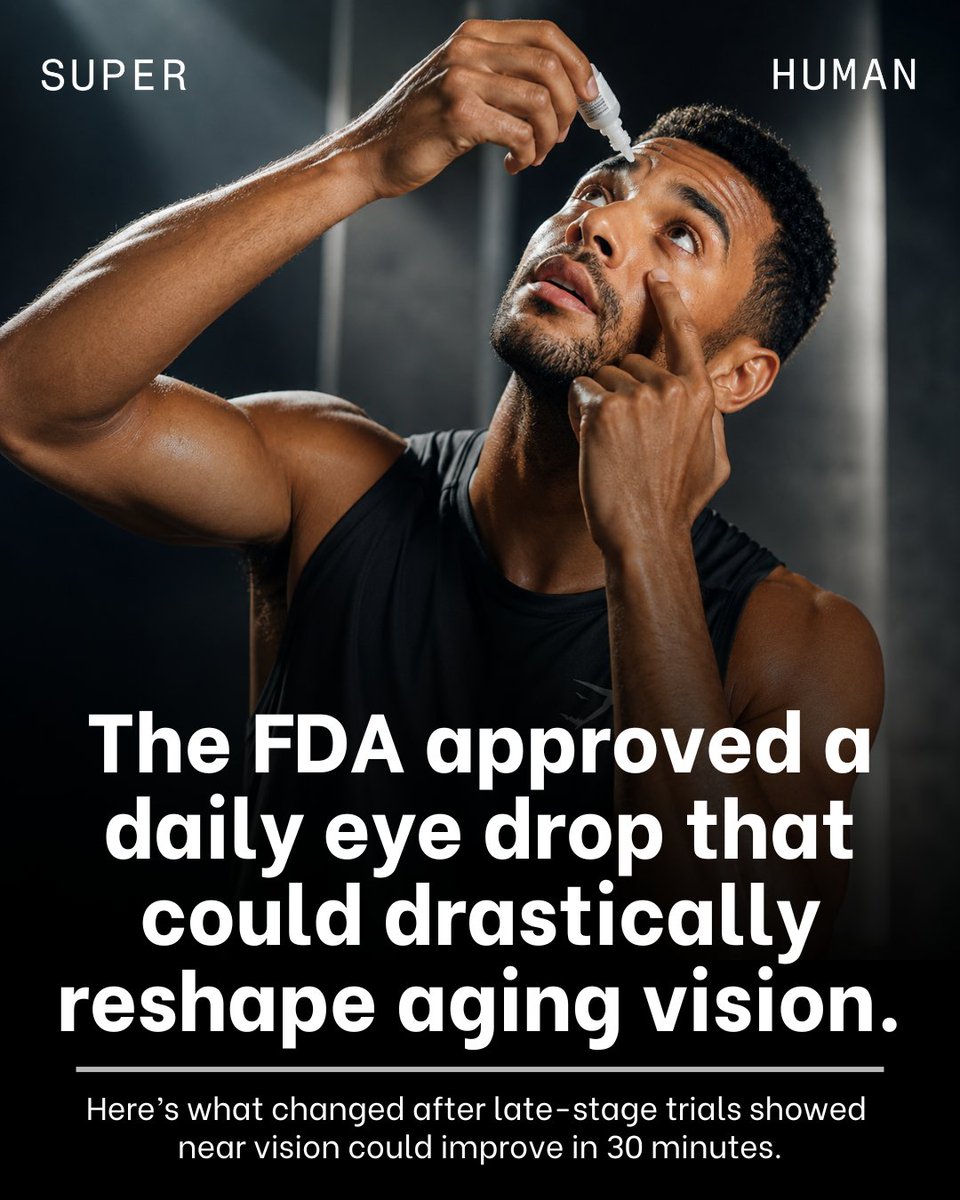
Life Biosciences, a company co-founded by Sinclair, received FDA clearance for a Phase 1 trial testing partial epigenetic reprogramming in age-related eye disease.
It is an early safety trial, but it marks a major step for one of longevity science’s biggest ideas.
1
561
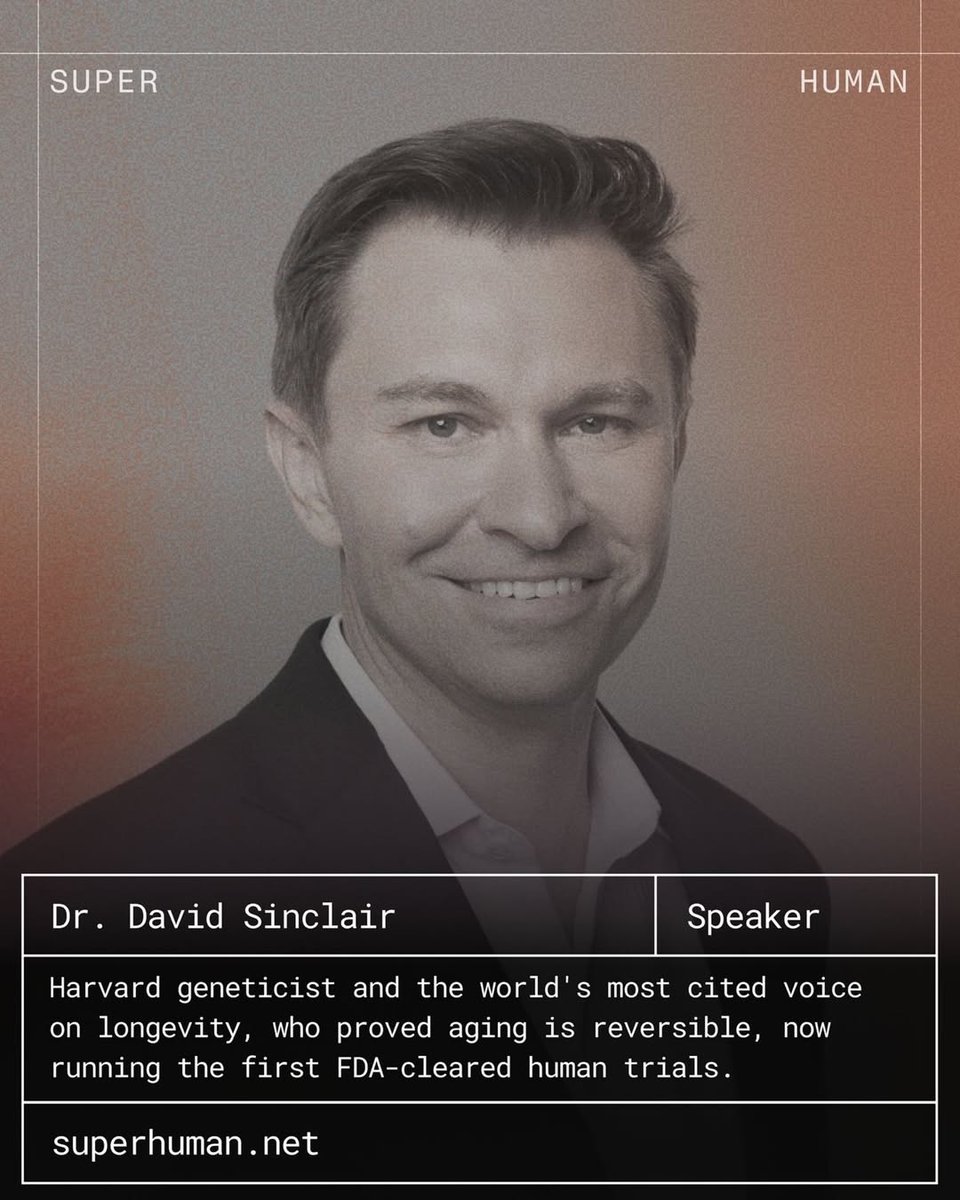
We are proud to welcome @DavidSinclairMD as the headline speaker for Super Human Summit 2026!
Dr. Sinclair just received FDA clearance for the first human trial of a gene therapy designed to reverse cellular aging. Something he has been building toward for decades, proven since long in animals. Now, for the first time in history, it’s happening in humans.
The most important conversations in longevity are coming to Stockholm on June 13.
Super Human - The Global Human Improvement Summit 2026 | Invite-only
3
522
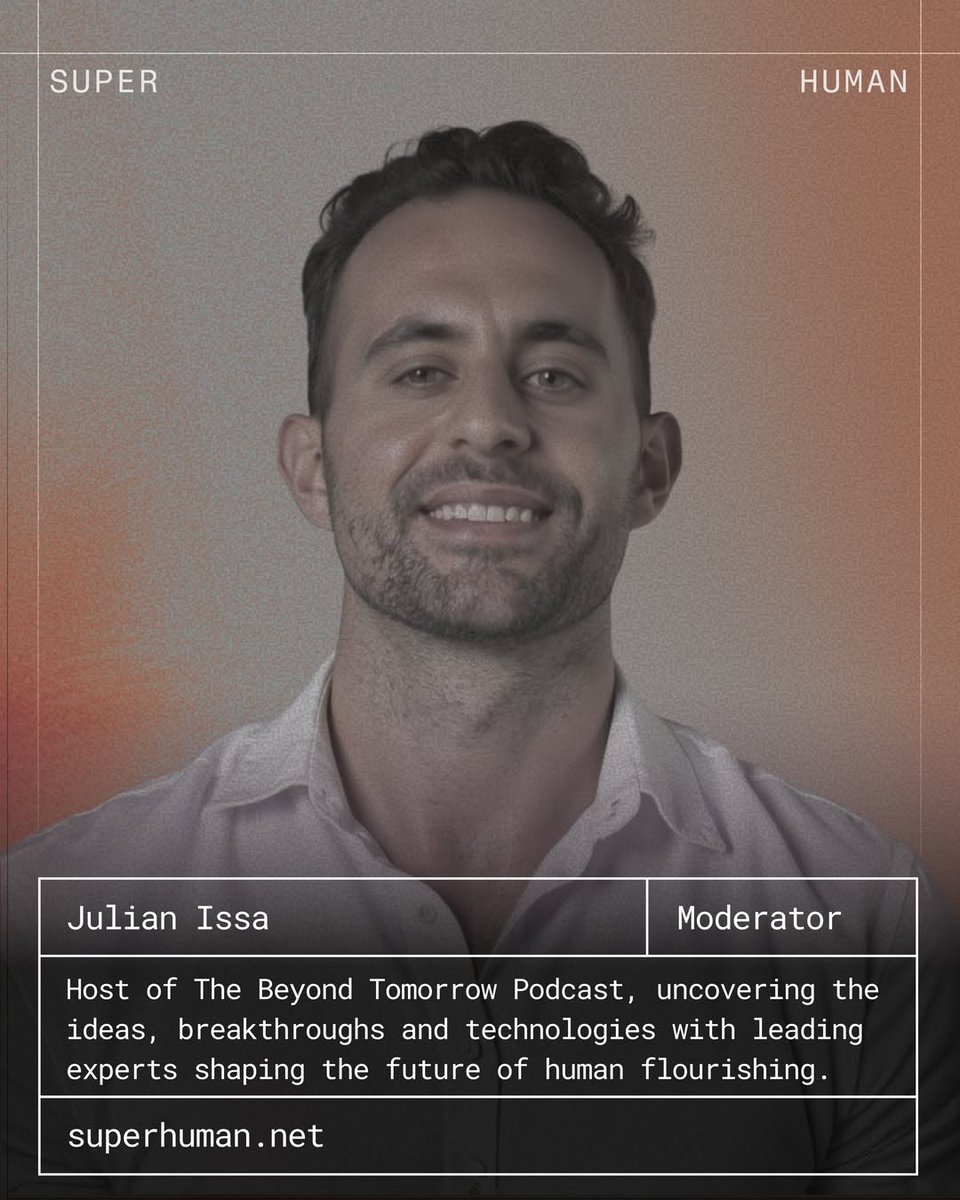
What does it take to truly flourish as a human? Julian Issa is on a mission to find out.
Julian sits right in the longevity conversation, interviewing the scientists, founders, and experts shaping the future of human health. As host of The Beyond Tomorrow Podcast, he has become one of the most trusted voices at the intersection of longevity, mindset, and human potential. His work reaches a global community of people who refuse to leave their health to chance.
We're excited to have Julian back as a moderator at Super Human!
June 13 | Super Human - The Global Human Improvement Summit 2026 | Invite-only
1
4
1,538
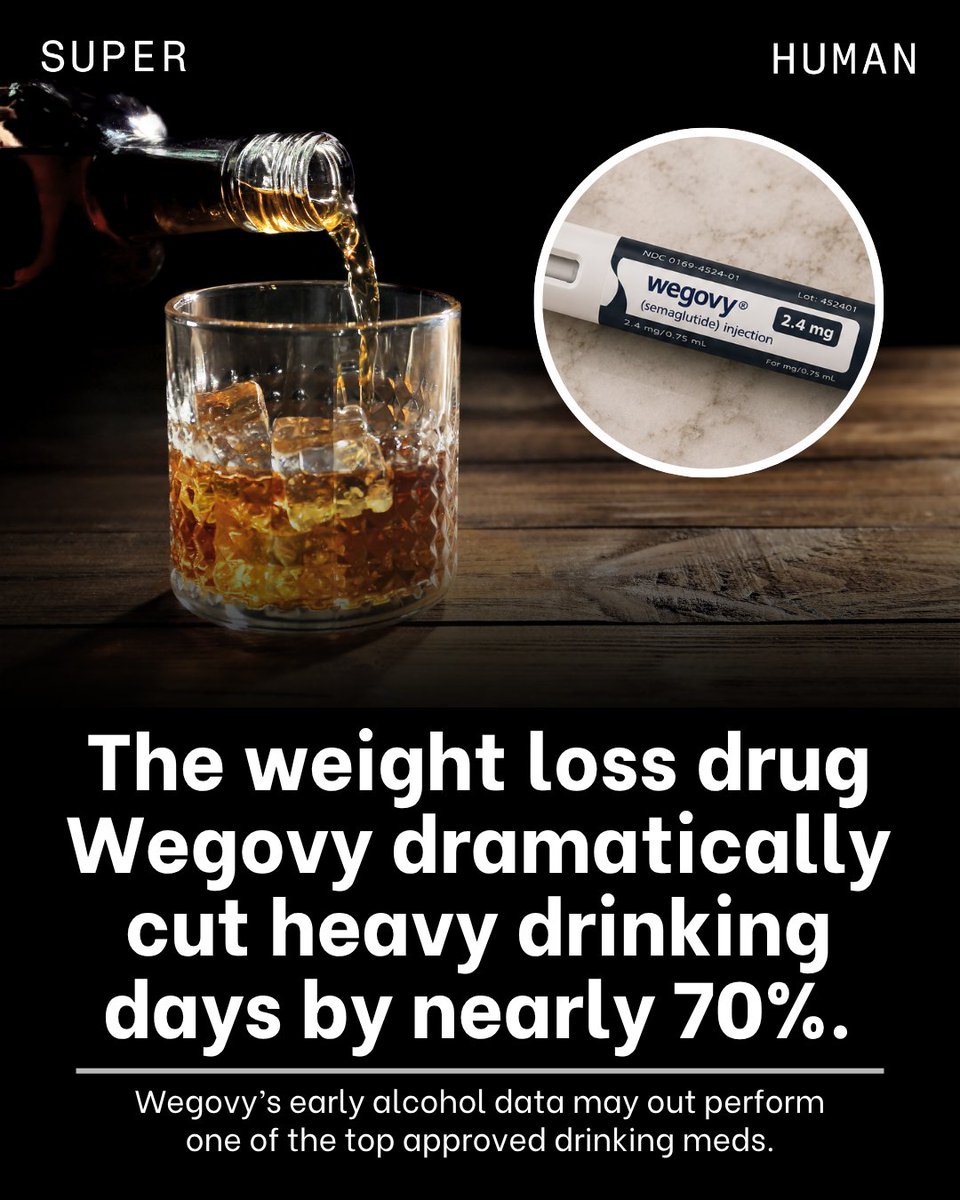
A weight loss drug may have just opened a new conversation around alcohol use disorder.
In a new Lancet study, researchers tested once-weekly semaglutide, the drug sold as Wegovy, in people with both obesity and alcohol use disorder.
The results were hard to ignore.
Patients receiving semaglutide went from an average of about 17 heavy drinking days per month to roughly 5 after 26 weeks.
The placebo group improved too, dropping from about 17 to roughly 9 heavy drinking days per month.
That matters because both groups also received cognitive behavioral therapy focused on motivation, cravings, and relapse prevention.
So this wasn’t “drug versus nothing.”
It was semaglutide plus therapy compared against placebo plus therapy.
And the semaglutide group still saw a larger reduction.
They also reduced total alcohol intake by an extra 467 grams per month compared to placebo, had fewer drinks per drinking day, and reported lower craving scores.
Researchers believe this may have something to do with GLP-1 receptors in the brain’s reward pathways.
In plain English: The same system involved in appetite, cravings, and reward may also influence the drive to keep drinking.
That could help explain why some people taking these medications report losing interest in alcohol, even when that wasn’t the original goal.
Still, this is early.
The trial focused on people with obesity and alcohol use disorder, so we need larger studies, longer follow-up, head-to-head comparisons, and research in people without obesity before this becomes a standard addiction treatment.
But as an early signal, it’s a big one.
This post is for educational purposes only and should not be taken as medical advice. Always speak with a qualified medical professional before starting, stopping, or changing any medication or treatment plan.
1
3
416
Read more here: thelancet.com/journals/lance…
272