
某データ分析会社所属、強くて強いデータサイエンティスト。ICMLとかAAAIとかの論文を読んで要約をツイートしたりしてます。適当にML論文とかをつぶやいたりにゃーんとか言うためのアカウントです。
Joined January 2021
- Tweets 935
- Following 1,806
- Followers 2,519
- Likes 4,616
139 Photos and videos








Pinned Tweet

21 Dec 2021
GLIDE image.
Crazy pikachu come from under sea.

21 Dec 2021

すごいすごい。GLIDEの学習済みモデル、ものすごいきれいな画像がcolabでしっかり出てくる。
問題はテキストがpikachu is eating tomatoなこと
ピカチュウ。。。

3
2
18
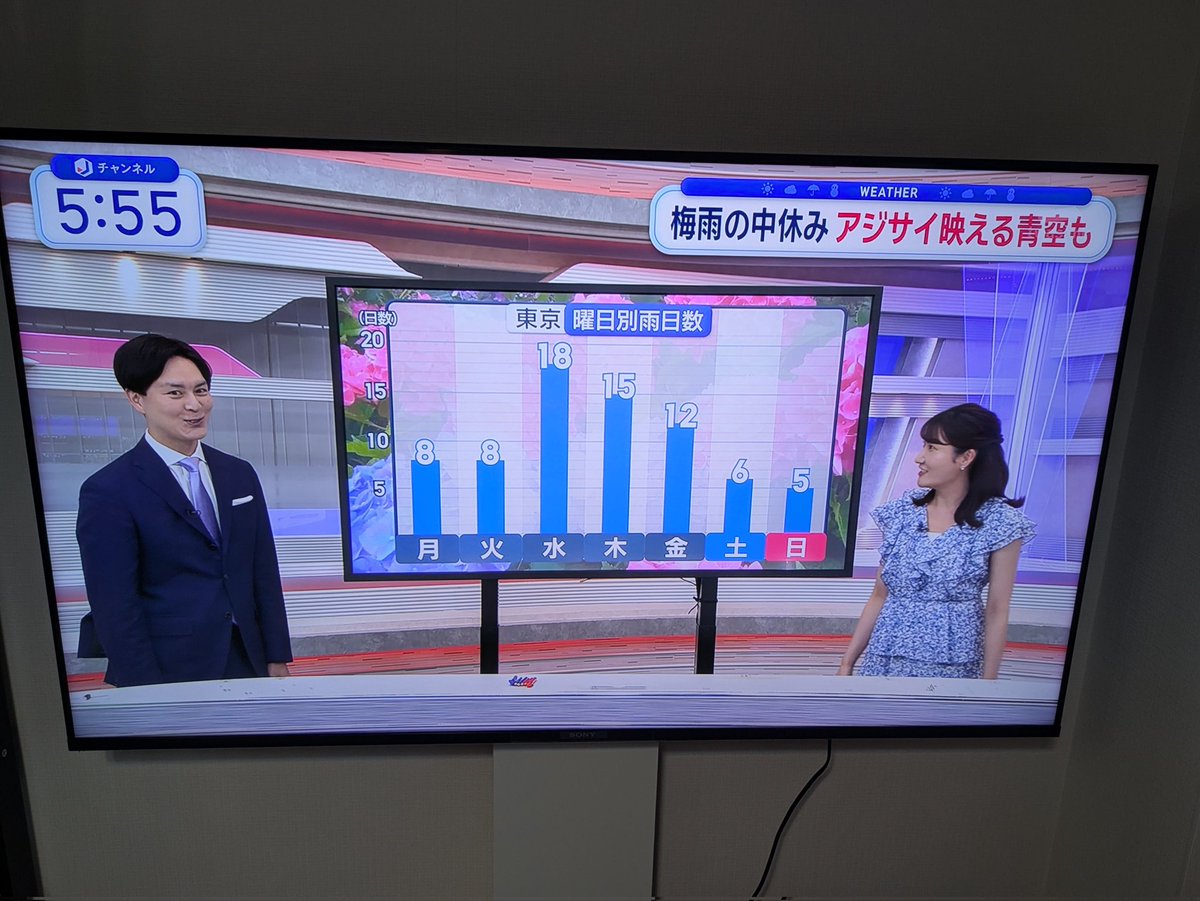
さてあなたはこれに何検定をかけますか?【2034年統計検定準一級】

1
765
すげー
Jun 11

『自転車ロボットが補助なしで前方宙返り』
凄いのは曲芸ではなく、失敗しそうな動きをAIが反復練習で“実行可能な動き”へ磨く点。
imi-umv.github.io/
#ReinforcementLearning #UltraMobileVehicle #UMV #JumpingBicycle #ForwardSomersault #RAI_Institute
1
252
ロボットの勝ち筋はAIに逃げずに真っ当にハードウェアを開発し続けるかだと思うが日本にはその下地があるようなないような。。。

ロボットがコケないで歩く技術とか、自動運転とか、5年昼寝してればオプソでできる時代なのでは?つまり自社開発するには、その5年で市場先行優位性が取れる場合だけ、正当化されるのではないか?
1
381
Geminiはマルチモーダルにふりきって本当のAGIを目指してるように見えますね。
テキストに力を全部入れてはいないので弱いのかなーと。
1年内ぐらいで全然違うものが出てくるんじゃないかなーと妄想中
May 29

最近のChatGPTやclaudeに対してGeminiいつまで経っても貧弱すぎない? とんでもない隠し玉用意してる?
2
695
日本が誇るべき人間国宝のpinto氏の人外さにただただ外国人が驚嘆するリプ欄
May 23

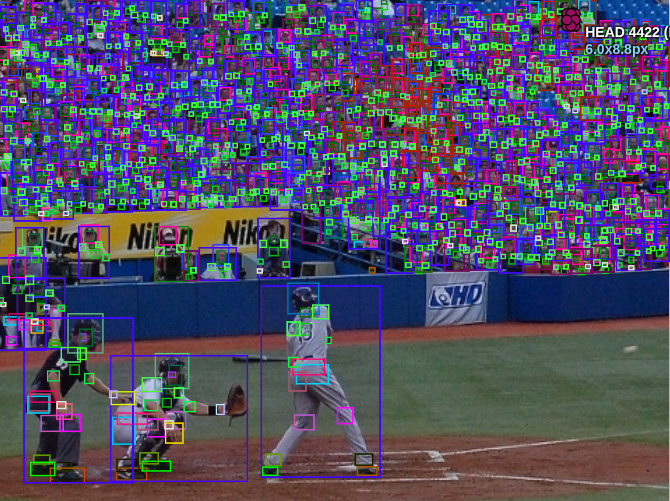
You might not believe it, but I simply manually annotated over 2,000,000 human body parts with ultra-precise detail. Probably no one else could do that.
3
13
2,061
これ、昭和12年の大蔵省理財局長の通知が生きてて、税金支払いなら無限に硬貨使えるんでみなさんは税金の支払いを硬貨でしましょう!
昭和12年の大蔵省の通知がまだネットで公的に出てるのも泣ける
mof.go.jp/about_mof/act/koku…
May 22

いよいよ1円玉と5円玉にゴミ出し以外の処理方法が見当たらなくて頭を抱えてる。膨大な小銭がある。でも銀行入金だと手数料負けする。かといって無料範囲内の100枚だと一回500円で労力が割に合わない。家に置いてても邪魔。これもうマジでゴミで出すしかなくないか。それか国が責任持って回収してくれ

2
6
1,238
うわあああああああロボカップうううう
こんなのが動いてるの見に行きたいいいいいい

334
現代のフィクションにスマートフォンが当たり前に出てくるように、これからの創作物にはAGIとかロボットが日常ものでも当たり前に出てくる世界になると思うと今後の作家たちは大変そうだなと思うなど
126
Codex gonna kill Unity.
This is not about “Unity developers losing some value.”
It is much more fundamental than that.
We are moving toward a world where games are made without opening Unity at all.
For years, game development started with Unity.
Open Unity Hub.
Create a project.
Make a scene.
Drop in prefabs.
Touch the Inspector.
Write C#.
Import assets.
Build UI.
Run the game.
Break everything.
Fix it.
Repeat.
That was what “making a game” meant.
But if Codex can generate game logic, UI, assets, controls, and behavior from natural language, the user no longer needs to open Unity.
You just say:
“Make me this kind of game.”
“Make it more fun.”
“Make it mobile-friendly.”
“Add more enemies.”
“Make the scoring feel better.”
“Turn this prototype into something playable in 3 minutes.”
And the game appears.
Once people get used to that workflow, why would they go back to staring at the Unity editor?
They won’t.
Especially beginners won’t.
And that is the real problem for Unity.
Unity’s power was that it was the front door to game development.
If you wanted to make a game, you learned Unity.
But the next generation will not start there.
Their first game engine will be Codex.
Their first programming language will be natural language.
Their first prototype will not be a Unity project.
Their first bottleneck will not be C#.
It will be taste.
If AI is making the game, it does not have to be Unity.
It can be Web.
It can be Godot.
It can be a lightweight runtime.
It can be a custom engine.
It can be some weird generated environment that only exists for that game.
The player does not care what engine made it.
Soon, the creator will not care either.
Unity was built for a world where humans needed a giant visual editor to manage the complexity of game development.
But AI agents do not need that same interface.
They need fast iteration.
Clean code.
Immediate previews.
Automated tests.
Cheap branching.
Disposable prototypes.
Mass generation.
Unity is not optimized for that world.
It is heavy.
Stateful.
Editor-centric.
Human-centric.
Slow to spin up and tear down.
AI-native game development will not look like a giant editor.
It will look like prompts, agents, code, tests, previews, and endless generated prototypes.
So the future is not:
games made in Unity with AI assistance.
The future is:
games made by AI without Unity.
That means fewer Unity projects.
Fewer beginners learning Unity.
Fewer prototypes starting in Unity.
Fewer studios waiting for Unity talent.
Fewer small games needing Unity at all.
Unity will still exist.
Large studios, legacy projects, enterprise use cases, and existing pipelines will keep it alive for a while.
But Unity will stop being the default entrance to game development.
And once a platform loses the entrance, it starts dying.
Flash died that way.
jQuery faded that way.
A lot of tools die not because they stop working, but because the next generation stops starting there.
Codex is not replacing Unity feature by feature.
It is making Unity unnecessary.
That is much worse.
Codex is not coming for Unity developers.
Codex is coming for the idea that games need Unity in the first place.
And Unity has never posted an annual GAAP profit as a public company.
Apr 26

なん...だと...
Codexが今度はパズルゲームをあっという間に開発してくれました
UI・キャラ等のアセットも自動で生成してくれてます
1
525
Unity空売り増やしたけどこれ見たらもっと売ってもいいかも

1
489
そんなちょっと中国の話しただけでこんな言い方しなくても、、、と思って実際にツイート見に行ったら本当に永遠に中国の話しかしなくなっていて狂気を感じるレベルでした。
なにか琴線に触れたのかもしれませんね(好きが見つかるというのは素晴らしい😙)

この人、元々「東大医学部やめてGoogleに入って最高!英語しか勝たん」って感じだったのにいつの間にかハオくなってる...
1
11
3,278
公式opencraw エージェント提供ってこと?
ますます自社インフラ整備が求められる時代へ。。。

Introducing workspace agents in ChatGPT—shared agents that can handle complex tasks and long-running workflows across tools and teams.
1
542
今のsim2realって摩擦係数とかどこまできちんと作るんでしょう🤔

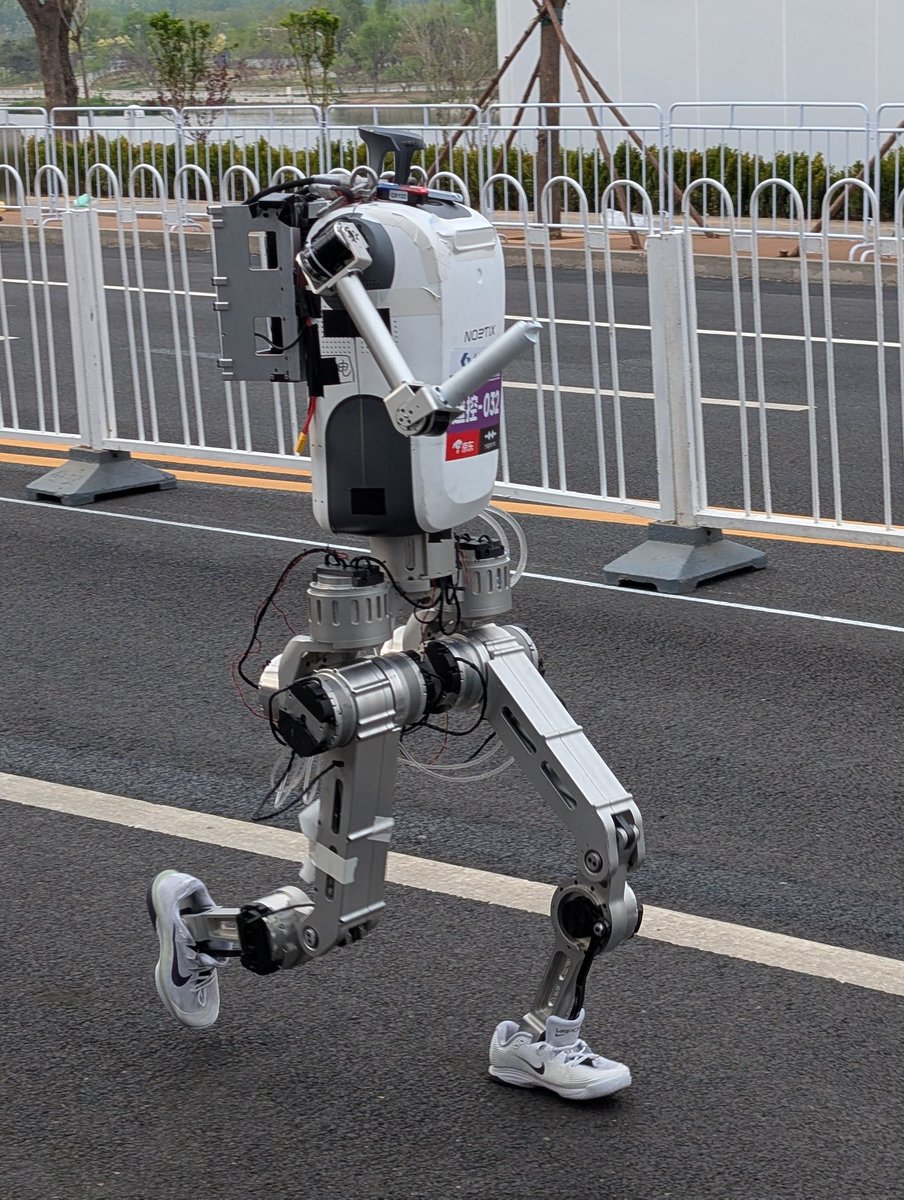
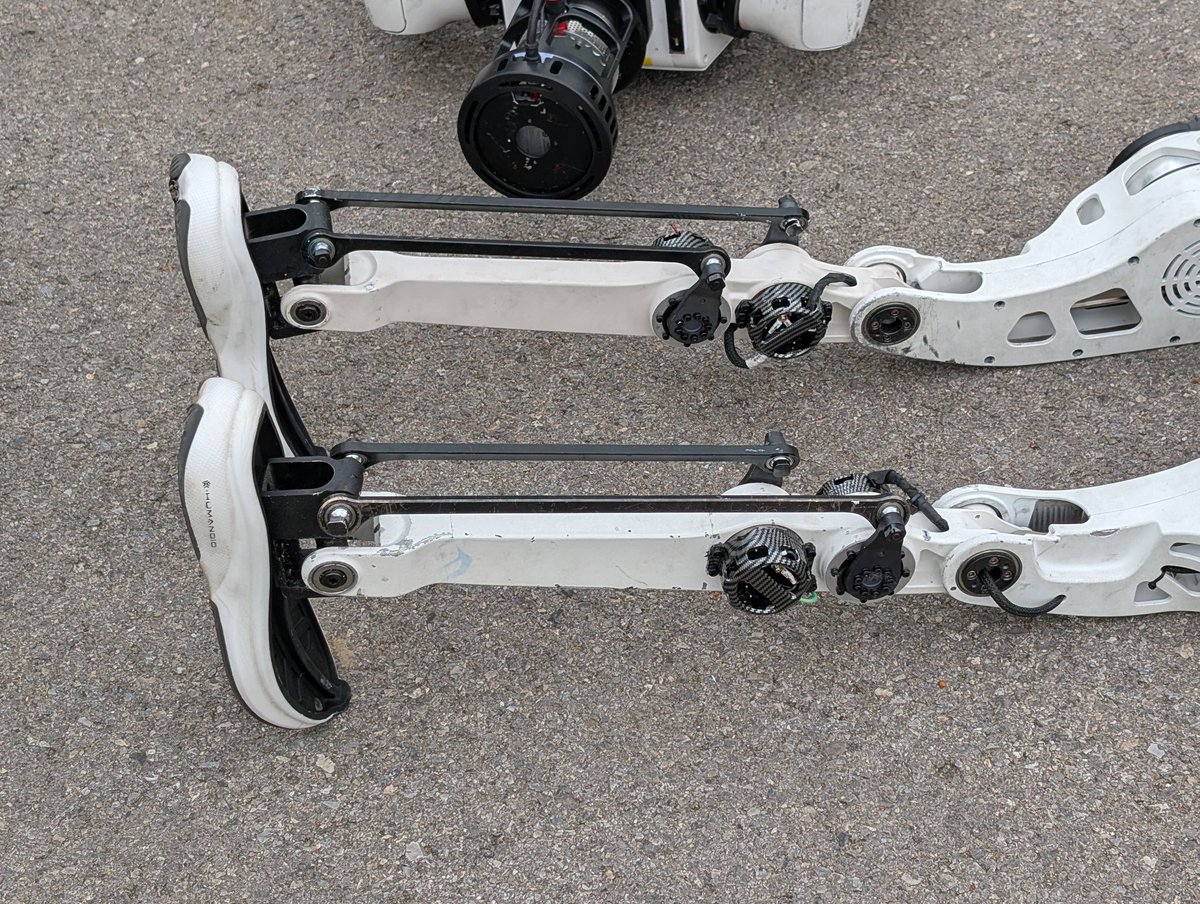
個人的な興味でヒューマノイドの足裏見てたんやけどただの棒やったり人の靴履かせてたり、靴底っぽいロボット専用足っぽいのがあったりしておもろい


1
414
人間、ハイパラ調整したり、学習計画とか設計しなくても3年でほとんどの個体が喋り出すのすごすぎる
2
248