
Joined January 2010
- Tweets 24,007
- Following 84
- Followers 446
- Likes 40,074
2,192 Photos and videos









Pinned Tweet

3 Dec 2018
Excerpts from this educational clip:
"We human beings are not born with prejudices.
Always they are made for us, made by someone who wants something.
REMEMBER THAT WHEN YOU HEAR THIS KIND OF TALK.
Somebody is going to get something out of it, ...AND IT ISN'T GOING TO BE YOU.
3 Dec 2018

US govt made this Anti-Fascism film in 1943
Does it remind you of someone in 2018 India?
15
27
95

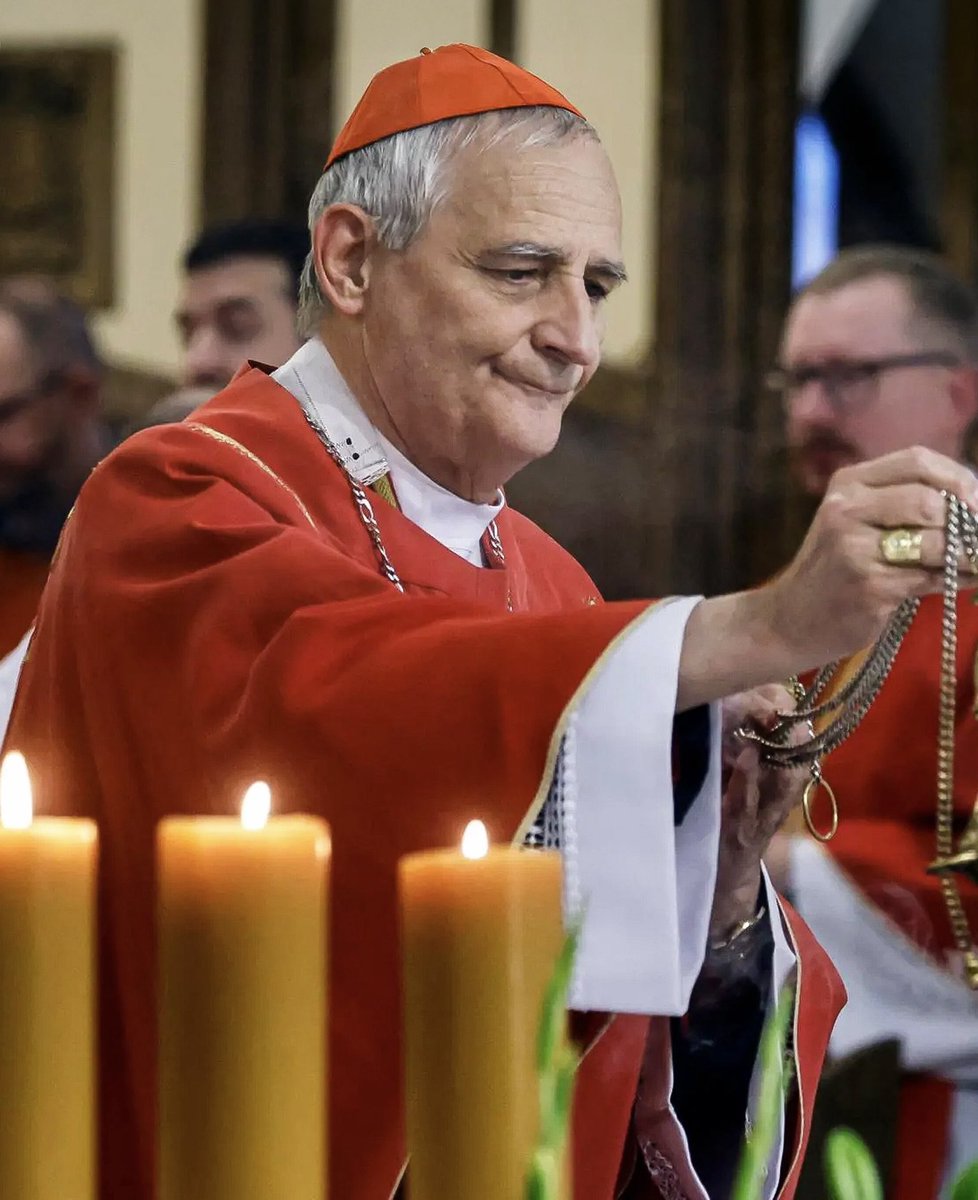
Seven hours. All children.
Jun 12

Cardinal Zuppi read the names of every child who passed away in Gaza. It took him 7 hours.
1,128
108,036
630,868
7,977,664

"Govt won't declare cow as national animal coz if they do
They won't be able to do politics over it,they won't get donations from beef exporters,they won't be able to do Hindu-Muslim over it
Their whole existence depends on Communal issue"
Even Common public is becoming aware
28
462
1,533
19,457
Syeda retweeted

Before someone brings up 2019 or 2024 LS results: Parliamentary and assembly booths are constituted differently and are not comparable. Using Lok Sabha booth data to 'debunk' findings based on an assembly election booth betrays a fundamental ignorance of the electoral process.
2
12
53
4,613
Syeda retweeted

Jun 14
“This is the dead body of our second officer. He died two days ago and his body is decomposing. We reached out to the Indian Embassy but haven’t got a positive response. Our company is hiding from us,” says Indian captain of MT Celestial anchored in Oman
368
3,666
9,028
823,426
Syeda retweeted

Jun 14
बंगाल भाजपा विधायक कौस्तव बागची ने एक कल्याणकारी योजना कार्यक्रम में भाग लेने आई एक मुस्लिम महिला पर सार्वजनिक रूप से 'भारत माता की जय' और 'वंदे मातरम' के नारे लगाने का दबाव डाला. देखिए ये रिपोर्ट! youtu.be/QAwZT4qr0ZU
27
121
371
17,704
Syeda retweeted

Jun 12
If you have a Gmail account, you need to read this.
Google's AI now scans your emails and attachments, bank statements, tax files, medical letters, all of it. It turned on by default, and there's a class-action lawsuit over how.
Here are 5 moves to shut it off, the switch is hidden in two places:
362
14,720
46,425
8,385,672
Syeda retweeted
Jun 10
A booth in Bengal's New Town with 88% Muslim voters recorded 97% votes for BJP, handing BJP the seat. CPI(M) got 1 vote, TMC 5.
'This is an impossible result, where did our votes go?' ask locals. @shinjineemjmdr @Onkeyta_ & @Holytripper heard them.
altnews.in/where-did-our-vot…
501
3,401
7,451
249,722
Syeda retweeted

THIS IS THE NAKED TERRORISM
A new scenes of 4 bombs with 720,000 shrapnel that were tested for the first time in the world during the #WarOnIran in the city of #Lamerd.
It was done after 7 hours when #MinabSchool was hit. After 90 days the reports show the reality of savage U.S-Israeli missile attacks.
The target was every single one of the Iranian children, men and women.
86
2,142
6,054
244,028
Syeda retweeted

Jun 10
UP Police broke every rule. Allahabad High Court just made them pay. 🚨
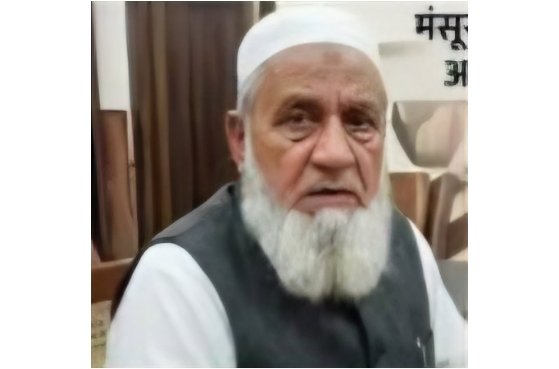
On March 19, cops barged into Mansoor Ahmad's home in Prayagraj, dragged him to the station, and threw him in jail... no warrant, no bail bond, no legal process. He sat behind bars for 8 illegal days.
Mansoor knocked on Allahabad High Court's door... and the court delivered. The HC ordered UP government to pay ₹2 lakh compensation within 6 weeks, to be recovered from the guilty ACP's salary after disciplinary inquiry.
The court called the denial of a personal bond "shocking"... and dropped a bombshell: 721 people have been illegally detained in Prayagraj Commissionerate alone in 2026. New orders now mandate audio-visual recording if bail is refused... violate it and it's ₹25,000/day plus action against the officer.
One man fought back. And changed the rules for everyone.
37
1,042
3,693
68,026
Syeda retweeted

Historic monuments don’t collapse in a single day. They weaken over years of neglect, delayed restoration, and lack of conservation. The fall of the Chatta Bazaar Arch amid heavy rains should serve as a wake-up call for Hyderabad’s endangered heritage structures.
#Hyderabad #Heritage
2
8
16
1,025
Syeda retweeted
Jun 10
Any discussions of NEET paper leaks?
TMC MP Sushmita Dev resigns as a Rajya Sabha member and meets Assam CM Himanta Biswa Sarma.

Any discussions of NEET paper leaks!
Future of lacs of youth destroyed again and again.
It’s collective responsibility.
126
1,266
4,728
81,039

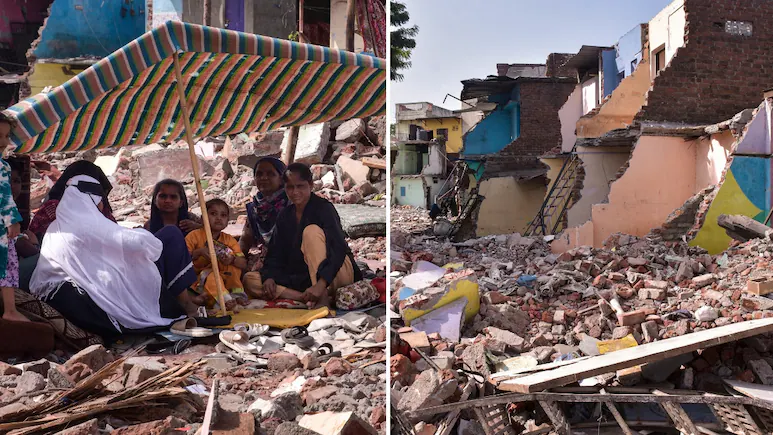
🚨 100s Muslims houses are demolished in surat :
- Surat MC says they didn't demolish.
- BJP MLA says no such orders were given.
- Police ain't taking responsibility.
- Court distanced itself from this action
How 500 goons in uniforms demolished 100s of houses in broad daylight?
98
1,282
2,346
58,434
Syeda retweeted
Jun 9
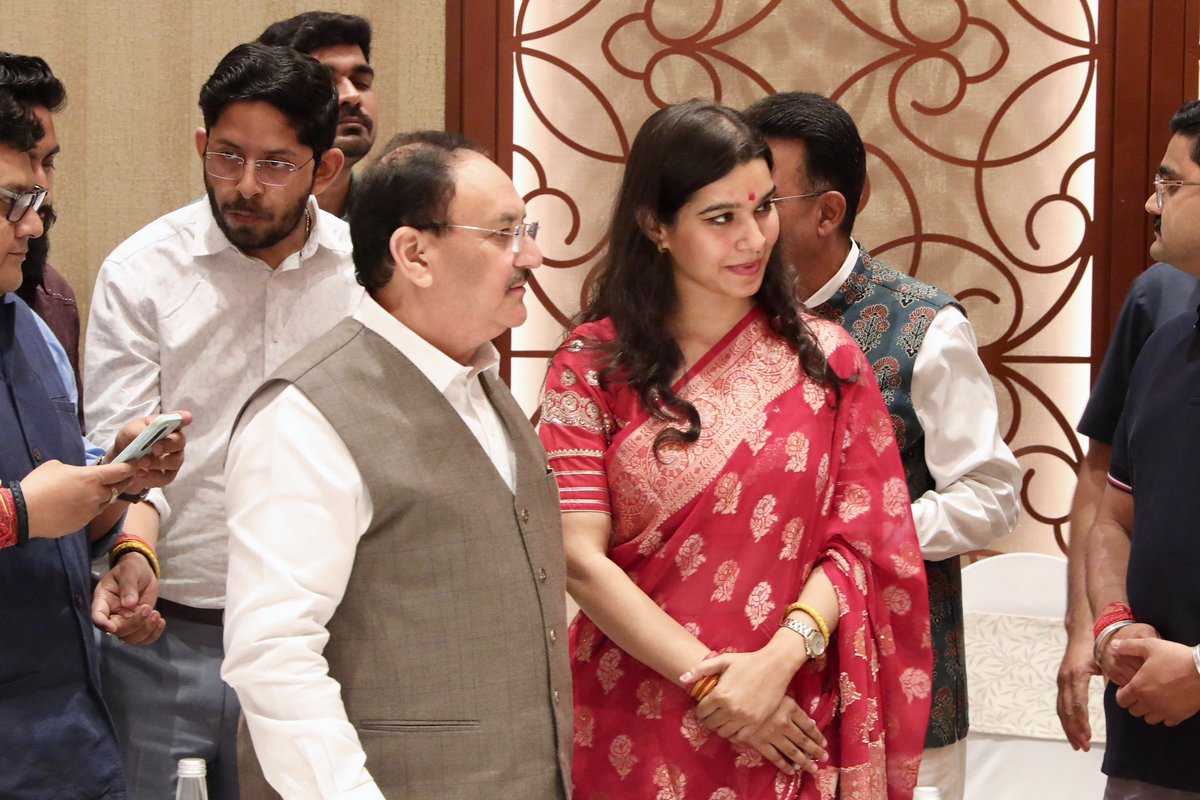
ABUSE MUSLIMS. GET REWARDED!
Build a following by targeting Muslims non-stop. Go viral by making hate filled content targeting Muslims. Get noticed by the BJP ecosystem.
The more you abuse Muslims on social media, The more you get close to BJP Leadership. By doing so, Police will think twice about taking action against your hate filled contents. Here is one more example. She recently got 'famous' for her relentless anti-Muslim videos. Every single video of hers is about abusing Muslims. Within months, she along with several other abusive trolls were invited by the BJP IT cell to meet BJP top leaders.
By inviting and recognising them, BJP leadership is giving a clear message. Spread hatred to gain political access and recognition by top leaders.
731
5,065
17,117
854,269
Syeda retweeted

Jun 8
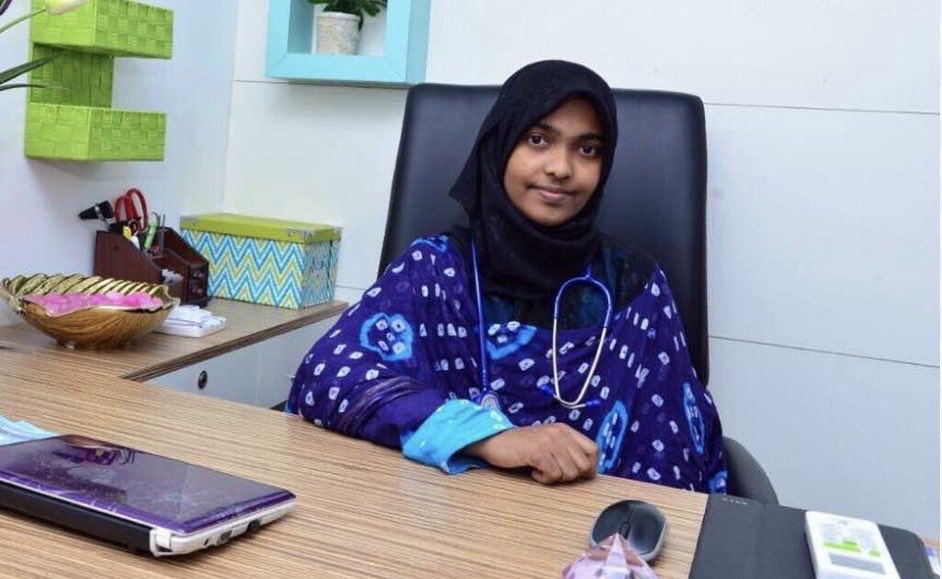
🧵 The Ayush Malik case reminded me of the Hadiya case. Please read.
In 2016, a 24-year-old Hindu woman from Kerala named Akhila Ashokan accepted Islam after studying the religion and changed her name to Hadiya.
Soon after, she married a Muslim man named Shafin Jahan.
What followed was one of the biggest media and legal controversies in India.
Her father alleged that she had been brainwashed, forcibly converted, and was a victim of so-called “Love Jihad.”
The allegations became national headlines, and the controversy grew so large that even the NIA was brought in to investigate.
In 2017, the Kerala High Court took the extraordinary step of annulling the marriage of two consenting adults and placing Hadiya back under her parents’ custody, despite the fact that she was a 24-year-old adult woman.
But when Hadiya personally appeared before the Supreme Court, she made her position crystal clear.
She stated that she had accepted Islam of her own free will, that nobody had forced her to convert, and that she wanted to live with her husband.
In March 2018, the Supreme Court overturned the High Court’s decision and restored her marriage, reaffirming that choosing one’s faith and life partner is a fundamental right protected by the Constitution.
For years, the public was told that Hadiya had been manipulated and could not make decisions for herself.
Yet after the legal battle ended, she remained Muslim.
Later, she and her first husband divorced due to personal differences. Hadiya then chose to marry another Muslim man and continued living as a Muslim by her own choice.
Even after getting separated from her first husband, Hadiya remained Muslim, which alone undermines the claim of forced conversion.
The Hadiya case is a reminder that people do not convert to Islam because of any coercion or conspiracy. They embrace Islam because they genuinely love and believe in it.
74
456
1,771
53,898
Syeda retweeted

Jun 8
Israel has given us OnlyFans, War, Debt, and illegal nuclear weapons that threaten the world.
Iran has given us algebra, chemistry, and Medicine.
1,888
11,337
67,437
806,280
Syeda retweeted
Jun 8
Hello @RShivshankar, Your claim was debunked by Ayush Malik on your own News Channels.
Stop running one sided state run Propaganda.
46
2,074
7,305
80,791
Syeda retweeted

better than any religion who says that a certain group of people can't enter a mandir and are untouchable, we don't socially ostracize our own.
Jun 7

If a religion is offering x number of women in afterlife for doing good work or for dying for it, then you can safely assume that it is a misogynistic, fake and full of crap religion.
198
51
492
25,085
Syeda retweeted

Jun 7
4 years ahead of his time

296
24,558
161,648
2,852,725
Syeda retweeted

Jun 8
शामली धर्म परिवर्तन केस में नया मोड़
आयुष ने मीडिया से बात करते हुए अपने बीवी और ससुर के जेल भेजे जाने का विरोध करते हुए कहा "Alhamdulillah I'm Muslim" मतलब अल्लाह का शुक्र है वो मुसलमान है।
44
853
3,316
94,805
Syeda retweeted
Jun 7
Hello PM @narendramodi, This is your Minority leader doing press conference and openly asking 120 crore Hindus to boycott Indian Muslims in Private Jobs and Govt jobs. Not one News Channel stopped her and called her out for spreading hate. That's how normalised it is to spread hate in India. Not just right wing associations, but BJP is openly giving out a press statement asking Hindus to economically and socially boycott Muslims and the media isn't bothered, instead, they are happy to amplify her.
193
2,607
9,324
196,006