
🎧 Producer / Composer / DJ 🎹 contact: sykotixmusic@gmail.com • #DUUUVAL
Joined January 2009
- Tweets 81,137
- Following 588
- Followers 1,751
- Likes 32,893
7,640 Photos and videos










Sykotix retweeted

Wake up everyone, the official James Bond twitter account just dropped a 'You Know my Name' edit

20
697
11,872
575,899


We used to be a country
Jun 3

OG uk snap videos are too good man the French can’t compete
51
1,287
10,901
708,886
Sykotix retweeted

Jun 3
Splinter cell came out in like 2002 and you could shoot out lights to manage visibility and there was a spatial sound system so you couldn’t just walk up behind every enemy. Every sound you made had a potential consequence. Games don’t do that now. They remove consequences.
Jun 3

the extent of stealth action in most modern titles being a crouch button and single press takedowns genuinely makes you miss how hard mgs and hitman used to innovate on it entry after entry
45
391
4,170
117,449
Sykotix retweeted

Jun 2
Hey everyone
To be honest, the past couple months have been really tough for me mentally. My self esteem has been at an all time low for myself and really don’t know why. I have been struggling hard with working on music, and just being excited about new things. Maybe im burnt out from my last album, which I’m extremely proud of, but it was definitely a lot of work, but again I really don’t know what has made me feel like this.
I haven’t been posting on socials too much because I’m just trying to better myself as a person outside of music, removing bad habits, and trying to just feel better about myself that way rather than doing the same thing over and over everyday like I have been doing. Trying to set a routine for myself and find some balance in my life, while also living this hectic life of touring, which I will NEVER take for granted.
I started therapy a couple weeks ago and it’s been really helping myself feel a little more grounded and feel like im gaining some control back on my life and motivation, but it definitely will take a lot of work.
I really just want to say that if you are struggling with mental health, this is a reminder that you’re NOT alone, and it’s so important to take those first steps into taking care of yourself first, and make those sacrifices to better yourself. It was so hard for me to even admit this, or to even start the steps to take care of myself.
So I just wanted to say, hey I’m still here, and excited for these upcoming shows and festivals I have, and that I am going to try the best I can to be more present on socials and pop in once in a while, but just wanted to be open a little bit and hopefully this resonates with someone else that is also going through similar things.
Really appreciate all the love and support
Matt
91
73
2,017
59,192
Sykotix retweeted

Jun 3
Your IP is just one clue. Websites also check your browser’s timezone (for example, "Asia/Kolkata" doesn’t match a German IP), your Accept-Language header (en-IN can reveal your region), and your DNS resolver, which often still points to your home internet provider instead of your VPN.
WebRTC is one of the trickiest issues. This browser feature, used for video calls, can reveal your real IP address straight from your computer, skipping the VPN entirely. A website only needs a few lines of JavaScript to do this. Ask if your VPN provider blocks this by default?
If you’re logged in to your account, the VPN can’t help. Services like Netflix, Google, and Spotify focus on your account details, not your IP address. Your registered country is saved in their database, not tied to your connection. So, using a VPN while logged in doesn’t really make a difference.
A VPN changes your IP, but your timezone, language settings, DNS, WebRTC, browser fingerprint, and login details usually stay the same.
Jun 3

Interviewer:
You use a VPN.
Why do some websites still detect your real country?
8
120
744
73,999




Sykotix retweeted

May 15
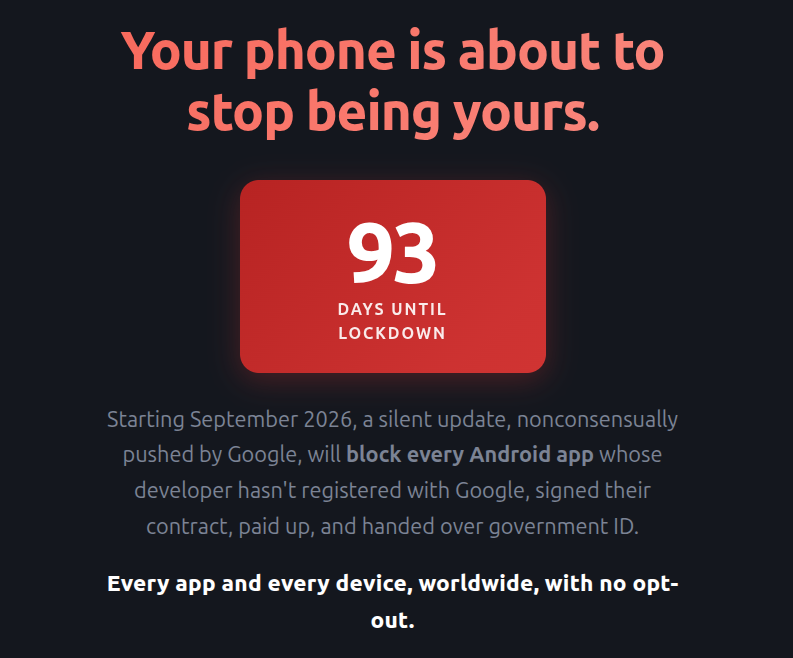
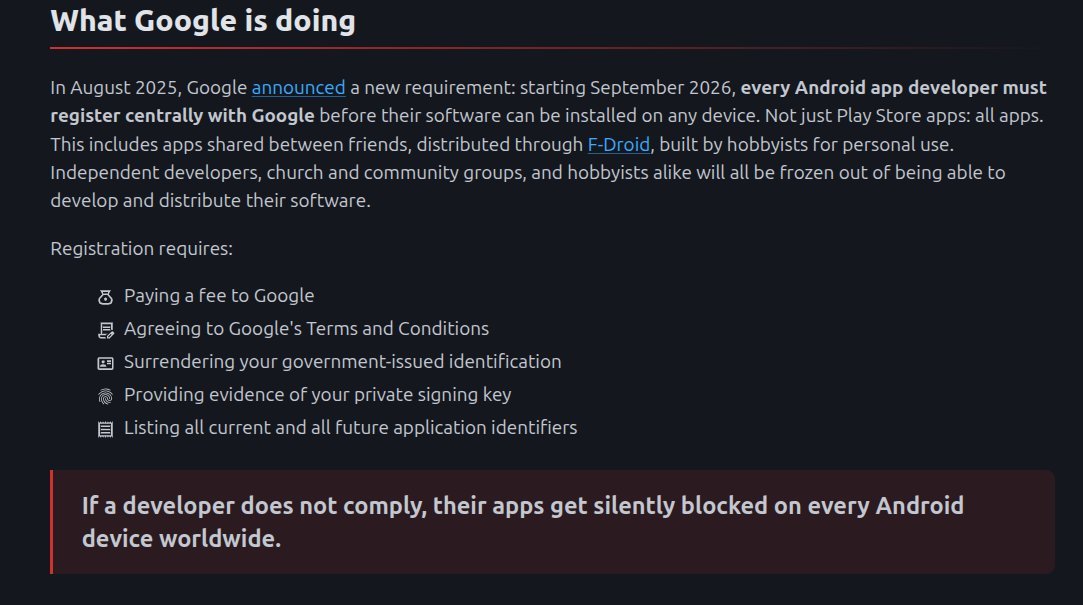
DON'T SIGN IN WITH GOOGLE
DON'T SIGN IN WITH GOOGLE
DON'T SIGN IN WITH GOOGLE
DON'T SIGN IN WITH GOOGLE
DON'T SIGN IN WITH GOOGLE
DON'T SIGN IN WITH GOOGLE
DON'T SIGN IN WITH GOOGLE
1,965
3,161
47,943
14,120,830
AHAHAHAHAAH


90
Sykotix retweeted

A BUJU BANTON TINY DESK?? NAH I GOT GOOSEBUMPS, THIS IS HEAVENLY 🔥🇯🇲
LEGEND
105
2,712
11,139
334,793
Sykotix retweeted

May 15
They removed CD/DVD drives from devices.
They made physical media harder to buy and use.
They removed expandable storage from phones.
They pushed us into streaming subscriptions.
They made always-online normal.
They made unlimited internet necessary.
Then slowly raised the price of everything.
Ownership quietly became renting.
1,265
18,627
65,039
1,538,179
Sykotix retweeted

May 16
🚨TRENDING: Jacksonville #Jaguars WR/CB Travis Hunter showed off his new custom Bass Cat Jaguar boat.
The boat features “TH” logo I’m Him” wordmark, advanced fish finders, spacious deck, and high-end seating.
Hunter spends his spare time fishing.
👀
134
258
6,902
892,495
OHHHHHHH
May 15

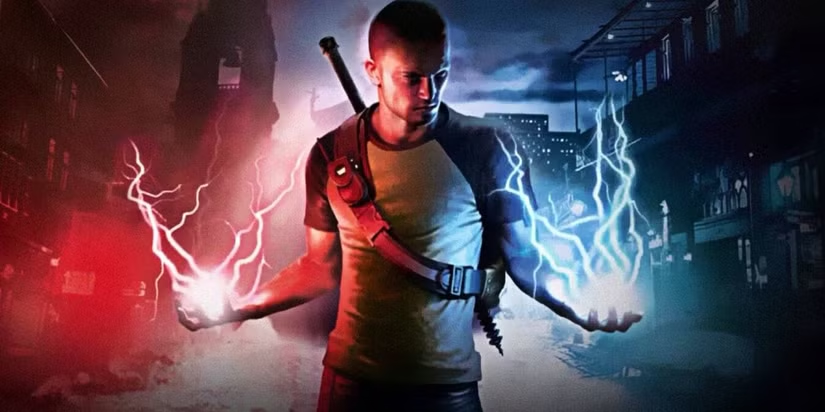
A new 'Infamous' game is reportedly in the works.
"There is a groundswell of people that want Infamous. I'm under the impression that there is an Infamous thing happening somewhere else in PlayStation at the minute"
Via Jordan Middler of the VGC Podcast

51
Sykotix retweeted

May 7
The goddess we all need is right there if Marvel really locked in

May 7

We NEED a dark skinned Storm
84
1,004
8,903
128,582
Sykotix retweeted

May 7
Optimus Prime always knew how to catch a body when it rlly mattered 😮💨
May 7

define being “locked in”
38
687
4,350
147,080
Sykotix retweeted

May 7
watching a Katt Williams stand up show in GTA4 was crazy. i wonder if they'll have anything similar like this in GTA6
98
1,823
16,910
388,844