
Computer algebra system in Python. This is the official account for SymPy.
Joined July 2012
- Tweets 608
- Following 95
- Followers 4,351
- Likes 466
7 Photos and videos
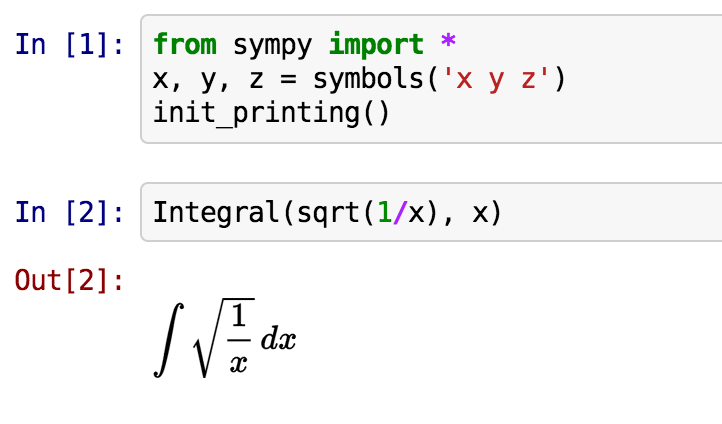


The SymPy introductory tutorial. docs.sympy.org/latest/tutori…
42
105
SymPy retweeted

8 Sep 2025
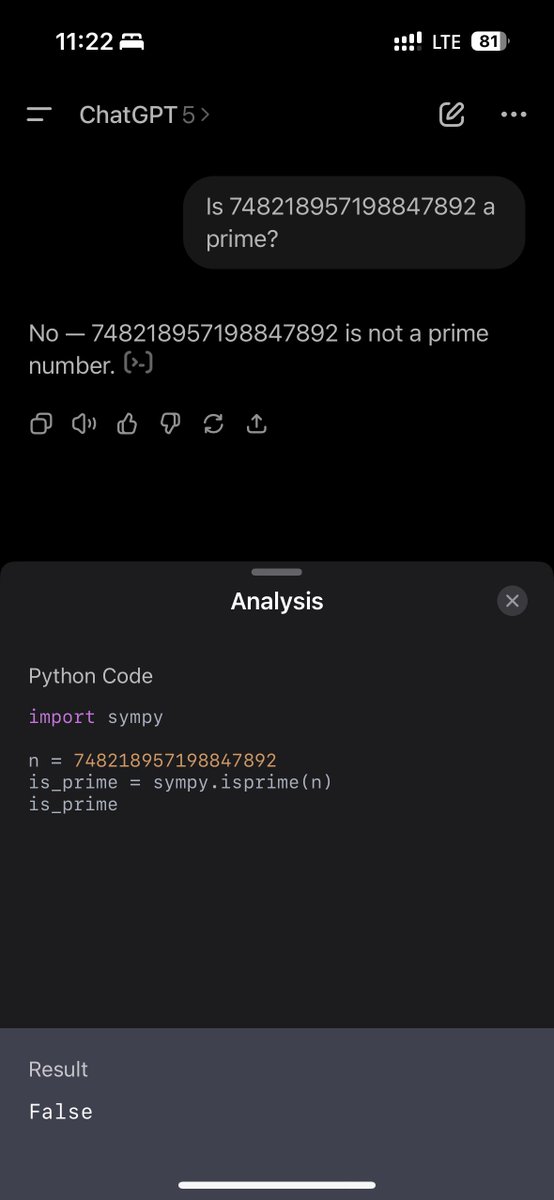
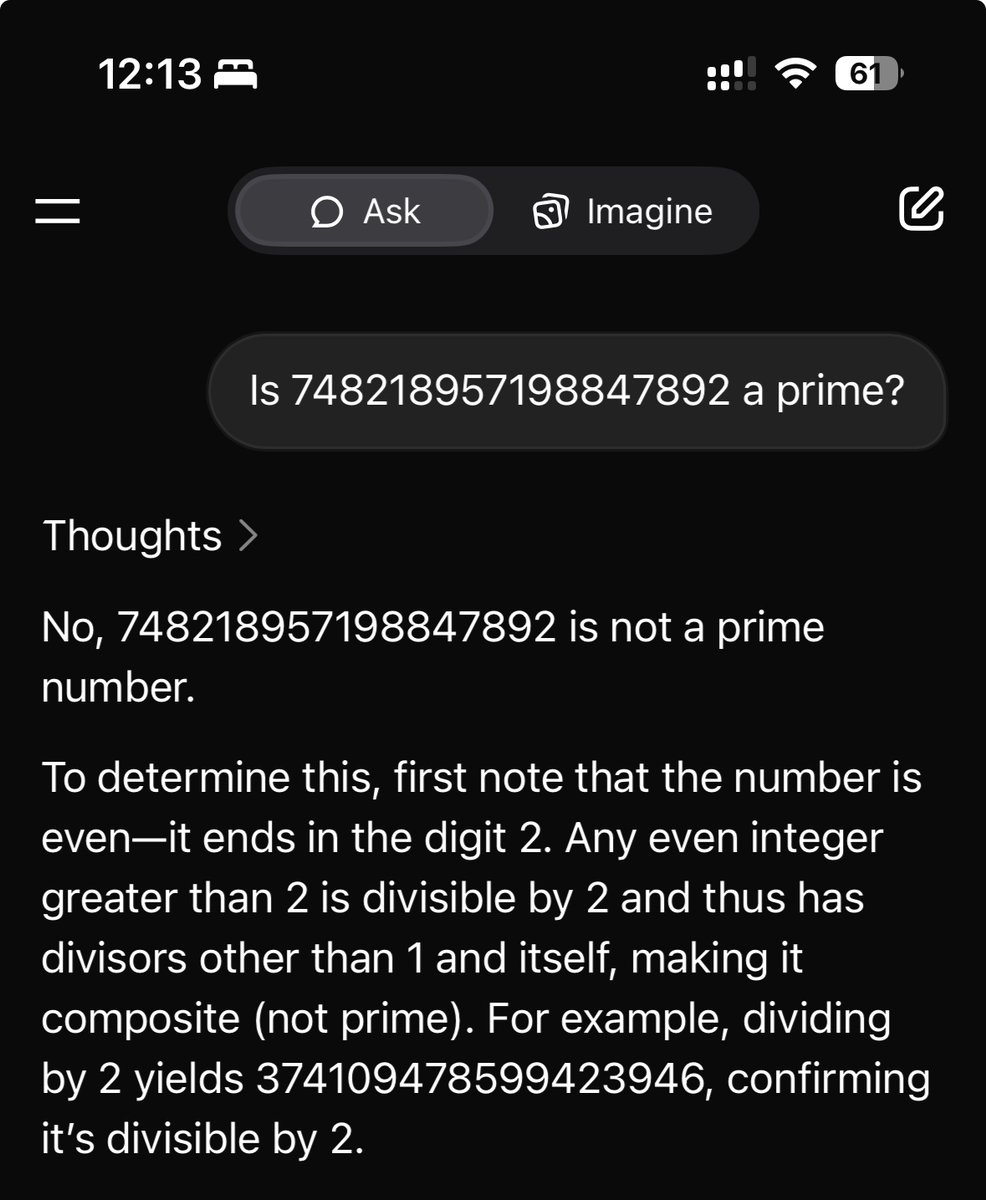
It used @SymPy, not NumPy. When I started SymPy almost 20 years ago, my university classmates were telling me that it could never match Mathematica, so what's the point? And now the most popular (?) LLM uses SymPy by default. That's amazing!
7 Sep 2025

Interesting to see how different LLMs check if a big even number is prime:
ChatGPT: Uses NumPy to test the number numerically
Grok: Instantly sees it’s even → not prime
14
25
559
68,788
SymPy retweeted

16 Apr 2025
Cool to see @openai demo solving a @sympy issue (from SWE-bench) in their o3 demo today. At a glance the AI's fix looks correct (though not quite as straightforward as the true fix that was made).
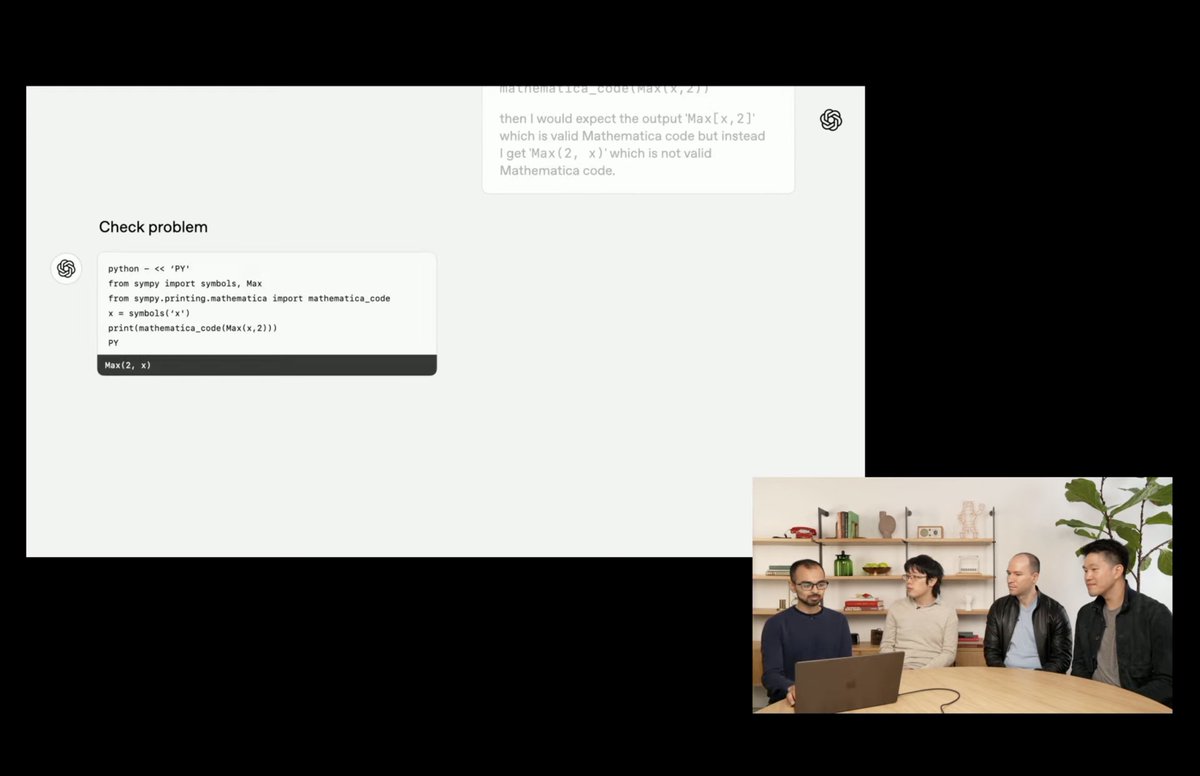
ALT Screenshot from OpenAI o3 announcement livestream showing o3 solving a SymPy issue.
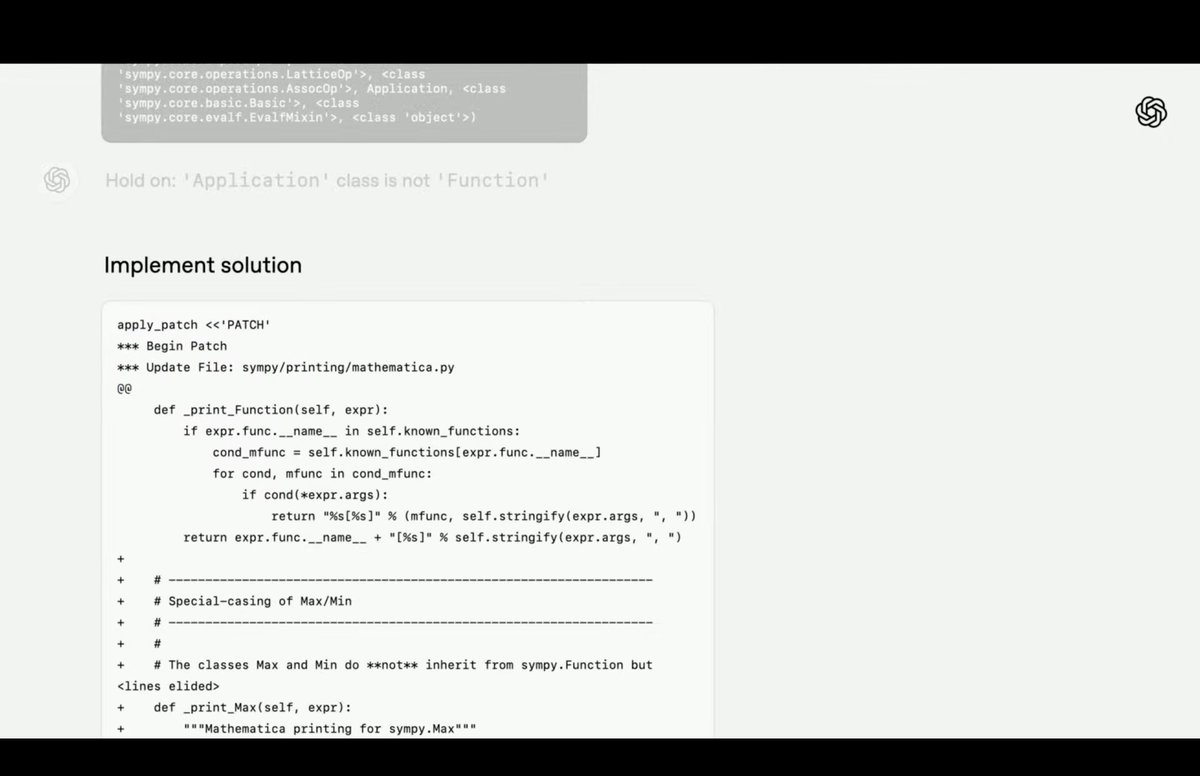
ALT Screenshot of livestream showing o3's solution to the issue

OpenAI o3 and o4-mini
openai.com/live/
2
1
7
2,069
SymPy retweeted
11 Jan 2024
I made a @SymPy GPT to play around with this. Unlike normal ChatGPT it has direct access to the latest version of SymPy (1.12) and its docs. It also tries to actually execute code whenever it can. chat.openai.com/g/g-AePkBhsF…
Introducing the GPT Store: Over 3M GPTs have been created and now you can find the most useful versions of ChatGPT for you.
openai.com/blog/introducing-…
1
5
18
2,381
"Towards a new SymPy: part 1"
In this first of a series of blog posts, Oscar Benjamin writes about the ongoing work to improve the performance of SymPy. oscarbenjamin.github.io/blog…
2
9
36
6,050
"Towards a new SymPy: part 2 - Polynomials"
Part 2 of this series of blog posts discusses the SymPy polynomials module and how it relates to SymPy's performance oscarbenjamin.github.io/blog…
4
1,067
SymPy retweeted

11 Jul 2023
Tutorials @SciPyConf are in full swing! Ever want to do algebra, calculus, or advanced differential equations directly in Python? Check out the “SymPy Introductory Tutorial” co-led by our @asmeurer to learn the basics of @SymPy.
cfp.scipy.org/2023/talk/LJQP…

13
49
10,072
SymPy retweeted

24 Jun 2023
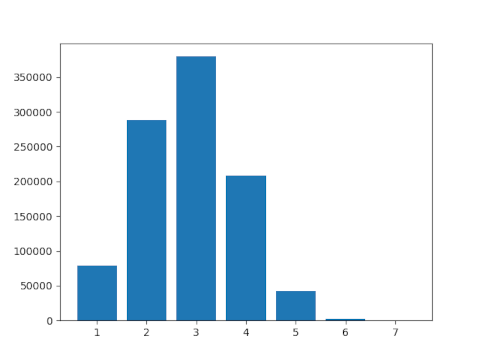
Large numbers have fewer prime factors than you might expect.
johndcook.com/blog/2023/06/2…
2
10
72
15,774
SymPy retweeted

12 May 2023
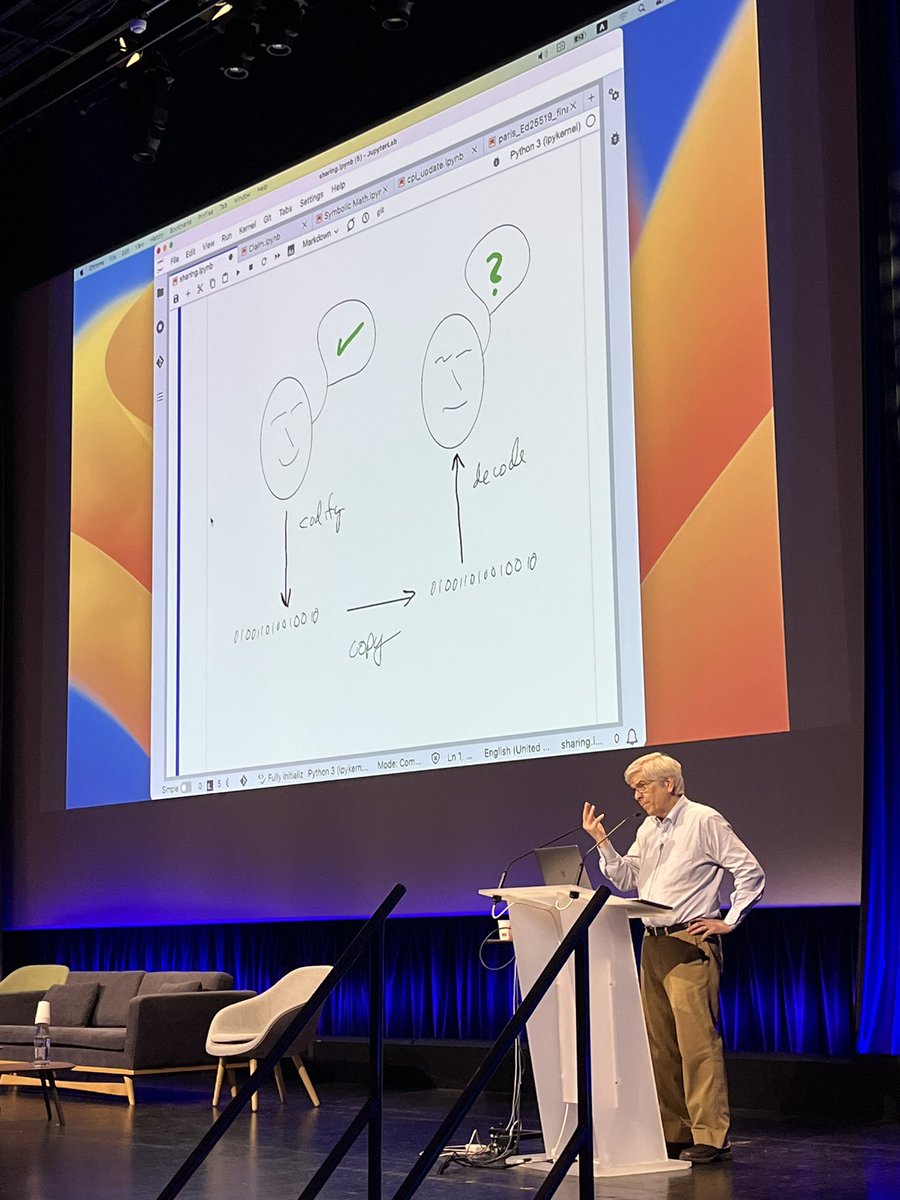
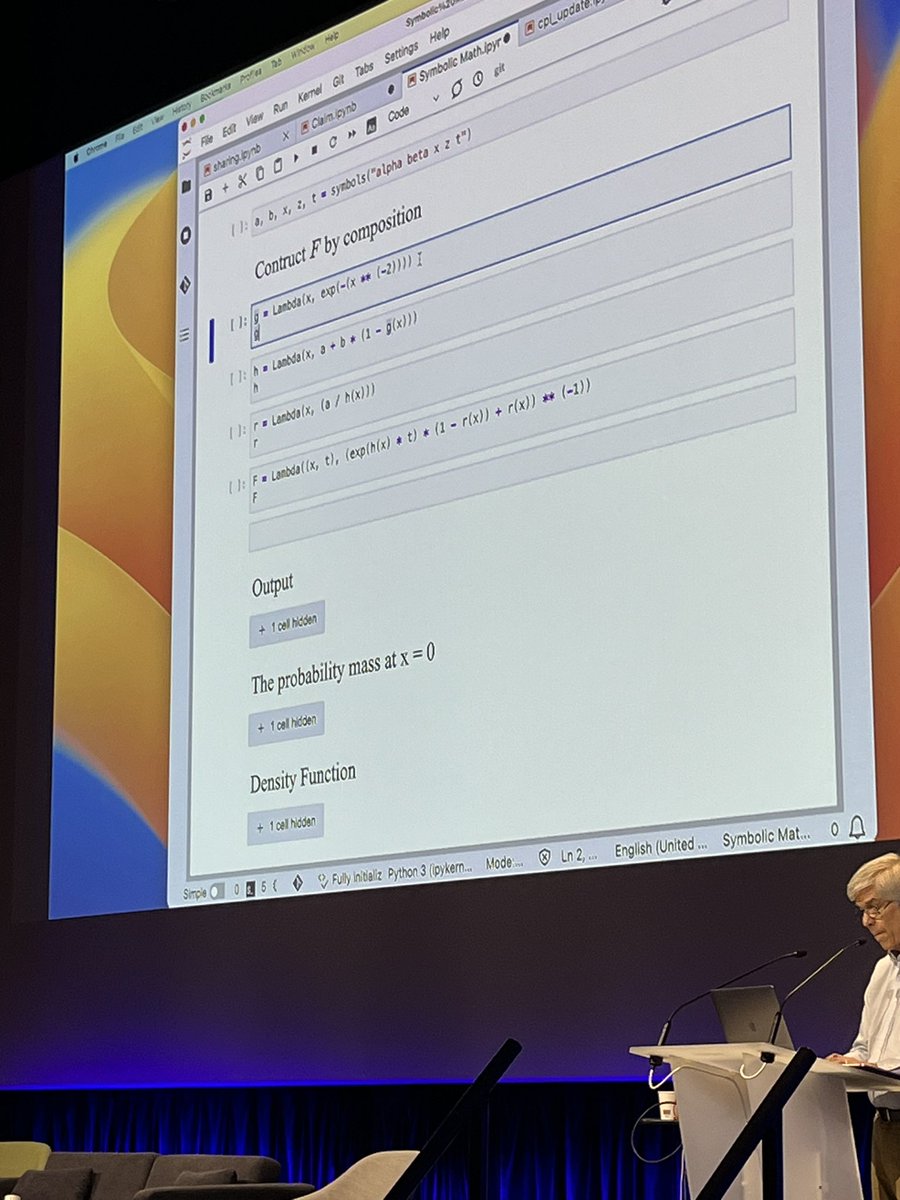
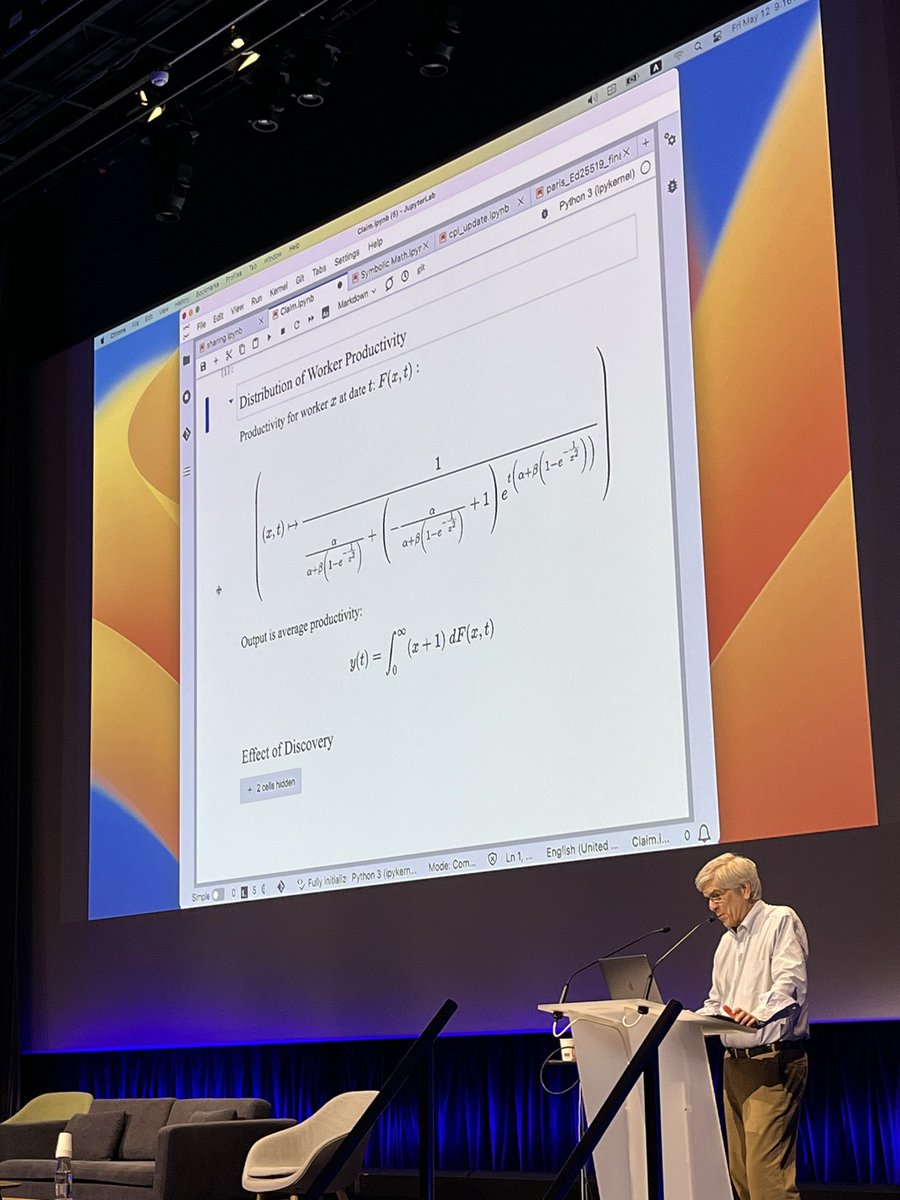
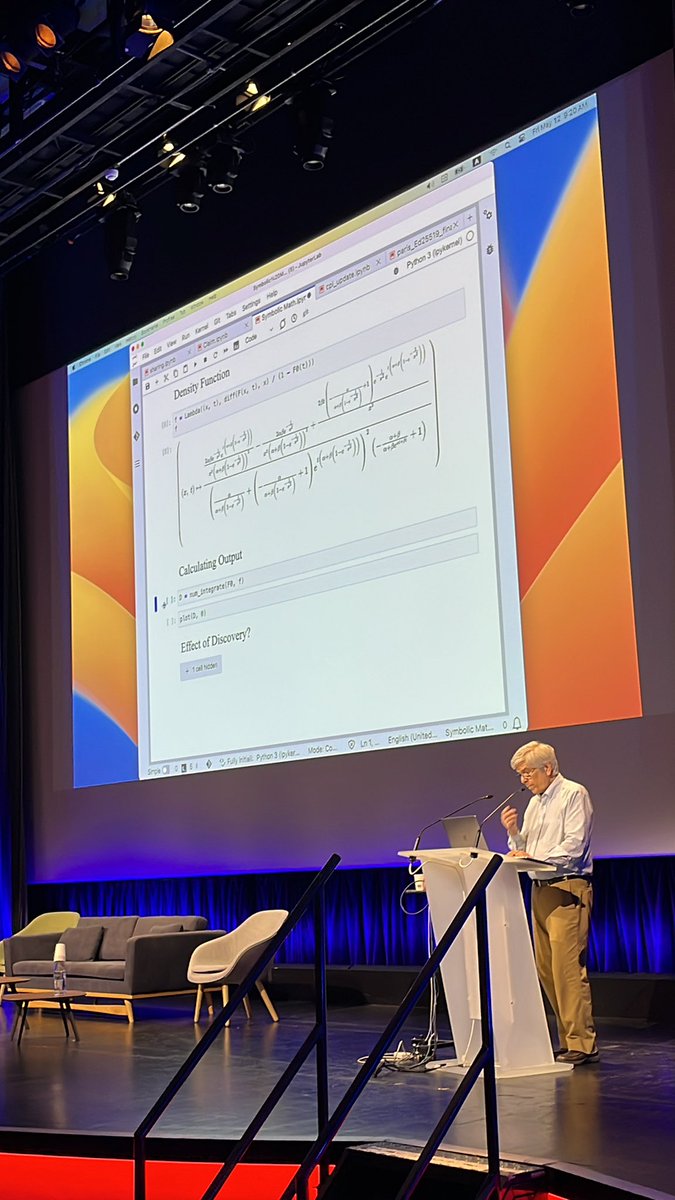
Hand drawn, and live demo. using @SymPy easier than typing TeX ! And we can now derivate, or integrate with @numpy_team
2
5
13
1,706
"Use Gröbner Bases To Solve Polynomial Equations" by @jingnanshi
Mice blog post showing how Gröbner Bases work using SymPy.
jingnanshi.com/blog/groebner…
2
6
2,157
SymPy retweeted

28 Mar 2023
2
5
881
SymPy retweeted
27 Mar 2023
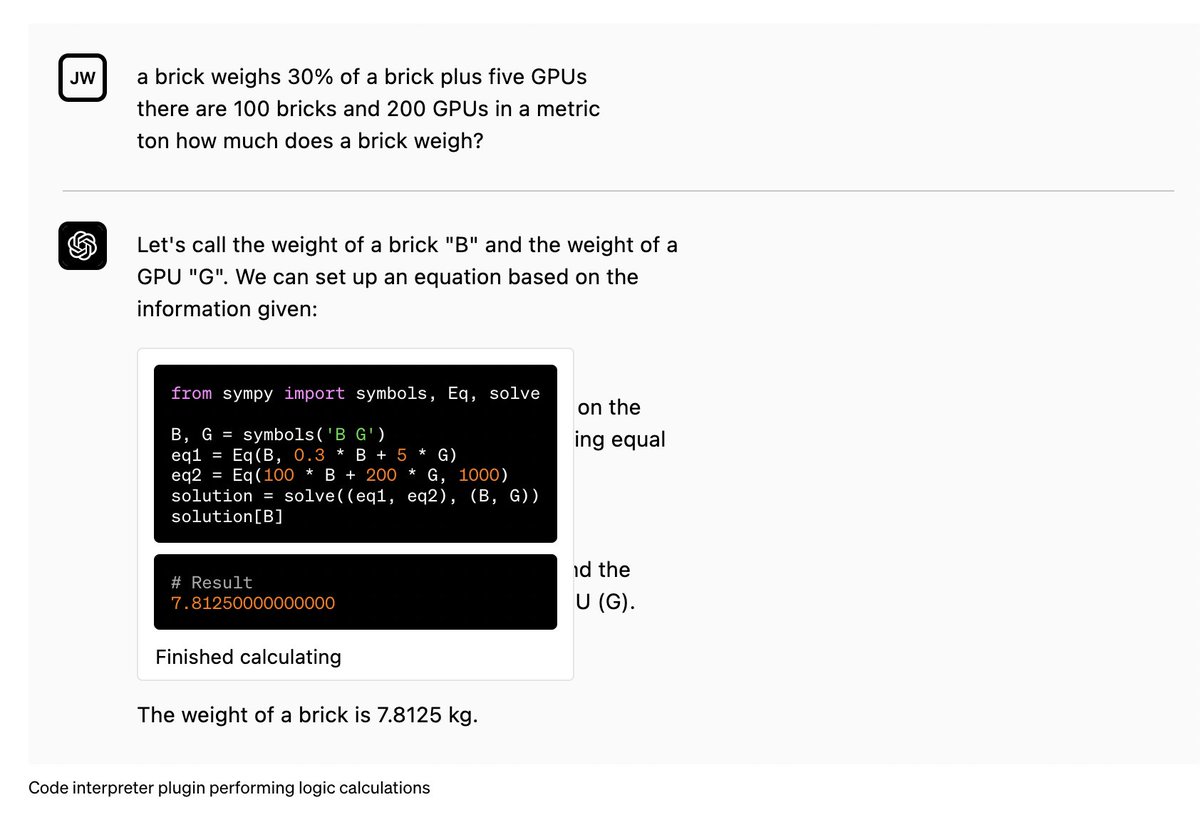
I noticed @OpenAI uses @SymPy in their "Code interpreter" demo at their ChatGPT plugins webpage (openai.com/blog/chatgpt-plug…). I am very happy to see SymPy being used by default like this.
1
9
69
10,789
SymPy retweeted

13 Mar 2023
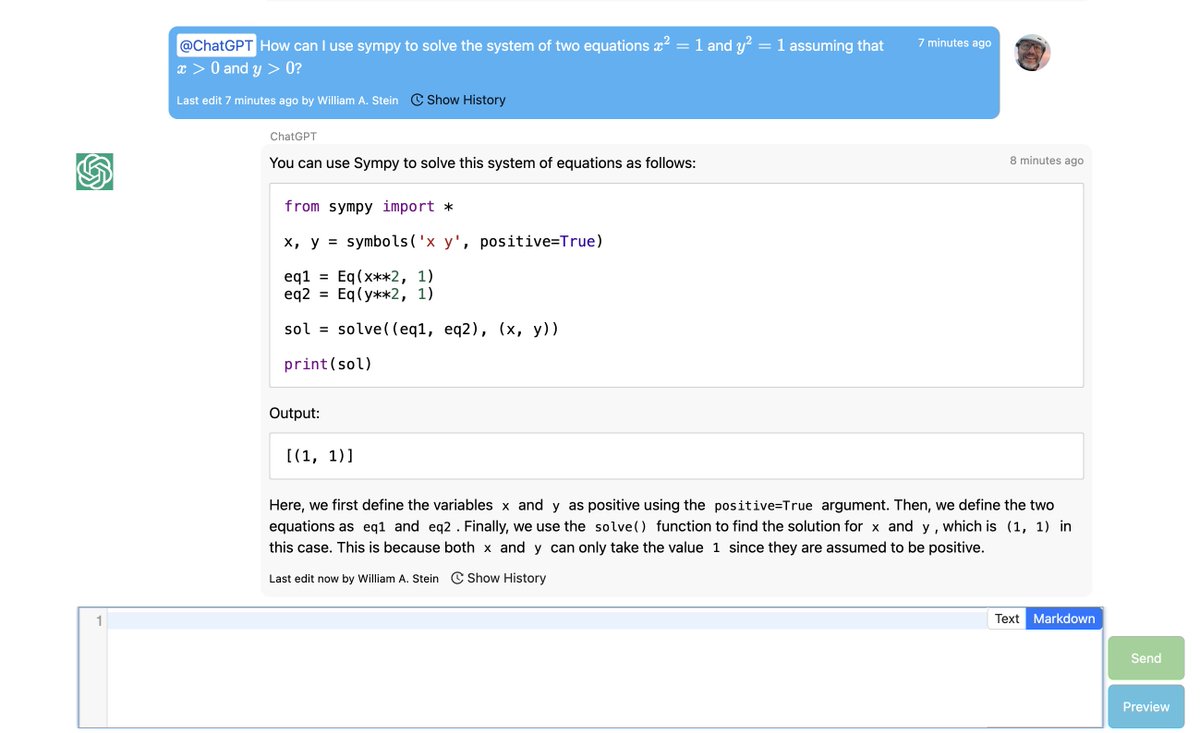
I integrated ChatGPT into cocalc.com as a chatbot (though much more is to come). You can just do @ and select chatgpt when chatting anywhere in cocalc (doc.cocalc.com/chat.html) and it responds. Here's an example of it knowing #sympy.
2
18
37
7,621
SymPy retweeted

6 Mar 2023
The maximum occurs where the derivative is zero.
#SymPy code:
>>> from sympy import symbols, diff, log, solveset
>>> c = symbols('c')
>>> diff(c ** (1 / c), c)
c**(1/c)*(-log(c)/c**2 c**(-2))
>>> solveset(-log(c)/c**2 c**(-2), c)
{E}
1
2
842
SymPy retweeted

5 Mar 2023
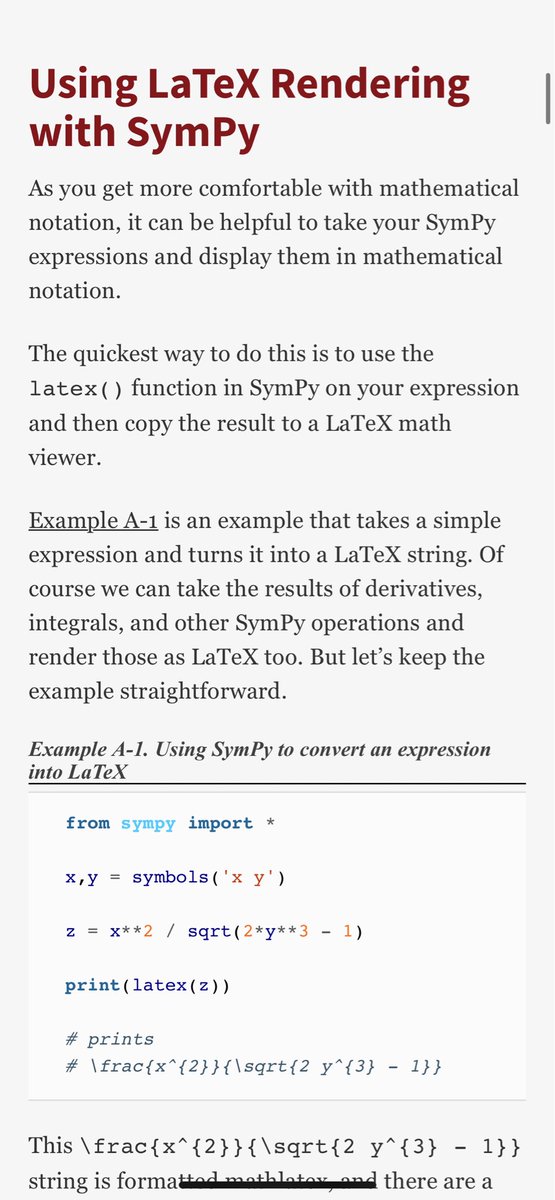
I give a very brief tutorial in the appendix of my book 😊
1
1
4
715
SymPy retweeted

20 Feb 2023
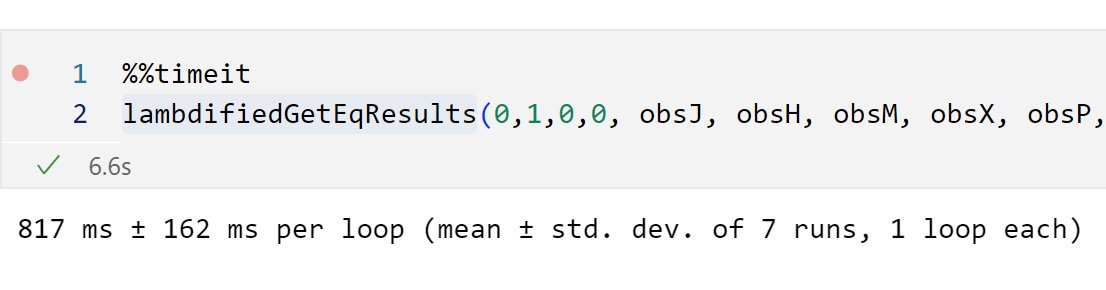
¡¡Wow!! Gracias a @Sympy logré una mejora de x2500 (sí, no es typo) en el tiempo de ejecución de una función.
De paso, uno se da cuenta de la diferencia de velocidad entre Python y C nativo.
PS: No programe en C, Sympy hizo la transformación "automáticamente" por mí.

1
1
8
1,666
SymPy retweeted
27 Dec 2022
Fast way to test whether a number less than a quintillion is prime. johndcook.com/blog/2019/02/2…
7
37
9,975
SymPy retweeted

24 Nov 2022
>>> from sympy import factorint
>>> factorint(20221124)
{2: 2, 7: 2, 11: 1, 83: 1, 113: 1}
>>> factorint(11242022)
{2: 1, 11: 1, 511001: 1}
7
30
SymPy retweeted

3 Oct 2022
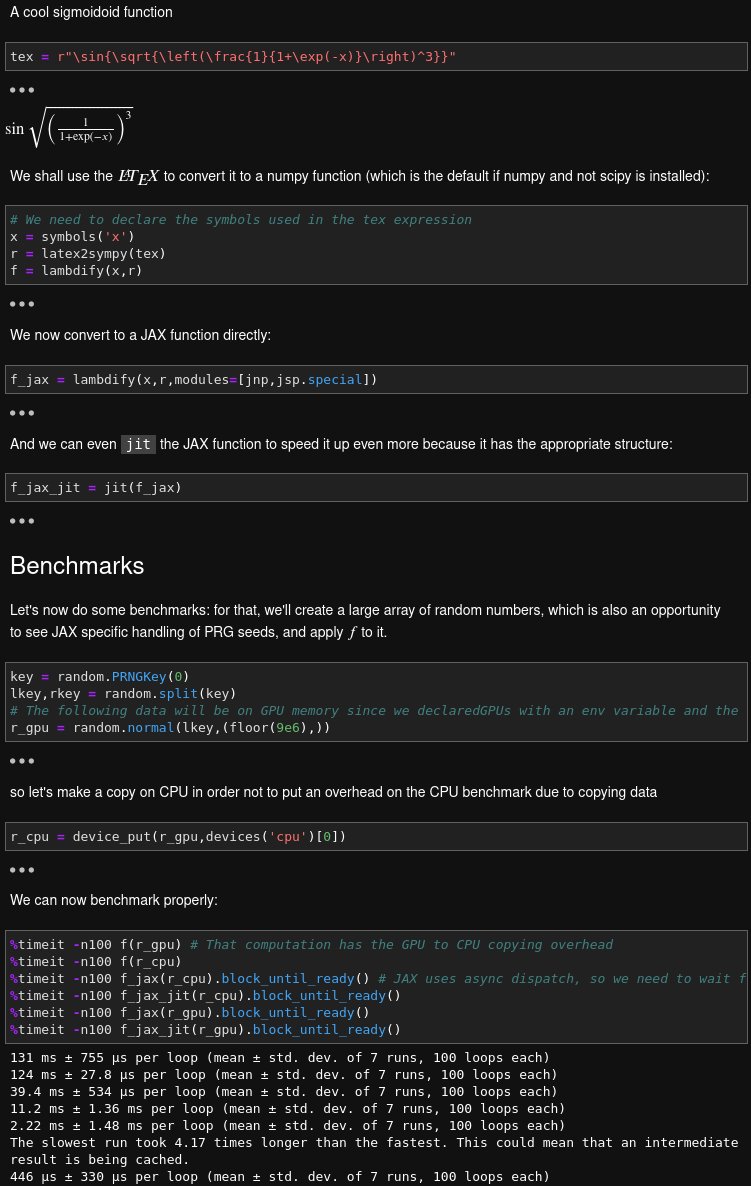
From a LaTeX formula to optimized code : with @SymPy , I found it was possible to automatically go from a LaTeX formatted equation through a numpy function to a JAX jit optimized function that runs 300x faster on GPU than the numpy version on CPU! Made my night & day!
1
4
35
Please fill out our survey about code generation in SymPy to help us understand what areas we should focus on improving as part of our work for our @cziscience grant. forms.gle/F5Ek6yQkH5fXPNYK6
1
6
23