TEDMED bridges the gap between science and the public by sharing stories that inform, inspire, and provoke action inside and outside of medicine.
Joined March 2009
- Tweets 19,878
- Following 3,568
- Followers 106,071
- Likes 10,753
4,042 Photos and videos
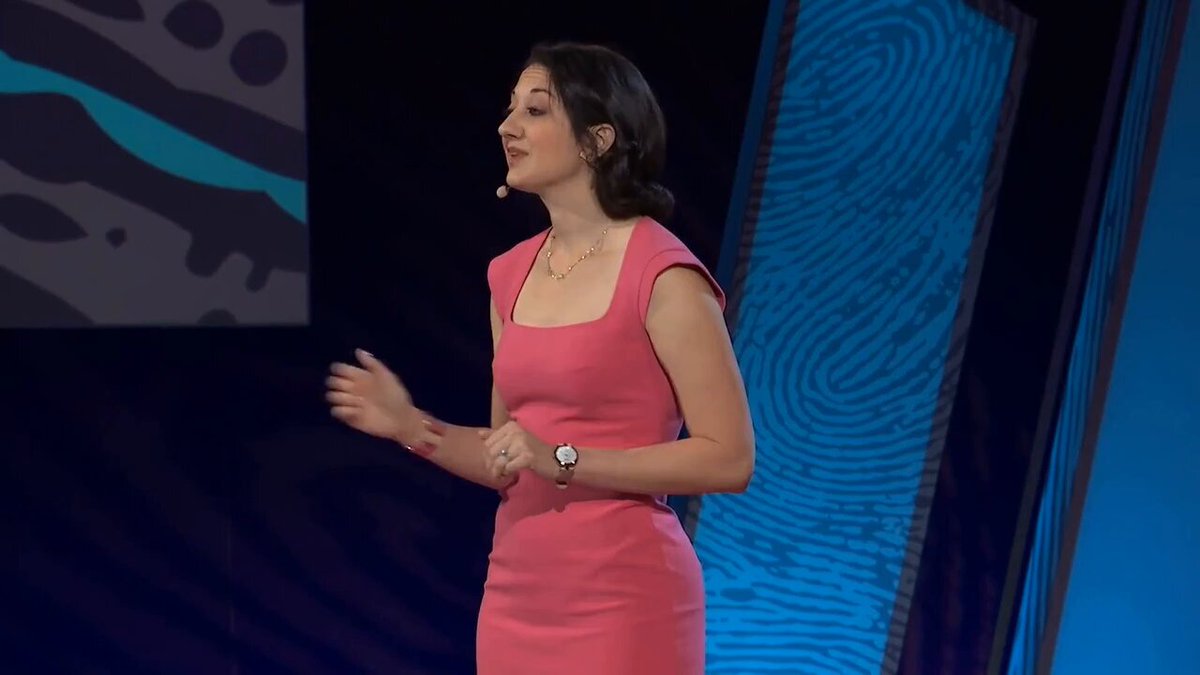

“Think of it like a Spider-Man suit. It makes you stronger, and it is useless without you.”
Suchi Saria on why AI should strengthen clinical judgment, not replace it.
Watch "Bringing AI to the bedside" at: ow.ly/UgEJ50Z88JW
1
242
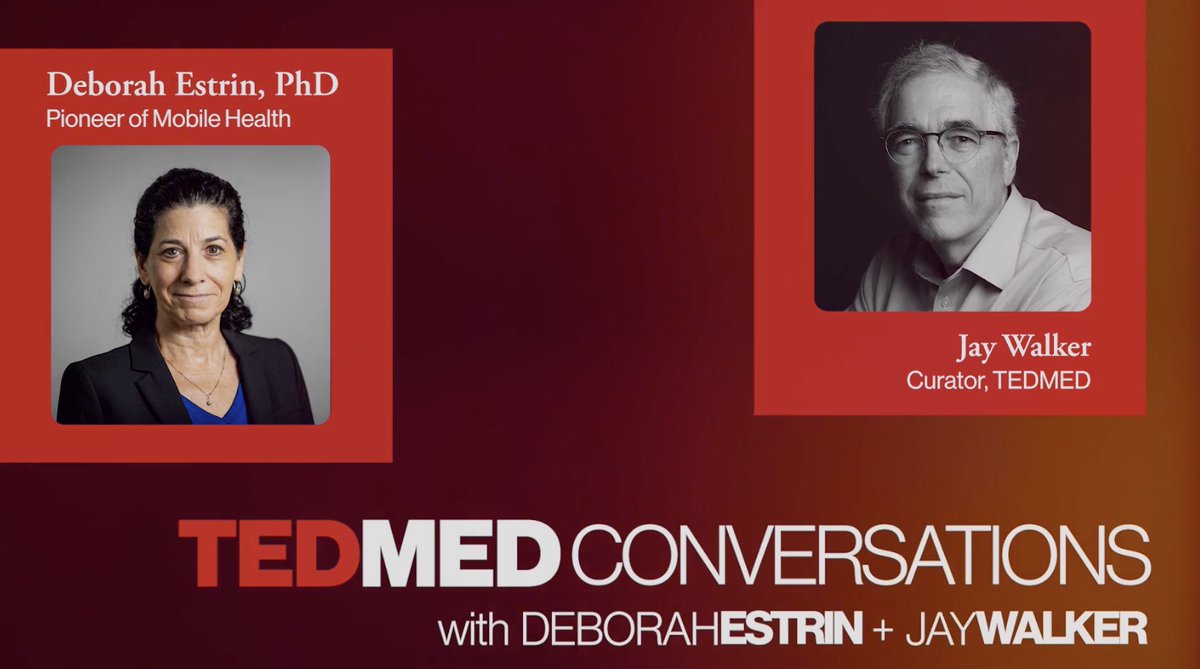
AI in health is not just answering questions.
It is becoming part of the interaction between patients, clinicians, systems, devices, and real-world context.
Deborah Estrin Jay Walker explore what that makes possible, and what still needs testing.
Watch at ow.ly/YEnS50Z8MCG
1
2
304
Christine Nieves shows what community can become in a crisis: not just solidarity, but infrastructure.
After Hurricane Maria, local knowledge, reciprocity, and organized care became tools for survival.
Watch her #TEDMED Talk: tedmed.com/talk/why-communit…
1
183
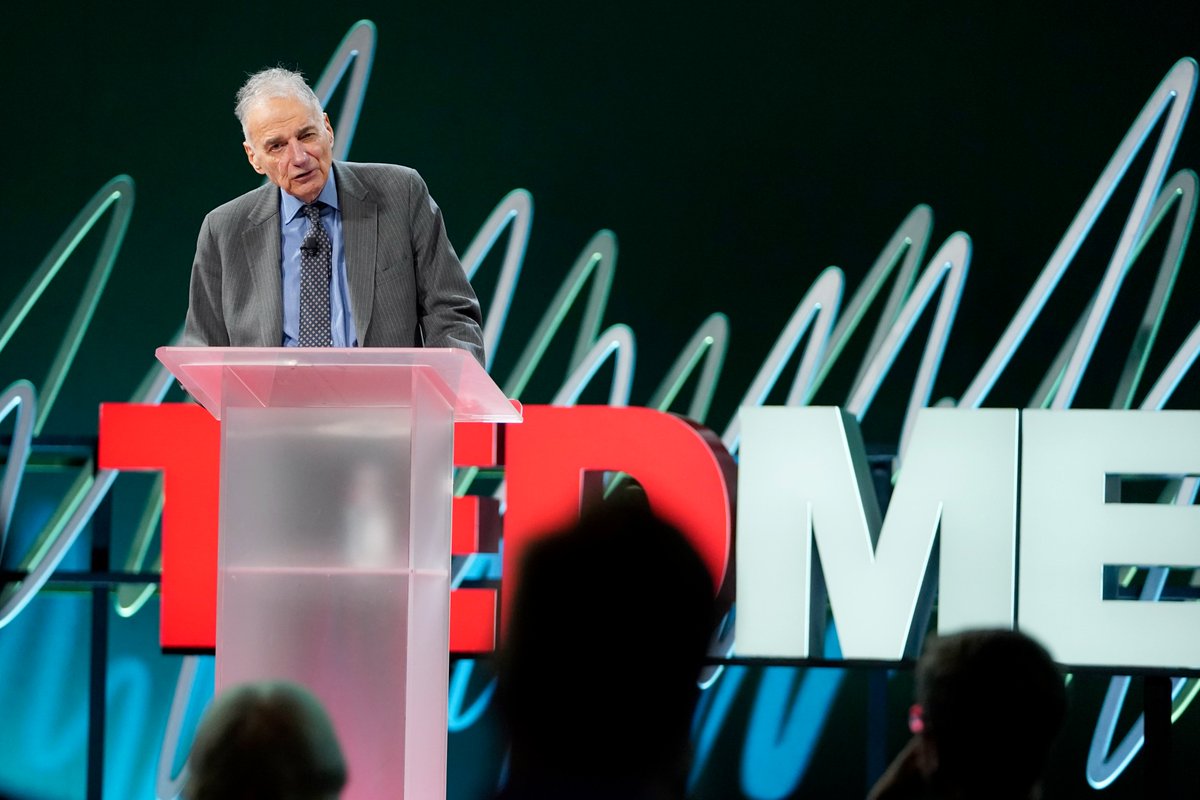
“Exposure was not enough.”
Ralph Nader’s TEDMED Talk makes a sharper case for social change: awareness matters, but organized civic pressure is what turns public concern into institutional action.
Watch the full Talk at TEDMED.com.
1
2
257
Visibility can expose a problem. It rarely solves one.
In this #TEDMED In Context, we revisit Ralph Nader’s argument that durable change requires organized citizens, sustained pressure, and a clear understanding of how systems move.
Watch at TEDMED.com.
1
482
If willpower worked, behavior change would be easy.
Judson Brewer’s work shows why habits are not just choices. They are reward-based learning loops.
Trigger. Behavior. Reward.
The new TEDMED Now episode explores how those loops can change.
ow.ly/AKgt50Z3C6R
1
274
When scientific recommendations change, people may hear contradiction.
But often, that change is science doing what science is supposed to do: testing, updating, correcting, refining.
The communication challenge is not hiding uncertainty.
It is explaining it before mistrust fills the gap.
Watch full Talk: ow.ly/NxO250Z0jhI
#TrustInScience
#ScienceCommunication
1
2
3
492
“Just give people the facts” sounds reasonable.
#BehavioralScience
#ScienceCommunication
1
334
Heidi Larson asks us to see it differently: as a trust signal. tedmed.com/talk/in-context-h…
2
197
Vaccine hesitancy is often treated as a knowledge gap.
#VaccineConfidence
#PublicHealth
1
401