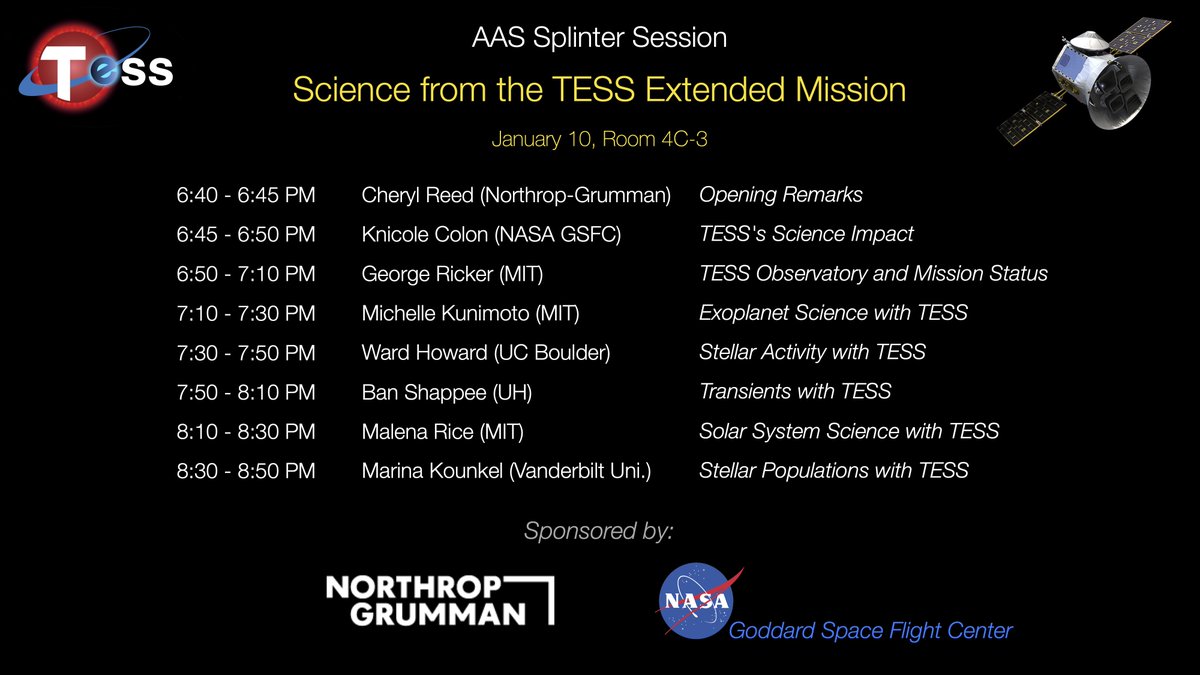
We're looking forward to welcoming you to #TESScon3 at MIT next week!
Please check the schedule and logistics page on the website: tsc.mit.edu/travel.html
Safe travels!
The program for #TESScon3 is out now! Check it out tsc.mit.edu/
📢 Reminder: All presenters must be registered for the conference.
🏨 If you haven't booked your stay yet, don't delay! Room blocks at Hyatt Regency, Boston University, and MIT dorms are filling up fast.
It's that time!! @TessSciCon3 is happening at MIT 7/29 - 8/2. Catch up on the TESS mission, new science, and data analysis techniques from the community. Abstract submission deadline is April 12 (very soon!) tsc.mit.edu/
ALT TESS Science Conference III logo with a stylized TESS satellite in the center, with the letters T S C 3 on each of the four cameras and 20 and 24 on either side.
It's that time!! @TessSciCon3 is happening at MIT 7/29 - 8/2. Catch up on the TESS mission, new science, and data analysis techniques from the community. Abstract submission deadline is April 12 (very soon!) tsc.mit.edu/
ALT TESS Science Conference III logo with a stylized TESS satellite in the center, with the letters T S C 3 on each of the four cameras and 20 and 24 on either side.
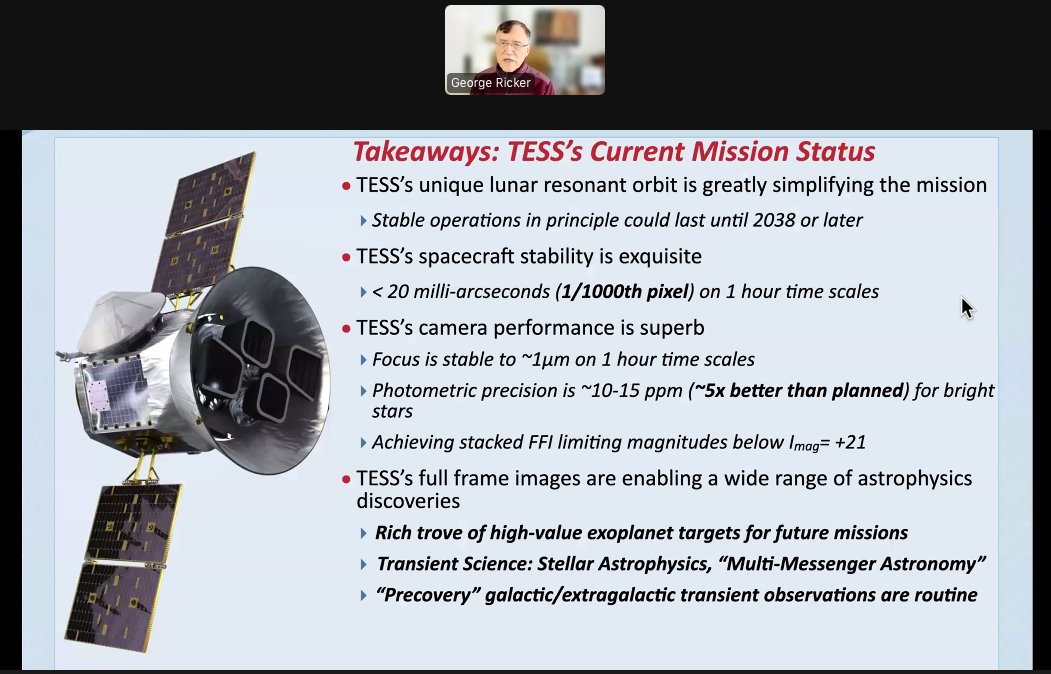
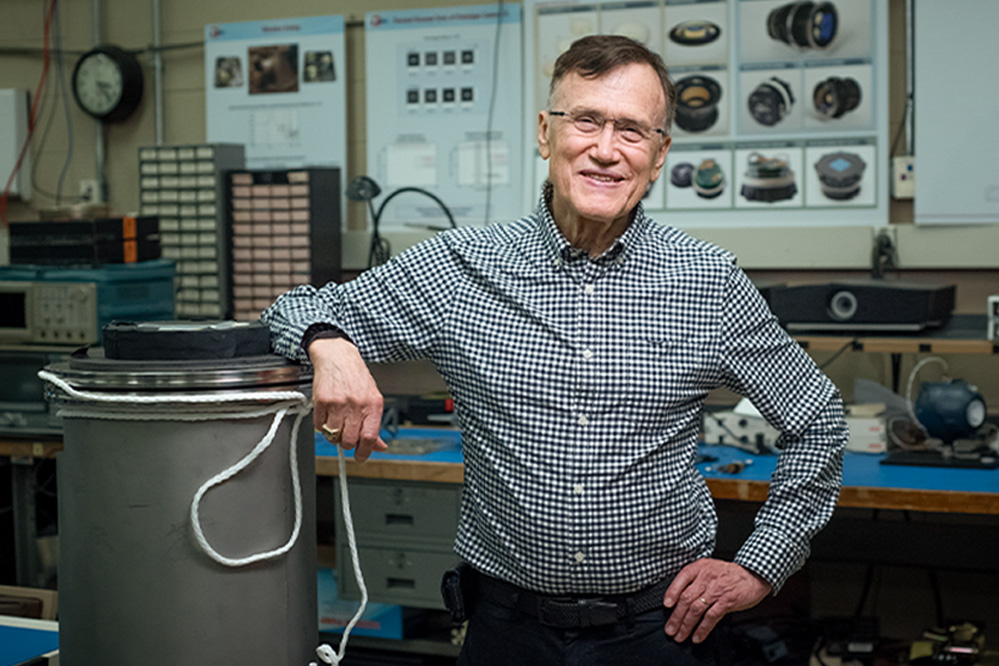
Since TESS launched in 2018, George Ricker and his team have detected more than 6,000 planet candidates, including approximately 500 with their masses now established. mitsha.re/boee50Nv4OG
ALT George Ricker stands in a lab, resting his elbow on a large metal cylinder.
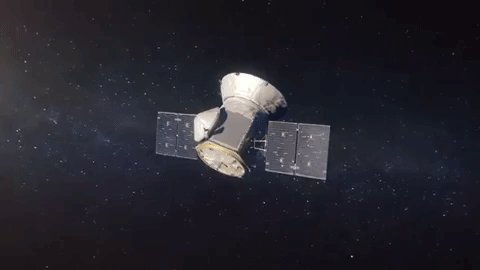
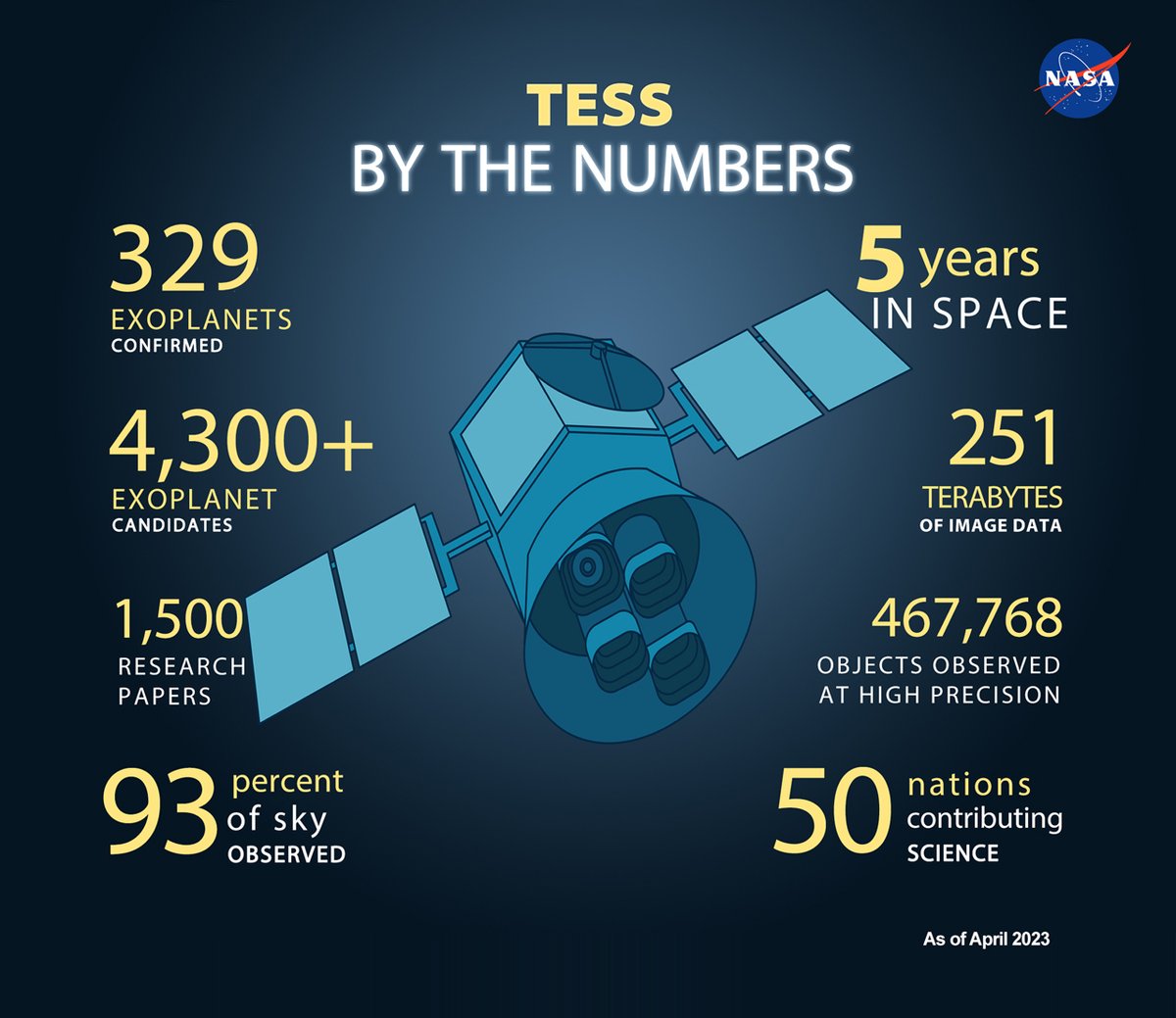
#OTD in 2018, @NASA launched the TESS Space Telescope. In its first five years, TESS has discovered 329 planets and 4,300 planet candidates. go.nasa.gov/3opfR05 Here are some exoplanet highlights!🧵⬇️
ALT An infographic with a blue line drawing of the TESS spacecraft is headlined, “TESS, By the Numbers”. It is followed by large numbers with explanations: 329 exoplanets discovered, 4,300 plus exoplanet candidates; 1,500 research papers ; 93 percent of sky observed; 5 years in space ; 251 terabytes of image data; 467,768 objects observed at high precision; 50 nations contributing science.
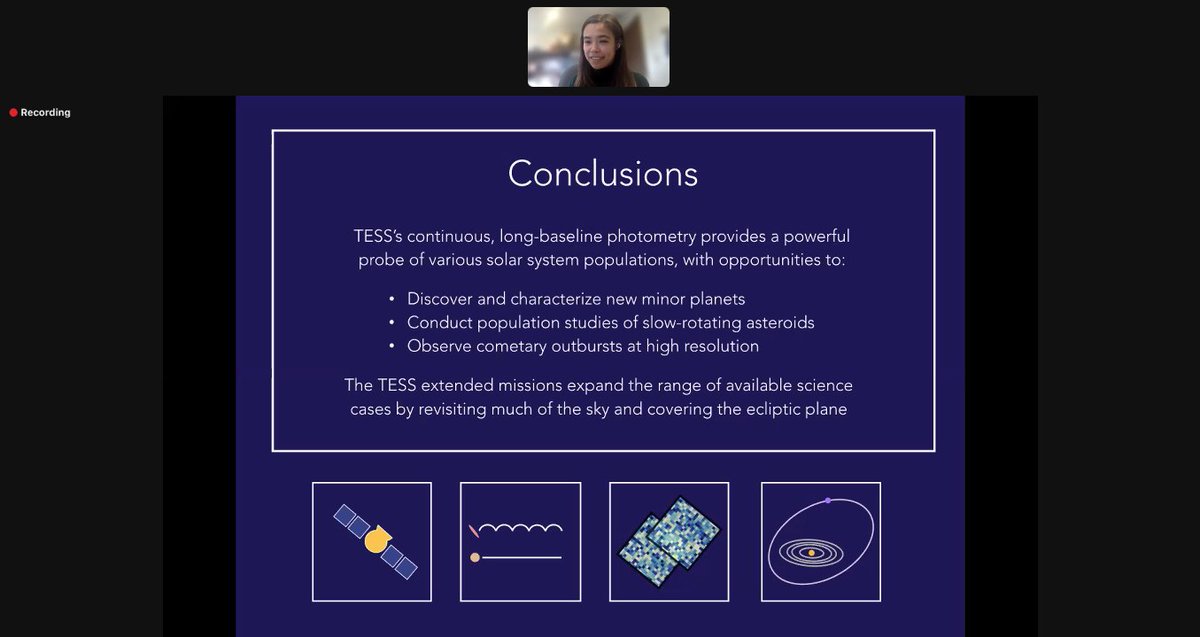
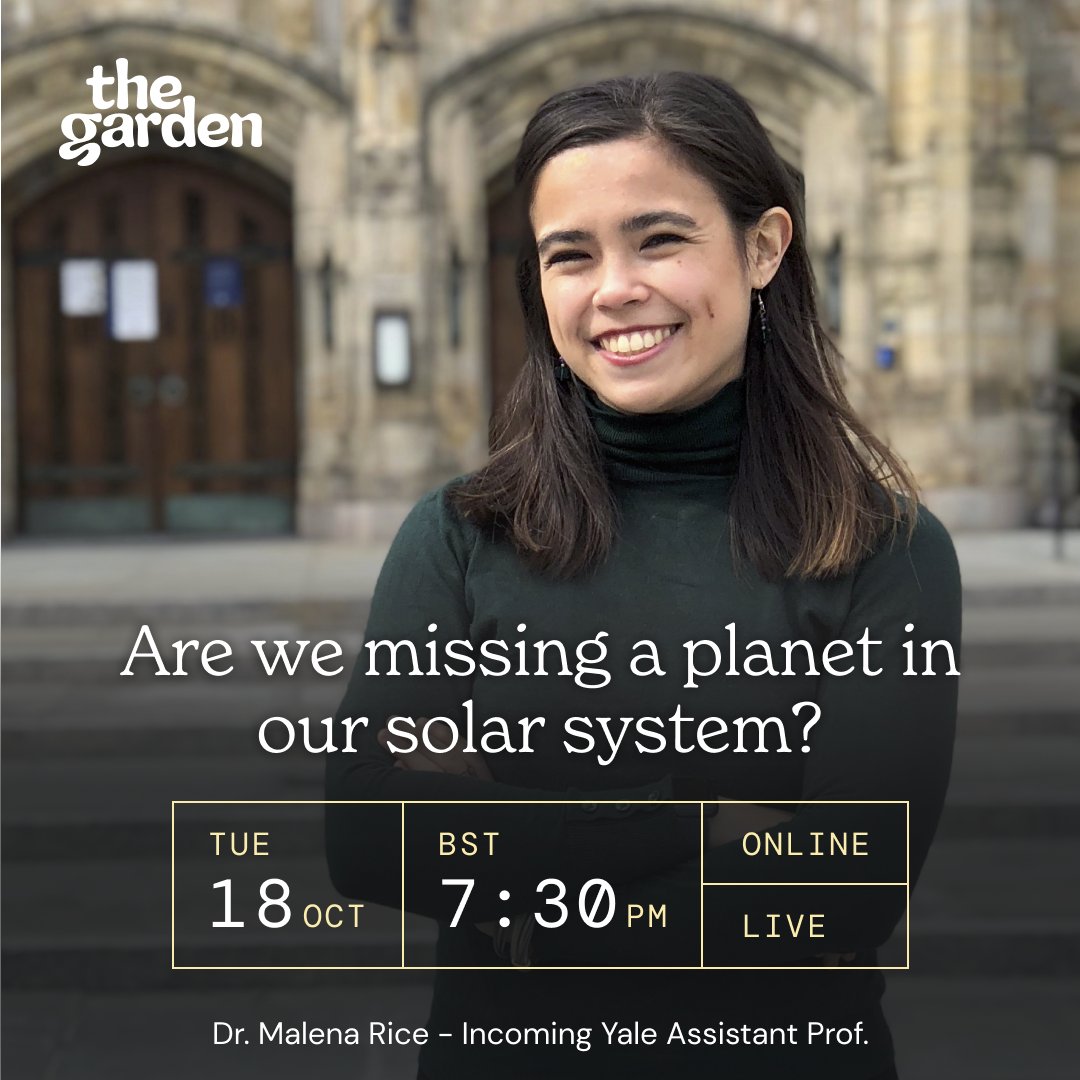
Did you know astronomers use TESS data to study our own Solar system? Learn how with 51 Pegasi Fellow @malena_rice, today at 2:30 Eastern on @OneGardenHQ!
Tomorrow I'm delighted to be giving a fireside-chat-style talk about the outer solar system to close out the "The Bright Night Sky" series! Many thanks to @OneGardenHQ for this unique opportunity :)
Check out my talk and all the others in the series here: onegarden.com/collection/the…
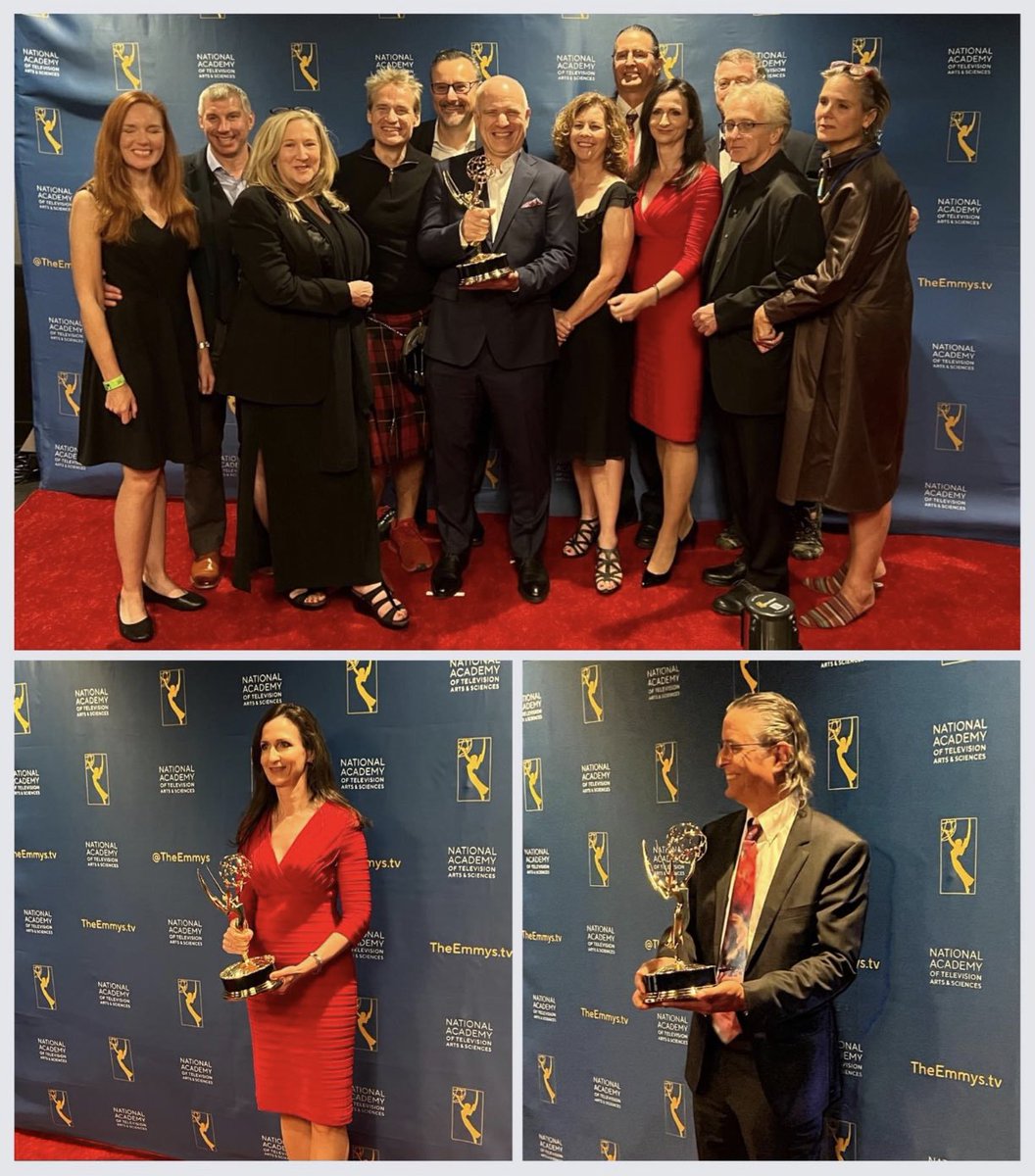
TESS on the #DocEmmys red carpet! With @ProfSaraSeager, TESS was featured in the documentary @HuntforPlanetB. The film won Outstanding Science and Technology Documentary!✨
Check out the latest HLSP from the Quick Look Pipeline led by TESS postdoc @astro_mkuni.
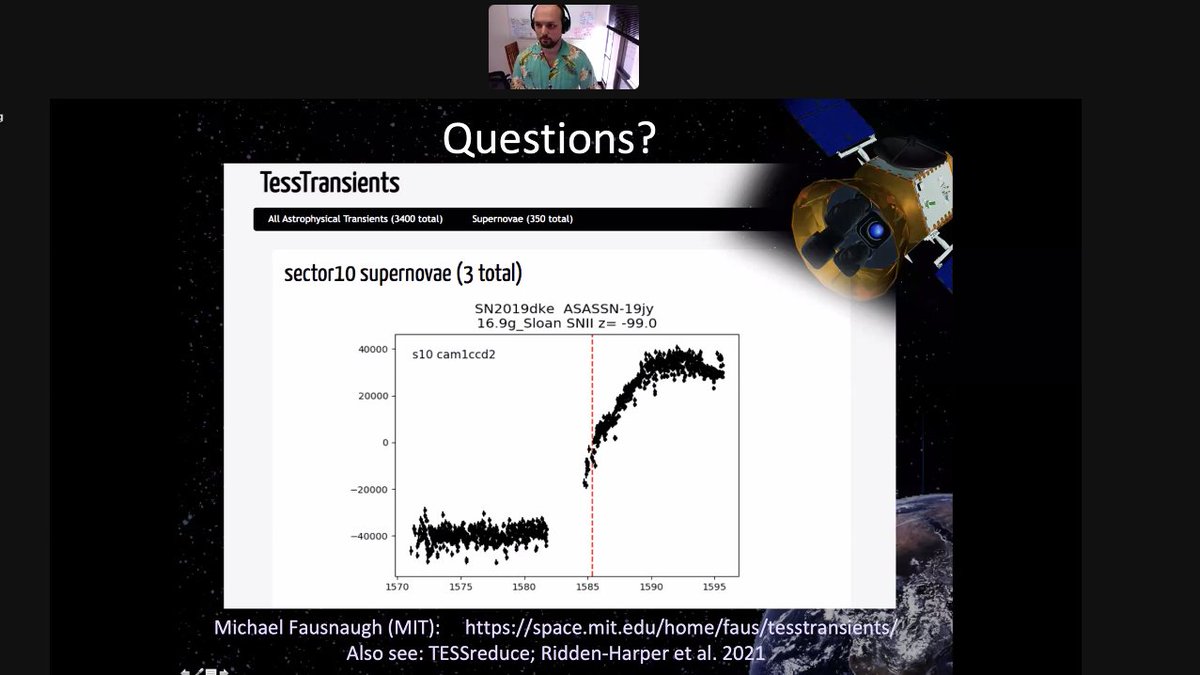
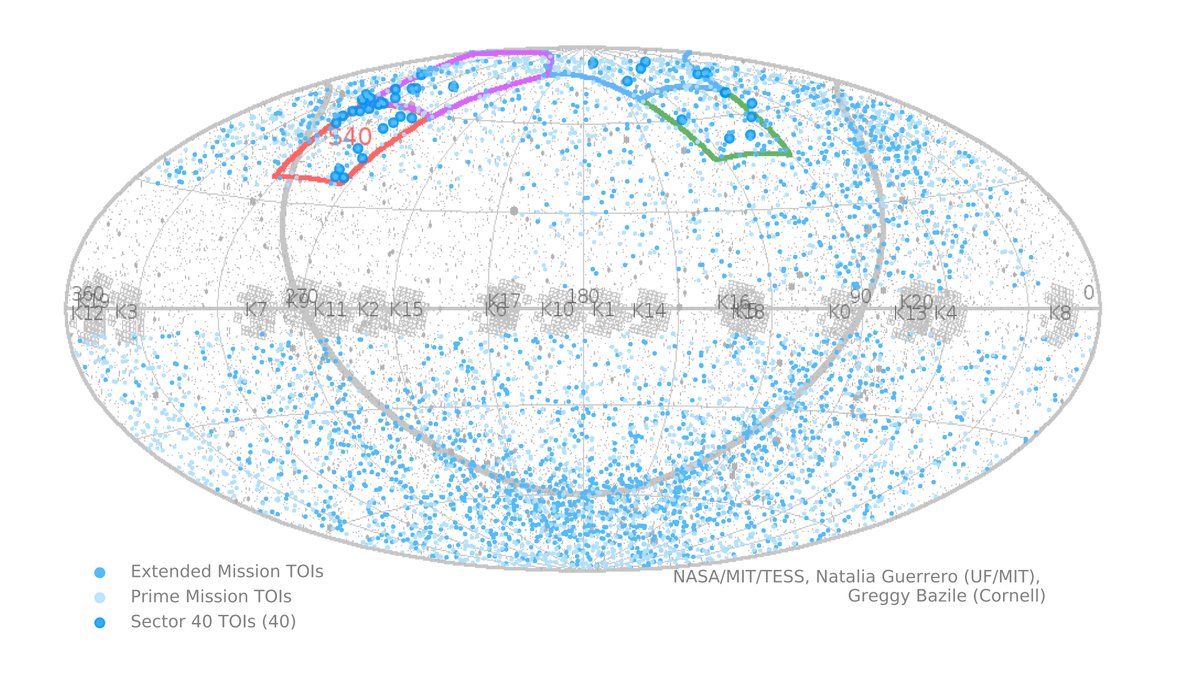
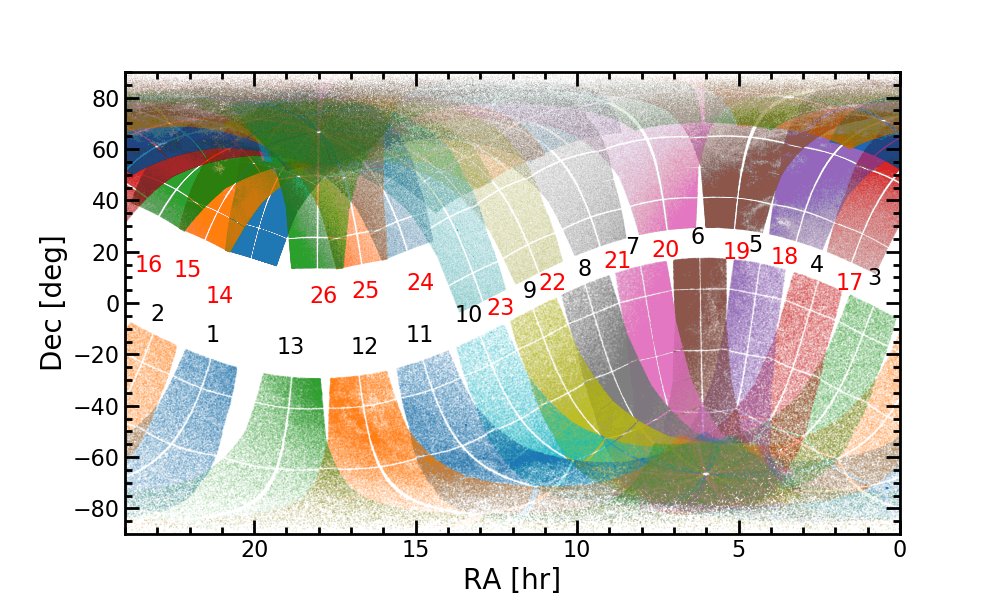
Over 1 million light curves from the TESS Sector 40 full frame images in this batch!
HLSP Update: QLP calibrated #TESS light curves from Sector 40 are now available at MAST. This release includes 1,037,873 new light curves, and is the first Sector of Year 4 data for the QLP collection. archive.stsci.edu/hlsp/qlp
Busy #EPSC2022: Presented TOI-270 and its possibly hycean world (feat. our TTVs and HST data) on Monday 🌐 Talked about flares and habitability today 🔥 Co-chaired our exciting discussion session 🎙️ And soon showcasing our #allesfitter software tonight 🧑💻 @TESSatMIT@esascience
TESS isn't just for planet-finding--it can also teach us about stars! #TBT to a paper earlier this month by student @AstroBenCap and @MIT_Physics assistant professor @amvanderburg ✨
Very excited today to share this work from Ben Capistrant (@AstroBenCap) arxiv.org/abs/2209.03379 working with @msoaresfurtado and me! It is a study of young variable stars called "dippers" with @TESSatMIT!