
Joined May 2020
- Tweets 5,365
- Following 572
- Followers 8,530
- Likes 2,395
4,105 Photos and videos
Pinned Tweet

Jan 28
We are not just witnesses to this moment.
We are ancestors.
What we choose now will be inherited.
2025 reminded us that restoring Earth is possible—
scientifically, collaboratively, and at scale.
The path is long.
But it’s open.
🌱 Let’s choose a beautiful Earth.
#ReforestTheFuture #ClimateCrisis #NetZero #Conservation #GreenTech #Sustainability #ActNow
11
8
60
24,566
Jun 12
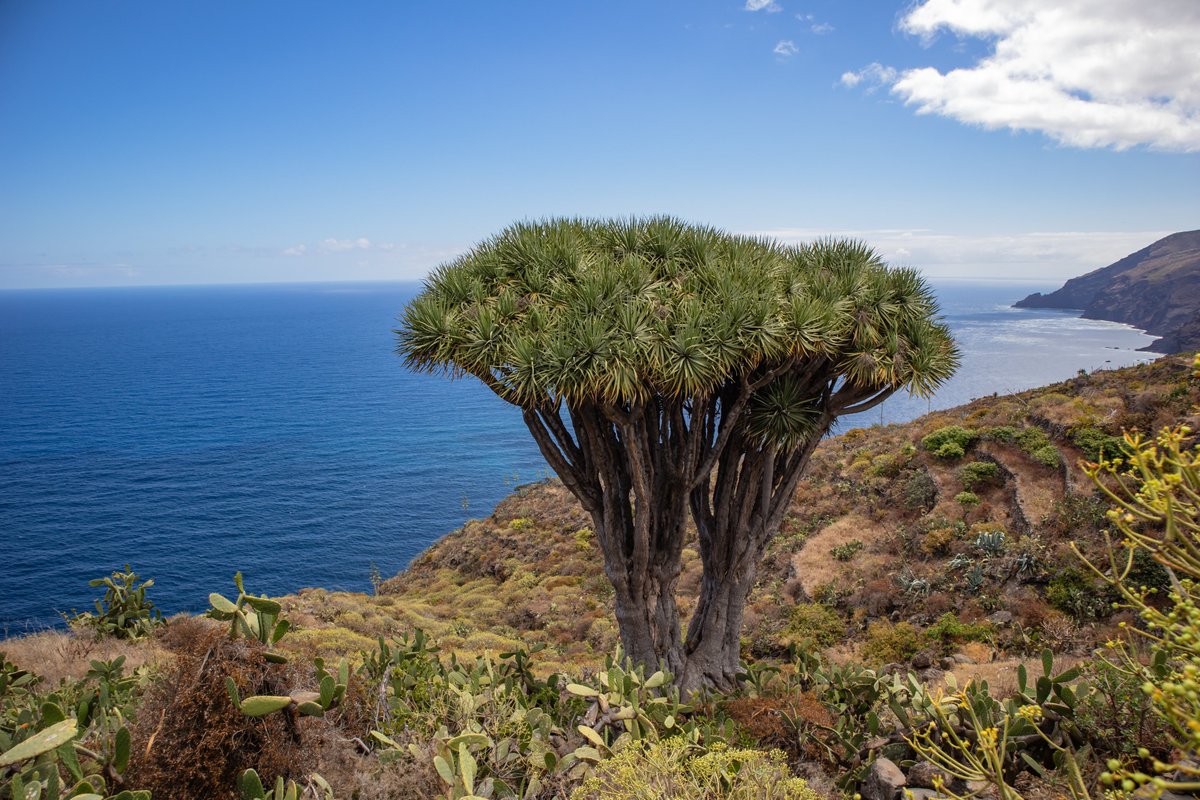
The island of Tenerife has a tree called the Drago Milenario, the Dragon Tree of Icod de los Vinos. It stands about 17 meters tall, has a trunk nearly 3 meters in diameter, and is classified as Vulnerable by the IUCN.
The dragon tree, Dracaena draco, is a monocot, which is unusual for a plant that reaches tree size. Most monocots are grasses, palms, and lilies. The dragon tree grows to tree scale but has no true annual rings, because its trunk does not form in the way that woody dicotyledonous trees do. It grows from a central growing point, branching at each flowering, so the structure of the tree records its reproductive history rather than its annual growth. This means there is no direct method to determine its age.
Estimates for the Drago Milenario range from 500 to 1,000 years, with no definitive answer. The indigenous Guanche people of the Canary Islands considered it sacred, used its red resin in mummification and medicine, and had oral traditions about it predating European arrival on the islands.
The red resin, called dragon blood, has been traded under that name since Roman times and was used as varnish, as a dye, and in historical instrument-making, including on Stradivarius violins.
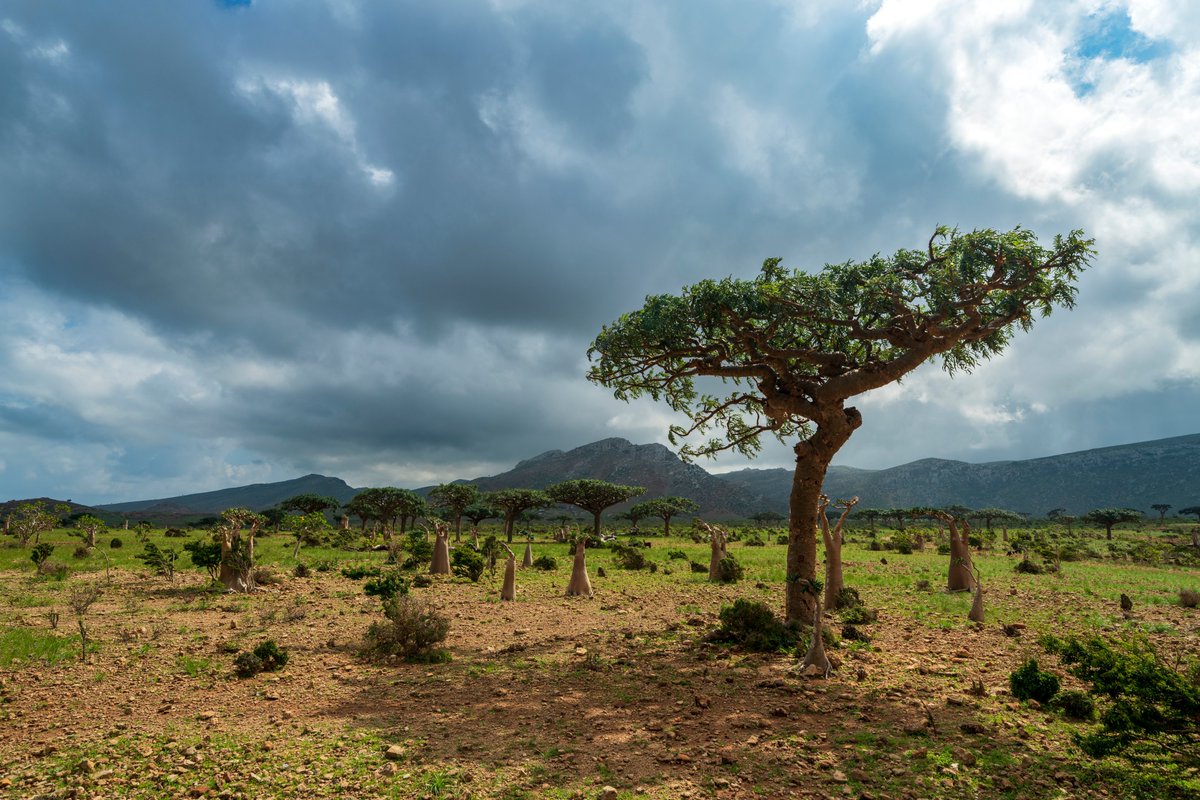
Dracaena draco is native to Macaronesia: the Canary Islands, Madeira, and Cape Verde. Its closest relative is the dragon blood tree of Socotra, another island isolated in another ocean, which evolved the same striking form through a different lineage. Two separate lineages arrived at the same silhouette on opposite sides of the world.
#exotictrees #forestfacts #nature #science
5
22
507
Jun 11
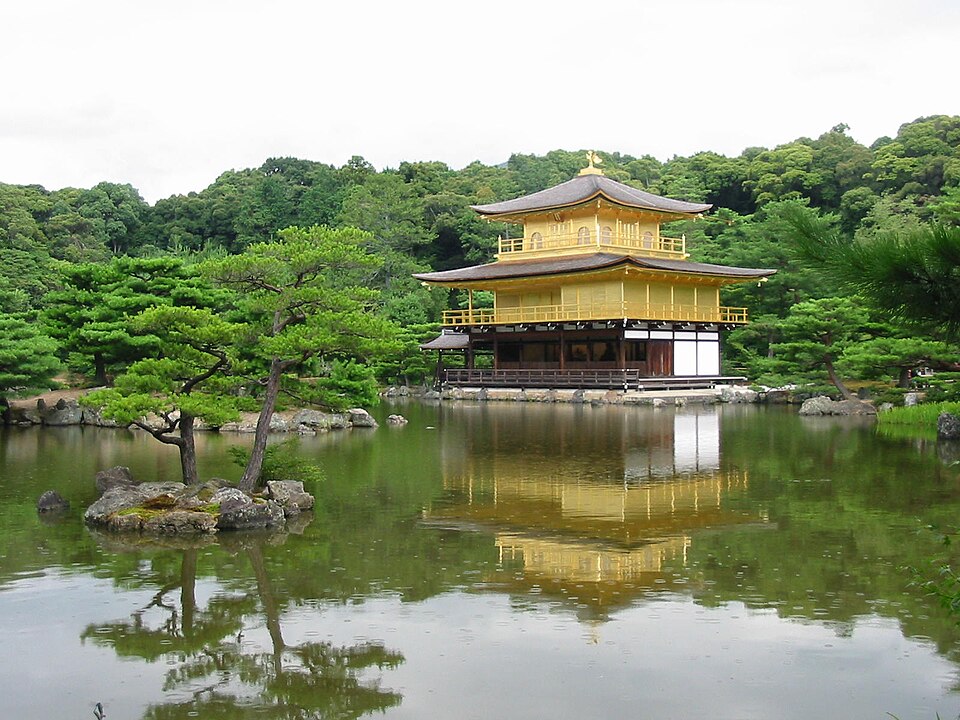
In the 1970s, Japanese botanist Akira Miyawaki studied traditional sacred forest groves in Japan called "chinju no mori," shrine forests that had remained undisturbed for centuries. He noticed that these groves, small and hemmed in by cities and farms, were structurally and ecologically far more complex than planted forests several times their age. They had dense multilayered canopies, high species diversity, and remarkable stability.
He developed a planting method based on what he observed. The key principles: plant native species only; plant densely, three to five seedlings per square meter; include species from multiple canopy layers simultaneously; leave the forest alone after establishment and do not water or fertilize.
The result of the dense planting is competition. Every seedling fights for light. Trees that in conventional spacing might take 80 years to reach the canopy race for it in 15 to 30 years. The weakest plants die and become the first layer of organic material. The survivors form a self-thinning forest in years rather than decades.
By the time Miyawaki died in 2021, his method had been used to plant more than 40 million trees in 15 countries. Urban Miyawaki forests now exist in Bangalore, São Paulo, Singapore, and across Europe. Most grow in spaces that would seem too small to matter: factory lots, highway medians, school grounds.
The method's most enthusiastic promoters have made claims about 30-times carbon storage and 100-times biodiversity that the peer-reviewed evidence does not yet fully support. A 2026 review in the Journal of Applied Ecology flagged the evidence gap. What the evidence does support: Miyawaki forests establish faster than conventional plantings, reach structural complexity sooner, and generate strong community engagement in every country they have been tried.
#forestfacts #naturerestoration #biodiversity
6
14
376
Jun 10
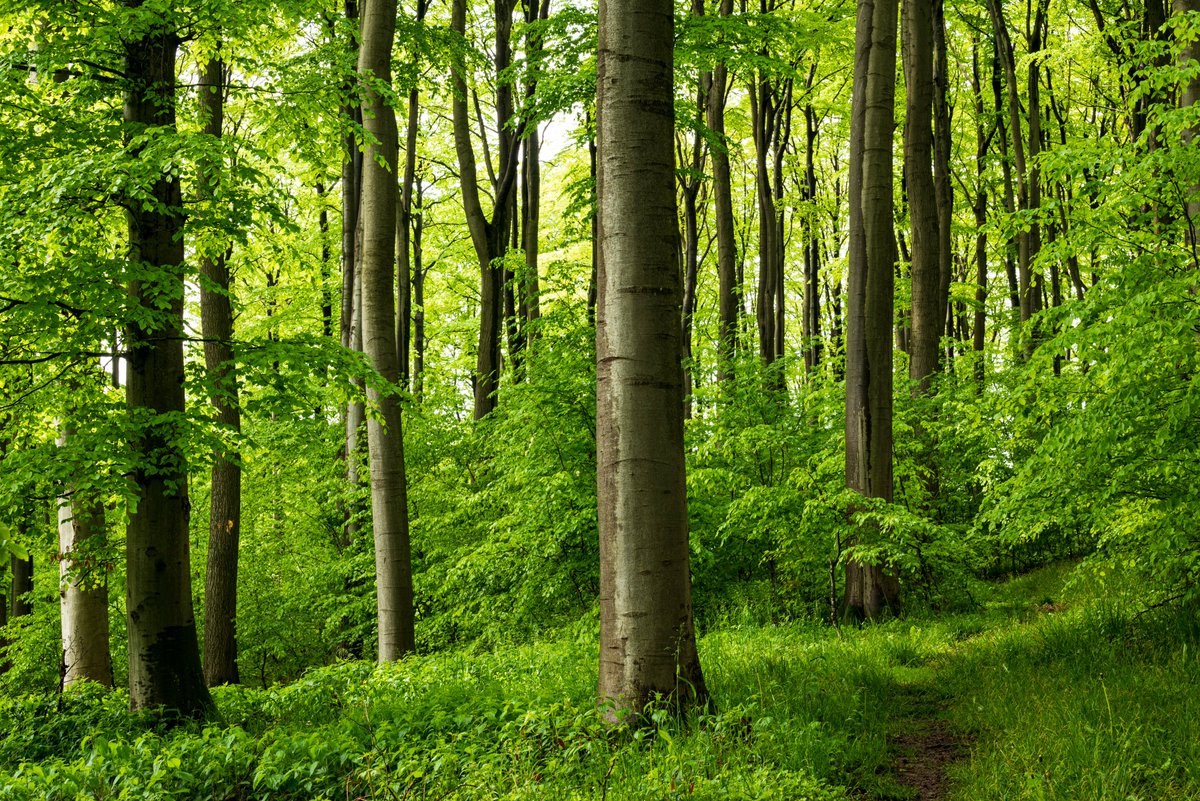
Every few years, beech trees across large portions of Europe, Asia, and North America do something extraordinary: they all produce seeds at once.
In a normal year, a beech tree makes a modest crop of nuts. Then, without apparent warning, it produces ten to twenty times the normal quantity, simultaneously with beech trees across thousands of square kilometers of forest. The following year, production crashes back to near zero. This synchronized boom-and-bust cycle, which occurs in many tree species but is most pronounced in beech, is called masting.
The ecological logic has been clear for a while. If every tree produced seeds every year in normal quantities, the squirrels, mice, jays, and deer that eat them would calibrate their populations to consume most of the crop. By flooding the forest with seeds only occasionally and unpredictably, the trees overwhelm predators in good years: there are simply too many seeds for them to eat all of them. Enough survive to germinate. Predator satiation works because the predators cannot multiply fast enough between mast years to consume the next boom.
What was not understood until a 2025 PNAS study was how the trees synchronized over such enormous distances. The answer: beech trees across their entire range use the summer solstice as a shared starting clock. At the solstice, they all begin reading temperature cues simultaneously. If the temperature signal is right, they all commit to a mast year together. The solstice is the synchronizing pulse that makes local variation irrelevant: every tree starts from the same moment.
The problem now: as summer temperatures rise with climate change, the temperature signal the trees evolved to read is shifting. Trees can sense the direction of change, but the masting system evolved for a specific range of conditions. What happens when the solstice clock and the changed temperatures produce a false mast signal, or fail to produce a true one, is still being worked out.
#forestfacts #nature #science
6
15
1,383
Jun 10
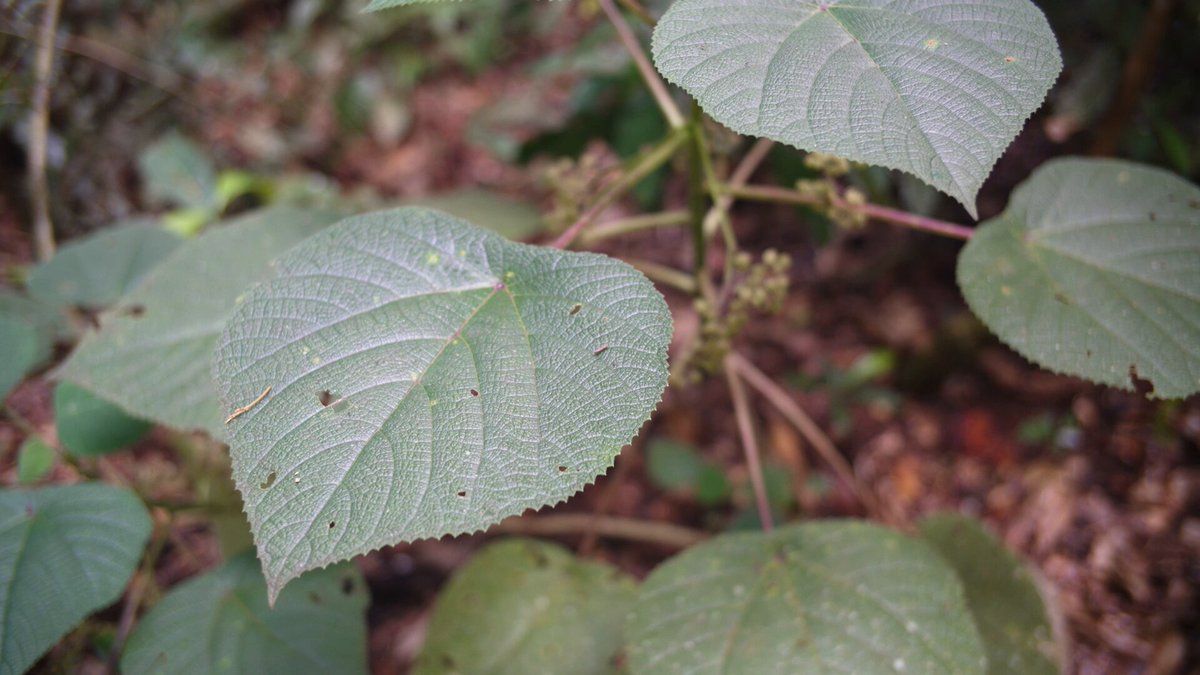
In the rainforests of northeastern Australia, there is a tree called the stinging tree, or by its indigenous Gubbi Gubbi name, gympie-gympie. Its official name is Dendrocnide moroides.
It is covered in fine needle-like hairs, each about five millimeters long. The hairs look soft. They are not. They are silica: rigid, brittle hypodermic needles tipped with toxin. When skin touches the leaves, the needles snap off, embed in the skin, and inject their payload.
Until 2020, scientists knew the plant caused extraordinary pain but did not understand why. Then researchers at the University of Queensland isolated the active toxin. It was an entirely new class of miniprotein, which they named gympietides. The gympietides work the same way as toxins from spiders and cone snails: they bind to sodium ion channels and force pain receptors into a state of continuous activation.
The pain has been described by people who have experienced it as burning acid and electrocution simultaneously, lasting for hours and returning unpredictably for weeks or months afterward. The silica needles remain embedded in the skin, and getting wet, even in a shower, can reactivate the pain by causing the hairs to flex and reinject. Some accounts describe symptoms persisting for more than a year.
Signs in Queensland national parks warn hikers. The plant is native to rainforest margins and can grow to four meters.
In 2023, researchers began studying the gympietides for potential applications in pain management, because something that so precisely targets pain receptors might, with modification, also be used to block them.
#exotictrees #forestfacts #NatureVibes
3
9
231
Jun 9
Trees sleep.
In 2016, researchers used terrestrial laser scanners to build precise 3D maps of two birch trees, one in Austria and one in Finland, at intervals through the night. No light touched the trees during the scan. No one disturbed the sites. The instruments just measured.
By a couple of hours before sunrise, the branches had drooped by up to 10 centimeters compared to their daytime positions. The leaves had drooped too. The entire architecture of the tree had relaxed downward.
More interesting: some branches started to rise again before sunrise. The recovery began before there was light to detect, which suggests an internal clock was driving the movement, not simply a photosensitive response to dawn.
The mechanism is turgor pressure. During the day, water pressure in the plant cells keeps stems and branches firm and oriented. As night comes, the tree's hydraulic activity slows, and that pressure decreases. Branches sag slightly under their own weight. Before dawn, the pressure builds again ahead of the day's photosynthesis.
The trees are not sleeping in any conscious sense. But they have a daily rhythm. They are physically different at 3 a.m. than at 3 p.m. They rise with something that precedes the light. If you had a laser and a forest and all night to spare, you could watch them wake.
#forestfacts #nature #science #conservation
5
19
1,161
Jun 8
In the southern Andes of Chile and Argentina, a tree grows that was once harvested with so much intensity that its timber was used as currency. Roof shingles split from its wood were called "real de alerce" and circulated as payment in colonial Chile from 1599 onward. Men spent their lives in the forests pulling timber from trees that had spent millennia growing.
The tree is Fitzroya cupressoides, the alerce. It is the largest tree in South America and one of the longest-lived organisms on the planet.
A specimen called Gran Abuelo, in Chile's Alerce Costero National Park, was core-sampled in the 1990s. The countable rings numbered 3,622. But the innermost rings could not be reached without destroying the tree, and models of the uncounted interior suggest the tree may be older than 5,000 years, which would make it the oldest known living tree on Earth, older than the bristlecone pines of California by more than a thousand years.
The debate about its true age is unresolved. What is not disputed: the alerce was logged nearly to extinction for the same quality that made it exceptional. Its wood is dense, straight-grained, rot-resistant, and aromatic. It was perfect timber. The trees that survived did so mostly in terrain too remote or too steep for colonial loggers to reach.
It is now fully protected in both Chile and Argentina. The Gran Abuelo, which began growing before written language in most of the world, is still alive.
#exotictrees #forestfacts #nature
6
23
1,394
Jun 8
When a large tree falls in a mature forest, the ecological event that follows lasts approximately 200 years.
The fall creates a gap: a hole in the canopy through which direct sunlight reaches the forest floor for the first time in decades, sometimes longer. Within hours, understory plants that have been growing at a fraction of their potential, limited by light, begin to accelerate. Within days, seeds that were waiting in the soil for exactly this light condition begin to germinate. The gap triggers a succession race.
Different species have different strategies. Pioneer trees, species adapted to colonizing gaps, grow fast with light wood and shallow roots. They establish quickly, capture the gap, and begin shading it again within years. If a pioneer wins the succession race outright, it builds a monoculture patch that will eventually shade itself into a new succession phase. If multiple species compete without a single winner, the resulting patch will be diverse.
Meanwhile, the fallen tree is not finished. Its body is now a nurse log, a dead wood habitat for hundreds of fungal, invertebrate, and plant species, and the elevated germination site for the next generation of canopy trees. The tree will continue to provide ecological services as it decomposes over the next century or more.
A mature forest is not a stable, finished system. It is a continuous process of gap creation and succession, playing out at different stages in different patches simultaneously. The diversity of an old-growth forest is largely a product of how many gaps exist, at how many different stages of recovery, at any given moment.
#forestfacts #nature #science
1
12
39
2,136
Jun 7
In the Acharya Jagadish Chandra Bose Indian Botanic Garden in Howrah, across the Hooghly River from Kolkata, there is a tree covering approximately 1.5 hectares of ground. It is one of the widest trees on Earth by canopy area.
It is a banyan tree, Ficus benghalensis, approximately 250 years old. Banyans grow by sending aerial roots down from their branches to the ground. When an aerial root reaches the soil, it thickens and becomes a new trunk. Over time, the original trunk is surrounded by, and eventually indistinguishable from, hundreds of these secondary trunks. The tree becomes a forest of its own.
The Great Banyan, as it is called, has more than 3,500 prop roots functioning as trunks. The canopy is so large that walking through it has the experience of walking through a grove of unrelated trees. Visitors who do not know what they are looking at often do not realize they are inside a single organism.
In 1925, a fungal infection destroyed the central trunk. It was removed surgically. The tree continued growing. It now has no central trunk at all. What remains is an interconnected network of several thousand aerial-root trunks and the canopy they support, all connected to a shared root system and sharing a single continuous vascular system.
The tree that lost its trunk is still there. The trunk was not the tree.
#exotictrees #forestfacts #nature #science
1
3
20
877
Jun 6
A tree has two completely separate hydraulic systems running simultaneously in opposite directions.
The first is xylem: a network of tubes built from dead, hollow cells that forms a continuous column from root tips to leaf tips. It carries water upward. In trees with large vessels, such as oak or ash, water moves at rates up to 50 meters per hour. In conifers, where the vessels are narrower, it moves much more slowly. The mechanism is not pressure from below. It is tension from above: as water evaporates from leaf surfaces, it pulls the column upward through cohesion, the same molecular property that allows water to climb a paper towel. The entire column is under negative pressure, held by the tendency of water molecules to stick to one another.
The second is phloem: a network of living cells running alongside the xylem that carries dissolved sugars downward from the leaves where they are made to the roots, fruit, and growing tips where they are needed. Phloem flows at a constant speed of roughly 0.9 kilometers per hour, maintained by osmotic pressure rather than tension. The two systems operate by different mechanisms, carry different substances, and run in opposite directions simultaneously without mixing.
When you tap a maple tree for syrup, what comes out is xylem sap: mostly water with a small amount of dissolved sugar. Actual phloem sap is under pressure, highly concentrated with sucrose, and is much harder to access. An aphid piercing the phloem is tapping a different system entirely. Maple syrup and aphid honeydew come from different trees, hydraulically speaking, even when they come from the same tree.
#forestfacts #nature #conservation #science
2
3
17
447
Jun 5
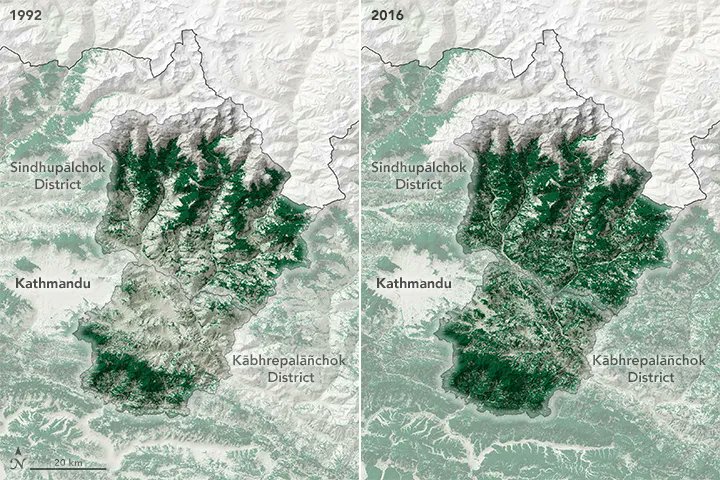
In the 1970s and 1980s, Nepal was losing its forests rapidly. Population growth and fuelwood dependence were the main drivers. The government had nationalized forests in 1957 to assert control, but nationalization had the unintended effect of removing community responsibility: if no one owned the forest, no one had reason to protect it.
In 1993, Nepal passed a Forest Act that reversed this logic. It gave legally recognized community forest groups the right to manage and benefit from local forests. Groups could exclude outsiders, set their own rules, harvest timber and other products for the community, and reinvest the proceeds locally.
By 2025, more than 22,000 community forest user groups were operating across Nepal, collectively managing 1.8 million hectares. Forest cover, which had fallen sharply, climbed from approximately 26 percent in the 1990s to around 45 percent by the mid-2020s, according to Mongabay reporting from 2025. Researchers who examined why Nepal's recovery outperformed similar programs elsewhere pointed to two factors: the legal clarity of community rights, which meant communities had real incentive to manage well, and the use of local ecological knowledge to guide which species to plant where.
The intervention was institutional rather than technical. Nepal did not discover a new planting method or a miracle species. It gave communities legal authority over the trees they depended on and let them do the rest. The forests grew because the incentive structure changed.
#forestfacts #nature #reforestation
1
1
27
1,555
Jun 5
In the Horn of Africa and on the southern Arabian Peninsula, a tree called Boswellia grows in dry rocky terrain on the margins of what most plants would consider survivable. It produces a resin from wounds in its bark. That resin is frankincense.
Frankincense has been traded for at least 5,000 years. It appears in ancient Egyptian funerary records, in Greek and Roman trade documents, in the Bible, in the Quran. The Silk Road and the Incense Route ran partly to supply it. Boswellia sacra trees in Oman and Boswellia papyrifera trees in Ethiopia and Eritrea were the sources of most of the global supply throughout antiquity. They are still the sources today.
The trees are tapped by cutting shallow gashes in the bark and collecting the resin that bleeds out. Each tap weakens the tree. A tree that is tapped too frequently, without sufficient recovery time, produces less resin and, eventually, stops reproducing. Researchers studying Ethiopian Boswellia populations in 2019 found that trees in heavily tapped areas were not producing viable seeds. The adult trees were alive but the population was not regenerating.
A 2019 study projected that, at current tapping rates, Ethiopian Boswellia populations could decline by 50 percent within 50 years. A crop that has sustained trade for five millennia is now being harvested faster than the trees can replace themselves. The market for frankincense, including its significant use in incense and perfumery globally, continues to grow. The trees do not.
#forestfacts #exotictrees #nature #conservation
4
12
269
Jun 4
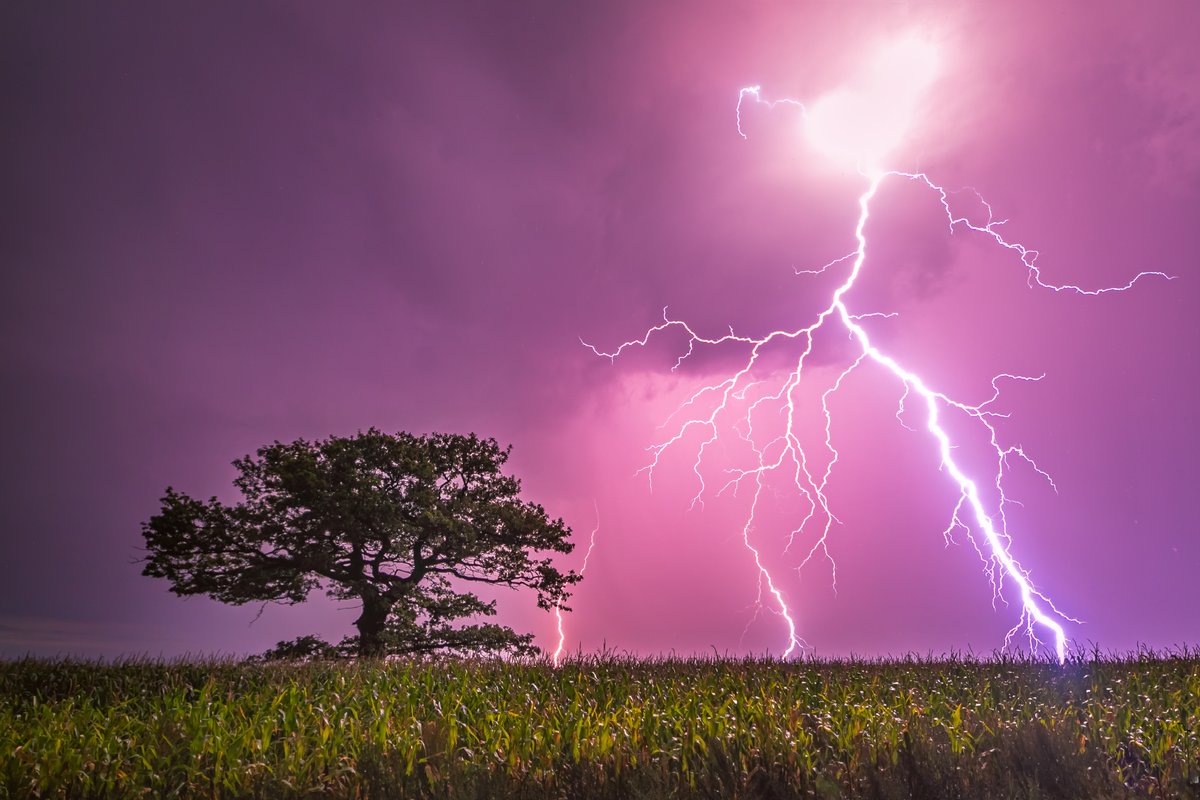
When lightning strikes a tree, what happens inside is not what most people picture.
The assumption is that the lightning burns through the wood, charring it from the outside. What actually happens is faster and stranger. The trunk of a living tree is full of water-conducting vessels. The electrical discharge from a lightning strike travels down the outer bark and sap layers where conductivity is highest. Along the way, the intense and sudden energy vaporizes the moisture in those vessels. In milliseconds, water becomes steam. Steam expands approximately 1,700 times its liquid volume.
The expansion is explosive. It strips bark off the trunk in long strips, sometimes spiraling around the tree following the direction of its grain. If the strike is severe, the explosion detonates from within, blowing large sections of the trunk outward. A tree hit by lightning can appear to have been cut with explosive charges from inside.
A tree that survives a lightning strike often carries the evidence for the rest of its life: a long spiral scar winding up the trunk. Because the grain of a tree twists as it grows, usually but not always in the same direction, the spiral of the scar reflects the actual geometry of the wood. Some trees spiral clockwise, some counterclockwise, some change direction partway up. The lightning writes the tree's internal structure on its exterior.
Trees in isolated positions, or taller than their neighbors, are struck most often. The lightning is not choosing them. It is following the shortest path to ground.
#forestfacts #nature #science
5
18
1,484
Jun 4
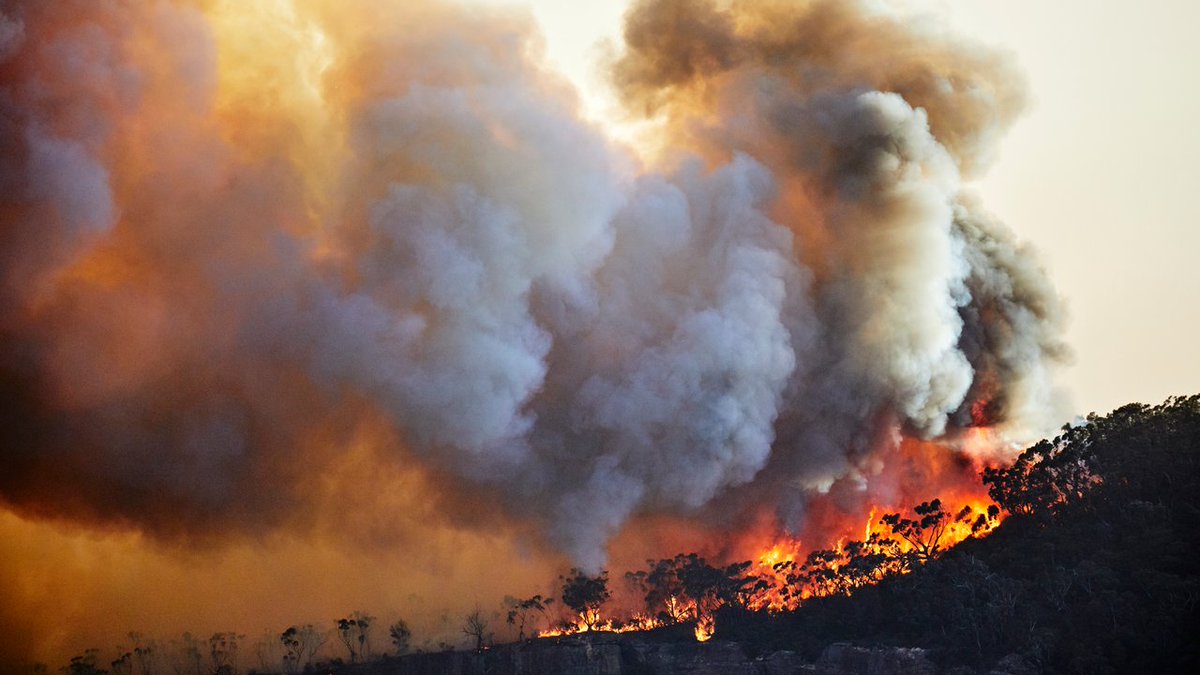
In the summer of 2019, fires began burning across eastern Australia. By February 2020, the "Black Summer" bushfires had burned approximately 18 million hectares, an area larger than England and Scotland combined. Ecologists estimated that 3 billion animals were killed or displaced. The smoke was visible from space. The scale of ecological damage was described by some researchers as unprecedented in recorded Australian history.
Within weeks of the fires being extinguished, something started happening in the satellite imagery. Green was returning to the burned areas. Not in months. In weeks.
Australian eucalypts evolved with fire. They carry dormant buds under their bark, called epicormic buds, that are protected from all but the most severe heat. When the tree's canopy is burned away, these buds activate within days. They sprout from the trunk and main branches. The tree regrows its canopy from the living wood that survived.
Researchers monitoring recovery compared observed regrowth rates to their pre-fire models. The forests came back faster than the models predicted. Not because the models were wrong about biology, but because the models were conservative about the speed of epicormic response and the density of surviving root systems underground.
This is specific to fire-adapted ecosystems. The Californian or Mediterranean chaparral has similar adaptations. These landscapes did not evolve despite fire. They evolved around it. The threat is not fire itself but fire frequency: if fires return before root systems have rebuilt their carbon reserves, the recovery capacity is depleted. Climate change is making these regions burn more often than the trees evolved to handle.
#forestfacts #nature #resilience
1
6
22
1,152
Jun 4
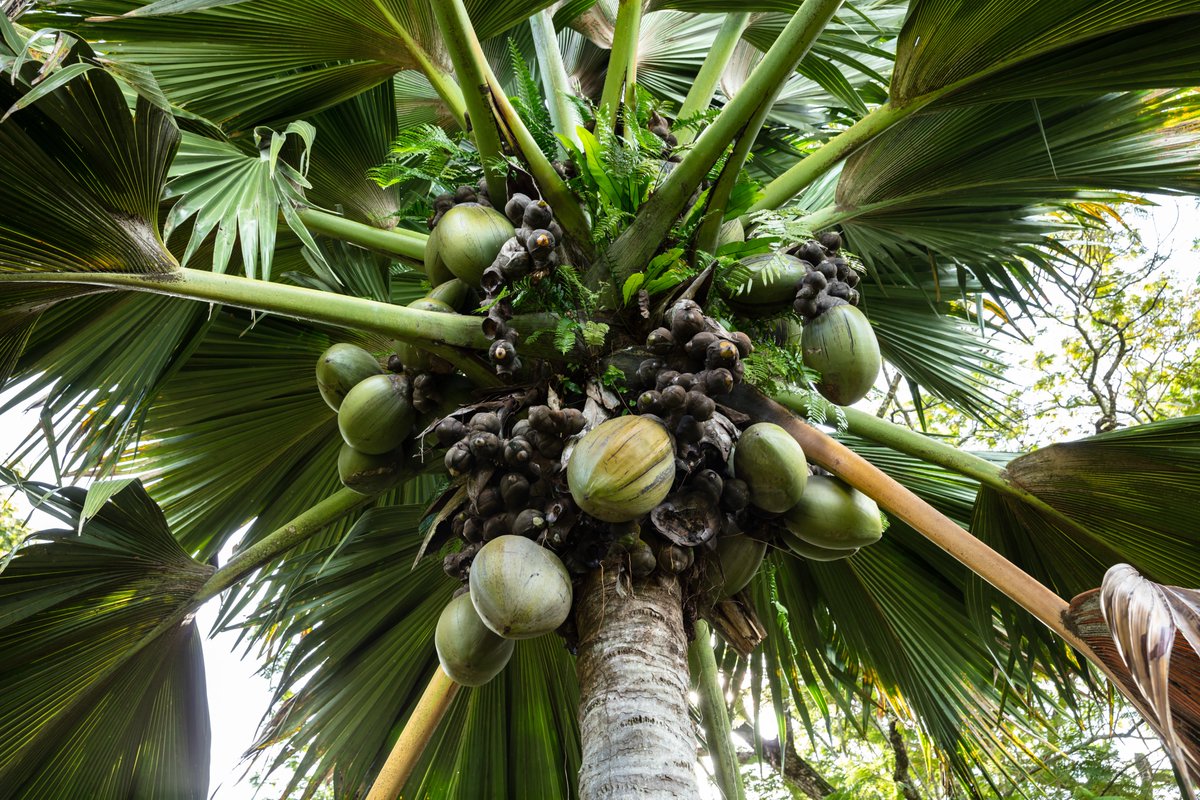
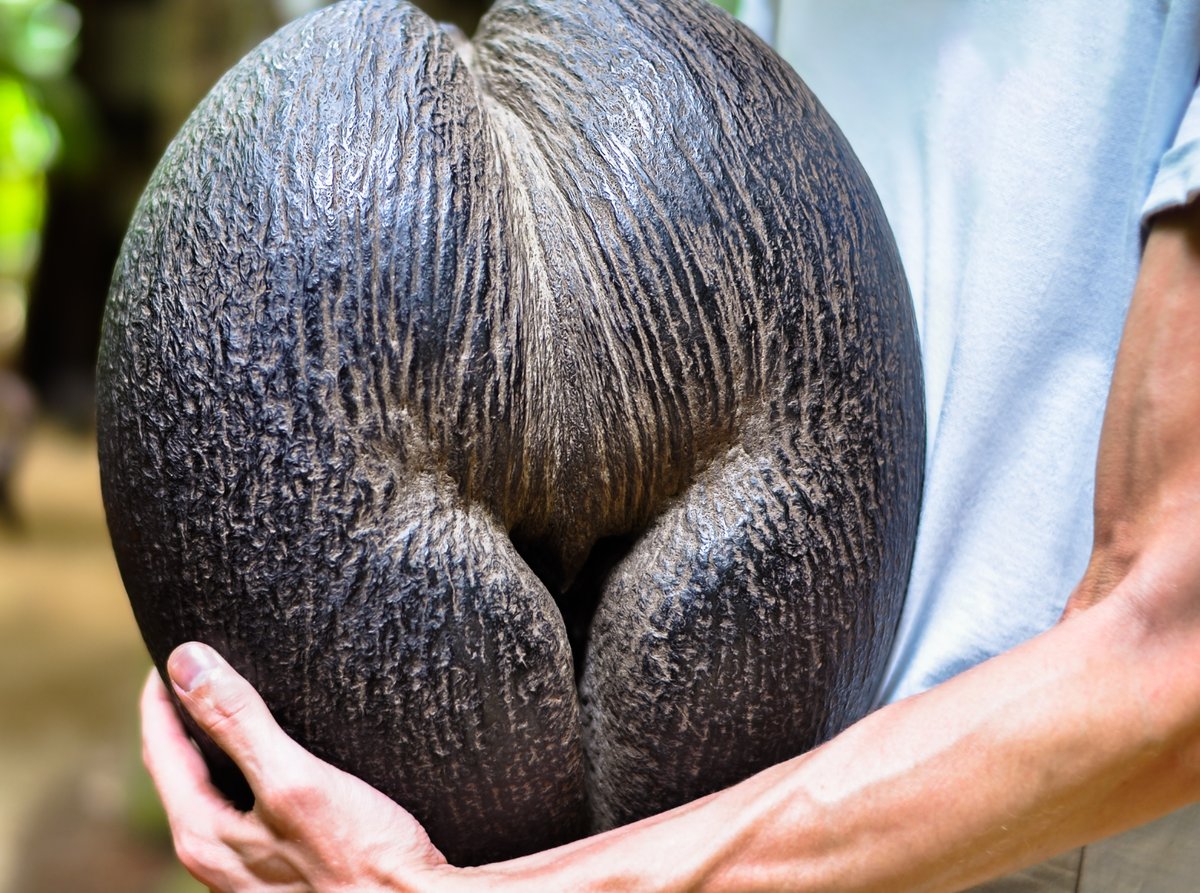
The Coco de Mer is a palm tree that grows wild in exactly two places on Earth: the islands of Praslin and Curieuse in the Seychelles archipelago in the Indian Ocean.
Its seed is the largest seed of any plant species. A single Coco de Mer nut weighs between 15 and 25 kilograms. It is a double-lobed structure that takes seven years to fully mature on the tree after fertilization, and then another two to seven years to germinate after it falls.
Before the Seychelles were discovered by European explorers in the 18th century, the occasional Coco de Mer nut would wash up on shores in India, the Maldives, and along the East African coast, carried by ocean currents. No one knew where they came from. Because they arrived from the sea, they were assumed to grow on underwater trees in the depths of the Indian Ocean. They were considered magical objects and prized accordingly. Sultans and kings paid high prices for them. They were thought to have medicinal and protective properties. "Coco de Mer" means, literally, coconut of the sea.
When European ships finally reached the Seychelles and found the trees, the mystery dissolved. The nuts were coming from a small island in the Indian Ocean, falling into the sea, and occasionally surviving the current long enough to make landfall somewhere else.
Today each wild Coco de Mer nut carries an RFID chip. They are protected. The palm takes 25 years to reach reproductive age and then produces seeds for up to 800 years. There is no fast version of this tree.
#exotictrees #forestfacts #nature
5
20
712
Jun 3
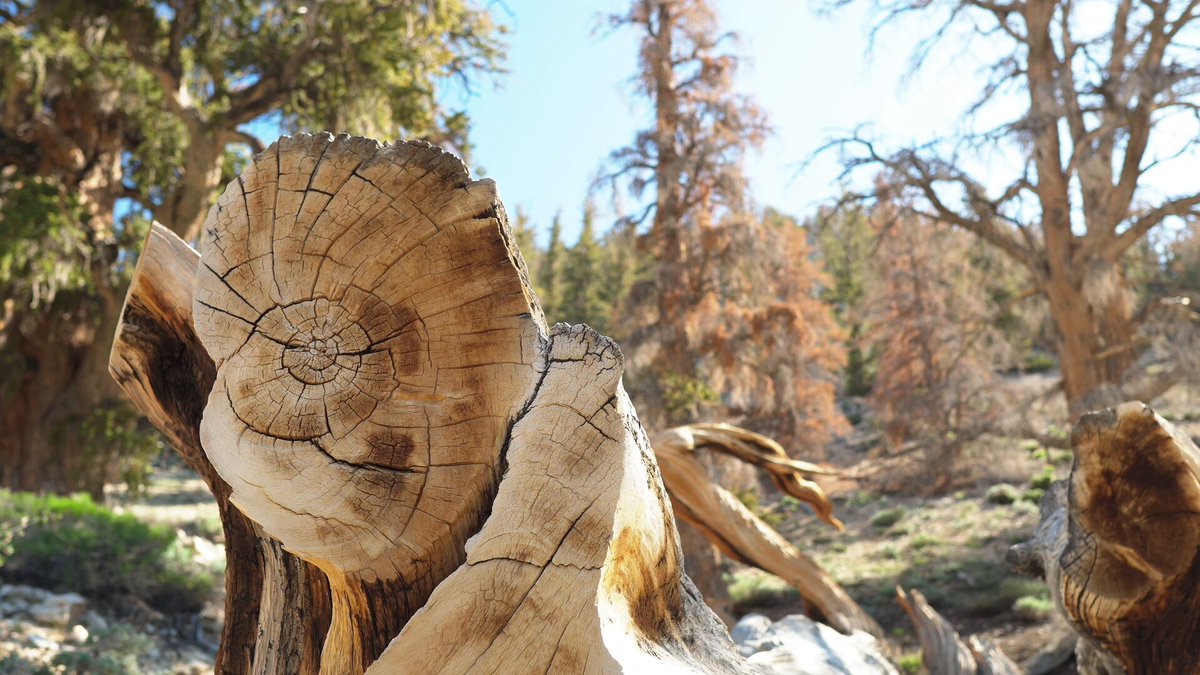
Tree rings record more than age. They record every year of climate the tree lived through, from the year the seedling took root to the year it was cut or fell.
Dendrochronologists have extended those records backward by overlapping ring sequences from living trees, ancient timber in buildings, and preserved wood, building continuous chronologies that stretch back more than 12,000 years. The longest continuous tree-ring chronologies use ancient bristlecone pines from California and Germany's Hohenheim oak series, and they allow scientists to read climate at annual resolution before any written record exists.
Within those records are specific signatures. The 1815 eruption of Mount Tambora in Indonesia, the largest volcanic eruption in recorded history, produced a "year without a summer" in 1816. That year appears as a narrow ring in trees across the Northern Hemisphere from North America to Japan. You can see the eruption in the wood.
In 2012, researchers found a spike in radiocarbon levels in tree rings from 774 AD across samples from Germany, Russia, and the United States. The spike was simultaneous. Working backward from the magnitude and timing, scientists identified the cause: a massive solar storm, larger than any recorded in the modern era, that bombarded Earth with high-energy particles and left its mark in the carbon chemistry of trees that were alive at the time.
The trees were not recording history. They were growing. But they recorded it anyway.
#forestfacts #nature #science #conservation
3
13
777
Jun 2
The marula tree grows across sub-Saharan Africa, from the east coast to the west, from Ethiopia south to South Africa. It is not exotic to the continent. But outside Africa, almost no one knows it exists.
The fruit of the marula contains eight times more vitamin C than an orange. It is high in protein and fat relative to most wild fruit. It has been a food source for human populations across southern and eastern Africa for at least 10,000 years, with evidence of marula nut processing found at archaeological sites in Swaziland.
The fruit also ferments naturally when it falls from the tree and begins to rot. The "drunk elephant" story, popular in wildlife documentaries for decades, comes from footage of elephants apparently staggering near marula trees. Researchers tested this in 2006 and found that an elephant would need to consume approximately 1,400 fermented fruits in a single sitting to reach a state of intoxication, which is more than they eat in a day and more than would typically be available in fermented form. Elephants eat marula fruit enthusiastically. They prefer it fresh. The drunkenness is mythology.
Marula oil, extracted from the nut, is rich in oleic acid and has become a significant ingredient in the cosmetics industry. The tree is now commercially cultivated across southern Africa, and a cream liqueur called Amarula, made from the fruit, is produced in South Africa and exported globally.
A tree that fed humans for 10,000 years is now finding its way into shampoo and cocktails. The tree does not appear to be complaining.
#exotictrees #forestfacts #nature #science
3
14
431
Jun 1
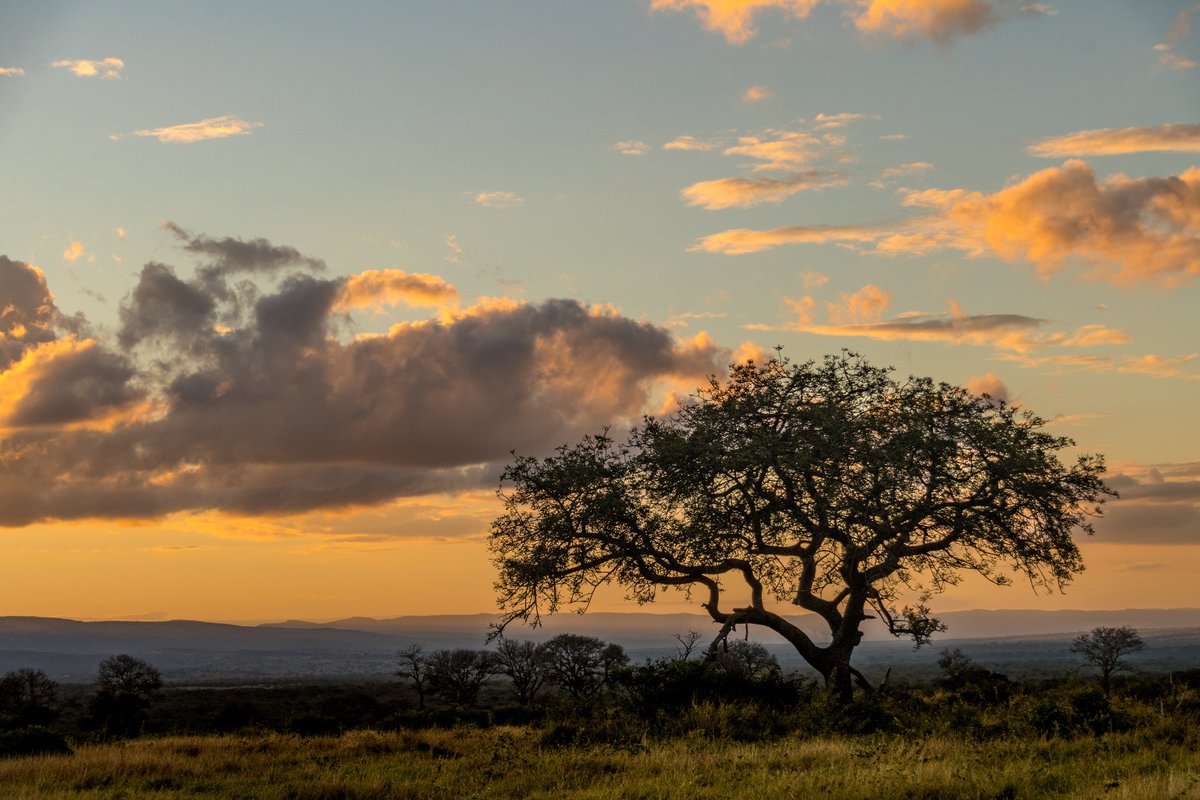
In the dry savanna zones of East Africa, scattered among the acacia trees, there is a species called the whistling thorn. It looks like many other acacias: small, thorned, seemingly unremarkable. But if the wind is right, you can hear it before you see it.
The whistling thorn, Vachellia drepanolobium, has hollow swollen bulbs at the base of many of its thorns. These are called pseudogalls. Ants bore entry holes into them and live inside. When wind blows through the holes, the tree whistles.
The ants are not there by accident. The tree provides them with housing and nectar from specialized glands on the leaf bases. In exchange, the ants patrol the tree aggressively. When a browser approaches and touches a branch, the ants swarm the muzzle and eyes of the animal. This defense works on most browsers. Impala, giraffes, and small antelopes reliably abandon whistling thorns that are well-colonized by ants.
It works on elephants too. Elephants will walk past a whistling thorn with an active ant colony and choose to browse on a neighboring tree without one. Researchers experimentally removed ant colonies from some trees and left others intact, then observed elephant feeding behavior: the undefended trees were eaten substantially more than the defended ones.
The tree has built an army. The army is maintained with shelter and sugar. Both sides benefit. The wind announces their arrangement to anyone within earshot.
#exotictrees #forestfacts #nature #conservation
5
12
330
Jun 1
Ethiopia's highlands were once forested. By the late twentieth century, more than 97 percent of the Afromontane forest that historically covered the region had been cleared. What remained was isolated, fragmented, and shrinking.
Except around the churches.
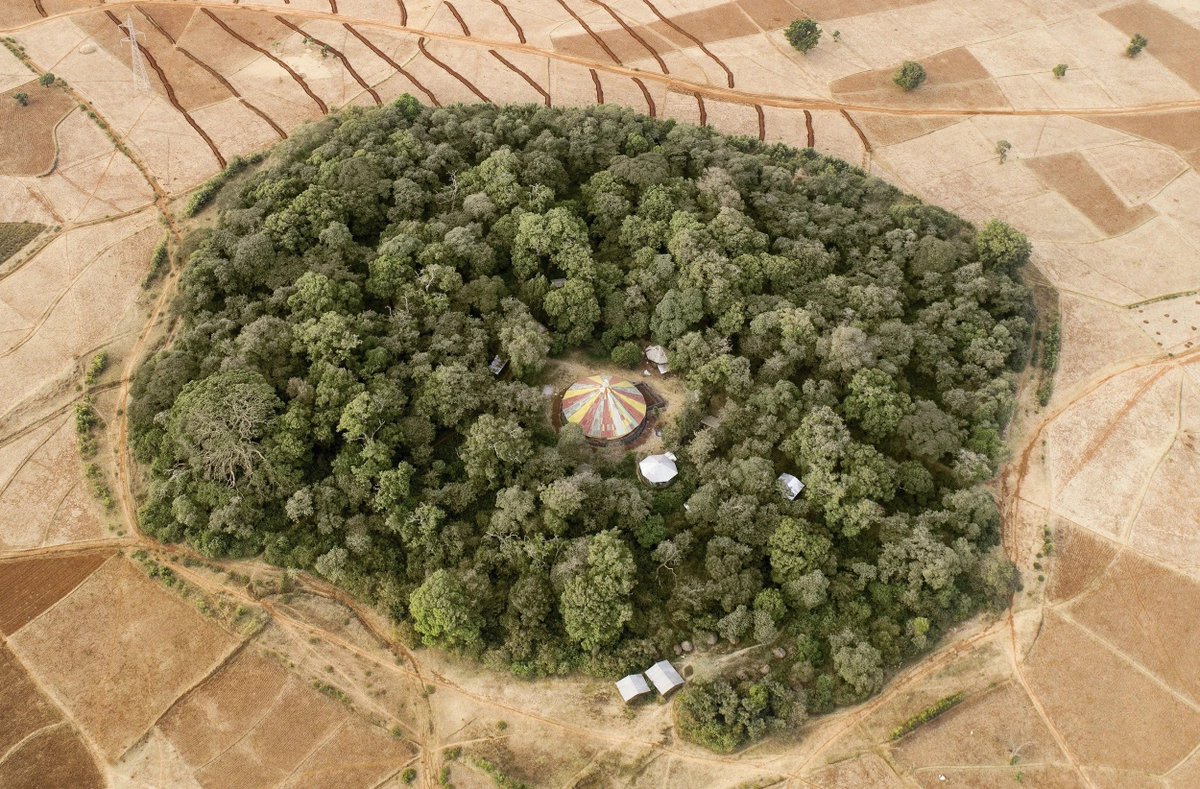
The Ethiopian Orthodox Tewahedo Church has more than 35,000 congregations across the country. Each church historically maintained a circular grove of trees on its grounds: the church forest. These groves are considered sacred. Cutting trees within them is a religious transgression, not merely a legal one. They are not managed for timber. They are not grazed. They are, in a specific way, protected by belief.
Scientists studying the remaining Afromontane forest found that church forests, collectively, represent roughly 7 percent of all remaining original forest in the Ethiopian Highlands. Many of these circular groves harbor plant species found nowhere else in the surrounding landscape. In some cases, they are the only remnants of habitat types that no longer exist outside their boundaries.
Researchers have been working directly with Orthodox priests to document what these forests contain and to develop church-led programs to buffer and expand them. The secular approach to Ethiopian reforestation has had mixed results. The sacred approach has been operating continuously for centuries and has succeeded where conservation programs have not.
#forestfacts #restorationstories #nature #trees
19
53
2,532
May 31
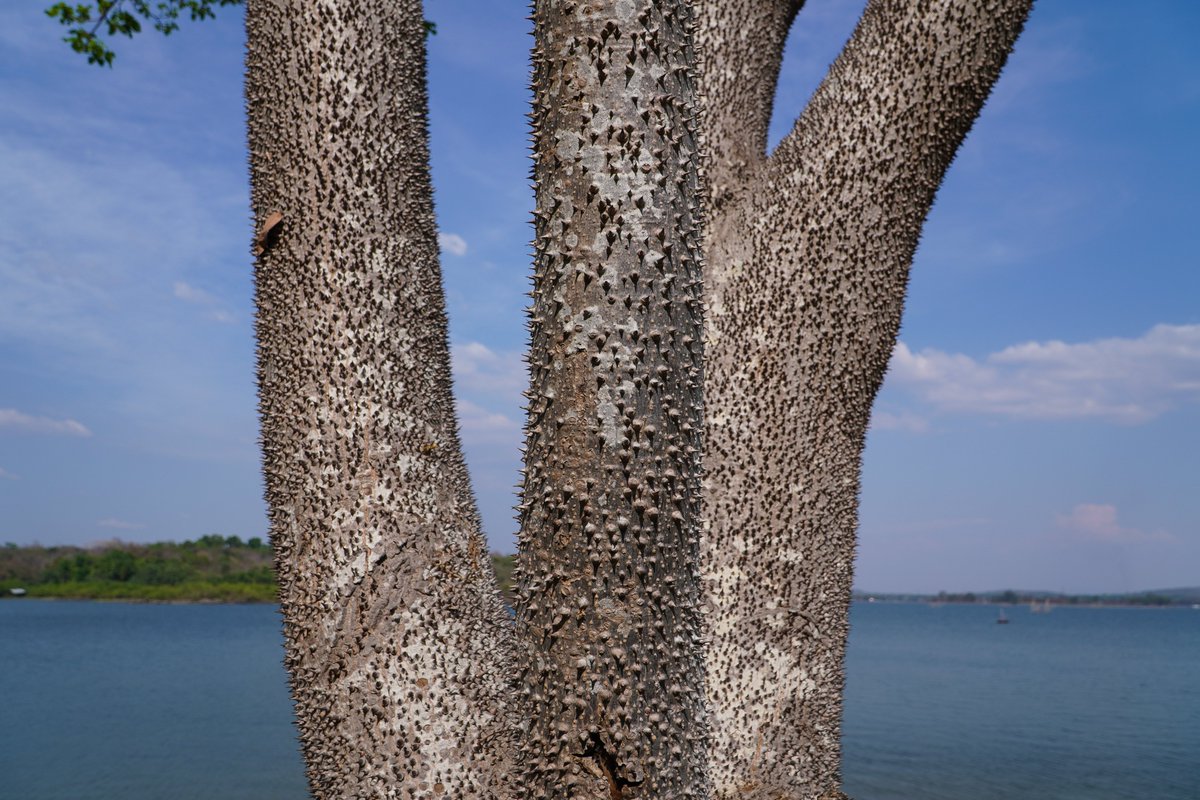
The silk floss tree does not look like a tree that belongs in a city park. Its trunk is covered in large, conical thorns, each 10 centimeters long, set in rings up the entire trunk. They are not soft. They are hard, structural, and they work: climbing mammals cannot get purchase on the bark.
The trunk is also green. Silk floss trees, native to subtropical South America, photosynthesize through their bark during the dry season when the leaves have fallen. This is not incidental. The green bark allows the tree to continue producing energy during the months when the canopy is absent. The thorns, meanwhile, protect that green bark from browsers that would otherwise strip it.
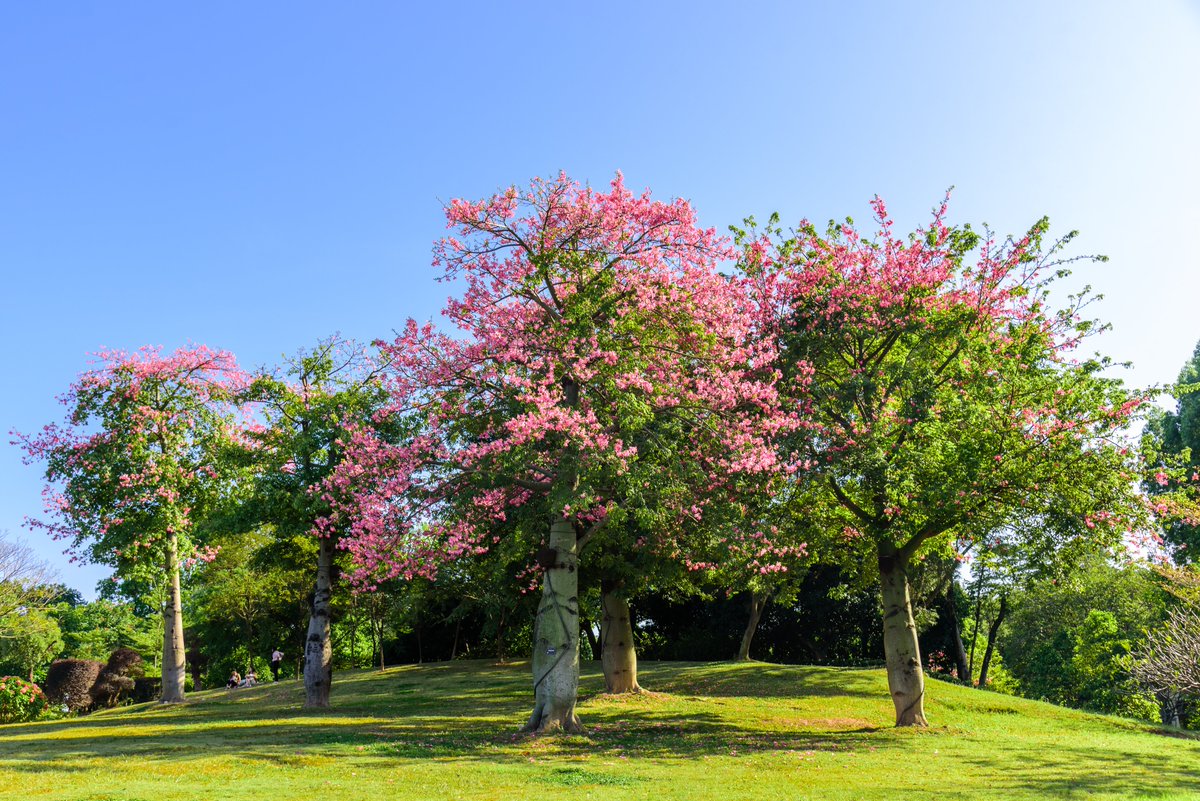
In late autumn and early winter in the Southern Hemisphere, and in late spring in Northern Hemisphere plantings, the tree produces flowers before the leaves return: large, showy, pink-and-white flowers across the otherwise bare, thorned green trunk. After the flowers, the pods appear. When the pods split, they release a mass of white silky fiber, resembling the inside of a mattress. The seeds are embedded in the fiber.
The genus is Ceiba speciosa. It is related to the kapok tree. It has been planted as an ornamental across tropical and subtropical cities worldwide, including across Buenos Aires, where it is common enough that people walk past the thorned trunks without looking twice. It is an extraordinary-looking tree that has become, in the wrong context, ordinary.
#nature #science #forestfacts #exotictrees
3
15
397
May 30
Coal is made of trees.
This is widely known. What is less widely known is why coal formed in the quantity it did and why it stopped forming.
When the first woody plants appeared on Earth roughly 360 million years ago, they did so by producing a new compound called lignin. Lignin is what makes wood rigid. It is one of the most complex and stable organic molecules in biology, highly resistant to breakdown. The early forests grew, died, fell, and accumulated on the ground. And because no organism on Earth had yet evolved the ability to digest lignin, the dead wood simply piled up. For approximately 60 million years, a period called the Carboniferous, dead wood accumulated across ancient forest floors without decomposing. Layer after layer. It was buried by sediment, compressed, and over millions of years became coal.
Then, approximately 300 million years ago, white-rot fungi evolved the enzymes to break down lignin. Within a geologically short period, dead wood began decomposing as it does today. The coal-forming era ended.
The Carboniferous period produced almost all the coal deposits that industrial civilization has spent the last 250 years extracting and burning. Those carbon deposits were sequestered before the evolution of the organism that could decompose them. When we burn coal, we are releasing carbon that was pulled from the atmosphere by forests that lived and died before the dinosaurs. The carbon storage worked. What we have done is reverse it.
#climatechange #forestfacts #nature #reforestation
4
20
56
2,609