Classroom Mathematics Support Teacher (Grades 3 and 6). Mother, wife, orchid enthusiast, abstract artist.

Joined January 2018
415 Photos and videos
RT @TVDSB: Oneida language students at East Carling PS unveiled a new book vending machine full of books by Indigenous authors, courtesy of…
2
Tiffany Hindermeier retweeted
A Harvard professor who has written 9 books and spent 40 years studying how language works inside the human brain just gave the most important writing masterclass I've ever seen. Here's what he said that broke my entire understanding of writing. Steven Pinker, the professor, opened with a single question: why is so much writing terrible? Not just academic writing, but corporate writing, government writing, and even most blog posts. His answer had nothing to do with effort or intelligence. He called it the Curse of Knowledge. The moment you understand something deeply, you lose the ability to remember what it felt like not to know it. You stop seeing your own blind spots because the blind spots feel like common ground. He watched a brilliant molecular biologist destroy a room of 400 people at a TED event. The man launched straight into jargon without ever explaining the problem he was solving or why anyone should care. The biologist had no idea it was happening. That's the curse. Then he said something I haven't stopped thinking about. Bad writing is not a character flaw. It's a failure of empathy. You cannot get inside your reader's head by trying harder. You have to actually find a real human being and watch them read your words in real time. He showed his drafts to his mother. Not because she was unsophisticated, but because she wasn't a cognitive psychologist. She was smart, well-read, and completely outside his world. When she lost the thread, he knew something was wrong. The second thing he said changed how I think about every sentence I write. Language is a delivery system, not the destination. What your reader actually understands is not the words. It is the image, the sensation, the concrete thing those words are supposed to summon. If your reader cannot picture it, they have not understood it. He asked: what is a paradigm? What does a framework look like? What color is a concept? Nobody could answer. Because abstractions produce nothing in the mind's eye. The writers from two centuries ago who still feel alive today were forced to think visually because they had no abstractions to hide behind. They had to say the spirit of the hawk tore into our flesh instead of aggression. The image did the work that the jargon could not. The third thing he said was the one most people ignore completely. Brevity is not about word count. It is about removing every word that makes the reader work harder without rewarding them for it. He quoted a line he had memorized for 40 years: omit needless words. Three words. An instruction that is also an example of itself. He said the best thing that ever happened to his writing was editors who gave him an 800-word limit and wouldn't budge. The constraint always improved the piece. Always. The curse of knowledge is real. The fix is simple and most people never do it. Find one person outside your world. Show them what you wrote. Watch their face, not the page.
59
612
3,446
473,040
Tiffany Hindermeier retweeted
[New Post] Ontario Math Links - My favourite #math related links from this week: ontariomath.blogspot.com/202… Links and help from @OAMEtalks @howie_hua @edutopia @artWorld and more #MathChat #MTBoS #iTeachMath
3
7
379
Tiffany Hindermeier retweeted
🧩 WORKED EXAMPLES! In this week’s edition of ⚗️DistillED, I unpack what worked examples are, why they reduce cognitive load, and how they help students move from watching expert thinking to applying it independently in the classroom. Have a read: newsletter.jamieleeclark.com…
23
55
6,500
Tiffany Hindermeier retweeted
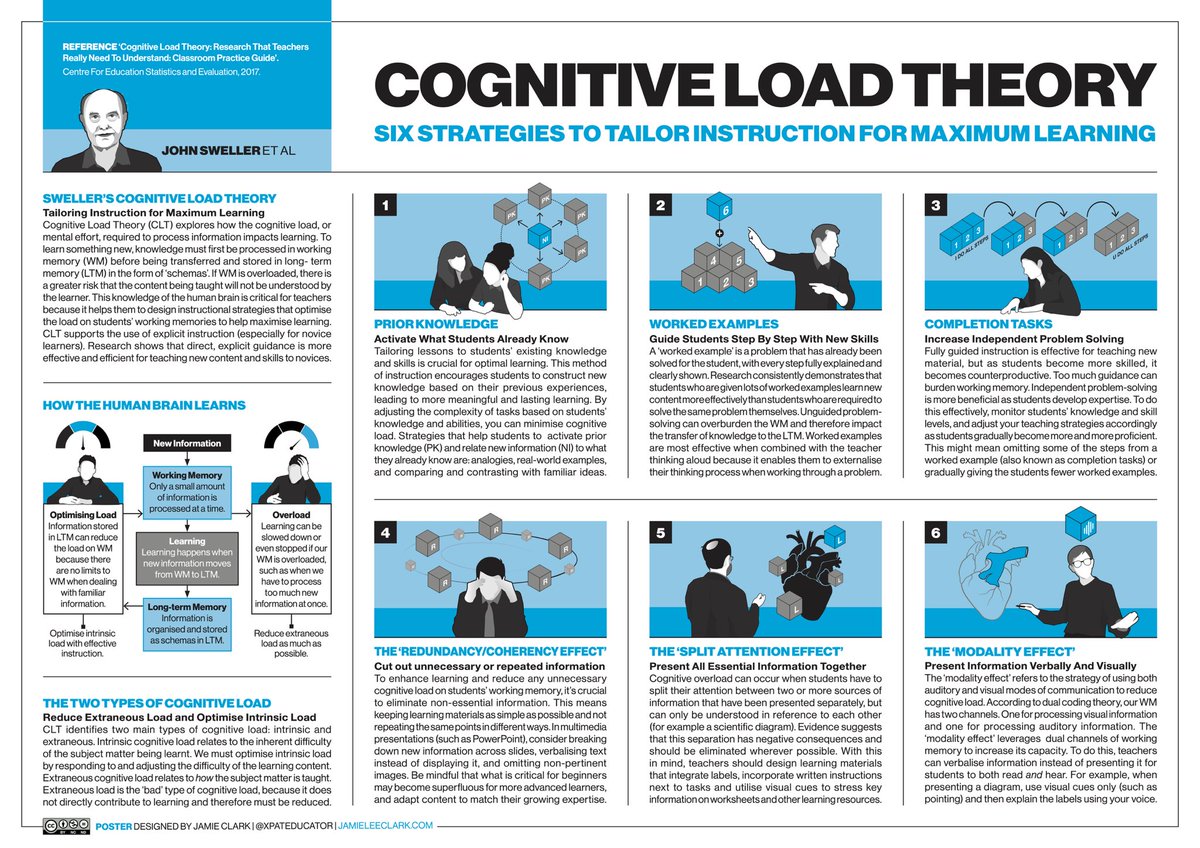
Dylan Wiliam calls Cognitive Load Theory “the single most important thing for teachers to know.” This guide summarises core CLT ideas and highlights six high-impact strategies for reducing overload. It focuses on the classroom levers teachers can pull right away. CLT goes much deeper, of course — transient information included — but these strategies offer some of the fastest gains. 💪 Free HQ copy if you want it: jamieleeclark.com/graphics
11
149
535
35,110
Tiffany Hindermeier retweeted
😋 This is nacho average fraction word problem — it's tortilla-ly relatable! 👀 💻 Want to try with your students? Enter Share Code: ESF3B31A
6
21
945
Tiffany Hindermeier retweeted
🎯 Looking for a no-prep math challenge? Try this hands-on activity with Two-Color Counters — perfect for building reasoning and problem-solving skills! bit.ly/TargetNumber or Share Code: KXM72R5T
9
21
976
Tiffany Hindermeier retweeted
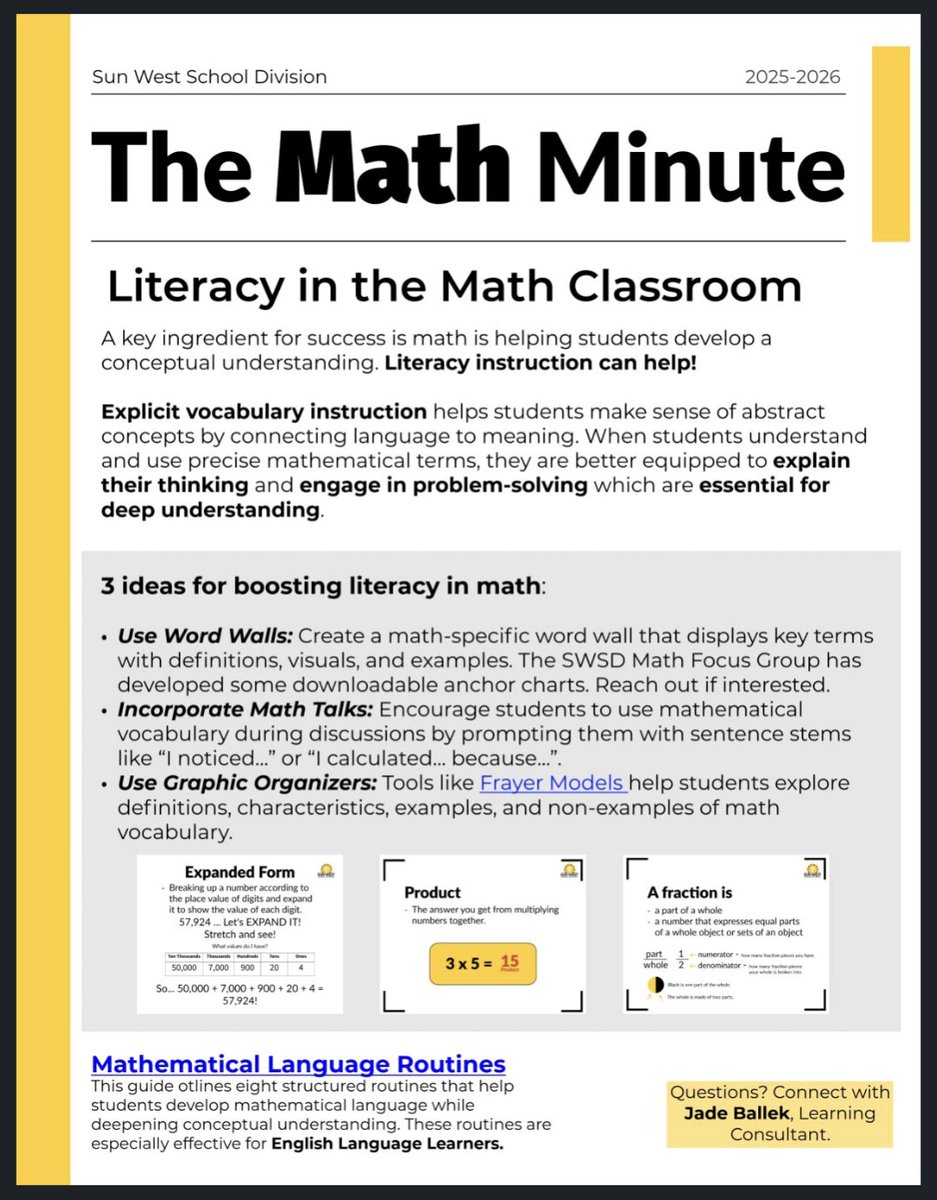
T: "I'm the Math teacher. Not the Reading teacher." M: "That's fantastic! But we all teach literacy. Tell me about your vocabulary instruction." #intentional #contentareas 👇👇👇
15
81
315
20,543
Tiffany Hindermeier retweeted
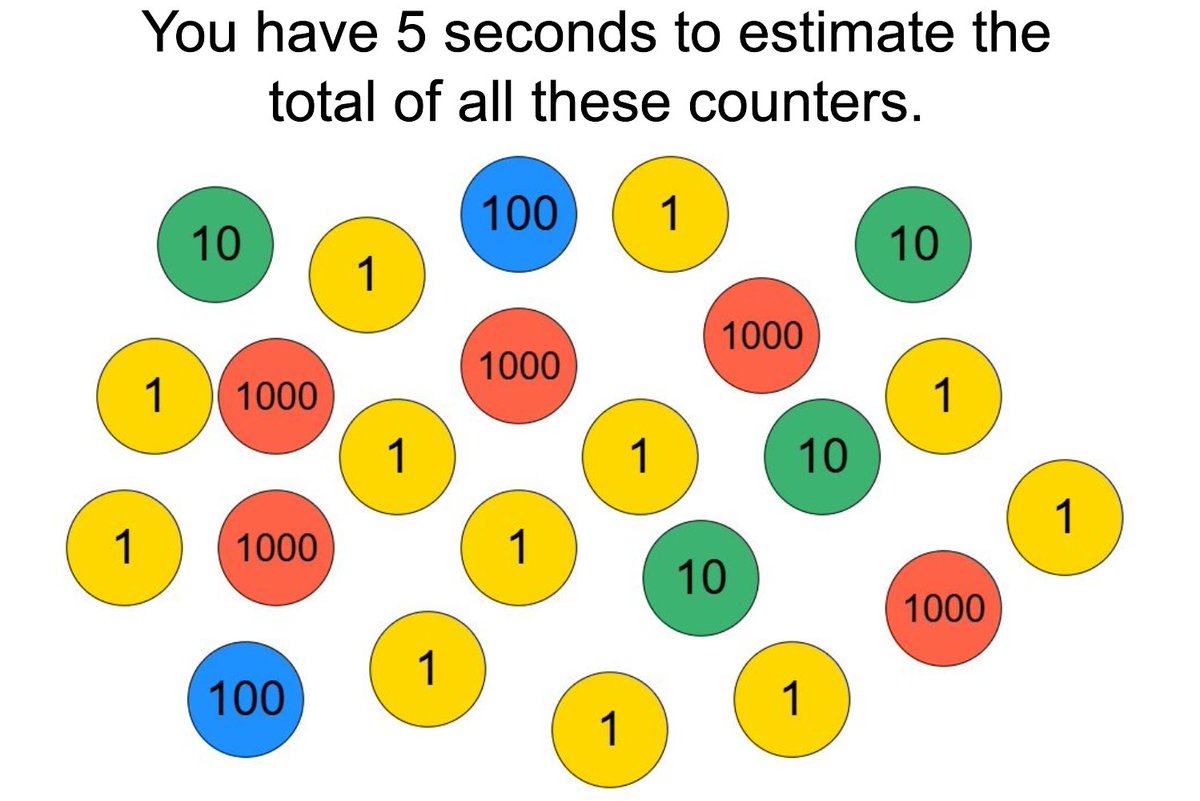
Developing a sense of the 'significant' figures when estimating. #1001MathsBots mathsbot.com/tasks
7
12
67
6,965
Tiffany Hindermeier retweeted
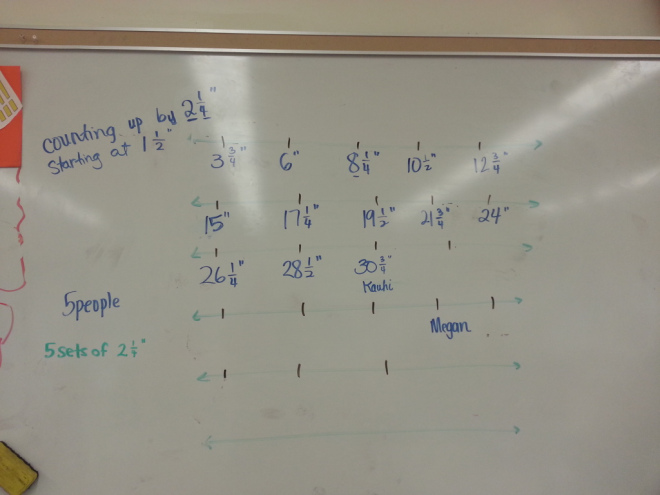
You're probably familiar with students counting out loud as a class, but imagine what happens when the conversations when students start counting at 1 1/2 and increase by 2 1/4 each time. Read more about what happens from Sadie Estrella: iamamathnerd.wordpress.com/2…
8
23
1,737
Tiffany Hindermeier retweeted
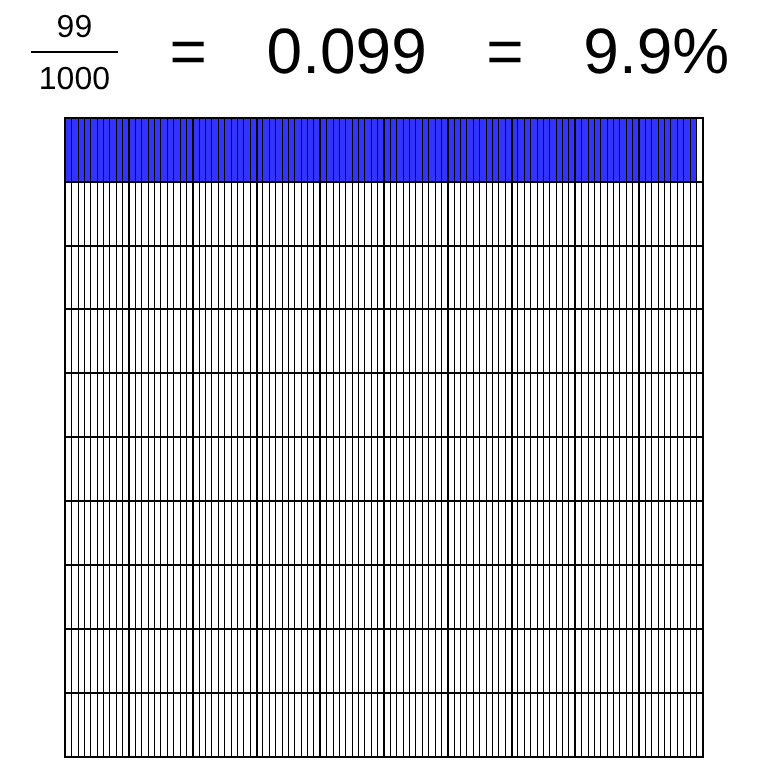
What number comes next? How do you know? The decimals square is great for visualising tenths, hundredths, thousandths (and further!) mathsbot.com/tools/decimalSq…
3
7
861
Tiffany Hindermeier retweeted
22 Sep 2025
How would you explain division? There are two ways we can think about division and understanding these models can help with fraction division.
7
34
135
7,926
Tiffany Hindermeier retweeted
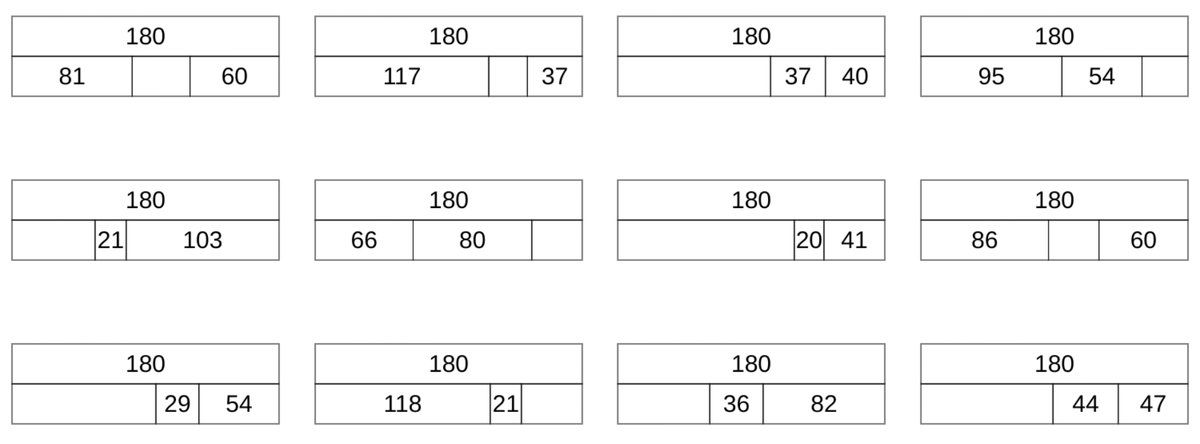
Printable bar models. Super simple to use, great for building fluency. I'll often set the whole to 180 (like in the screenshot) before starting work on angles. mathsbot.com/printables/bars
1
4
21
2,011
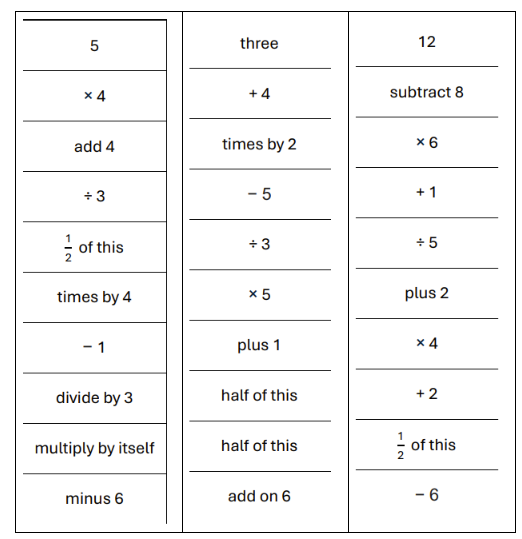
Targeted math fact warm up idea…
Students in my math class will all complete about 10,000 math facts in the first 26 days of school. Then we will move to these types of mental math exercises. I use the first 5 minutes of class daily on these exercises. I will try to post these exercises as I go.
2
92
Tiffany Hindermeier retweeted
14 Sep 2025
A good mental math strategy to have: doubling and halving
4
51
317
12,874
Tiffany Hindermeier retweeted
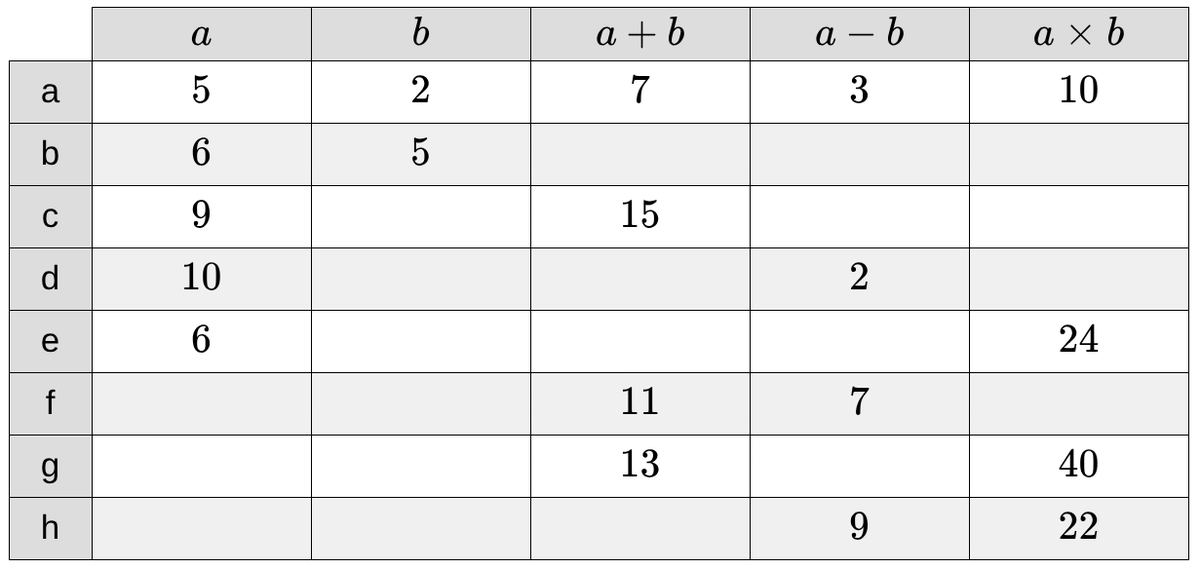
Completion tables are a great way to get pupils working backwards and add an extra layer of challenge. Here's one for the Four Operations. mathsbot.com/tables/fourOps
2
6
18
1,119
Making it real! Applicable - they can SEE the connection to themselves… amazing!
7 Sep 2025
I know this is an unpopular opinion but what if we wrote fraction division like this, at least a couple times? Here's why:
1
50
Tiffany Hindermeier retweeted
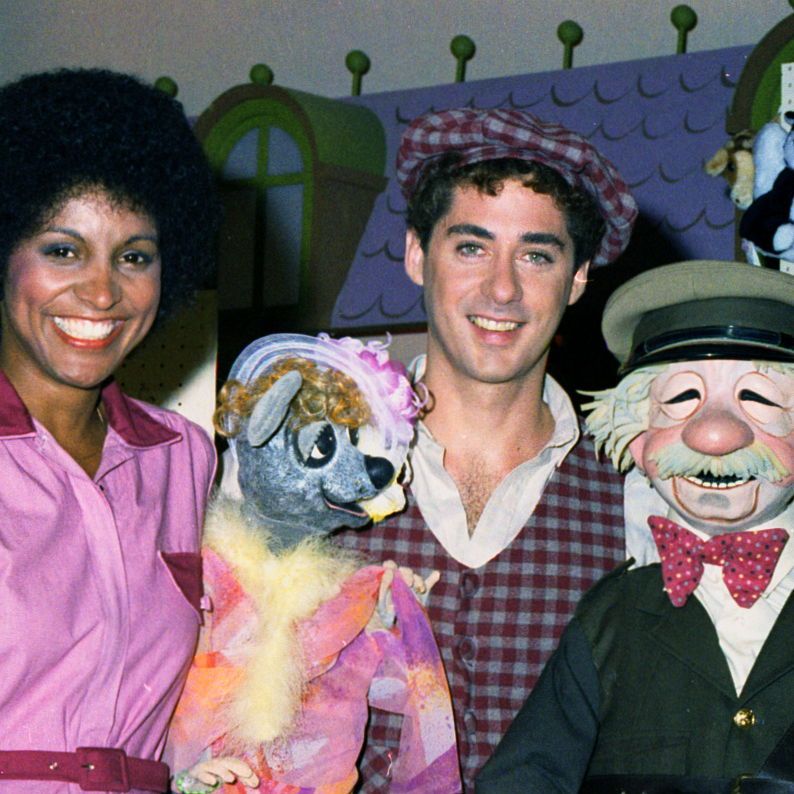
For seven seasons and 122 episodes, Canadian children were transported through television to the world of a department store where amazing things happened. The show remains a high-water mark of children's entertainment in Canada. This is the story of Today's Special! 🧵 1/9
38
130
1,251
76,192
Tiffany Hindermeier retweeted
I am still surprised to find teachers who haven’t heard of this series. It is an absolute MUST watch full of great practice with really practical strategies for implementation.
29 Jan 2025
🚨 Great Teaching, Unpacked 📹 Our new 4-part documentary series: 👀 Ep 1: Harnessing Attention 👩‍🏫 Ep 2: Teaching Behaviour 🏆 Ep 3: Securing Success 🤝 Ep 4: Embedding Development Watch it for free: steplab.co/film Attend the online premiere: bit.ly/4gdx9lO
4
48
272
35,387
Saving this for a more in depth read - looks like a lot of valuable information!
19 Jul 2025
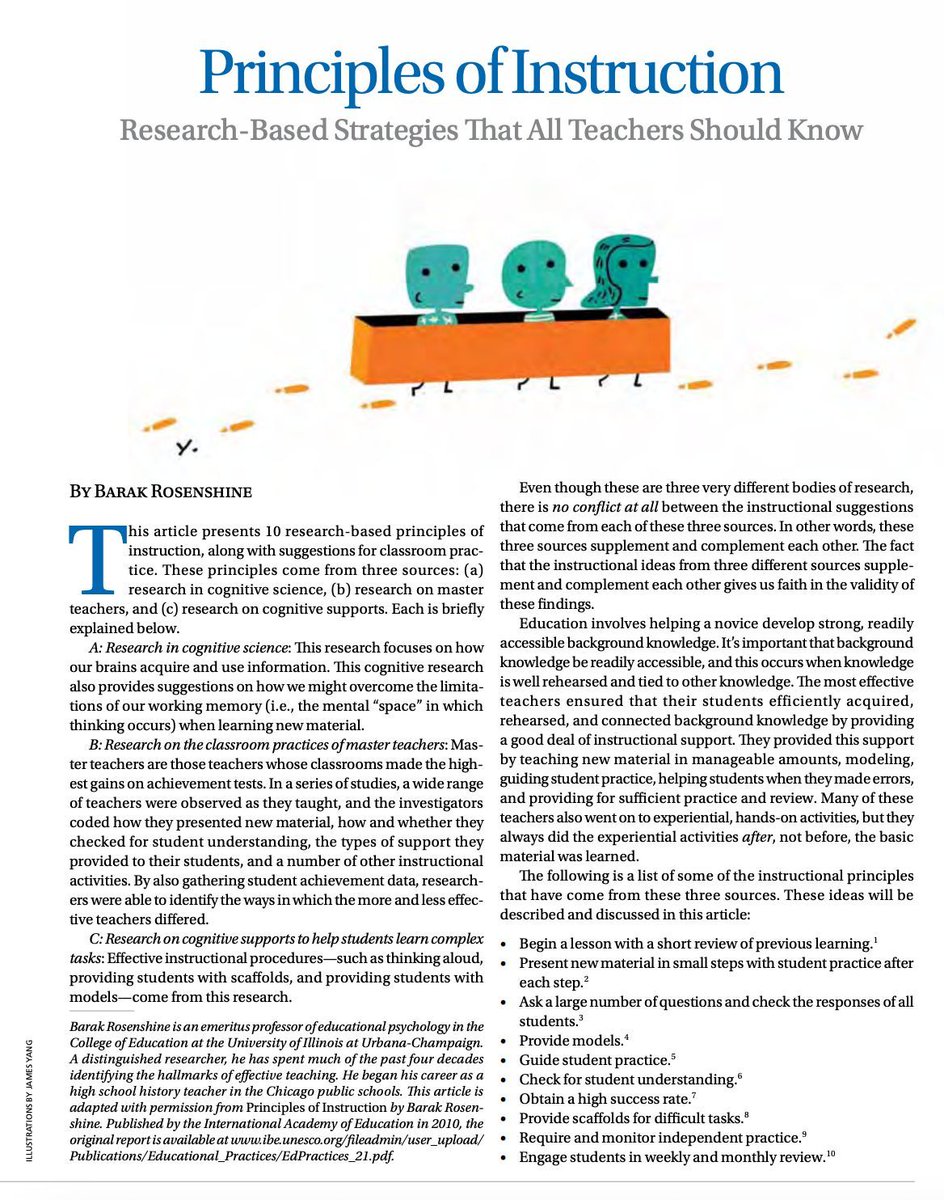
As I return to classroom teaching this fall, I've been revisiting Barak Rosenshine's "Principles of Instruction" for practical, research-backed teaching strategies. His approach cuts through the noise with clear, actionable guidance about what actually works in classrooms - like starting each class with a quick 5-minute review, breaking complex tasks into small steps, and checking understanding with specific questions rather than just asking "Does everyone get it?" For my high school English classes, I'm particularly drawn to his emphasis on modeling and guided practice. Rather than just assigning essays and hoping for the best, Rosenshine's research suggests thinking aloud while I analyze a passage or draft a paragraph, showing students exactly how experienced readers and writers work. Then students try these same strategies with immediate feedback - practicing thesis statements together, working through text analysis in pairs, and getting real-time corrections and encouragement. The research strongly supports scaffolding complex tasks like literary analysis or argumentative writing. This means providing concrete supports - like sentence starters for analysis, structured paragraph templates, or revision checklists - while students are learning, then gradually removing these supports as students gain confidence. Rosenshine advocates for maintaining a high success rate (around 80%) during practice, ensuring students master each step before moving on to independent work. files.eric.ed.gov/fulltext/E…
3
147