TSIA, the creator of the LAER model, is a trusted subscription-based research and advisory company supporting 40,000 industry leaders worldwide.
Joined March 2009
- Tweets 14,464
- Following 3,729
- Followers 12,191
- Likes 3,299
5,631 Photos and videos



Pinned Tweet

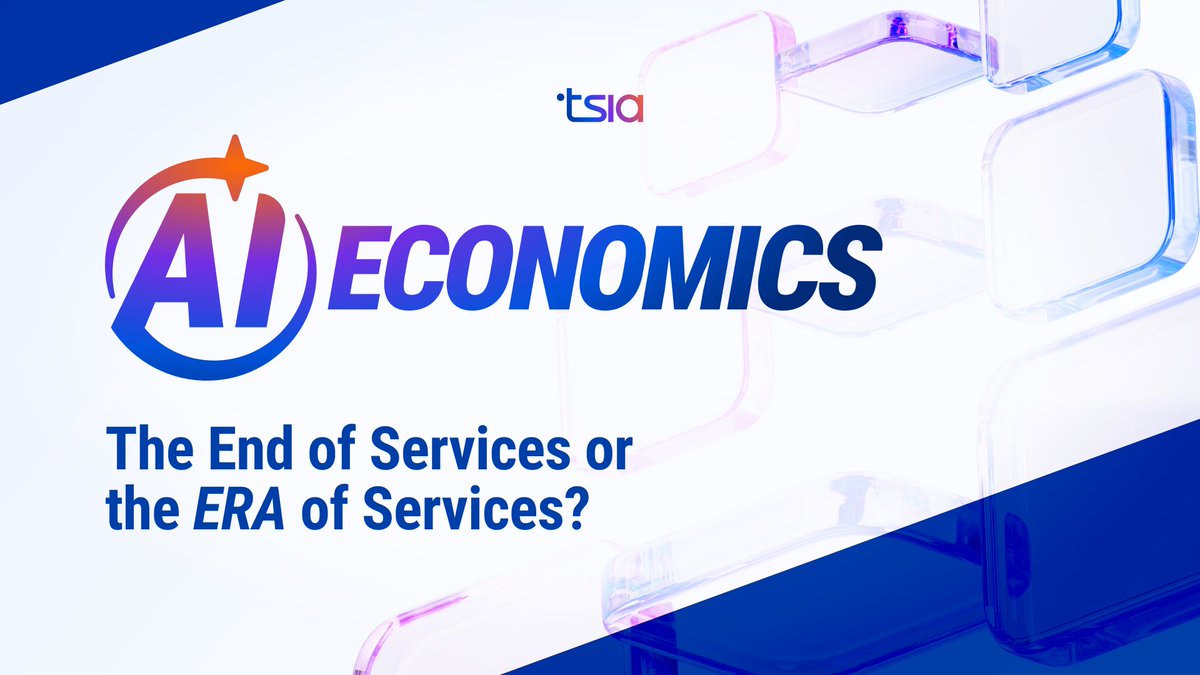
AI is redefining how the #tech industry makes money.
Profit now comes from services, accountability, & outcomes.
Discover how to lead and profit in the Services Era in the #AIEconomics Declaration: bit.ly/3WpJegy
4
357
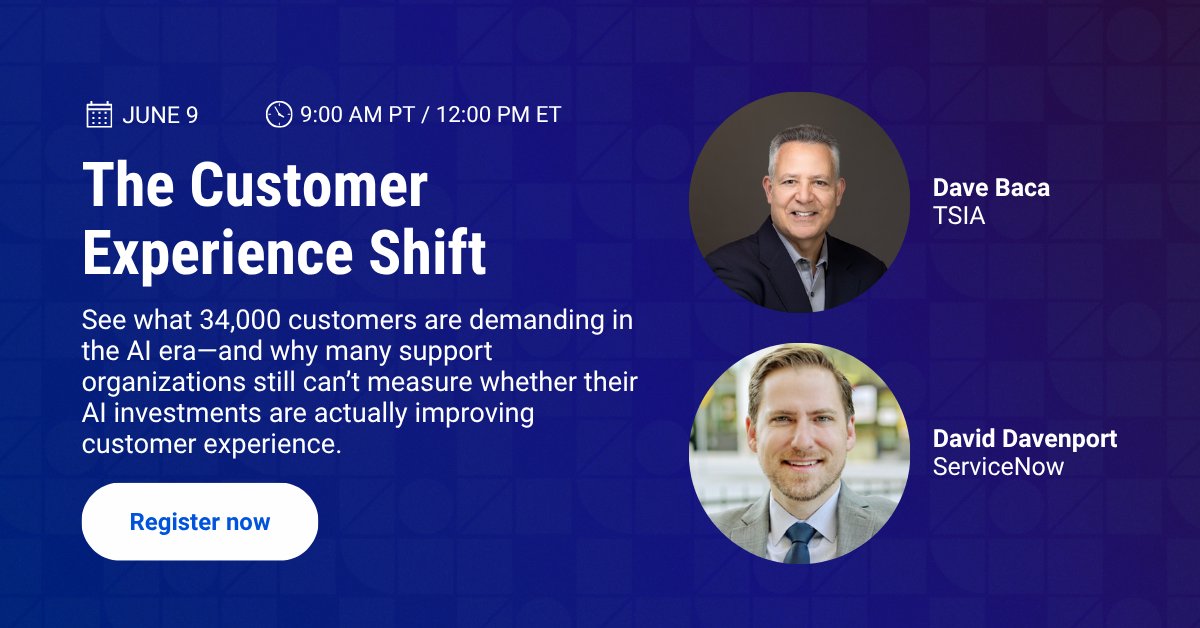
Customers are demanding better service experiences in the AI era.
But most support organizations still can’t measure whether AI is improving CX.
See where the gap closes with @ServiceNow: bit.ly/3Ppb50w
28
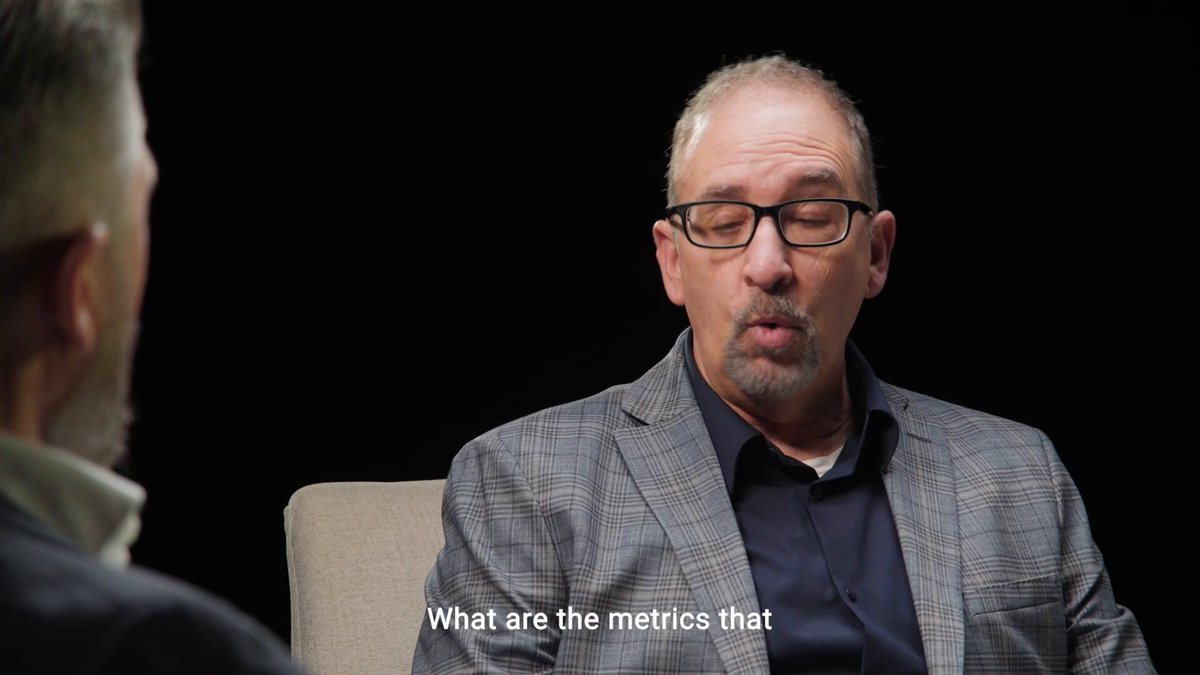
One of the biggest PS 2.0 challenges is identifying the blind spots.
Which metrics still matter? Which practices become the bridge to the future? And which ones are holding organizations back?
Watch the full breakdown: bit.ly/4dGt9Nd
22
Over 40% of orgs still incentivize teams on closing deals. Only a small minority tie compensation to the realization of customer outcomes.
TSIA's new DARE framework maps out what has to change. Read the full recap and see where your organization stands: bit.ly/3Q7TSc3
18
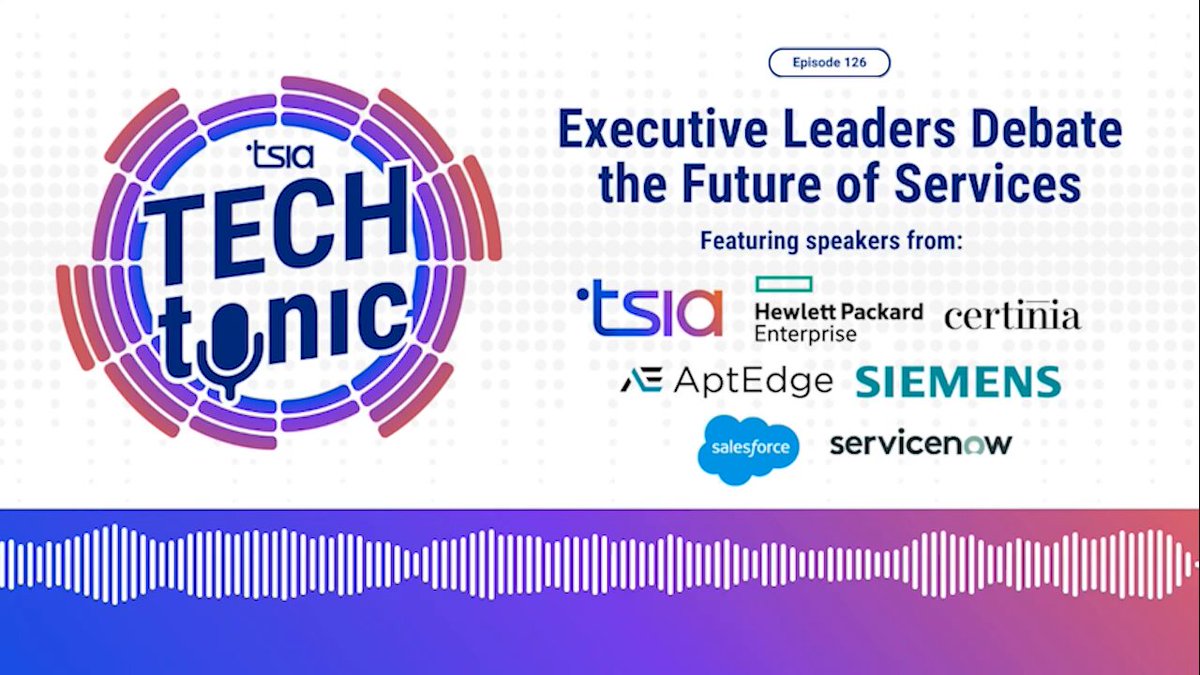
The companies moving fastest in the AI era aren’t just changing technology. They’re changing how sales, services, & customer engagement work together.
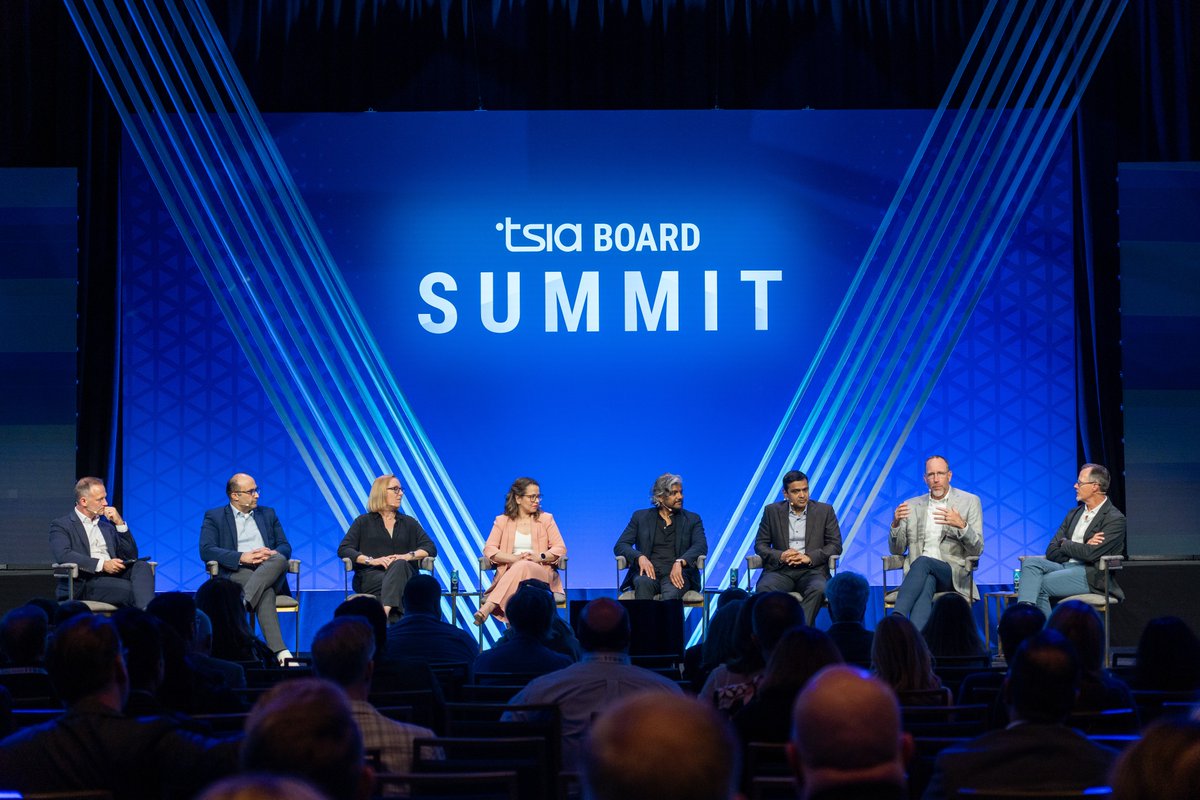
This special #TECHtonic episode features leaders from @salesforce, @ServiceNow, @HPE, @Siemens, @AptEdge, & @CertiniaInc discussing where enterprise tech is heading next: bit.ly/4uwZfjZ
1
119
Hear more on these conversations live at Technology Services World: bit.ly/4dN8Yf4
65
Speaker applications for Technology Services World are closing soon.
If your organization is navigating AI transformation, operational scale, or customer lifecycle change, we want to hear your story.
Apply now before submissions close: bit.ly/4u9mxfR
📍 Oct 19–21 | Las Vegas
24
AI isn’t reducing the importance of customer success.
It’s raising the stakes.
The organizations succeeding in 2026 aren’t treating customer success as a support layer.
They’re treating it as a value engine tied directly to retention, expansion, & growth.
1
1
1
60
Read The State of Customer Success 2026: bit.ly/4dIX7OV
1
32
Why do leaders stay engaged with TSIA for years?
@Ciena says that ongoing peer relationships & consistent exposure to industry change help leaders stay connected & informed. See how TSIA impacts leaders: bit.ly/4mblwjW
23
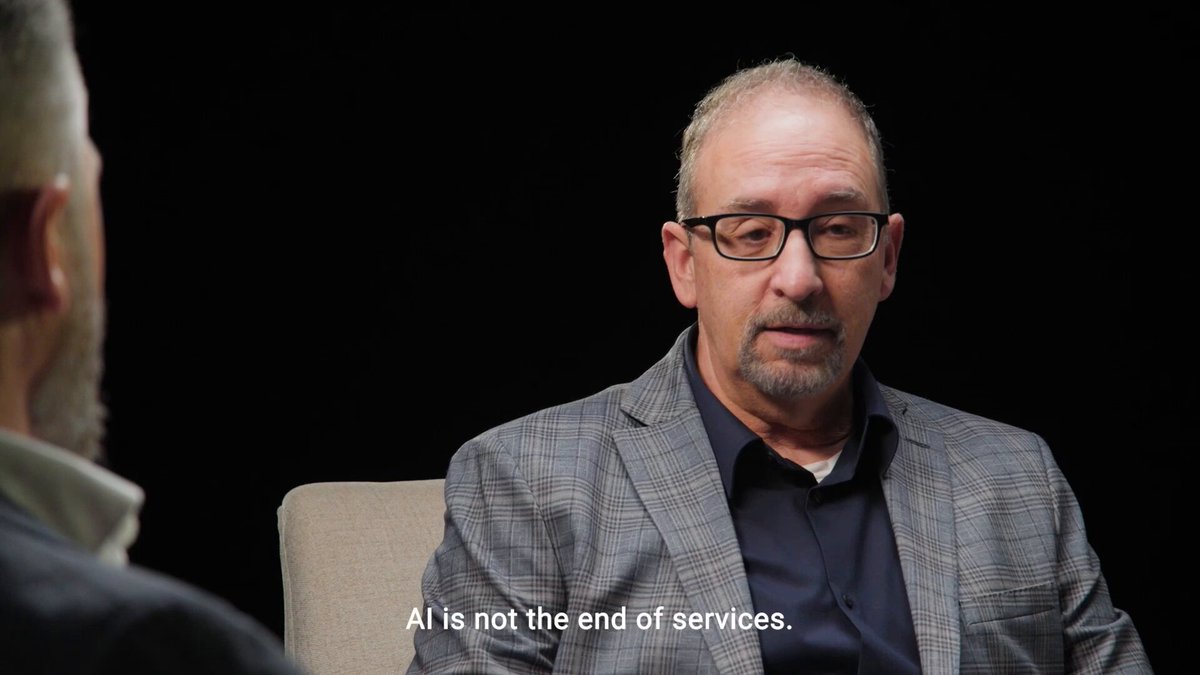
“Less than 20–25% of today's technology companies will still exist 3 to 5 years from now." - George Humphrey, TSIA’s SVP of Research
The ones that survive won't evolve their way there. They'll incubate AI-native models from scratch to deliver outcomes.
1
35
Watch the full conversation: bit.ly/4fIex0I
21
Strategy alone doesn’t solve execution problems.
Some firms define direction. Others focus on benchmarking, operational performance, & continuous improvement.
As companies push for measurable outcomes, that distinction matters more.
See how McKinsey compares to other models: bit.ly/4tWElK4
25
AI is changing what software “usage” means.
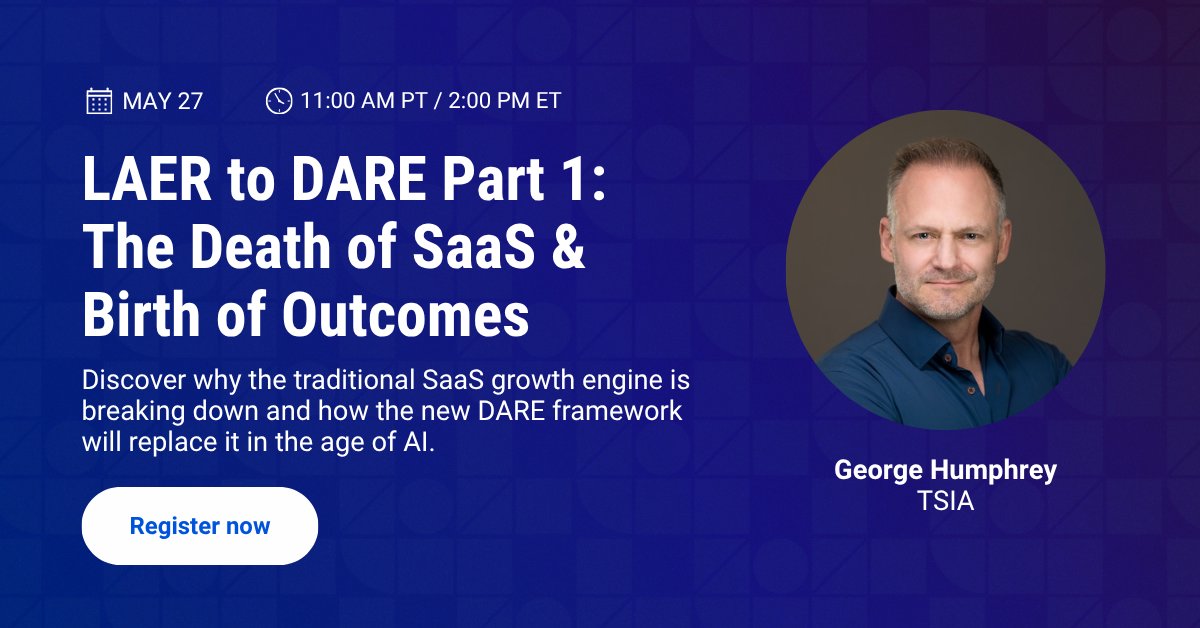
When usage becomes a cost center instead of a value metric, the traditional LAER model starts to break.
See what comes next after LAER: bit.ly/3RmIPfq
15
One of the biggest shifts emerging in tech services right now? Forward-Deployed Engineering.
As organizations move AI from experimentation into real-world implementation, companies are embedding technical talent directly into customer environments to help close the gap between deployment and measurable business outcomes 👇
1
49
📌 Why FDE is becoming critical for AI delivery: bit.ly/4wZwJt8
📌 The different ways organizations are approaching FDE: bit.ly/4o2SgNz
📌 Why Sales Engineers aren’t FDEs (yet): bit.ly/49LDqF0
📌 The org friction slowing AI implementation: bit.ly/43pLpE4
📌 How FDE drives measurable business outcomes: bit.ly/4v5ev7D
25
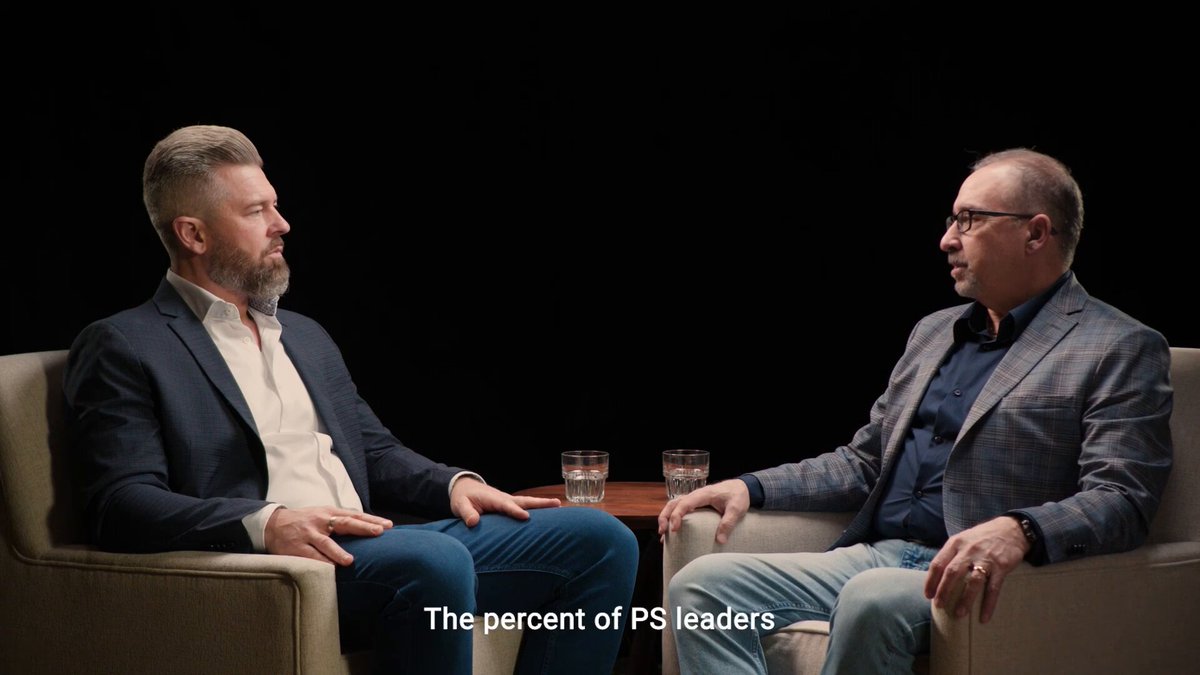
Professional services leaders may need to rethink the metrics they’ve optimized around for decades.
As PS 2.0 evolves, organizations are starting to question whether utilization and project margin will remain the primary measures of success.
Watch the full breakdown. bit.ly/4dGt9Nd
36
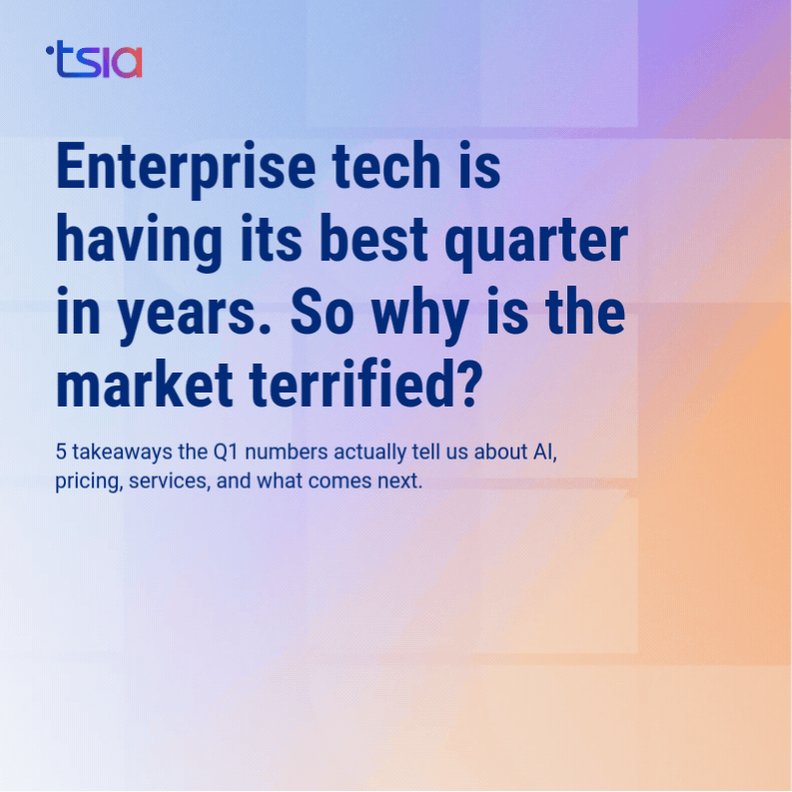
Fewer users can now create more output, putting pressure on seat-based pricing models.
Meanwhile, companies aligning revenue to outcomes are being rewarded by the market.
Why finance leaders need to rethink value capture now: bit.ly/4tKfMA5
1
4
93
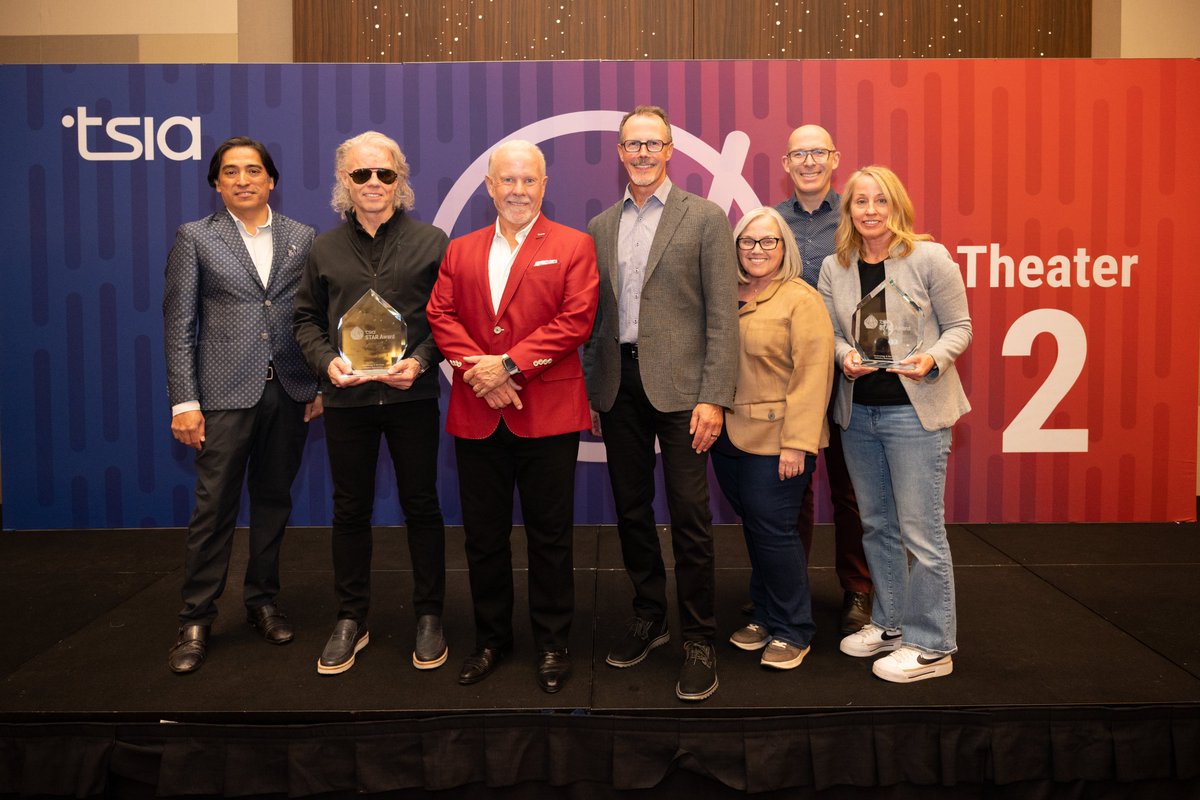
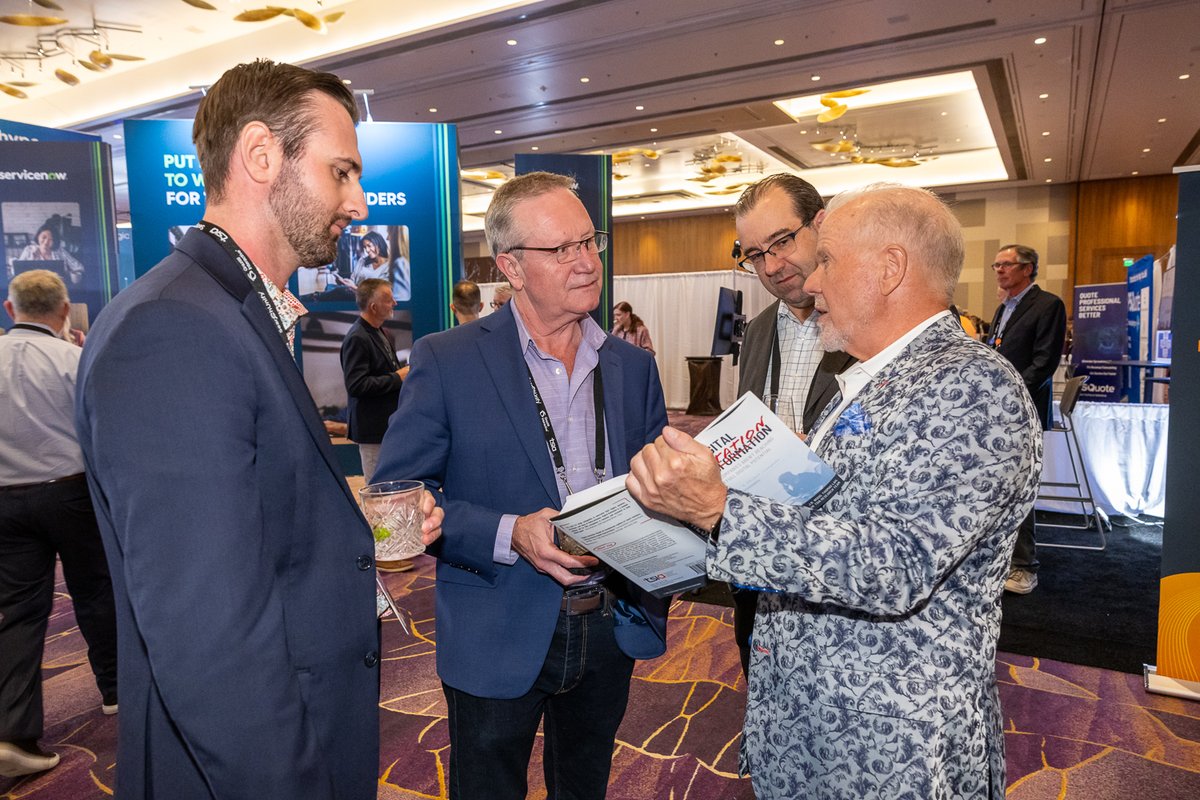
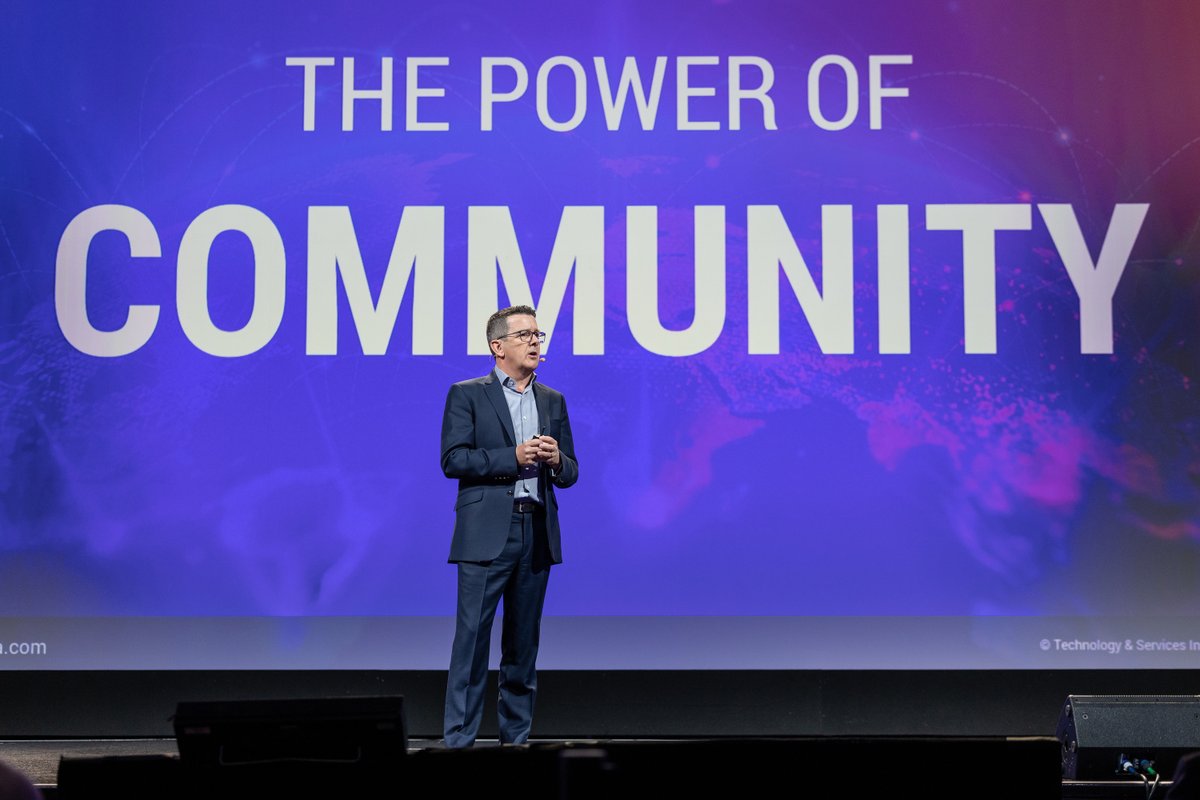
Technology Services World brings together the community shaping the future of the AI customer lifecycle through shared ideas, real-world execution, & peer conversations.
Join us this October in Las Vegas. Register now: bit.ly/4uiOxNT
1
1
25
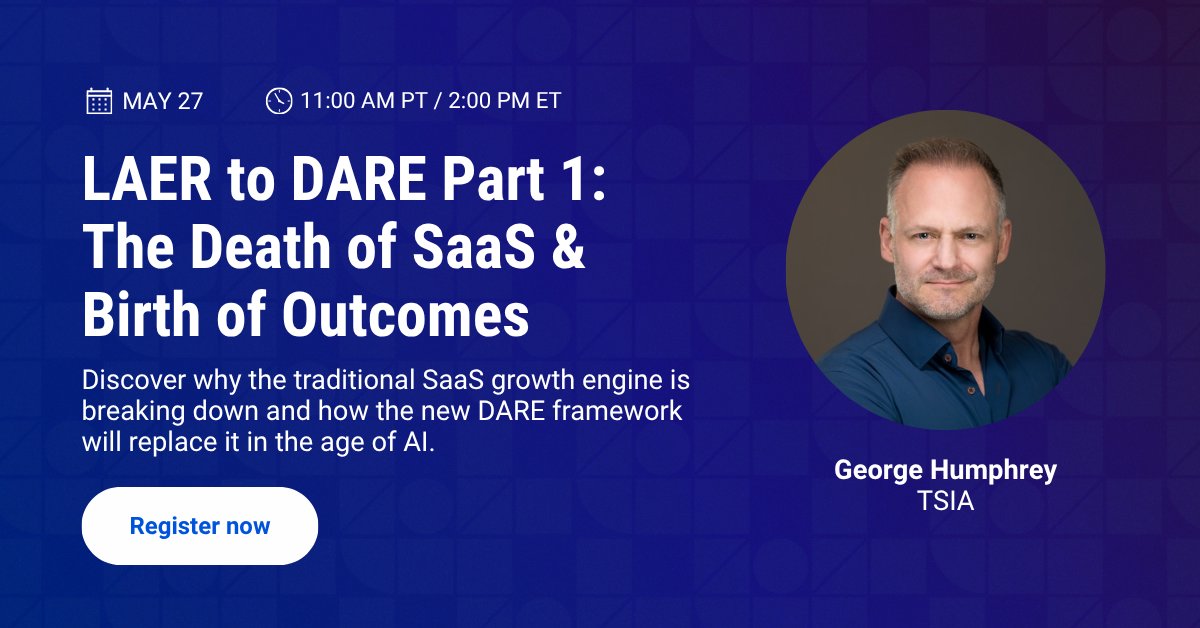
LAER was built on one assumption: the customer using the software meant the customer was getting value.
AI is breaking that — and the pricing models built around per-user, per-unit, per-month are feeling it.
TSIA shares why the model is breaking and what DARE replaces it with: bit.ly/4tFHA8t
1
58
AI is changing what software “usage” means.
When usage becomes a cost center instead of a value metric, the traditional LAER model starts to break.
See what comes next after LAER: bit.ly/3RmIPfq
2
24