
The Tech Transparency Project (TTP) is a research initiative of @Accountable_Org that seeks to hold large technology companies accountable.
Joined February 2016
- Tweets 8,987
- Following 1,117
- Followers 6,505
- Likes 8,602
2,058 Photos and videos

Pinned Tweet

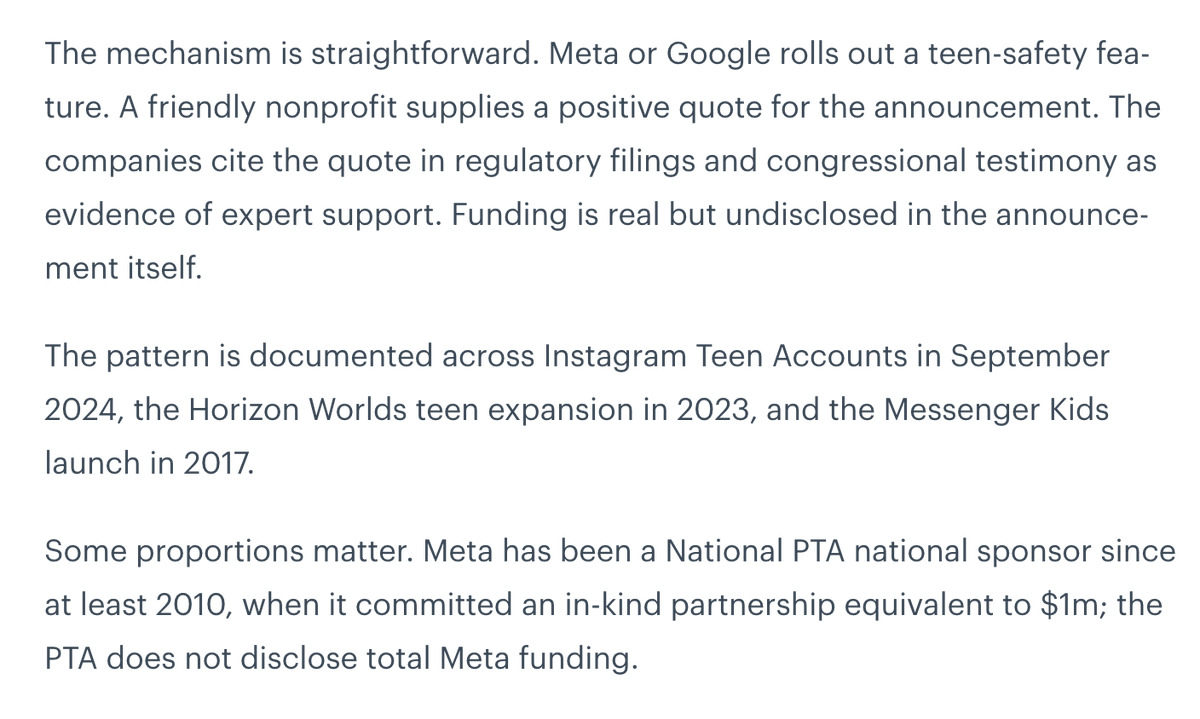
TTP's latest report shows that Grok is just one of *many* apps—easily discoverable on app stores—that are capable of producing this content.
techtransparencyproject.org/…

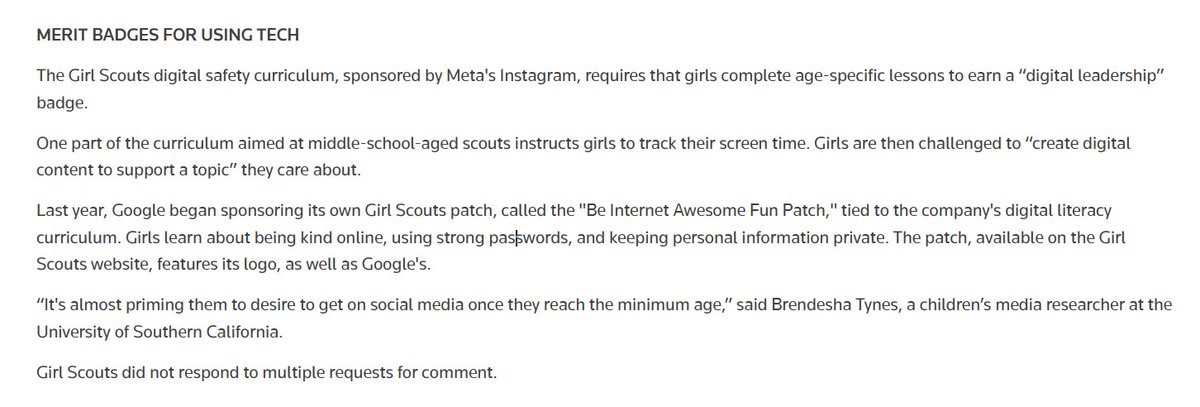
Grok is failing kids. According to reports, xAI’s chatbot can generate sexually explicit content, raising serious concerns as deepfake scandals continue to escalate. Weak safeguards and inadequate age protections leave children at risk. Big Tech must prioritize safety, not roll out tools without accountability. Read NCOSE's full statement below. 👇
buff.ly/mRC1X6x
#NCOSE #EndExploitation #Grok #GrokAI #XAI #X #Chatbot #AIAbuse #ArtificialIntelligence #BigTech #ProtectKidsOnline #KidsOnlineSafety
2
6
15
1,190
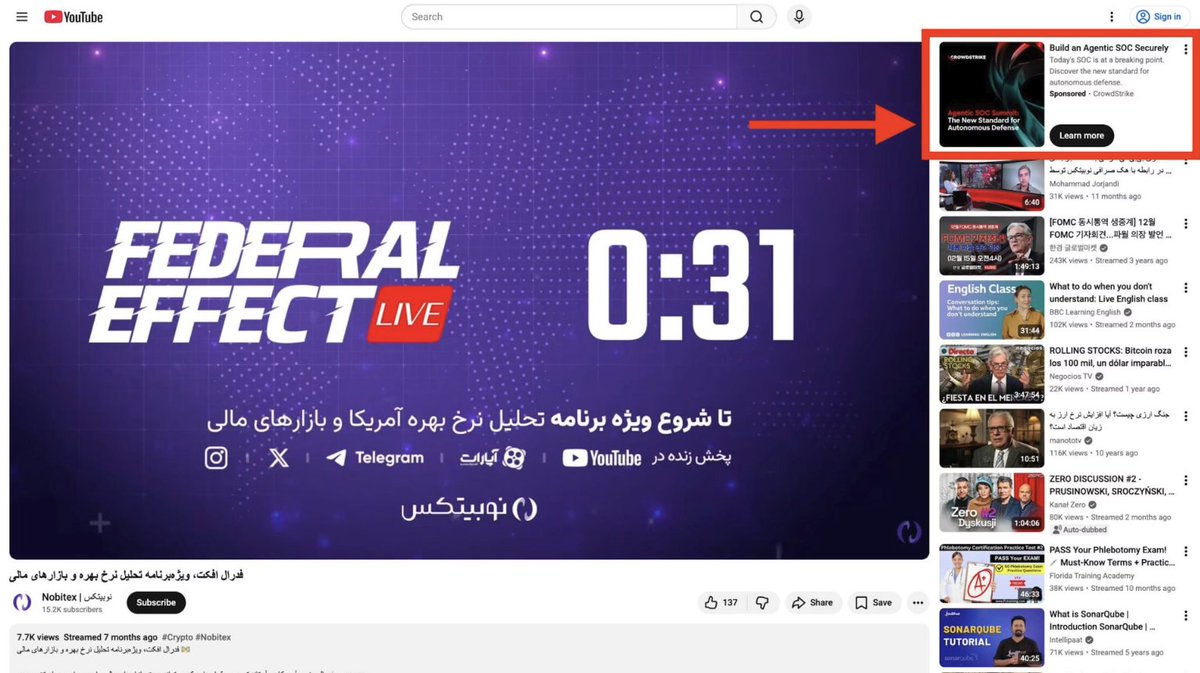
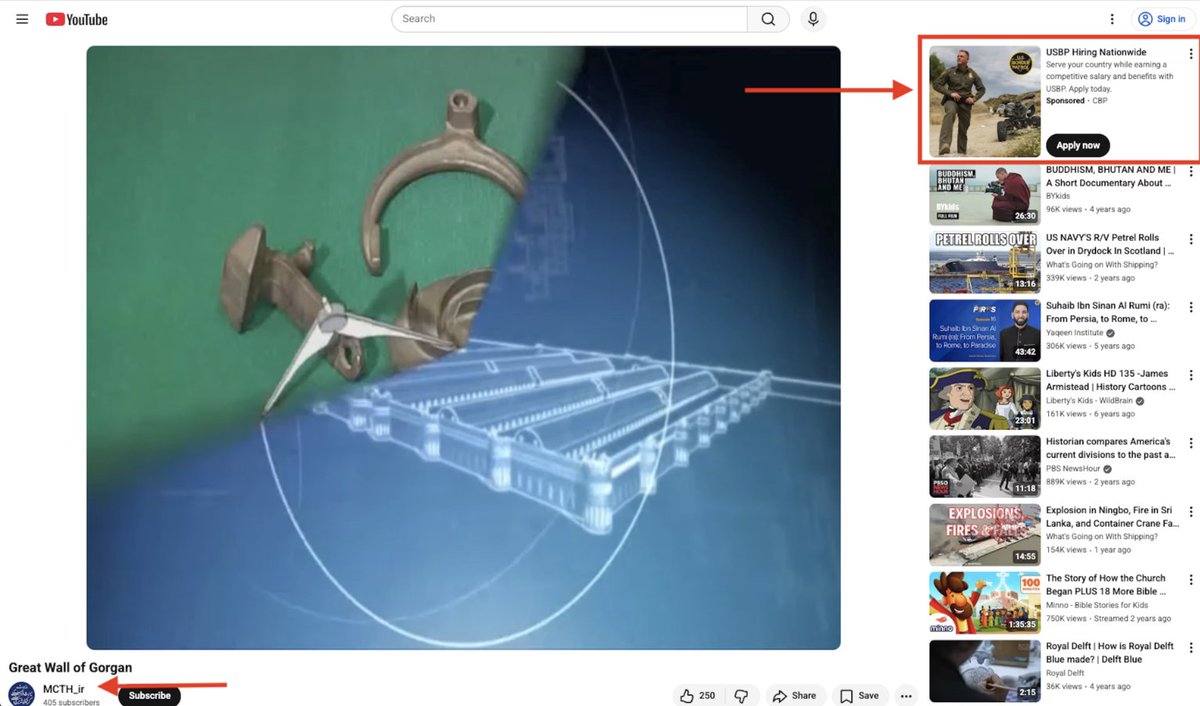
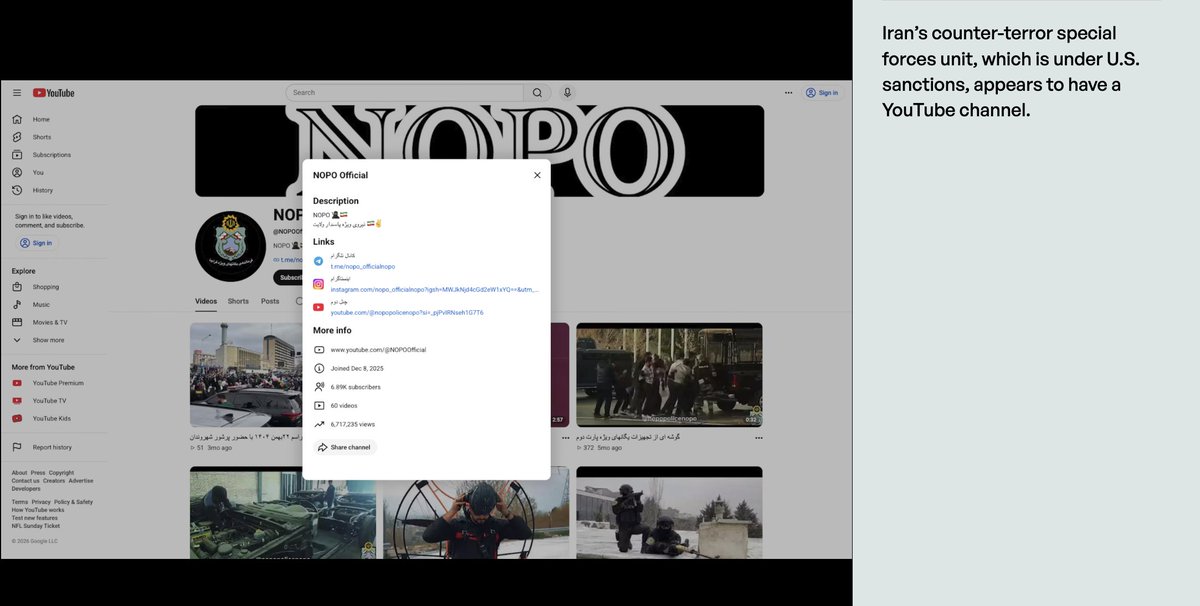
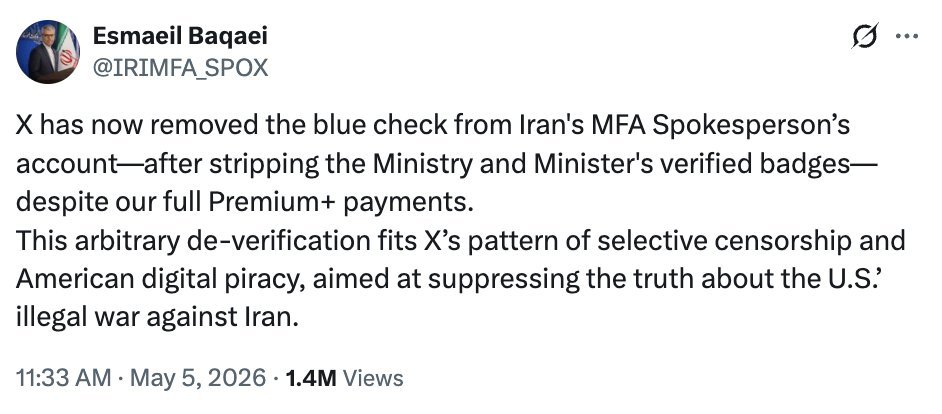
NEW: As the Trump administration piles new sanctions on Iran amid the ongoing conflict, YouTube is making money off dozens of channels for U.S.-sanctioned Iranian officials and groups, according to a TTP investigation. techtransparencyproject.org/…
1
166
Until YouTube cleans up this problem, advertisers will be vulnerable to having their ads run on content from individuals and organizations deemed a threat to U.S. national security. techtransparencyproject.org/…
57

New research suggests that dozens of monetized YouTube channels are run by people and organizations that the US government has sanctioned for their ties to Tehran. wired.com/story/youtube-appe…
3
8
11
9,055
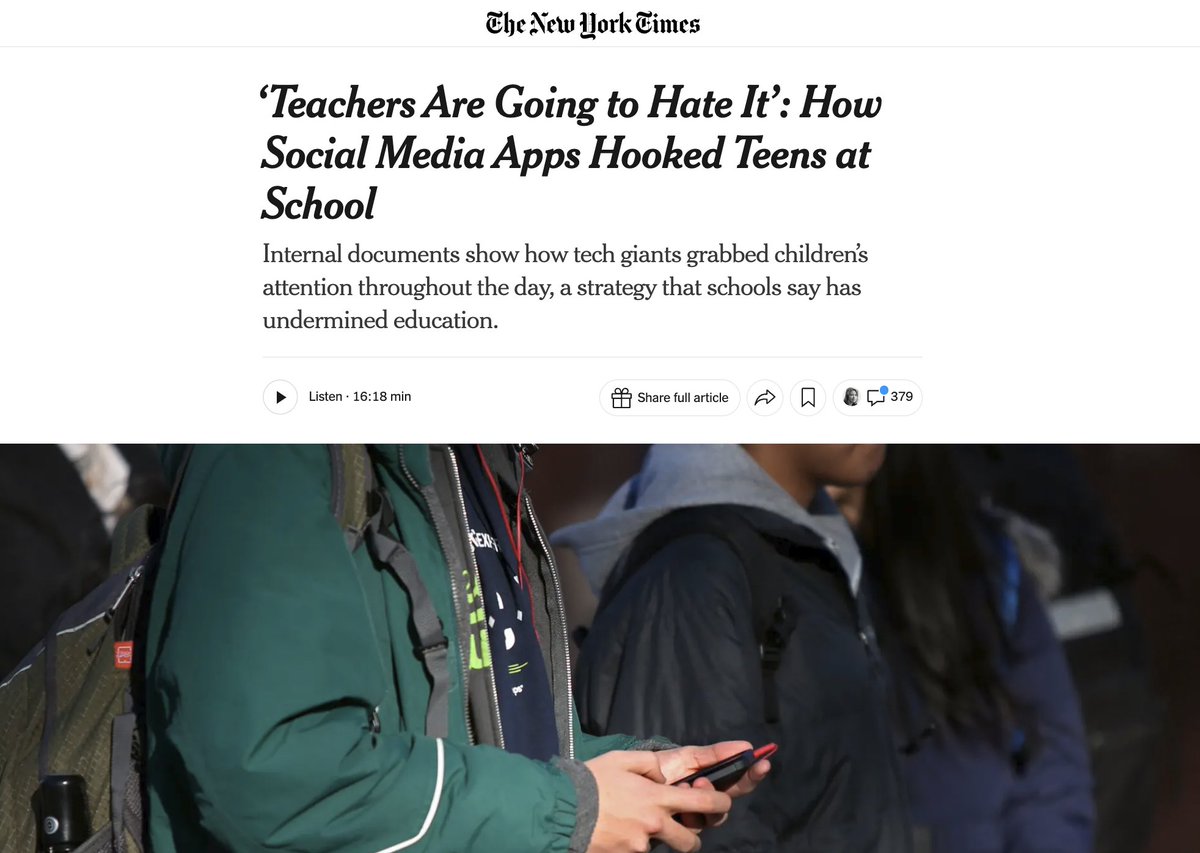
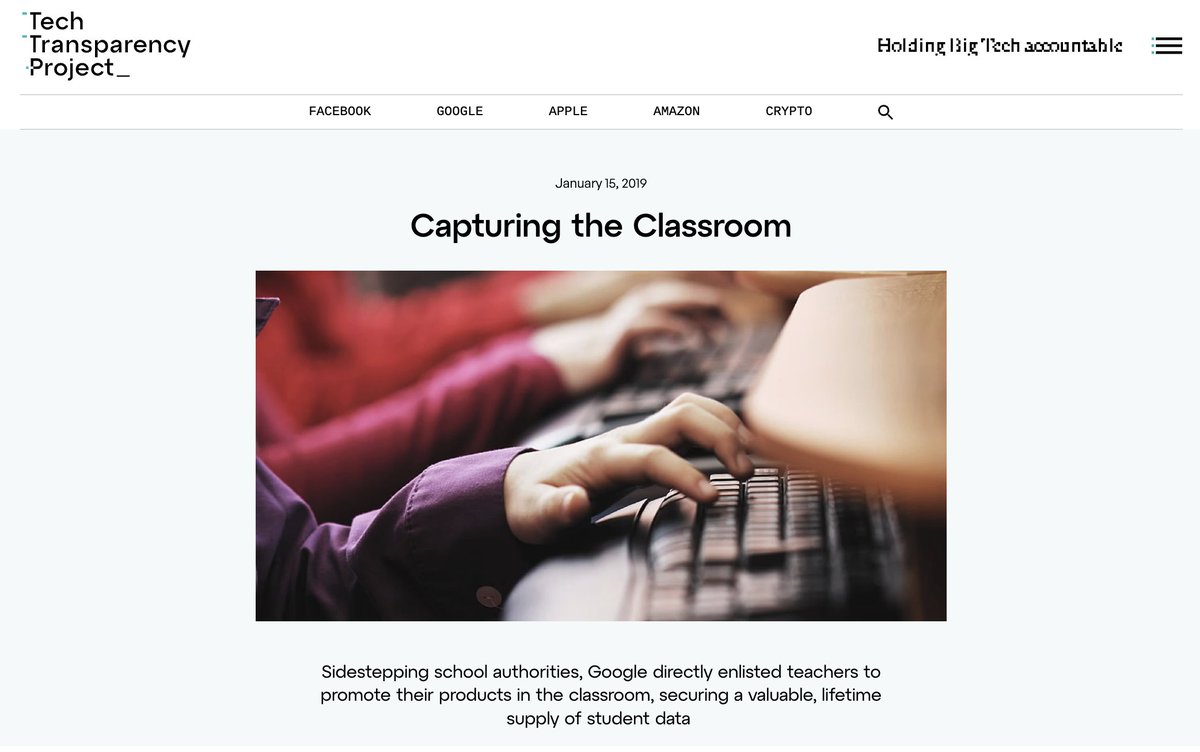
Writing about how tech in schools is undermining education, @jenvalentino reports that some are “re-evaluating their reliance on devices like Chromebooks, the inexpensive laptops made by [Google]."
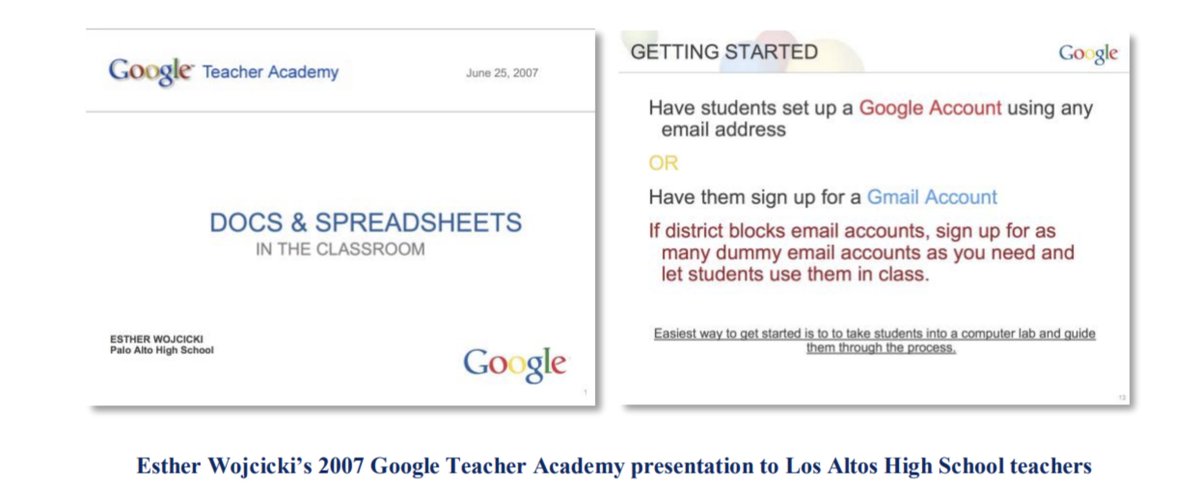
Back in 2019, a TTP report documented the origins of this Google takeover.
2
3
3
394
Students now are also dealing with the added distraction of apps like Snapchat and TikTok—which were offered help from the National Parent Teacher Association to “help with sentiment [around Snap]” and “positively raise [TikTok’s] profile among parents.” nytimes.com/2026/06/04/us/so…
1
2
94
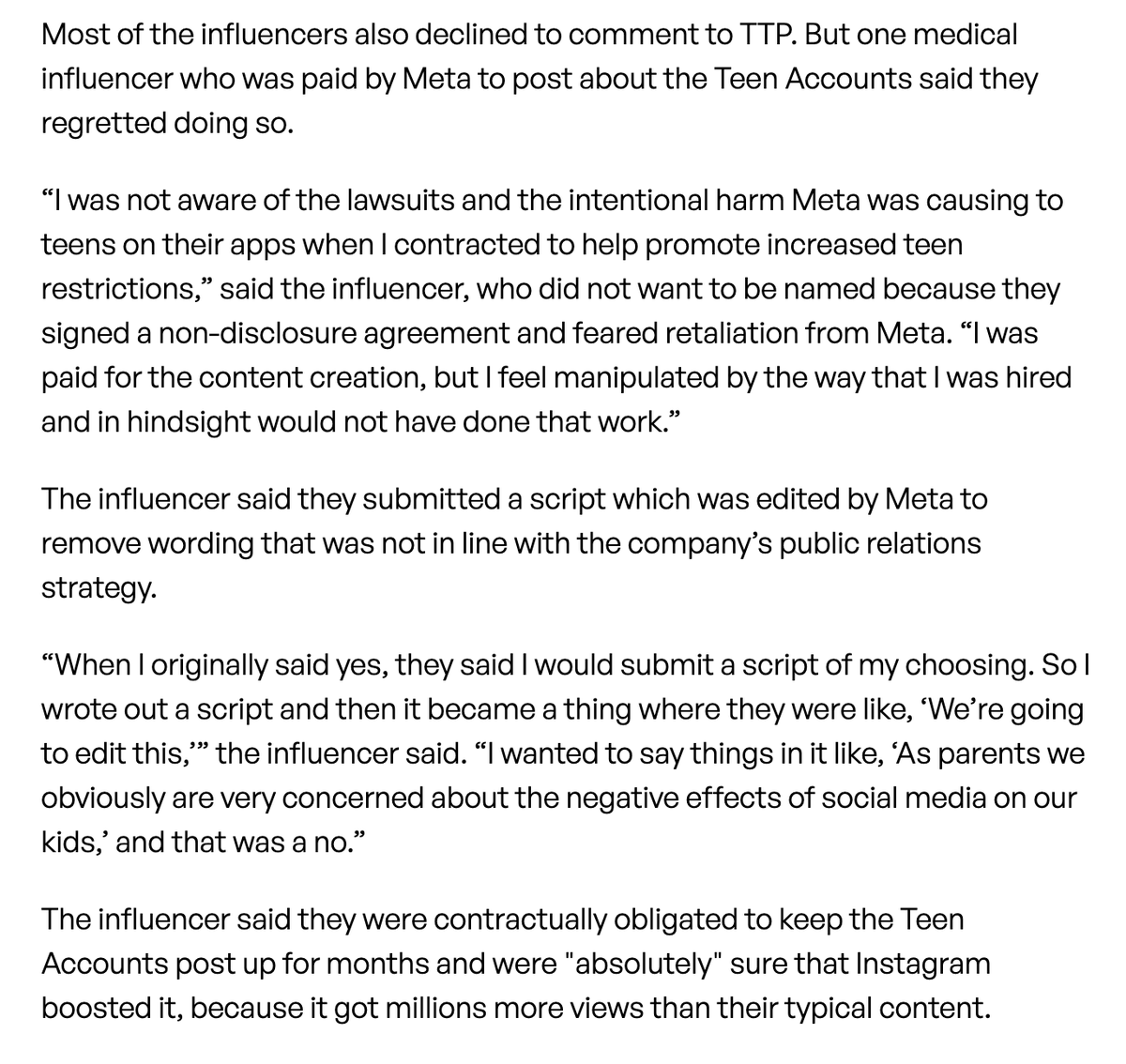
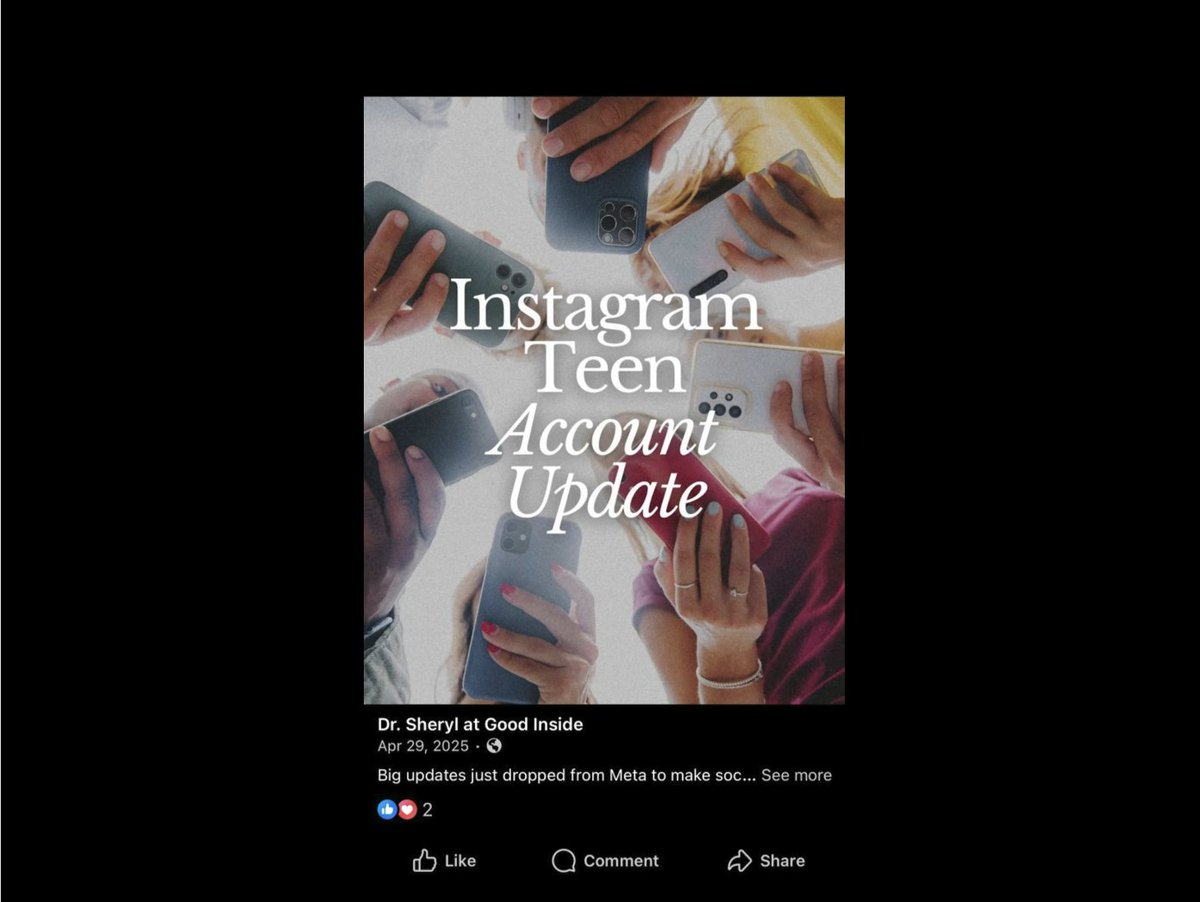
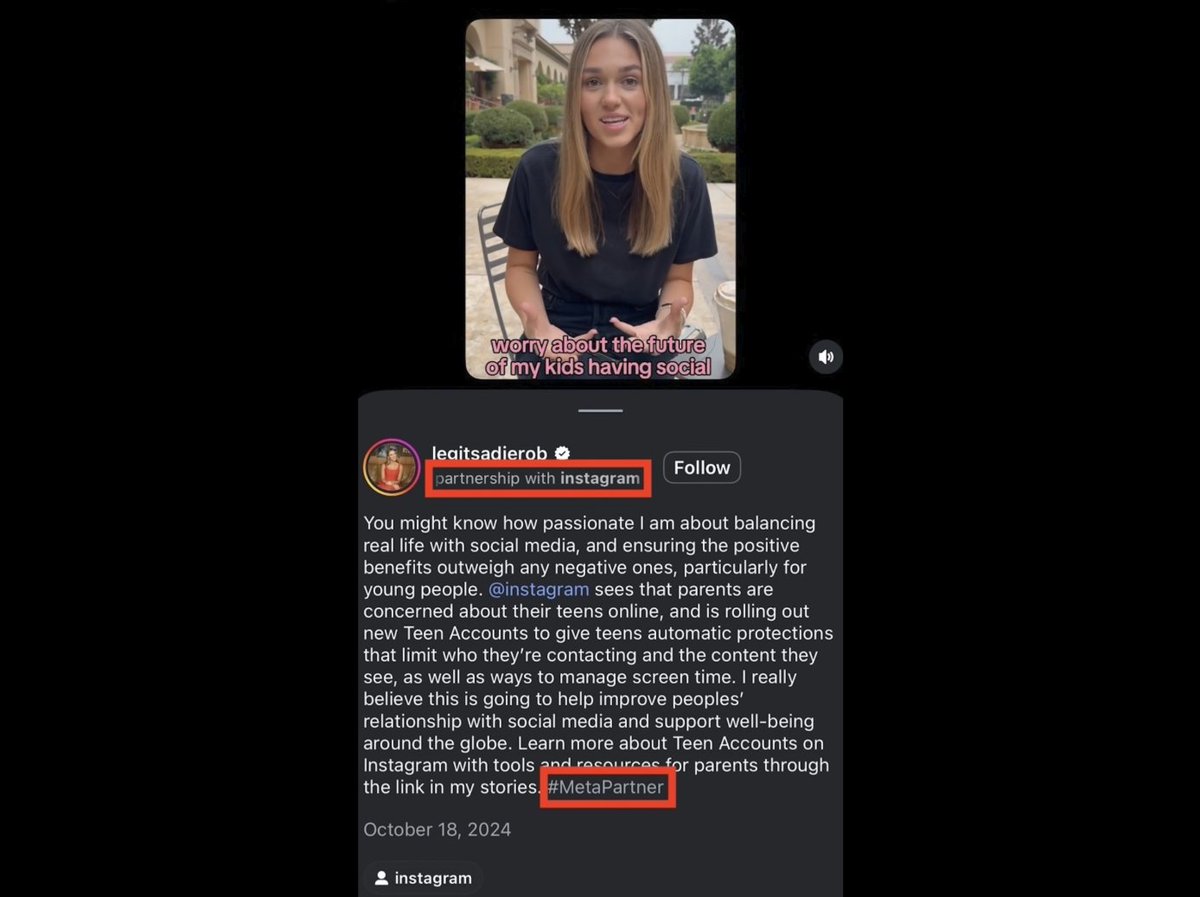
But public sentiment seems to be turning. Earlier this year, the National PTA announced it was cutting ties with Meta, citing "heightened public scrutiny and legal cases.” The announcement followed a 2025 TTP report exposing the partnership. techtransparencyproject.org/…
2
59
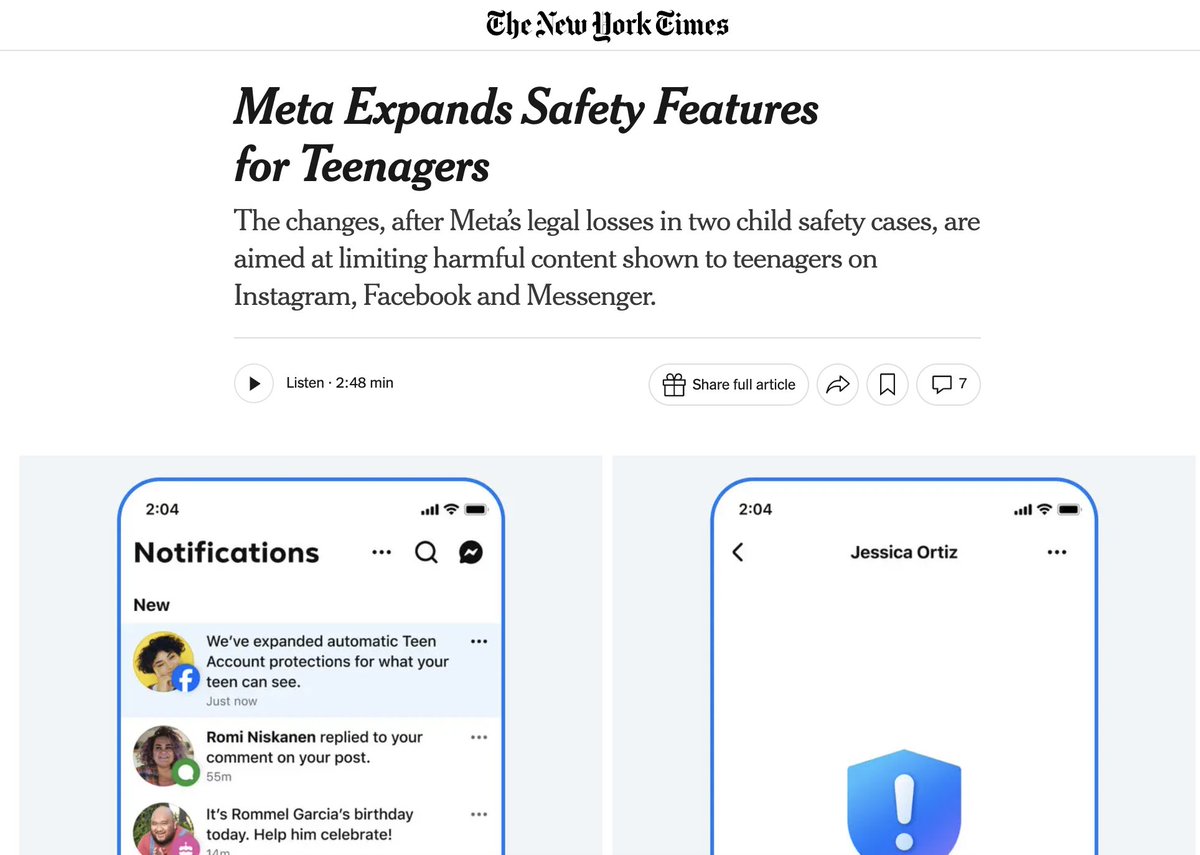
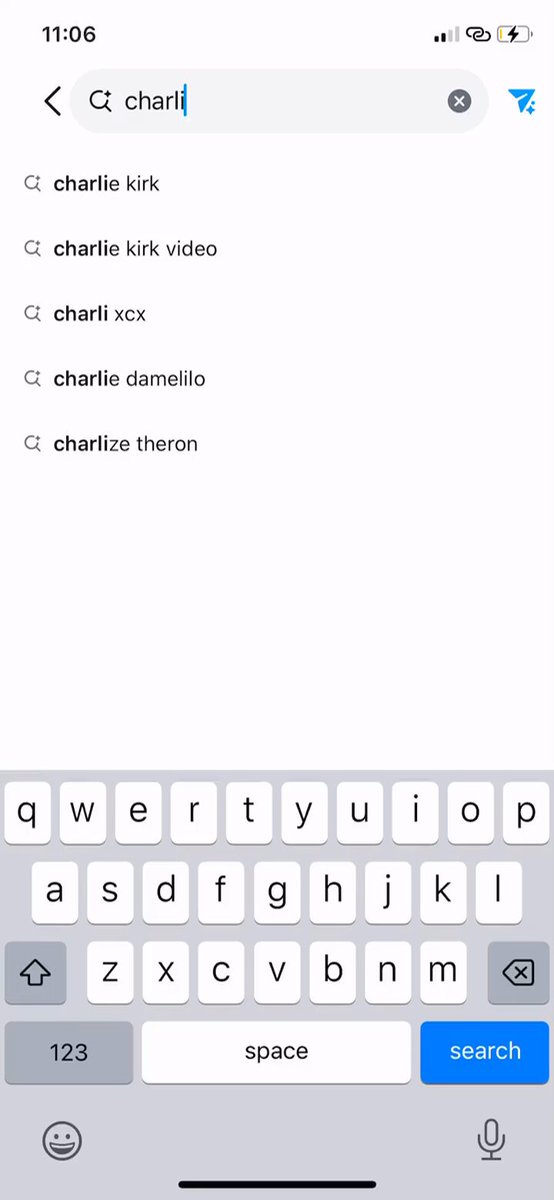
This week, Meta announced policy changes to limit “how frequently teenagers are shown posts about topics like nutrition, weightlifting, and anxiety.”
Meta has long struggled to protect kids on its platform, often failing to enforce the new policies it purports to roll out.
1
1
1
169
Five years later—after a recent jury decision found that Meta's addictive design features harmed a young user—the company is still sorting out how to control harmful organic content that appears in teens’ feeds. nytimes.com/2026/03/25/techn…
1
84
Yet even when new policies governing these accounts are implemented, enforcement remains an issue. Last year, TTP highlighted how a teenage boy using a Teen Account could find gory fighting videos on IG—despite clear policies blocking that content. techtransparencyproject.org/…
1
155
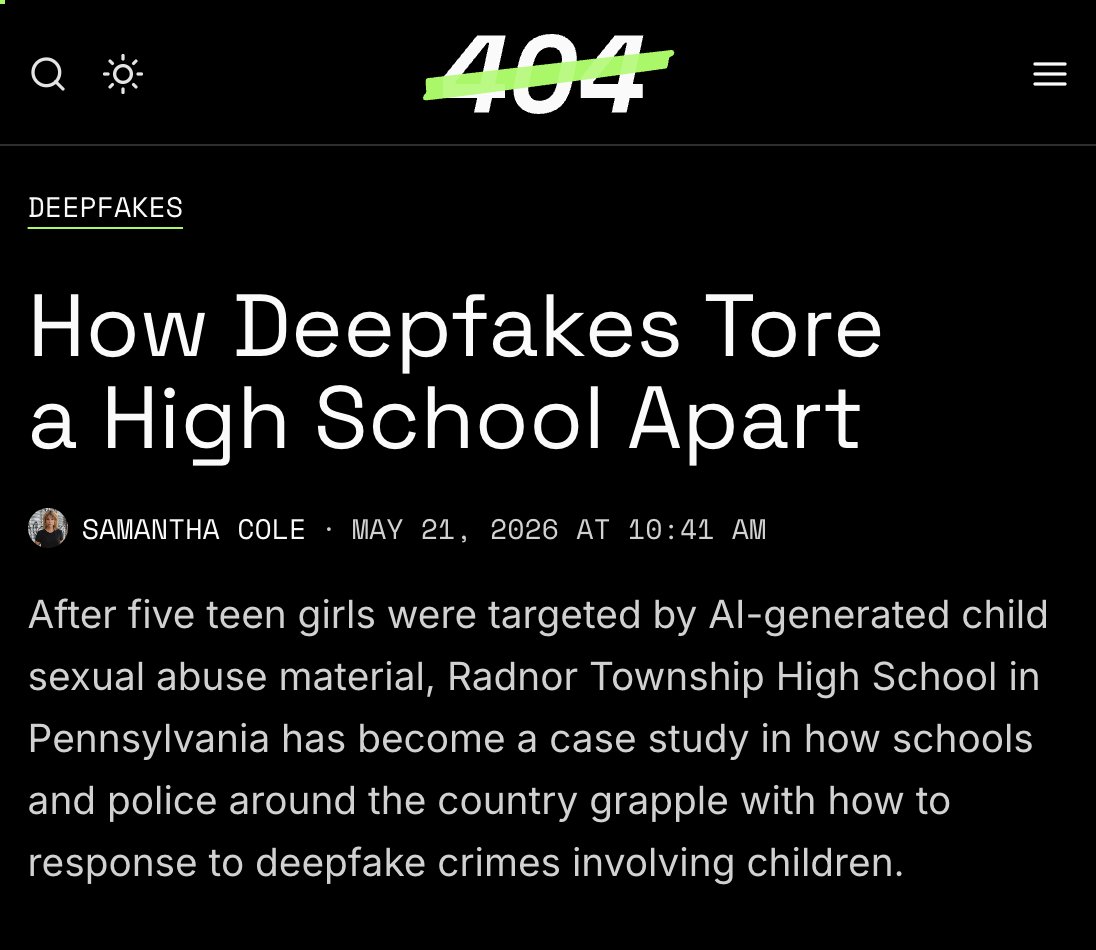
A new piece by @samleecole looks at the fallout after a boy created nonconsensual sexual AI deepfakes of his female classmates.
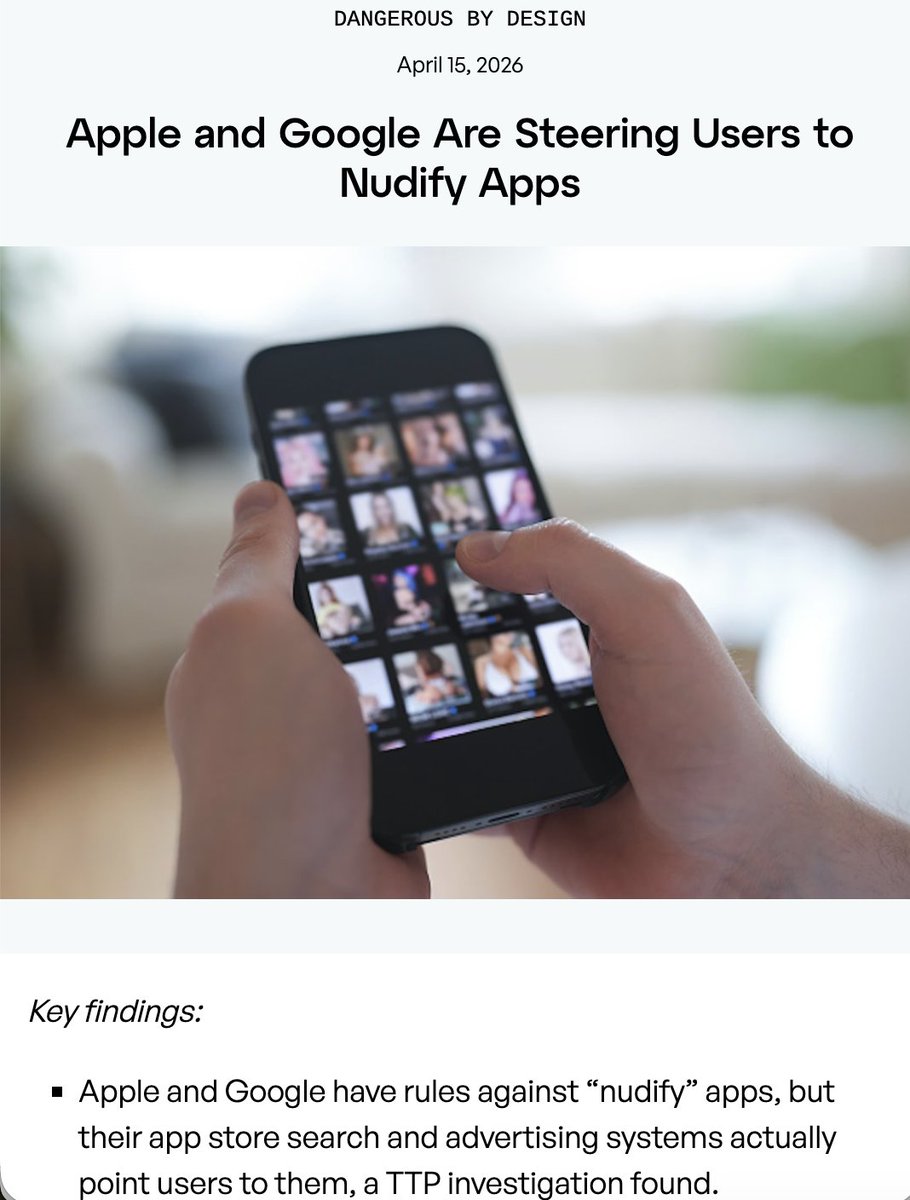
The images were generated in an app called Movely—one tested by TTP in our April report, and available for download in the Apple App Store at the time.
1
3
5
331
Although Movely is no longer in the Apple App Store, TTP found that, earlier this year, the app was not only available for download but also being actively promoted by Apple in app store searches. techtransparencyproject.org/…
1
132
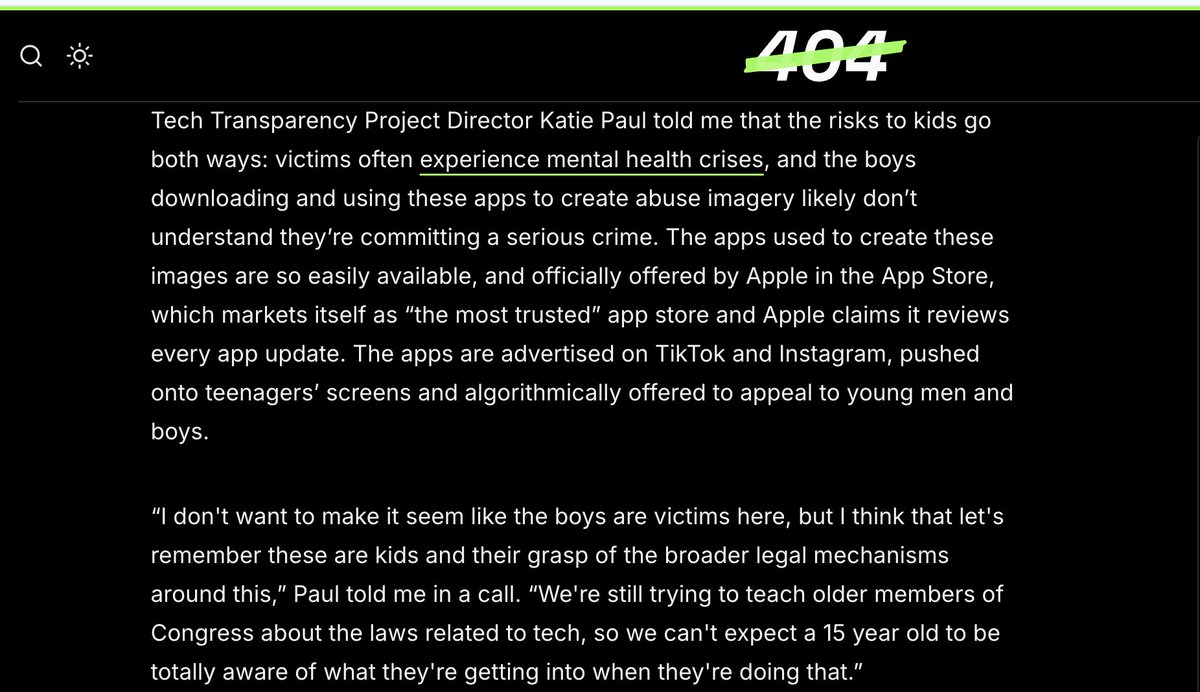
TTP’s Katie Paul explained to @404mediaco that the normalization that comes with Apple allowing ads for the app may lead young people to the belief that using it to create sexual deepfakes is somehow sanctioned or ok.
89