Joined October 2009
- Tweets 809
- Following 777
- Followers 205
- Likes 3,727
9 Photos and videos



Josh Gottesman retweeted

Spanish history:
In 1053 a pogrom forced nearby Jews to escape and settle in a town in the province of León named Castrillo Motajudíos (Jew Hill Camp)
In 1492 Spain forced all its Jews into exile or forced conversion.
In 1627 the town changed its name to Castrillo Matajudíos (Jew killer camp) and the name remained until 2015.
Spanish Culture:
To this day, there is an annual celebration in the province of León called Matar judíos (Killing Jews), where revelers drink a lemonade and wine mixture and ask each other how many Jews they killed.
Apr 10

Spain is a country with history and culture. Israel is not.
62
350
1,618
52,954
Josh Gottesman retweeted

Apr 10
Iran to the UAE: Really nice country you have there. Would be a shame if something happened to it.
Apr 10

For the UAE to regain its standing as a secure and attractive destination for foreign investors, it must prioritize the development of strong and stable relations with Iran. Otherwise, it will never again be considered a safe country in any foreign investor’s risk assessment.
The pre-war model, which consisted of outsourcing national security to the U.S. while turning the country into a Mossad operational hub, has proven fundamentally dysfunctional. It delivered neither security nor stability to the UAE.
To project genuine long-term stability, the UAE has no realistic alternative but to build enduring ties with a neighbor that is here to stay.
3
28
2,706

Mar 11
So who will come out of hiding first? Mojtaba or the Hidden Imam?!?
20
Josh Gottesman retweeted

Mar 1
Today, I am proud to be Israeli.
Despite all the shaming.
Despite all the UN "resolutions".
Despite all the academics.
Despite all the online pressure.
Israel is cleaning the Middle East from radical religious terrorists. One by one.
They will not thank us for it.
But someone had to do the job.
3,204
2,693
26,244
946,949
Josh Gottesman retweeted

3 Oct 2025
Today is Hersh Goldberg-Polin’s birthday.
He should have been celebrating with his family, but will never have the chance to do so because he was executed by Hamas after being tortured and starved in Gaza for months.
May his memory be a blessing.

666
2,200
13,300
184,745
Josh Gottesman retweeted

18 Sep 2025
Sinclair Broadcasting is the Trump ally that pushes right-wing propaganda like this into 40% of local news markets.
205
2,935
9,313
564,156
Josh Gottesman retweeted

25 Jul 2025
Trump sent officials to see Ghislaine Maxwell quicker than he sent FEMA to Texas
330
8,719
36,096
759,388
Josh Gottesman retweeted

27 Oct 2024
המשטר האיראני עשה טעות, וטעה בחישוב שלו לגבי ישראל. גרמנו לו להבין איזה כוח, יכולת, יוזמה ורצון יש לאומה הישראלית.
229
4
299
65,351

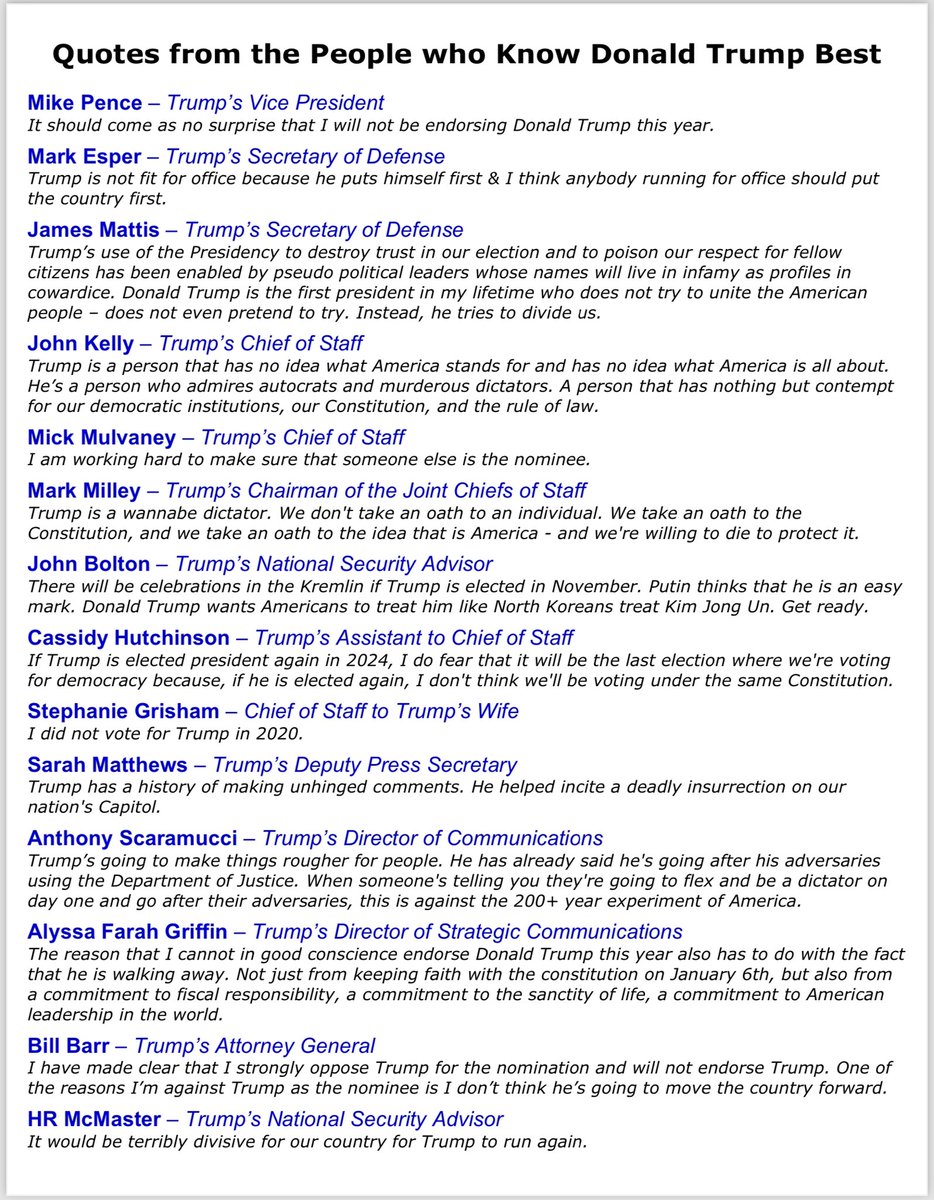
To everyone trying to discredit John Kelly as disgruntled.
1. John Kelly is a U.S. Marine Corps General. Trump is a draft-dodging serial liar. I think we all know who’s telling the truth.
2. John Kelly isn’t alone. 40 out of Trump’s 44 cabinet members said similar stuff.
1,521
13,158
29,239
1,257,429
Josh Gottesman retweeted

18 Oct 2024
He was not fighting. He was hiding. He and his men ran from an Israeli patrol, a tank shell wounded them and forced them to split up. Sinwar ran into the nearest building to hide, climbed to the second floor and hoped against hope to sit out the next few hours unnoticed. But the IDF soldiers sent a drone to survey the building, found him and killed him with a sniper shot.
He died trying to hide.
This heroic lie that he died fighting, rather than running and hiding, is part and parcel of Gaza's tragedy for a simple reason: It is the only narrative of agency that Palestinian elites are able to give their people.
"He died defending Rafah," bleet out the defenders of the Narrative.
But he didn't. He died sneaking between tunnel networks and chanced upon by an unusually alert Israeli patrol. He wasn't defending anything, he was moving between hiding places in a landscape whose destruction he himself had meticulously engineered over many years as Gaza's tyrant.
And still this image - cornered at the last, trying to hide in the demolished aftermath of a city emptied by a war he eagerly pursued - is the only version of heroism that the Palestinian national story allows.
The worst thing Sinwar did to Palestinians wasn't his brutality, his willingness to oppress and murder them for his great religious vision. It was this story, this path he taught and forced them to walk, this promise of redemption that could only ever be achieved, he argued (and murdered any who disagreed), through this destruction.
1,160
2,403
14,915
1,740,551
Josh Gottesman retweeted

16 Oct 2024
On January 6, I got ready to defend my colleagues and texted my wife: “Whatever happens, I love you.”
Ted Cruz was hiding in a supply closet. If you summon a mob to overturn a free and fair election, you should lose your job. This election is his accountability.
#TXSenateDebate
6,476
15,719
83,611
12,474,479
Josh Gottesman retweeted

12 Oct 2024
Former President Trump had 44 cabinet secretaries. 40 of them don’t support his 2024 campaign.
Neither does his Vice President nor any of his former chiefs of staff.
2,413
15,973
66,554
3,045,313
5 Oct 2024
So very curious who you think of as the "They" in this sentence. Also wondering if they have space lasers?
4 Oct 2024

Yes they can control the weather.
It’s ridiculous for anyone to lie and say it can’t be done.
71
1 Oct 2024
Iran just launched ~200 projectiles at Israel to minimal impact. When #Israel strikes against #Hezbollah and #IRGC it levels buildings.
Tonight may well be the beginning of the end of @khamenei_ir and your strangle hold on the people of #Iran
Sleep well in your bunker.
319
29 Sep 2024
Maybe 1 in 50 projectiles from #Hezbollah do damage to Israel. Every time Israel strikes it levels a building in Lebanon.
How much longer will Hezbollah hold the people of #Lebanon hostage for their "quixotic" mission to free Lebanon from an Israel that already left the territory?
139
29 Sep 2024
There is absolutely no strategy here. He is just pure stream of conscious rambling.
Tell me this is not a sign of diminished capacity.
29 Sep 2024

Trump: "I hated to give overtime. I hated it. I shouldn't say this, but I'd get other people in. I wouldn't pay."
1
75
5 Aug 2024
Everyone in Israel and Lebanon be like...
"I don't want to be in a battle, but waiting on the edge of one I can't escpape is even worse?"
youtu.be/waGogciXcJA?si=ruF-…
1
105