Group Leader/Principal Scientist @Genentech. B cells, autoimmunity, immune memory, tiki taka & geggenpressing
Joined November 2020
- Tweets 699
- Following 801
- Followers 1,965
- Likes 1,740
42 Photos and videos






Teddy Yewdell retweeted

Mar 23
I think I’ll start posting about the lessons I’m learning as part of this new thing I’ve been doing (my attempt to change the landscape of scientific publishing and consequently how science is done)
One lesson I’ve learned (and also unlearned…) is that it’s very convenient to put all the blame on journals. I’ve done it myself for years. And yes, many of the criticisms are valid. They make way too much money at our expense and are often not very good at distinguishing good science from bad science. Some of them (not all of them! There are good journals too!) bring very little value and can even slow scientific progress. They can be inefficient and biased, and journal names are a very poor substitute for quality.
But the more I work on this, the harder it is for me to believe that journals are the only problem (even specifically when it comes just to publishing science). Universities are equally at fault. And I don’t just mean that we, the scientists doing the reviewing, are part of the problem (which we are, obviously). I mean the institutions we belong to, and the way they make decisions. Hiring, promotions, funding allocation - these processes are often opaque, subjective, and not particularly scientific. They are slow, inefficient, and they rely on journal brands as a shortcut.
I used to think journals were driving this, but it’s obviously more like a loop. Journals could not stay the way they are if universities changed how they evaluate quality, because they would lose much of their justification to exist. But universities do not evaluate science directly, because there is too much of it and not enough experts available and time (or money to pay reviewers). So they rely on journal prestige, while journals rely on institutional reputation. Where you do your science ends up mattering more than what you discover, and this affects publication, which affects funding, which determines whether you can even pursue your ideas.
This can be exploited, of course, but I don’t think institutions (or the responsible faculty/management) behave this way because they are evil or greedy. They do it because evaluating science properly is ridiculously hard and time-consuming, and the system does not reward doing it well.
But the important question is can we change the way our universities work, or is it an impossible task? What I've learned working on this problem is that we can. In addition to engaging with management we can influence the system in other ways. In many cases we don’t need their approval. We are the ones who form the committees. I believe we can break the loop, if we target the mechanism of science evaluation. Journals will keep their power, shortcuts will keep dominating, and the same biases will keep reproducing themselves unless we change how we evaluate science (how we do review). If we can find ways to critically evaluate science at scale, rigorously and transparently, we can change how decisions are made.
18
47
206
43,879
Teddy Yewdell retweeted

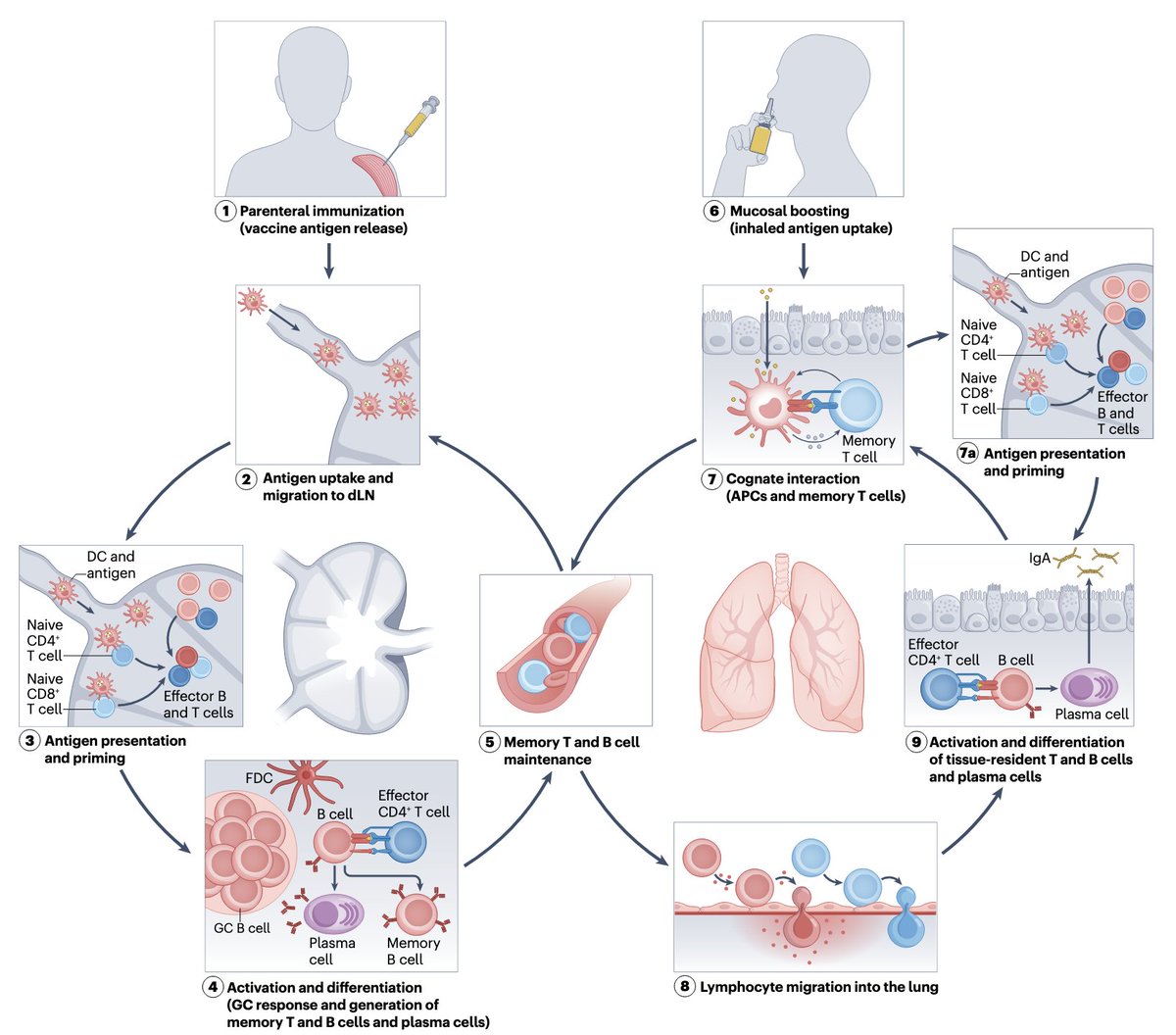
Very proud of @Kwon_Dongil, @sachinbhag, and Stephen Ehrenzeller for putting together a new review - "Harnessing mucosal immunity for protective vaccines" published today @NatRevImmunol!
Please use the link below to access this review 📖
rdcu.be/e4eEU
3
63
198
25,534

Feb 10
This has been making the rounds, and rightly so - an excellent argument to spend more time thinking, and less time generating data. Suboptimal title to sit behind a paywall though! 😅😬 nature.com/articles/s41577-0…
2
8
697
Teddy Yewdell retweeted

Feb 6
Too much data, too little thinking.
A important essay from Ruslan Medzhitov on the importance of understanding data, not just generating it. A must read.
@RMedzhitov @YaleIBIO
nature.com/articles/s41577-0…
82
310
33,912
Jan 22
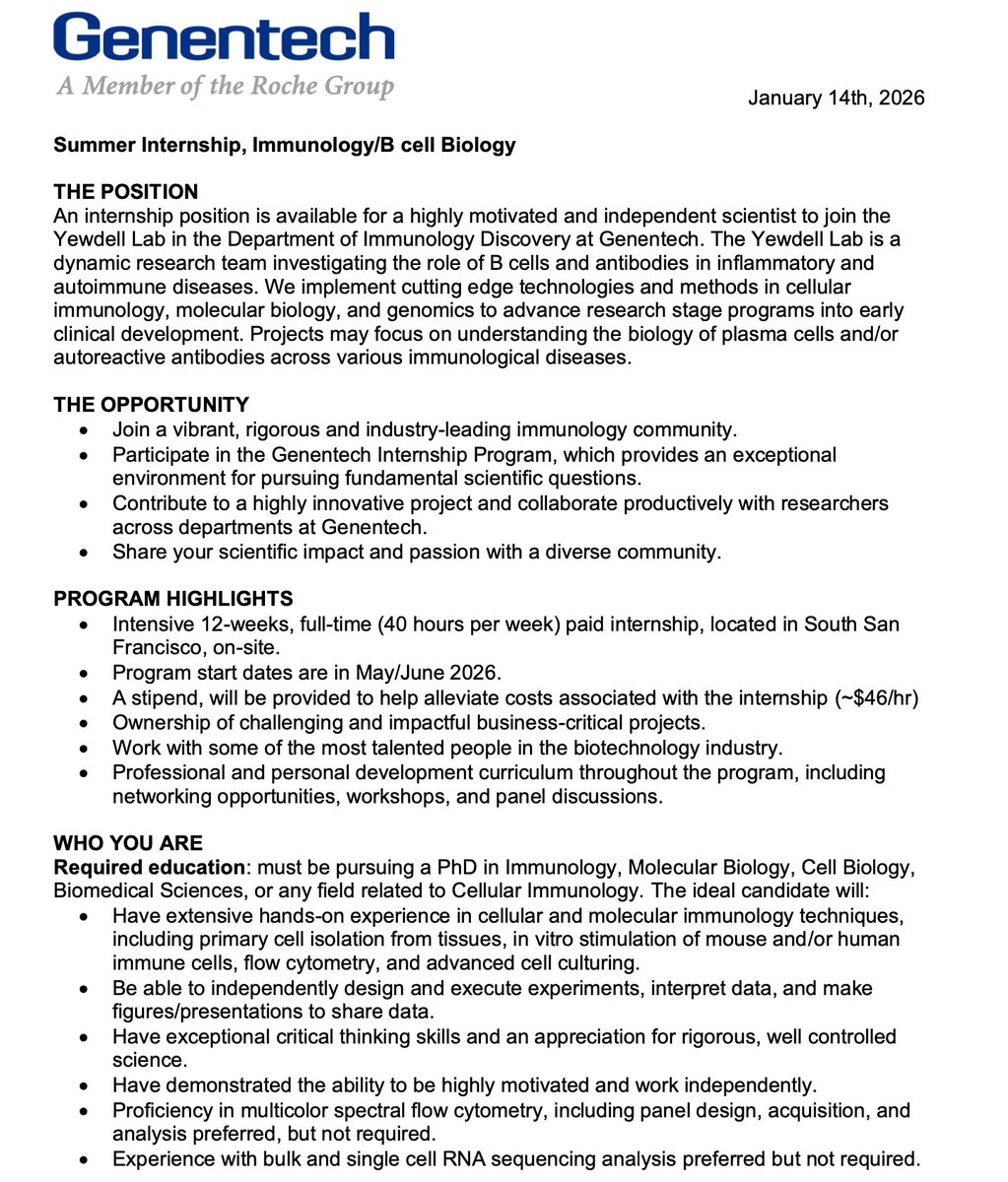
Only 3 days left to apply for a Summer Internship in the Yewdell Lab. Don't miss out on the chance to gain exposure to what a job in "industry" actually looks like, and get a leg up towards advancing your career. Apply now! roche.wd3.myworkdayjobs.com/…
6
7
1,385
Jan 15
The Yewdell Lab @genentech is seeking a summer intern for 2026!! An excellent opportunity to learn how we combine fundamental, basic research with drug discovery to create novel therapeutics, and to see what biotech is all about. Apply now! roche.wd3.myworkdayjobs.com/…
3
5
835
Jan 14
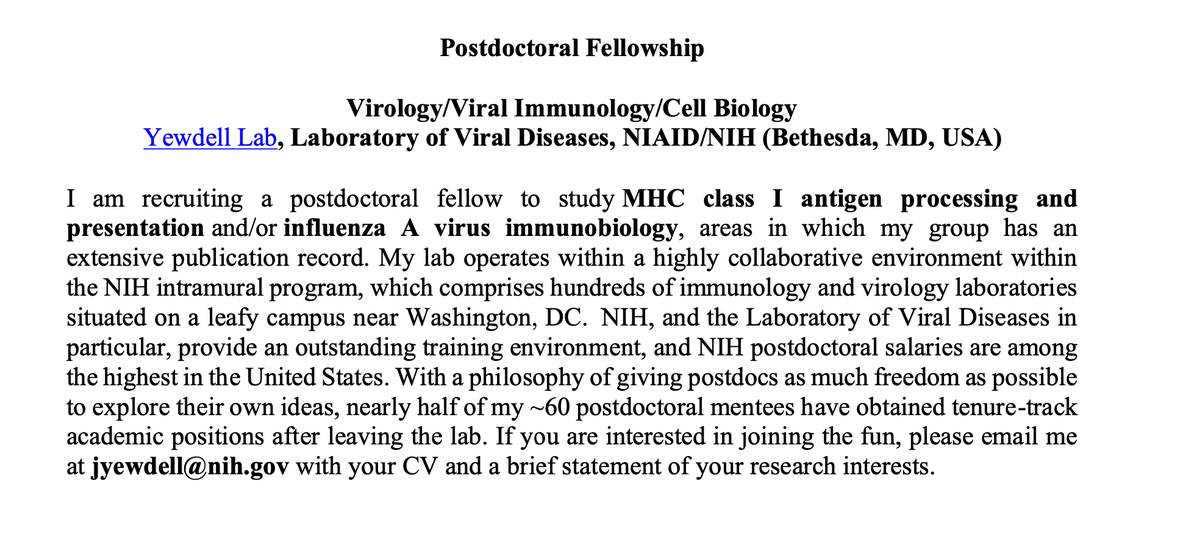
The OG Yewdell lab @NIH is recruiting a postdoc to study MHC class I antigen processing and presentation and/or influenza A virus immunobiology, deets below. Outstanding track record of trainees getting faculty positions Jon will play you in ping pong in lab at any time
1
8
670
Teddy Yewdell retweeted

6 Dec 2025
This is how science should be: we were notified that we may have made an error; we invested time and money on investigating the error; we concluded that indeed there was an error; we let the world know. Respect for Neville and the team!
5 Dec 2025

Now online! Retraction notice to: Transcriptome-scale RNA-targeting CRISPR screens reveal essential lncRNAs in human cells dlvr.it/TPdpN6
3
38
329
52,952
Teddy Yewdell retweeted
1 Nov 2025
How did running your first Western Blot feel?
Student:
3
52
5,310
Teddy Yewdell retweeted

28 Oct 2025
Oliver et al do it again!
28 Oct 2025

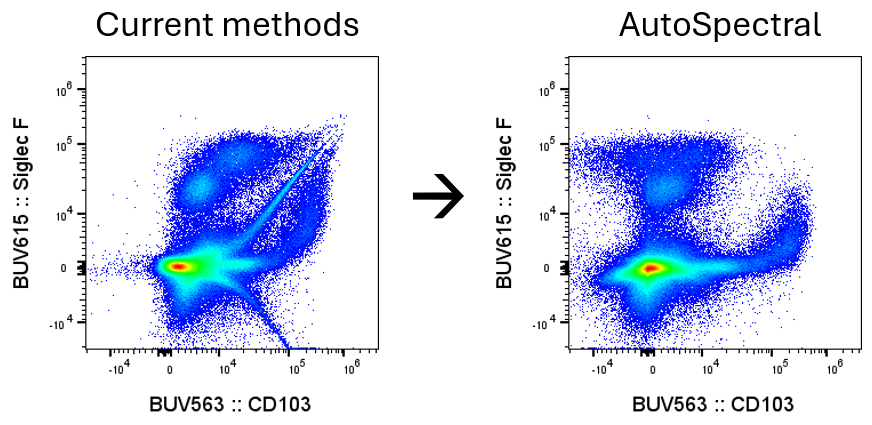
Pre-print alert! And this one really is a must read for anyone that does spectral flow cytometry. It is a complete, fully-automated spectral unmixing pipeline that reduces error up to 9000-fold.
Want to get a tough sample, like lung, looking like this?
biorxiv.org/content/10.1101/…
13
79
17,807
22 Oct 2025
THIS IS SO COOL!!! EVERYONE who has ever written a paper needs to try this ASAP. Take your favorite paper that you have written, put it in, and I guarantee you will be blown away by the feedback.
15 Oct 2025

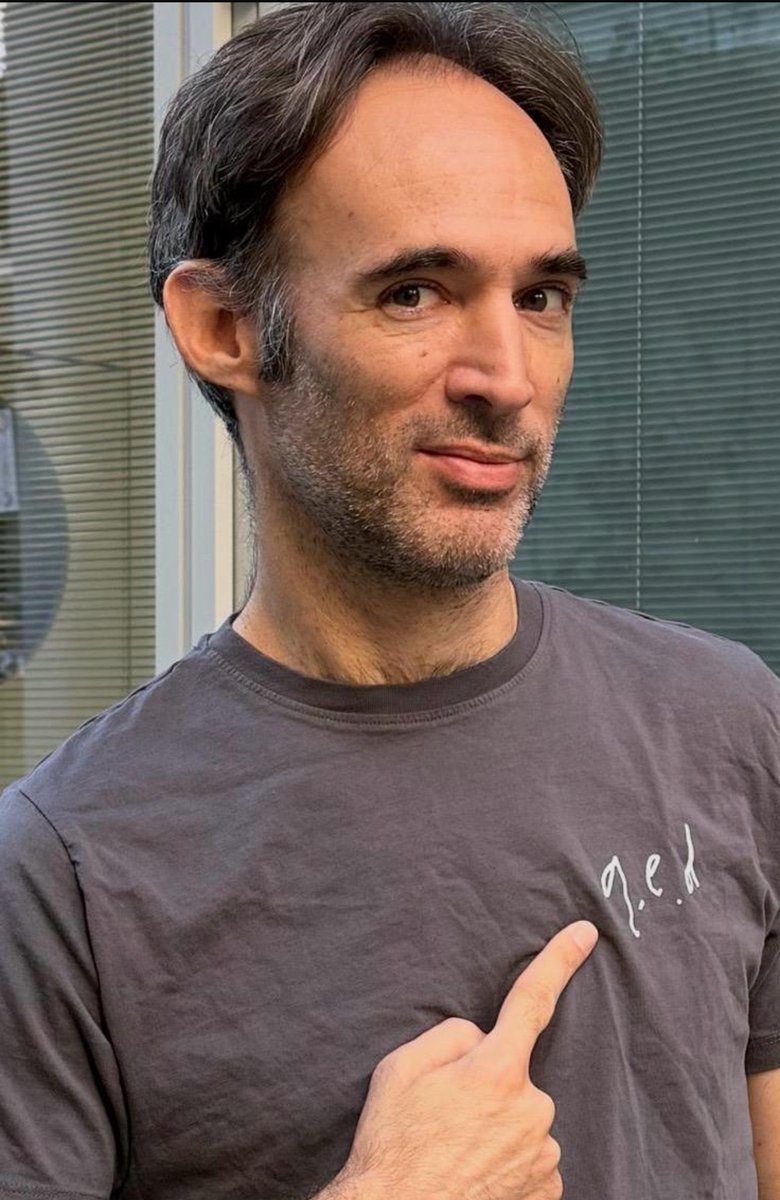
BIG ANNOUNCEMENT📣: I haven’t been this excited to be part of something new in 15 years… Thrilled to reveal the passion project I’ve been working on for the past year and a half!🙀🥳 It started from my frustration with the depressing effect that the current publishing system has on the well-being of myself, my team, and pretty much every scientist I know (maybe you’ve noticed from my stupid jokes… :) I was exhausted of dealing with the huge delays, reviewers that can be abusive, and how arbitrary it all is. Unfortunately, the most important factors are often WHO your reviewers are and who YOU are... It’s clear we need alternatives or at least ways to improve the situation. So, together with a really special and talented team we worked to develop this idea into “qed” a platform where you can get CONSTRUCTIVE feedback on your own work or CRITICALLY assess other people’s papers. It can be a real difference maker if many of you join us (thousands have tried it already, but today we release a NEW and much stronger version ;) Let’s harness qed to put the power back in the scientists’ hands, to do, to read & to publish science on our own terms. I’m dying for you to TRY IT, and it’s very simple - just drop a paper (the link to the website is in the replies👇) - it’s completely secure, private, and free, and you get results fast. Please show your support, SHARE, tell your friends, and let’s be the revolution 🫵!
2
5
10
6,598
22 Oct 2025
So cool!!!!
16 Oct 2025

Our long-lasting research project on an amazing stinkbug-fungus relationship "Defensive fungal symbiosis on insect hindlegs" finally comes out in Science! science.org/doi/10.1126/scie… #symbiosis #insect #fungus #stinkbug
1
326
Teddy Yewdell retweeted

12 Oct 2025
Doing a PhD
388
614
9,499
708,767
24 Sep 2025
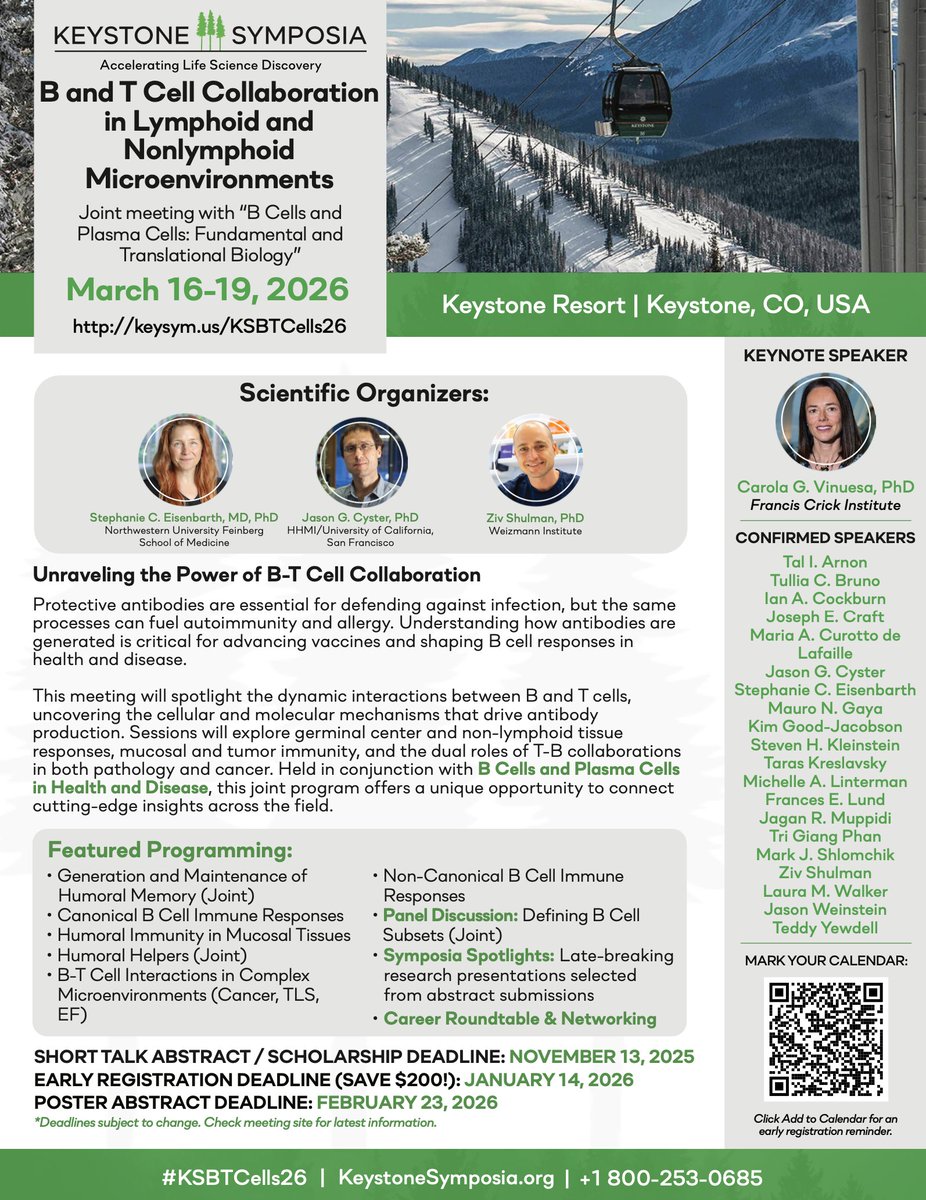
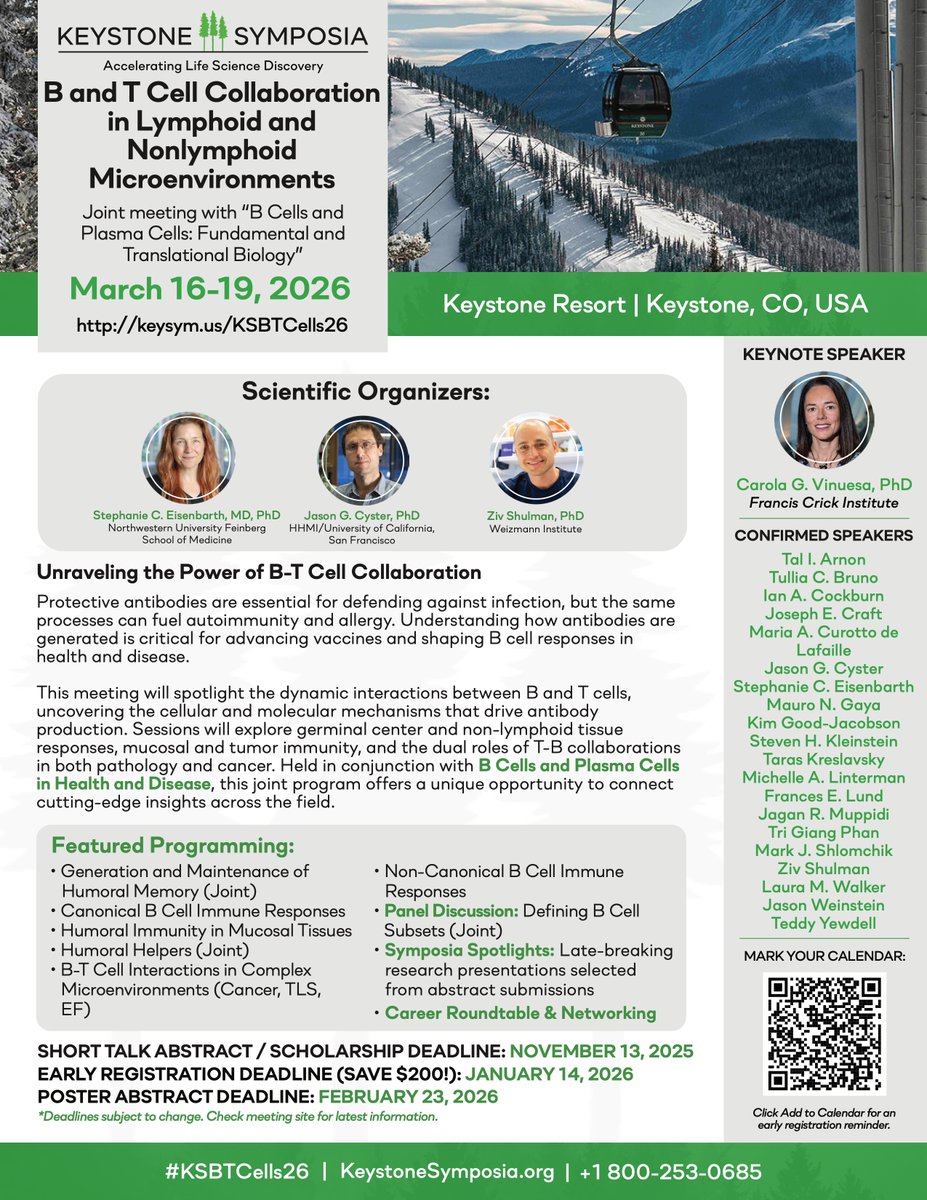
Don't forget to sign up for the B cell-T cell/plasma cell Joint Keystone meeting - short talk abstracts due 11/13 - hope to see you there!
1
3
302

17 Sep 2025
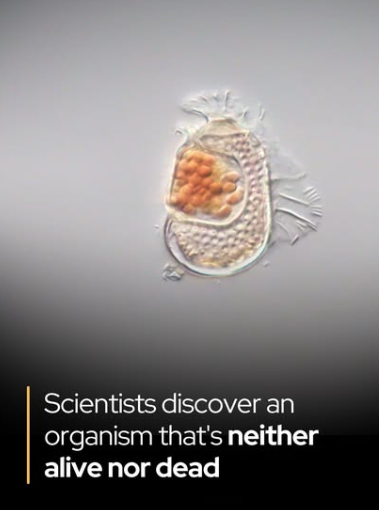
IS THIS THE BEST FIRST SENTENCE OF AN ABSTRACT EVER: "Living organisms are assumed to produce same-species offspring".
Amazing discovery, sci-fi to just sci: nature.com/articles/s41586-0… commentary: nytimes.com/2025/09/15/scien…
1
5
192
17 Sep 2025
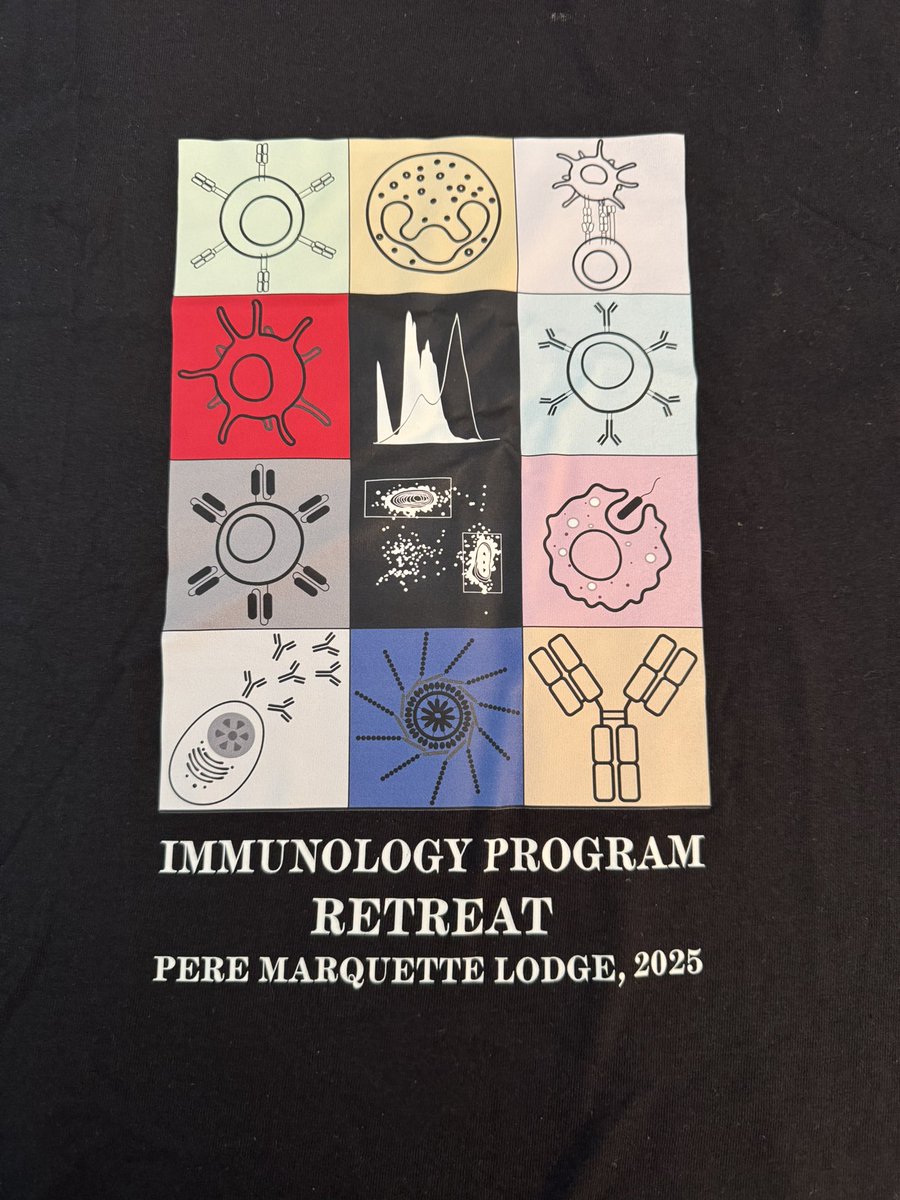
Thanks again @washupathedu for the invite to the Immunology retreat! Fun to tag team keynote w/ @LauraVella17 who primed with some awesome work on human Tfh biology, and I got to boost with some good ole GC B cell datums. Plus immunology is as cool as TS - 6yo loved the tee!
3
253